🦈As Seen on Shark Tank 🦈 Book the Boys everyone is talking about • 🦈As Seen on Shark Tank 🦈 Book the Boys everyone is talking about • 🦈As Seen on Shark Tank 🦈 Book the Boys everyone is talking about • 🦈As Seen on Shark Tank 🦈 Book the Boys everyone is talking about • 🦈As Seen on Shark Tank 🦈 Book the Boys everyone is talking about • 🦈As Seen on Shark Tank 🦈 Book the Boys everyone is talking about • 🦈As Seen on Shark Tank 🦈 Book the Boys everyone is talking about • 🦈As Seen on Shark Tank 🦈 Book the Boys everyone is talking about • 🦈As Seen on Shark Tank 🦈 Book the Boys everyone is talking about • 🦈As Seen on Shark Tank 🦈 Book the Boys everyone is talking about • 🦈As Seen on Shark Tank 🦈 Book the Boys everyone is talking about • 🦈As Seen on Shark Tank 🦈 Book the Boys everyone is talking about • 🦈As Seen on Shark Tank 🦈 Book the Boys everyone is talking about • 🦈As Seen on Shark Tank 🦈 Book the Boys everyone is talking about • 🦈As Seen on Shark Tank 🦈 Book the Boys everyone is talking about • 🦈As Seen on Shark Tank 🦈 Book the Boys everyone is talking about •
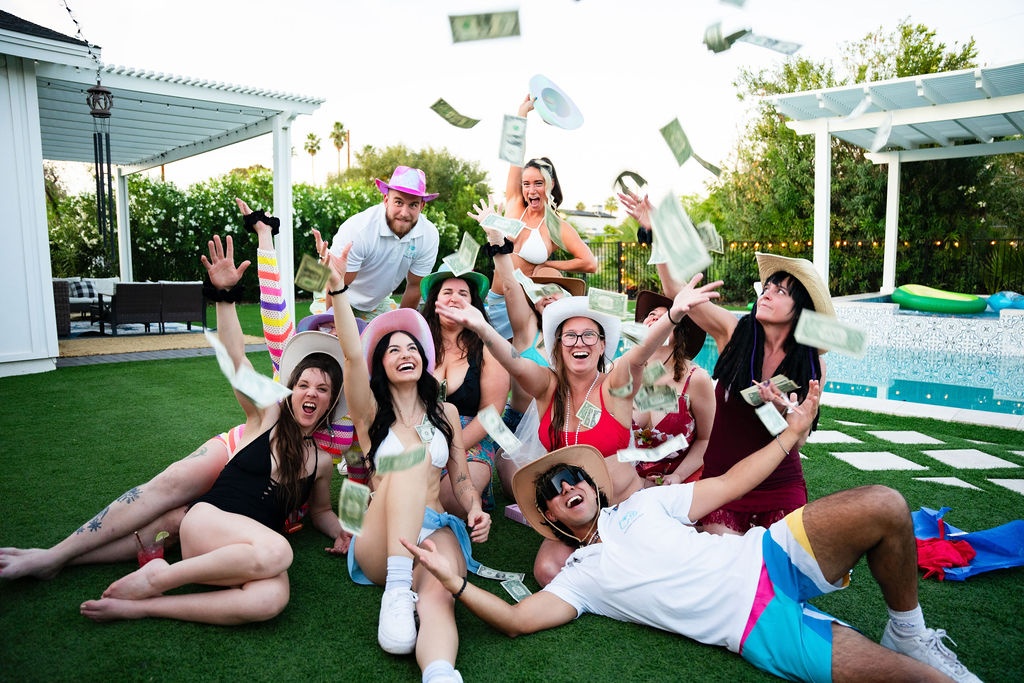
Hire the Cabana Boys to elevate your event with personalized party hosting and bartending services for 2-4 hours. These charming, vetted gentlemen will serve drinks, entertain, keep the area tidy, and make your event unforgettable, whether it’s a pool party, bachelorette, or themed event.
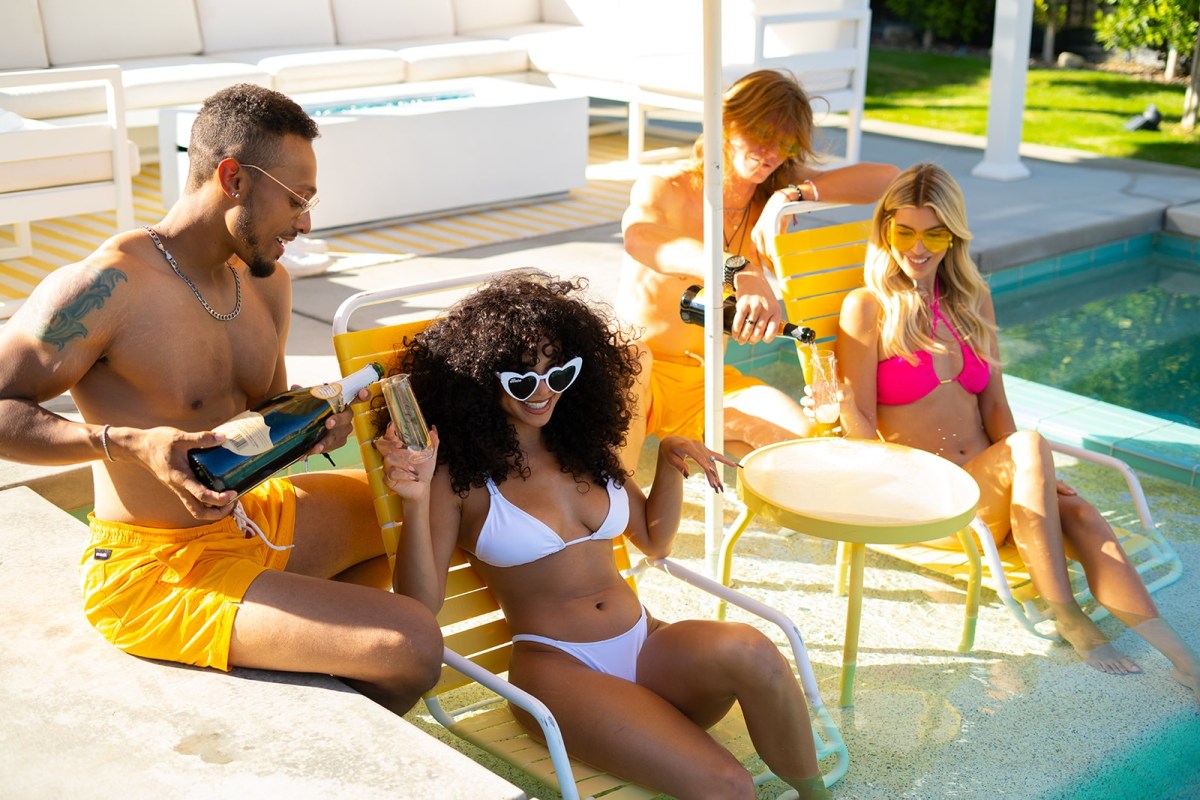
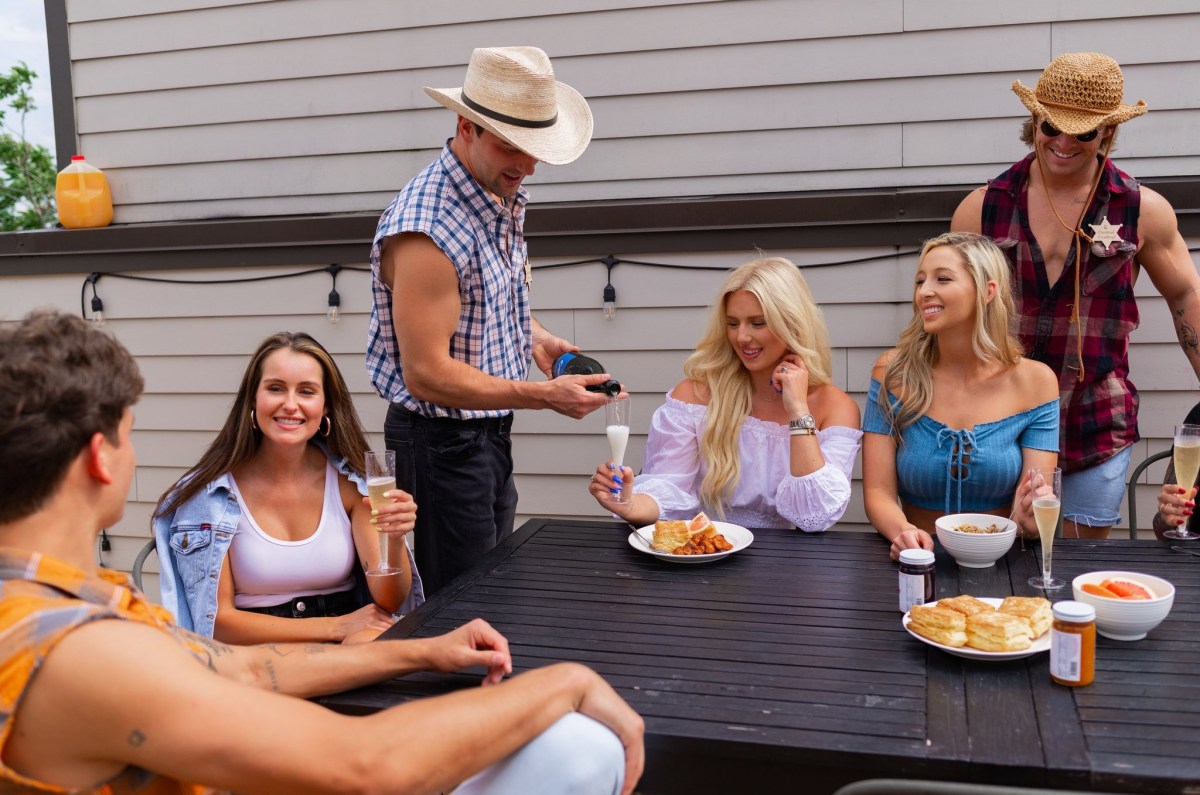
Gourmet brunch from local favorites, bottomless mimosas, music, and party games — hosted poolside by the Cabana Boys. The easiest, most-talked-about morning of the weekend.
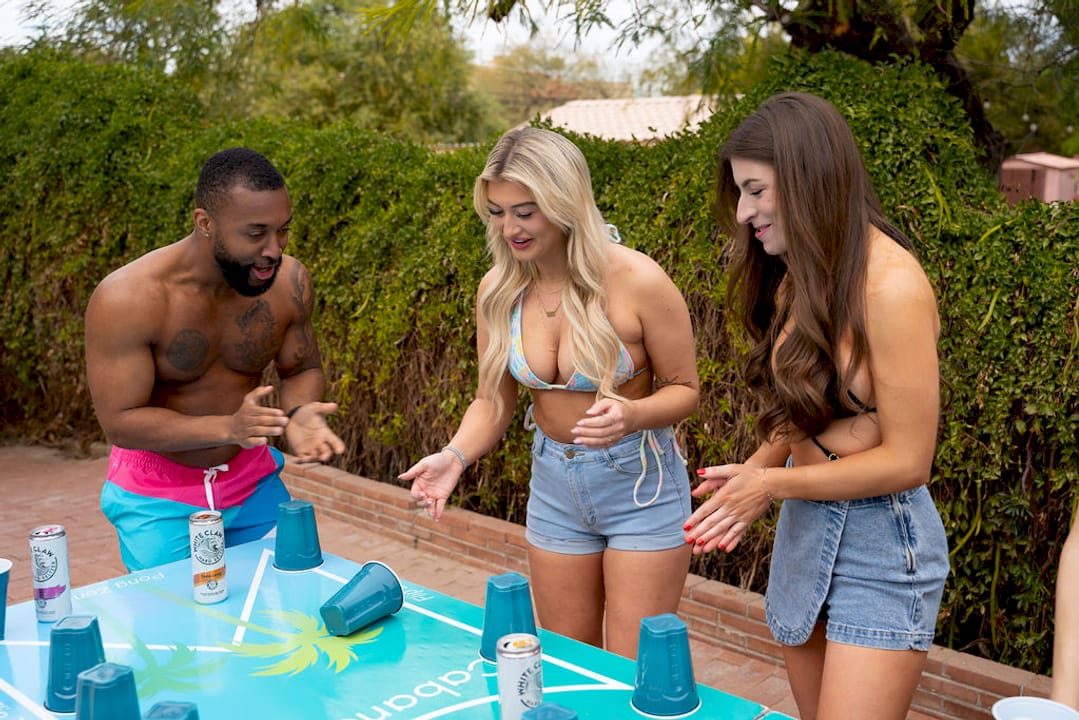
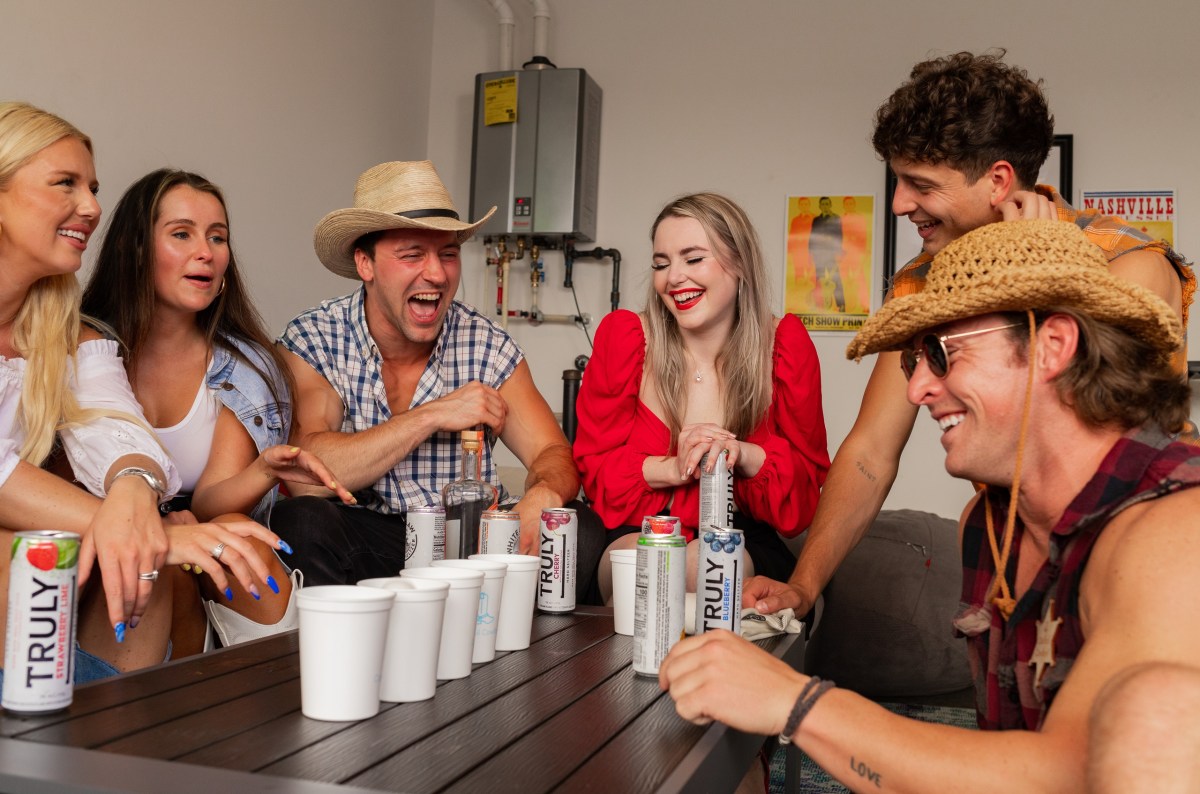
We bring tons of game ideas and supplies – bachelorette games, drinking games, signature games, fun icebreakers, music games, and more – that we will host at your Airbnb. We can also help facilitate any games that you have in mind. Think of us as game show hosts, but in a sexy pool boy kind of way.
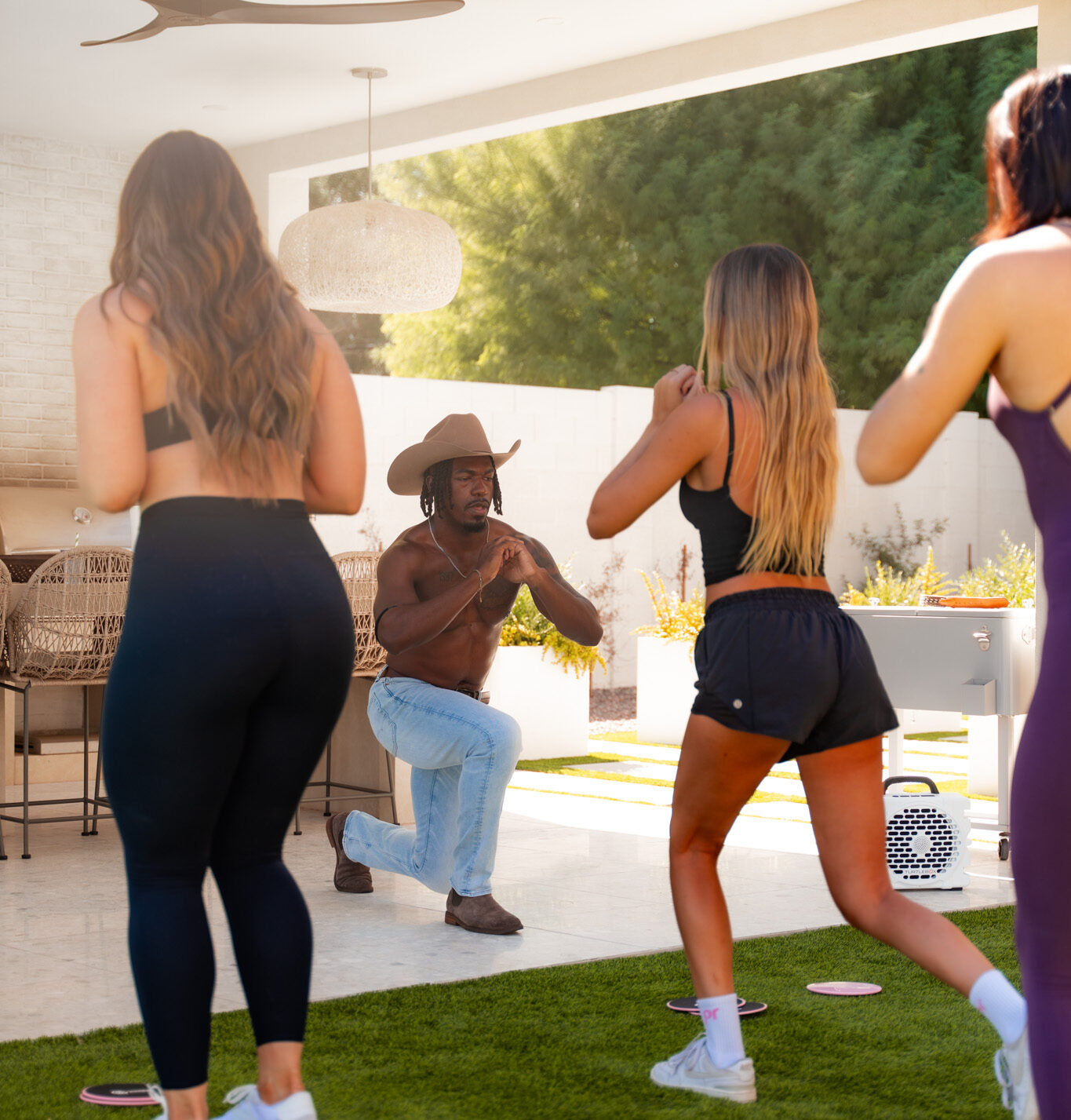
We’ll lead you through a fun, high-energy 45-minute workout with mats, bands, and sliders – then flip straight into party mode. Think of it as a fitness class that ends with your own private pool boy hosts keeping the vibe alive.
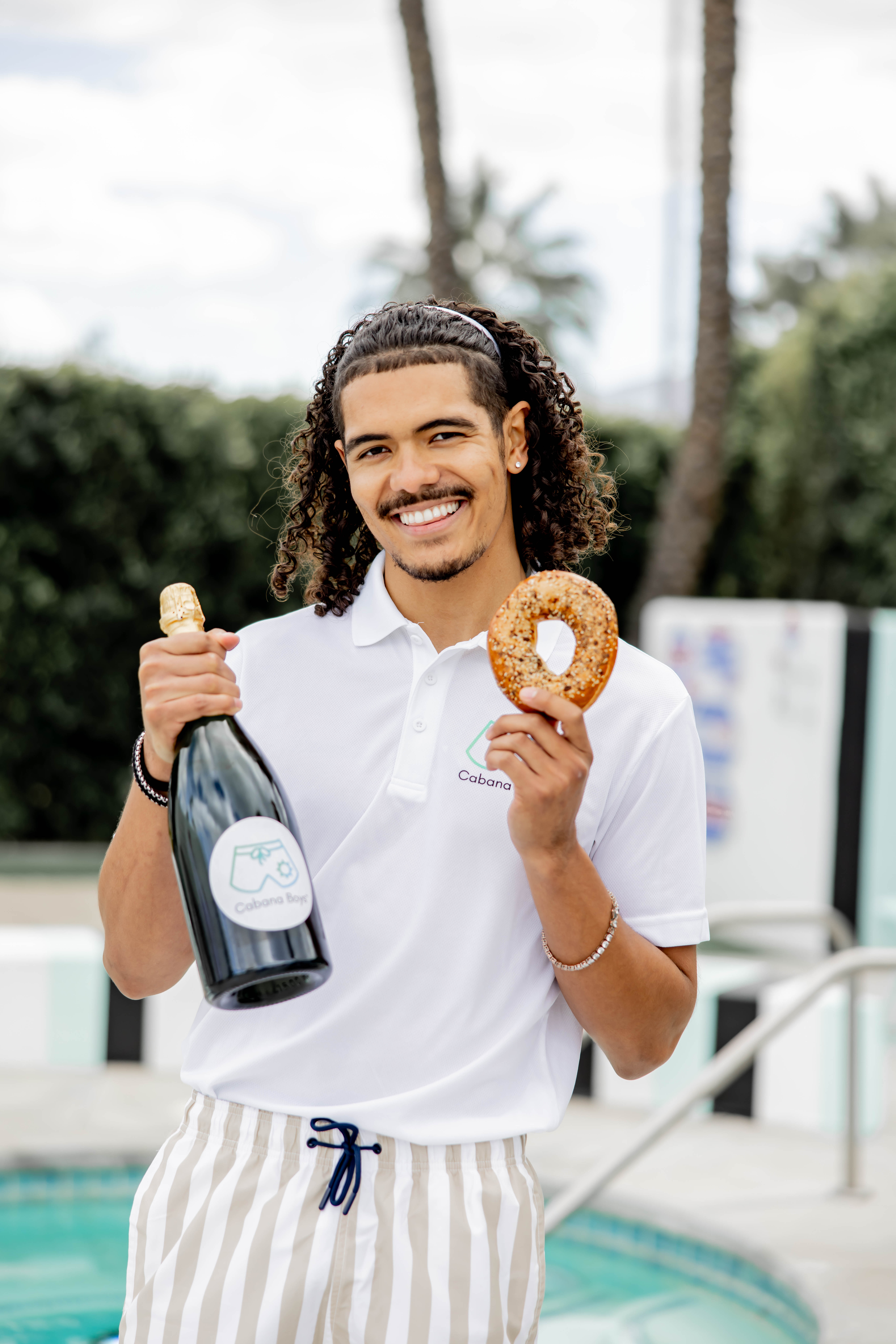
Kick off your morning with a visit from one of our hand-picked gentlemen who will set up a delicious spread with a dozen of gourmet assorted bagels, two tubs of delicious cream cheese, a large container of hot coffee, and a carafe of fresh orange juice.
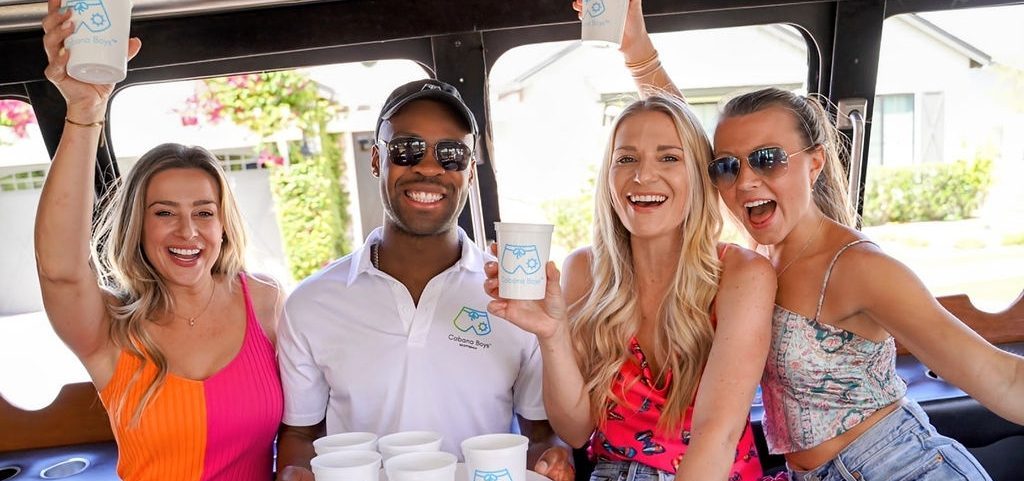
Hop on the luxurious, air conditioned party bus and we’ll cruise around Old Town, bumping music, dancing, drinking, and playing some signature games. We’ll make stops at our partner bars, where you’ll access some exclusive drink specials.
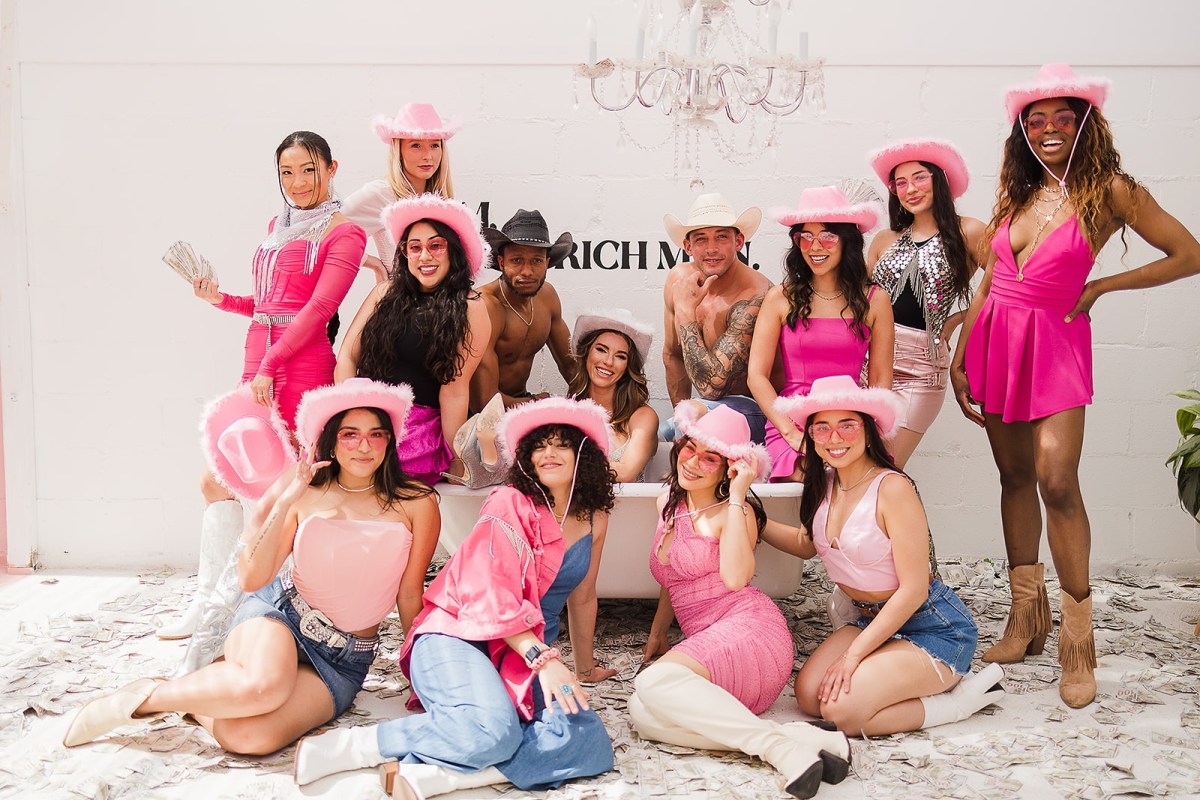
Our Cocktail CowBoys are at your service — we’ll serve you drinks and refreshments, take pictures (or pose with you), be Spotify DJs, help with party/drinking games, keep the party area tidy, keep you company and take out the trash when we leave.
Two Cocktail CowBoys will deliver brunch for you and your crew and get you back into celebration mode. They’ll set up breakfast for you, pour mimosas, turn on some tunes, host some party games, help you nurse your hangover, and keep the party area clean.
Take a break from the bars and get ready for the perfect night in with your gals… a Cocktail CowBoys game night! We bring tons of game ideas and supplies – bachelorette games, drinking games, signature games, fun icebreakers, music games, and more!
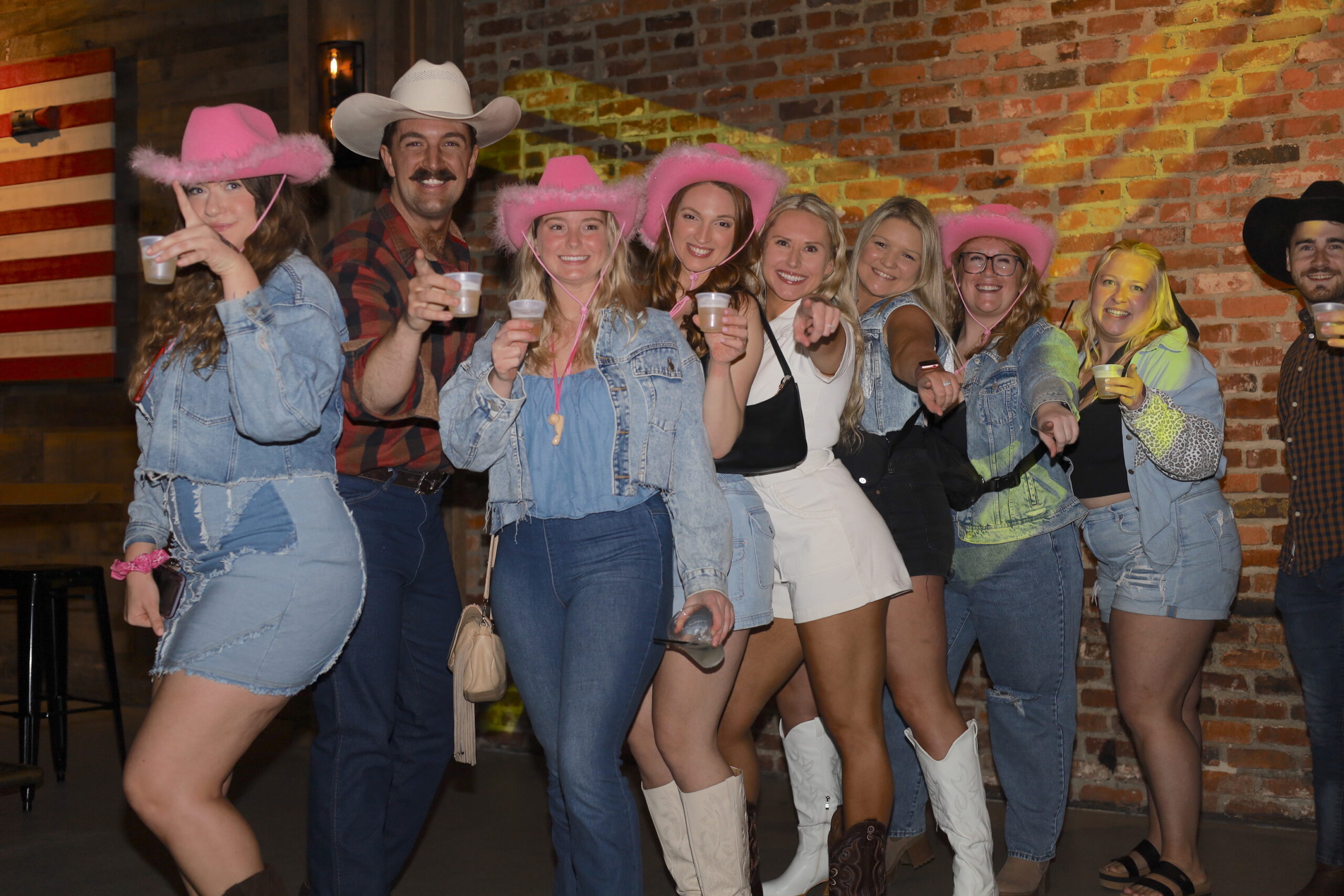
A honky-tonk adventure with cowboy charm, dancing, and unforgettable memories. Your personal party crew for a wild night of bars, boots, and Broadway debauchery.
Kick off your day with a 45-minute cowboy-led workout, then roll right into an hour of games, drinks, and hosting. Think of it as fitness meets Western hospitality — charming, playful, and unforgettable.
Grab your boots and head to the ultimate spot for unforgettable parties, legendary food, and live music that never stops. Saddle up for an epic Austin weekend!
With cobblestone streets, pastel sunsets, and rooftop bars, Charleston has hospitality around every corner. Charm, style, and just the right amount of mischief.
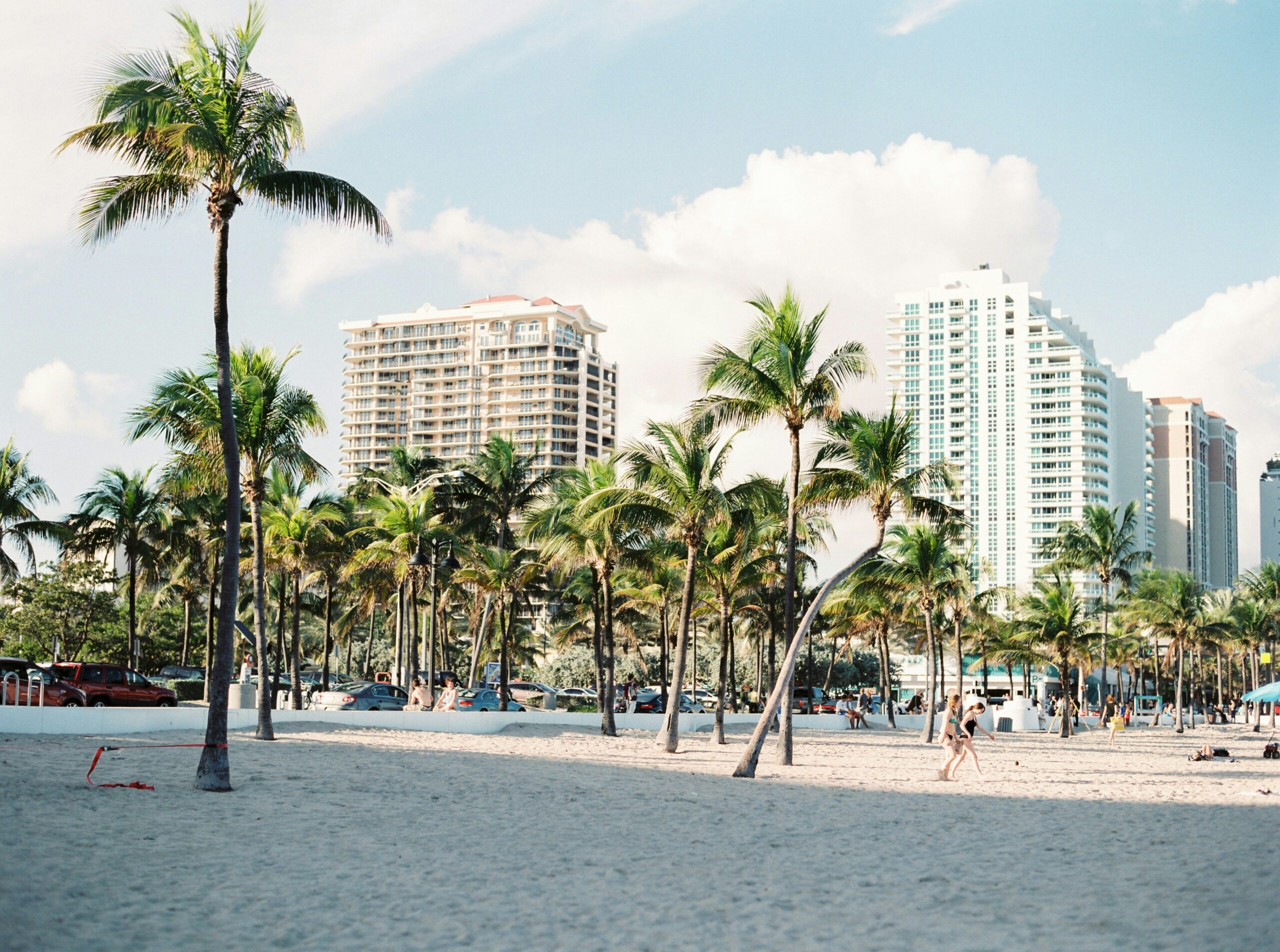
Sun, skin, and serious vibes—Miami and Fort Lauderdale are built for bold, unforgettable weekends. From pool parties to rooftop hangs, South Florida brings the heat.
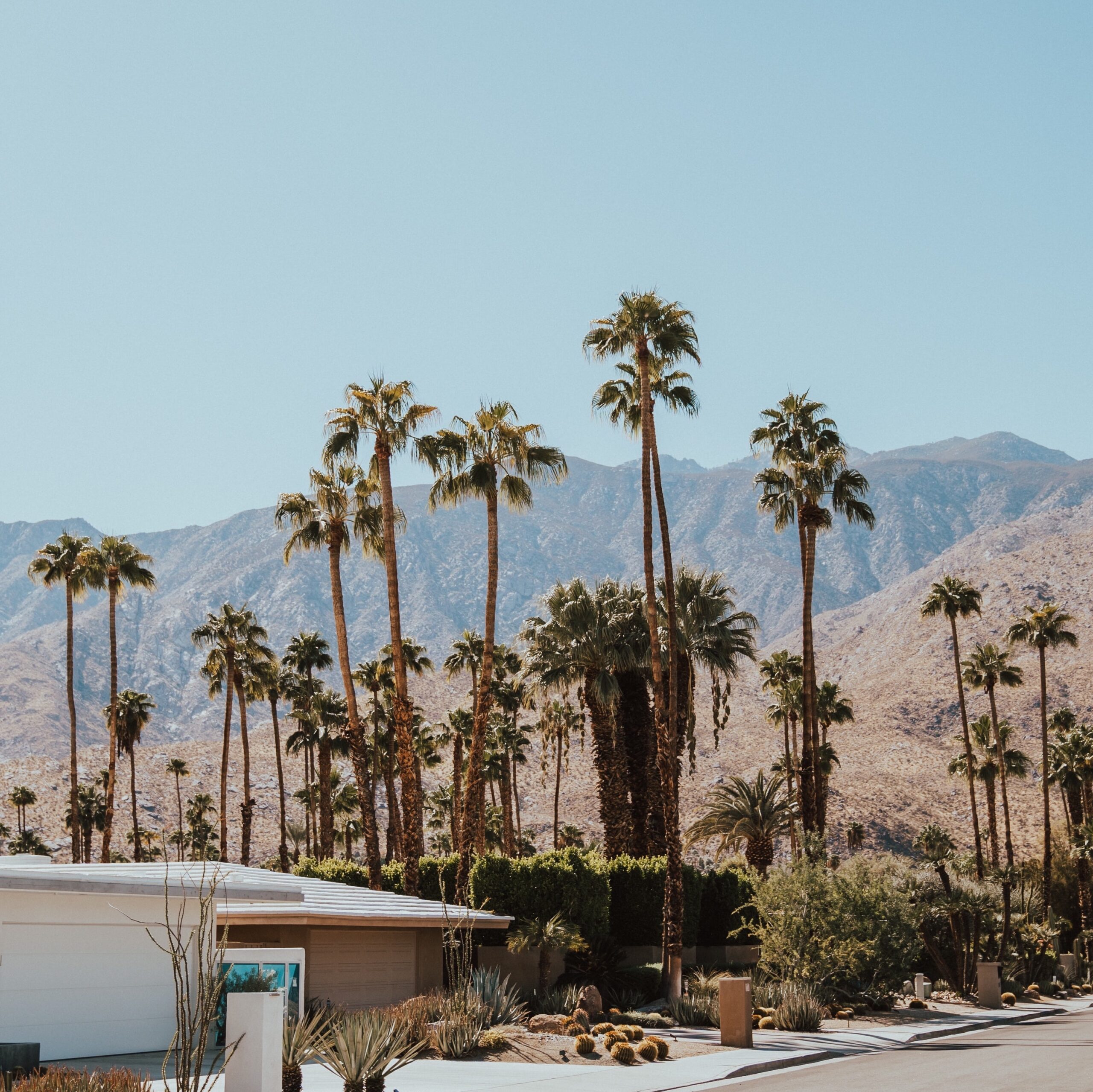
With mid-century charm, desert sun, and iconic poolside vibes, Palm Springs is the ultimate escape for unforgettable weekends and inclusive celebrations.
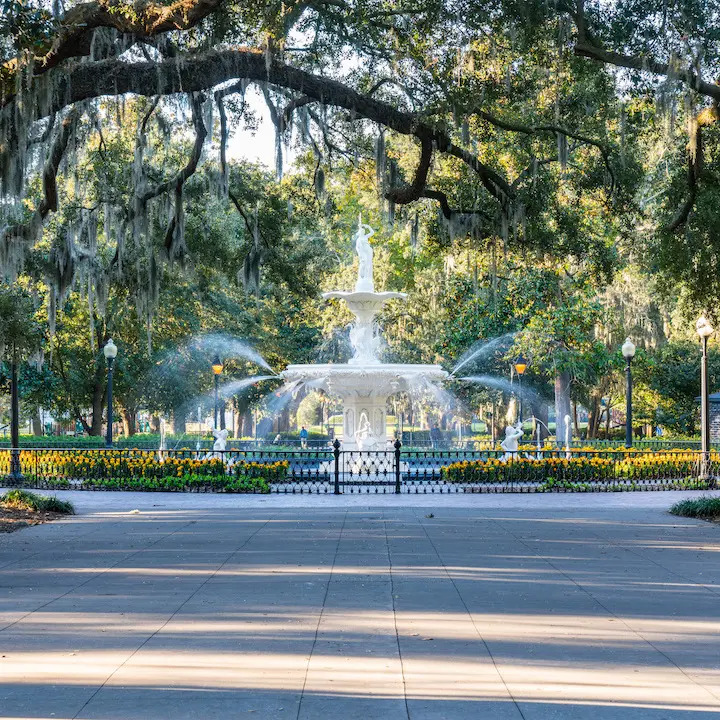
From cobblestone streets to coastal retreats, Savannah is the perfect place to sip, celebrate, and let loose. Open container laws make this one true party town.
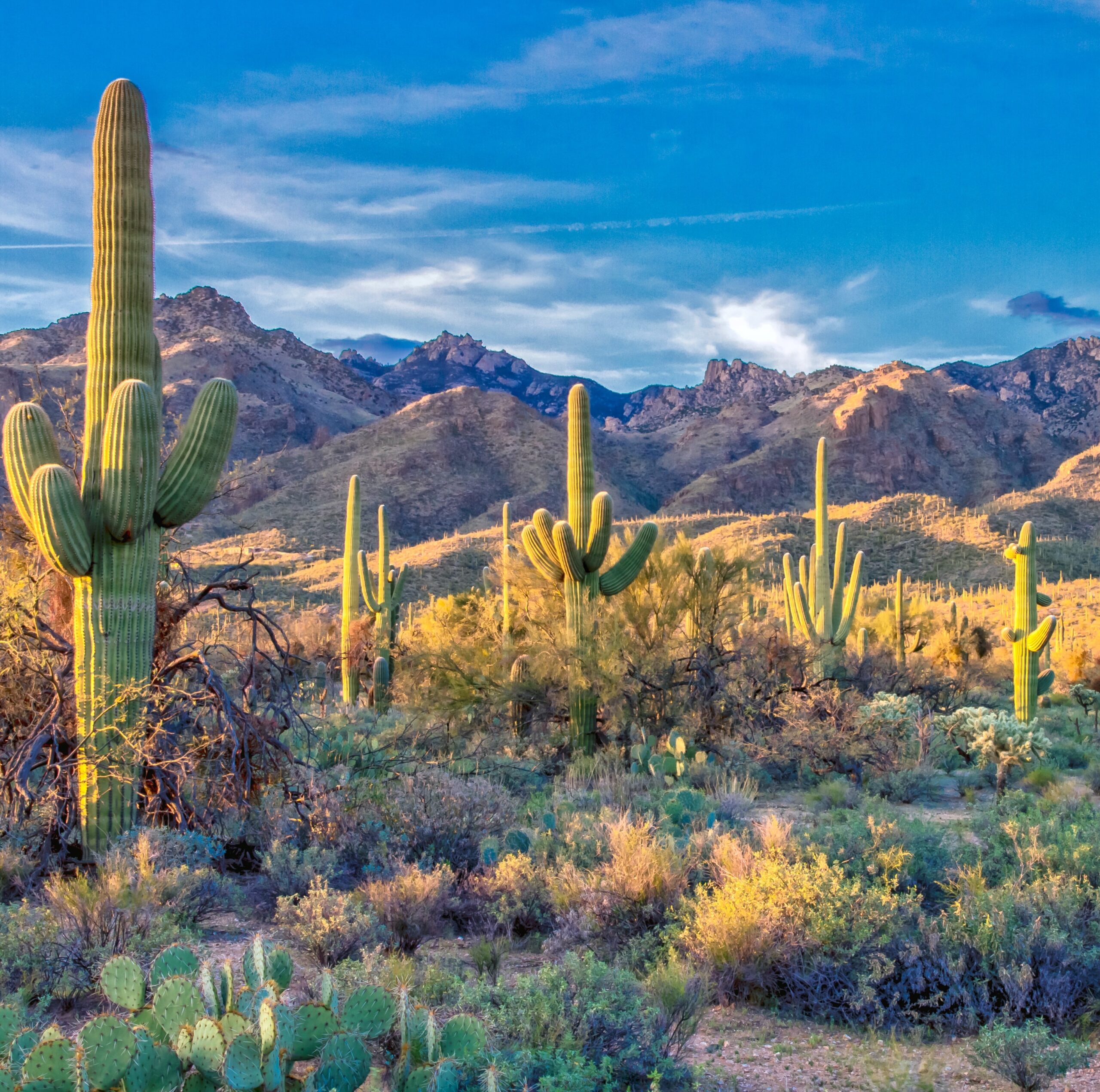
Planning a bachelorette party in Scottsdale? Cabana Boys is the #1 rated activity in town – charismatic hosts, poolside vibes, and memories the bride won’t stop talking about.
With mid-century charm, desert sun, and iconic poolside vibes, Palm Springs is the ultimate escape for unforgettable weekends and inclusive celebrations.
How to Plan Interactive Party Activities for Guests
Interactive party activities are structured experiences that require active guest participation rather than passive observation. The best hosts know that guest engagement depends less on how much money you spend and more on how deliberately you design participation. Research confirms that 34% of parents regret their previous parties lacked enough interactive activities. That single statistic explains why experience-driven station design has replaced the old “one big entertainer” model. When you plan interactive party activities for guests with intention, you shift the event from something people watch to something they remember.
How to plan interactive party activities guests will actually enjoy
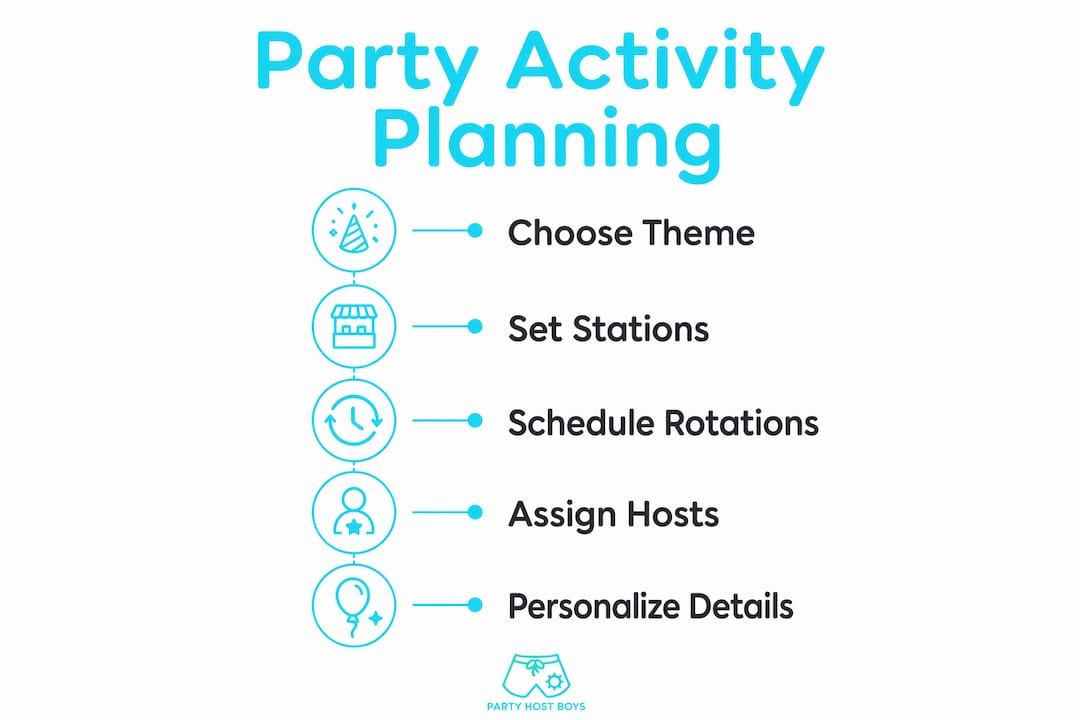
The foundation of any great interactive event is the activity station model. Stations are defined zones where guests do something specific: create, compete, sample, or vote. This structure prevents the crowding and dead zones that kill party energy. Hosts who plan activity stations with 3 to 5 options give every guest a place to land, regardless of their mood or social comfort level.
The number of stations you need depends directly on your guest list. Three stations work well for toddler parties, where attention spans are short and supervision is high. Teen and adult groups benefit from 4 to 5 stations, which creates enough variety to hold interest across different personality types. Budget ranges for activity setups run from $30 to $200 depending on complexity and age group. That range is wide enough to accommodate a backyard birthday and a polished bachelorette weekend alike.
Rotation timing follows the same age logic. Younger children rotate every 10 to 15 minutes. Adults can sustain 20 to 30 minutes per station before energy starts to dip. Total core party time runs 60 to 130 minutes across all stations combined. Plan your rotation schedule before the party, not during it.
Pro Tip:Write the rotation schedule on a small card and give it to a co-host or helper. One person managing time frees you to focus on welcoming guests and keeping energy high.
Space matters as much as the number of stations. Place stations along the perimeter of your venue rather than clustering them in the center. This creates natural traffic lanes and prevents bottlenecks. Layout mistakes cause perceived crowding even in spacious venues, which is why a thoughtful floor plan is not optional.
What types of interactive activities maximize guest participation?
Interactive activities fall into three categories: competitive, collaborative, and creative. Each serves a different social function, and mixing all three produces the highest overall engagement.
Competitive activities give guests a goal and a winner. Examples include:
Trivia rounds organized by theme (pop culture, decade-specific, destination-based)
Timed challenges like cocktail-shaking contests or speed puzzles
Voting games where guests judge entries and reveal results at the end
Mystery challenge nights where teams solve clues across multiple stations
Collaborative activities lower the social stakes and pull quieter guests in. Examples include:
Group storytelling where each guest adds one sentence to a running narrative
DIY food or drink stations where guests build their own plates or cocktails
Collective art projects like a group mural or a shared recipe card
Team-based scavenger hunts that require cooperation to complete
Creative stations let guests make something they take home or consume on the spot. A DIY cocktail station is one of the most effective creative formats because it combines participation, personalization, and refreshment in one activity. Guests who make something feel ownership over the experience.
The most effective party structures follow a clear arc: icebreakers first, core activities in the middle, and a reveal or closing moment at the end. Themed mystery or challenge nights rank among the most engaging formats because they build suspense across the full event. Mixing competitive, collaborative, and creative formats means every guest finds at least one activity that fits their energy level.
How do you design party flow and timing for a smooth experience?
Party flow is the path guests take through your event, and it either works for you or against you. A well-designed flow feels effortless. A poorly designed one creates clusters, confusion, and guests who drift to the food table and never leave.
Start with arrival orientation. The first few minutes of any party set the tone for everything that follows. Guests who feel welcomed early are significantly more likely to engage with activities later. Assign one person, whether a friend, a co-host, or a professional host, to greet arrivals and direct them to an opening activity immediately.
Use this sequence to structure your event:
Welcome station: A low-pressure, solo-friendly activity guests can start the moment they arrive, such as a name tag customization table or a “guess the number” jar.
Icebreaker round: A short group activity (10 minutes) that introduces guests to each other before the main stations open.
Core station rotation: The main 3 to 5 stations running simultaneously, with timed rotations managed by a host or helper.
Reveal or vote moment: A shared group experience where results from competitive or voting stations are announced.
Closing activity: A simple, memorable send-off such as a group photo, a toast, or a take-home favor guests assembled at a creative station.
Pro Tip:Soft verbal cues work better than announcements. A host who walks to the next station and says “we’re moving over here” pulls guests along naturally without making anyone feel managed.
Assign a specific person to each station, even if that person is just a knowledgeable friend. Stations without a facilitator lose energy fast. Cabana Boys, Cocktail CowBoys, and Cocktail Boys specialize in exactly this role: their hosts keep station energy high, serve refreshments, and guide guests through activities without the experience feeling scripted.
How to personalize and theme interactive activities for lasting impressions
Theme coherence is what separates a good party from one guests talk about for months. When your theme drives every activity choice, the event feels intentional rather than assembled. Personalizing interactive elements around a single theme transforms standard activities into a cohesive experience.
Start by choosing a theme that naturally suggests activities. A “Roaring Twenties” theme generates trivia about the 1920s, a speakeasy cocktail station, and a Charleston dance challenge. A “Around the World” theme produces passport stamp stations, international food tastings, and a geography quiz. The theme does the creative work for you.
Personalized touches that consistently land well include:
Signature cocktails or mocktails named after the guest of honor
Custom trivia questions built around the birthday person or bride-to-be
Décor that doubles as activity props, such as a photo wall with themed props guests actually use
Themed party décor that reinforces the activity narrative at every station
The table below shows how theme selection shapes activity choices across three common party formats.
Party format
Theme example
Activity types
Bachelorette weekend
Cocktail CowBoys night out
Cocktail-making contest, line dance challenge, trivia
Birthday party
Decade-specific (e.g., 1990s)
Nostalgia trivia, costume contest, playlist vote
Group trip
Destination-themed
Local food tasting, culture quiz, group scavenger hunt
Budget does not need to limit personalization. Custom trivia costs nothing but time. A signature cocktail name costs nothing but creativity. The most memorable personalized touches are almost always the low-cost, high-thought ones.
What are the most common mistakes when planning party activities?
The single biggest mistake hosts make is building the entire party around one large group activity. Overreliance on a single activity fails because mixed energy levels and social comfort levels mean some guests will disengage entirely. Parallel stations solve this problem by giving every guest a live option at all times.
The second most common mistake is creating stations that look great but serve the same function. A photo booth, a selfie mirror, and a polaroid station are all “take a photo” experiences. Guests visit one and skip the others. Each station needs a distinct role: create, sample, vote, or reveal. When every station does something different, guests have a reason to move.
Other pitfalls to avoid:
Setting up stations without a facilitator, which causes them to go unused within 20 minutes
Scheduling all competitive activities back-to-back, which exhausts guests before the closing moment
Ignoring quieter guests who need a low-pressure entry point into the activity flow
Over-programming the timeline so tightly that spontaneous moments get cut off
“The parties that guests remember most are not the ones with the most activities. They are the ones where every activity felt like it was designed specifically for them. Intentionality is the ingredient most hosts skip.”
Troubleshooting during the event is simpler than it sounds. If a station is empty, send a host over to start doing something visible and interesting. Guests follow activity. If a station is overcrowded, open a nearby station early and redirect guests with a light verbal cue.
Key Takeaways
The most effective approach to planning interactive party activities is combining parallel activity stations, deliberate flow design, and theme-driven personalization to keep every guest engaged from arrival to send-off.
Point
Details
Use 3 to 5 stations
Match station count to guest age group and rotate every 10–30 minutes.
Mix activity types
Combine competitive, collaborative, and creative stations to serve all energy levels.
Design the opening moment
Guests who feel welcomed early engage more throughout the entire event.
Give each station a distinct role
Create, sample, vote, or reveal. Redundant stations kill guest movement.
Theme drives everything
Let your theme dictate game selection, décor, and food for a cohesive experience.
Why the first five minutes matter more than anything else
Most hosts spend 90% of their planning energy on the middle of the party. The stations, the games, the food. I get it. That’s where the visible action is. But after watching hundreds of events, I’m convinced the first five minutes determine whether your party works.
Guests arrive uncertain. They scan the room, look for someone they know, and make a fast decision about whether this is going to be fun. If nothing pulls them in immediately, they default to their phones or the snack table. You lose them before the party even starts.
The fix is simple but requires deliberate planning. Put something happening at the entrance. Not a sign. Not a table of name tags. An actual activity a guest can join the second they walk in. A well-designed party atmosphere signals immediately that this is a participatory event, not a passive one.
The closing moment matters almost as much. Guests remember the beginning and end of experiences far more vividly than the middle. A strong closing, whether it’s a toast, a reveal, or a take-home item they made, gives the whole event a satisfying shape. Plan both ends of your party with the same care you give the middle, and you will get better feedback every single time.
— Nelson
Professional hosts who bring your party activities to life
Planning great activities is one thing. Executing them with energy and precision is another.
Cabana Boys, Cocktail CowBoys, and Cocktail Boys are the professional hosts behind Party Host Boys, recognized as the #1 bachelorette experience in top US party destinations and featured on Shark Tank and the New York Times. Their hosts facilitate games, manage station rotations, serve cocktails, and keep the energy exactly where it needs to be from the first guest arrival to the final toast. Whether you are planning a bachelorette weekend, a birthday, or a group trip, their team handles the execution so you can actually enjoy your own party. Visit Party Host Boys to see how their hosting services work for your next event.
FAQ
How many activity stations should I plan for a party?
Plan 3 to 5 activity stations based on your guest age group and available space. Toddler parties work well with 3 stations, while teen and adult events benefit from 4 to 5 parallel options.
How long should guests spend at each activity station?
Rotation times run 10 to 15 minutes for younger children and 20 to 30 minutes for adults. Total core activity time across all stations typically runs 60 to 130 minutes.
What is the best type of interactive activity for mixed guest groups?
Collaborative activities like DIY food or drink stations and group storytelling work best for mixed groups because they lower social stakes and welcome guests at any energy level.
How do I prevent crowding at party activity stations?
Place stations along the perimeter of your venue rather than in the center, assign a facilitator to each station, and use soft verbal cues to redirect guests when one station gets too busy.
How does theme selection improve interactive party activities?
A clear theme drives every activity choice, from trivia questions to food stations to décor, creating a cohesive experience that feels intentional and keeps guests emotionally engaged throughout the event.



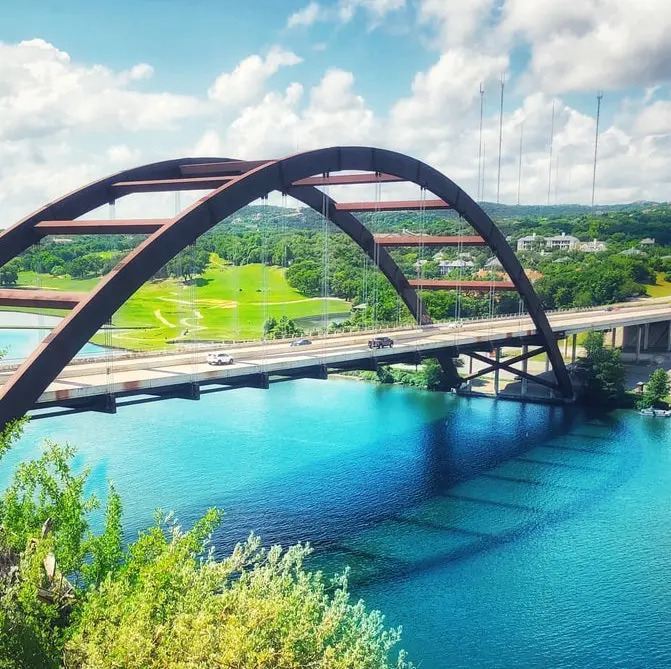 Austin
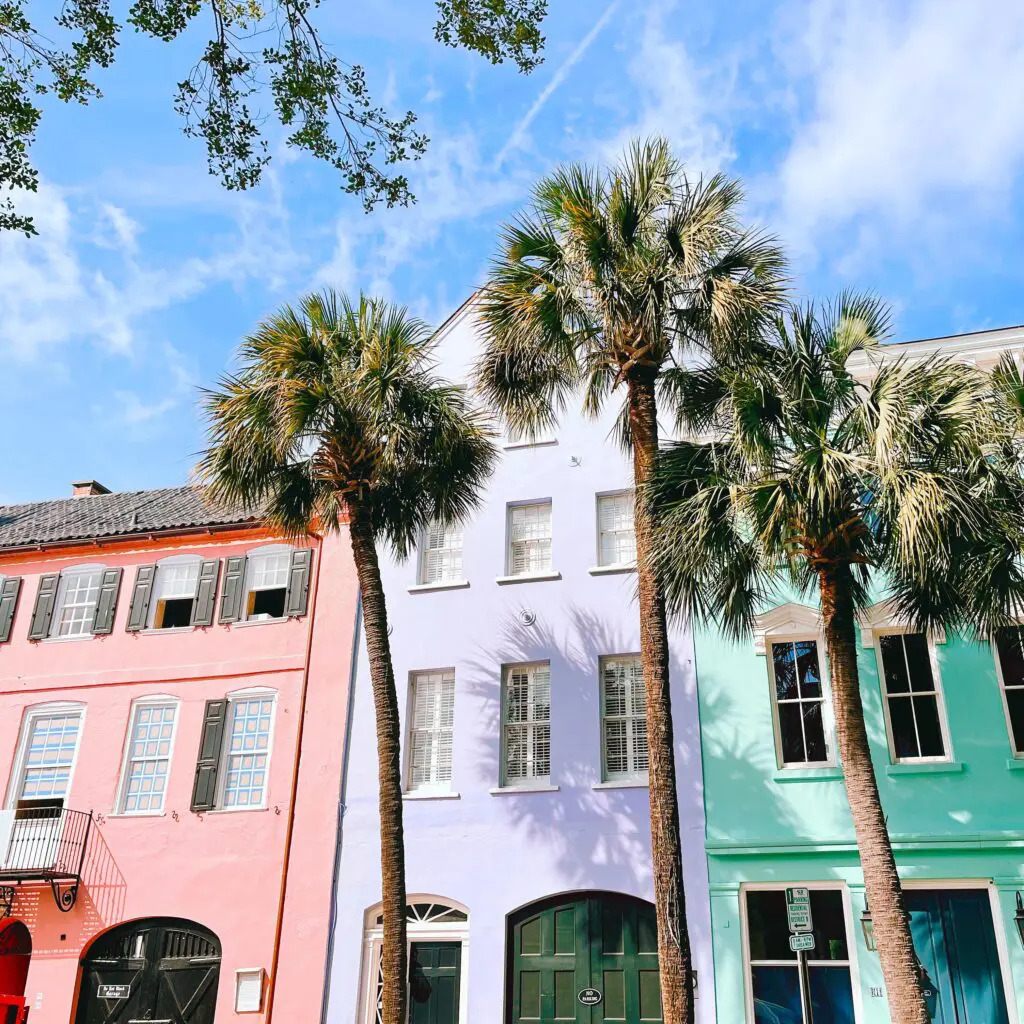 Charleston
 Los Angeles & Orange County
 Miami
Miami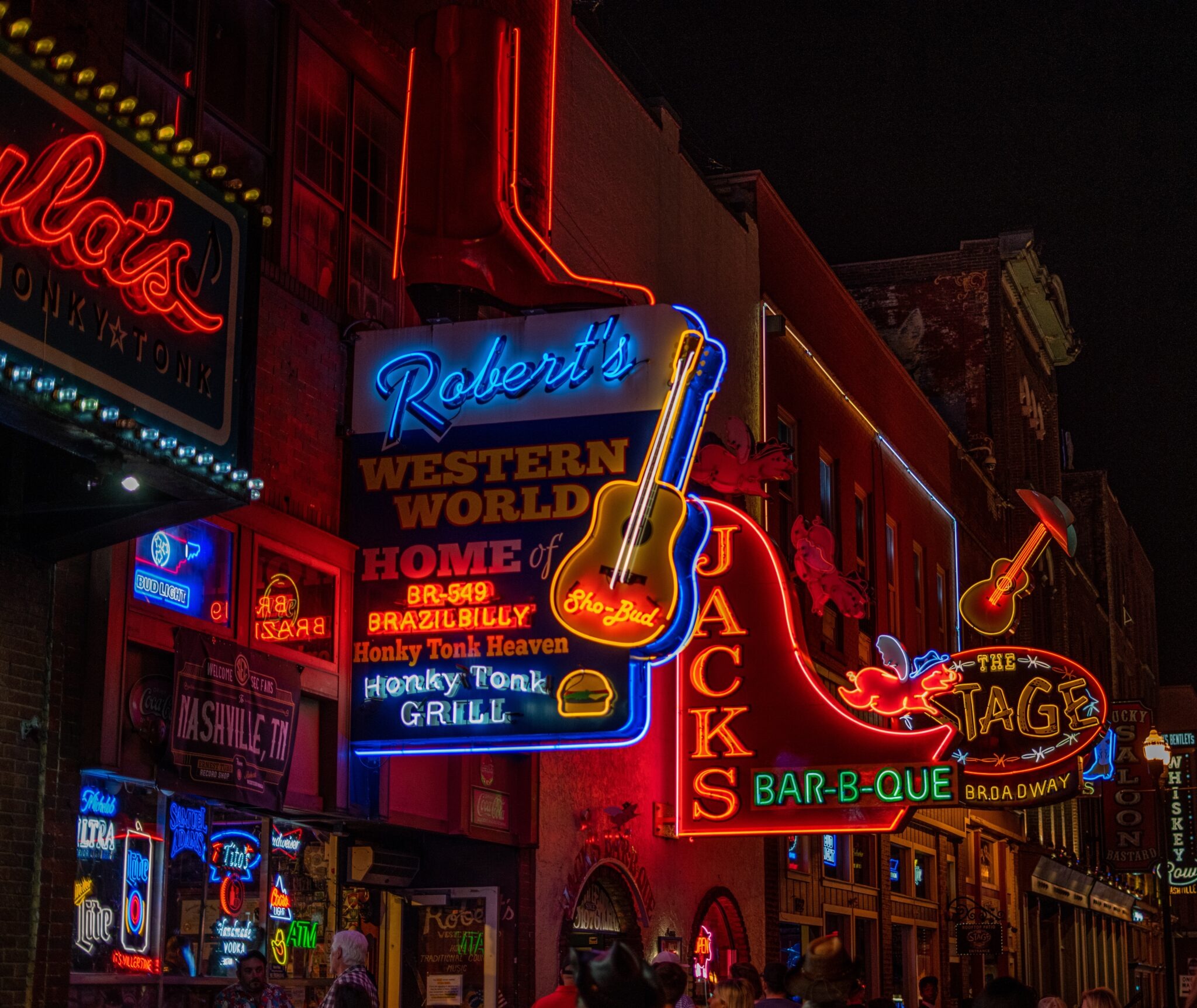 Nashville
 Palm Springs
 Savannah
 Scottsdale
 San Diego
 30A / Destin
 Cabana Boys
 Cocktail CowBoys
 Signature Party
 Brunch
 Game Night
 Cabana Glow
 Bagel Boys
 Party Bus
 Line Dancing
 Austin