🦈As Seen on Shark Tank 🦈 Book the Boys everyone is talking about • 🦈As Seen on Shark Tank 🦈 Book the Boys everyone is talking about • 🦈As Seen on Shark Tank 🦈 Book the Boys everyone is talking about • 🦈As Seen on Shark Tank 🦈 Book the Boys everyone is talking about • 🦈As Seen on Shark Tank 🦈 Book the Boys everyone is talking about • 🦈As Seen on Shark Tank 🦈 Book the Boys everyone is talking about • 🦈As Seen on Shark Tank 🦈 Book the Boys everyone is talking about • 🦈As Seen on Shark Tank 🦈 Book the Boys everyone is talking about • 🦈As Seen on Shark Tank 🦈 Book the Boys everyone is talking about • 🦈As Seen on Shark Tank 🦈 Book the Boys everyone is talking about • 🦈As Seen on Shark Tank 🦈 Book the Boys everyone is talking about • 🦈As Seen on Shark Tank 🦈 Book the Boys everyone is talking about • 🦈As Seen on Shark Tank 🦈 Book the Boys everyone is talking about • 🦈As Seen on Shark Tank 🦈 Book the Boys everyone is talking about • 🦈As Seen on Shark Tank 🦈 Book the Boys everyone is talking about • 🦈As Seen on Shark Tank 🦈 Book the Boys everyone is talking about •
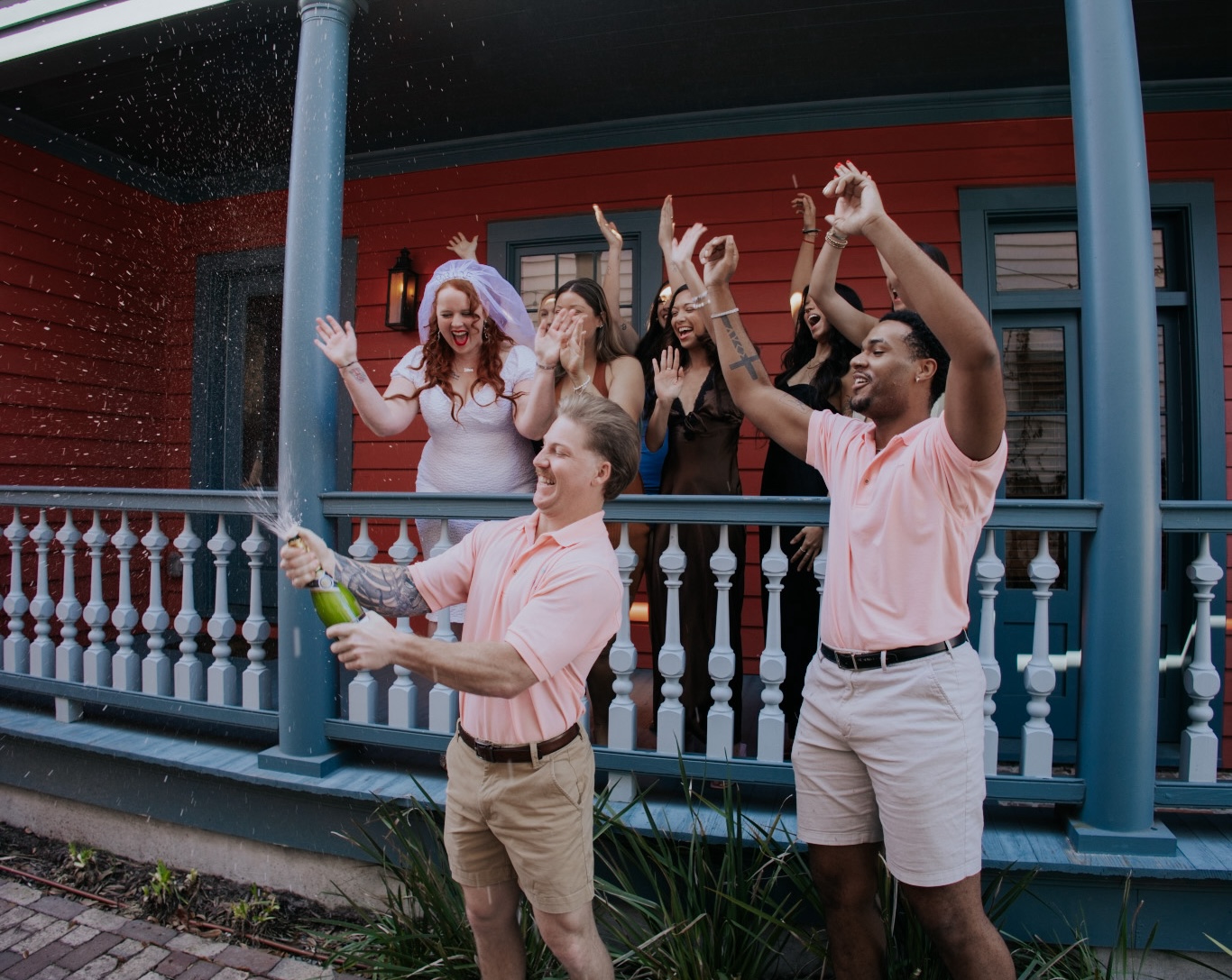
Hire the Cabana Boys to elevate your event with personalized party hosting and bartending services for 2-4 hours. These charming, vetted gentlemen will serve drinks, entertain, keep the area tidy, and make your event unforgettable, whether it’s a pool party, bachelorette, or themed event.
Gourmet brunch from local favorites, bottomless mimosas, music, and party games — hosted poolside by the Cabana Boys. The easiest, most-talked-about morning of the weekend.
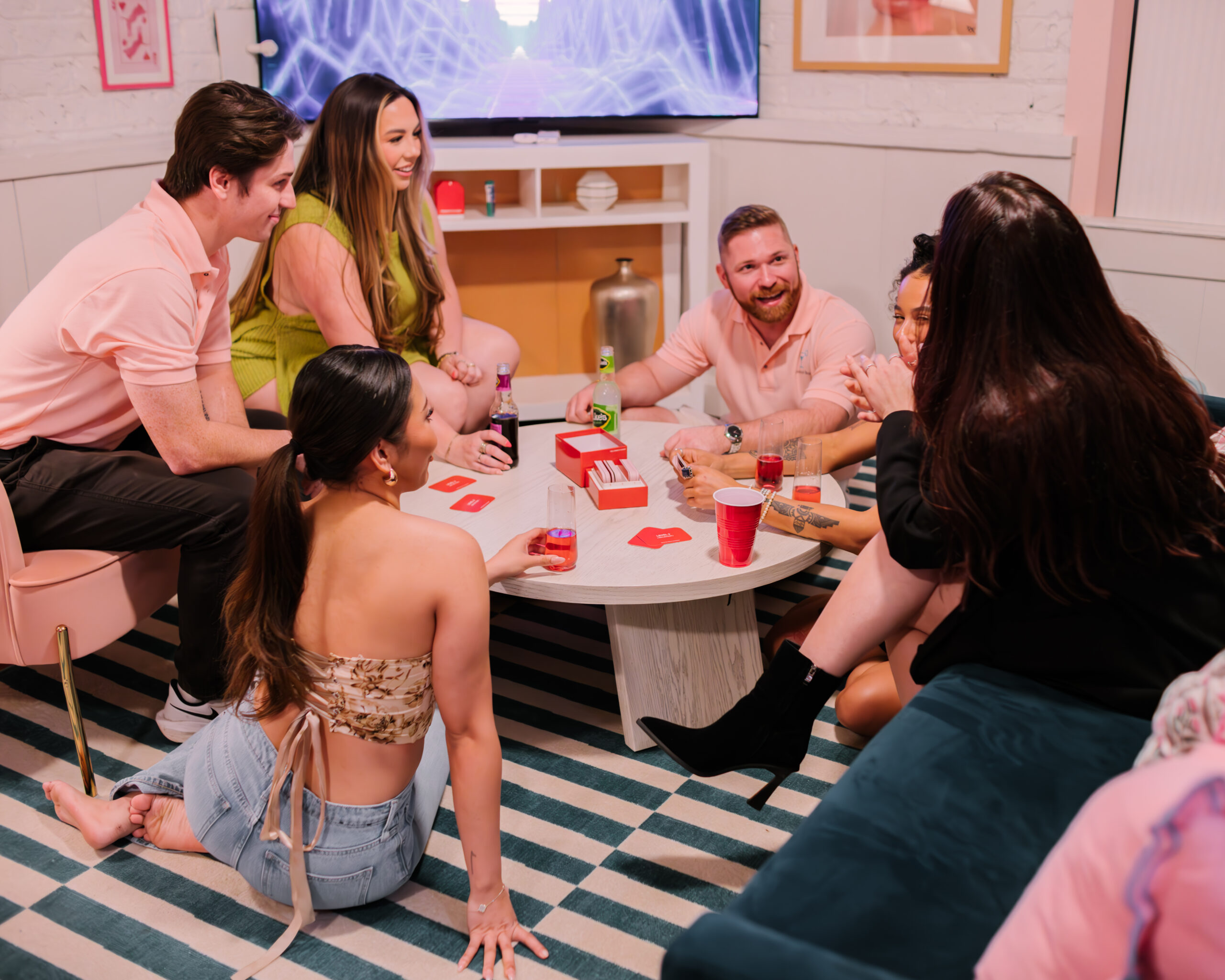
We bring tons of game ideas and supplies – bachelorette games, drinking games, signature games, fun icebreakers, music games, and more – that we will host at your Airbnb. We can also help facilitate any games that you have in mind. Think of us as game show hosts, but in a sexy pool boy kind of way.
We’ll lead you through a fun, high-energy 45-minute workout with mats, bands, and sliders – then flip straight into party mode. Think of it as a fitness class that ends with your own private pool boy hosts keeping the vibe alive.
Kick off your morning with a visit from one of our hand-picked gentlemen who will set up a delicious spread with a dozen of gourmet assorted bagels, two tubs of delicious cream cheese, a large container of hot coffee, and a carafe of fresh orange juice.
Hop on the luxurious, air conditioned party bus and we’ll cruise around Old Town, bumping music, dancing, drinking, and playing some signature games. We’ll make stops at our partner bars, where you’ll access some exclusive drink specials.
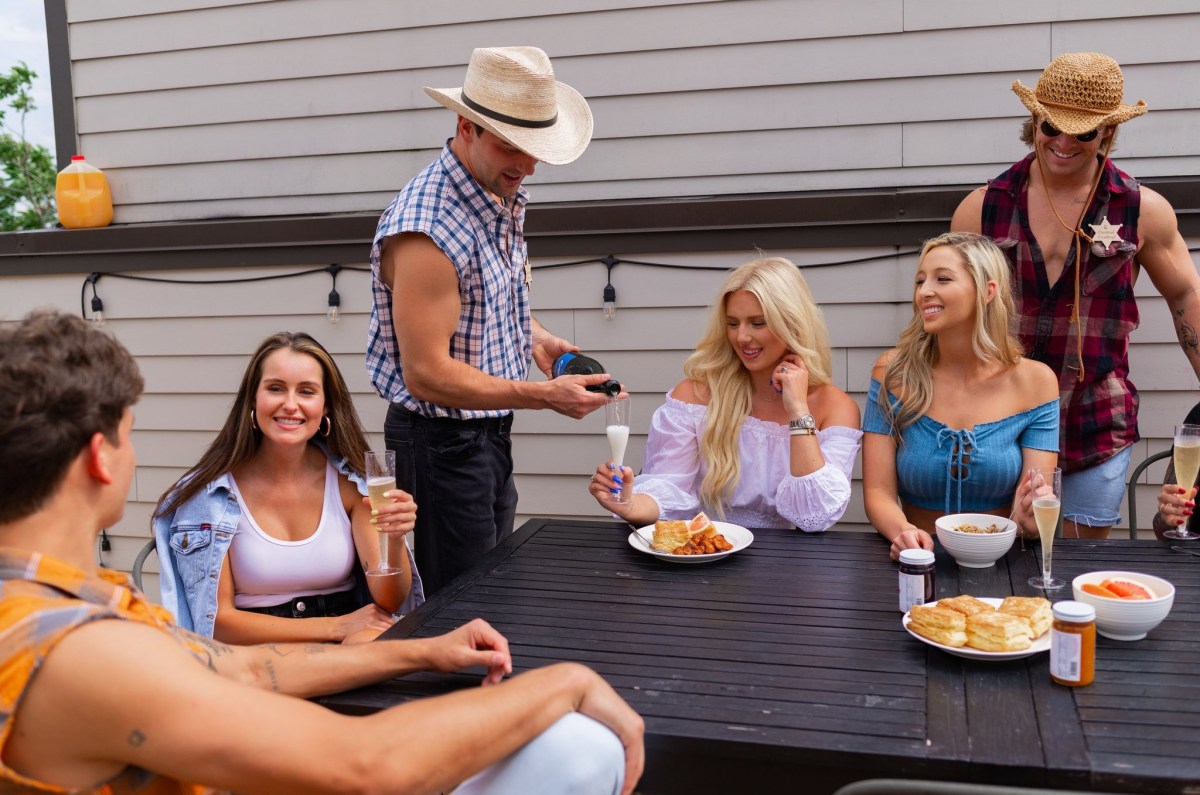
Our Cocktail CowBoys are at your service — we’ll serve you drinks and refreshments, take pictures (or pose with you), be Spotify DJs, help with party/drinking games, keep the party area tidy, keep you company and take out the trash when we leave.
Two Cocktail CowBoys will deliver brunch for you and your crew and get you back into celebration mode. They’ll set up breakfast for you, pour mimosas, turn on some tunes, host some party games, help you nurse your hangover, and keep the party area clean.
Take a break from the bars and get ready for the perfect night in with your gals… a Cocktail CowBoys game night! We bring tons of game ideas and supplies – bachelorette games, drinking games, signature games, fun icebreakers, music games, and more!
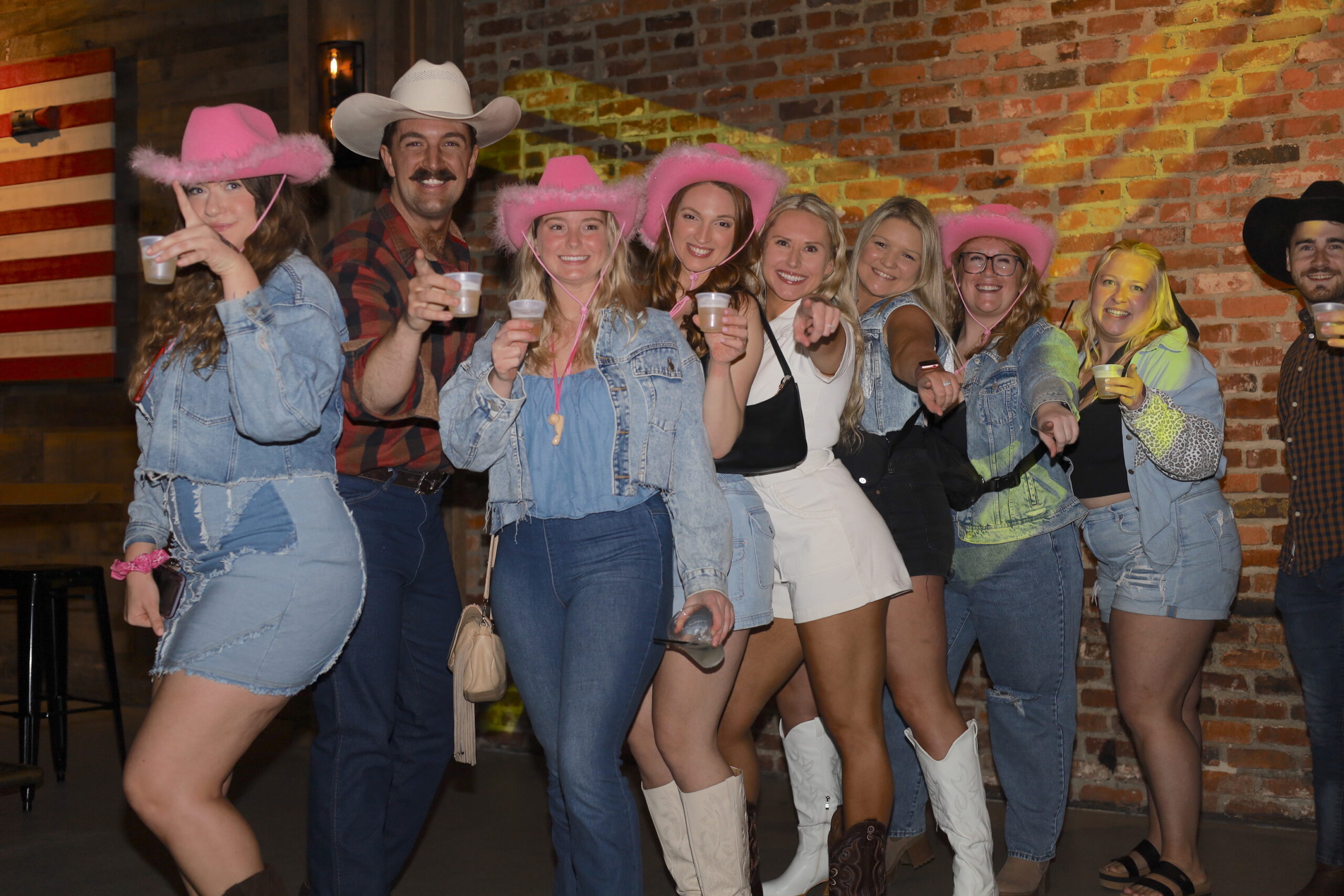
A honky-tonk adventure with cowboy charm, dancing, and unforgettable memories. Your personal party crew for a wild night of bars, boots, and Broadway debauchery.
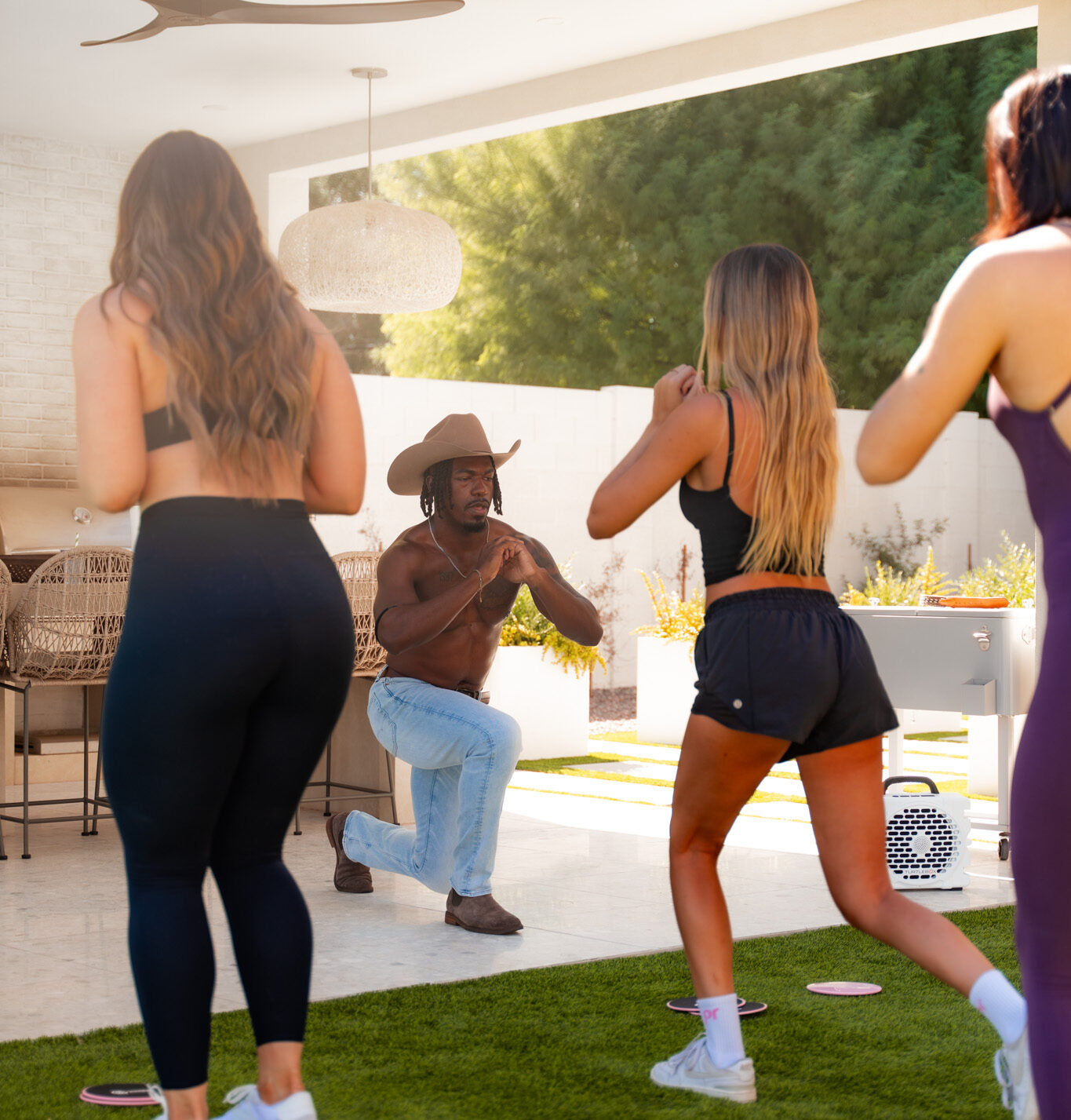
Kick off your day with a 45-minute cowboy-led workout, then roll right into an hour of games, drinks, and hosting. Think of it as fitness meets Western hospitality — charming, playful, and unforgettable.
The Cocktail Boys will serve you, pamper you, and entertain you by serving up drinks, helping with party games, being a Spotify DJ, taking and posing in pictures, keeping the party area tidy, and taking out the trash when we leave.
Two Boys will arrive at your front door with a gourmet spread from a local restaurant favorite, will set up breakfast for you, get your day started with food and drinks, turn on some tunes, host a party game or two, help you nurse your hangover, and keep the party area clean.
We bring tons of game ideas and supplies – bachelorette games, drinking games, icebreakers, music games, and more – that we will host at your rental house or private venue. The Boys are there to serve, pamper, and entertain.
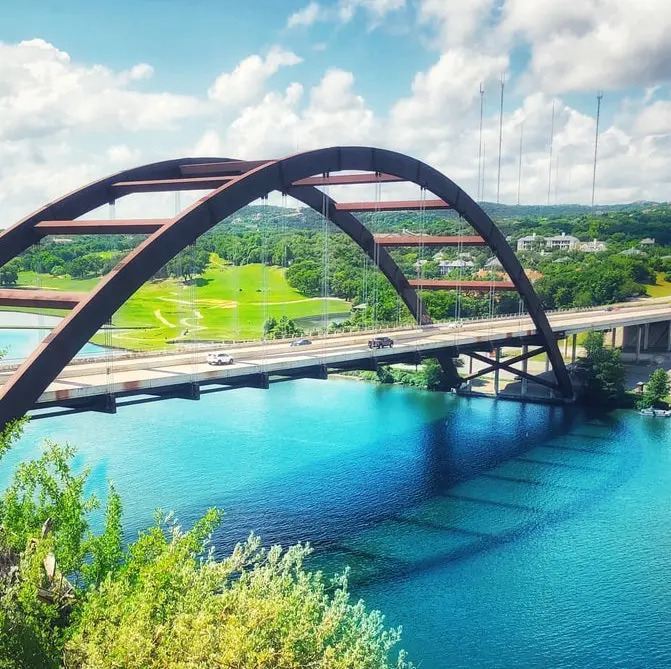
Grab your boots and head to the ultimate spot for unforgettable parties, legendary food, and live music that never stops. Saddle up for an epic Austin weekend!
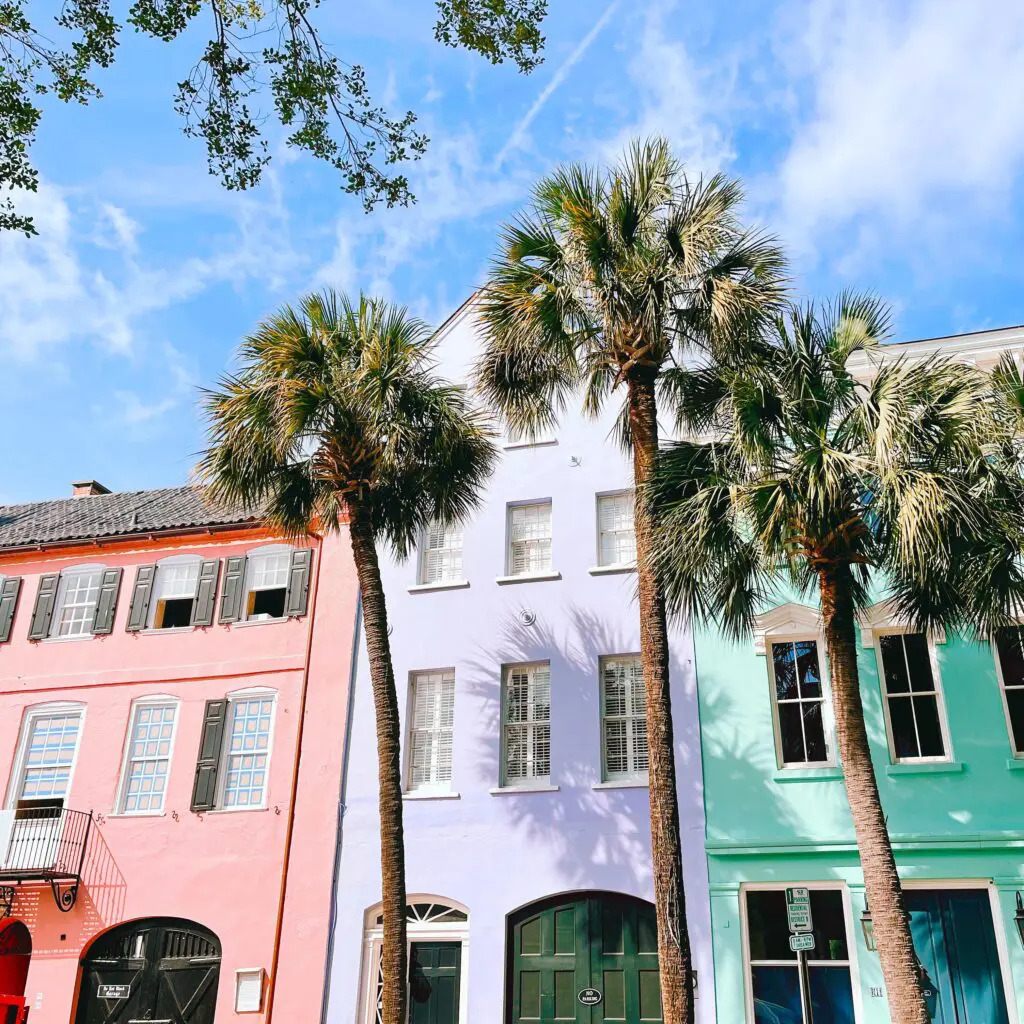
With cobblestone streets, pastel sunsets, and rooftop bars, Charleston has hospitality around every corner. Charm, style, and just the right amount of mischief.
Sun, skin, and serious vibes—Miami and Fort Lauderdale are built for bold, unforgettable weekends. From pool parties to rooftop hangs, South Florida brings the heat.
With mid-century charm, desert sun, and iconic poolside vibes, Palm Springs is the ultimate escape for unforgettable weekends and inclusive celebrations.
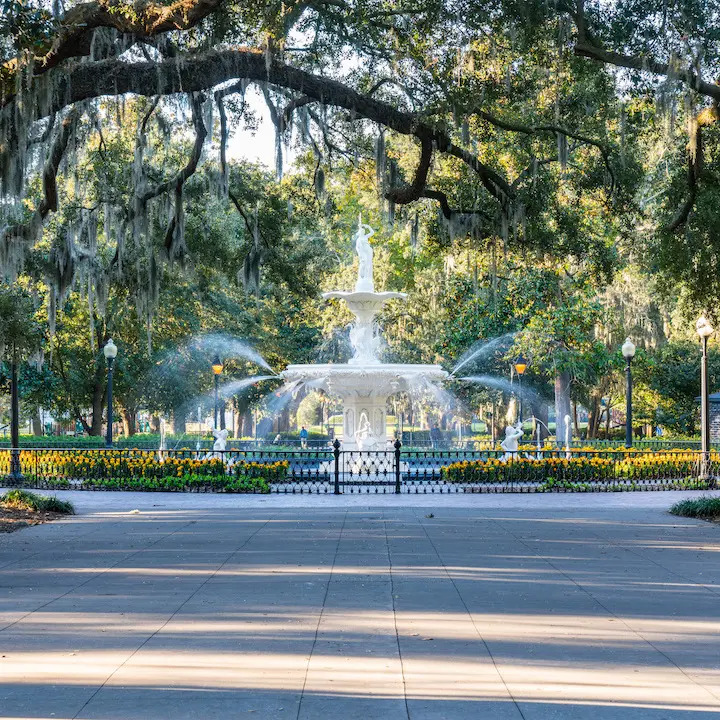
From cobblestone streets to coastal retreats, Savannah is the perfect place to sip, celebrate, and let loose. Open container laws make this one true party town.
Planning a bachelorette party in Scottsdale? Cabana Boys is the #1 rated activity in town – charismatic hosts, poolside vibes, and memories the bride won’t stop talking about.
With mid-century charm, desert sun, and iconic poolside vibes, Palm Springs is the ultimate escape for unforgettable weekends and inclusive celebrations.
Examples of Tailored Party Themes for Any Occasion
Tailored party themes are defined as event concepts built around three specific factors: the audience’s age and interests, the occasion being celebrated, and the season in which the event takes place. When all three align, the result is a celebration that feels intentional rather than generic. Themes like Tropical Luau, Hollywood Glam, Mystery Masquerade, and Decades Party are not just decoration choices. They are frameworks that shape every decision from the invitation to the final song. This article walks through concrete examples of tailored party themes across audience types, occasions, and seasons, then shows you how to execute them without losing your mind.
1. How do party themes vary by audience age group and interests?
The audience is the single most important variable when choosing a theme. A theme that thrills a seven-year-old will fall flat for a group of adults celebrating a milestone birthday, and vice versa.
Kids’ themes: energy and imagination first
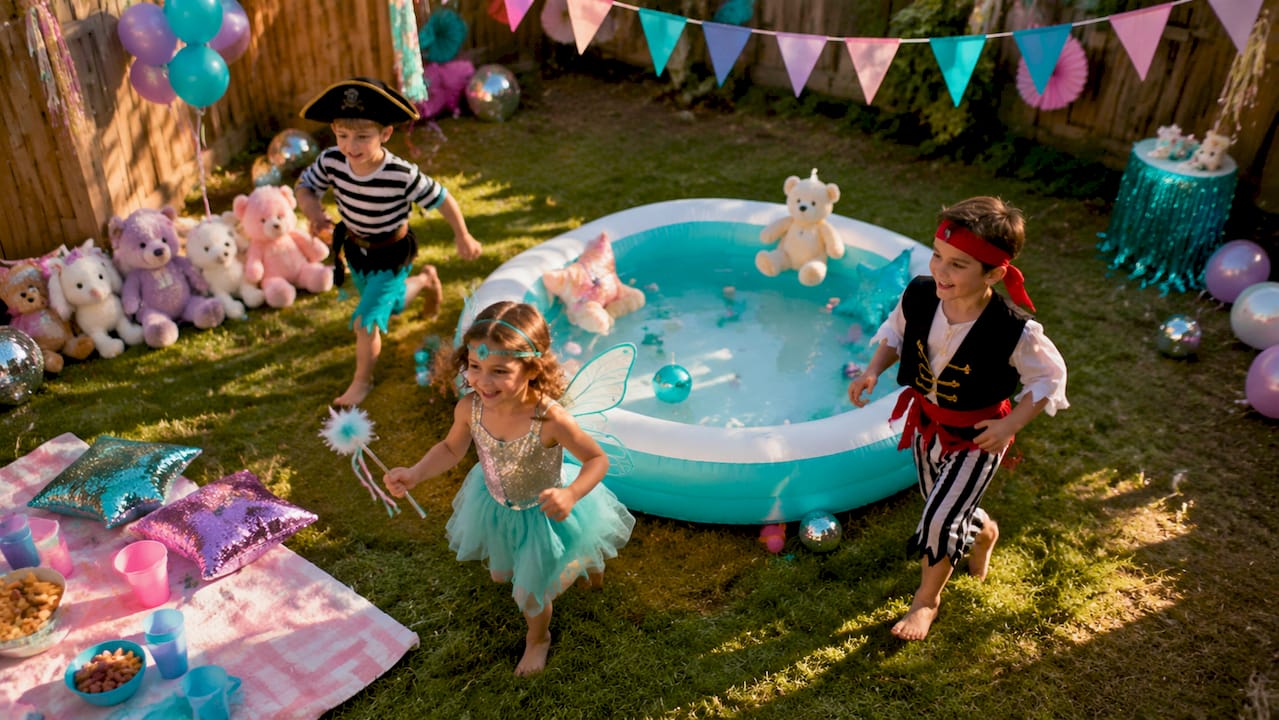
Age-appropriate themes for kids include Superheroes, Dinosaurs, and Unicorns. Each of these works because it centers on active play and visual stimulation. Superhero parties invite kids to arrive in costume, which eliminates the awkward arrival phase entirely. Dinosaur themes pair naturally with outdoor scavenger hunts and fossil-digging activities in sandbox setups. Unicorn themes use bold color palettes (pink, purple, gold) that make decorating straightforward and photogenic.
Teen themes: social zones and trend awareness
Teens respond to themes that feel current and give them something to do with their phones. Glow and Neon parties work because UV lighting transforms any space and makes every outfit look intentional. Movie Night themes create natural social clusters around screens, snacks, and blankets. Spa Day themes work especially well for smaller groups and give teens a structured activity that does not require a host to run games constantly.
Adult themes: sophistication and interaction
Adults want themes that give them something to talk about. Casino Night, Cocktail Masterclass, and Decades Throwback parties all deliver this. A Cocktail Masterclass theme turns the bar into the main event, which reduces the pressure on the host to fill time with organized activities. A Decades Throwback (think the 1980s or the 1920s) gives guests a dress code that sparks conversation before anyone has finished their first drink.
Pro Tip:Send themed invitations that include a specific dress code. Guests who arrive in costume or coordinated outfits are immediately more engaged and more likely to interact with strangers.
2. Which party themes best match common occasions and seasonal timing?
Occasion and season are the two filters that narrow your theme list from dozens of options to a handful of genuinely great fits.
Occasion-matched themes
Birthdays pair naturally with Superhero themes for kids and Sports themes for teens and adults who share a passion for a specific team. Halloween calls for a Spooktacular theme with clear visual cues: orange and black color palettes, fog machines, and costume contests. Casual get-togethers work best with low-commitment themes like Movie Night, where guests do not need to prepare much in advance.
Season-specific themes
Seasonal dinner party themes for 2026 include Winter Fondueland in january and february, Tomato Fête in late summer, and Autumn Festival in october. Each of these themes works because the menu and decor draw directly from what is available and visually dominant in that season. Seasonally matched menus, such as tomato-based dishes in summer or rustic cheese boards in autumn, make the theme feel cohesive rather than forced.
Avoiding seasonal mismatches matters more than most hosts realize. A Tropical Luau in january in a northern city requires significant effort to feel convincing. The same theme in july in Miami or Nashville is effortless.
Occasion
Recommended Theme
Best Season
Birthday (kids)
Superheroes, Dinosaurs
Spring, Summer
Birthday (adults)
Casino Night, Decades Party
Fall, Winter
Holiday gathering
Winter Wonderland
December
Casual get-together
Movie Night, Tasting Party
Year-round
Halloween
Spooktacular, Mystery Masquerade
October
Summer celebration
Tropical Luau, Havana Nights
June–August
Fall dinner party
Autumn Festival, Friendsgiving
September–November
3. What are some unique and interactive tailored party theme examples?
Themes that break from the norm create excitement before guests even RSVP. The theme itself becomes a marketing tool, setting expectations and building anticipation through the invitation alone.
Interactive themes that assign roles
Murder Mystery is the clearest example of a theme that eliminates dead air. Every guest receives a character card before the event, which gives them a role to play from the moment they walk in. Interactive themes that assign roles reduce social awkwardness and promote natural conversation because guests have a built-in reason to talk to each other.
Superhero vs. Villain parties work on the same principle. Guests choose a side, dress accordingly, and compete in team challenges throughout the night. The competitive structure keeps energy high without requiring a professional emcee.
Tasting parties and sensory themes
Tasting Parties (wine, whiskey, hot sauce, or cheese) give guests a shared activity that requires no prior knowledge and rewards curiosity. These themes work especially well for adult groups where guests may not all know each other. The tasting format creates natural conversation starters and a built-in pacing structure for the evening.
Hybrid themes for novelty
Tropical Halloween is a strong example of a theme hybrid that generates genuine surprise. Guests arrive expecting one or the other, and the combination delivers something genuinely unexpected. Unique theme combinations increase guest excitement by setting expectations that feel fresh rather than familiar.
Pro Tip:For interactive themes, send character assignments or team designations with the invitation. Guests who know their role in advance arrive more prepared and more enthusiastic.
Murder Mystery: assign characters via invitation, set a dress code, and prepare clue cards in advance
Superhero vs. Villain: split the guest list into two teams, create team-specific activities and scoring
Tasting Party: curate 5–8 items, provide scorecards, and include a brief host-led intro for each item
Tropical Halloween: combine tropical decor with Halloween costumes, serve both tiki drinks and themed cocktails
4. How to successfully implement tailored party themes from concept to guest experience
The theme is the heartbeat of the entire event, driving every downstream decision from the playlist to the party favors. Hosts who treat the theme as a decoration choice rather than a planning framework end up with mismatched elements and last-minute purchases.
Start with the non-negotiables
Broad or vague themes cause mismatched decor and last-minute scrambles. The fix is to identify two or three non-negotiable theme elements first. For a Great Gatsby party, those might be a gold and black color palette, a jazz playlist, and a champagne tower. Everything else is optional.
Invitations: The invitation sets the tone. A Casino Night invite should look like a playing card or a VIP pass, not a generic card with a roulette wheel clip art.
Dress code: State it clearly. Guests who dress the part are more immersed and more fun to photograph.
Playlist: Match the music to the era or mood. A Decades Party without the right soundtrack is just a party with costumes.
Food and drinks: Themed menus do not need to be elaborate. A signature cocktail with a theme-appropriate name does more work than a full themed menu.
Activities: Choose one or two activities that reinforce the theme rather than filling every hour with programming.
Avoid the most common pitfall
The most common mistake is choosing a theme that is too broad. “Hollywood” is a theme. “Hollywood Glam circa the 1950s” is a tailored theme. The specificity gives guests a clear visual reference and makes your job as a host significantly easier.
Pro Tip:Use a color palette of three colors maximum. More than three colors dilutes the visual impact and makes the space look cluttered rather than themed.
Key takeaways
The most effective tailored party themes align audience type, occasion, and season into a single cohesive concept that drives every planning decision from invitations to favors.
Point
Details
Audience drives the theme
Match theme complexity and activity level to the age group attending.
Season shapes the menu and decor
Choose themes that draw from what is naturally available and visually fitting for the time of year.
Interactive themes reduce dead air
Themes with roles or competitions keep guests engaged without constant host intervention.
Specificity beats breadth
A narrow, specific theme is easier to execute and more memorable than a broad concept.
Non-negotiables anchor execution
Pick two or three defining elements and build everything else around them.
What I have learned from watching themes succeed and fail
The parties I remember most clearly are not the ones with the biggest budgets. They are the ones where the host made one bold, specific choice and committed to it completely. I have watched a Roaring Twenties party transform a backyard into something genuinely cinematic with nothing more than string lights, a jazz playlist, and guests who showed up in costume. I have also watched a “travel-themed” party fall flat because no one could tell what country they were supposed to be celebrating.
The insight that changed how I think about party planning is this: personalized themes built around the guest of honor’s interests create emotional resonance that generic themes simply cannot. A graduation party built around a student’s school colors and future career path hits differently than a standard cap-and-gown setup.
My honest recommendation is to resist the urge to pick a theme that sounds impressive and instead pick one that fits the person being celebrated. A themed party night built around someone’s genuine obsession, whether that is a specific decade, a sport, or a cuisine, will always outperform a trend-chasing concept. The best themes feel inevitable in retrospect. Guests leave thinking, “Of course that was the theme.”
— Nelson
Party Host Boys: built for themed celebrations
Planning a tailored party theme is one thing. Executing it with the energy and polish that guests actually remember is another challenge entirely.
Cabana Boys, Cocktail CowBoys, and Cocktail Boys specialize in exactly that. Recognized as the #1 bachelorette experience in top US party destinations and featured on Shark Tank and the New York Times, they bring charm, high energy, and genuine personalization to every event. Their hosts engage guests, serve drinks, run games, and keep the space tidy, so you can focus on enjoying the party you planned. Whether your theme is Casino Night, Tropical Luau, or something entirely custom, visit partyhostboys.com to see how they can bring it to life.
FAQ
What are the best examples of tailored party themes for adults?
Casino Night, Cocktail Masterclass, Roaring Twenties, and Murder Mystery are among the strongest adult-focused tailored themes. Each provides built-in activities, a clear dress code, and a social structure that keeps guests engaged throughout the event.
How do I choose a party theme that fits the season?
Match your theme to what is visually and culinarily natural for that time of year. Winter Wonderland works in december, Tropical Luau works in summer, and Autumn Festival fits september through november with rustic decor and seasonal menus.
What makes a party theme interactive?
Interactive themes assign guests a role, a team, or a task before they arrive. Murder Mystery, Superhero vs. Villain, and Tasting Parties all use this structure to reduce social awkwardness and keep energy high without requiring constant host-led programming.
How specific should a party theme be?
Specific themes are easier to execute and more memorable than broad ones. “Hollywood Glam circa the 1950s” gives guests a clear visual reference, while “Hollywood” leaves too much open to interpretation and leads to mismatched decor.
What is the most common mistake when planning a themed party?
Choosing a theme that is too broad is the most common pitfall. Hosts who skip defining two or three non-negotiable theme elements end up with last-minute purchases and a space that looks assembled rather than designed.









 Austin
 Charleston
 Los Angeles & Orange County
 Miami
Miami Nashville
 Palm Springs
 Savannah
 Scottsdale
 San Diego
 30A / Destin
 Cabana Boys
 Cocktail CowBoys
 Cocktail Boys
 Signature Party
 Brunch
 Game Night
 Cabana Glow
 Bagel Boys
 Party Bus
 Line Dancing
 Game Night
 Austin