🦈As Seen on Shark Tank 🦈 Book the Boys everyone is talking about • 🦈As Seen on Shark Tank 🦈 Book the Boys everyone is talking about • 🦈As Seen on Shark Tank 🦈 Book the Boys everyone is talking about • 🦈As Seen on Shark Tank 🦈 Book the Boys everyone is talking about • 🦈As Seen on Shark Tank 🦈 Book the Boys everyone is talking about • 🦈As Seen on Shark Tank 🦈 Book the Boys everyone is talking about • 🦈As Seen on Shark Tank 🦈 Book the Boys everyone is talking about • 🦈As Seen on Shark Tank 🦈 Book the Boys everyone is talking about • 🦈As Seen on Shark Tank 🦈 Book the Boys everyone is talking about • 🦈As Seen on Shark Tank 🦈 Book the Boys everyone is talking about • 🦈As Seen on Shark Tank 🦈 Book the Boys everyone is talking about • 🦈As Seen on Shark Tank 🦈 Book the Boys everyone is talking about • 🦈As Seen on Shark Tank 🦈 Book the Boys everyone is talking about • 🦈As Seen on Shark Tank 🦈 Book the Boys everyone is talking about • 🦈As Seen on Shark Tank 🦈 Book the Boys everyone is talking about • 🦈As Seen on Shark Tank 🦈 Book the Boys everyone is talking about •
Hire the Cabana Boys to elevate your event with personalized party hosting and bartending services for 2-4 hours. These charming, vetted gentlemen will serve drinks, entertain, keep the area tidy, and make your event unforgettable, whether it’s a pool party, bachelorette, or themed event.
Gourmet brunch from local favorites, bottomless mimosas, music, and party games — hosted poolside by the Cabana Boys. The easiest, most-talked-about morning of the weekend.
We bring tons of game ideas and supplies – bachelorette games, drinking games, signature games, fun icebreakers, music games, and more – that we will host at your Airbnb. We can also help facilitate any games that you have in mind. Think of us as game show hosts, but in a sexy pool boy kind of way.
We’ll lead you through a fun, high-energy 45-minute workout with mats, bands, and sliders – then flip straight into party mode. Think of it as a fitness class that ends with your own private pool boy hosts keeping the vibe alive.
Kick off your morning with a visit from one of our hand-picked gentlemen who will set up a delicious spread with a dozen of gourmet assorted bagels, two tubs of delicious cream cheese, a large container of hot coffee, and a carafe of fresh orange juice.
Hop on the luxurious, air conditioned party bus and we’ll cruise around Old Town, bumping music, dancing, drinking, and playing some signature games. We’ll make stops at our partner bars, where you’ll access some exclusive drink specials.
Our Cocktail CowBoys are at your service — we’ll serve you drinks and refreshments, take pictures (or pose with you), be Spotify DJs, help with party/drinking games, keep the party area tidy, keep you company and take out the trash when we leave.
Two Cocktail CowBoys will deliver brunch for you and your crew and get you back into celebration mode. They’ll set up breakfast for you, pour mimosas, turn on some tunes, host some party games, help you nurse your hangover, and keep the party area clean.
Take a break from the bars and get ready for the perfect night in with your gals… a Cocktail CowBoys game night! We bring tons of game ideas and supplies – bachelorette games, drinking games, signature games, fun icebreakers, music games, and more!
A honky-tonk adventure with cowboy charm, dancing, and unforgettable memories. Your personal party crew for a wild night of bars, boots, and Broadway debauchery.
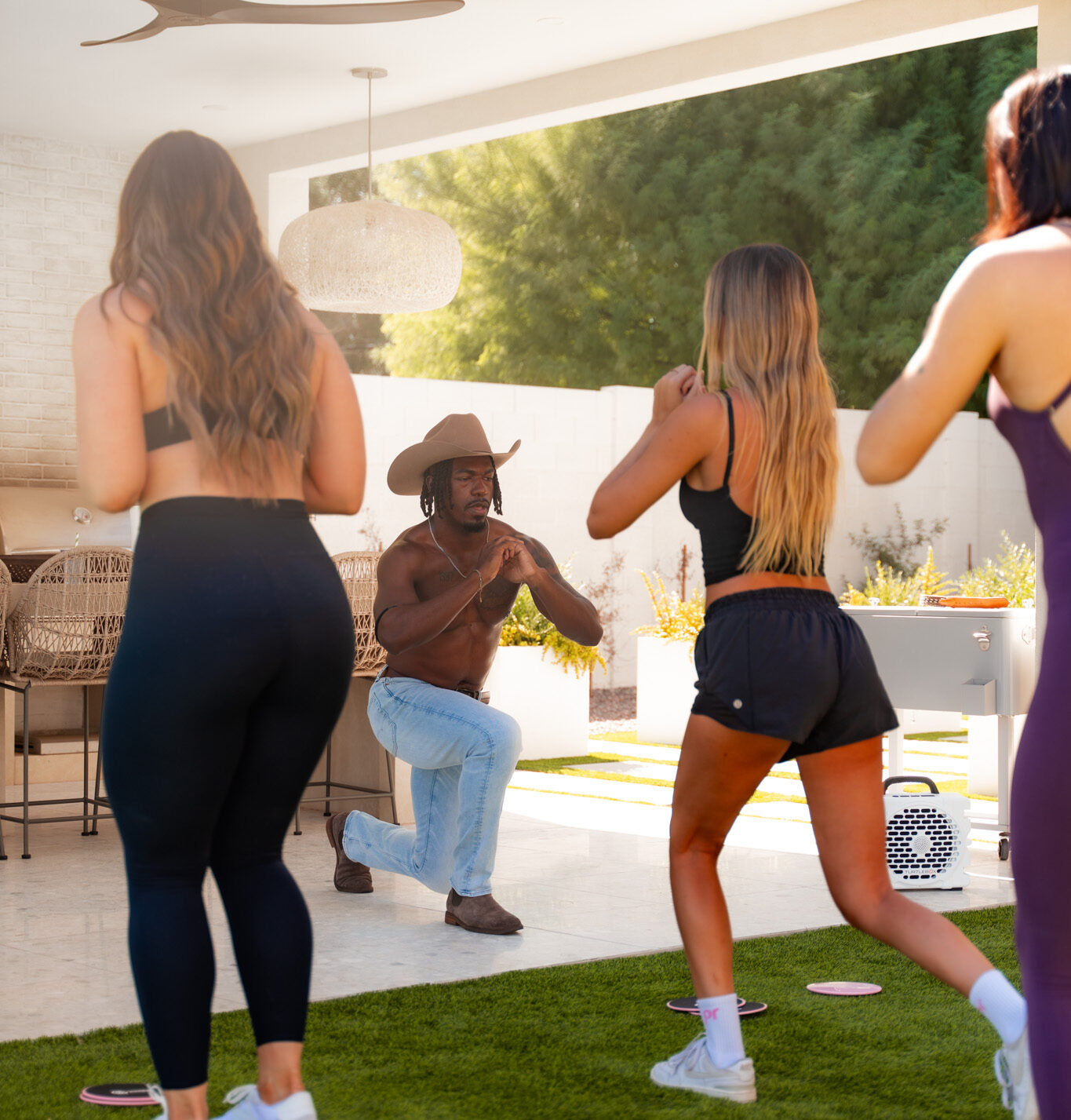
Kick off your day with a 45-minute cowboy-led workout, then roll right into an hour of games, drinks, and hosting. Think of it as fitness meets Western hospitality — charming, playful, and unforgettable.
Grab your boots and head to the ultimate spot for unforgettable parties, legendary food, and live music that never stops. Saddle up for an epic Austin weekend!
With cobblestone streets, pastel sunsets, and rooftop bars, Charleston has hospitality around every corner. Charm, style, and just the right amount of mischief.
Sun, skin, and serious vibes—Miami and Fort Lauderdale are built for bold, unforgettable weekends. From pool parties to rooftop hangs, South Florida brings the heat.
With mid-century charm, desert sun, and iconic poolside vibes, Palm Springs is the ultimate escape for unforgettable weekends and inclusive celebrations.
From cobblestone streets to coastal retreats, Savannah is the perfect place to sip, celebrate, and let loose. Open container laws make this one true party town.
Planning a bachelorette party in Scottsdale? Cabana Boys is the #1 rated activity in town – charismatic hosts, poolside vibes, and memories the bride won’t stop talking about.
With mid-century charm, desert sun, and iconic poolside vibes, Palm Springs is the ultimate escape for unforgettable weekends and inclusive celebrations.
Why Event Planners Outsource Entertainment in 2026
Outsourcing entertainment is defined as hiring specialist providers to plan, supply, and manage all entertainment elements at an event rather than handling them in-house. Event planners outsource entertainment because it reduces operational costs, eliminates logistical risk, and puts professional talent in front of guests who expect more than average. 71% of large organizations already use outsourced entertainment for virtual or hybrid events, and 93% plan to increase that investment. Those numbers signal a clear industry shift. Specialist providers like Cabana Boys, Cocktail CowBoys, and Cocktail Boys represent exactly the kind of curated, full-service entertainment model that planners are moving toward.
Why event planners outsource entertainment: the core benefits
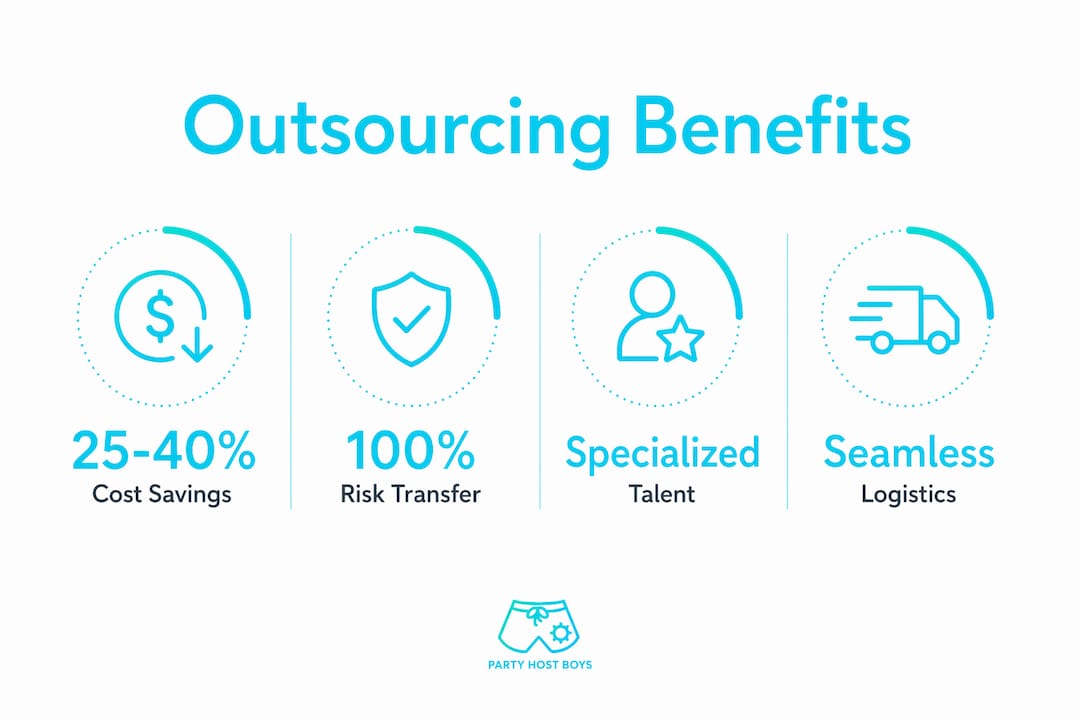
Outsourcing entertainment cuts costs in ways most planners underestimate. Professional service outsourcing reduces operational costs by 25–40% and administrative overhead by 40–60% in mid-sized firms. That is not a rounding error. It reflects the real savings from eliminating in-house staffing, equipment purchases, and the hours spent managing entertainment logistics.
Beyond cost, outsourcing gives planners direct access to specialized talent and professional-grade technical equipment. A specialist entertainment provider arrives with the right sound system, lighting rig, and trained personnel. Planners who try to source these elements separately often end up with mismatched gear and performers who have never worked together before.
The benefits of outsourcing entertainment also include scalability. A provider that handles a 50-person birthday party can often scale to a 500-person corporate event using the same systems and processes. That flexibility is difficult to replicate with an in-house team built for one event size.
Key advantages planners gain by outsourcing entertainment:
Talent access: Providers maintain rosters of vetted performers, hosts, and technical crew.
Equipment reliability: Professional-grade AV, lighting, and sound come bundled with the service.
Risk transfer: Liability, insurance, and contingency planning shift to the provider.
Time savings: Planners redirect hours spent on logistics toward guest experience and event design.
Pro Tip:Request an itemized breakdown of what is included in any entertainment package before signing. Knowing exactly what the provider covers prevents surprise gaps on event day.
How does outsourcing entertainment reduce logistical risk?
Entertainment logistics carry more risk than most planners budget for. Last-minute cancellations, technical failures, and scheduling conflicts are the three most common causes of entertainment breakdowns at live events. Outsourcing to a professional provider addresses all three through documented processes and contractual accountability.
Verifying insurance certificates, payment terms, and technical riders 60–90 days before the event prevents the back-and-forth that delays event readiness. This is not optional paperwork. It is the difference between a provider who shows up prepared and one who creates problems on the day.
Failing to hold production meetings 2–4 weeks before the event typically leads to technical and scheduling failures. Professional entertainment companies build these meetings into their standard process. Planners who work with them inherit that discipline without having to enforce it themselves.
Steps to protect your event through outsourced entertainment:
Confirm insurance coverage at least 60 days out. Ask for a certificate of insurance naming your venue as an additional insured.
Review the technical rider before countersigning any contract. Confirm the venue can meet all power, space, and rigging requirements.
Lock payment terms in writing. Deposit schedules, cancellation clauses, and force majeure terms must be explicit.
Schedule a production meeting 2–4 weeks before the event to align on run-of-show, cues, and contingency plans.
Request a soundcheck or rehearsal window. This catches technical issues before guests arrive.
Single full-service entertainment providers reduce vendor fragmentation, improving accountability and reducing the risk of show failures. When one company owns the entire entertainment delivery, there is no gap between the DJ, the lighting tech, and the stage manager. They all answer to the same team.
Pro Tip:Always assign one internal point of contact on your team to liaise with the entertainment provider. Clear communication channels prevent last-minute confusion.
How event planners choose entertainment outsourcing partners
Choosing the right entertainment partner is not about finding the biggest name or the lowest price. Curated entertainment aligned to audience tastes outperforms expensive but generic acts every time. The right fit matters more than the budget size.
Planners should evaluate potential partners on four criteria: experience, technical preparedness, customization ability, and audience alignment. A provider with 200 events under their belt knows how to handle a delayed dinner service or a venue that loses power. That experience is not listed on a price sheet, but it shows up when things go sideways.
Audience demographics shape entertainment choices more than most planners acknowledge. A bachelorette group in Nashville wants something completely different from a corporate product launch in Chicago. Providers who ask detailed questions about your guest profile before pitching a package are the ones worth hiring. Those who lead with a generic catalog are not.
What to look for when vetting entertainment providers:
Portfolio depth: Ask for references from events similar in size, format, and audience to yours.
Technical self-sufficiency: Confirm the provider brings their own equipment and does not rely on venue gear.
Customization process: Ask how they tailor their performance or hosting style to your event theme.
Contingency planning: Ask directly what happens if a performer cancels 48 hours before the event.
Full-service capability: Providers who manage talent, AV, lighting, and production under one roof reduce your coordination load significantly.
Cabana Boys, Cocktail CowBoys, and Cocktail Boys operate on exactly this model. They engage guests, serve refreshments, facilitate games, and keep the environment fun and tidy, all under one coordinated service. For planners looking at how to vet party entertainment professionals, that single-source accountability is a major advantage.
For events that also require catering coordination, pairing entertainment outsourcing with a curated festive meal offering from a specialist food provider follows the same logic: let experts handle their domain so you can focus on the whole picture.
How does outsourcing entertainment improve the guest experience?
The best entertainment providers manage transitions between program segments, time announcements to match the energy in the room, and adjust their performance based on live audience feedback. An in-house coordinator juggling catering, decor, and guest logistics cannot do that simultaneously. A specialist can.
Technology has added another layer to this. Hybrid and virtual event formats require entertainment providers who understand streaming latency, virtual audience engagement tools, and platform-specific production requirements. Planners who outsource to providers with hybrid experience gain access to that technical knowledge without building it internally.
“Outsourcing entertainment is a strategic collaboration, not just a cost-cutting measure. It gives planners the freedom to focus on their core event goals while specialists handle the performance, production, and guest engagement that make an event memorable.”
The table below shows how outsourced entertainment affects key guest experience factors compared to in-house coordination:
Guest experience factor
In-house coordination
Outsourced entertainment
Timing and transitions
Managed by event staff with competing priorities
Dedicated entertainment team owns the run-of-show
Technical quality
Dependent on venue equipment and staff skill
Professional-grade equipment and trained operators
Audience engagement
Reactive and ad hoc
Planned, rehearsed, and adapted in real time
Contingency handling
Limited backup options
Pre-documented contingency protocols
Atmosphere consistency
Variable across event segments
Controlled by a single coordinated team
Outsourcing entertainment allows event teams to focus on strategic goals instead of logistics. That shift in focus shows up directly in guest satisfaction. When the planner is not troubleshooting a sound issue, they are greeting guests, managing VIPs, and making real-time decisions that improve the event.
The real reason outsourcing entertainment is a strategic move
I have watched planners treat entertainment as a line item to minimize rather than an investment to maximize. That mindset produces forgettable events. The planners who consistently deliver standout experiences treat entertainment outsourcing as a core part of their event strategy, not an afterthought.
The shift I have seen in the last few years is significant. Planners are no longer asking “Can we afford to outsource entertainment?” They are asking “Can we afford not to?” The advantages of outsourced event entertainment go well beyond cost. They include the mental bandwidth you reclaim when a professional team owns the entertainment delivery.
The biggest mistake I see is planners choosing entertainment based on price alone. A cheap act that does not fit the audience creates awkward energy that no amount of good food or decor can fix. The right entertainment partner asks the right questions before they ever pitch a package. That is the signal worth paying attention to.
My honest advice: build your entertainment partner relationship before you need it. Vet providers during a quieter period, attend one of their events as an observer, and ask for references from events that went wrong. How a provider handles a problem tells you more than how they perform when everything goes right.
— Nelson
Party Host Boys: entertainment outsourcing built for planners
Event planners who want a single-source entertainment solution built around guest engagement have a clear option in Cabana Boys, Cocktail CowBoys, and Cocktail Boys. Party Host Boys specializes in high-energy party hosting and bartending for bachelorette parties, birthdays, and group trips, with hosts who engage guests, serve drinks, run games, and keep the event moving.
Featured on Shark Tank and recognized by the New York Times, Party Host Boys has earned the #1 bachelorette experience ranking in top US party destinations. For planners who want to explore entertainment options by location, the full service menu covers major cities across the country. One provider, one contact, one accountable team.
Key Takeaways
Outsourcing entertainment is the most direct way event planners reduce risk, cut overhead, and deliver a guest experience that in-house coordination cannot match.
Point
Details
Cost reduction is measurable
Outsourcing cuts operational costs by 25–40% and administrative overhead by 40–60%.
Right fit beats big budget
Entertainment aligned to your audience outperforms expensive generic acts every time.
Documentation prevents failure
Securing insurance, payment terms, and technical riders 60–90 days out eliminates most pre-event friction.
Single-source accountability wins
Full-service providers reduce fragmentation, errors, and the risk of show failures.
Guest experience is the real ROI
Professional entertainment specialists control atmosphere, timing, and engagement in ways in-house teams cannot.
FAQ
Why do event planners outsource entertainment?
Event planners outsource entertainment to reduce costs, access specialized talent, and transfer logistical risk to a professional provider. 71% of large organizations already use outsourced entertainment, reflecting how standard the practice has become.
What are the main benefits of outsourcing party entertainment?
The main benefits include 25–40% lower operational costs, access to professional-grade equipment, built-in contingency planning, and a dedicated team focused entirely on guest engagement.
How do event planners choose the right entertainment partner?
Planners should evaluate providers on experience, technical self-sufficiency, customization ability, and audience alignment. Choosing based on right fit rather than budget size consistently produces better attendee engagement.
What risks does outsourcing entertainment eliminate?
Outsourcing eliminates the risk of last-minute cancellations, technical failures, and fragmented vendor accountability. Full-service providers manage all entertainment elements under one contract, reducing scheduling conflicts and errors.
How far in advance should planners finalize entertainment outsourcing?
Planners should confirm insurance, payment terms, and technical riders at least 60–90 days before the event. Production meetings should follow 2–4 weeks out to align on run-of-show details and contingency plans.











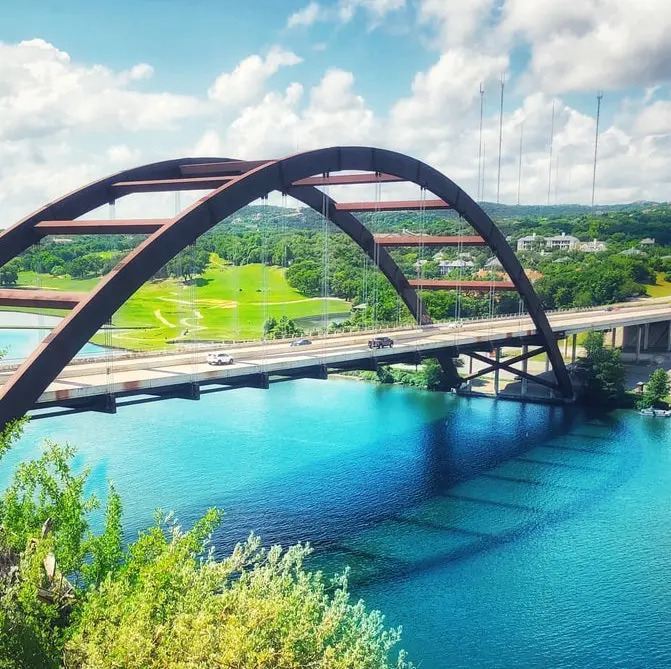 Austin
 Charleston
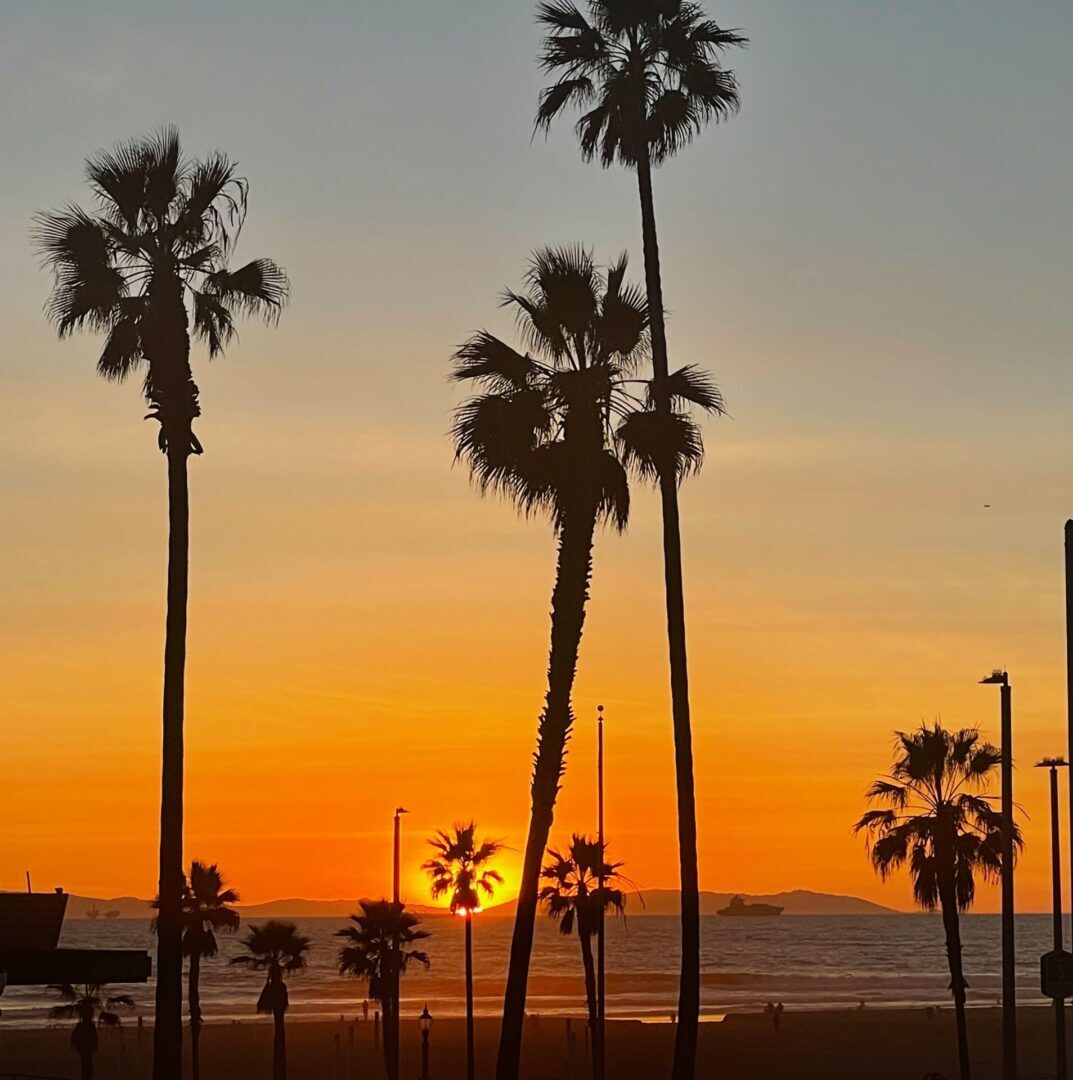 Los Angeles & Orange County
 Miami
Miami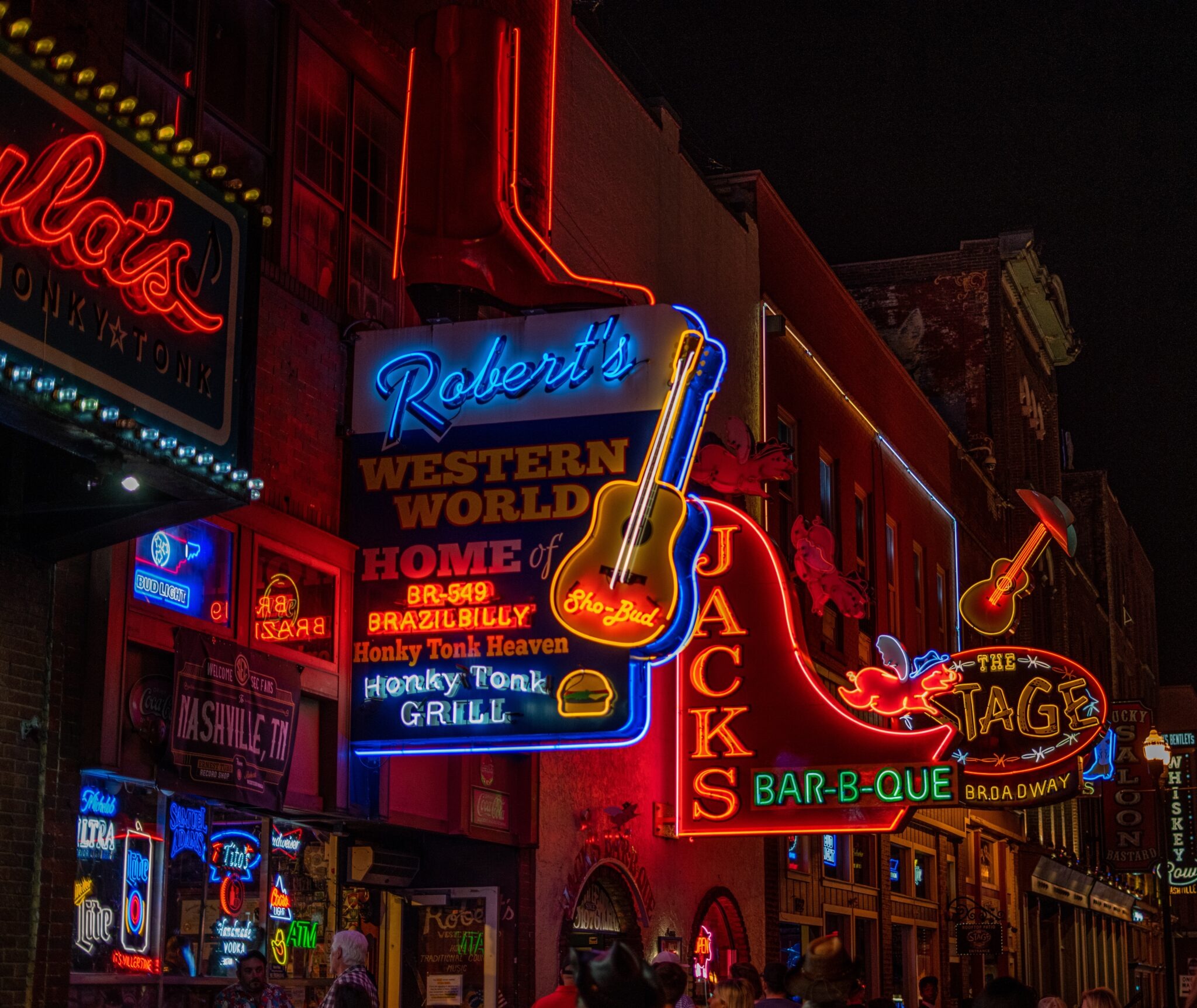 Nashville
 Palm Springs
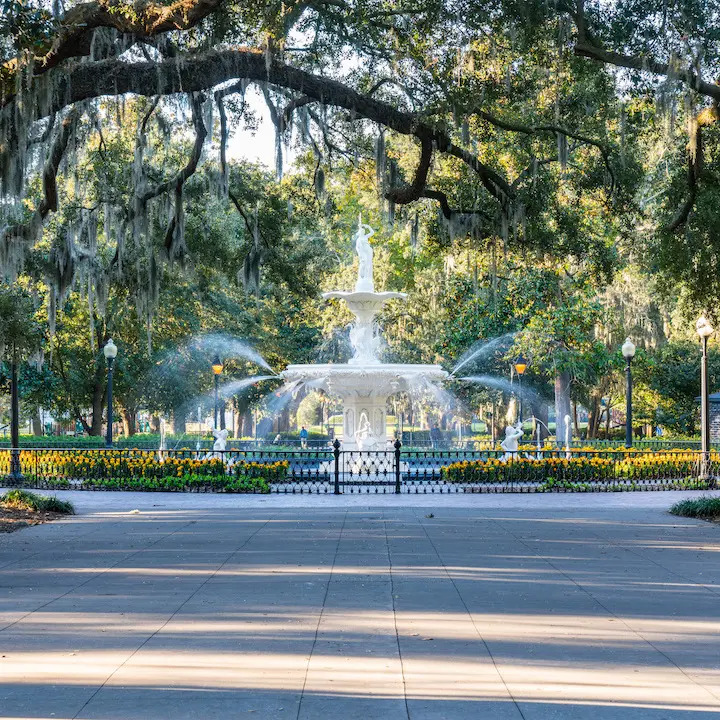 Savannah
 Scottsdale
 San Diego
 30A / Destin
 Cabana Boys
 Cocktail CowBoys
 Signature Party
 Brunch
 Game Night
 Cabana Glow
 Bagel Boys
 Party Bus
 Line Dancing
 Austin