🦈As Seen on Shark Tank 🦈 Book the Boys everyone is talking about • 🦈As Seen on Shark Tank 🦈 Book the Boys everyone is talking about • 🦈As Seen on Shark Tank 🦈 Book the Boys everyone is talking about • 🦈As Seen on Shark Tank 🦈 Book the Boys everyone is talking about • 🦈As Seen on Shark Tank 🦈 Book the Boys everyone is talking about • 🦈As Seen on Shark Tank 🦈 Book the Boys everyone is talking about • 🦈As Seen on Shark Tank 🦈 Book the Boys everyone is talking about • 🦈As Seen on Shark Tank 🦈 Book the Boys everyone is talking about • 🦈As Seen on Shark Tank 🦈 Book the Boys everyone is talking about • 🦈As Seen on Shark Tank 🦈 Book the Boys everyone is talking about • 🦈As Seen on Shark Tank 🦈 Book the Boys everyone is talking about • 🦈As Seen on Shark Tank 🦈 Book the Boys everyone is talking about • 🦈As Seen on Shark Tank 🦈 Book the Boys everyone is talking about • 🦈As Seen on Shark Tank 🦈 Book the Boys everyone is talking about • 🦈As Seen on Shark Tank 🦈 Book the Boys everyone is talking about • 🦈As Seen on Shark Tank 🦈 Book the Boys everyone is talking about •
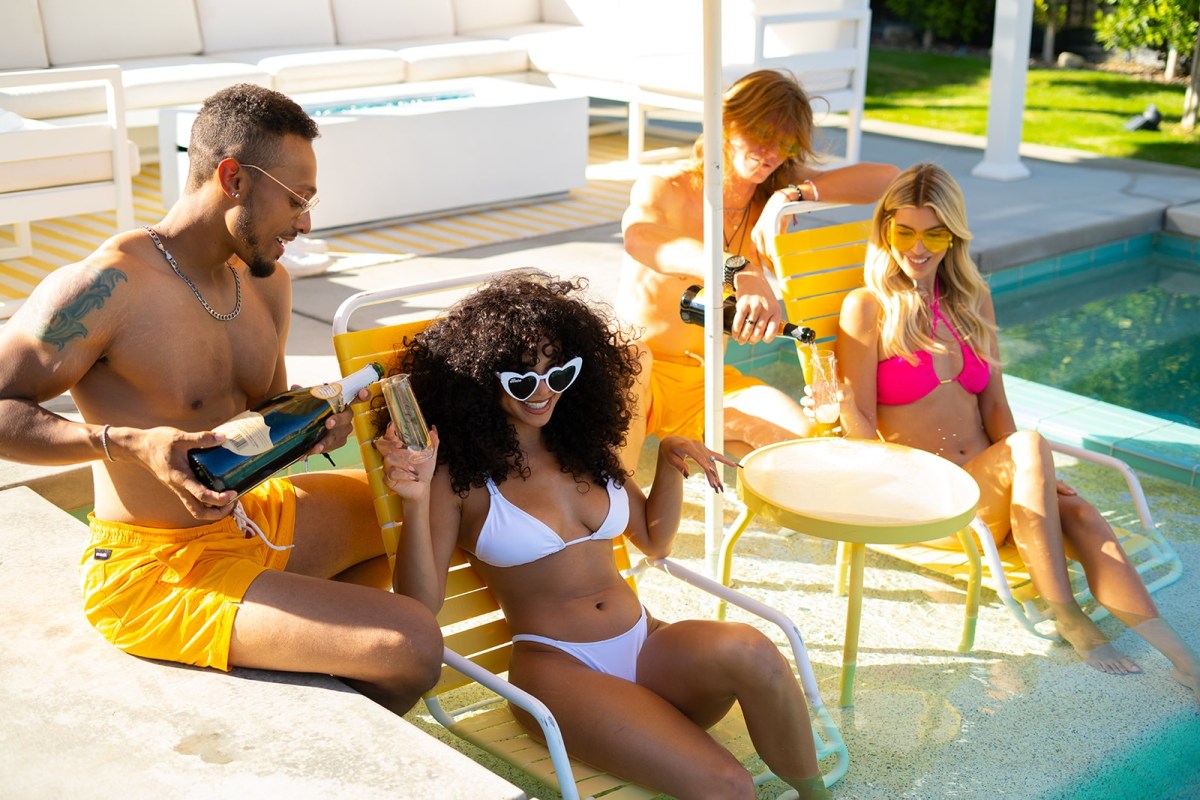
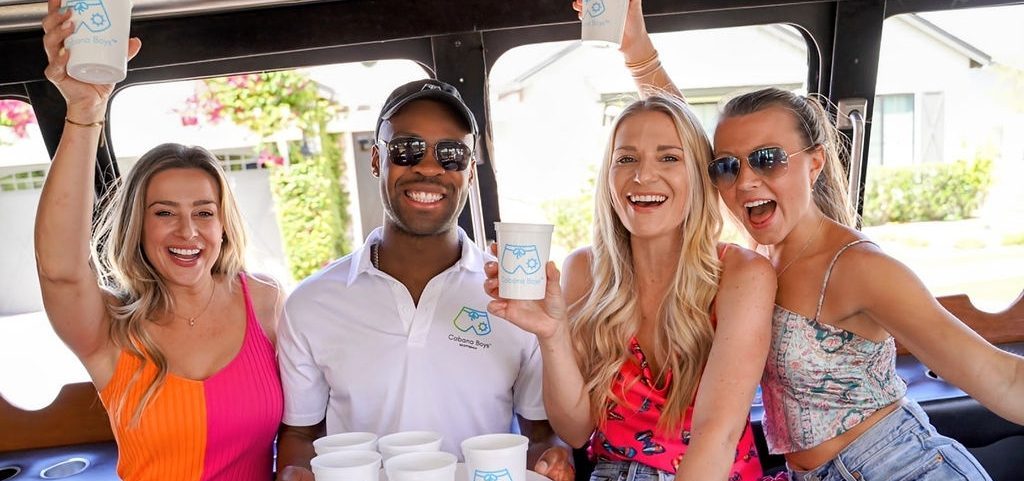
Hire the Cabana Boys to elevate your event with personalized party hosting and bartending services for 2-4 hours. These charming, vetted gentlemen will serve drinks, entertain, keep the area tidy, and make your event unforgettable, whether it’s a pool party, bachelorette, or themed event.
Gourmet brunch from local favorites, bottomless mimosas, music, and party games — hosted poolside by the Cabana Boys. The easiest, most-talked-about morning of the weekend.
We bring tons of game ideas and supplies – bachelorette games, drinking games, signature games, fun icebreakers, music games, and more – that we will host at your Airbnb. We can also help facilitate any games that you have in mind. Think of us as game show hosts, but in a sexy pool boy kind of way.
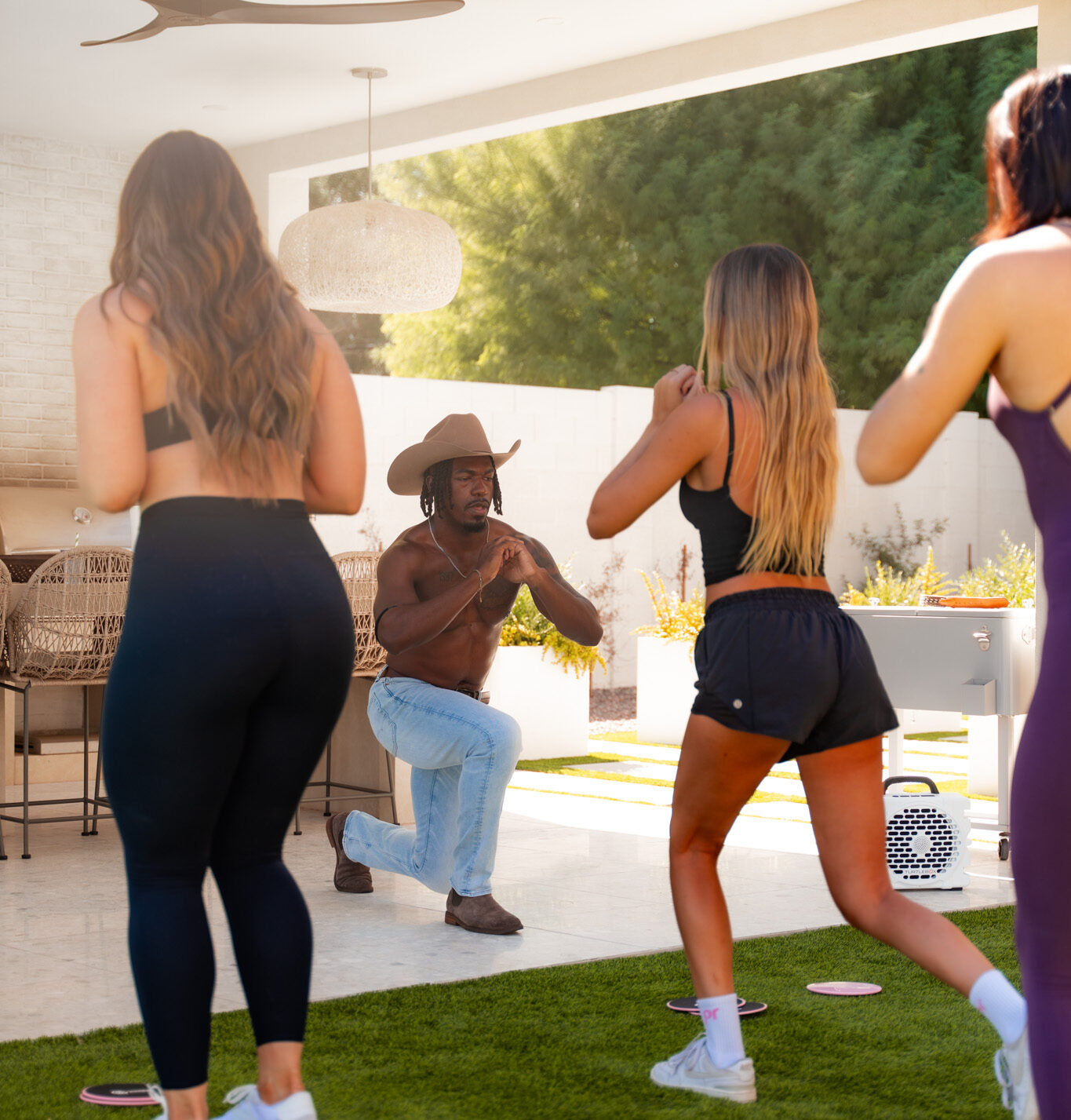
We’ll lead you through a fun, high-energy 45-minute workout with mats, bands, and sliders – then flip straight into party mode. Think of it as a fitness class that ends with your own private pool boy hosts keeping the vibe alive.
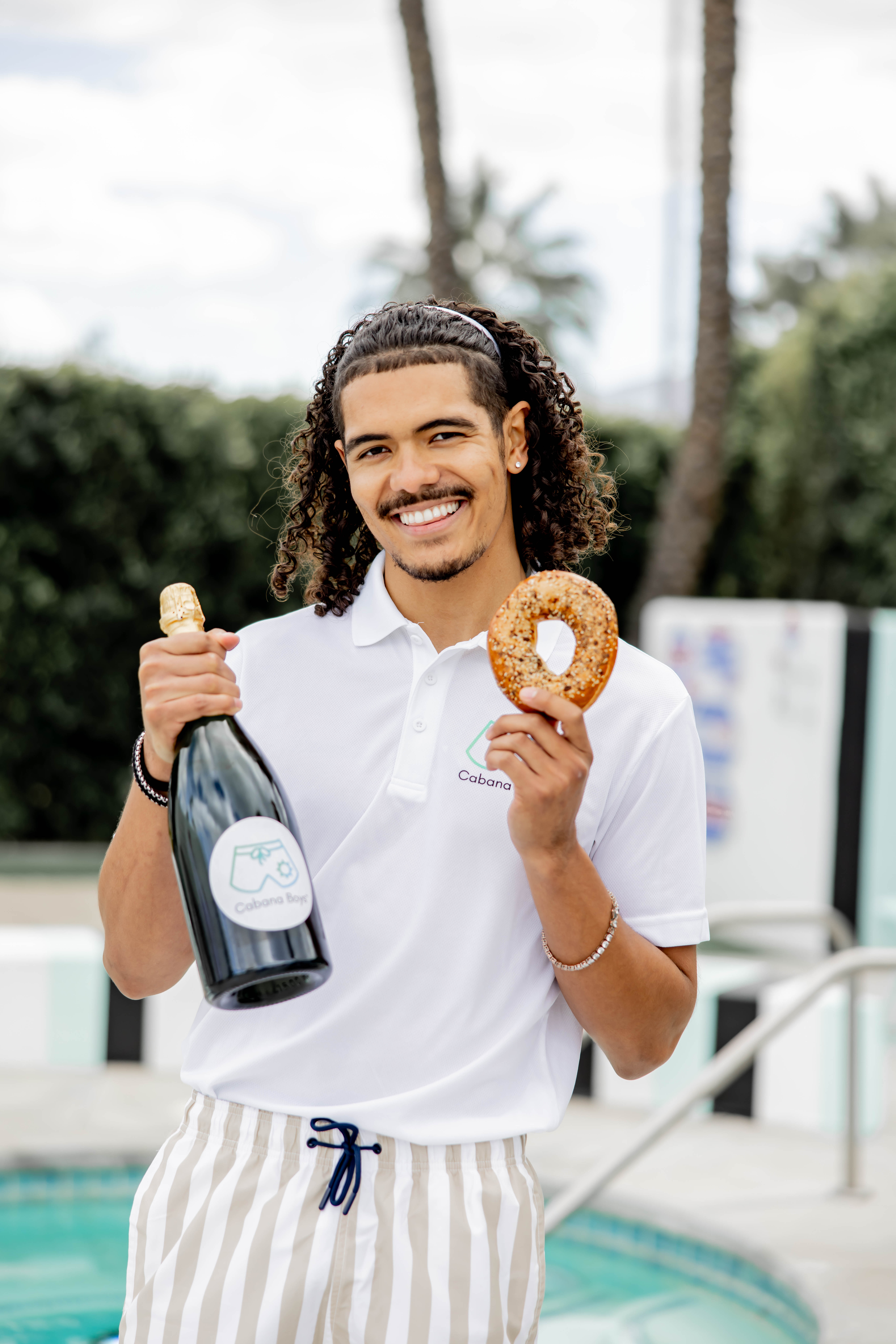
Kick off your morning with a visit from one of our hand-picked gentlemen who will set up a delicious spread with a dozen of gourmet assorted bagels, two tubs of delicious cream cheese, a large container of hot coffee, and a carafe of fresh orange juice.
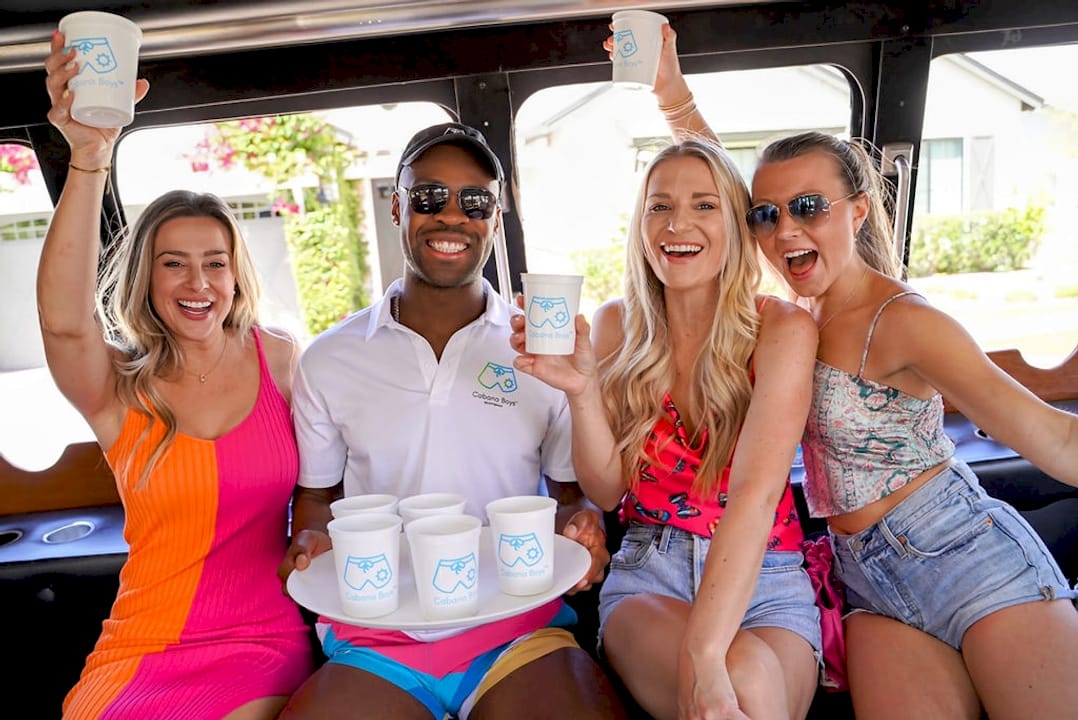
Hop on the luxurious, air conditioned party bus and we’ll cruise around Old Town, bumping music, dancing, drinking, and playing some signature games. We’ll make stops at our partner bars, where you’ll access some exclusive drink specials.
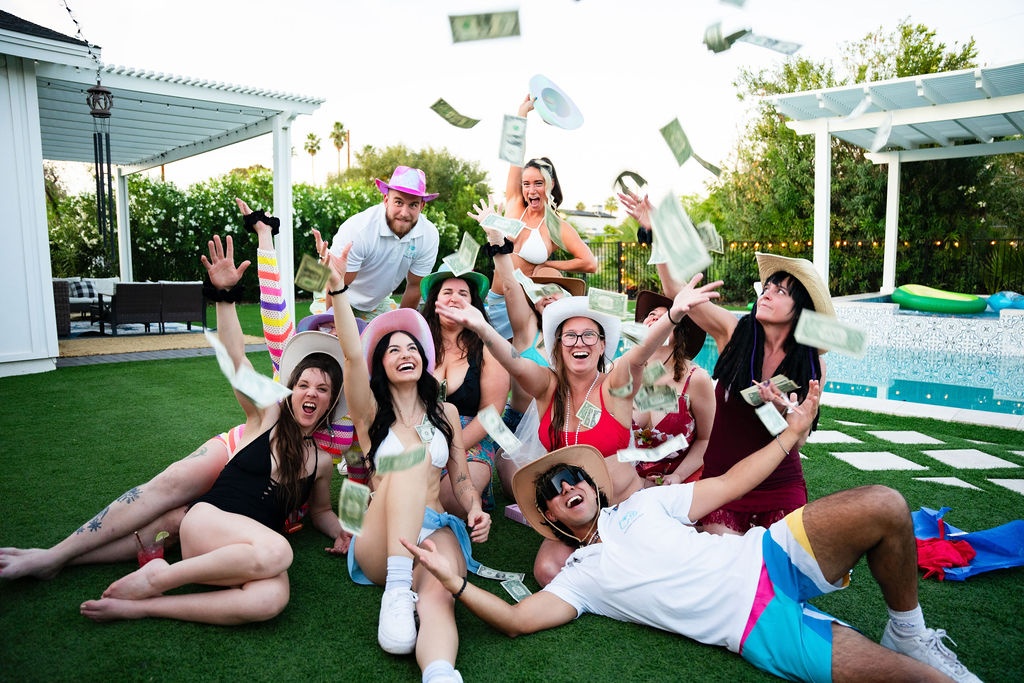
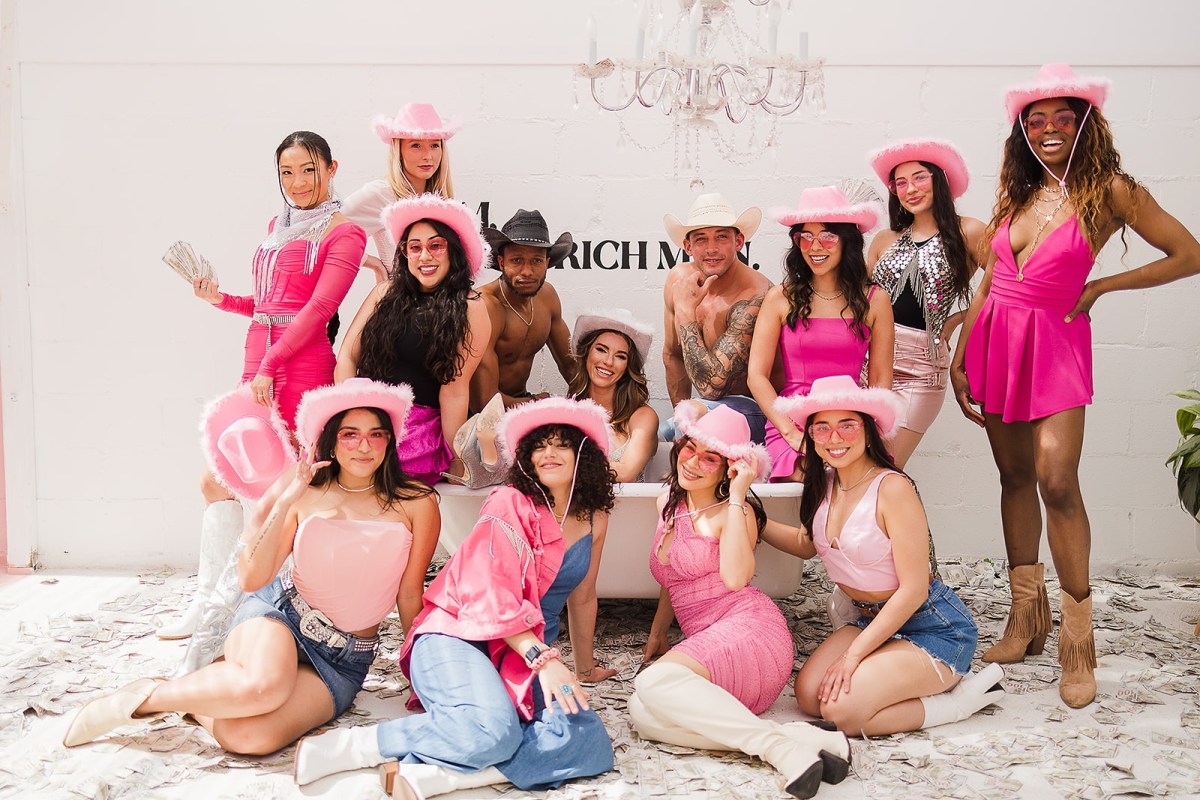
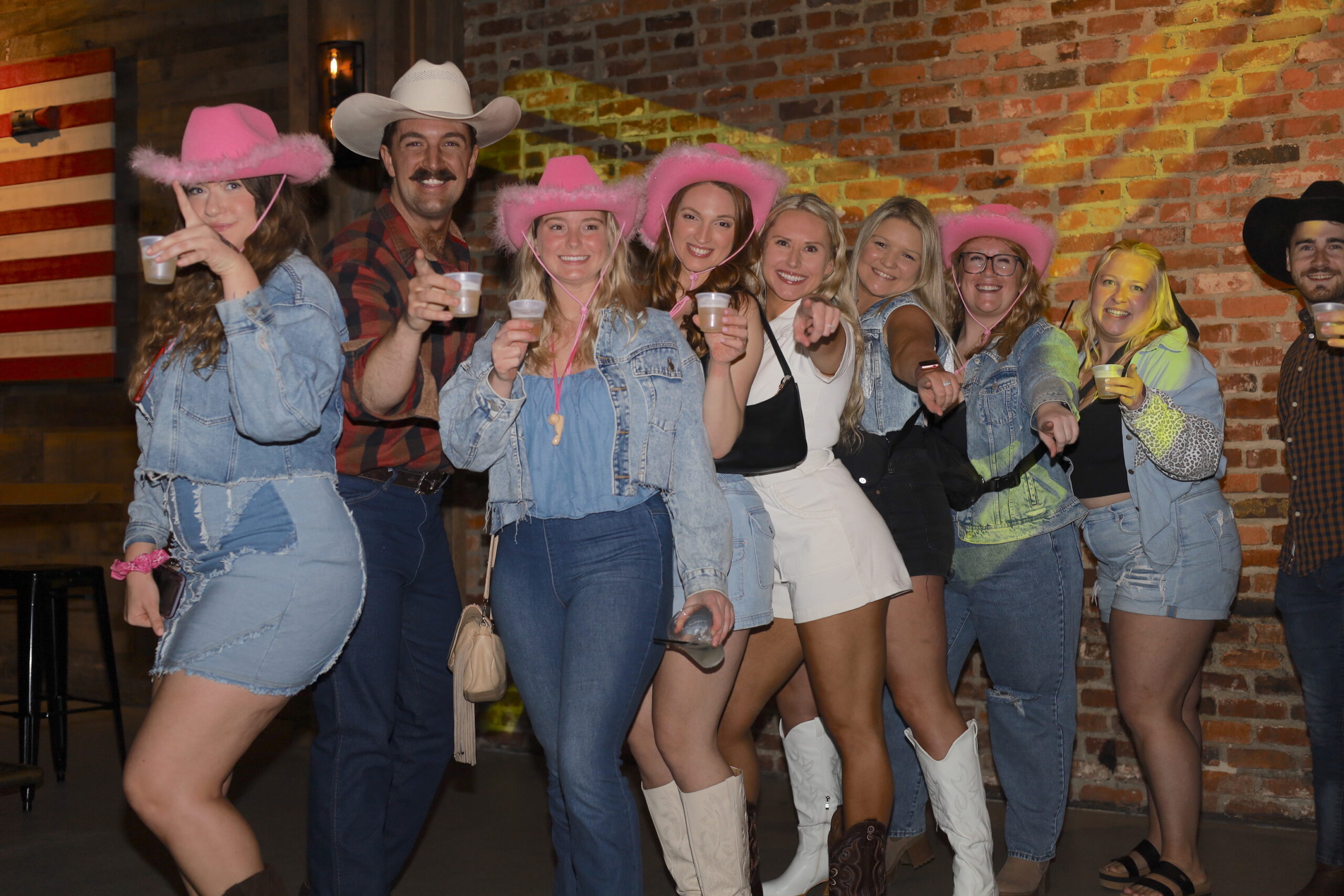
Our Cocktail CowBoys are at your service — we’ll serve you drinks and refreshments, take pictures (or pose with you), be Spotify DJs, help with party/drinking games, keep the party area tidy, keep you company and take out the trash when we leave.
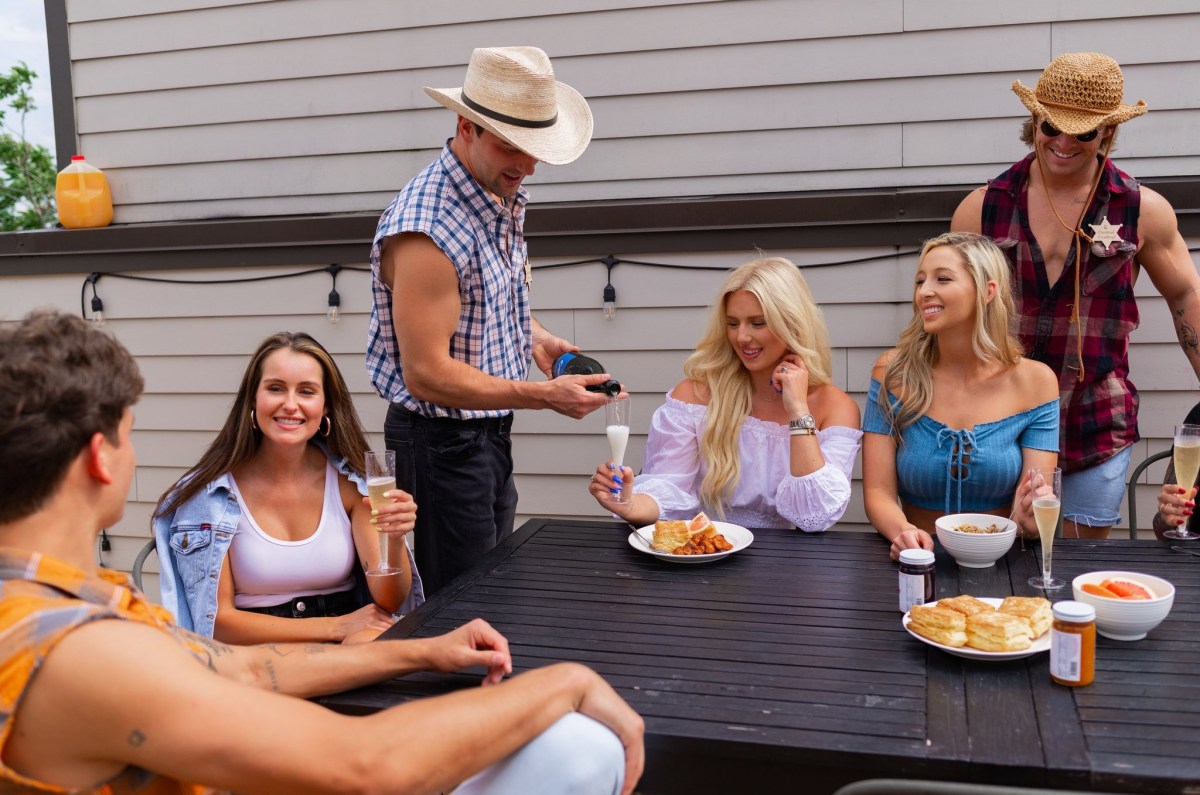
Two Cocktail CowBoys will deliver brunch for you and your crew and get you back into celebration mode. They’ll set up breakfast for you, pour mimosas, turn on some tunes, host some party games, help you nurse your hangover, and keep the party area clean.
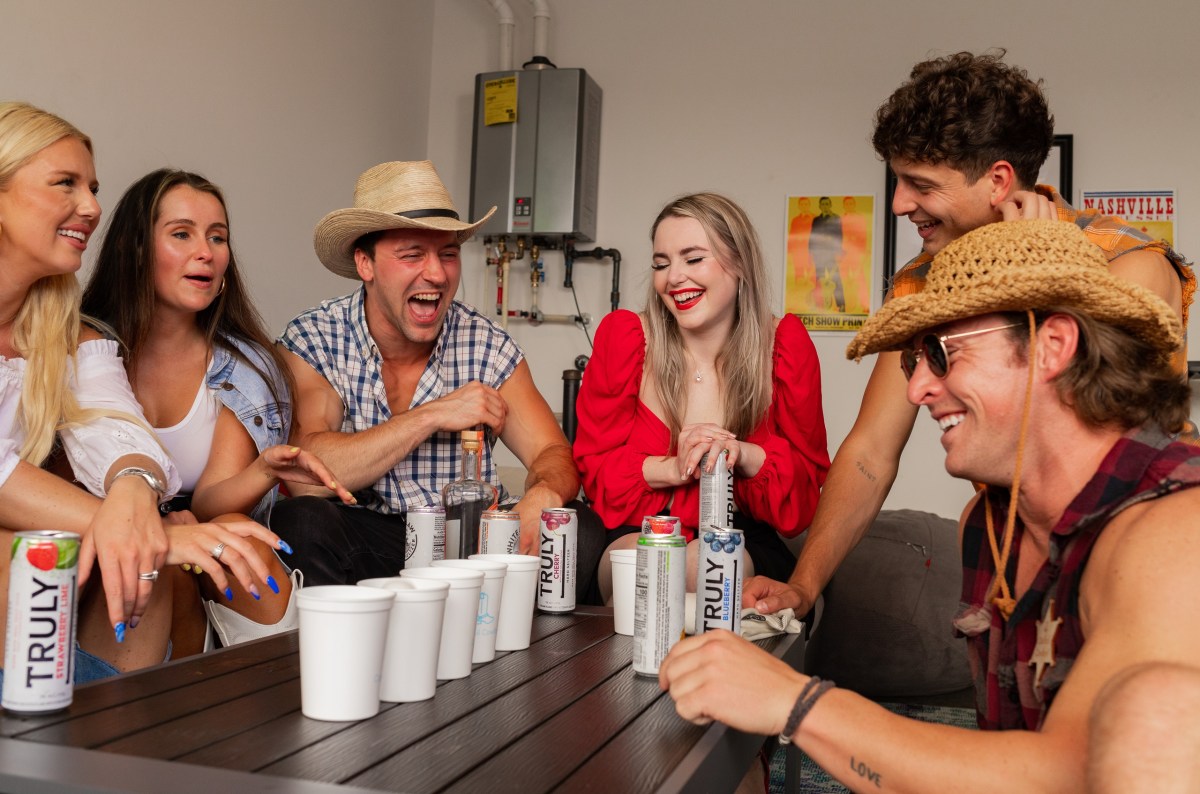
Take a break from the bars and get ready for the perfect night in with your gals… a Cocktail CowBoys game night! We bring tons of game ideas and supplies – bachelorette games, drinking games, signature games, fun icebreakers, music games, and more!
A honky-tonk adventure with cowboy charm, dancing, and unforgettable memories. Your personal party crew for a wild night of bars, boots, and Broadway debauchery.
Kick off your day with a 45-minute cowboy-led workout, then roll right into an hour of games, drinks, and hosting. Think of it as fitness meets Western hospitality — charming, playful, and unforgettable.
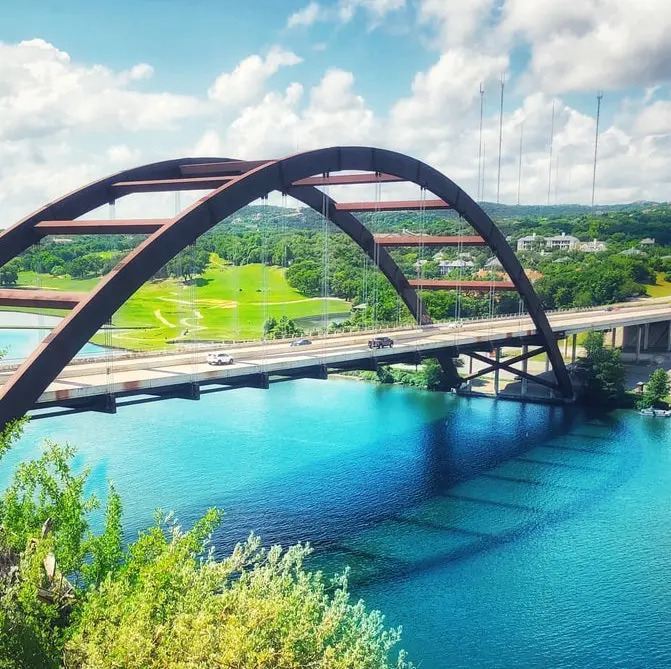
Grab your boots and head to the ultimate spot for unforgettable parties, legendary food, and live music that never stops. Saddle up for an epic Austin weekend!
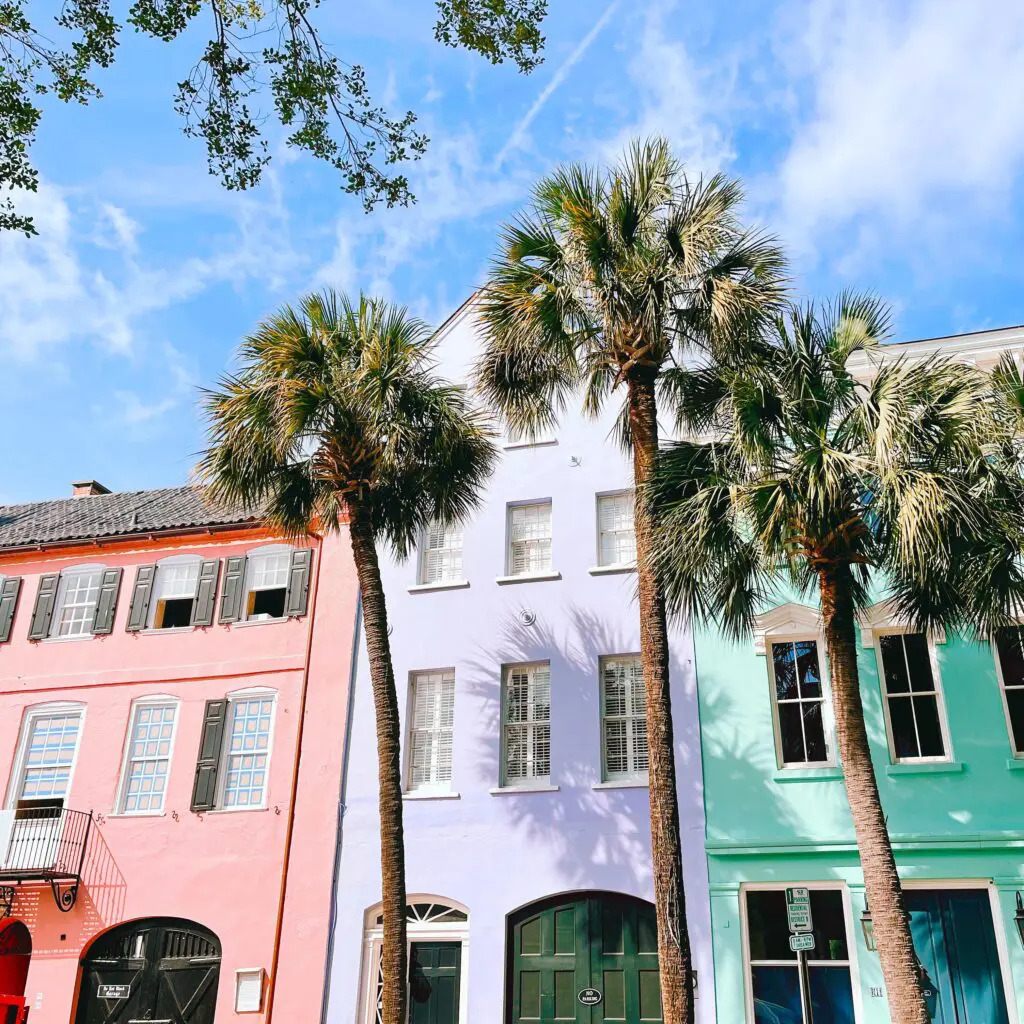
With cobblestone streets, pastel sunsets, and rooftop bars, Charleston has hospitality around every corner. Charm, style, and just the right amount of mischief.
Sun, skin, and serious vibes—Miami and Fort Lauderdale are built for bold, unforgettable weekends. From pool parties to rooftop hangs, South Florida brings the heat.
With mid-century charm, desert sun, and iconic poolside vibes, Palm Springs is the ultimate escape for unforgettable weekends and inclusive celebrations.
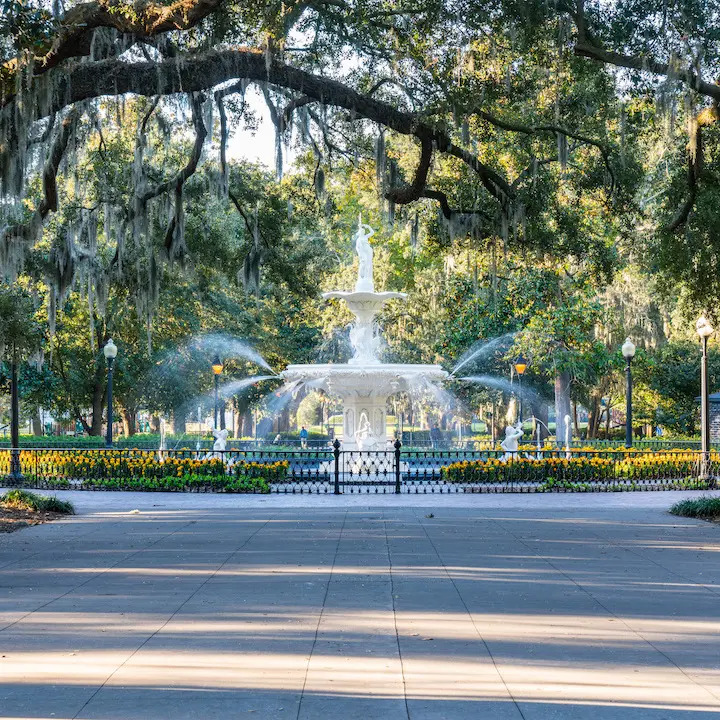
From cobblestone streets to coastal retreats, Savannah is the perfect place to sip, celebrate, and let loose. Open container laws make this one true party town.
Planning a bachelorette party in Scottsdale? Cabana Boys is the #1 rated activity in town – charismatic hosts, poolside vibes, and memories the bride won’t stop talking about.
With mid-century charm, desert sun, and iconic poolside vibes, Palm Springs is the ultimate escape for unforgettable weekends and inclusive celebrations.
Event Entertainment Trends in 2026 Explained for Hosts
Event entertainment in 2026 is defined by one shift: attendees want to participate, not just watch. The event entertainment trend 2026 explained by industry data shows 69% of attendees now prefer transformative, meaningful experiences over generic performances. That preference is reshaping how organizers plan every element of a gathering. The global events sector is projected to reach $1.46 trillion with a 9.4% compound annual growth rate, and nearly 80% of attendees aged 18–35 plan to attend more events in 2026 despite economic pressure. For event organizers, this is not a soft cultural shift. It is a structural change in what makes an event succeed.
What is the event entertainment trend for 2026?
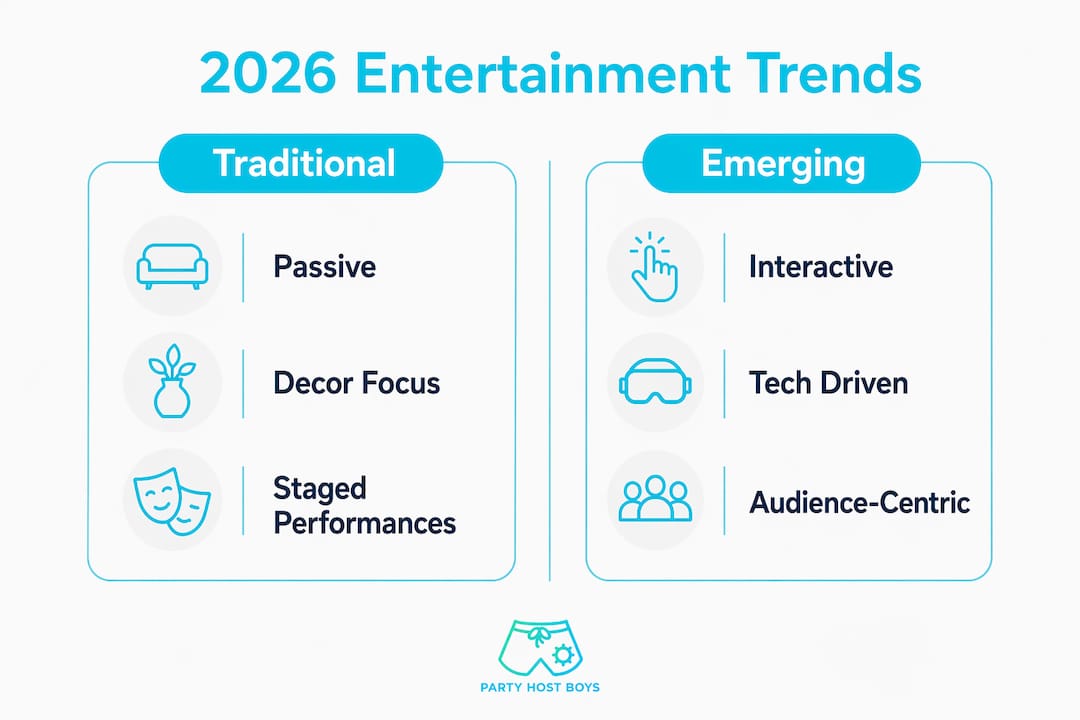
The dominant trend is audience-centric design: entertainment built around collective participation rather than staged production. Events engineered for shared experiences generate higher social currency, stronger memories, and measurable engagement outcomes. Passive formats, where guests sit and watch, are losing ground to formats where guests interact, move, and co-create moments. This shift touches every event type, from corporate conferences to bachelorette weekends. Organizers who understand this distinction plan fundamentally different programs than those still defaulting to a stage and a spotlight.
Ticket sales across the events market are growing 11% year-over-year, with transaction value forecasted to more than double by 2030. That growth signals sustained demand, not a post-pandemic blip. Attendees are spending more and expecting more in return.
How is technology reshaping event entertainment in 2026?
Technology is the accelerant, not the foundation. 95% of event organizations expect to increase their use of AI for personalization, scheduling, and entertainment matching. That scale of adoption means AI is moving from a novelty to a standard planning tool. Organizers now use AI to match entertainment acts to audience demographics, predict engagement drop-off points, and personalize attendee journeys before the event begins.
Phygital entertainment, which combines live and remote participation in a single experience, is extending reach and engagement beyond the physical venue. A hybrid format might feature a live performer in the room while remote attendees interact through synchronized digital elements. This format works well for corporate events with distributed teams.
Spatial computing and headset-based immersive experiences are generating real excitement, but organizers need a realistic view of scale. Current deployment limits for spatial computing devices sit at 20–50 units per event. Full-audience VR and XR experiences are still 2–3 years away from practical deployment. The technology works best today for curated VIP groups or high-touch breakout sessions, not main-stage programming.
AI-powered personalization: Match entertainment to audience profiles before the event starts.
LED walls and holography: Generate shareable, user-created content that extends event reach online.
Gamification layers: Add point systems, challenges, or live leaderboards to passive programming.
Phygital formats: Connect remote and in-person guests through synchronized interactive elements.
Spatial computing: Reserve for VIP or small-group experiences until scalable tech matures.
Pro Tip:Book technology vendors at least four months out. Spatial computing setups require technical rehearsals that most venues have never hosted before.
Why does audience engagement matter more than production value?
The most expensive production in the room fails if guests feel like spectators. Events that feel like a conversation and make attendees feel they belong outperform high-budget productions that prioritize aesthetics over interaction. That finding reframes the entire planning hierarchy. Engagement is not a feature of entertainment. It is the goal.
Emcees have moved from introductory roles to energy management roles. An emcee who manages pacing and fills dead moments is now one of the most important hires on any event roster. A skilled emcee reads the room, adjusts the tempo, and prevents the energy drop that kills momentum between segments. Without one, even a well-programmed event loses its thread.
Walkaround entertainment, such as close-up magic or interactive comedy, outperforms passive stage acts for organic engagement. Walkaround formats break social barriers without requiring a formal introduction or a stage. Guests engage on their own terms, which lowers resistance and raises participation. For bachelorette parties, birthdays, and group trips, this format creates the spontaneous moments that guests talk about for months.
Personalization at the performer level is also separating good events from great ones. Top entertainers in 2026 research the client’s culture and event history before booking. They ask discovery questions and tailor their material accordingly. That preparation produces stronger audience reactions than any generic act, regardless of production budget.
Hire an emcee first. Energy management is the single most undervalued element in event programming.
Add walkaround entertainment. Place interactive performers in the crowd, not on a stage.
Brief every entertainer on your audience. Share guest demographics, company culture, and event history before the event.
Build in participation moments. Schedule at least one guest-driven activity per hour of programming.
Measure engagement in real time. Use live polling or reaction tools to adjust programming on the fly.
Pro Tip:Ask every entertainer you consider booking what questions they ask clients before performing. If they don’t have a list, they’re not personalizing. Move on.
How are budgets and attendee expectations shifting in 2026?
Premium experience demand is measurable. The average ticket price for top 100 touring acts reached $108.63 in Q1 2026, a 10.4% increase over 2025. Attendees are paying more and expecting the investment to feel worth it. That expectation transfers directly to private and corporate events.
The US concert and event promotion industry is valued at $60.2 billion in 2026, with an 11.7% five-year compound annual growth rate. That scale reflects a market where entertainment is treated as a primary value driver, not a line-item afterthought. Organizers who treat entertainment as a cost center are misreading the market.
Budget allocation is shifting accordingly. By 2027, the majority of corporate events with budgets over $50,000 will spend more on interactive entertainment than on decor and design. That reallocation reflects a clear attendee preference: guests remember how they felt, not how the centerpieces looked.
Budget category
2024 priority
2026 shift
Decor and design
High
Declining
Interactive entertainment
Moderate
Rising sharply
Technology and immersive tech
Low
Growing fast
Personalized experiences
Low
Top priority
What role do sustainability and ROI play in 2026 entertainment planning?
Sustainability is no longer a branding exercise. Eco-conscious entertainment formats are gaining traction as organizers face pressure from clients, venues, and attendees to reduce event footprints. Formats that minimize physical waste, such as digital activations, reusable props, and low-energy interactive experiences, are replacing single-use spectacle elements.
The bigger shift is in how entertainment is measured. Real-time engagement data now feeds directly into marketing and CRM systems, turning entertainment into a measurable business driver. An interactive activation that generates 500 opt-ins or 1,000 social shares has a calculable return. That changes the conversation with stakeholders from “what did we spend on entertainment” to “what did entertainment produce.”
Track engagement metrics live. Use event apps or polling tools to capture participation rates during the event.
Connect entertainment data to CRM. Feed opt-ins, survey responses, and interaction data into your marketing pipeline post-event.
Choose reusable formats. Digital activations and interactive experiences generate data and reduce physical waste simultaneously.
Report entertainment ROI. Present engagement metrics alongside attendance and revenue figures in post-event reports.
Organizers who build this measurement layer into their planning treat entertainment as an asset. Those who don’t are leaving both data and budget justification on the table.
How to implement 2026 entertainment trends effectively
Start planning 3–6 months ahead. Securing top-tier entertainment talent, technology vendors, and specialty hosts requires lead time that most organizers underestimate. The traditional RFP process for entertainment selection is declining in favor of AI-powered matching and direct booking platforms. Build relationships with experience design agencies early rather than issuing broad requests late.
Tie entertainment choices to your event’s specific culture and brand. A guest experience built around your audience’s identity produces stronger reactions than a generic high-production act. For bachelorette parties and birthday events, that means choosing hosts who read the room and personalize their energy to the group. For corporate events, it means briefing performers on company values and inside references.
Use creative event themes as the connective tissue between entertainment elements. A cohesive theme gives every interactive moment context and makes the experience feel intentional rather than assembled. Attendees notice the difference, and so does your post-event feedback.
Pro Tip:Allocate at least 30% of your entertainment budget to interactive and participatory elements. Passive entertainment fills time. Interactive entertainment creates the memories guests share.
Key takeaways
The single most important shift in 2026 event entertainment is the move from passive performance to active participation, driven by attendee demand, technology adoption, and measurable ROI expectations.
Point
Details
Audience-centric design wins
Build entertainment around participation, not production value, to meet 2026 attendee expectations.
AI is now a planning standard
95% of event organizations are increasing AI use; apply it to personalization and entertainment matching.
Budget is shifting to interaction
By 2027, most corporate events over $50,000 will spend more on interactive entertainment than decor.
Emcees are non-negotiable
Energy management is the most undervalued hire; a skilled emcee prevents engagement drop-off between segments.
Measure entertainment as ROI
Connect real-time engagement data to CRM and marketing systems to justify and grow entertainment budgets.
What I’ve learned about entertainment trends that most guides get wrong
The technology conversation dominates 2026 trend coverage, and it deserves attention. But the organizers I’ve seen execute the best events are not the ones with the biggest tech budgets. They are the ones who understand that technology enables participation but cannot manufacture it.
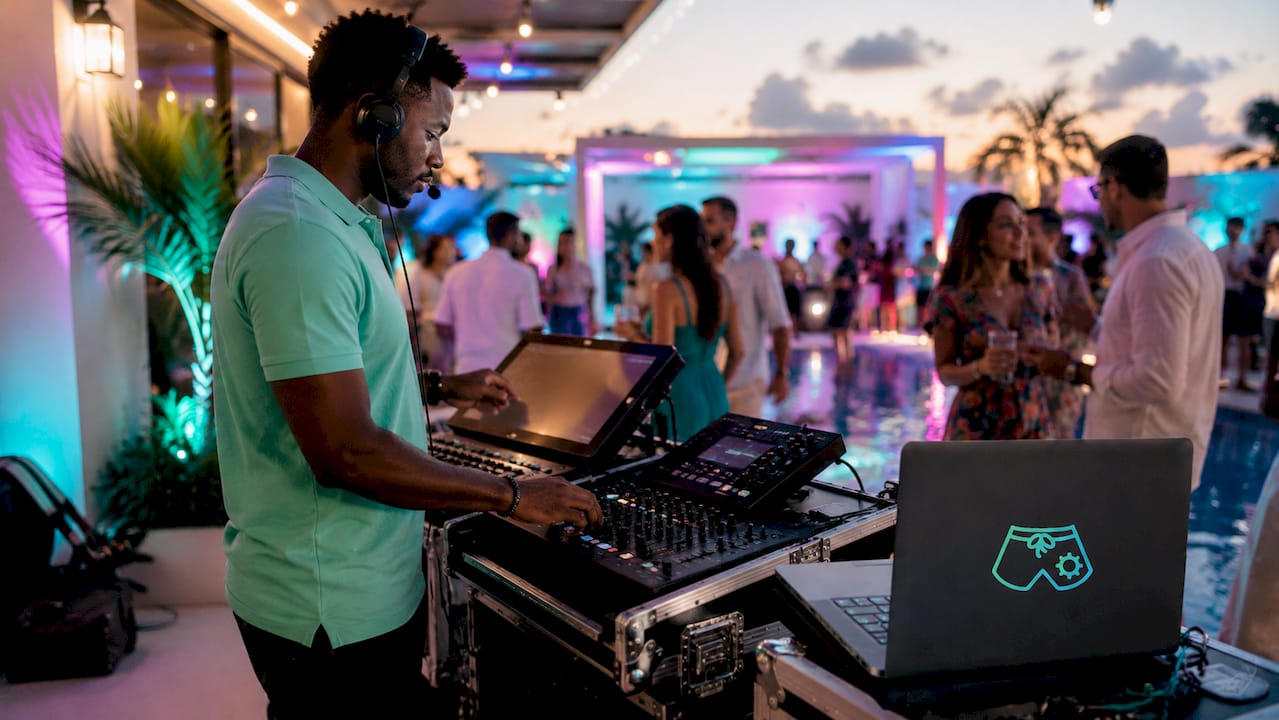
I’ve watched events with full LED wall setups and spatial computing demos fall flat because the human layer was absent. No emcee. No walkaround energy. No moment where a guest felt personally seen. The technology became a distraction rather than a catalyst. Contrast that with a bachelorette event where Cabana Boys, Cocktail CowBoys, and Cocktail Boys showed up with high energy, personalized games, and genuine crowd reading. No headsets required. The specialty hosts created the participation that technology promises but rarely delivers on its own.
The organizers who will lead in 2026 are those who treat entertainment as a system: technology sets the stage, human performers drive the energy, and personalization makes every guest feel the event was built for them. That combination is what produces the social currency and lasting memories that attendees talk about. The data supports it. So does every event I’ve seen done right.
— Nelson
Entertainment experiences built for 2026’s expectations
The trends shaping 2026 events all point in the same direction: guests want to feel something real, and they want to be part of it.
Cabana Boys, Cocktail CowBoys, and Cocktail Boys deliver exactly that. Their hosts bring high energy, personalized interaction, and genuine crowd engagement to bachelorette parties, birthdays, and group trips across the country. Recognized as the #1 bachelorette experience in top US party destinations and featured on Shark Tank and the New York Times, they represent the human-centered entertainment model that 2026 demands. Browse their full range of party experiences to find the right fit for your next event.
FAQ
What is the top event entertainment trend for 2026?
The top trend is audience-centric, participatory entertainment that prioritizes interaction over passive performance. Industry data shows 69% of attendees prefer transformative experiences over generic acts.
How much should I budget for interactive entertainment in 2026?
By 2027, most corporate events with budgets over $50,000 will allocate more to interactive entertainment than decor. Prioritize at least 30% of your entertainment budget for participatory formats.
Is AI-powered event entertainment practical for smaller events?
AI is most practical for personalization and entertainment matching, not just large-scale productions. 95% of event organizations are increasing AI use, and many tools are accessible at any event scale.
What is phygital entertainment?
Phygital entertainment combines live, in-person experiences with synchronized remote participation. It extends event reach beyond the physical venue and works well for hybrid corporate events with distributed audiences.
Why are emcees considered critical hires in 2026?
An emcee manages energy and pacing across the full event, preventing the dead moments that kill engagement. Skilled emcees are now rated as one of the most important entertainment investments for any event format.



 Austin
 Charleston
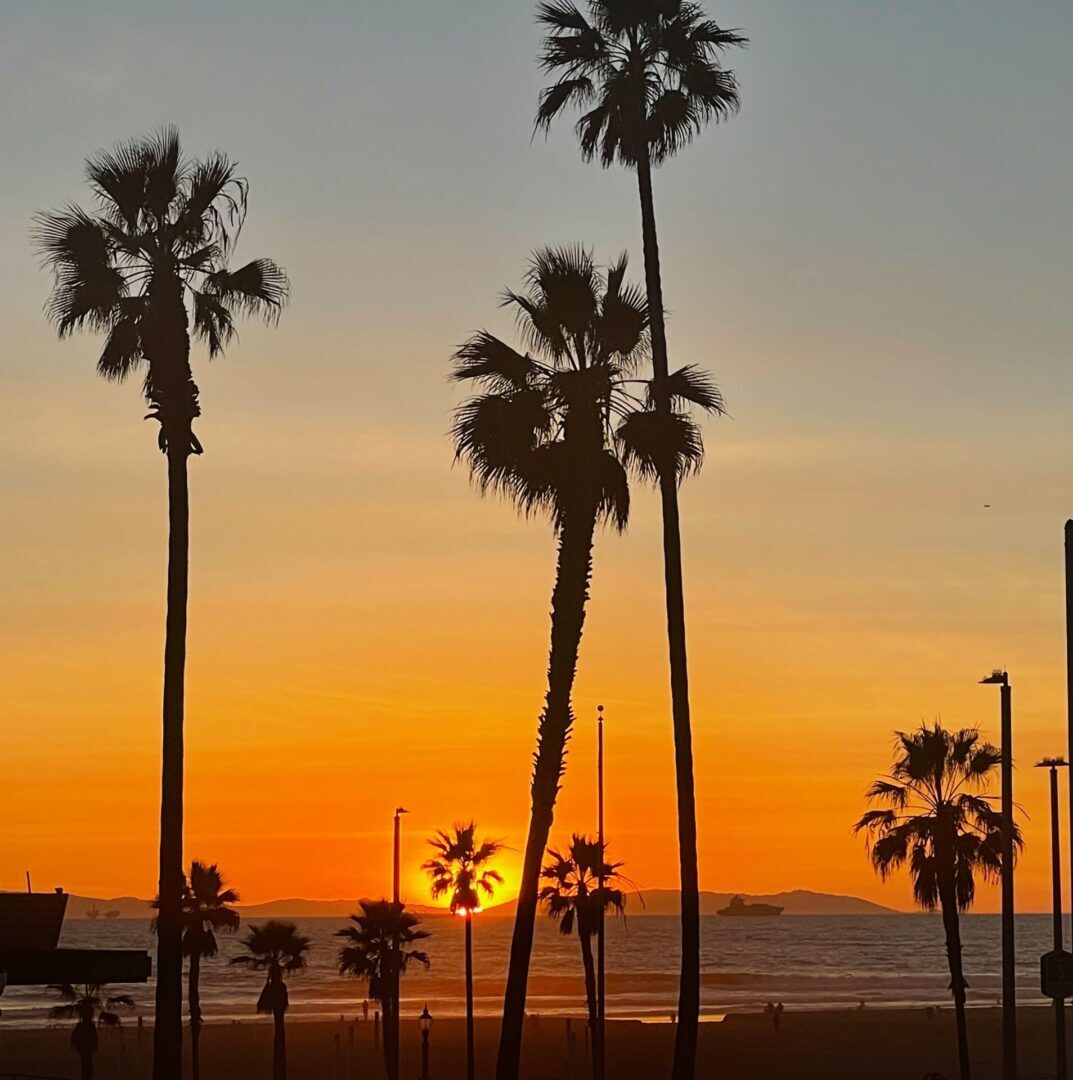 Los Angeles & Orange County
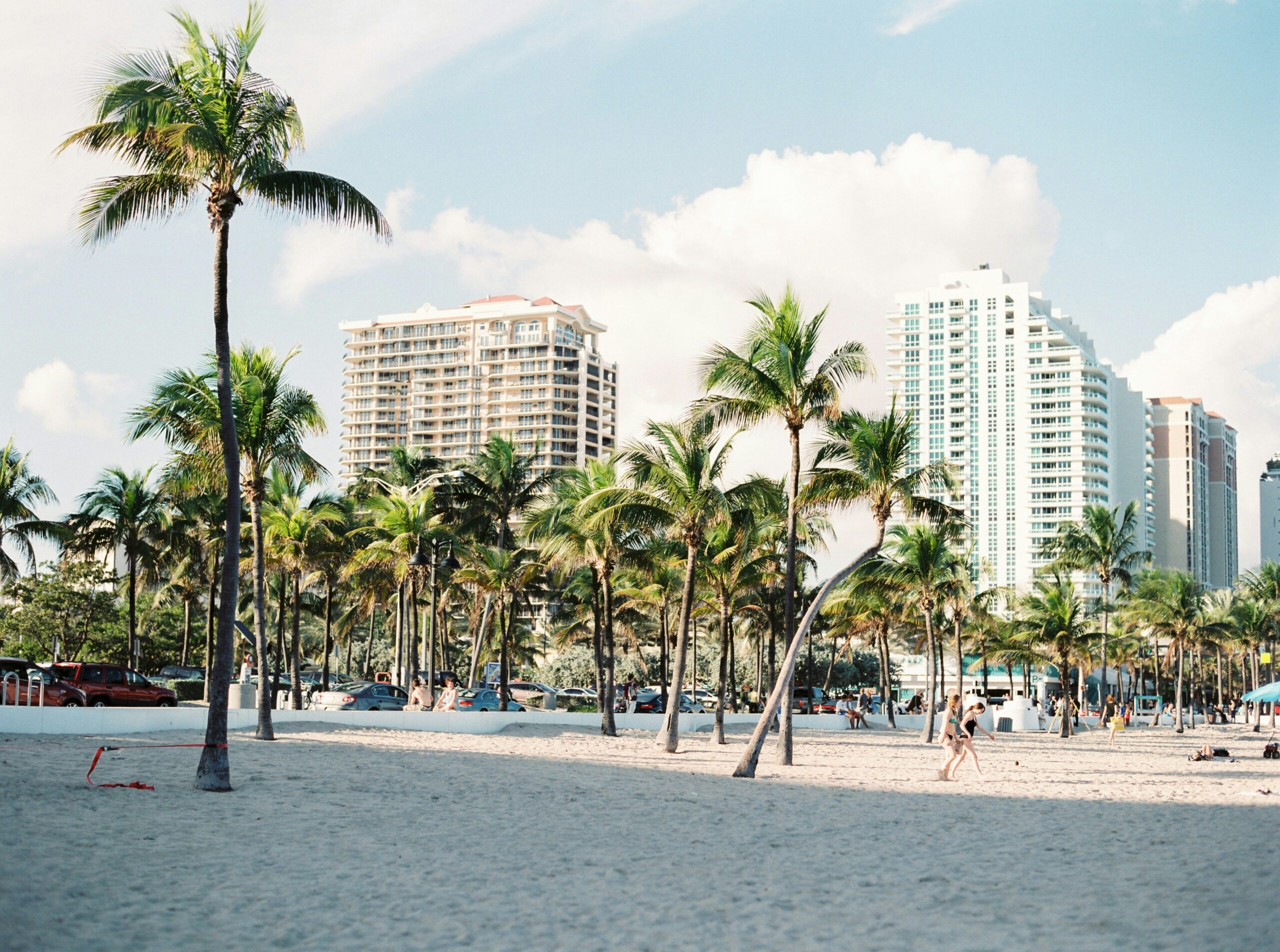 Miami
Miami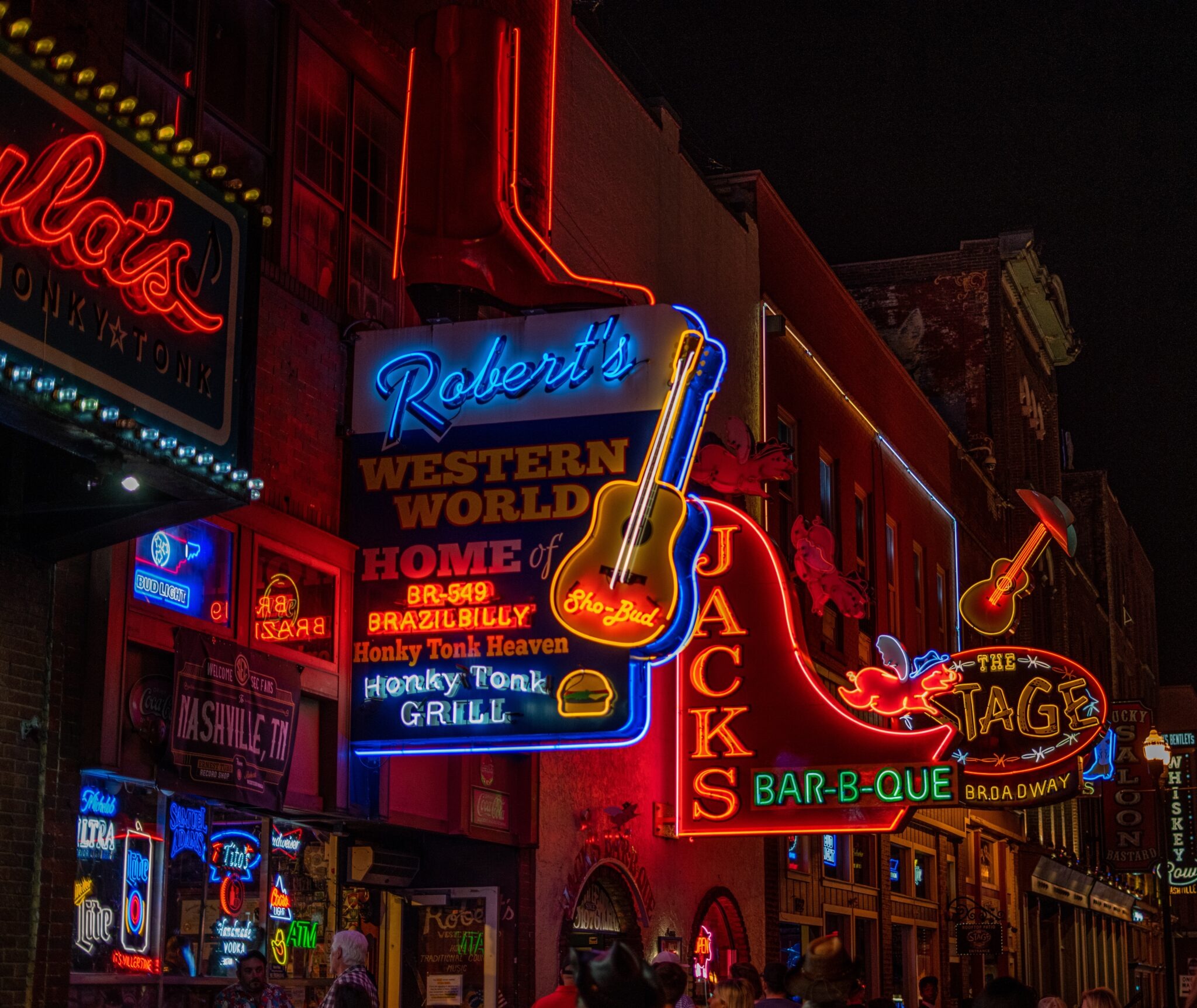 Nashville
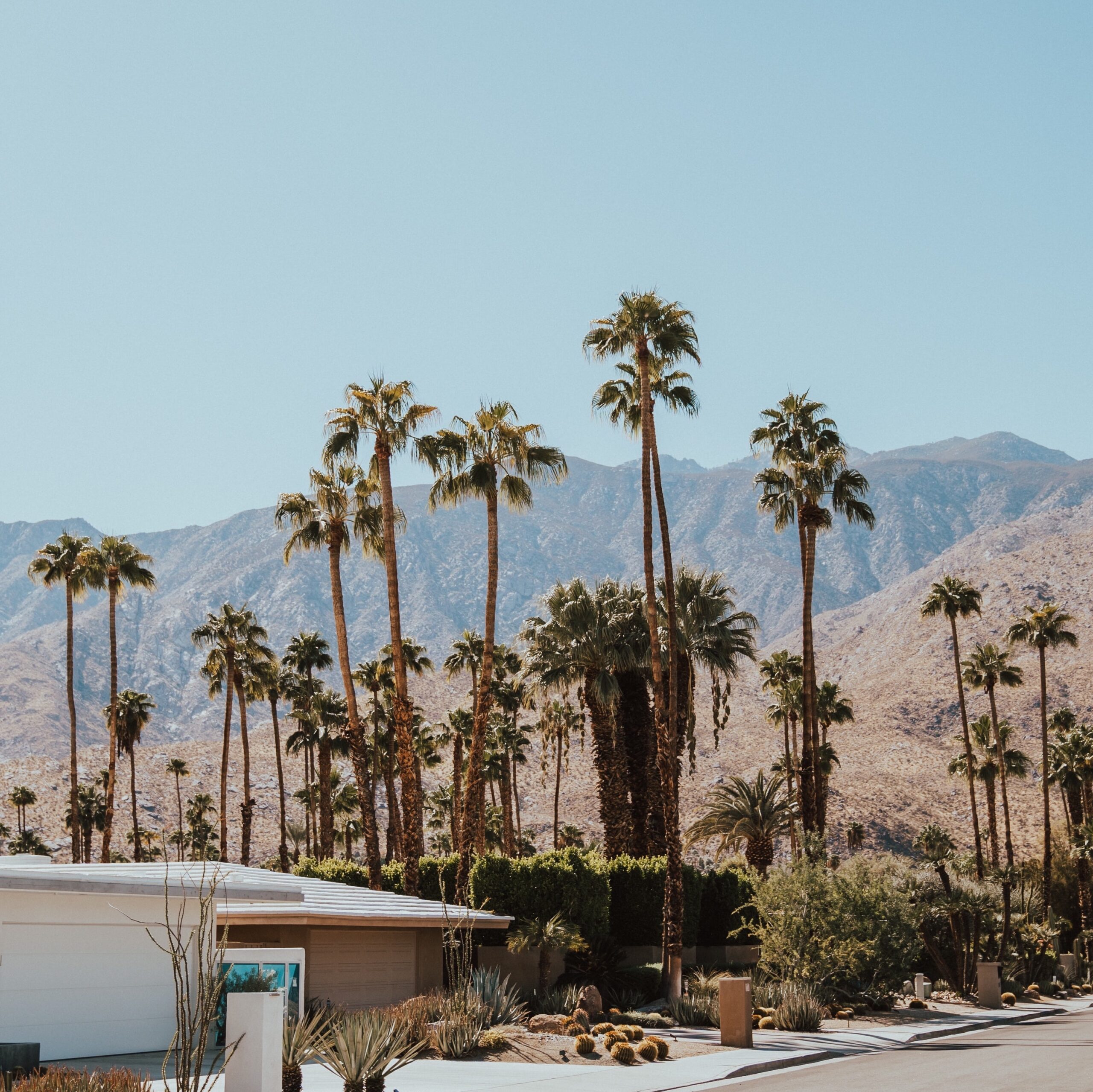 Palm Springs
 Savannah
 Scottsdale
 San Diego
 30A / Destin
 Cabana Boys
 Cocktail CowBoys
 Signature Party
 Brunch
 Game Night
 Cabana Glow
 Bagel Boys
 Party Bus
 Line Dancing
 Austin