🦈As Seen on Shark Tank 🦈 Book the Boys everyone is talking about • 🦈As Seen on Shark Tank 🦈 Book the Boys everyone is talking about • 🦈As Seen on Shark Tank 🦈 Book the Boys everyone is talking about • 🦈As Seen on Shark Tank 🦈 Book the Boys everyone is talking about • 🦈As Seen on Shark Tank 🦈 Book the Boys everyone is talking about • 🦈As Seen on Shark Tank 🦈 Book the Boys everyone is talking about • 🦈As Seen on Shark Tank 🦈 Book the Boys everyone is talking about • 🦈As Seen on Shark Tank 🦈 Book the Boys everyone is talking about • 🦈As Seen on Shark Tank 🦈 Book the Boys everyone is talking about • 🦈As Seen on Shark Tank 🦈 Book the Boys everyone is talking about • 🦈As Seen on Shark Tank 🦈 Book the Boys everyone is talking about • 🦈As Seen on Shark Tank 🦈 Book the Boys everyone is talking about • 🦈As Seen on Shark Tank 🦈 Book the Boys everyone is talking about • 🦈As Seen on Shark Tank 🦈 Book the Boys everyone is talking about • 🦈As Seen on Shark Tank 🦈 Book the Boys everyone is talking about • 🦈As Seen on Shark Tank 🦈 Book the Boys everyone is talking about •
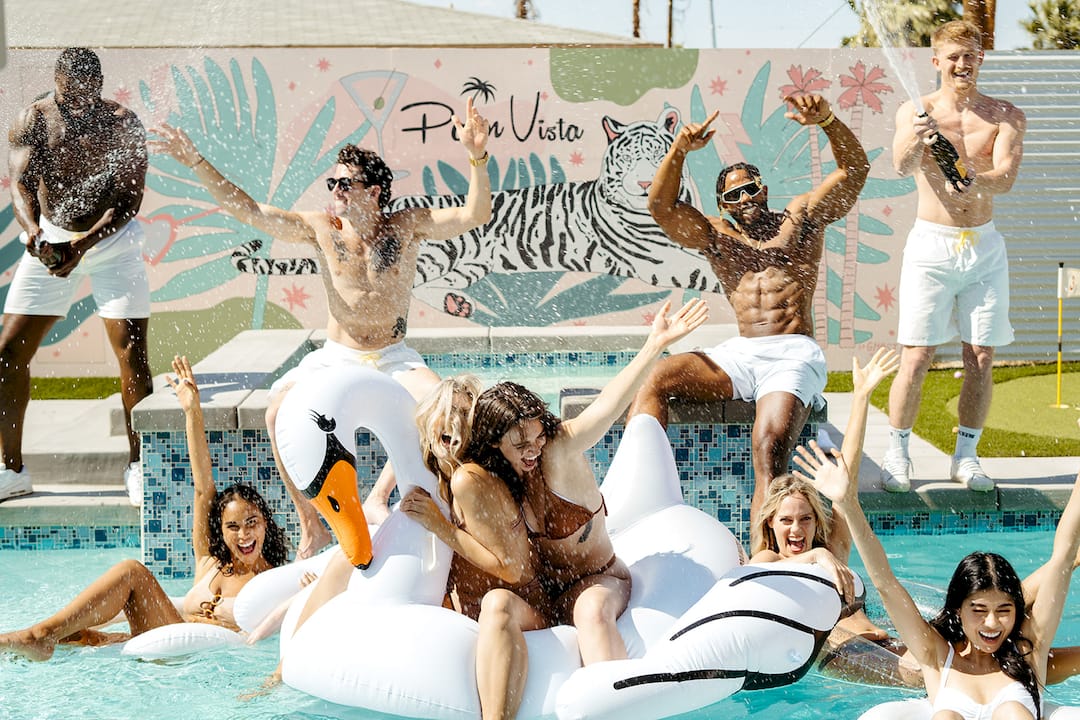
Hire the Cabana Boys to elevate your event with personalized party hosting and bartending services for 2-4 hours. These charming, vetted gentlemen will serve drinks, entertain, keep the area tidy, and make your event unforgettable, whether it’s a pool party, bachelorette, or themed event.
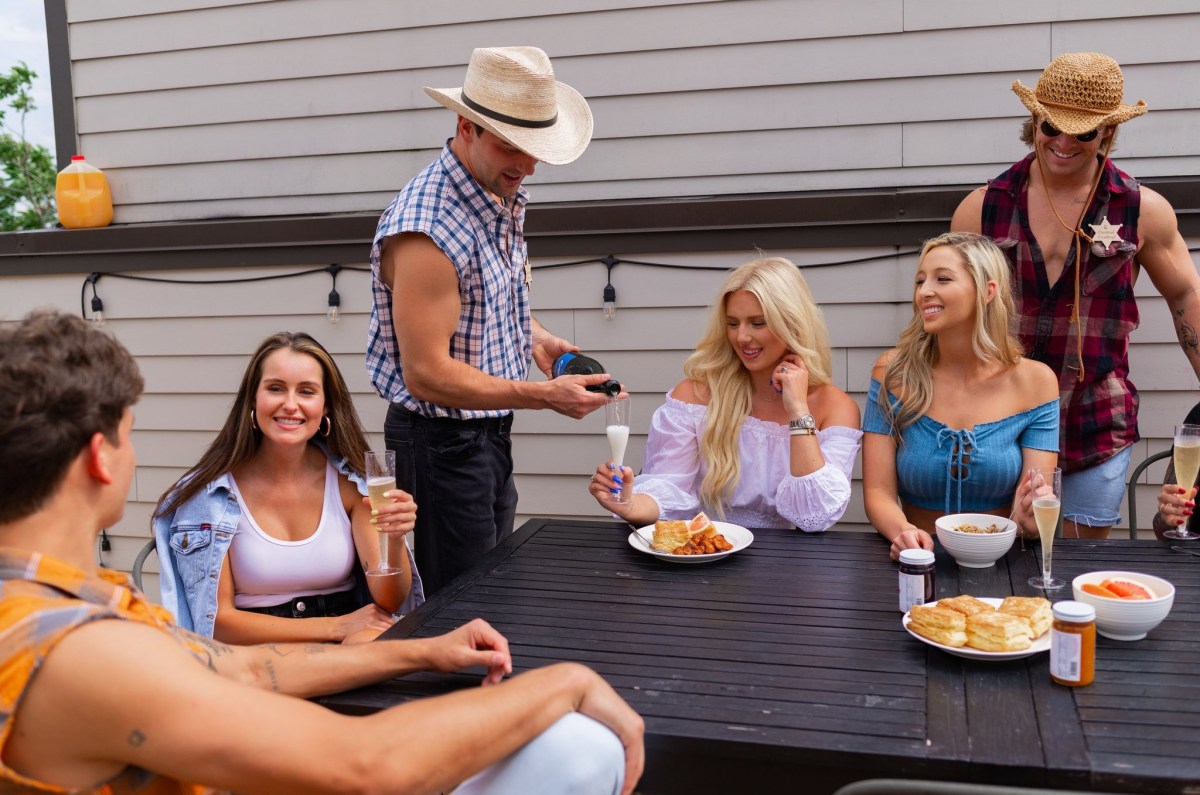
Gourmet brunch from local favorites, bottomless mimosas, music, and party games — hosted poolside by the Cabana Boys. The easiest, most-talked-about morning of the weekend.
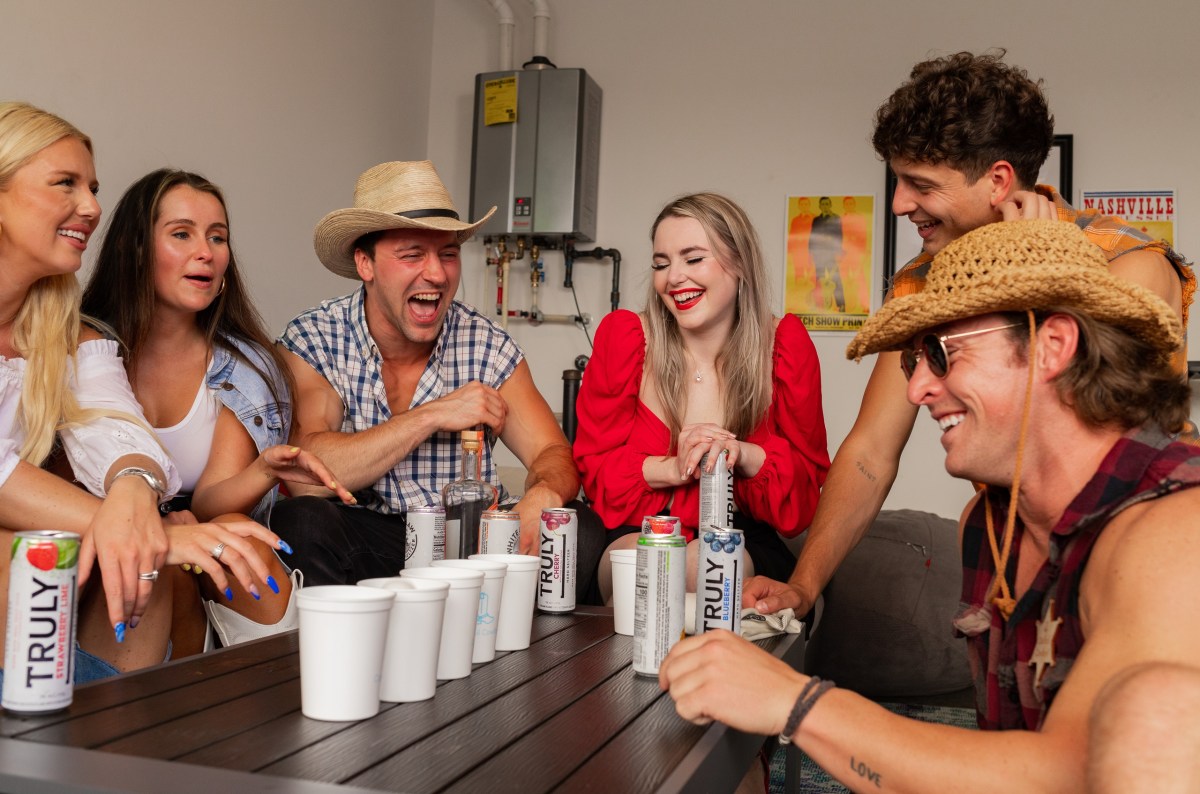
We bring tons of game ideas and supplies – bachelorette games, drinking games, signature games, fun icebreakers, music games, and more – that we will host at your Airbnb. We can also help facilitate any games that you have in mind. Think of us as game show hosts, but in a sexy pool boy kind of way.
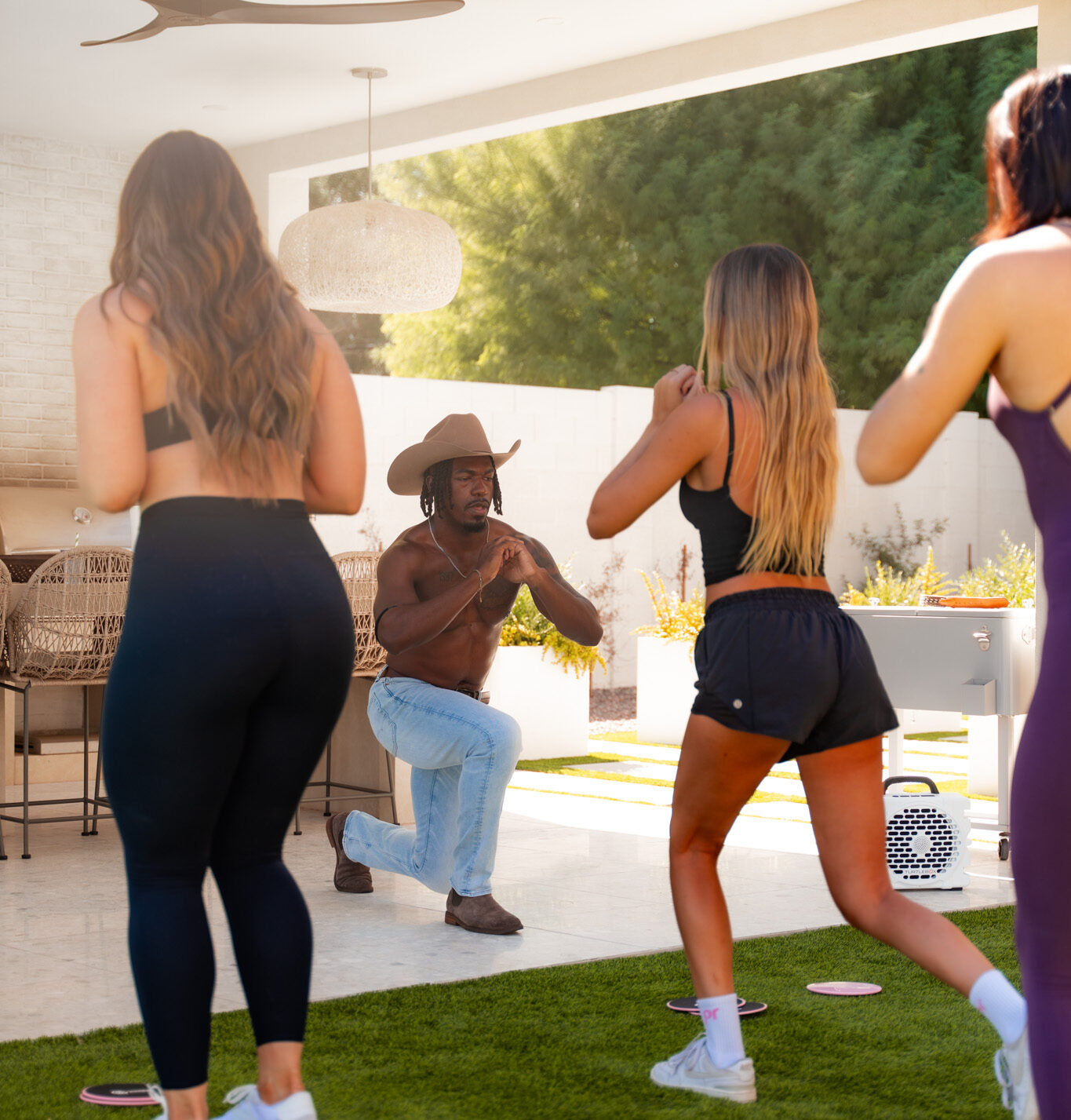
We’ll lead you through a fun, high-energy 45-minute workout with mats, bands, and sliders – then flip straight into party mode. Think of it as a fitness class that ends with your own private pool boy hosts keeping the vibe alive.
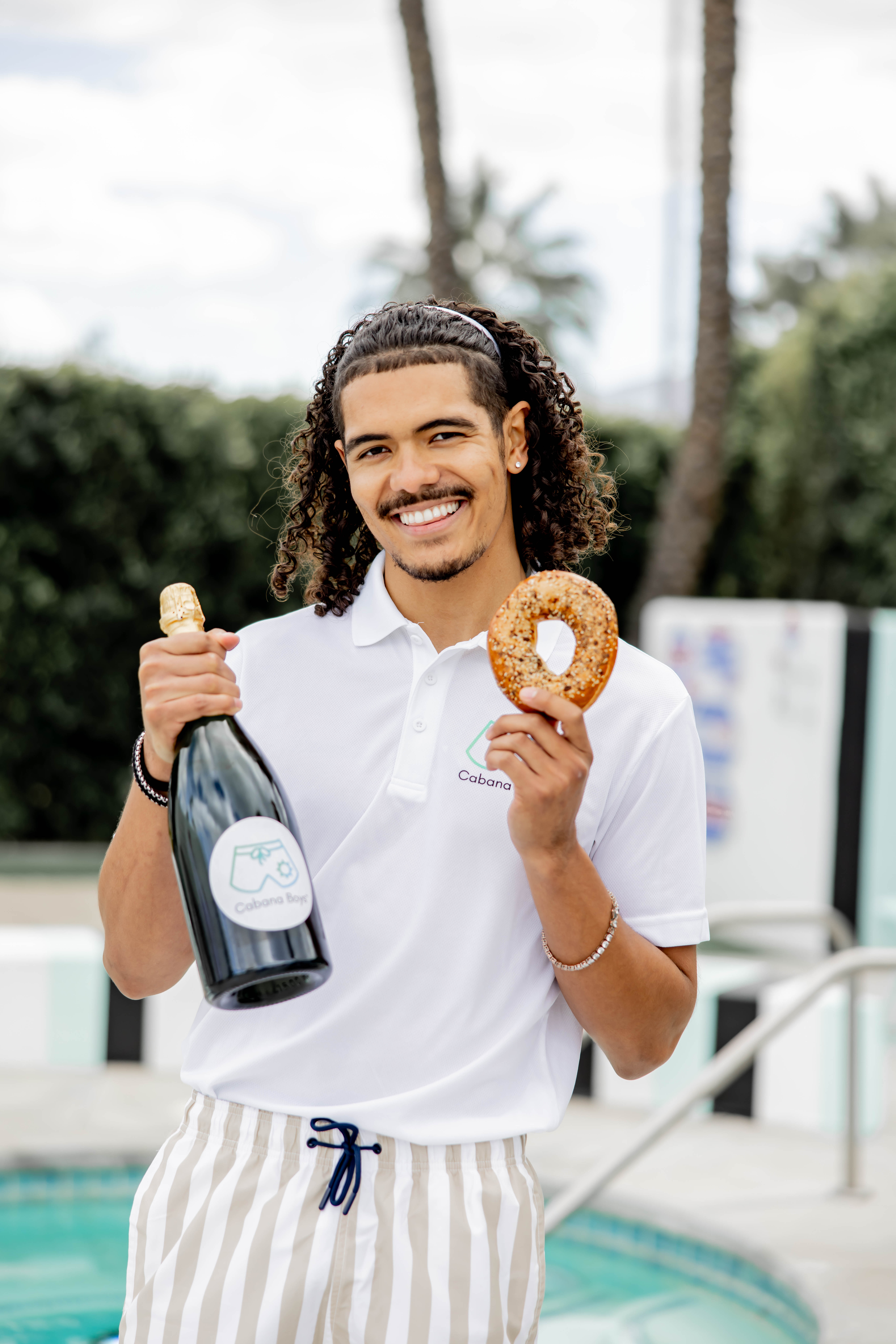
Kick off your morning with a visit from one of our hand-picked gentlemen who will set up a delicious spread with a dozen of gourmet assorted bagels, two tubs of delicious cream cheese, a large container of hot coffee, and a carafe of fresh orange juice.
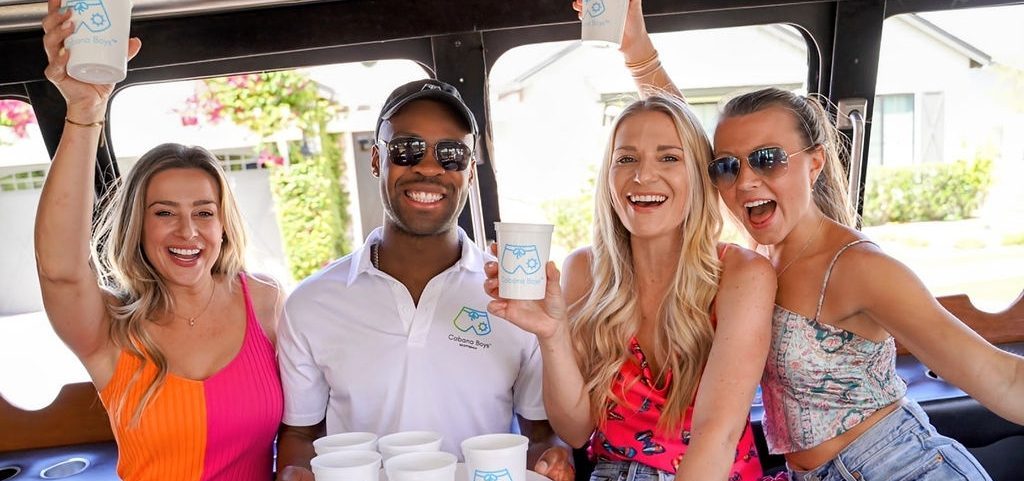
Hop on the luxurious, air conditioned party bus and we’ll cruise around Old Town, bumping music, dancing, drinking, and playing some signature games. We’ll make stops at our partner bars, where you’ll access some exclusive drink specials.
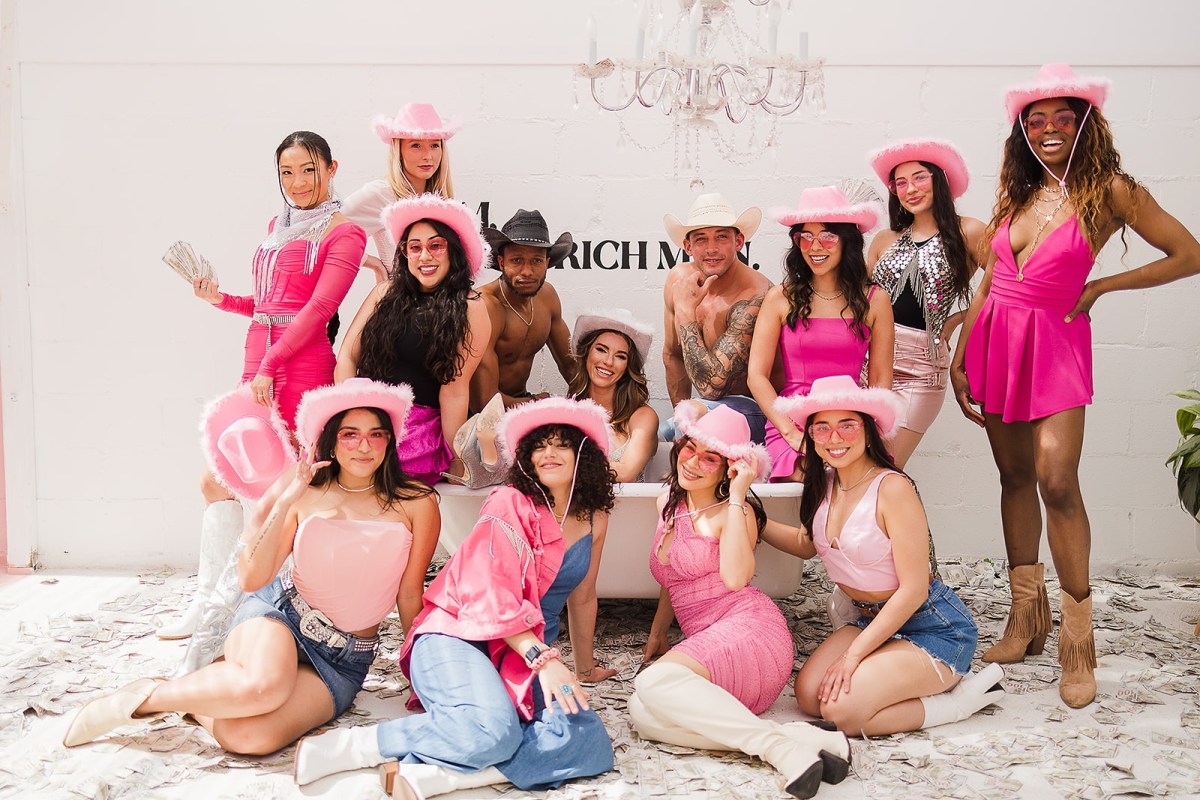
Our Cocktail CowBoys are at your service — we’ll serve you drinks and refreshments, take pictures (or pose with you), be Spotify DJs, help with party/drinking games, keep the party area tidy, keep you company and take out the trash when we leave.
Two Cocktail CowBoys will deliver brunch for you and your crew and get you back into celebration mode. They’ll set up breakfast for you, pour mimosas, turn on some tunes, host some party games, help you nurse your hangover, and keep the party area clean.
Take a break from the bars and get ready for the perfect night in with your gals… a Cocktail CowBoys game night! We bring tons of game ideas and supplies – bachelorette games, drinking games, signature games, fun icebreakers, music games, and more!
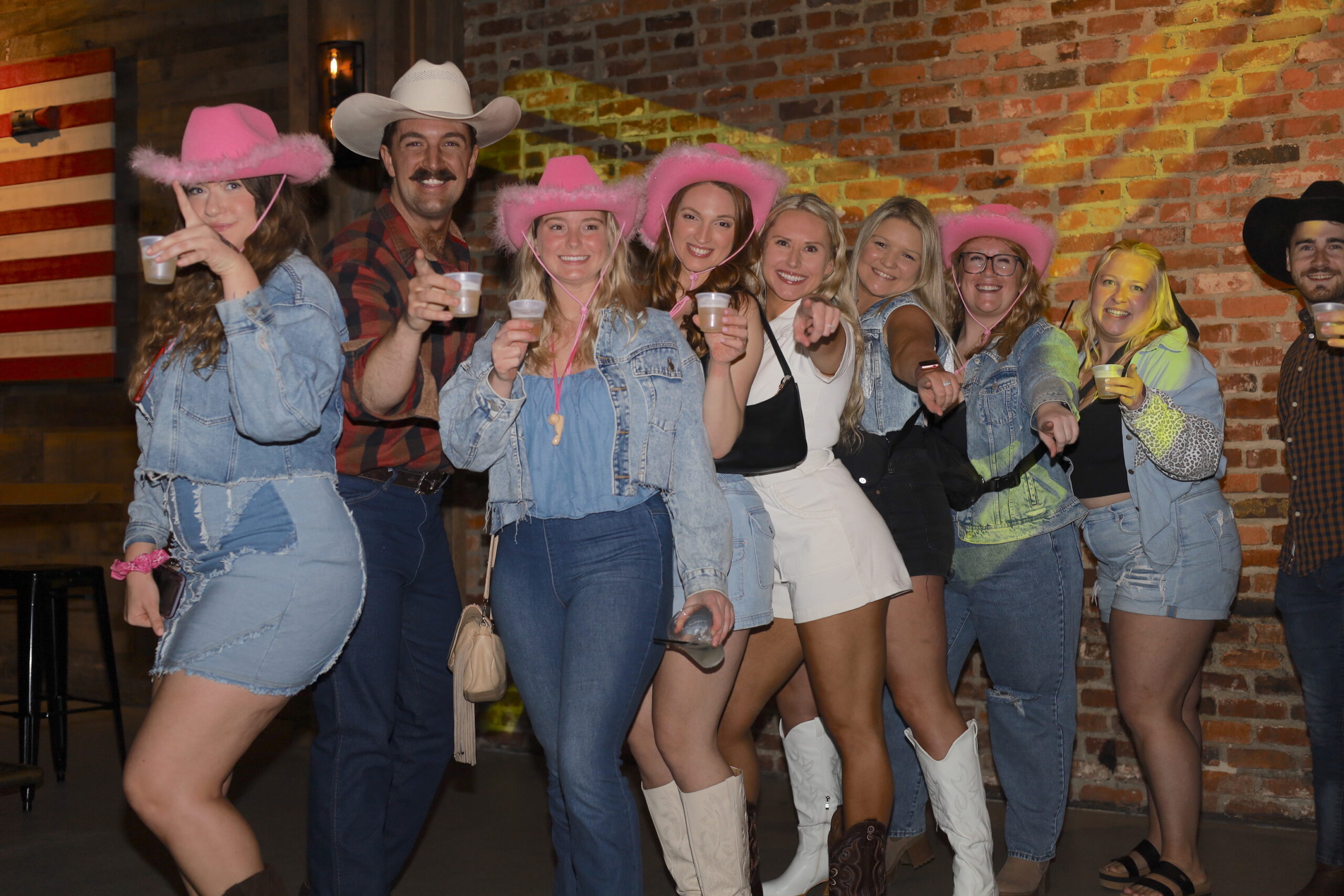
A honky-tonk adventure with cowboy charm, dancing, and unforgettable memories. Your personal party crew for a wild night of bars, boots, and Broadway debauchery.
Kick off your day with a 45-minute cowboy-led workout, then roll right into an hour of games, drinks, and hosting. Think of it as fitness meets Western hospitality — charming, playful, and unforgettable.
Grab your boots and head to the ultimate spot for unforgettable parties, legendary food, and live music that never stops. Saddle up for an epic Austin weekend!
With cobblestone streets, pastel sunsets, and rooftop bars, Charleston has hospitality around every corner. Charm, style, and just the right amount of mischief.
Sun, skin, and serious vibes—Miami and Fort Lauderdale are built for bold, unforgettable weekends. From pool parties to rooftop hangs, South Florida brings the heat.
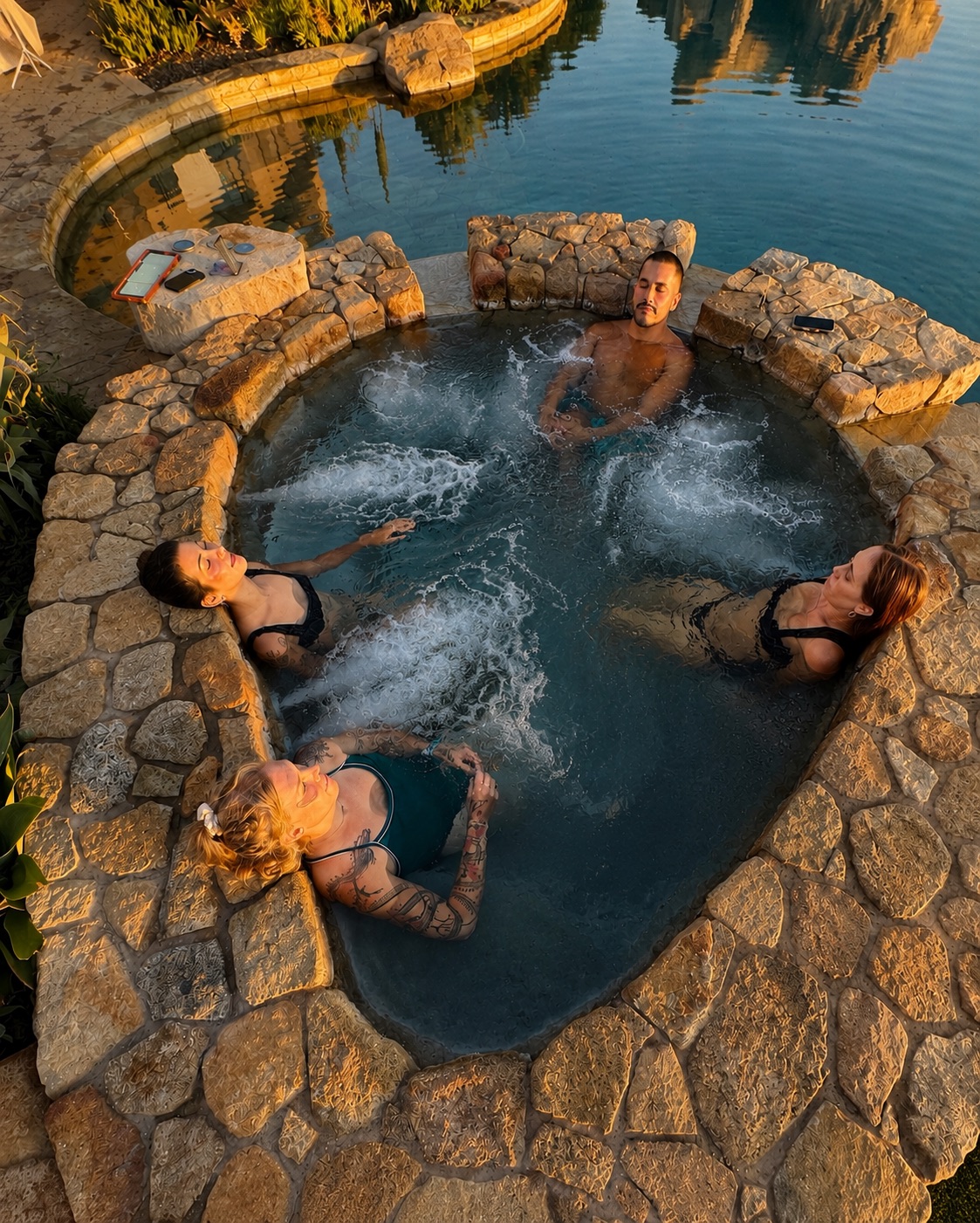
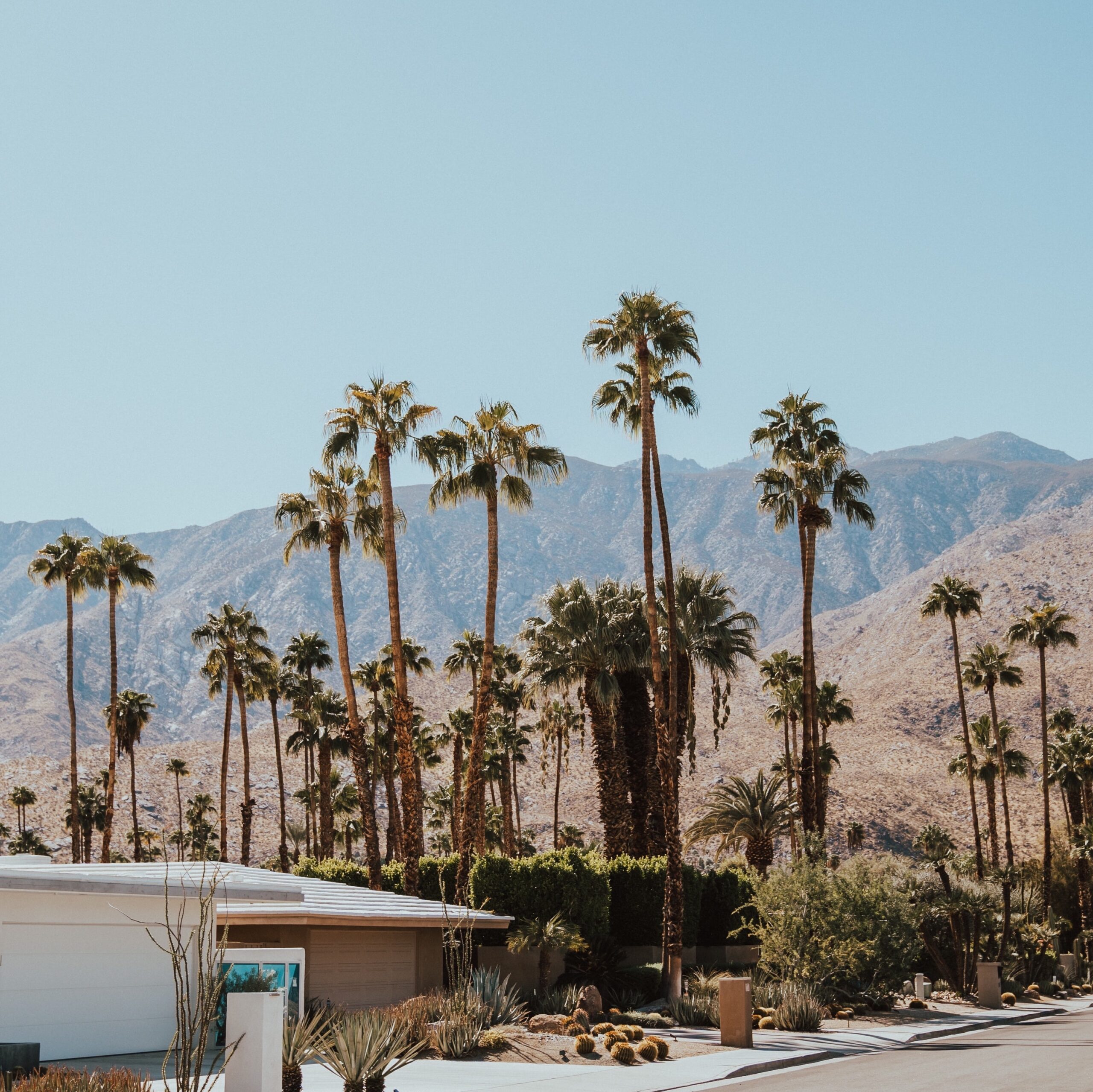
With mid-century charm, desert sun, and iconic poolside vibes, Palm Springs is the ultimate escape for unforgettable weekends and inclusive celebrations.
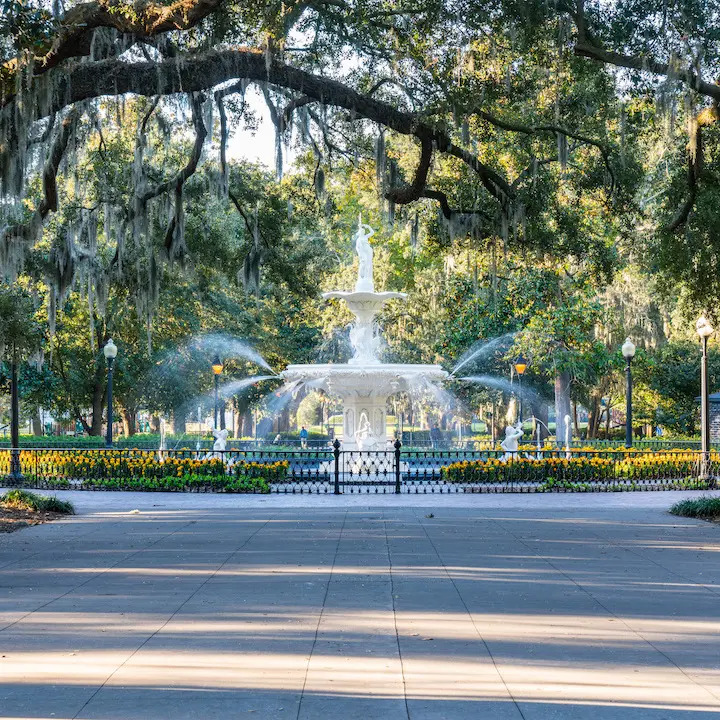
From cobblestone streets to coastal retreats, Savannah is the perfect place to sip, celebrate, and let loose. Open container laws make this one true party town.
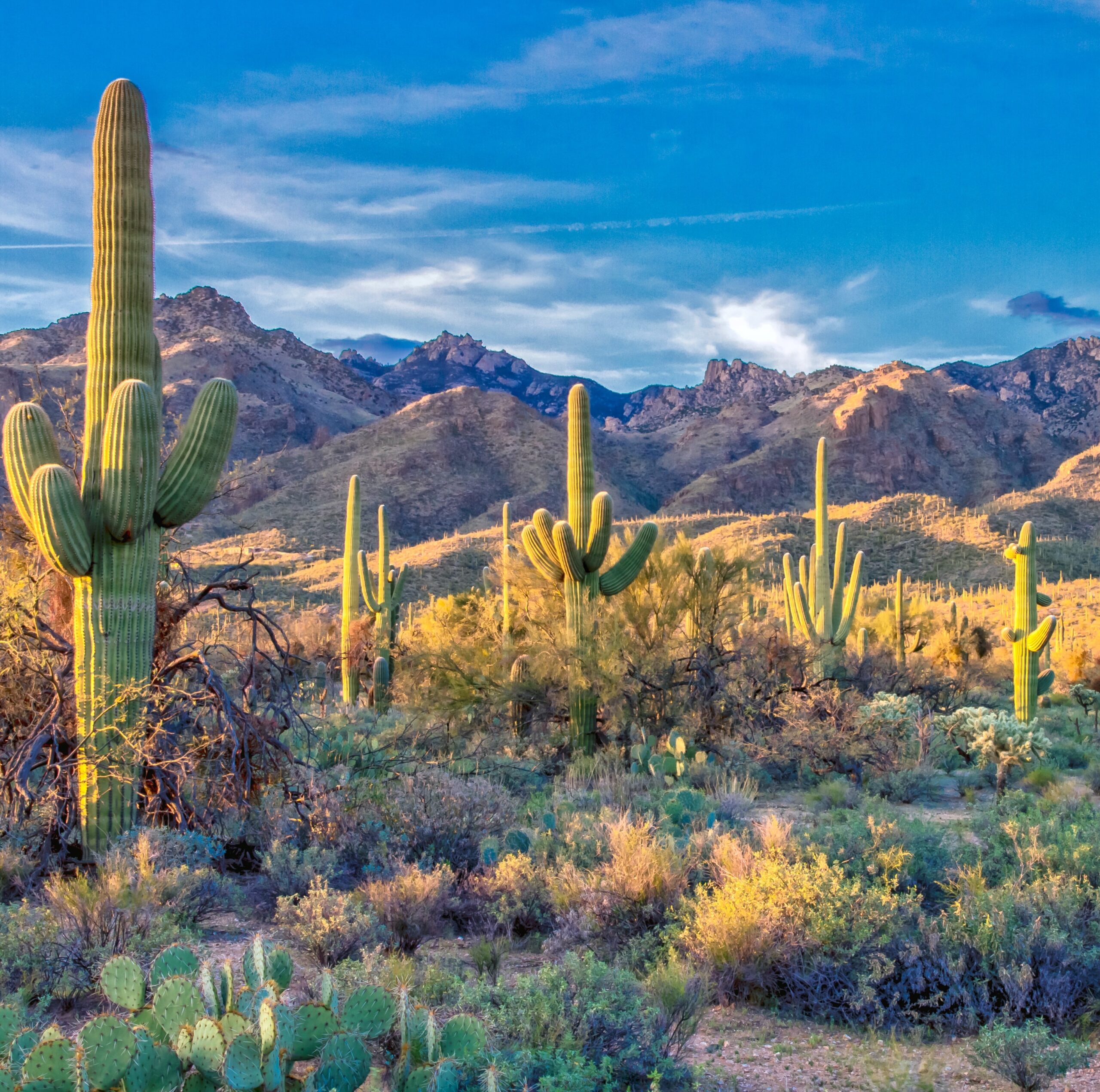
Planning a bachelorette party in Scottsdale? Cabana Boys is the #1 rated activity in town – charismatic hosts, poolside vibes, and memories the bride won’t stop talking about.
With mid-century charm, desert sun, and iconic poolside vibes, Palm Springs is the ultimate escape for unforgettable weekends and inclusive celebrations.
A memorable party atmosphere is defined by the intentional combination of lighting, music, decor, and energy flow working together as one experience. Most planners focus on decorations alone. That is the wrong starting point. Atmosphere design integrates sound, lighting, pacing, and spatial energy to shape how an event feels moment to moment. When you design a unique party atmosphere with all four elements in sync, guests stop noticing the details and start feeling the magic.
What key elements make up a unique party atmosphere?
Atmosphere design is 70% lighting and music, with physical decor accounting for the remaining 30%. That ratio surprises most planners, but it explains why a beautifully decorated room with bad lighting and a weak playlist still feels flat. Your energy and budget should follow that same ratio.
Lighting: the mood setter
Lighting is the fastest way to shift how a space feels. Layered warm lighting using string lights, candles, dimmable lamps, and lanterns creates an inviting environment without sacrificing visibility or safety. Avoid overhead fluorescent or single-source lighting. It flattens faces, kills energy, and makes even the best decor look cheap.
Music: the engine of energy
Music does not just fill silence. It controls the pace of the entire night. A well-built playlist moves guests from arrival energy through peak dancing to a natural close. Intentional pacing builds, peaks, and resolves energy throughout the night, creating a cohesive experience rather than a disjointed one.
Decor: the visual anchor
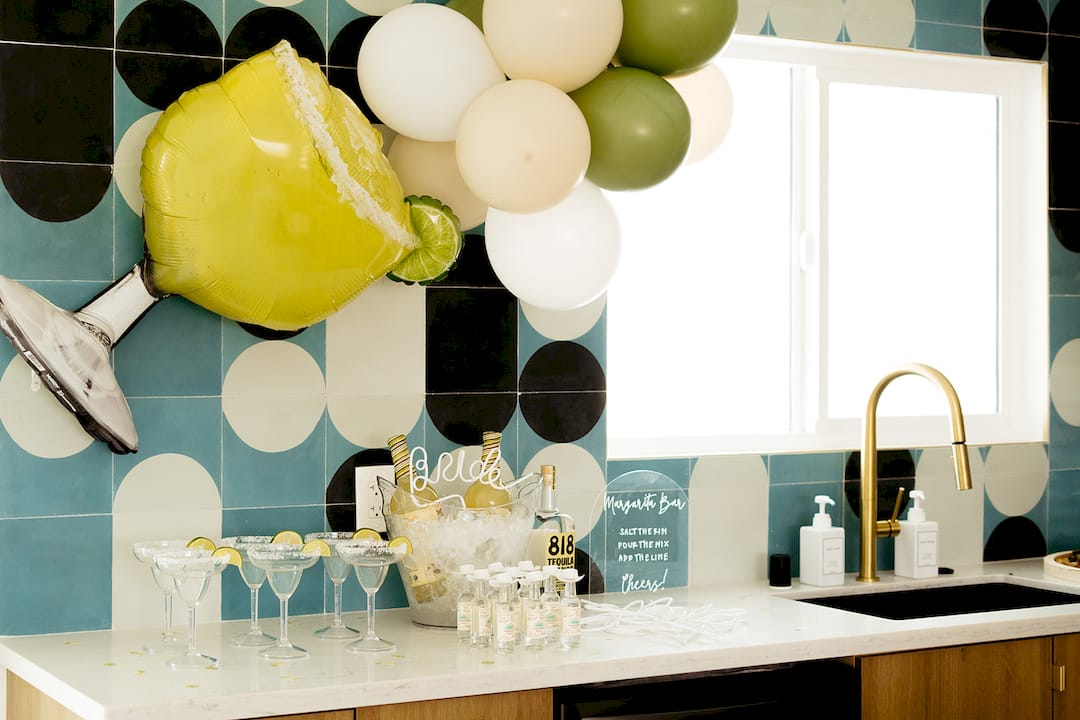
Decor reinforces the theme and gives guests something to photograph and talk about. The key is restraint. Visual elements should reinforce key moments without overwhelming guests, keeping the overall atmosphere refined and complete. Think one or two strong focal points rather than every surface covered.
Pro Tip:Pick a single color palette for your decor and repeat it in your lighting choice. Warm amber string lights pair perfectly with gold, blush, or terracotta tones, making the whole space feel intentional.
Here is a quick breakdown of where to focus your effort:
Music (35%): Curated playlist with BPM progression and thematic blocks
Decor (20%): Focal point installations, table centerpieces, thematic props
Pacing and flow (10%): Zone design, activity timing, energy management
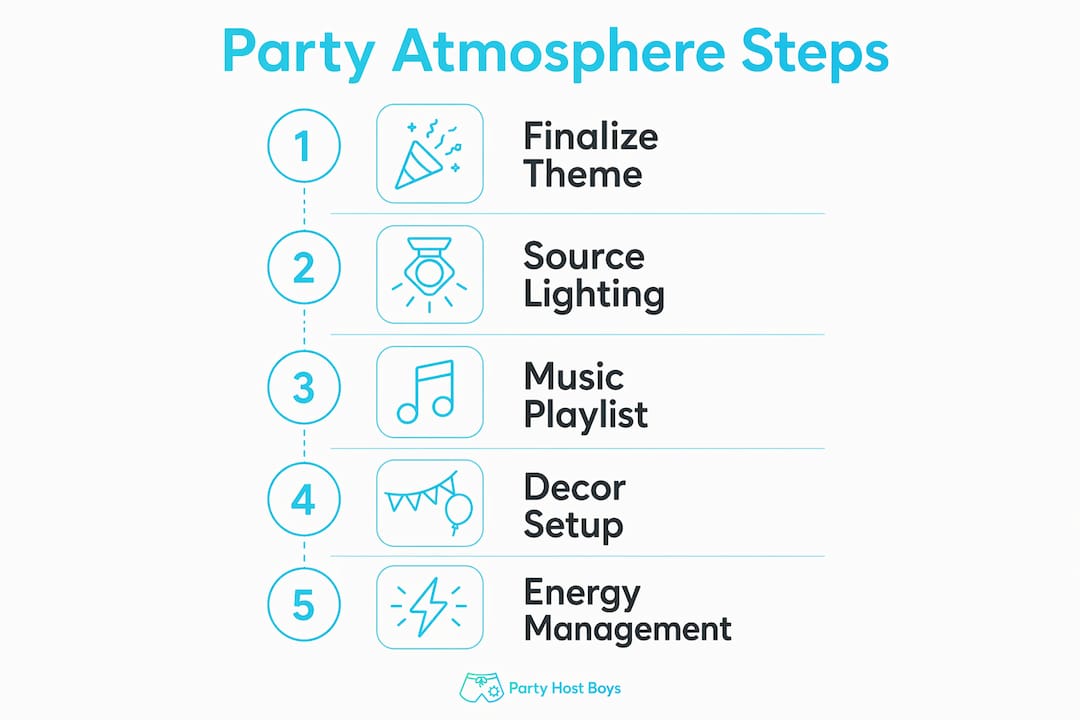
How to plan and execute your party atmosphere step by step
A clear plan prevents last-minute scrambling and ensures every element supports the others. Follow this sequence to build your atmosphere from concept to execution.
Set your theme and mood goal. Decide on one clear emotional target. “Glamorous and celebratory” is a mood. “Tropical bachelorette with high energy” is a theme. Both together give you a design filter for every decision that follows.
Choose and set up your lighting first. Lighting takes the longest to install and has the biggest impact. Place string lights at eye level and above, set dimmers on any overhead fixtures, and position candles or lanterns at table height. Test the full setup before guests arrive.
Build a dynamic playlist with thematic blocks. Design 3–4 thematic music blocks of 35–45 minutes each, separated by smooth transitions. Block one covers arrival and mingling with mid-tempo tracks. Block two ramps up BPM toward peak energy. Block three hits the highest energy. Block four winds down without killing the mood.
Layer in decor after lighting is set. Place decor where it catches the light you have already installed. A balloon arch lit from below looks dramatic. The same arch under harsh overhead light looks flat.
Create distinct zones. A high-energy dance area, a lounge corner for conversation, and a quieter spot for guests who need a break all serve different needs. Creating distinct zones allows guests to control their own experience, balancing high-energy and quiet areas for diverse comfort levels.
Pro Tip:Use a free BPM counter app to check the tempo of every song before adding it to your playlist. Aim for 90–110 BPM during arrival, 120–128 BPM at peak energy, and drop back to 100 BPM for the final block.
Here is a simple planning table to keep your timeline on track:
Task
When to complete
Finalize theme and mood goal
3 weeks before
Source and test all lighting equipment
2 weeks before
Build and review full playlist
1 week before
Set up lighting and decor
Day before or morning of
Run full sound and lighting check
2 hours before guests arrive
What are the most common atmosphere design mistakes?
Most atmosphere problems come from three sources: harsh lighting, abrupt music shifts, and visual overload. Each one is preventable with a small amount of planning.
Harsh or inconsistent lighting is the most common mistake. A single bright overhead light creates unflattering shadows and signals “office” rather than “celebration.” Replace or dim overhead lights and rely on layered warm sources instead. Intentional lighting design shapes guest movement and mood from entry to finale, acting as the soul of the event space.
Abrupt music shifts destroy momentum. Jumping from a slow ballad to a hard hip-hop track without a transition causes what event planners call auditory whiplash. Avoid abrupt playlist changes by designing a gradual energy curve with thematic blocks for sustained engagement on the dance floor.
Here are the most common pitfalls and their fixes:
Too much decor: Guests feel overwhelmed and the theme gets lost. Fix: choose two or three hero pieces and keep everything else minimal.
No quiet zone: Introverted guests or those who need a break have nowhere to go. Fix: designate a chill-out corner with softer lighting and seating away from speakers.
Flat playlist: Every song at the same energy level creates fatigue. Fix: build in a clear energy arc with peaks and valleys.
Venue mismatch: A small apartment cannot support the same design as a rented hall. Fix: scale your lighting and decor to the actual square footage.
“The best parties feel effortless to guests because the host did the hard work in advance. Every detail that guests never consciously notice is doing exactly what it was designed to do.”
What creative ideas make a party atmosphere truly unique?
The difference between a good party and an unforgettable one usually comes down to two or three unexpected details. These are the touches guests describe to friends the next day.
Sync your lighting to your music. Synchronizing lighting effects with music, such as brighter or colored lights during peak energy phases, amplifies excitement in a way that decor alone cannot. Smart bulbs with color-changing apps make this accessible even on a modest budget.
Personalize your decor. Generic balloon arches are everywhere. A photo wall featuring pictures of the guest of honor, a custom neon sign with a group inside joke, or a signature cocktail named after the birthday person creates a connection that generic decor never achieves. For more ideas on this, personalized party decor consistently generates the strongest guest reactions.
Use sensory zones intentionally. A high-energy zone with bass-heavy music and colored lighting serves one group. A lounge zone with ambient sound, softer light, and comfortable seating serves another. Both groups stay longer and enjoy more when their needs are met.
Here is a comparison of standard versus creative atmosphere choices:
Thematic props add storytelling. A tropical bachelorette party becomes immersive when guests find flamingo floaties, coconut cups, and a “passport to paradise” welcome card at their seat. Props give guests a role to play and photos to take. For fresh creative event theme ideas, matching your props to a clear theme is the fastest way to create a cohesive atmosphere.
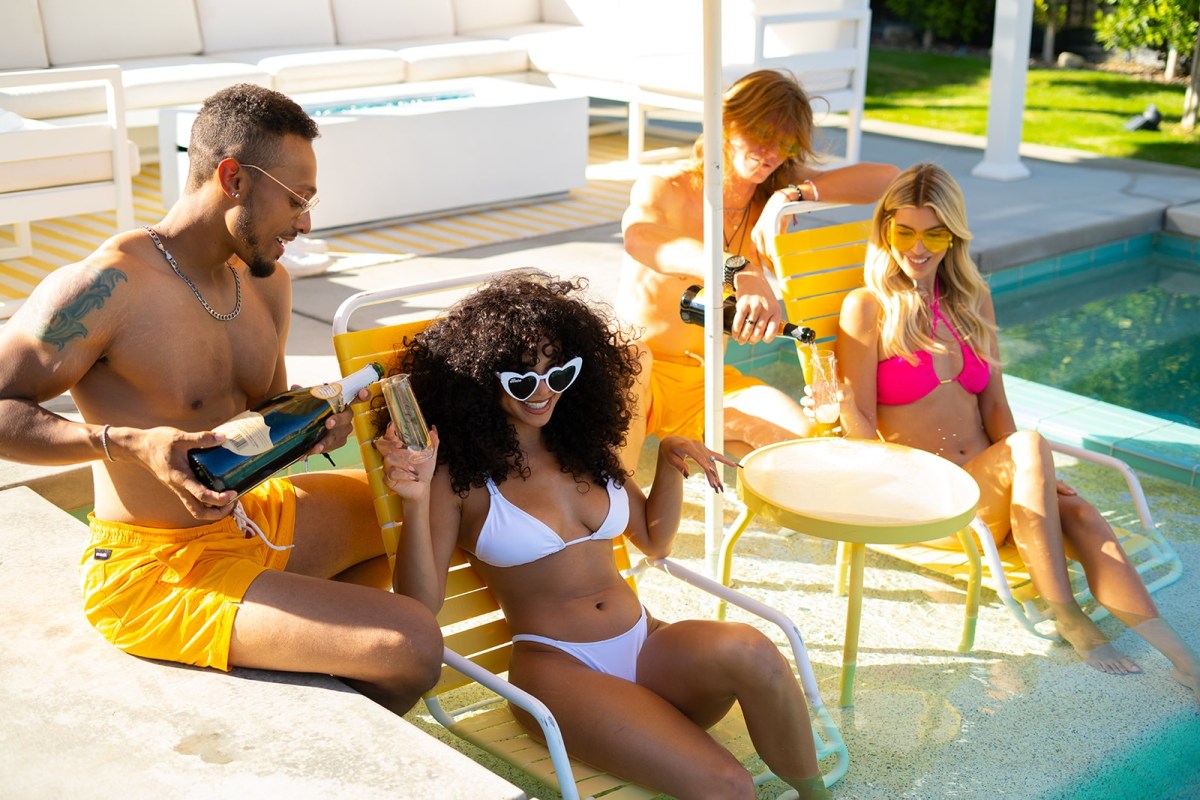
Cabana Boys and Cocktail CowBoys take this further by bringing charismatic hosts who actively engage guests, serve themed drinks, and facilitate games. That human energy layer is the one element no amount of decor or lighting can replicate on its own.
Key takeaways
A unique party atmosphere is built by combining lighting, music, decor, and pacing into one cohesive experience, with lighting and music carrying the most weight.
Point
Details
Lighting and music dominate
These two elements account for 70% of atmosphere impact, so prioritize them first.
Build a thematic playlist
Design 3–4 music blocks of 35–45 minutes each with smooth transitions between them.
Layer your lighting
Combine string lights, candles, and dimmable lamps for warmth and depth.
Create distinct zones
Separate high-energy and quiet areas so every guest finds their comfort level.
Personalize the details
Custom decor and interactive elements create memories that generic setups never do.
Ready to bring your party atmosphere to life?
Planning the perfect atmosphere takes time, creativity, and a lot of moving parts. Cabana Boys and Cocktail CowBoys specialize in exactly this, bringing charismatic hosts, themed bartending, and high-energy guest engagement to bachelorette parties, birthdays, and group trips across top US destinations.
Their Cabana Boys and Cocktail CowBoys handle the energy so you can actually enjoy your own event. Featured on Shark Tank and the New York Times, and recognized as the #1 bachelorette experience in top US party destinations, the team delivers the kind of atmosphere that guests talk about for years. If you want expert support for your next event, explore their services and see what a fully hosted party experience looks like.
FAQ
What makes a party atmosphere feel unique?
A unique atmosphere comes from the intentional combination of lighting, music, decor, and guest engagement working together. Personalized details and distinct zones make the biggest difference.
How much does lighting affect party atmosphere?
Lighting and music together account for 70% of atmosphere impact. Warm, layered lighting using string lights, candles, and dimmers creates the most inviting environment.
How do I build a playlist for a party?
Design 3–4 thematic music blocks of 35–45 minutes each with smooth transitions between them. Start at mid-tempo for arrival, build to peak BPM, then wind down gradually at the end.
What is the best way to set a festive mood on a budget?
String lights, candles, and one personalized focal point such as a photo wall or custom sign deliver strong atmosphere impact at low cost. Prioritize lighting over quantity of decor.
How do I keep guests comfortable at a high-energy party?
A quiet, well-lit chill-out area gives guests a place to recharge without leaving the event. Distinct zones for different energy levels keep everyone engaged longer.




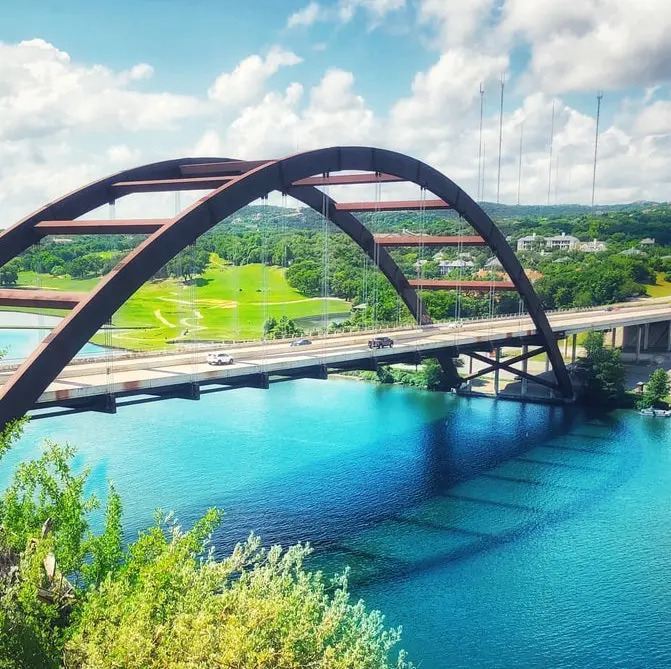 Austin
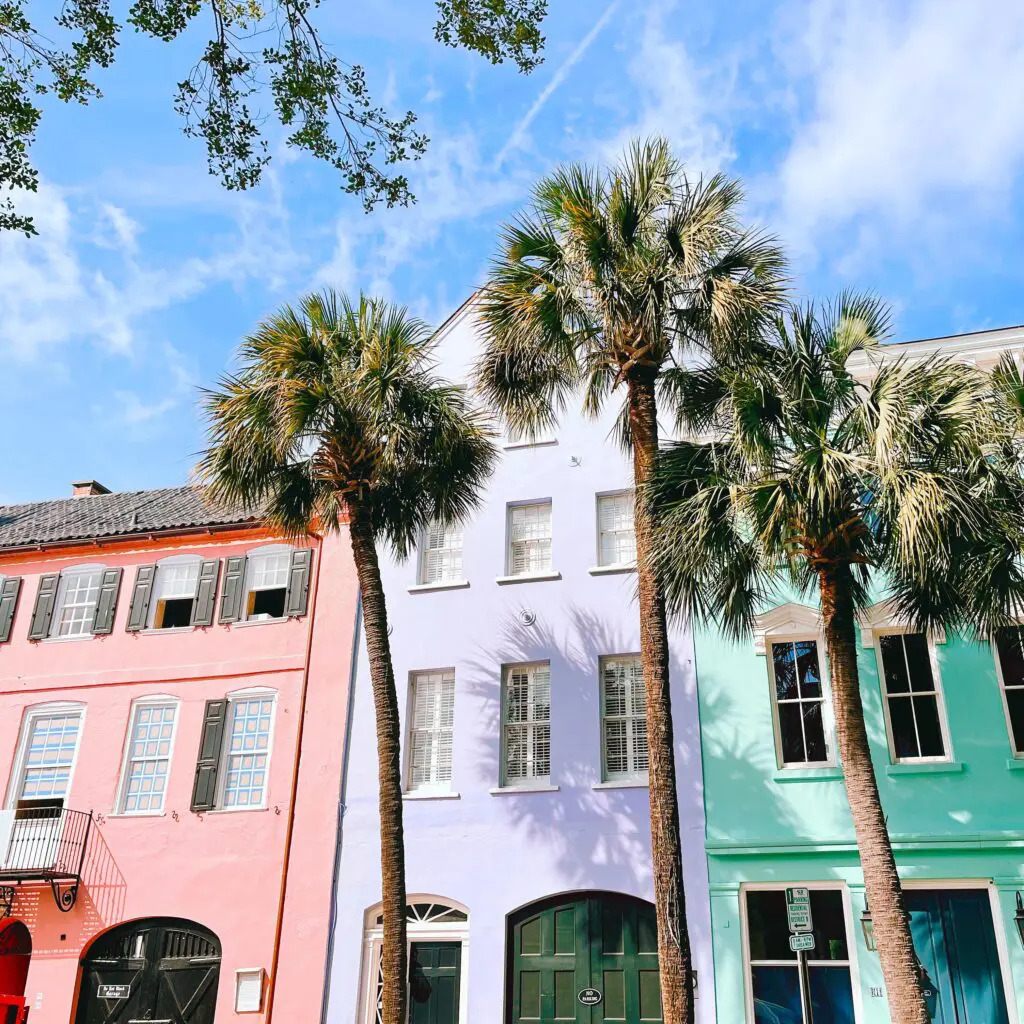 Charleston
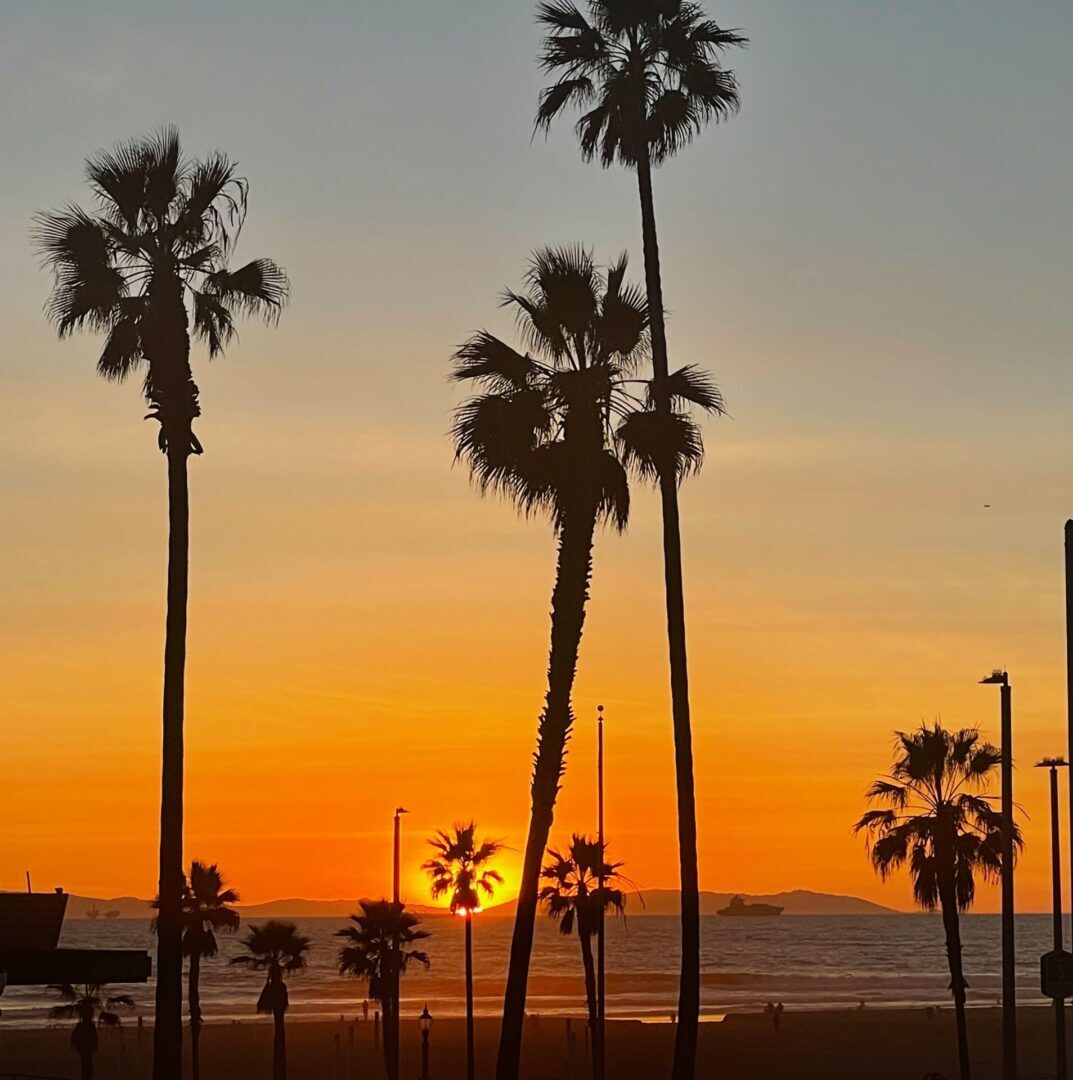 Los Angeles & Orange County
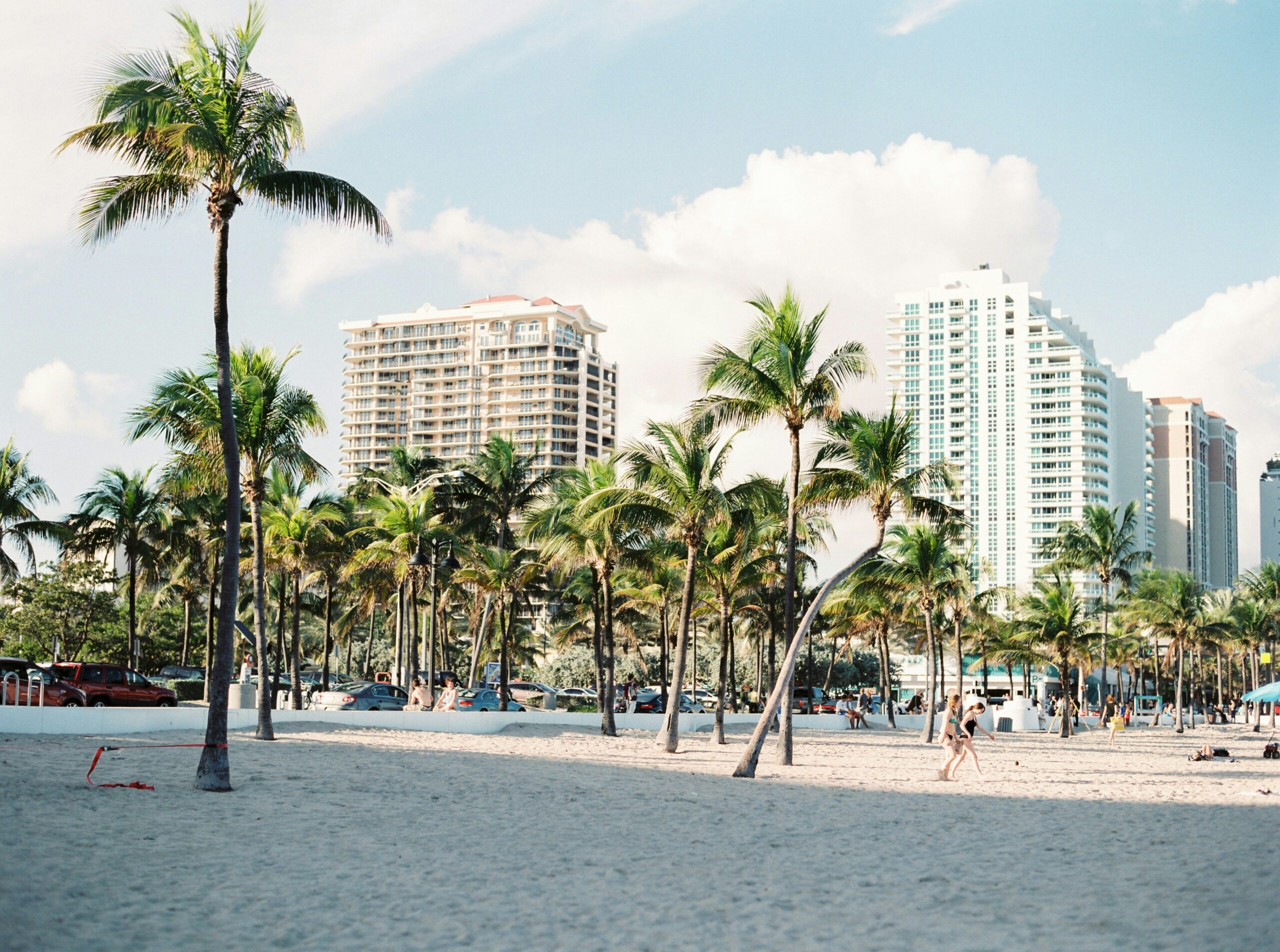 Miami
Miami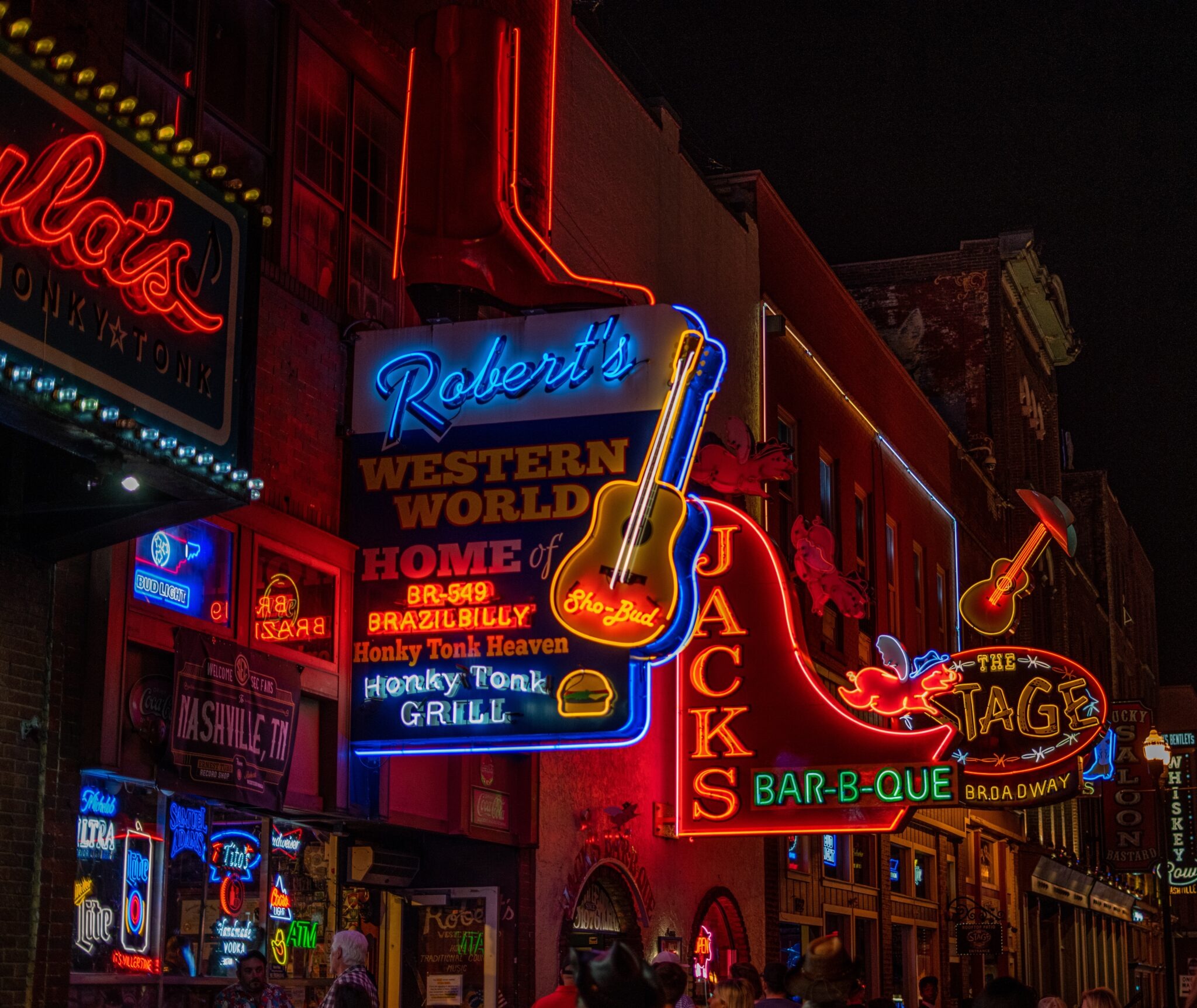 Nashville
 Palm Springs
 Savannah
 Scottsdale
 San Diego
 30A / Destin
 Cabana Boys
 Cocktail CowBoys
 Signature Party
 Brunch
 Game Night
 Cabana Glow
 Bagel Boys
 Party Bus
 Line Dancing
 Austin