🦈As Seen on Shark Tank 🦈 Book the Boys everyone is talking about • 🦈As Seen on Shark Tank 🦈 Book the Boys everyone is talking about • 🦈As Seen on Shark Tank 🦈 Book the Boys everyone is talking about • 🦈As Seen on Shark Tank 🦈 Book the Boys everyone is talking about • 🦈As Seen on Shark Tank 🦈 Book the Boys everyone is talking about • 🦈As Seen on Shark Tank 🦈 Book the Boys everyone is talking about • 🦈As Seen on Shark Tank 🦈 Book the Boys everyone is talking about • 🦈As Seen on Shark Tank 🦈 Book the Boys everyone is talking about • 🦈As Seen on Shark Tank 🦈 Book the Boys everyone is talking about • 🦈As Seen on Shark Tank 🦈 Book the Boys everyone is talking about • 🦈As Seen on Shark Tank 🦈 Book the Boys everyone is talking about • 🦈As Seen on Shark Tank 🦈 Book the Boys everyone is talking about • 🦈As Seen on Shark Tank 🦈 Book the Boys everyone is talking about • 🦈As Seen on Shark Tank 🦈 Book the Boys everyone is talking about • 🦈As Seen on Shark Tank 🦈 Book the Boys everyone is talking about • 🦈As Seen on Shark Tank 🦈 Book the Boys everyone is talking about •
Hire the Cabana Boys to elevate your event with personalized party hosting and bartending services for 2-4 hours. These charming, vetted gentlemen will serve drinks, entertain, keep the area tidy, and make your event unforgettable, whether it’s a pool party, bachelorette, or themed event.
Gourmet brunch from local favorites, bottomless mimosas, music, and party games — hosted poolside by the Cabana Boys. The easiest, most-talked-about morning of the weekend.
We bring tons of game ideas and supplies – bachelorette games, drinking games, signature games, fun icebreakers, music games, and more – that we will host at your Airbnb. We can also help facilitate any games that you have in mind. Think of us as game show hosts, but in a sexy pool boy kind of way.
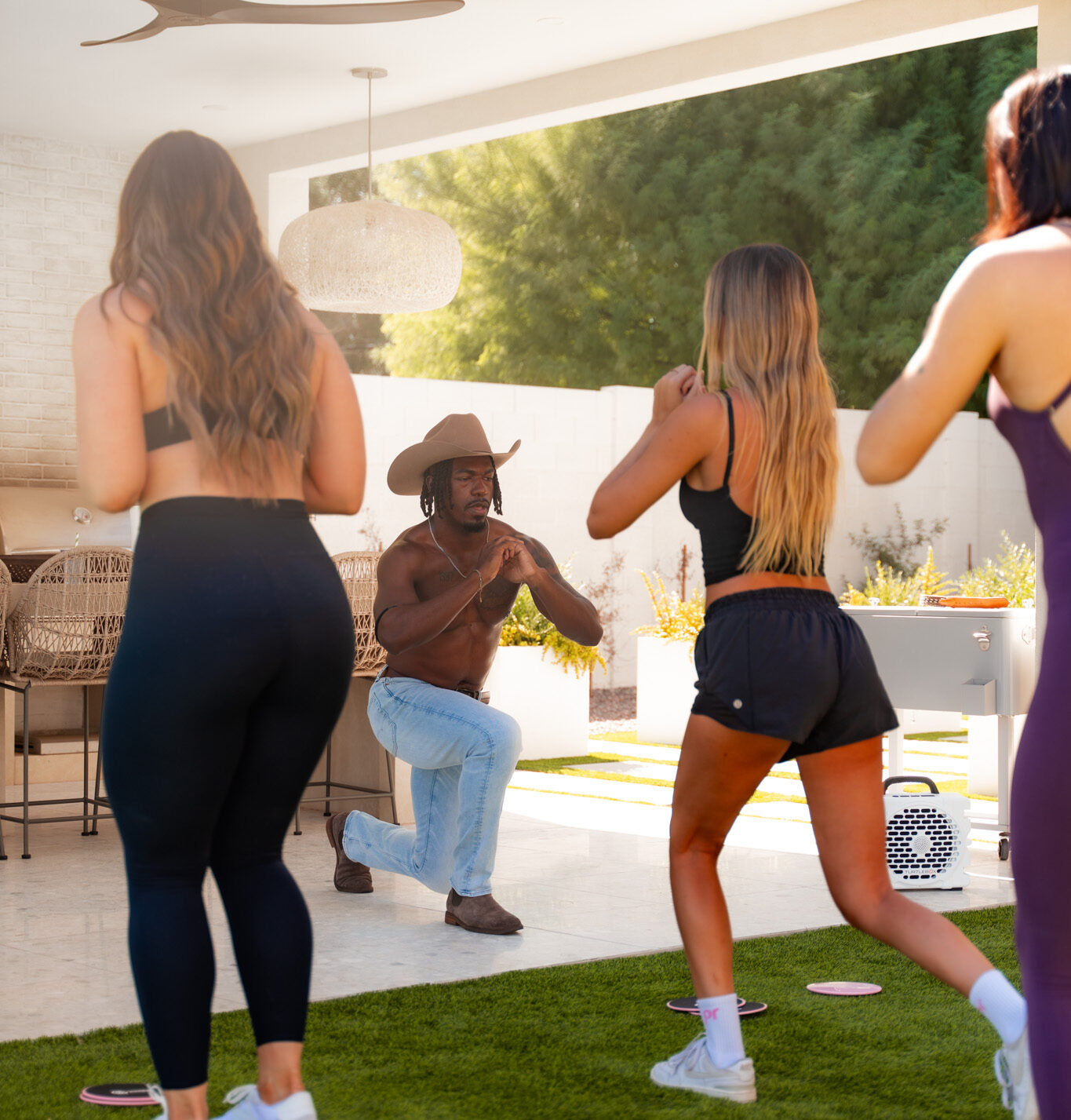
We’ll lead you through a fun, high-energy 45-minute workout with mats, bands, and sliders – then flip straight into party mode. Think of it as a fitness class that ends with your own private pool boy hosts keeping the vibe alive.
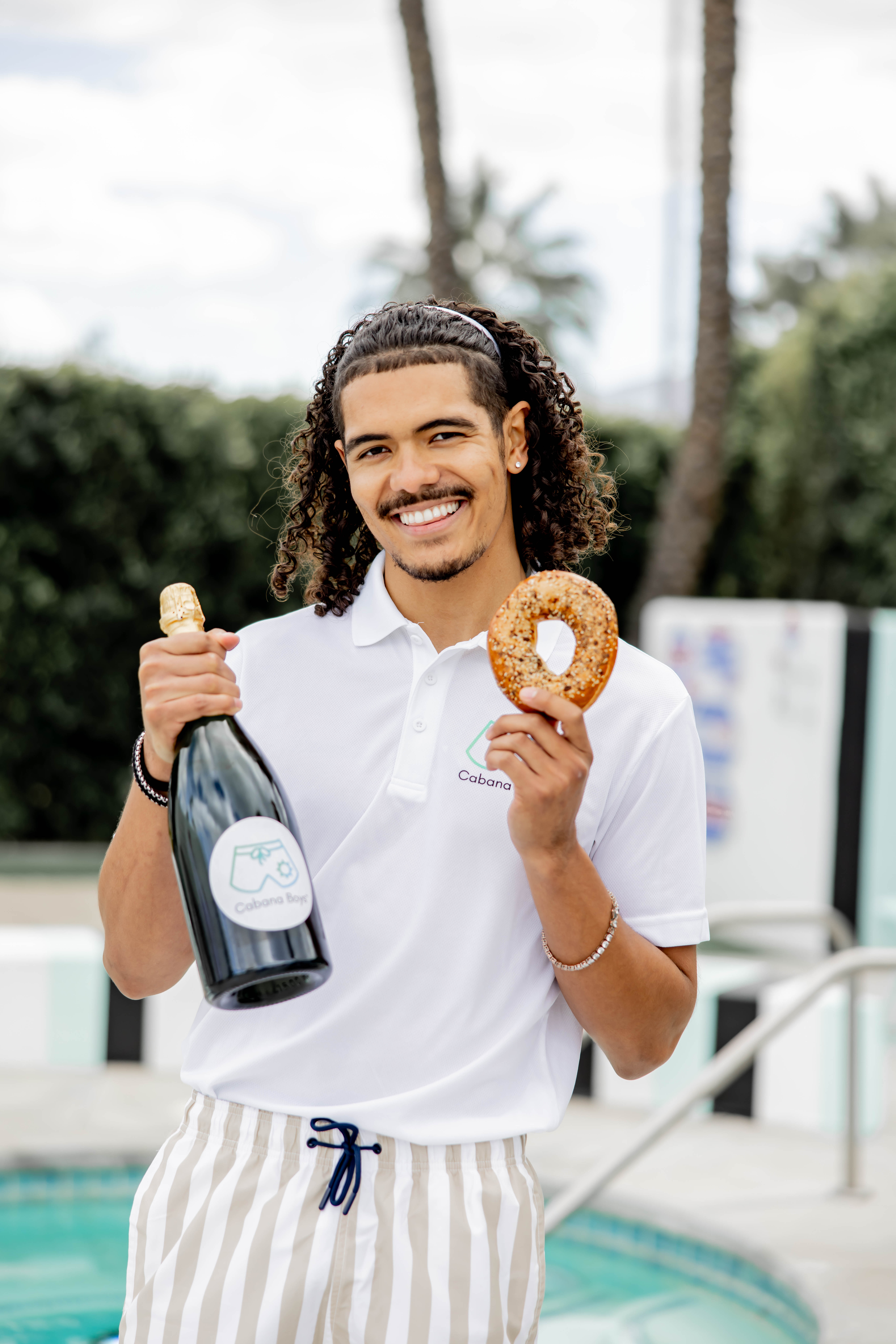
Kick off your morning with a visit from one of our hand-picked gentlemen who will set up a delicious spread with a dozen of gourmet assorted bagels, two tubs of delicious cream cheese, a large container of hot coffee, and a carafe of fresh orange juice.
Hop on the luxurious, air conditioned party bus and we’ll cruise around Old Town, bumping music, dancing, drinking, and playing some signature games. We’ll make stops at our partner bars, where you’ll access some exclusive drink specials.
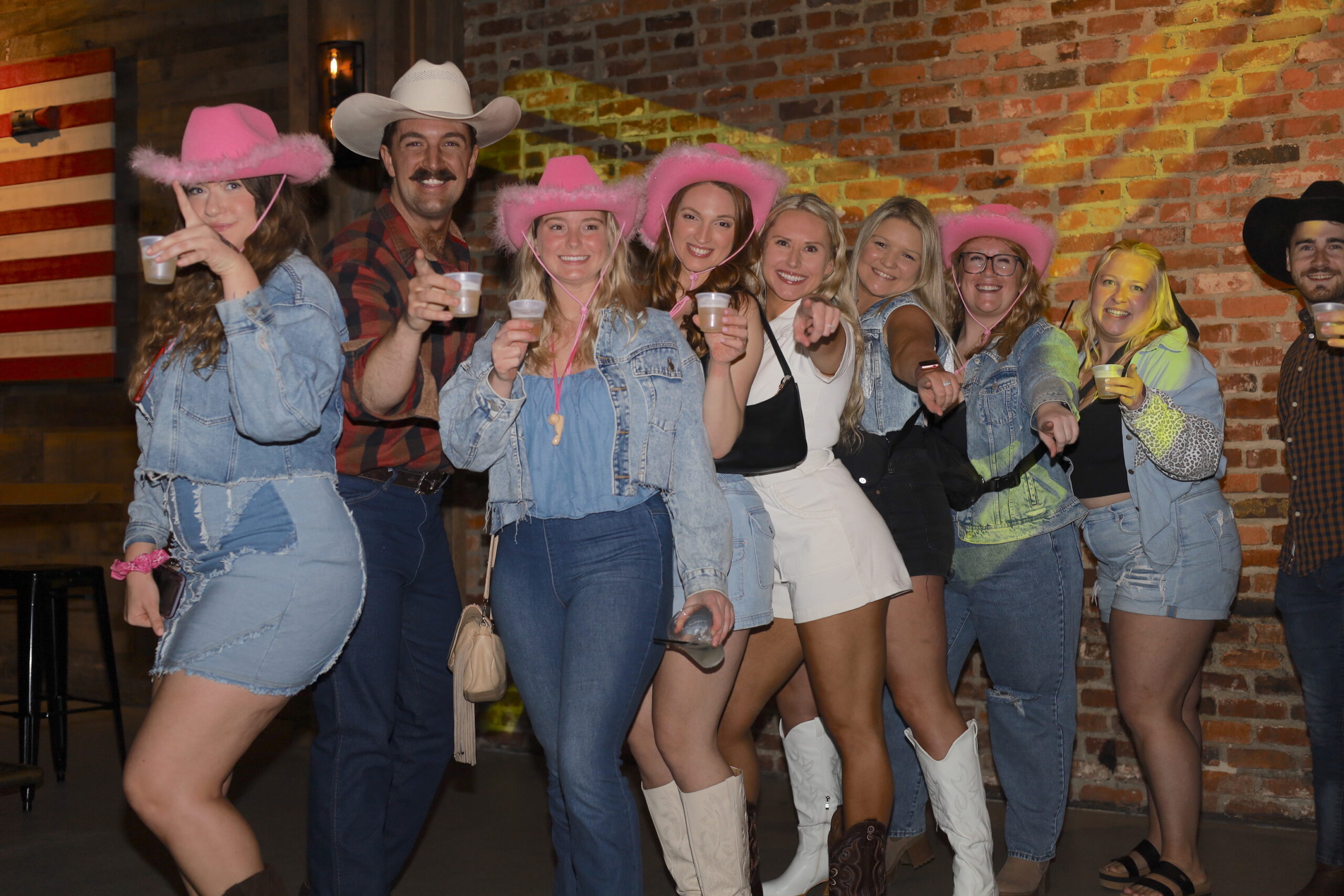
Our Cocktail CowBoys are at your service — we’ll serve you drinks and refreshments, take pictures (or pose with you), be Spotify DJs, help with party/drinking games, keep the party area tidy, keep you company and take out the trash when we leave.
Two Cocktail CowBoys will deliver brunch for you and your crew and get you back into celebration mode. They’ll set up breakfast for you, pour mimosas, turn on some tunes, host some party games, help you nurse your hangover, and keep the party area clean.
Take a break from the bars and get ready for the perfect night in with your gals… a Cocktail CowBoys game night! We bring tons of game ideas and supplies – bachelorette games, drinking games, signature games, fun icebreakers, music games, and more!
A honky-tonk adventure with cowboy charm, dancing, and unforgettable memories. Your personal party crew for a wild night of bars, boots, and Broadway debauchery.
Kick off your day with a 45-minute cowboy-led workout, then roll right into an hour of games, drinks, and hosting. Think of it as fitness meets Western hospitality — charming, playful, and unforgettable.
Grab your boots and head to the ultimate spot for unforgettable parties, legendary food, and live music that never stops. Saddle up for an epic Austin weekend!
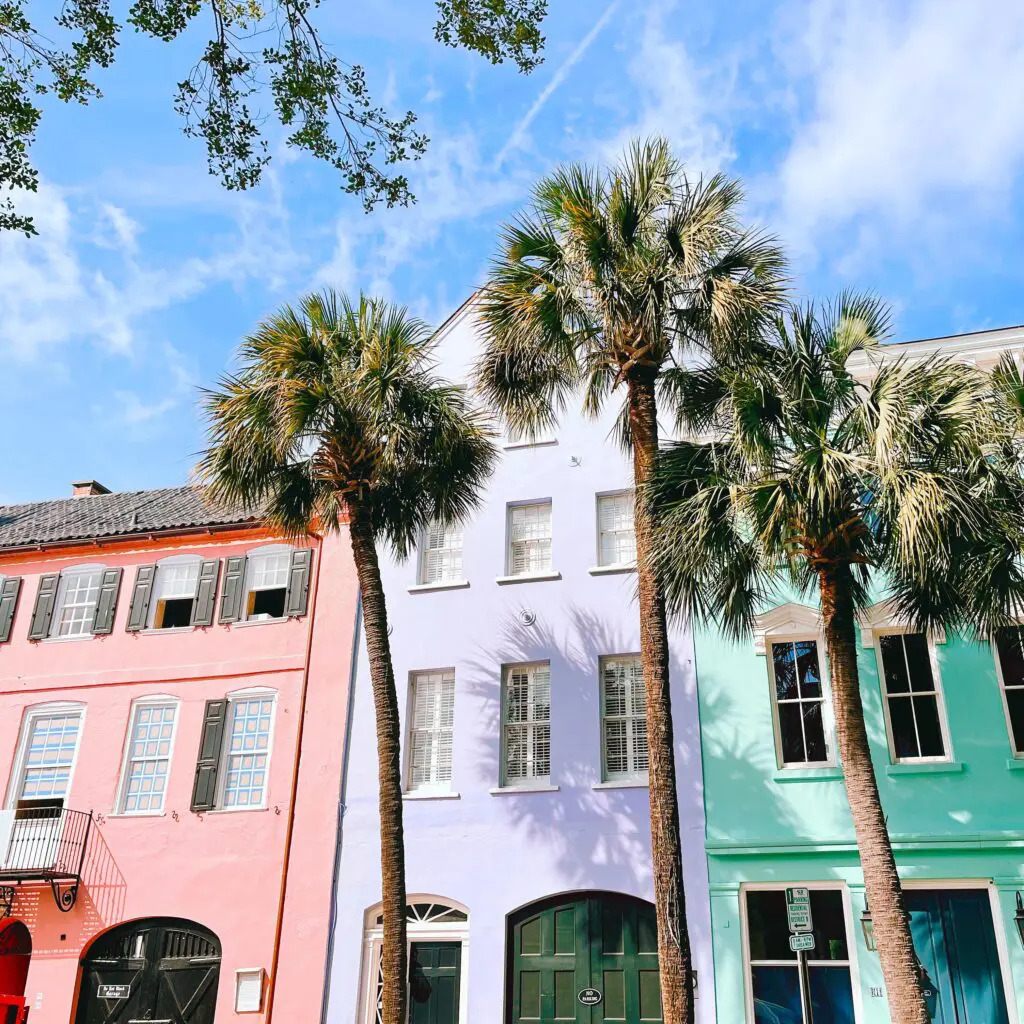
With cobblestone streets, pastel sunsets, and rooftop bars, Charleston has hospitality around every corner. Charm, style, and just the right amount of mischief.
Sun, skin, and serious vibes—Miami and Fort Lauderdale are built for bold, unforgettable weekends. From pool parties to rooftop hangs, South Florida brings the heat.
With mid-century charm, desert sun, and iconic poolside vibes, Palm Springs is the ultimate escape for unforgettable weekends and inclusive celebrations.
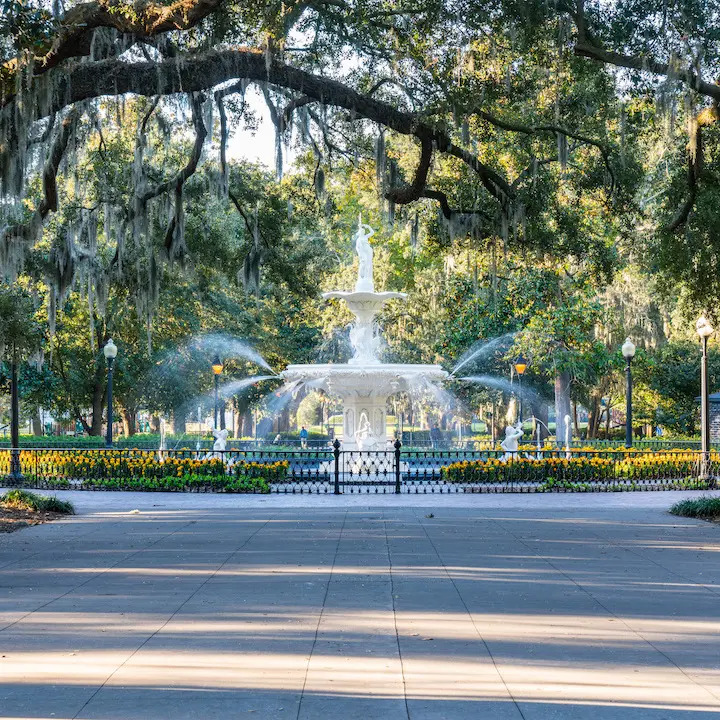
From cobblestone streets to coastal retreats, Savannah is the perfect place to sip, celebrate, and let loose. Open container laws make this one true party town.
Planning a bachelorette party in Scottsdale? Cabana Boys is the #1 rated activity in town – charismatic hosts, poolside vibes, and memories the bride won’t stop talking about.
With mid-century charm, desert sun, and iconic poolside vibes, Palm Springs is the ultimate escape for unforgettable weekends and inclusive celebrations.
A budget is the single most important tool in customized party planning. It defines what you can spend, where to spend it, and how to make every dollar create a memory. Without a clear budget, even the most creative party ideas collapse under unexpected costs. The role of budget customized party planning is to give you a financial framework that guides every decision, from food to decor to entertainment, so the event feels personal and polished without draining your wallet. Services like Cabana Boys, Cocktail CowBoys, and Cocktail Boys are built on exactly this principle: personalization within a plan.
How to allocate your budget for customized party elements
Budget allocation is the practice of dividing your total party spend across categories before you book or buy anything. The most widely used framework is the 50/30/20 allocation rule: 50% to food and beverages, 30% to venue and decor, and 20% to entertainment and contingency. For potluck-style events, the food allocation drops significantly, freeing funds for decor or a premium activity.
Here is how a $500 home party budget breaks down using this framework:
Category
Allocation
Dollar Amount
Food and beverages
50%
$250
Venue and decor
30%
$150
Entertainment and extras
20%
$100
Real costs back this up. Average home-hosted birthday parties for 10–15 guests in the US run $300–$500, with food costs ranging $8–$35 per guest and decorations ranging $50–$500. That spread shows how much your choices shape the final number.
Every custom party budget also needs a contingency fund. A 10–15% contingency reserve is standard practice for covering forgotten items and last-minute surprises. Build it in from the start, not as an afterthought.
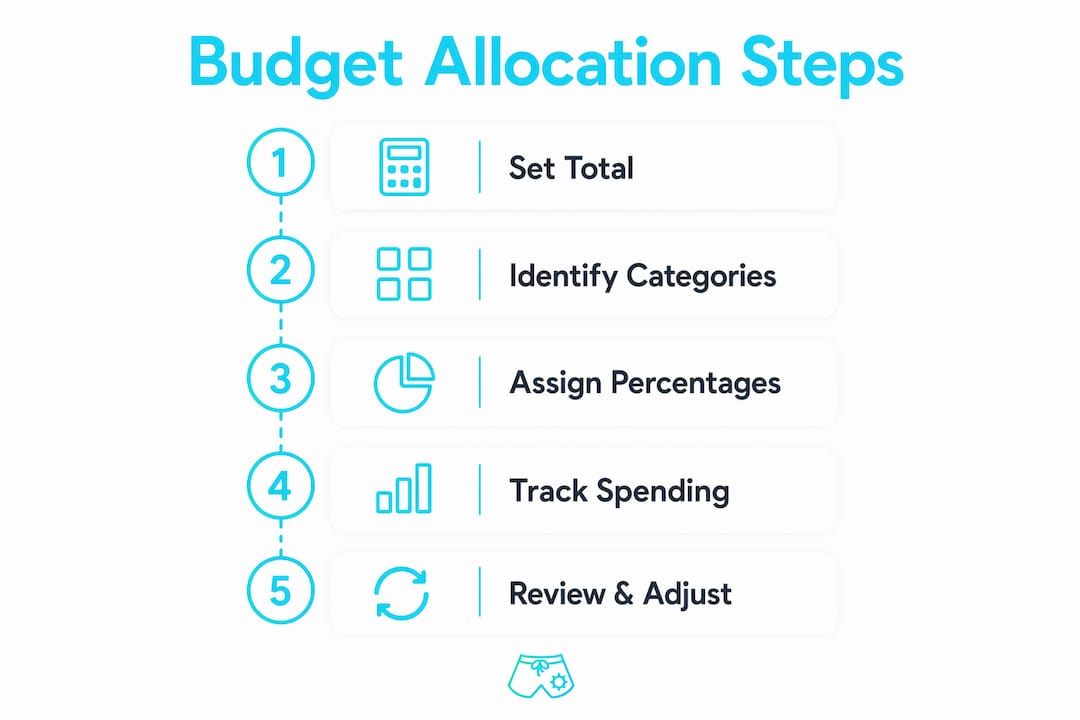
Key allocation steps:
Set your total budget before browsing any vendors or products.
Divide the total using the 50/30/20 rule as a starting point.
Adjust ratios based on your event type (potluck, venue-based, or home party).
Reserve 10–15% as a contingency fund within your total.
Track each category separately from day one.
Pro Tip:Write your budget in a shared spreadsheet so every co-host or family member sees the same numbers. Miscommunication between planners is one of the fastest ways to blow a budget.
What are the most common budgeting mistakes at parties?
Guest count is the single biggest cost driver in any party. Every additional guest increases food, seating, and supply requirements across multiple categories at once. A guest list that grows from 15 to 25 people does not just add 10 plates. It adds napkins, cups, chairs, and potentially a larger venue.
The second major trap is invisible costs. Small expenses like ice, napkins, and trash bags consume 8–15% of total budgets but rarely appear in early planning. Most hosts forget them entirely until they are standing in a checkout line the day before the party. That moment of panic is where budgets break.
Common budget pitfalls to avoid:
Locking in a guest count too late. Finalize your headcount at least two weeks before the event so costs stay predictable.
Skipping a supplies line item. Ice, serving utensils, trash bags, and paper goods need their own budget category.
Impulse upgrades. Seeing a better centerpiece or a fancier cake does not mean you can afford it. Check your remaining allocation first.
Ignoring vendor minimums. Many caterers and bartenders have minimum spend requirements that can push costs above your plan.
Treating the budget as fixed. A budget is a living document. Revisit it after any major shift, such as a venue change or a jump in guest count.
Pro Tip:Set a personal spending freeze two weeks before the party. Any new purchase must come from an existing budget category, not added on top. This one rule prevents most last-minute overruns.
The best defense against overspending is separating fixed and variable costs from the beginning. Fixed costs include venue rental and entertainment bookings. Variable costs include food and supplies that scale with guest count. When you know which costs move and which stay put, you can recalculate quickly when plans change.
How do you tailor a budget plan to your party type?
Not every party needs the same budget structure. The right allocation depends on what kind of event you are hosting and what matters most to your guests. Custom party budgeting means matching your spending to your specific event goals, not copying a generic template.
Here is a practical framework for four common party types:
Home birthday party. Food and beverages take the largest share because guests remember what they ate and drank. Keep decor simple and personal. Spend on one statement piece, like a custom cake, rather than covering every surface with decorations.
Venue-based celebration. Venue rental often consumes 30–40% of the total budget on its own. Reduce food costs by choosing a buffet or food stations over plated service. A venue choice that includes tables, chairs, and basic setup can save hundreds in rental fees.
Activity-centered party. When the activity is the main event, such as a pool day, escape room, or cooking class, guests focus on the experience rather than the food. Allocate 40–50% to the activity and pull back on decor entirely.
Potluck or collaborative party. Shared food contributions drop your food budget to near zero. Redirect those funds to a premium entertainment option or a professional host. Cabana Boys, Cocktail CowBoys, and Cocktail Boys specialize in exactly this kind of reallocation, bringing high-energy hosting and bartending that becomes the centerpiece of the event.
The key principle across all four types is choosing one “hero” category. Focused spending on one standout element creates a memorable event while allowing cuts elsewhere to maintain budget balance. A great meal, a professional host, or a unique activity gives guests something specific to remember and talk about afterward.
What practical tips maximize party impact on a tight budget?
The most memorable parties spend money where guests actually notice it. Food and entertainment are the two categories guests remember most. Elaborate invitations, excess table runners, and matching balloon arches rarely come up in post-party conversations. Redirect that spend toward the experience itself.
Practical tips for maximum impact:
Spend on food first. Guests remember a great spread. A simple but generous food table outperforms a visually elaborate party with mediocre snacks every time.
Invest inpersonalized decorselectively. One or two custom touches, like a photo display or a personalized banner, create emotional impact without high cost.
Skip fancy printed invitations. Digital invitations through free platforms cost nothing and track RSVPs automatically. That saved money goes directly toward food or entertainment.
Book entertainment early. Last-minute bookings almost always cost more. Locking in a host or activity weeks in advance protects your budget and your options.
Track spending in real time. Monitoring spend against categorized allocations helps you catch overruns before they compound. A simple spreadsheet updated after every purchase works better than reviewing receipts the day after the party.
Pro Tip:Assign one person to own the budget tracker throughout planning. When everyone adds purchases, no one has a complete picture. One owner means one source of truth.
For catered events, understanding festive meal cost structures helps you negotiate smarter and avoid overpaying for standard menu items. Knowing what a per-head cost should look like gives you real leverage with vendors.
A budget is not a restriction. A budget enables confident decisions and prevents the financial surprises that turn party planning into a stressful experience. When you know exactly what you have and where it goes, you plan with confidence instead of anxiety.
Key Takeaways
Custom party budgeting is the foundation of every memorable, affordable event: it directs spending toward what guests actually remember and protects you from the costs they never see coming.
Point
Details
Use the 50/30/20 rule
Allocate 50% to food, 30% to venue and decor, and 20% to entertainment and contingency.
Build in a contingency fund
Reserve 10–15% of your total budget for forgotten items and last-minute expenses.
Control your guest count
Every additional guest raises costs across food, supplies, and seating simultaneously.
Choose one hero category
Concentrate spending on one standout element to maximize guest memory and event impact.
Treat the budget as a living document
Revisit and update your budget after any guest count change, venue shift, or service upgrade.
Why I think most people misunderstand what a party budget actually does
Most people treat a party budget like a ceiling: a number they try not to hit. That framing makes budgeting feel like deprivation. After years of watching events come together and fall apart, I see it differently. A budget is a decision-making tool. It tells you, in advance, which trade-offs are worth making and which are not.
The guests who leave a party raving are almost never raving about the centerpieces. They talk about the food, the energy in the room, and how the host made them feel. That is where intentional spending pays off. When you know your food budget is $250 and your decor budget is $75, you stop agonizing over every purchase. The decision is already made.
The other thing I have noticed is that hosts who update their budgets regularly stress far less than those who set a number and ignore it. When your guest count jumps from 12 to 18, your budget needs to reflect that immediately, not the week before the party. Flexibility is not a weakness in a budget plan. It is the whole point.
A budget, used well, is the most creative tool in your planning kit. It forces you to prioritize what actually matters and gives you permission to spend confidently on those things. That is where the best parties come from.
— Nelson
How Party Host Boys fits into your party budget plan
Planning a personalized party on a budget gets much easier when you have the right team behind it. Cabana Boys, Cocktail CowBoys, and Cocktail Boys bring professional hosting and bartending that replaces several budget line items at once: entertainment, drink service, and guest engagement all covered by one booking.
For bachelorette parties, birthdays, and group trips, Cabana Boys, Cocktail CowBoys, and Cocktail Boys are recognized as the #1 bachelorette experience in top US party destinations, featured on Shark Tank and in the New York Times. Their hosts handle the energy so you can focus on enjoying the event you planned. If you want a specialty host who makes your budget work harder, visit Party Host Boys to see packages and availability.
FAQ
What is the role of budget in customized party planning?
A budget defines how much you can spend in each category, from food to entertainment, so every decision is guided by a clear financial plan. It prevents overspending and ensures your money goes toward what guests actually remember.
How do I use the 50/30/20 rule for a party budget?
Allocate 50% of your total budget to food and beverages, 30% to venue and decor, and 20% to entertainment and contingency. Adjust these ratios based on your event type, such as reducing food costs for a potluck.
What are invisible costs in party planning?
Invisible costs are small purchases like ice, napkins, trash bags, and serving utensils that are easy to forget but consume 8–15% of total budgets. Always create a dedicated supplies line item in your budget from the start.
How often should I update my party budget?
Revisit your budget after any significant change, including a shift in guest count, a venue change, or an upgrade to food or services. Treating the budget as a living document prevents last-minute financial surprises.
What is a “hero” category in party budgeting?
A hero category is the one area where you concentrate your best spending to create a standout guest experience. Choosing food, entertainment, or a unique activity as your hero lets you cut costs elsewhere while still delivering a memorable event.









 Austin
 Charleston
 Los Angeles & Orange County
 Miami
Miami Nashville
 Palm Springs
 Savannah
 Scottsdale
 San Diego
 30A / Destin
 Cabana Boys
 Cocktail CowBoys
 Signature Party
 Brunch
 Game Night
 Cabana Glow
 Bagel Boys
 Party Bus
 Line Dancing
 Austin