🦈As Seen on Shark Tank 🦈 Book the Boys everyone is talking about • 🦈As Seen on Shark Tank 🦈 Book the Boys everyone is talking about • 🦈As Seen on Shark Tank 🦈 Book the Boys everyone is talking about • 🦈As Seen on Shark Tank 🦈 Book the Boys everyone is talking about • 🦈As Seen on Shark Tank 🦈 Book the Boys everyone is talking about • 🦈As Seen on Shark Tank 🦈 Book the Boys everyone is talking about • 🦈As Seen on Shark Tank 🦈 Book the Boys everyone is talking about • 🦈As Seen on Shark Tank 🦈 Book the Boys everyone is talking about • 🦈As Seen on Shark Tank 🦈 Book the Boys everyone is talking about • 🦈As Seen on Shark Tank 🦈 Book the Boys everyone is talking about • 🦈As Seen on Shark Tank 🦈 Book the Boys everyone is talking about • 🦈As Seen on Shark Tank 🦈 Book the Boys everyone is talking about • 🦈As Seen on Shark Tank 🦈 Book the Boys everyone is talking about • 🦈As Seen on Shark Tank 🦈 Book the Boys everyone is talking about • 🦈As Seen on Shark Tank 🦈 Book the Boys everyone is talking about • 🦈As Seen on Shark Tank 🦈 Book the Boys everyone is talking about •
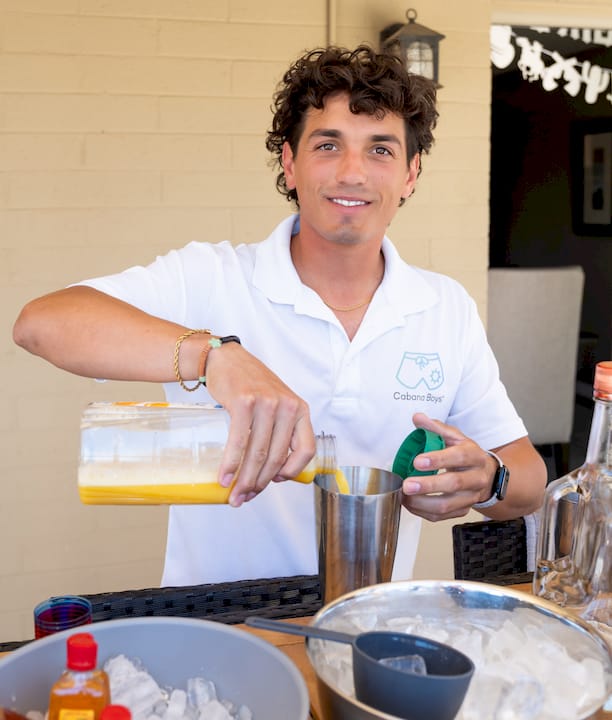
Hire the Cabana Boys to elevate your event with personalized party hosting and bartending services for 2-4 hours. These charming, vetted gentlemen will serve drinks, entertain, keep the area tidy, and make your event unforgettable, whether it’s a pool party, bachelorette, or themed event.
Gourmet brunch from local favorites, bottomless mimosas, music, and party games — hosted poolside by the Cabana Boys. The easiest, most-talked-about morning of the weekend.
We bring tons of game ideas and supplies – bachelorette games, drinking games, signature games, fun icebreakers, music games, and more – that we will host at your Airbnb. We can also help facilitate any games that you have in mind. Think of us as game show hosts, but in a sexy pool boy kind of way.
We’ll lead you through a fun, high-energy 45-minute workout with mats, bands, and sliders – then flip straight into party mode. Think of it as a fitness class that ends with your own private pool boy hosts keeping the vibe alive.
Kick off your morning with a visit from one of our hand-picked gentlemen who will set up a delicious spread with a dozen of gourmet assorted bagels, two tubs of delicious cream cheese, a large container of hot coffee, and a carafe of fresh orange juice.
Hop on the luxurious, air conditioned party bus and we’ll cruise around Old Town, bumping music, dancing, drinking, and playing some signature games. We’ll make stops at our partner bars, where you’ll access some exclusive drink specials.
Our Cocktail CowBoys are at your service — we’ll serve you drinks and refreshments, take pictures (or pose with you), be Spotify DJs, help with party/drinking games, keep the party area tidy, keep you company and take out the trash when we leave.
Two Cocktail CowBoys will deliver brunch for you and your crew and get you back into celebration mode. They’ll set up breakfast for you, pour mimosas, turn on some tunes, host some party games, help you nurse your hangover, and keep the party area clean.
Take a break from the bars and get ready for the perfect night in with your gals… a Cocktail CowBoys game night! We bring tons of game ideas and supplies – bachelorette games, drinking games, signature games, fun icebreakers, music games, and more!
A honky-tonk adventure with cowboy charm, dancing, and unforgettable memories. Your personal party crew for a wild night of bars, boots, and Broadway debauchery.
Kick off your day with a 45-minute cowboy-led workout, then roll right into an hour of games, drinks, and hosting. Think of it as fitness meets Western hospitality — charming, playful, and unforgettable.
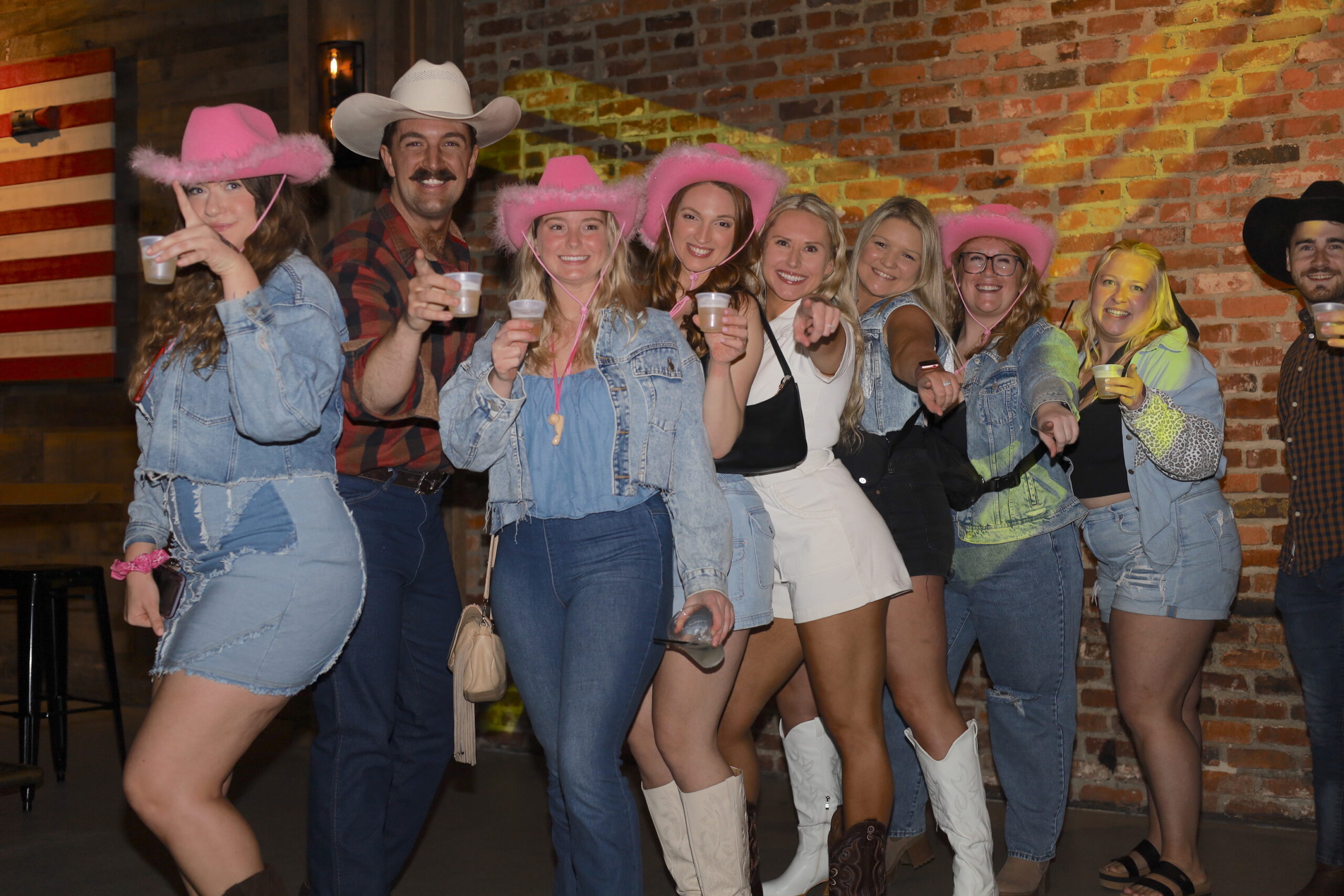
Grab your boots and head to the ultimate spot for unforgettable parties, legendary food, and live music that never stops. Saddle up for an epic Austin weekend!
With cobblestone streets, pastel sunsets, and rooftop bars, Charleston has hospitality around every corner. Charm, style, and just the right amount of mischief.
Sun, skin, and serious vibes—Miami and Fort Lauderdale are built for bold, unforgettable weekends. From pool parties to rooftop hangs, South Florida brings the heat.
With mid-century charm, desert sun, and iconic poolside vibes, Palm Springs is the ultimate escape for unforgettable weekends and inclusive celebrations.
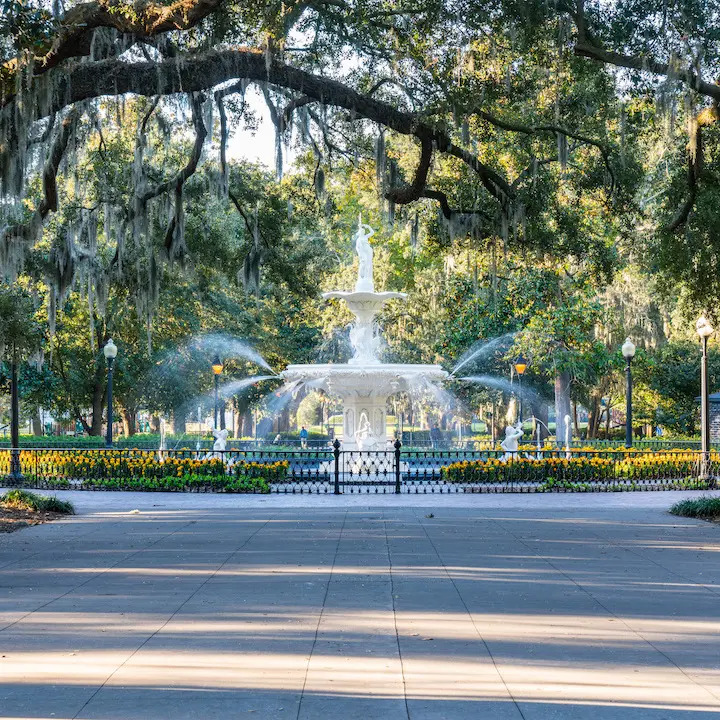
From cobblestone streets to coastal retreats, Savannah is the perfect place to sip, celebrate, and let loose. Open container laws make this one true party town.
Planning a bachelorette party in Scottsdale? Cabana Boys is the #1 rated activity in town – charismatic hosts, poolside vibes, and memories the bride won’t stop talking about.
With mid-century charm, desert sun, and iconic poolside vibes, Palm Springs is the ultimate escape for unforgettable weekends and inclusive celebrations.
Group Party Host Responsibilities Explained for 2026
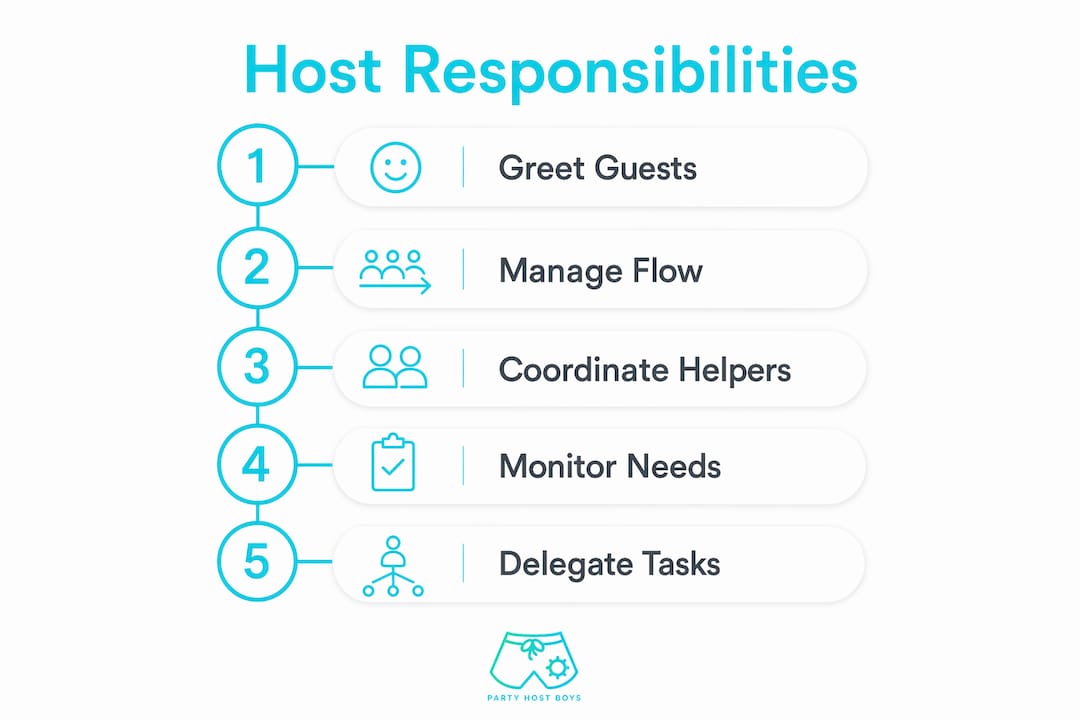
A group party host is defined as the person responsible for managing every guest’s experience from the moment they arrive to the moment they leave. This role goes far beyond opening the door and pointing people to the drinks table. Group party host responsibilities explained properly cover five distinct areas: personal guest engagement, event flow management, logistics coordination, real-time problem solving, and delegation. Get any one of these wrong, and the party feels it. Get all five right, and guests remember the night for years.
What are the essential duties of a group party host?
Greeting every guest individually is a mandatory host duty, not a courtesy. That personal moment of acknowledgment sets the guest’s emotional tone for the entire event. Skipping it, even for one person, signals that the host is distracted or overwhelmed.
Beyond the greeting, a host’s core duties fall into three categories: people, logistics, and safety.
People duties:
Welcome each guest by name and make introductions between guests who don’t know each other
Check in with quieter guests throughout the night to prevent social isolation
Monitor the mood of the room and adjust music, lighting, or activity pacing accordingly
Address uncomfortable situations, such as conflict between guests, quickly and discreetly
Logistics duties:
Confirm catering quantities match your final headcount
Oversee the timing of food service, activities, and transitions between program segments
Manage seating arrangements so groups are comfortable and conversation flows naturally
Coordinate with any hired help or vendors in real time
Safety duties:
Monitor alcohol consumption and arrange safe transportation options for guests
Keep walkways and exits clear throughout the event
Know the location of a first aid kit and emergency contacts
Failing to greet guests, running out of food or drink, or being visibly distracted ranks as the most damaging hosting mistake. Each of these signals to guests that their presence is not a priority.
Pro Tip:Collect a firm RSVP response within a 24–48 hour window of sending invitations. This gives you accurate numbers for catering and seating before vendors require final counts.
How to plan and structure a group event for smooth hosting
A minute-by-minute run-of-show is the single most effective planning tool a host can use. It removes guesswork on the day and gives every helper a clear reference point. Without it, even experienced hosts find themselves making reactive decisions instead of proactive ones.
Build your event structure in this order:
Set the event timeline first. Work backward from your end time. Assign specific windows to arrival, food service, activities, and wind-down. Build in 10-minute buffer zones between major segments.
Assign four core roles. A run-of-show with dedicated roles works best with at least four distinct positions: a Host Lead, a Food Captain, a Drink Station Lead, and a Guest Greeter. Each person owns their area completely.
Communicate expectations in writing. Send each helper their specific responsibilities and timing at least 48 hours before the event. Verbal briefings get forgotten under party-day pressure.
Prepare a supplies checklist. Confirm quantities of ice, cups, napkins, and serving equipment the day before. Running out of ice at 9:00 PM is a logistics failure, not bad luck.
Build a contingency plan. Identify your two most likely problems: a vendor running late or a key helper canceling. Write down exactly who covers what if either happens.
Pro Tip:Use a shared digital document or group chat to keep all helpers aligned on the timeline. A single source of truth prevents the “I thought you were handling that” conversation.
How does a group party host manage guest interactions and maintain event energy?
A host functions as a social catalyst, not just a logistics manager. The role of a professional host centers on rhythm, energy, and transitions rather than content management. This distinction matters because a host who focuses only on logistics misses the human side of the job entirely.
A host’s energy sets the party’s tone. Think of the host as the event’s thermostat. When the host is relaxed and engaged, guests mirror that energy and settle into enjoyment. When the host is visibly stressed or absent, the room feels it and social momentum stalls.
Practical techniques for managing guest interactions:
Make targeted introductions. Connect guests with shared interests or backgrounds. “You both work in marketing, you’ll have a lot to talk about” is more effective than a generic group introduction.
Read the room constantly. If a corner of the party is going quiet, redirect energy there with a game, a drink refill, or a conversation starter.
Transition activities with intention. Announce shifts in the program with confidence and enthusiasm. Hesitant transitions create awkward gaps that kill momentum.
Monitor comfort levels. Watch for guests who look lost, bored, or uncomfortable. A 60-second check-in from the host can turn a guest’s experience around completely.
“High-level hosting requires ‘quiet management’ of guest flow, VIP routing, and proactive complaint interception. The best hosts act as the event’s operational link, solving problems before guests even notice them.”What Your Event Hostess Should Be Doing To Avoid Costly Mistakes
A trusted co-pilot is one of the most underused tools in group event hosting. This person handles gatecrashers, monitors intoxicated guests, and alerts the host to neglected areas of the party. The host stays visible and engaged while the co-pilot manages the operational layer underneath.
Understanding guest experience in event planning at a deeper level helps hosts anticipate needs before guests voice them. That proactive approach separates a good party from a great one.
Best practices for delegating responsibilities and avoiding host burnout
Delegation is the difference between a host who enjoys their own party and one who spends the night running between the kitchen and the front door. The principle is simple: assign clear ownership of specific tasks, not vague requests for help.
Vague delegation sounds like “Can you help with drinks?” Clear delegation sounds like “You own the drink station from 7:00 PM to 10:00 PM. Keep it stocked, keep it tidy, and flag me if anything runs low.” The second version removes ambiguity and empowers the helper to act without checking in constantly.
Roles worth assigning for any group event:
Music Coordinator: Manages the playlist, volume levels, and transitions between music styles throughout the night
Drink Station Lead: Monitors supply levels, manages ice, and handles any drink-related guest requests
Guest Greeter: Stands near the entrance for the first 90 minutes and directs new arrivals to drinks, seating, and the host
Activity Facilitator: Runs games, manages timing, and keeps energy high during structured segments
Hosts must delegate duties to trusted helpers to maintain their presence as participants rather than servants. A host who is trapped behind a serving table cannot read the room, make introductions, or manage the social energy that makes a party memorable.
Avoid micromanaging once roles are assigned. Trust your helpers to execute. Check in briefly at the halfway point, but resist the urge to hover. Micromanagement signals distrust and slows helpers down.
Pro Tip:Brief your helpers in person before guests arrive. A five-minute walkthrough of the space and their specific duties is worth more than a detailed text message sent the night before.
The dos and don’ts of party hosting consistently point to over-delegation as a fear hosts need to overcome. Giving up control of specific tasks is not losing control of the event. It is the only way to stay in control of what matters most: the guest experience.
Key Takeaways
A successful group party host manages guest experience, event flow, and logistics simultaneously by planning in advance, delegating clearly, and staying visibly engaged throughout the event.
Point
Details
Greet every guest personally
Individual greetings set the emotional tone and are a non-negotiable host duty.
Build a run-of-show timeline
A minute-by-minute schedule with buffer zones prevents reactive decisions on event day.
Assign four core roles
Delegate Host Lead, Food Captain, Drink Station Lead, and Guest Greeter to specific people.
Use a trusted co-pilot
A co-pilot handles problem guests and operational gaps so the host stays socially present.
Delegate with clear ownership
Specific task assignments outperform vague requests and prevent bottlenecks.
What I’ve learned from hosting group events that most guides won’t tell you
The biggest mistake I see first-time hosts make is treating the party like a project to complete rather than an experience to lead. They check items off a list, confirm the catering, arrange the chairs, and then wonder why the event feels flat. The checklist is necessary. It is not sufficient.
Host energy is the variable no planning document captures. I’ve watched beautifully organized events fall flat because the host was visibly anxious, and I’ve watched imperfect setups become legendary nights because the host was genuinely present and having fun. The host’s visible energy influences guest comfort in a way that no decoration or playlist can replicate.
The lesson I keep relearning is this: trust your helpers earlier than feels comfortable. The instinct to hold on to tasks “just in case” is the fastest route to burnout. When I finally handed the drink station to someone I trusted and walked away, the party got better. I was free to do the one thing only the host can do: make every person in the room feel like the most important guest there.
New hosts should also resist the urge to fix every imperfection in real time. Guests do not notice most problems. They notice whether the host is relaxed and attentive. A calm host who ignores a minor hiccup preserves the atmosphere. A flustered host who makes a public correction of a small mistake disrupts it.
Embrace the role as social leadership, not event management. The hospitality principles that define great hotels and restaurants apply directly to private events: anticipate needs, resolve issues quietly, and make every guest feel seen. That is the standard worth chasing.
— Nelson
When professional hosting services make sense for your group event
Planning a group event is one thing. Executing it while staying present, social, and stress-free is another challenge entirely. For bachelorette parties, milestone birthdays, and group trips where the host wants to be a guest too, professional hosting services change the equation.
Cabana Boys, Cocktail CowBoys, and Cocktail Boys specialize in exactly this scenario. Their hosts engage guests, serve refreshments, run games, and keep the environment fun and tidy, all while the organizer actually enjoys the party they planned. Recognized as the #1 bachelorette experience in top US party destinations and featured on Shark Tank and in the New York Times, their track record speaks for itself. If you want to hire a professional party host and stop managing logistics from the sidelines, Party Host Boys is the place to start.
FAQ
What are the main responsibilities of a group party host?
A group party host is responsible for greeting every guest personally, managing event flow and timing, coordinating with helpers and vendors, and maintaining a positive atmosphere throughout the event. These duties span logistics, social engagement, and real-time problem solving.
How far in advance should a host collect RSVPs?
Hosts should request a firm RSVP within 24–48 hours of sending invitations. This window gives enough time to finalize catering quantities and seating arrangements before vendor deadlines.
What does a run-of-show timeline include for a group party?
A run-of-show timeline assigns specific time windows to arrival, food service, activities, and wind-down, with buffer zones between each segment. It also lists the names and roles of every helper so everyone knows their responsibilities before the event starts.
How does a co-host or co-pilot help the main host?
A trusted co-pilot manages gatecrashers, monitors intoxicated guests, and alerts the host to neglected areas of the party. This frees the main host to stay socially engaged rather than handling operational problems directly.
When should you hire a professional party host instead of doing it yourself?
Hiring a professional host makes sense when the organizer wants to participate as a guest, when the group is large enough that logistics require dedicated management, or when the event type, such as a bachelorette party or group trip, benefits from high-energy, personalized guest engagement.











 Austin
 Charleston
 Los Angeles & Orange County
 Miami
Miami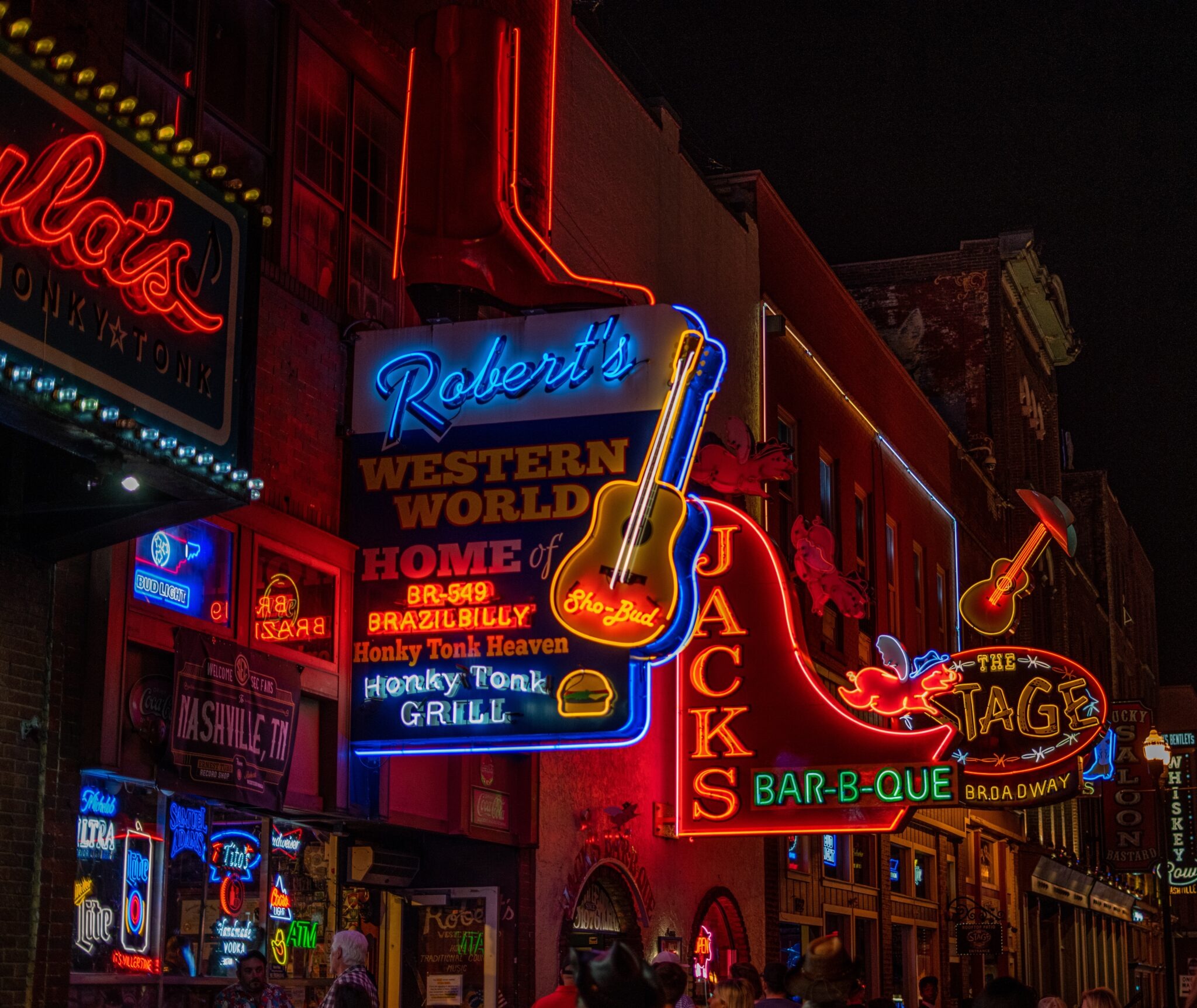 Nashville
 Palm Springs
 Savannah
 Scottsdale
 San Diego
 30A / Destin
 Cabana Boys
 Cocktail CowBoys
 Signature Party
 Brunch
 Game Night
 Cabana Glow
 Bagel Boys
 Party Bus
 Line Dancing
 Austin