🦈As Seen on Shark Tank 🦈 Book the Boys everyone is talking about • 🦈As Seen on Shark Tank 🦈 Book the Boys everyone is talking about • 🦈As Seen on Shark Tank 🦈 Book the Boys everyone is talking about • 🦈As Seen on Shark Tank 🦈 Book the Boys everyone is talking about • 🦈As Seen on Shark Tank 🦈 Book the Boys everyone is talking about • 🦈As Seen on Shark Tank 🦈 Book the Boys everyone is talking about • 🦈As Seen on Shark Tank 🦈 Book the Boys everyone is talking about • 🦈As Seen on Shark Tank 🦈 Book the Boys everyone is talking about • 🦈As Seen on Shark Tank 🦈 Book the Boys everyone is talking about • 🦈As Seen on Shark Tank 🦈 Book the Boys everyone is talking about • 🦈As Seen on Shark Tank 🦈 Book the Boys everyone is talking about • 🦈As Seen on Shark Tank 🦈 Book the Boys everyone is talking about • 🦈As Seen on Shark Tank 🦈 Book the Boys everyone is talking about • 🦈As Seen on Shark Tank 🦈 Book the Boys everyone is talking about • 🦈As Seen on Shark Tank 🦈 Book the Boys everyone is talking about • 🦈As Seen on Shark Tank 🦈 Book the Boys everyone is talking about •
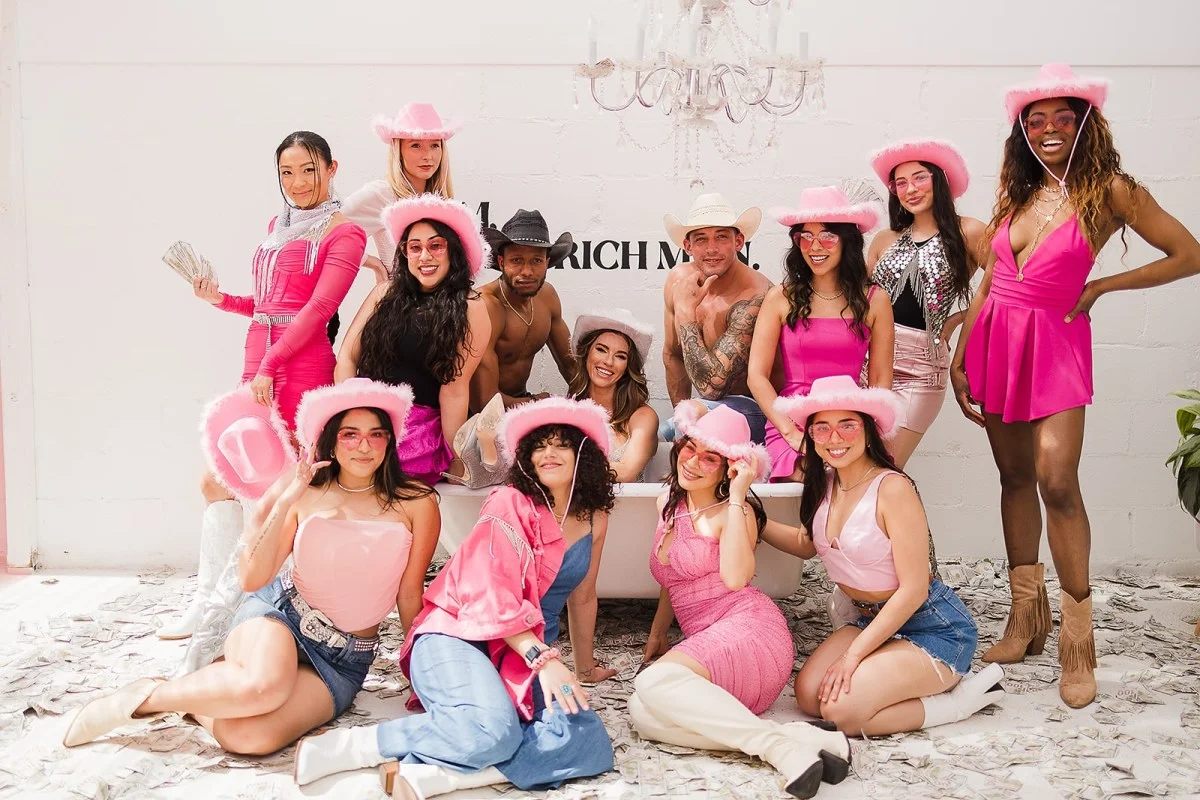
Hire the Cabana Boys to elevate your event with personalized party hosting and bartending services for 2-4 hours. These charming, vetted gentlemen will serve drinks, entertain, keep the area tidy, and make your event unforgettable, whether it’s a pool party, bachelorette, or themed event.
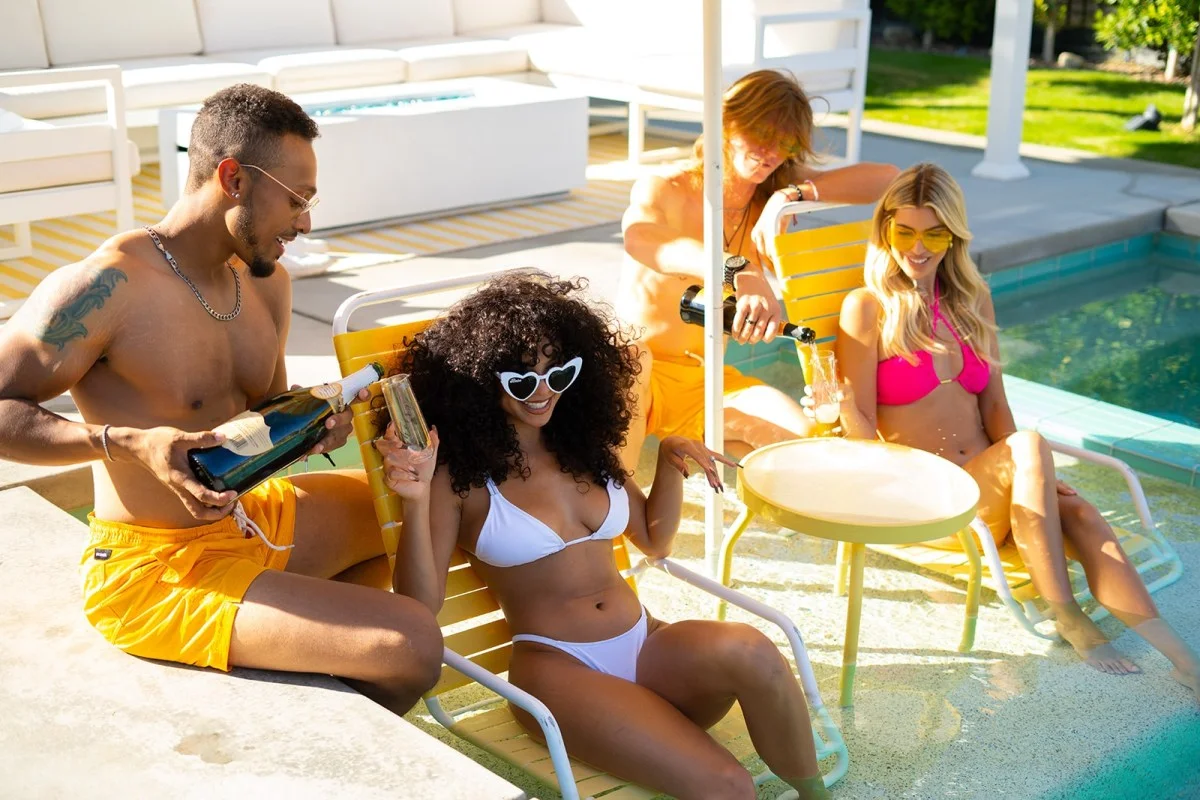
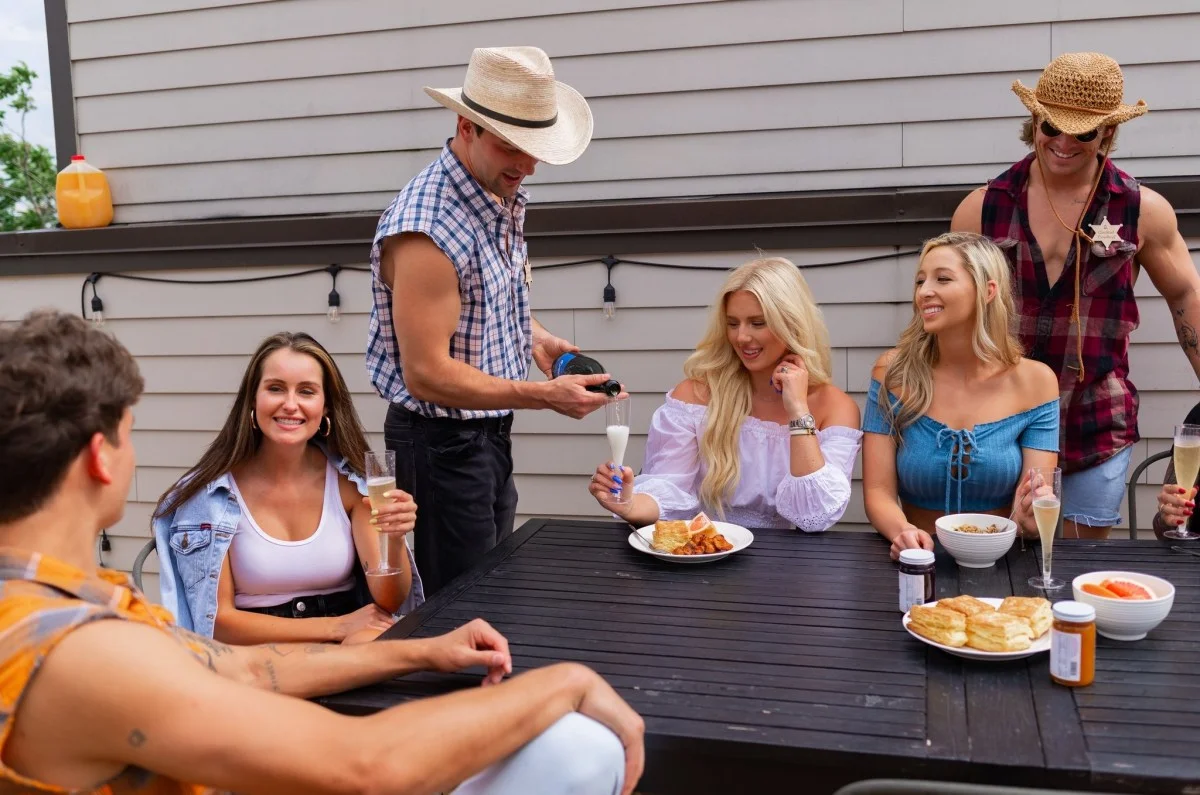
Gourmet brunch from local favorites, bottomless mimosas, music, and party games — hosted poolside by the Cabana Boys. The easiest, most-talked-about morning of the weekend.
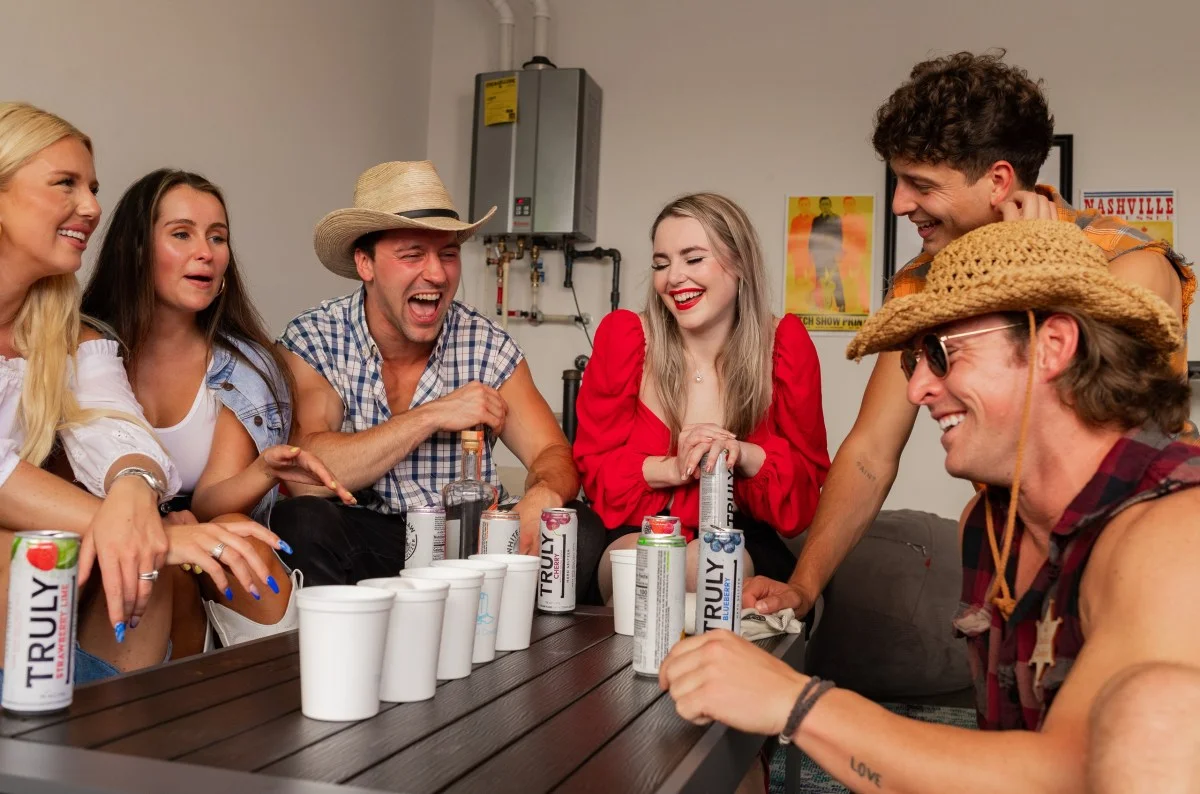
We bring tons of game ideas and supplies – bachelorette games, drinking games, signature games, fun icebreakers, music games, and more – that we will host at your Airbnb. We can also help facilitate any games that you have in mind. Think of us as game show hosts, but in a sexy pool boy kind of way.
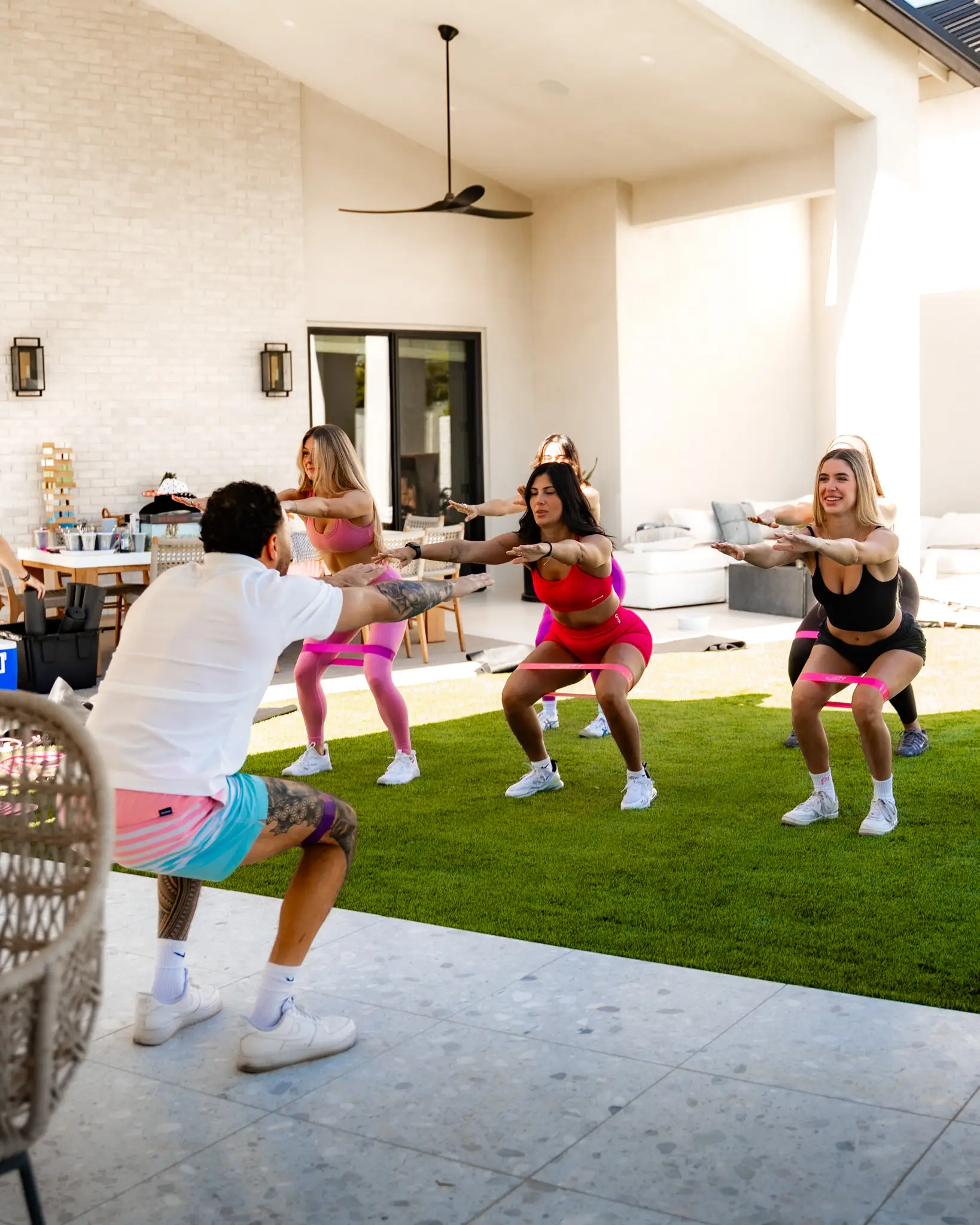
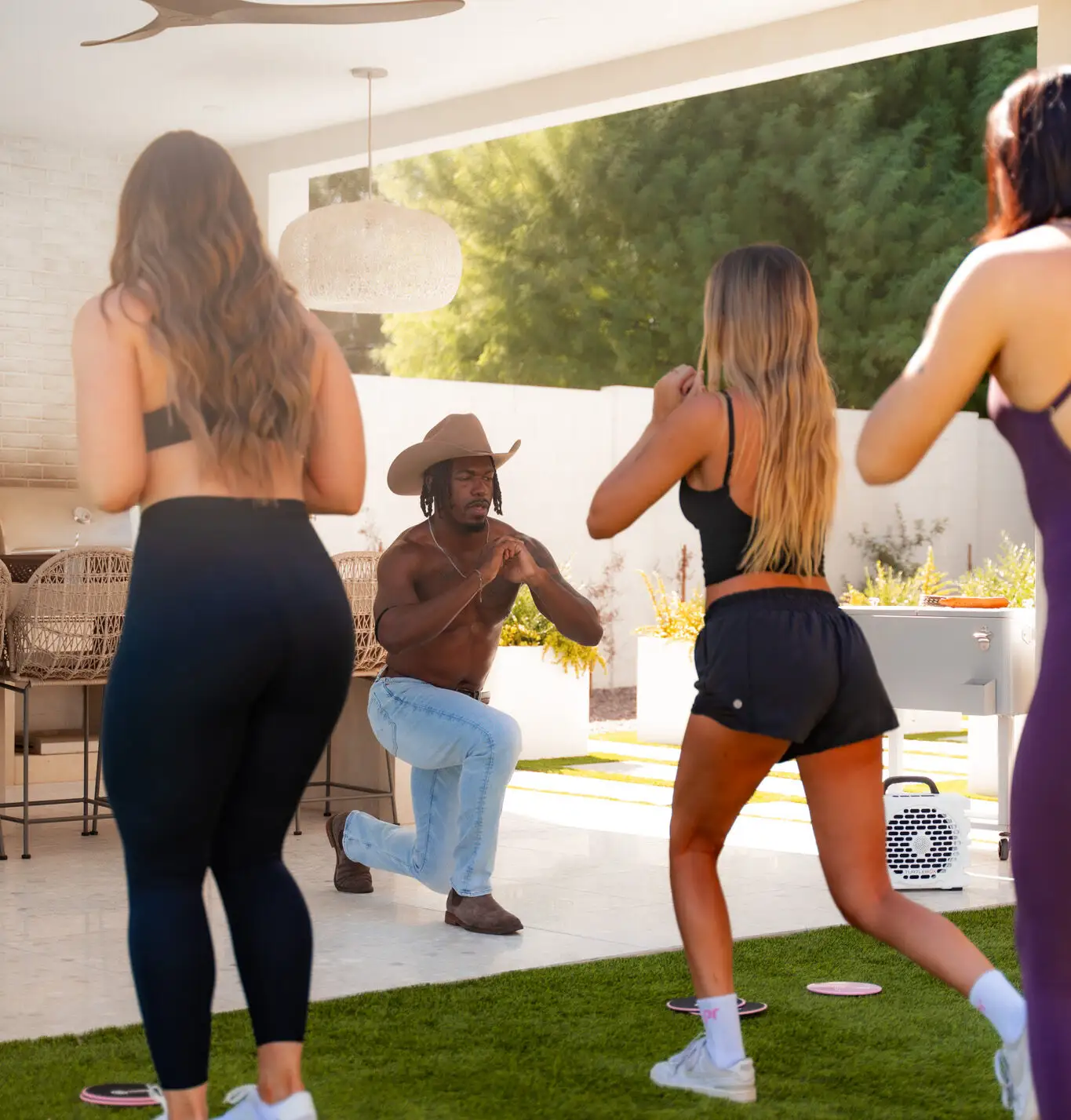
We’ll lead you through a fun, high-energy 45-minute workout with mats, bands, and sliders – then flip straight into party mode. Think of it as a fitness class that ends with your own private pool boy hosts keeping the vibe alive.
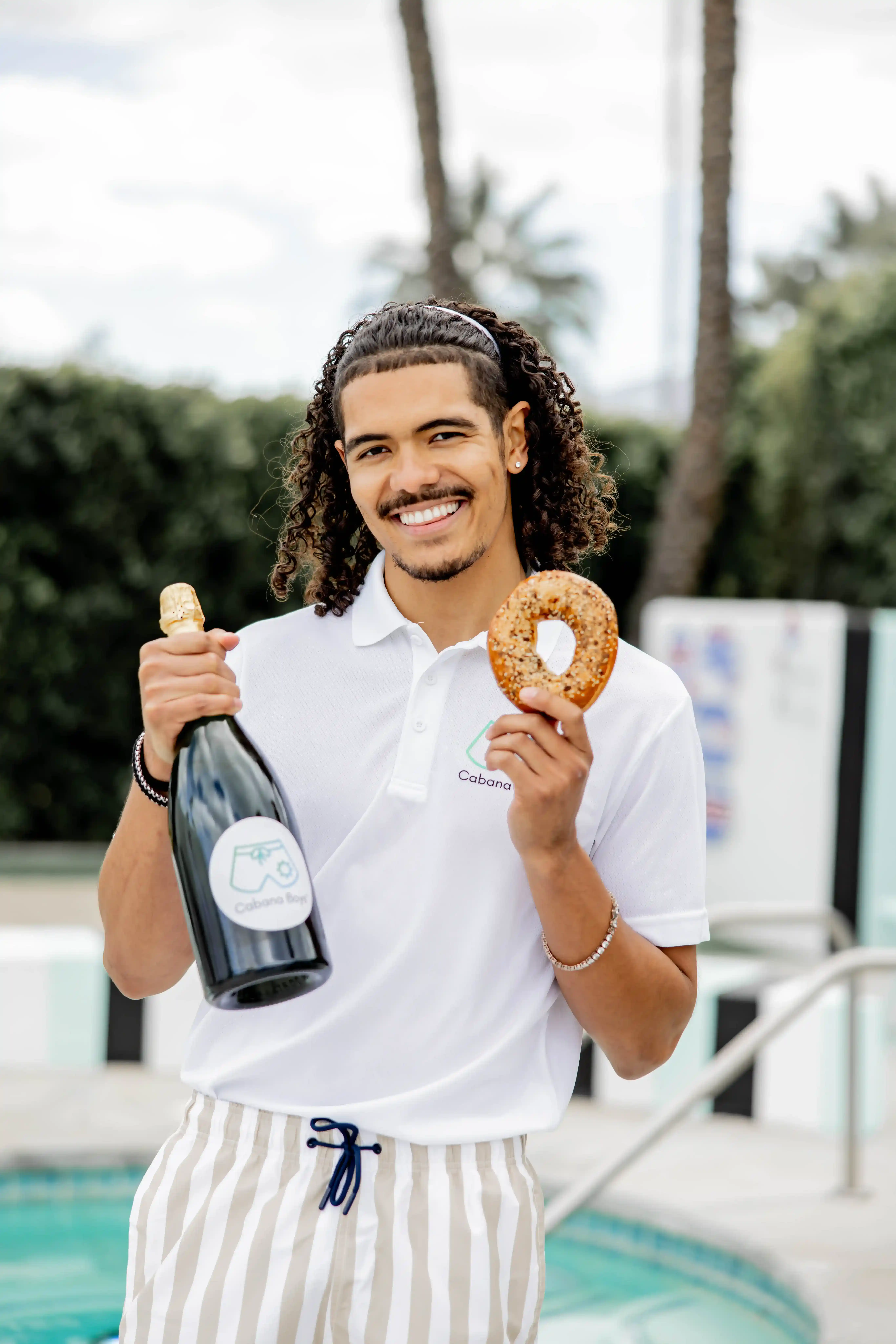
Kick off your morning with a visit from one of our hand-picked gentlemen who will set up a delicious spread with a dozen of gourmet assorted bagels, two tubs of delicious cream cheese, a large container of hot coffee, and a carafe of fresh orange juice.
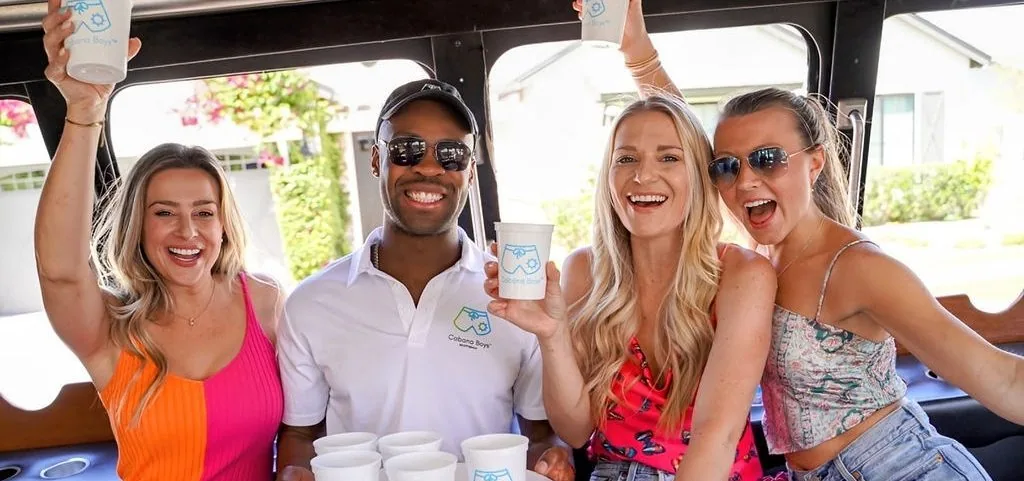
Hop on the luxurious, air conditioned party bus and we’ll cruise around Old Town, bumping music, dancing, drinking, and playing some signature games. We’ll make stops at our partner bars, where you’ll access some exclusive drink specials.
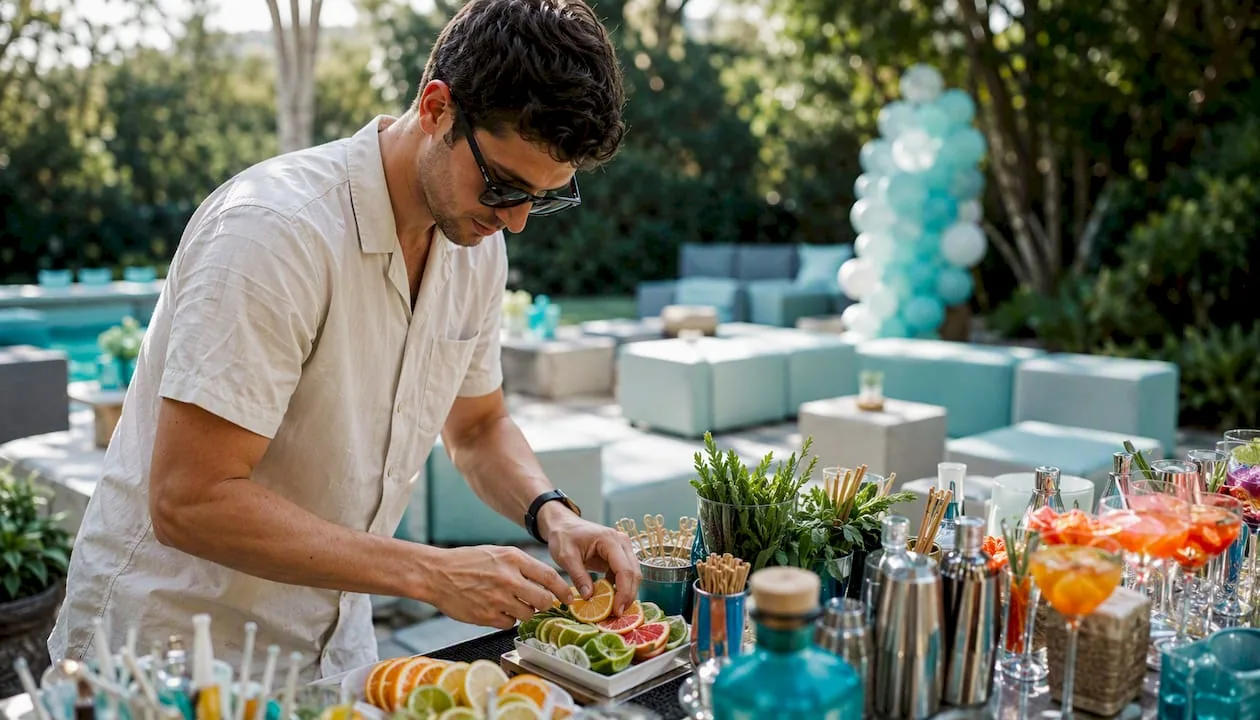
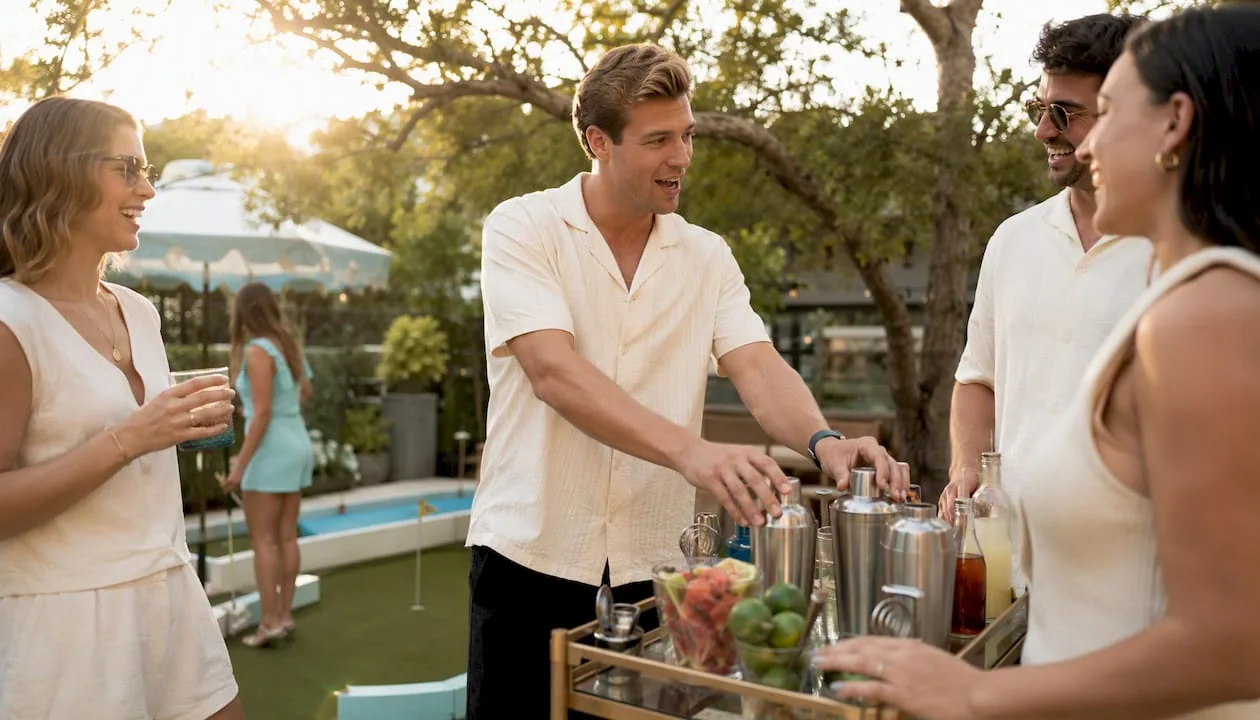
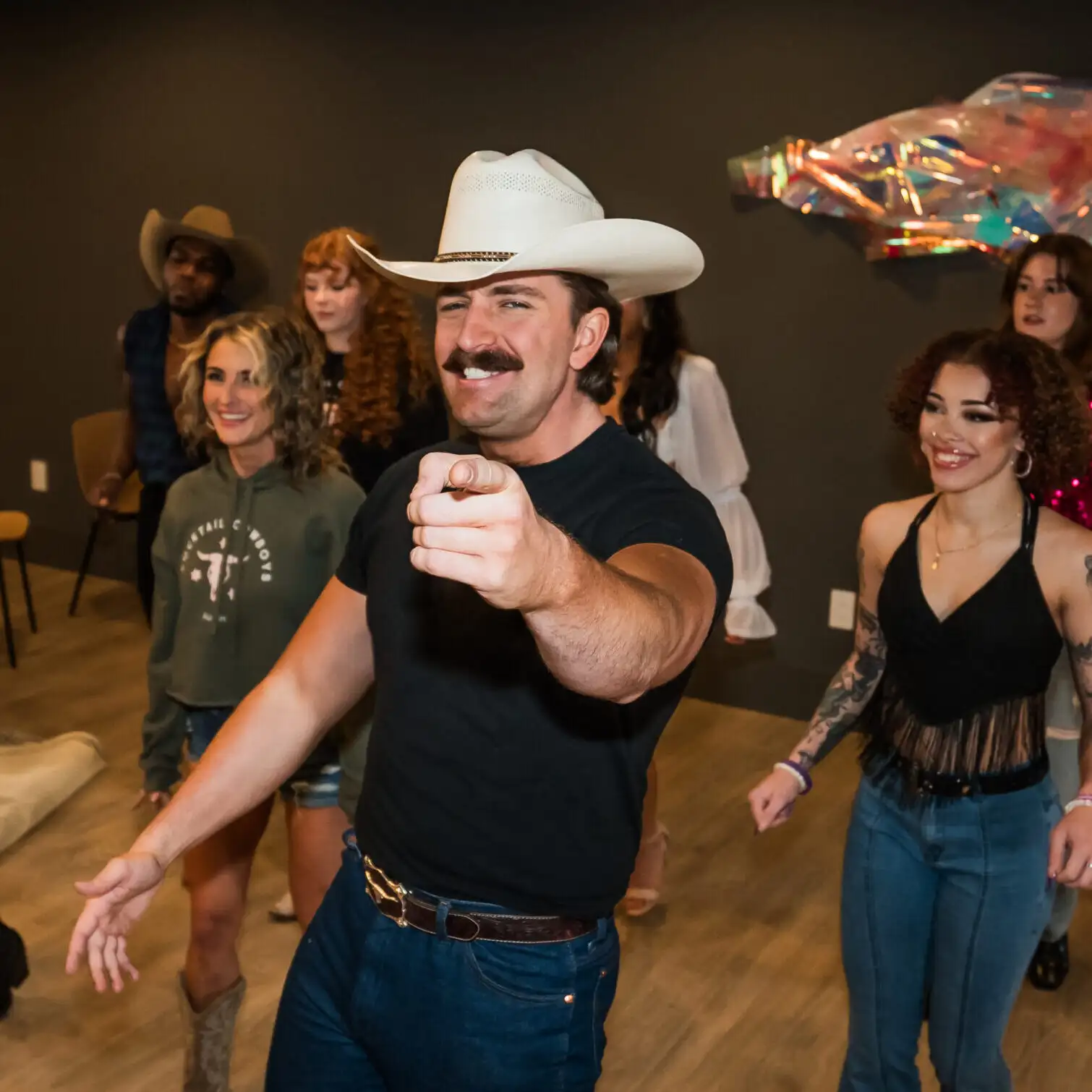
Our Cocktail CowBoys are at your service — we’ll serve you drinks and refreshments, take pictures (or pose with you), be Spotify DJs, help with party/drinking games, keep the party area tidy, keep you company and take out the trash when we leave.
Two Cocktail CowBoys will deliver brunch for you and your crew and get you back into celebration mode. They’ll set up breakfast for you, pour mimosas, turn on some tunes, host some party games, help you nurse your hangover, and keep the party area clean.
Take a break from the bars and get ready for the perfect night in with your gals… a Cocktail CowBoys game night! We bring tons of game ideas and supplies – bachelorette games, drinking games, signature games, fun icebreakers, music games, and more!
A honky-tonk adventure with cowboy charm, dancing, and unforgettable memories. Your personal party crew for a wild night of bars, boots, and Broadway debauchery.
Kick off your day with a 45-minute cowboy-led workout, then roll right into an hour of games, drinks, and hosting. Think of it as fitness meets Western hospitality — charming, playful, and unforgettable.
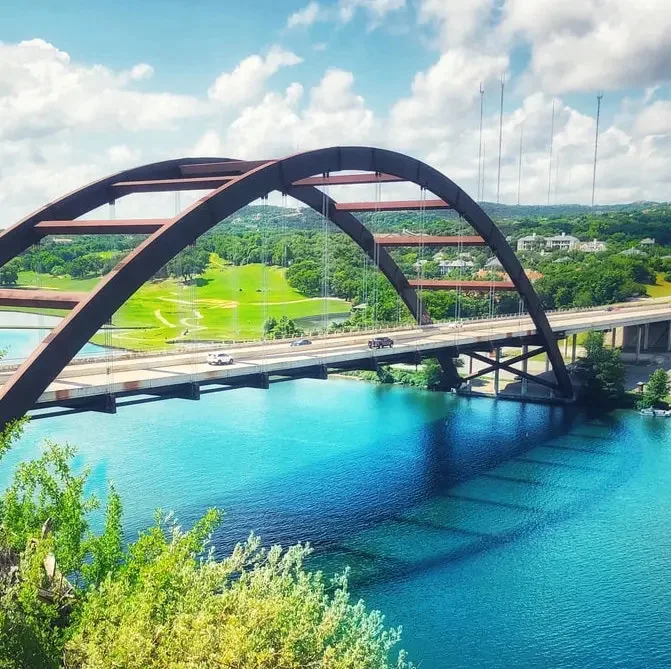
Grab your boots and head to the ultimate spot for unforgettable parties, legendary food, and live music that never stops. Saddle up for an epic Austin weekend!
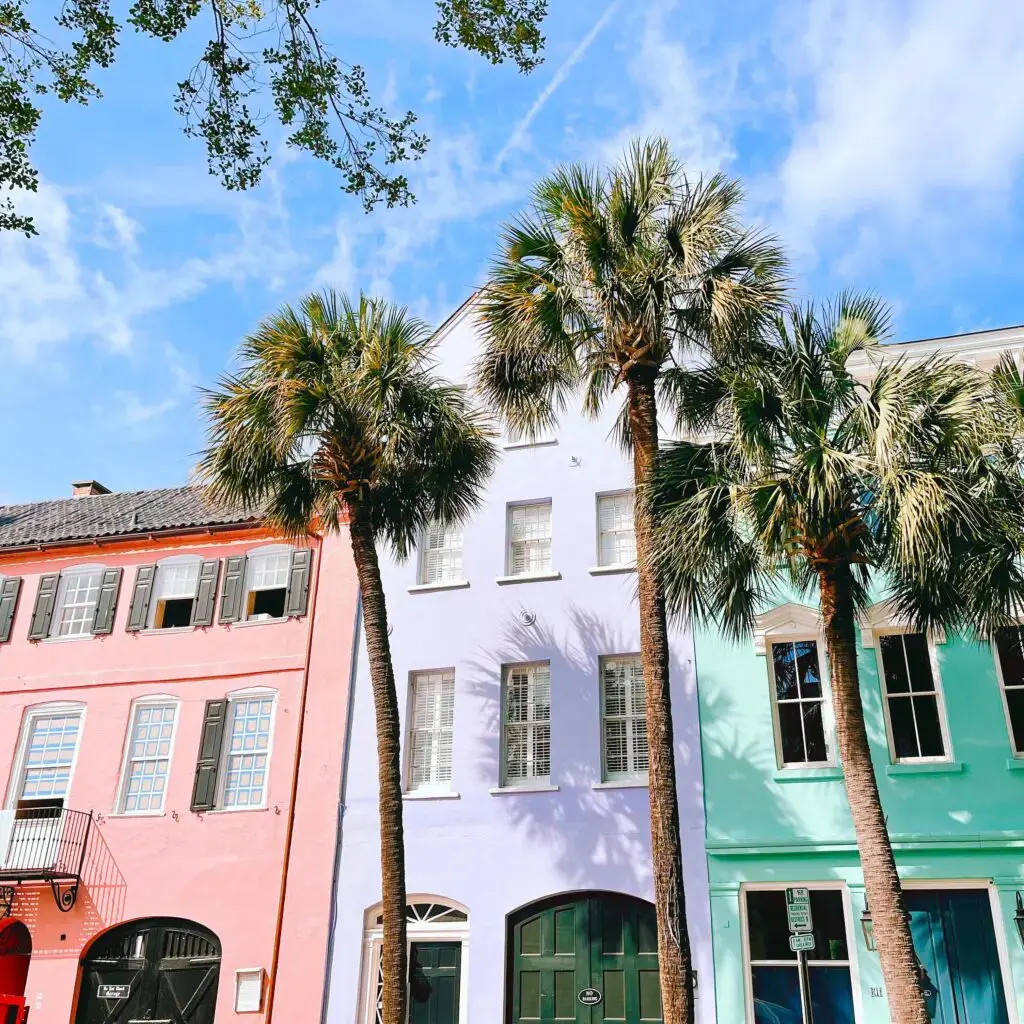
With cobblestone streets, pastel sunsets, and rooftop bars, Charleston has hospitality around every corner. Charm, style, and just the right amount of mischief.
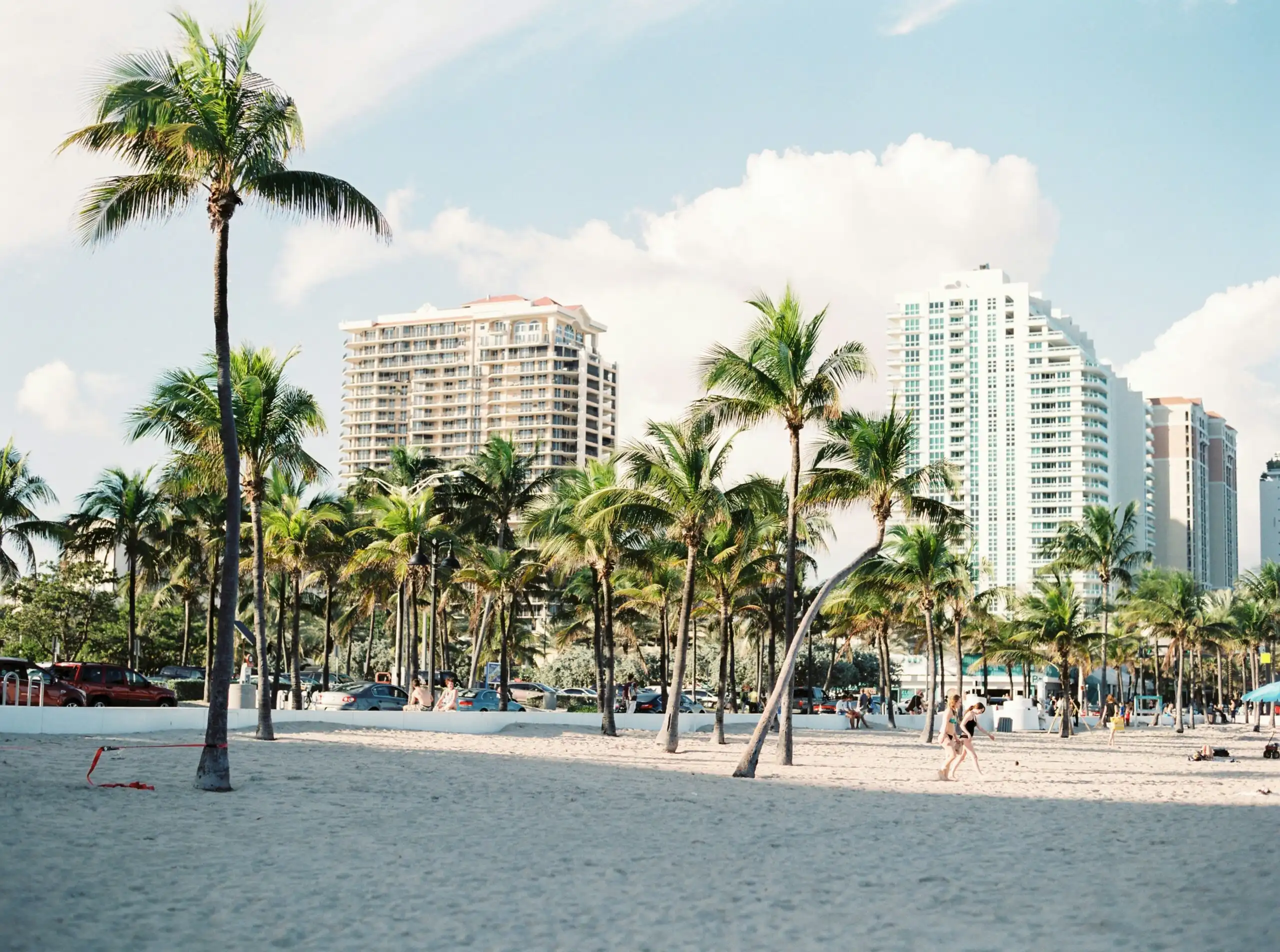
Sun, skin, and serious vibes—Miami and Fort Lauderdale are built for bold, unforgettable weekends. From pool parties to rooftop hangs, South Florida brings the heat.
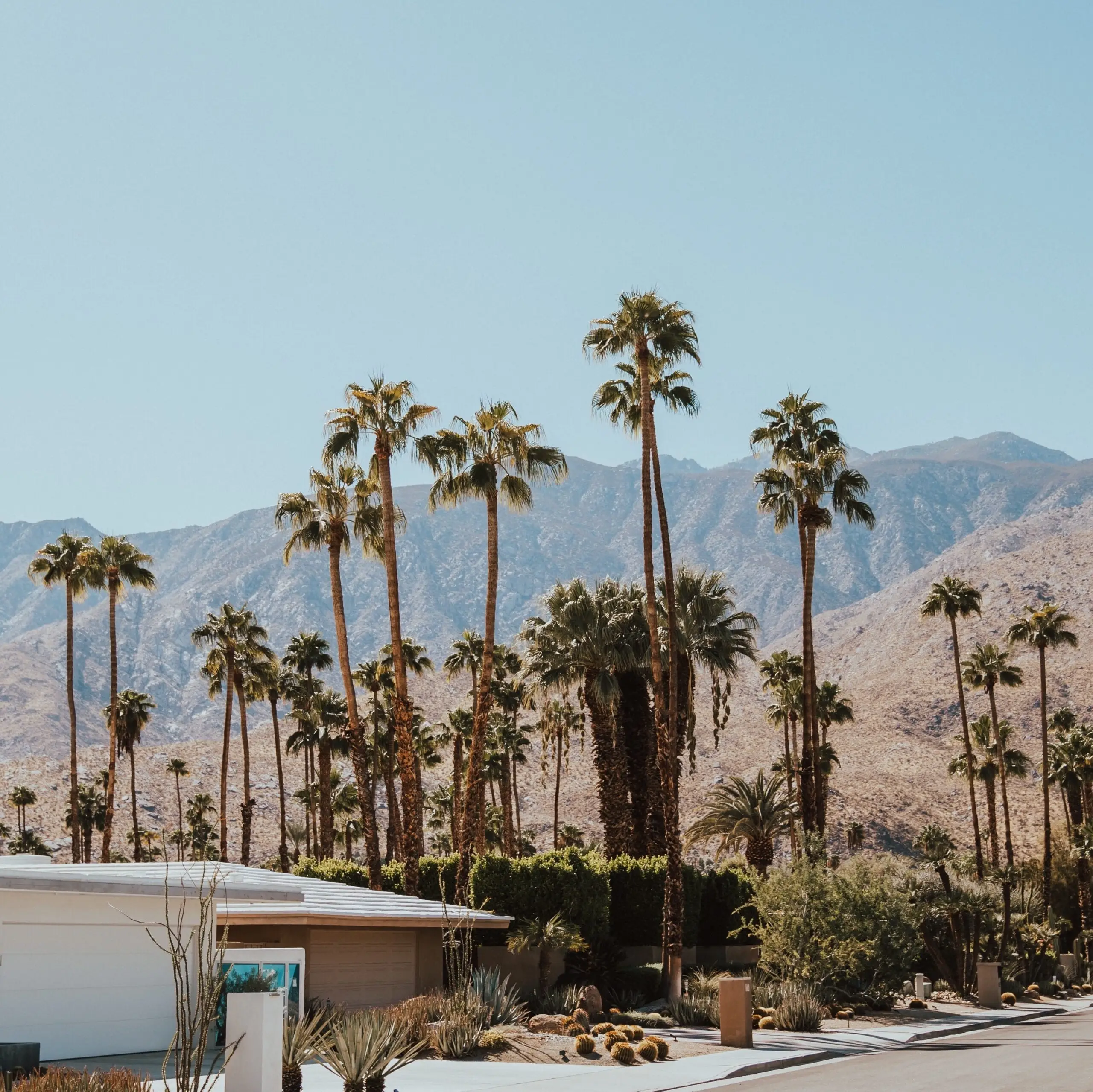
With mid-century charm, desert sun, and iconic poolside vibes, Palm Springs is the ultimate escape for unforgettable weekends and inclusive celebrations.
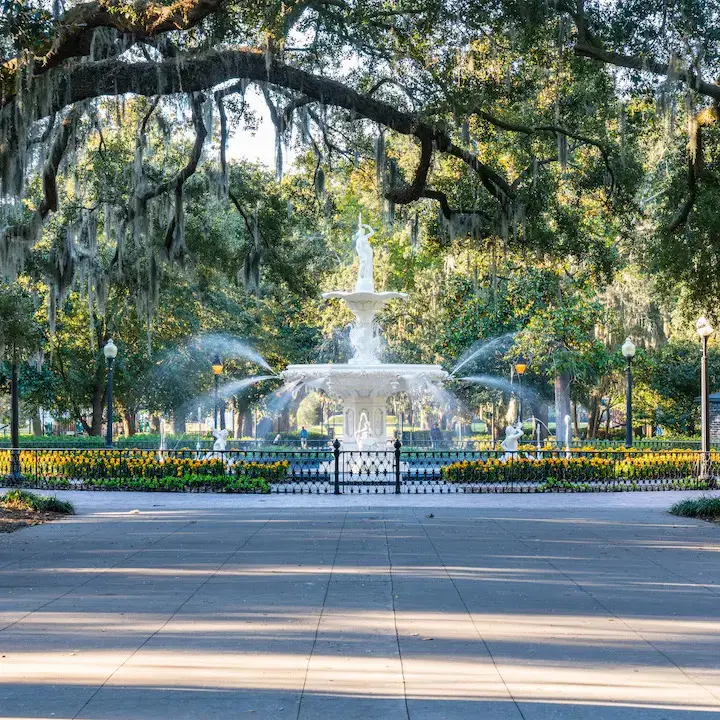
From cobblestone streets to coastal retreats, Savannah is the perfect place to sip, celebrate, and let loose. Open container laws make this one true party town.
Planning a bachelorette party in Scottsdale? Cabana Boys is the #1 rated activity in town – charismatic hosts, poolside vibes, and memories the bride won’t stop talking about.
With mid-century charm, desert sun, and iconic poolside vibes, Palm Springs is the ultimate escape for unforgettable weekends and inclusive celebrations.
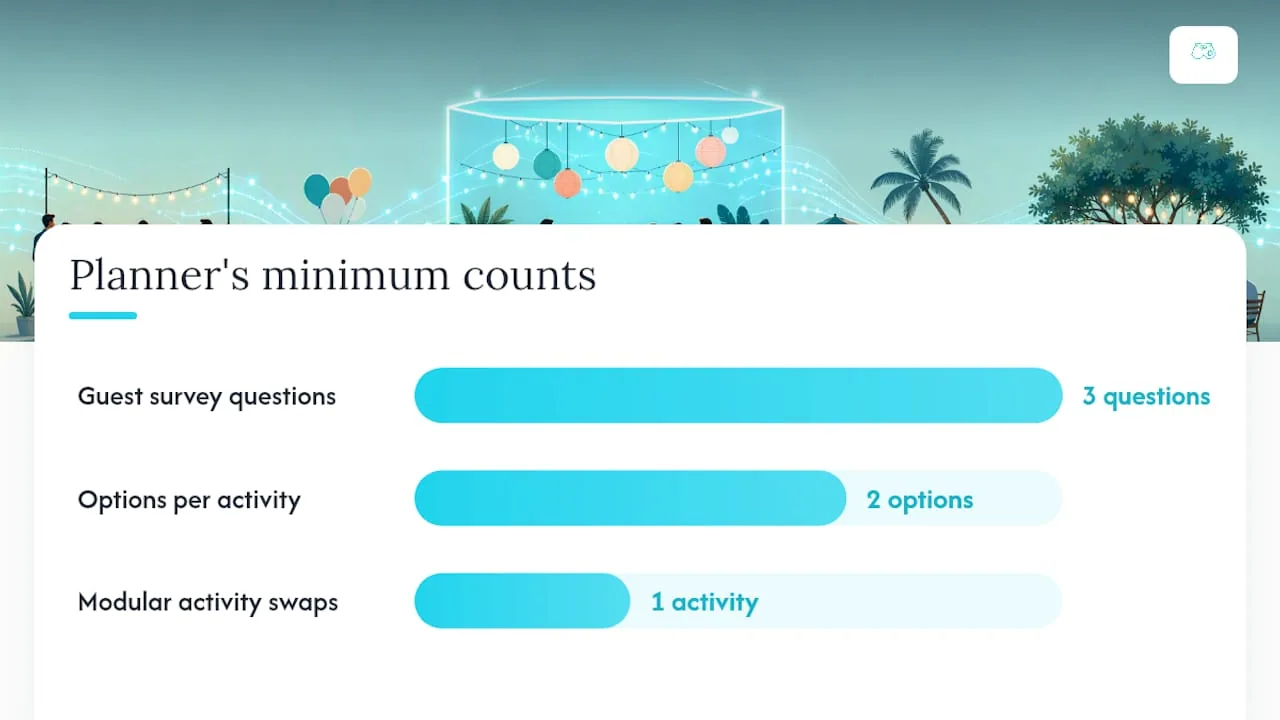
Generic parties fail because they ignore the single most important variable in event design: who is actually in the room. Start by running a three-question guest survey before you finalize anything. Then build at least one modular activity swap into your agenda so you can pivot on the day without rebuilding the whole plan.
Two quick actions you can take right now:
Run a 3-question guest map. Ask invitees about dietary needs, activity preferences, and energy level (low-key vs. high-energy). Three questions take under two minutes to answer and give you the data to segment your plan.
Pick one modular activity. Replace one fixed-format activity with two options guests can self-select. Cabana Boys, Cocktail CowBoys and Cocktail Boys, for example, offer hosts who can shift between cocktail facilitation, party games, and line dancing lessons based on real-time guest energy, rather than running a locked script.
Research on organizational failure backs this up. When Parties Fail shows that adaptability and audience-rooted design predict survival, while rigid structures accelerate decline. The same logic applies to events.
Key Takeaways
Generic parties fail because they ignore guest diversity, and the fix is modular design built on early guest data, not a bigger budget.
Point
Details
Guest mapping comes first
A 3-question survey covering dietary needs, activity energy level, and event expectations provides the data to segment your plan before any vendor is locked.
Modular agendas prevent dead zones
Build two activity options per time block so guests self-select and hosts can pivot without rebuilding the whole plan.
Consistency across signals matters
Mixed signals between invite and on-site execution erode perceived fit and reduce satisfaction, per ambiguity research.
Spend on hosts and food stations
High-impact personalization lives in staffing and segmented menus, not printed programs or duplicate entertainment.
Cabana Boys, Cocktail CowBoys, and Cocktail Boys
Party Host Boys hosts flex format and pacing in real time, translating your guest map into a tailored experience on the day.
Generic party planning fails in predictable, diagnosable ways. Recognizing these failure modes before the event is the fastest way to avoid them.
Audience mismatch. A bachelorette group where half the guests are sober, pregnant, or simply not into bar-crawl culture will disengage the moment the plan assumes everyone drinks. One format excludes a real segment of the room.
Flattened pacing. A two-hour block of the same activity, whether it is a DJ set, a trivia game, or a buffet, creates energy dead zones. Guests check their phones. Conversations stall.
Single-menu catering. One food station with no labeled allergen alternatives forces guests with dietary restrictions to either eat something risky or go hungry. Neither outcome is forgettable in a good way.
Entertainment that excludes subgroups. A high-intensity dance competition works for some guests and alienates others. When there is no alternative, the excluded guests become spectators, then early departures.
Unclear flow. No printed or communicated agenda means guests do not know what is coming next. Lulls between activities feel like the event is falling apart, even when the next segment is only five minutes away.
Watch for these signals during planning: RSVPs that include unsolicited notes about dietary needs or mobility, a guest list spanning more than a 15-year age range, or a group with mixed drinking preferences. On the day, watch for guests clustering near exits, side conversations that drown out the main activity, or a buffet line that stalls because people cannot identify what is safe to eat.
Why personalization actually works (the behavioral evidence)
The psychology here is straightforward. When an offering feels like it was designed for you specifically, your perceived fit with that experience goes up, and so does your engagement. When it feels generic, you mentally opt out, even if you stay physically present.
Research on broad-appeal strategies in political organizations offers a useful analogy. A study across nine Western European democracies found that tailored appeals raising perceived ideological closeness drove measurable gains in support, while undifferentiated broad appeals did not. Translated to events: guests who feel the experience was designed with them in mind participate more, stay longer, and leave with better memories.
The flip side is equally well-documented. Research on catch-all strategies shows that centering approaches can produce short-term wins but erode core engagement over time, because they sacrifice the identity signals that make an audience feel seen. At a party, that looks like a theme so vague it resonates with no one, or a playlist so inoffensive it excites nobody.
Consistency matters just as much as variety. Research on ambiguity and internal unity finds that mixed signals undermine perceived fit fast. An elegant invitation followed by a chaotic, under-staffed venue tells guests the experience was not thought through for them. That gap between promise and execution is one of the most common reasons parties fail to land.
Stat to know: Cross-national analysis across 17 democracies confirms that audience-rooted design predicts organizational survival, while structures disconnected from their base decline regardless of other strengths.
How to personalize your event: a step-by-step checklist
Follow this sequence from first invite to event wrap. Each step builds on the one before it.
Send a 3-question guest survey with your invitation. Ask: dietary restrictions or allergies, preferred activity energy (chill vs. active), and one thing they are hoping to experience. Use Google Forms or a simple RSVP add-on.
Segment your guest map. Group responses into two or three cohorts: high-energy guests, low-key guests, and guests with specific dietary or mobility needs. You do not need perfect data, just enough to spot the dominant split.
Build a modular agenda. For each time block, plan two activity options rather than one. Guests self-select, or your host reads the room and pivots. Tailoring entertainment to guest preferences is far easier when the agenda has built-in branches.
Segment the menu. Label everything. Offer at least one sober-friendly drink station alongside any alcohol. Separate allergen-sensitive items physically, not just with a tent card.
Brief your host or staff. Share the guest map summary with whoever is running the event. Cabana Boys, Cocktail CowBoys and Cocktail Boys hosts use this kind of pre-event brief to flex between cocktail service, game facilitation, and pacing adjustments in real time, without the planner having to manage it on the day.
Build a contingency. Identify one activity that can be cut or extended without breaking the flow. Weather, late arrivals, and energy shifts are predictable disruptions. Having a pre-planned response means you adapt instead of scramble.
Pro Tip:Send the guest survey no later than three weeks before the event. Responses collected inside two weeks are incomplete, and you will not have time to act on late dietary flags before you finalize catering orders.
Audience: A mix of high-energy friends and lower-key guests, likely including sober or pregnant attendees.
Timeline: 90-minute arrival and cocktail hour (mocktail station runs parallel), 45-minute facilitated games block with two difficulty tracks, 60-minute dinner with labeled stations, 30-minute open dance or chill lounge split.
Modular swap: Replace a single group game with two simultaneous options: a trivia round for seated guests and a physical challenge for active ones.
Menu note: Sparkling water bar with garnishes costs almost nothing and signals inclusion immediately.
Audience: Kids, parents, and grandparents sharing the same space.
Timeline: 30-minute arrival and free play, 45-minute structured activity (split by age group), 45-minute food and cake, 30-minute open time.
Modular swap: Set up a low-sensory quiet zone with seating and coloring materials for kids or adults who need a break from noise.
Menu note: Label every dish. Offer one nut-free, one gluten-free, and one dairy-free option visibly.
Adults-only cocktail social (15–30 guests, evening)
Audience: Adult professionals, likely with varied drinking preferences.
Timeline: 45-minute cocktail facilitation with a Cocktail Boys or Cocktail CowBoys host, 30-minute guided tasting or mixology demo, 45-minute open social with curated playlist.
Modular swap: A zero-proof cocktail menu runs the entire evening, not just as an afterthought.
Brand proof point: Party Host Boys has experience adjusting event activities in various US party destinations based on real-time guest energy, which keeps the flow tight without the planner micromanaging the room.
Where to spend and where to save on personalization
Not every personalization move costs the same, and not all of them deliver equal value.
High-impact, worth the spend:
Segmented food and drink stations (guests notice immediately)
A skilled host who can read and adapt to the room in real time
Pre-event guest survey (free, but requires planning lead time)
Low-cost, high-perceived-value:
Labeled menus and allergen cards (printing cost only)
A curated Spotify playlist built around the guest cohort’s preferences
Elaborate centerpieces that do not interact with the experience
Duplicate entertainment formats (two DJs, two photo booths)
Timeline rules: Lock in menus, permits, and vendor bookings at least four weeks out. Activity choices, playlists, and minor decor swaps can stay flexible up to one week before. That split keeps your personalization options open without creating last-minute cost overruns.
Pro Tip:Reallocate the budget you save on printed programs toward one additional food station or a longer host booking window. Guests remember what they ate and how they were treated, not what they read.
Logistics, inclusivity, and safety: what to check before the day
Personalization creates access problems if you do not plan for them. Work through this checklist before you finalize any vendor or venue contract.
Dietary labeling: Every dish labeled with the top eight allergens. Physical separation for nut-free items.
Accessible routes: Confirm wheelchair access from parking to every activity zone. Check restroom accessibility.
Capacity and crowd flow: Know the venue’s legal capacity. Plan for natural choke points (buffet lines, bar areas) and add a second service point if needed.
Liability and insurance: For events serving alcohol in the US, check whether your venue carries host liquor liability coverage or whether you need a separate event insurance policy. Requirements vary by state.
Staff briefings: Every host and vendor gets the guest map summary. Customer service in hospitality research consistently shows that staff who know the guest profile deliver measurably better experiences than those working blind.
Quiet space: Designate one low-stimulation area for guests who need a break. A chair, low lighting, and a sign is enough.
RSVP accessibility field: Add one line to your RSVP form: “Any accessibility needs we should know about?” Collecting this data at invite stage eliminates last-minute scrambling.
What running tailored events actually teaches you
The most consistent lesson from running personalized events is that the gap between a good party and a forgettable one is almost never the budget. It is the gap between what the planner assumed guests wanted and what guests actually needed.
Research on selective perception in organizational behavior shows that missing audience signals and repeating the same structural choices is a reliable path to repeated failure. Planners who skip the guest survey and run the same format every time are not being efficient. They are accumulating blind spots.
The wins come from small, specific reads. A host who notices three guests sitting out the dance segment and pivots to a seated trivia round recovers the room. A sober-friendly drink station that gets photographed and posted signals to every future guest that the event was designed for them. Specialty hosts who adapt pacing in real time are not a luxury. They are the mechanism by which personalization actually executes.
Party Host Boys has been recognized in the New York Times and featured on Shark Tank, not because the concept is novel, but because the execution is consistent. Charismatic hosts who read the room, flex the format, and keep energy high across a diverse guest mix are what the research on tailored event success points toward as the highest-leverage variable in guest satisfaction.
Party Host Boys turns your guest map into a real event
Cabana Boys, Cocktail CowBoys, and Cocktail Boys give you hosts who arrive with the guest brief already in hand and adapt the format, pacing, and energy in real time so you are not managing the room yourself. Sober-friendly drink service, modular game facilitation, Spotify DJ sets, line dancing, and light cleanup are all built into the booking. No locked script, no one-size format.
Featured on Shark Tank and the New York Times, Party Host Boys is the #1 bachelorette experience across top US party destinations. Book your experience and tell the team your guest mix when you reach out. They will match the right host format to your group before the day arrives.
Sources
When Parties Fail | Princeton University Press
Broad-appeal strategies and vote gains — American Journal of Political Science (Wiley)
Why catch-all strategies can backfire — SAGE Journals
For practical templates and hands-on help building a personalized event, contact Party Host Boys directly at Partyhostboys.



 Austin
 Charleston
 Los Angeles & Orange County
 Miami
Miami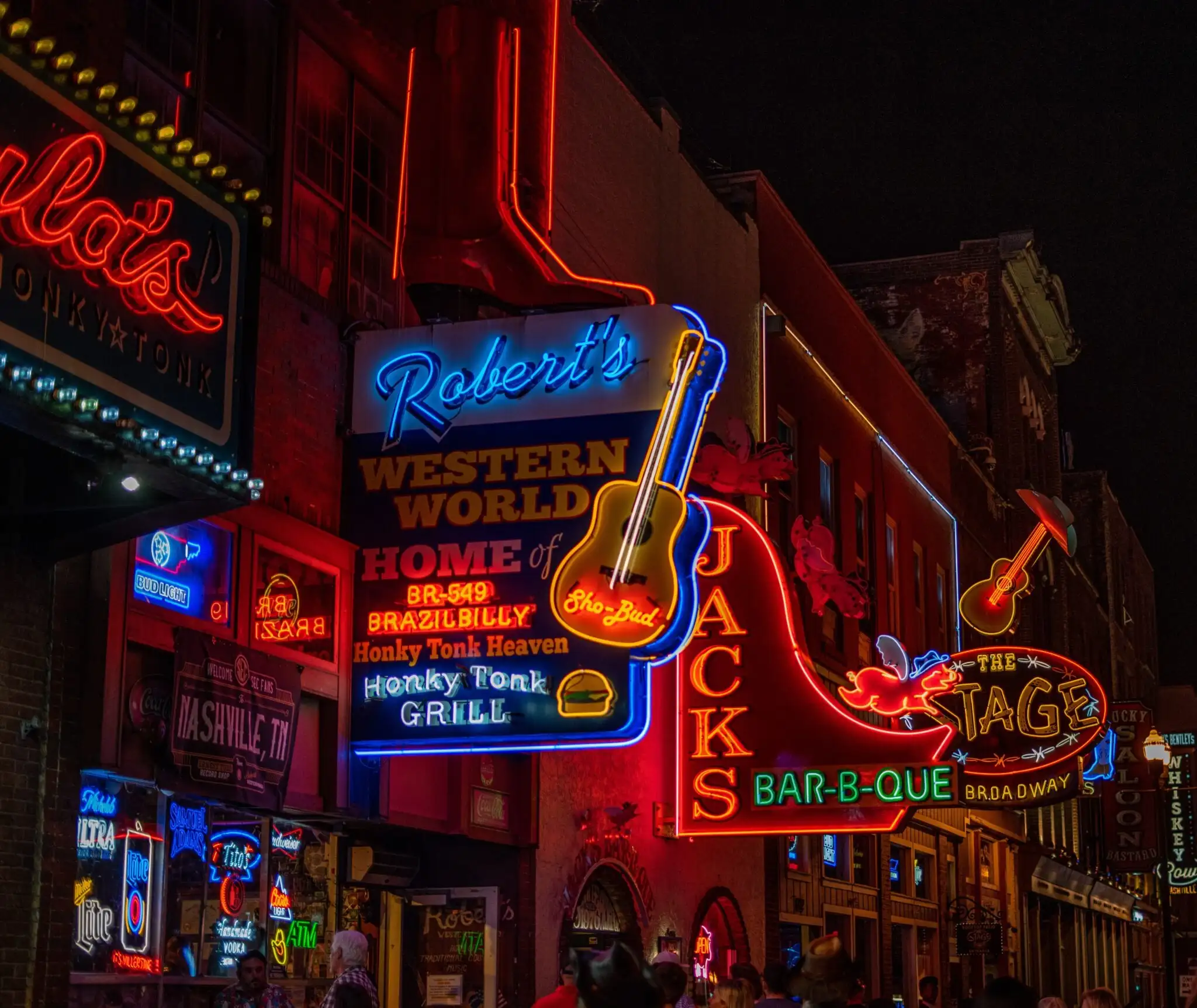 Nashville
 Palm Springs
 Savannah
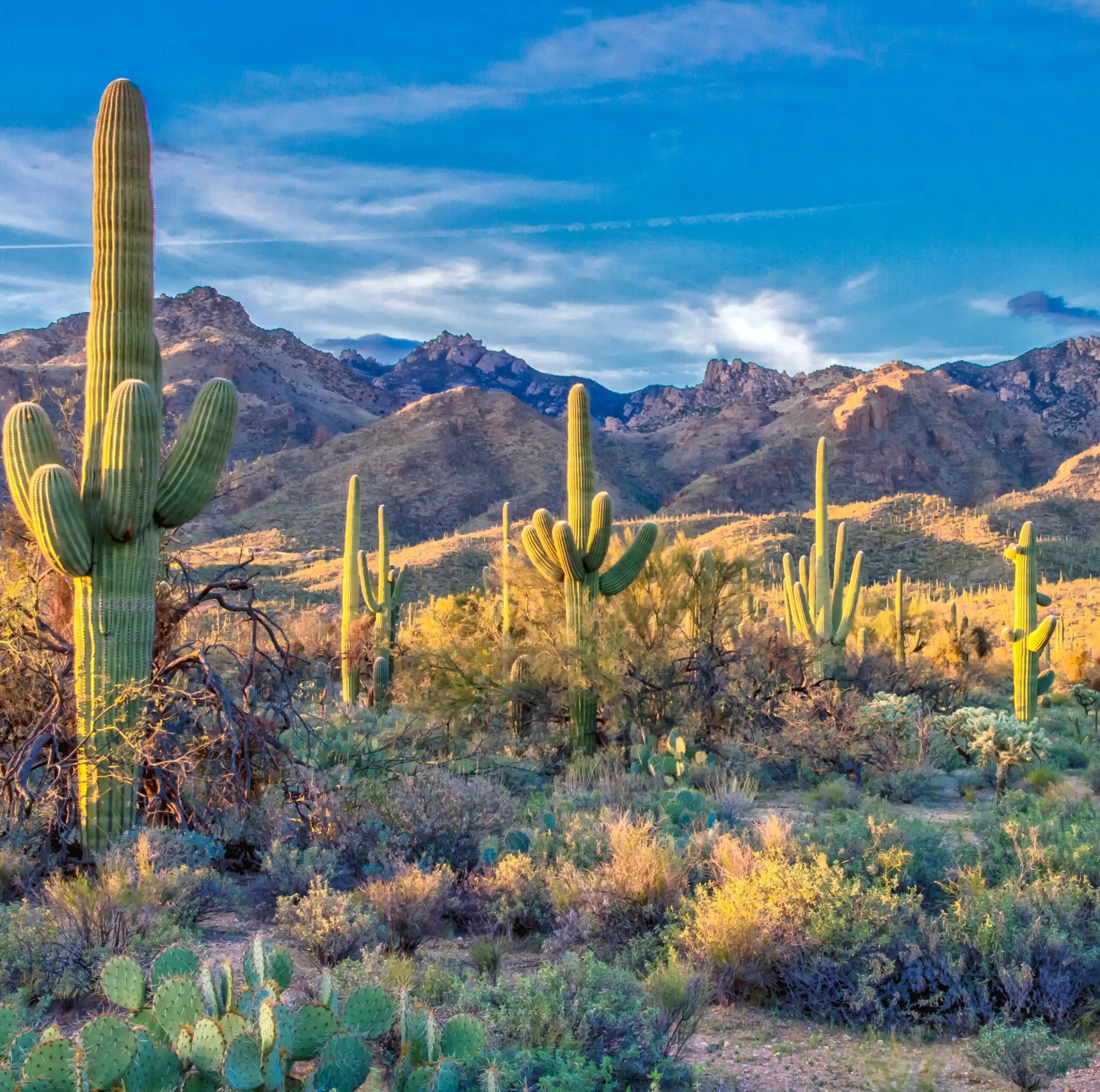 Scottsdale
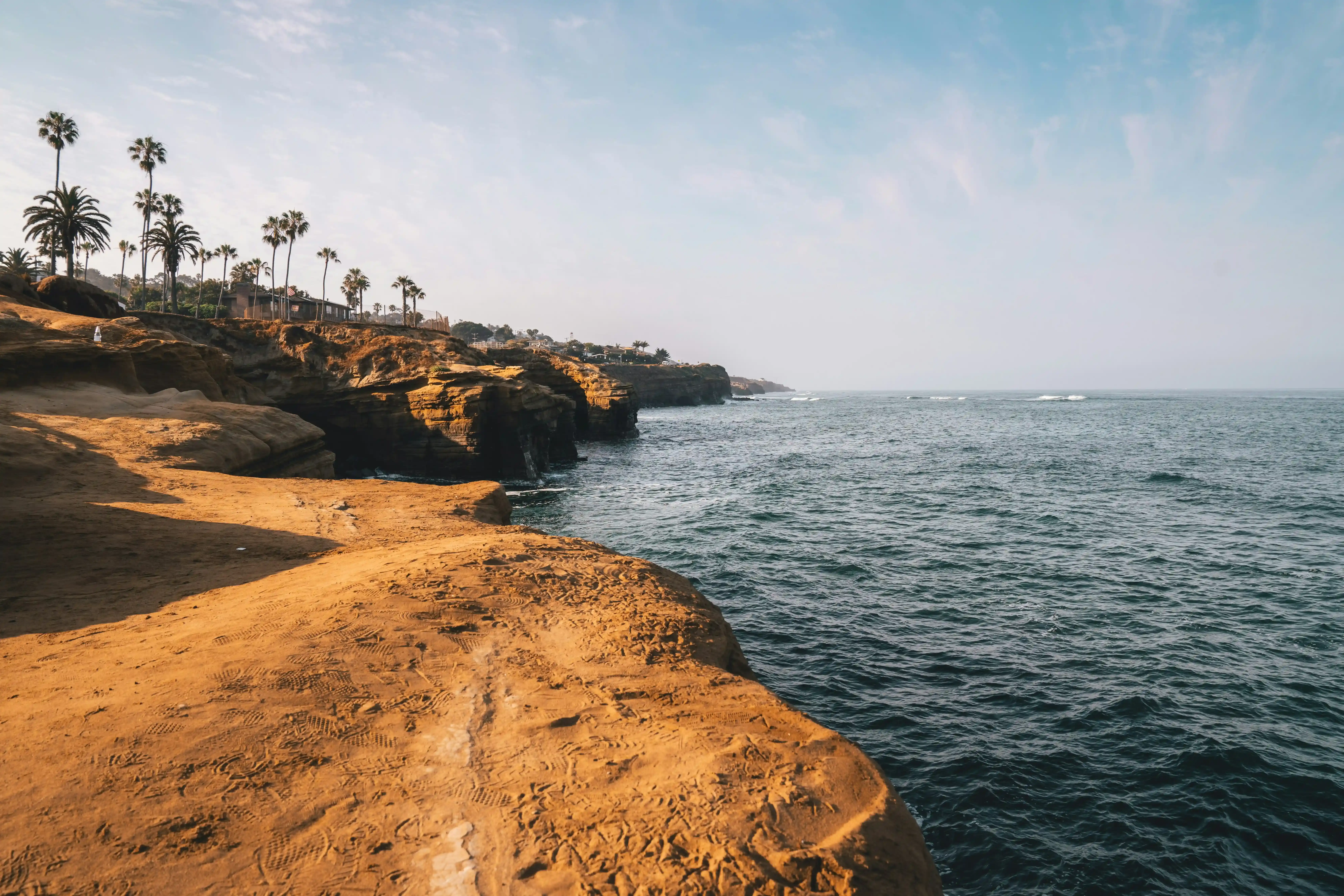 San Diego
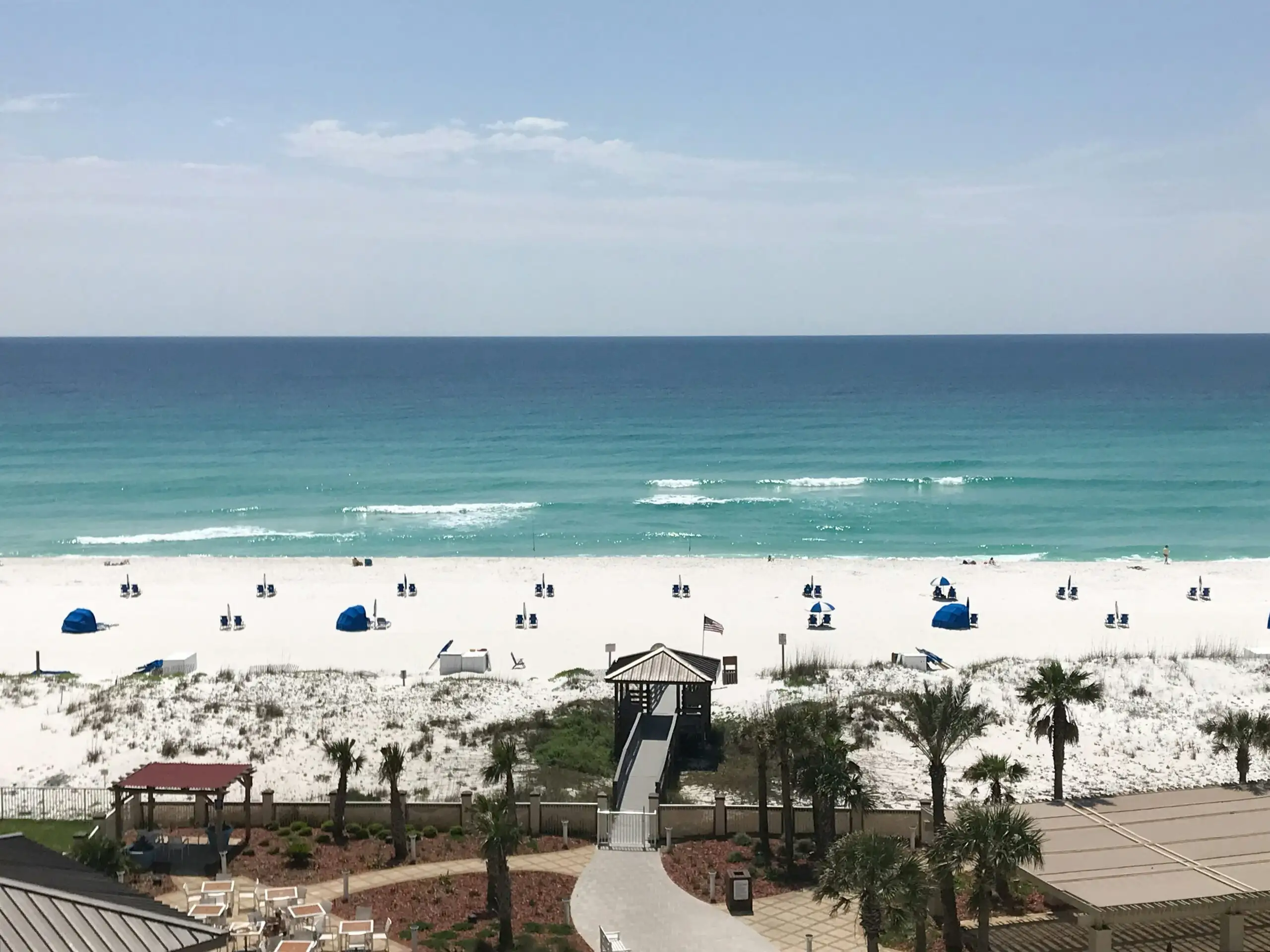 30A / Destin
 Cabana Boys
 Cocktail CowBoys
 Signature Party
 Brunch
 Game Night
 Cabana Glow
 Bagel Boys
 Party Bus
 Line Dancing
 Austin