🦈As Seen on Shark Tank 🦈 Book the Boys everyone is talking about • 🦈As Seen on Shark Tank 🦈 Book the Boys everyone is talking about • 🦈As Seen on Shark Tank 🦈 Book the Boys everyone is talking about • 🦈As Seen on Shark Tank 🦈 Book the Boys everyone is talking about • 🦈As Seen on Shark Tank 🦈 Book the Boys everyone is talking about • 🦈As Seen on Shark Tank 🦈 Book the Boys everyone is talking about • 🦈As Seen on Shark Tank 🦈 Book the Boys everyone is talking about • 🦈As Seen on Shark Tank 🦈 Book the Boys everyone is talking about • 🦈As Seen on Shark Tank 🦈 Book the Boys everyone is talking about • 🦈As Seen on Shark Tank 🦈 Book the Boys everyone is talking about • 🦈As Seen on Shark Tank 🦈 Book the Boys everyone is talking about • 🦈As Seen on Shark Tank 🦈 Book the Boys everyone is talking about • 🦈As Seen on Shark Tank 🦈 Book the Boys everyone is talking about • 🦈As Seen on Shark Tank 🦈 Book the Boys everyone is talking about • 🦈As Seen on Shark Tank 🦈 Book the Boys everyone is talking about • 🦈As Seen on Shark Tank 🦈 Book the Boys everyone is talking about •
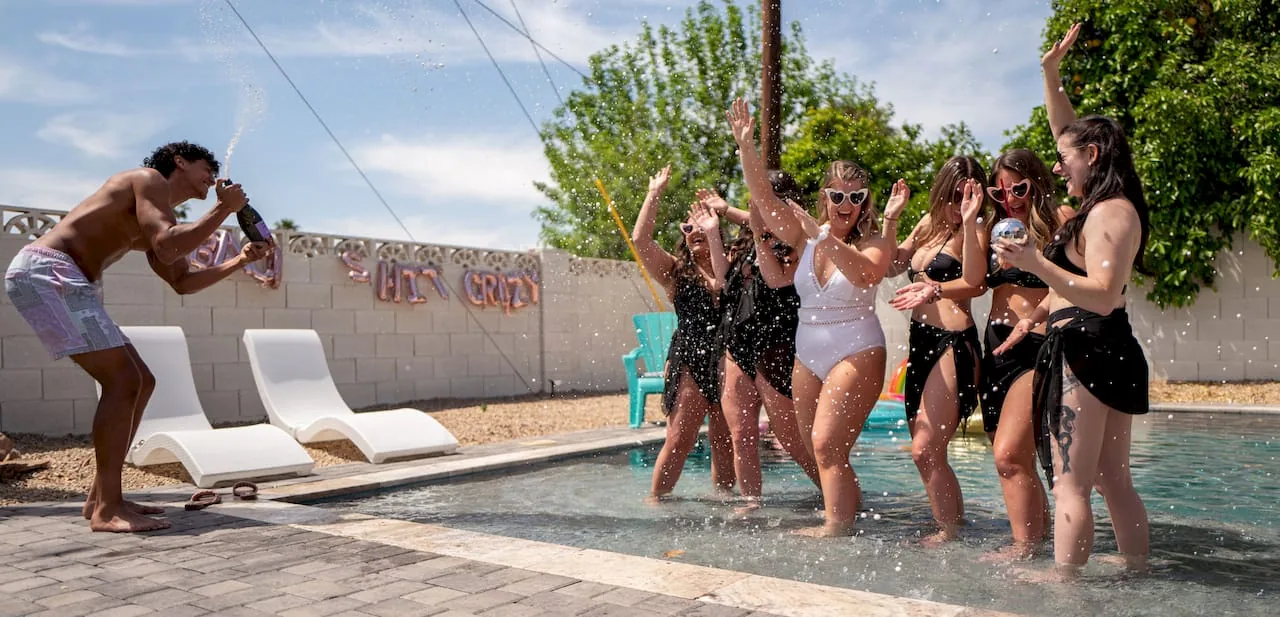
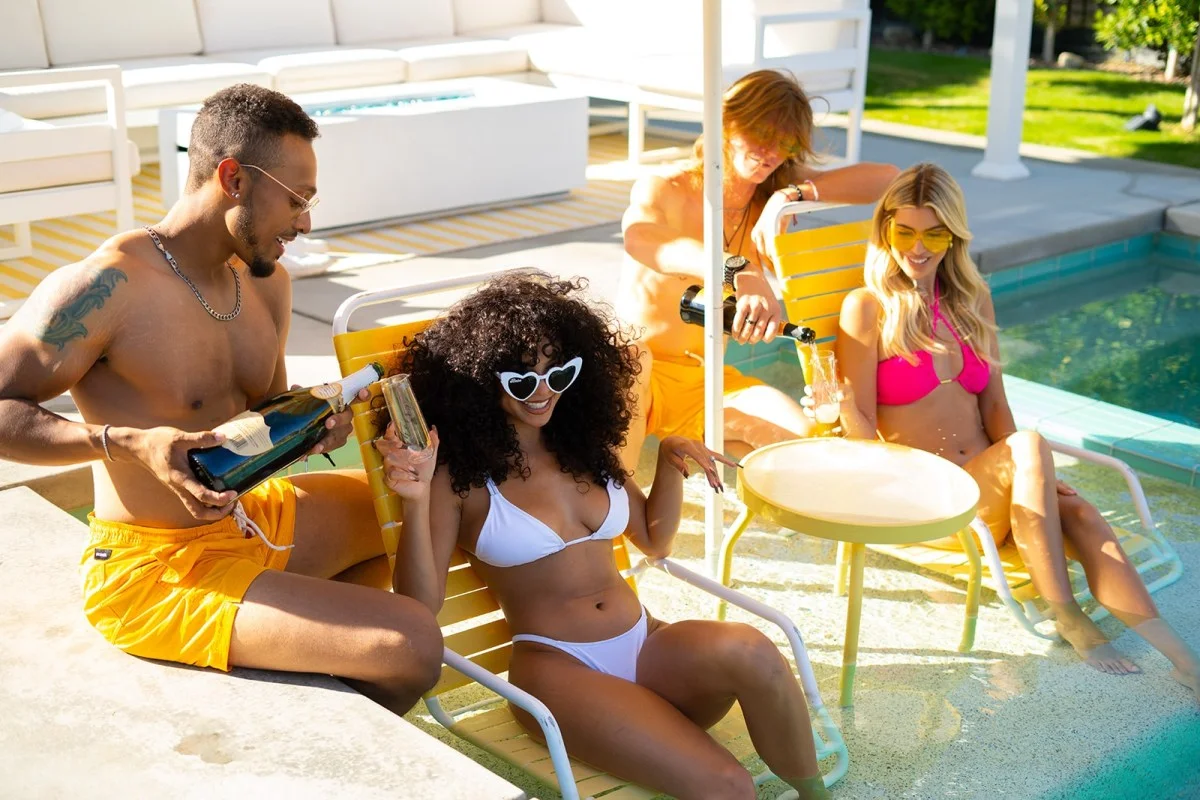
Hire the Cabana Boys to elevate your event with personalized party hosting and bartending services for 2-4 hours. These charming, vetted gentlemen will serve drinks, entertain, keep the area tidy, and make your event unforgettable, whether it’s a pool party, bachelorette, or themed event.
Gourmet brunch from local favorites, bottomless mimosas, music, and party games — hosted poolside by the Cabana Boys. The easiest, most-talked-about morning of the weekend.
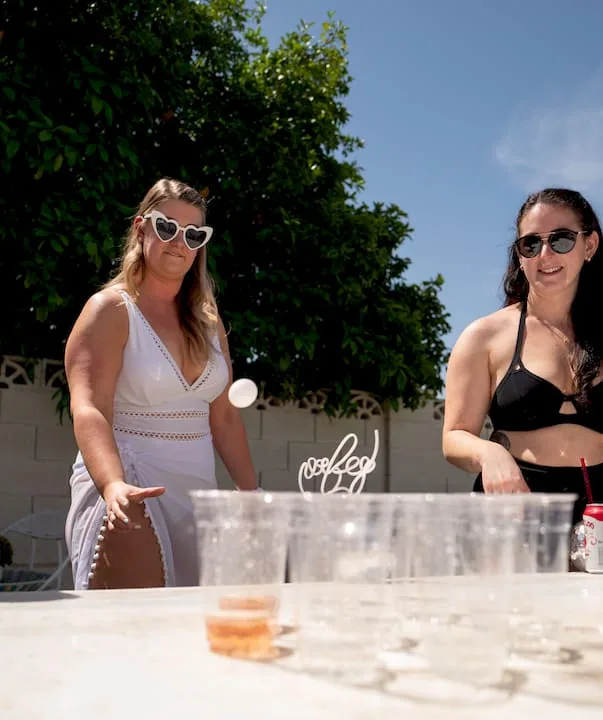
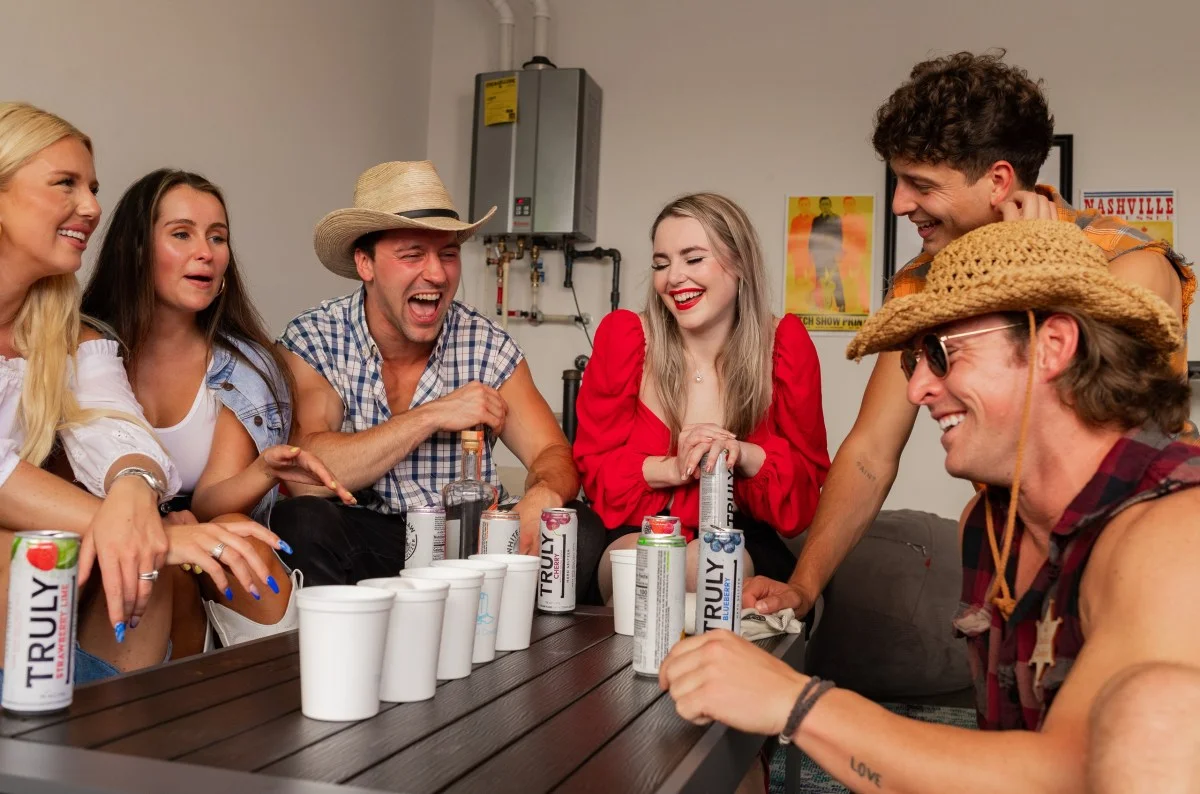
We bring tons of game ideas and supplies – bachelorette games, drinking games, signature games, fun icebreakers, music games, and more – that we will host at your Airbnb. We can also help facilitate any games that you have in mind. Think of us as game show hosts, but in a sexy pool boy kind of way.
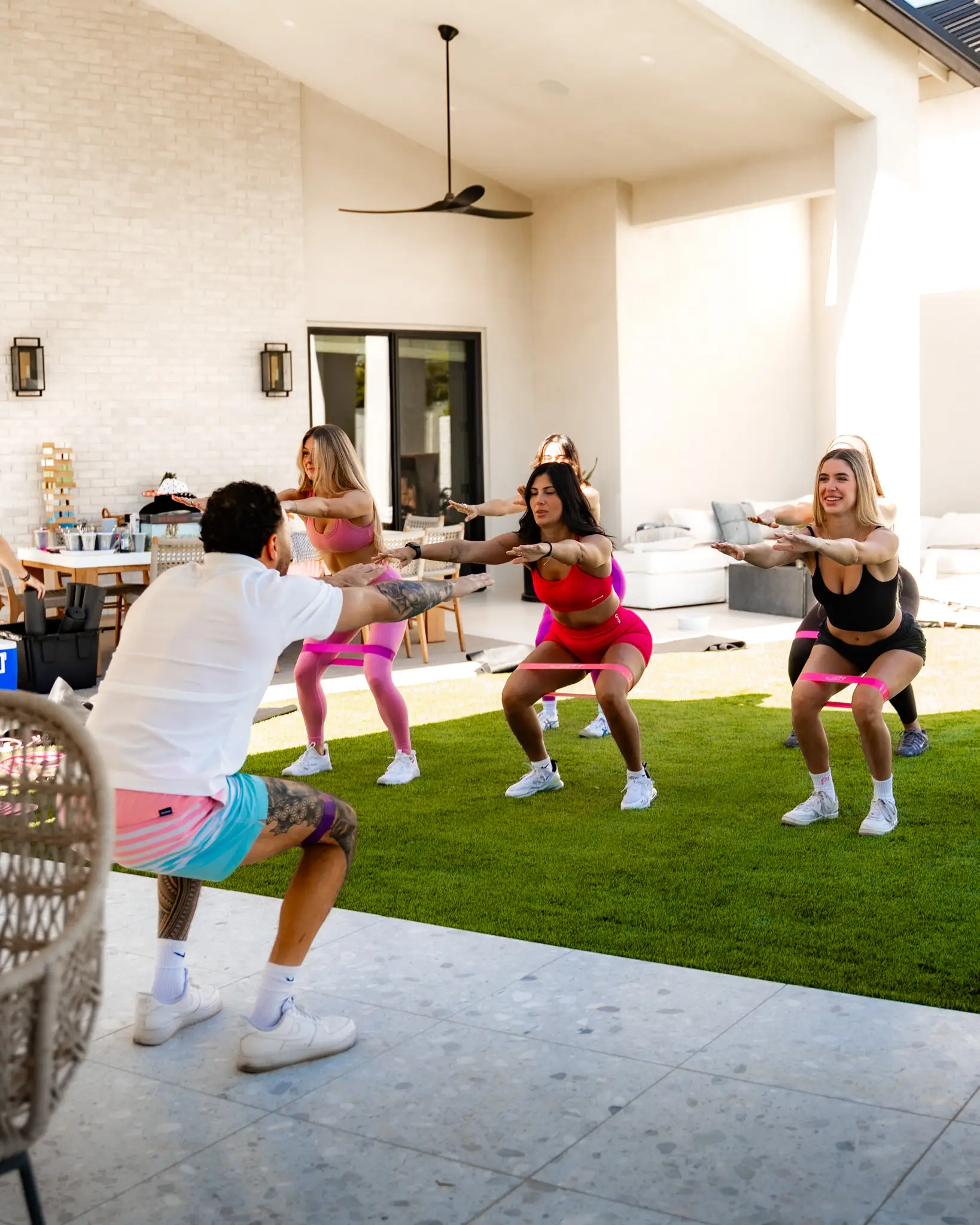
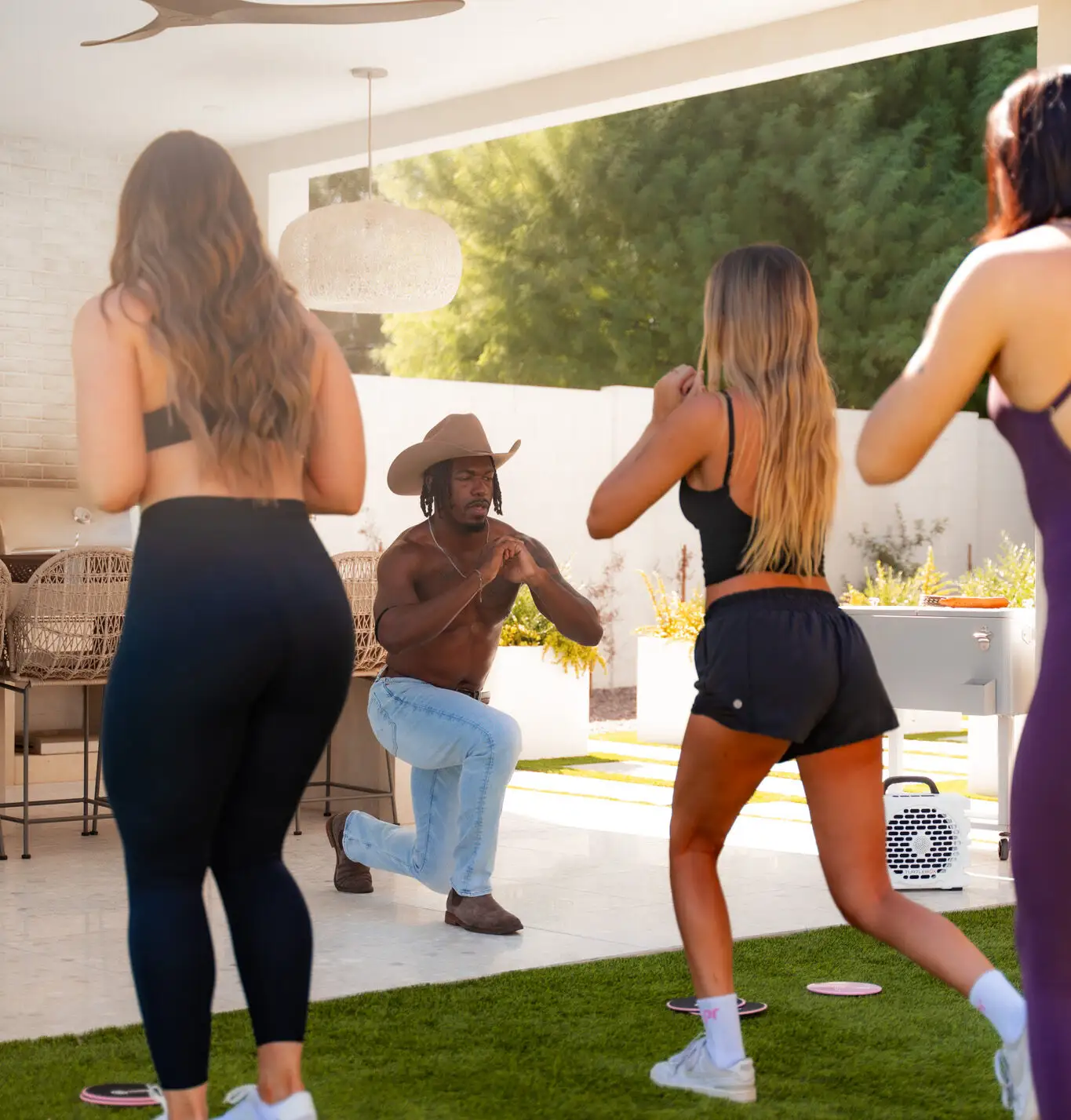
We’ll lead you through a fun, high-energy 45-minute workout with mats, bands, and sliders – then flip straight into party mode. Think of it as a fitness class that ends with your own private pool boy hosts keeping the vibe alive.
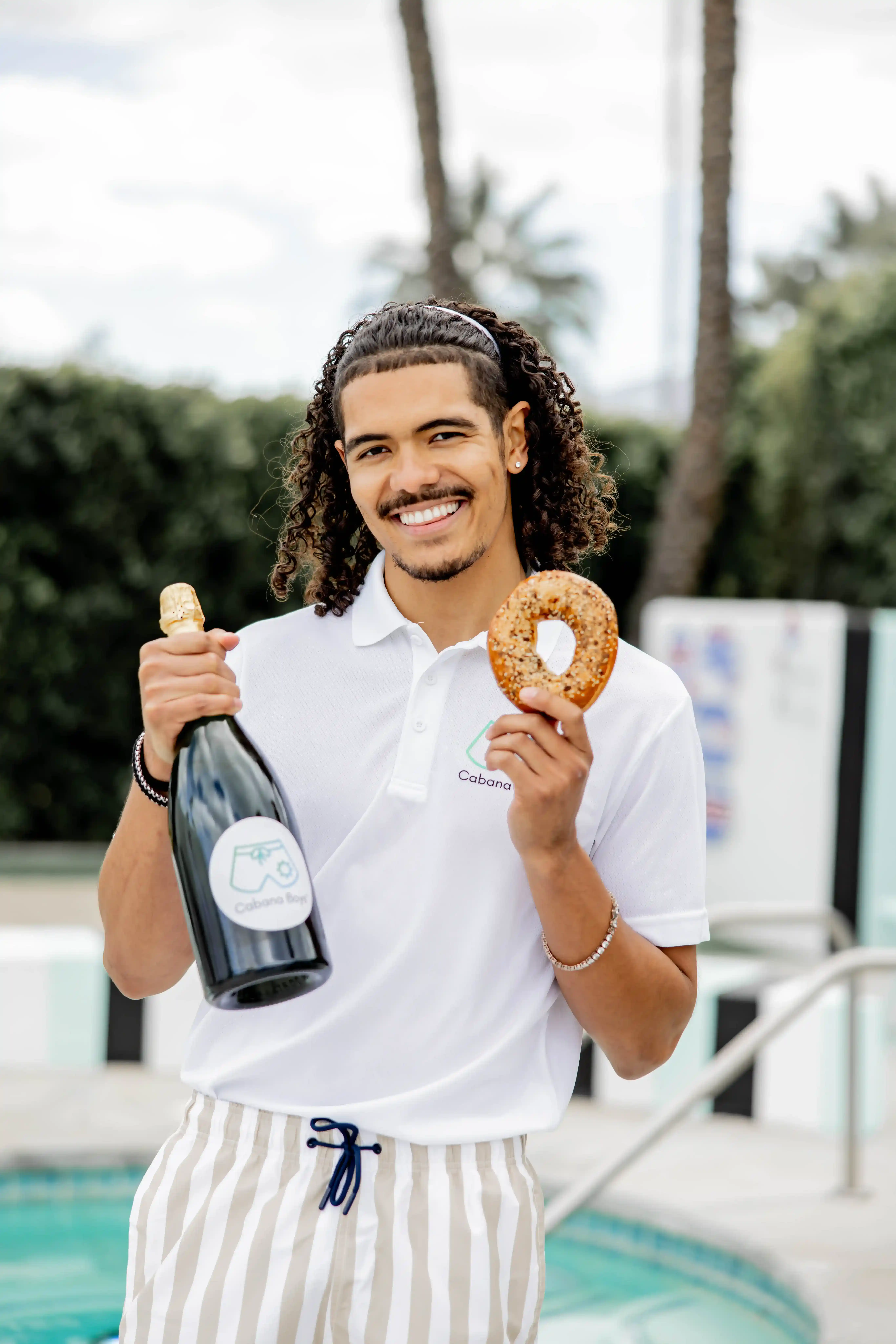
Kick off your morning with a visit from one of our hand-picked gentlemen who will set up a delicious spread with a dozen of gourmet assorted bagels, two tubs of delicious cream cheese, a large container of hot coffee, and a carafe of fresh orange juice.
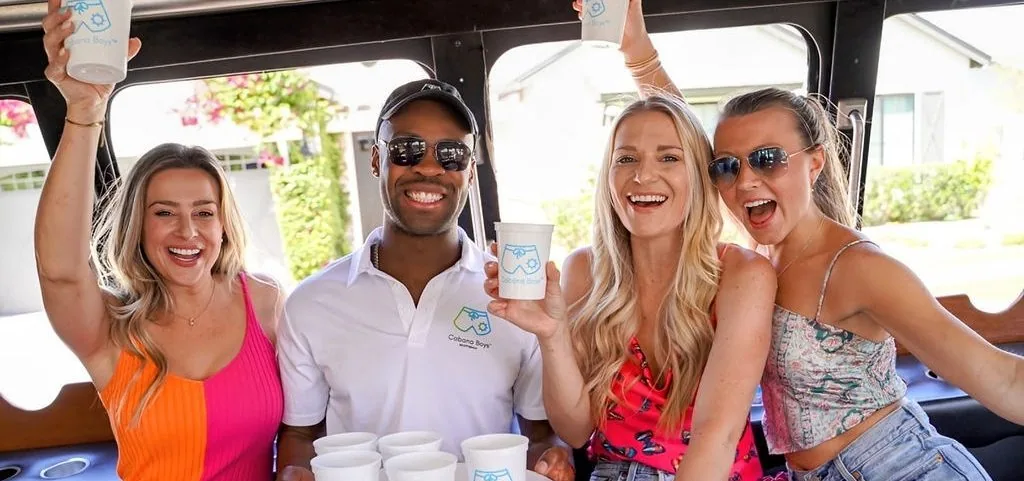
Hop on the luxurious, air conditioned party bus and we’ll cruise around Old Town, bumping music, dancing, drinking, and playing some signature games. We’ll make stops at our partner bars, where you’ll access some exclusive drink specials.
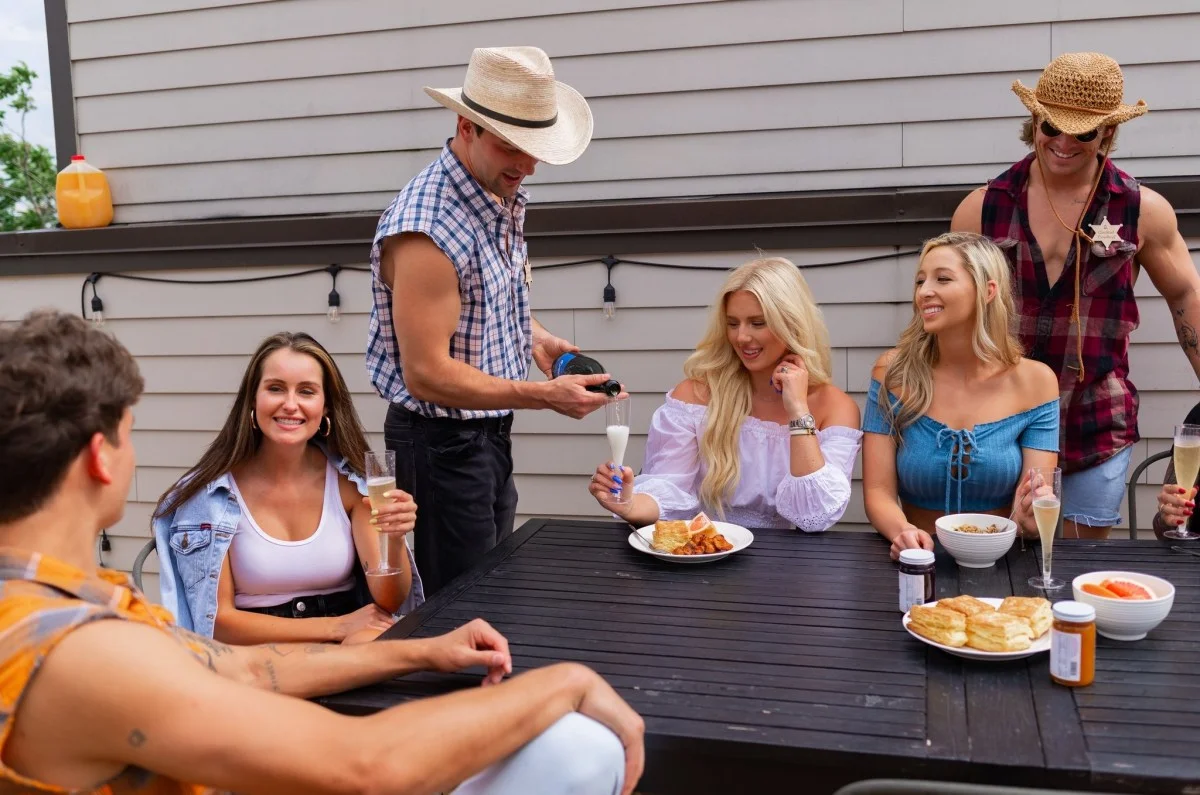
Our Cocktail CowBoys are at your service — we’ll serve you drinks and refreshments, take pictures (or pose with you), be Spotify DJs, help with party/drinking games, keep the party area tidy, keep you company and take out the trash when we leave.
Two Cocktail CowBoys will deliver brunch for you and your crew and get you back into celebration mode. They’ll set up breakfast for you, pour mimosas, turn on some tunes, host some party games, help you nurse your hangover, and keep the party area clean.
Take a break from the bars and get ready for the perfect night in with your gals… a Cocktail CowBoys game night! We bring tons of game ideas and supplies – bachelorette games, drinking games, signature games, fun icebreakers, music games, and more!
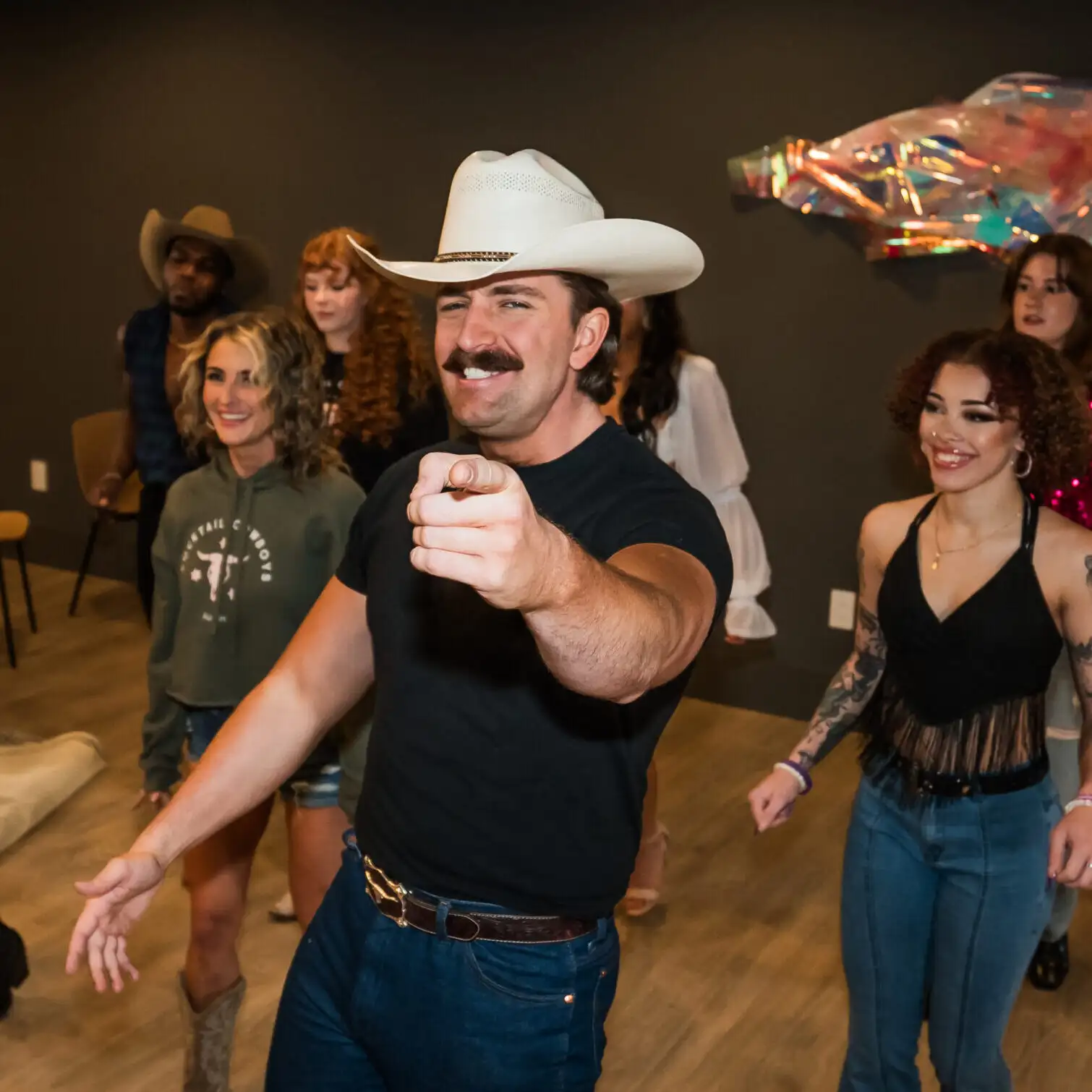
A honky-tonk adventure with cowboy charm, dancing, and unforgettable memories. Your personal party crew for a wild night of bars, boots, and Broadway debauchery.
Kick off your day with a 45-minute cowboy-led workout, then roll right into an hour of games, drinks, and hosting. Think of it as fitness meets Western hospitality — charming, playful, and unforgettable.
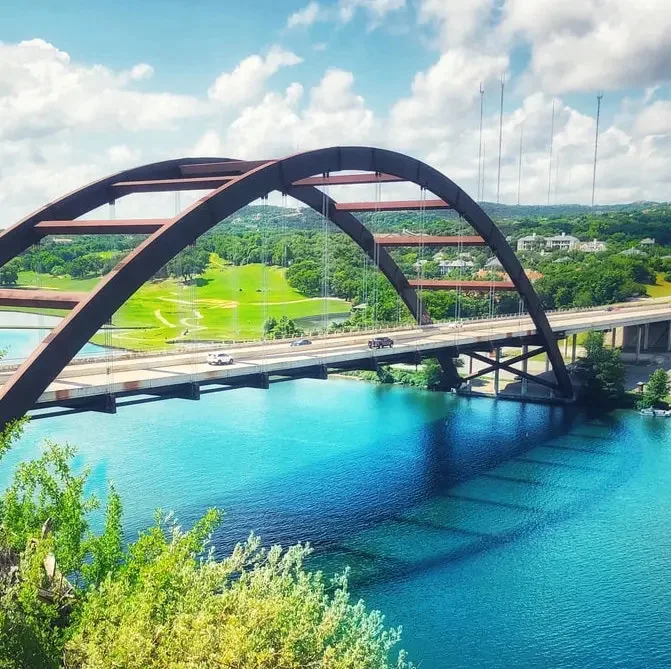
Grab your boots and head to the ultimate spot for unforgettable parties, legendary food, and live music that never stops. Saddle up for an epic Austin weekend!
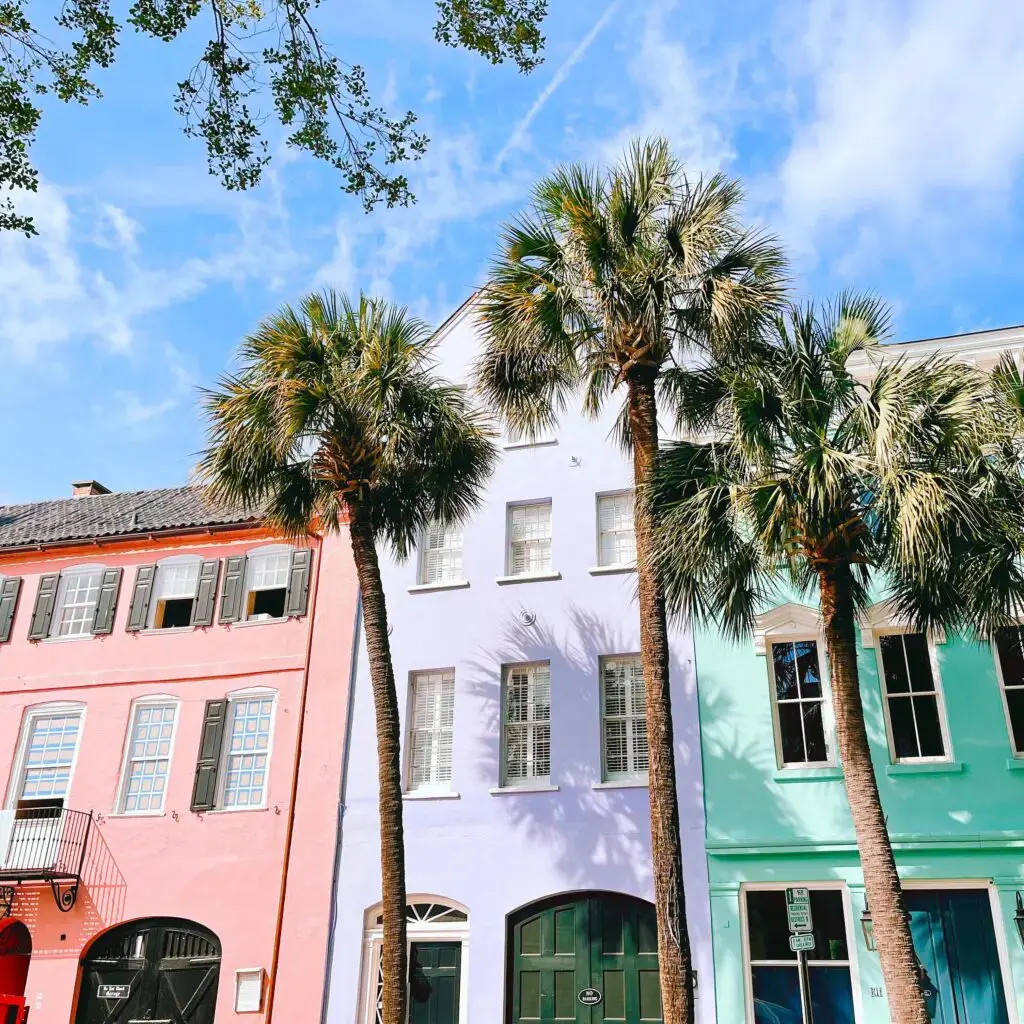
With cobblestone streets, pastel sunsets, and rooftop bars, Charleston has hospitality around every corner. Charm, style, and just the right amount of mischief.
Sun, skin, and serious vibes—Miami and Fort Lauderdale are built for bold, unforgettable weekends. From pool parties to rooftop hangs, South Florida brings the heat.
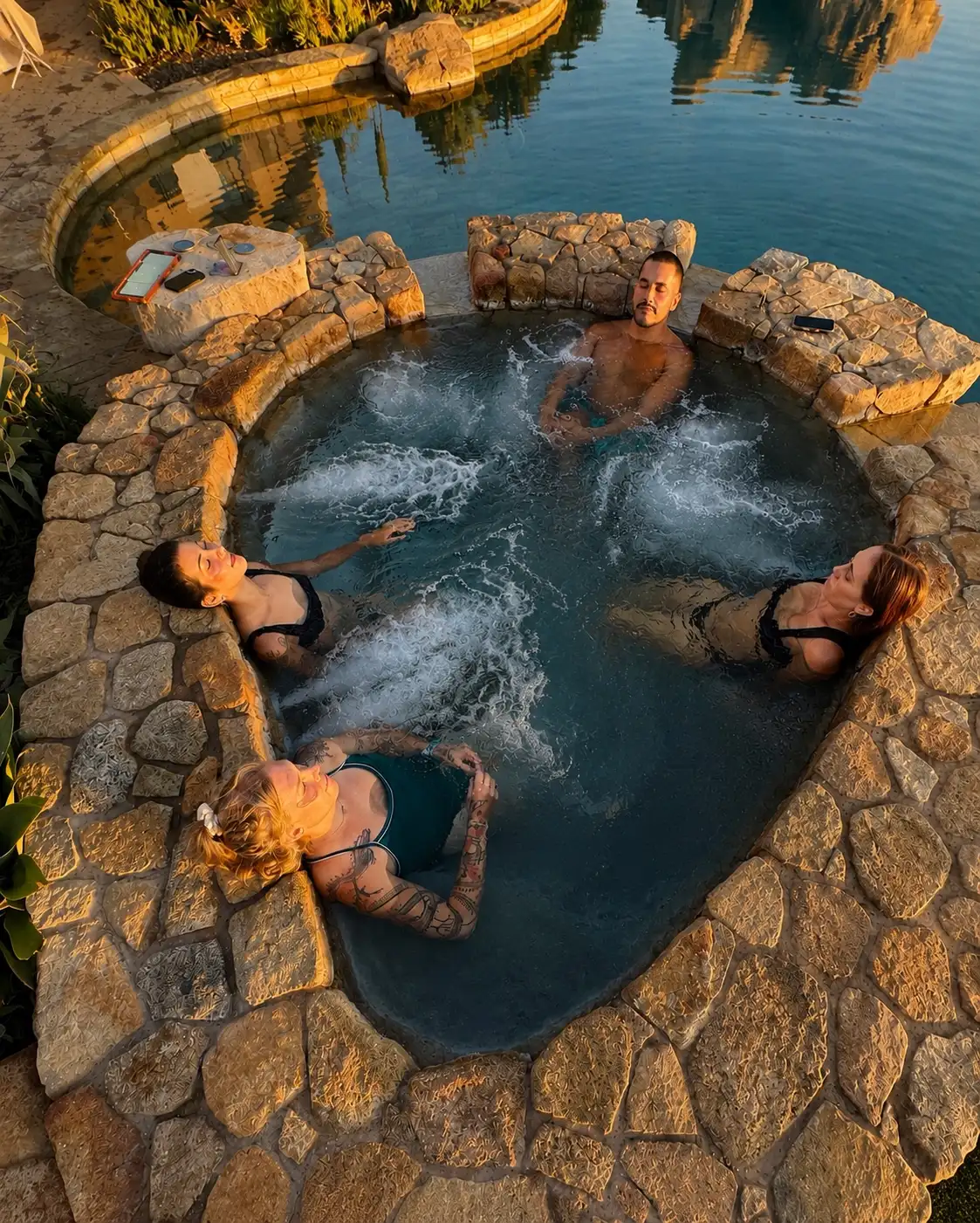
With mid-century charm, desert sun, and iconic poolside vibes, Palm Springs is the ultimate escape for unforgettable weekends and inclusive celebrations.
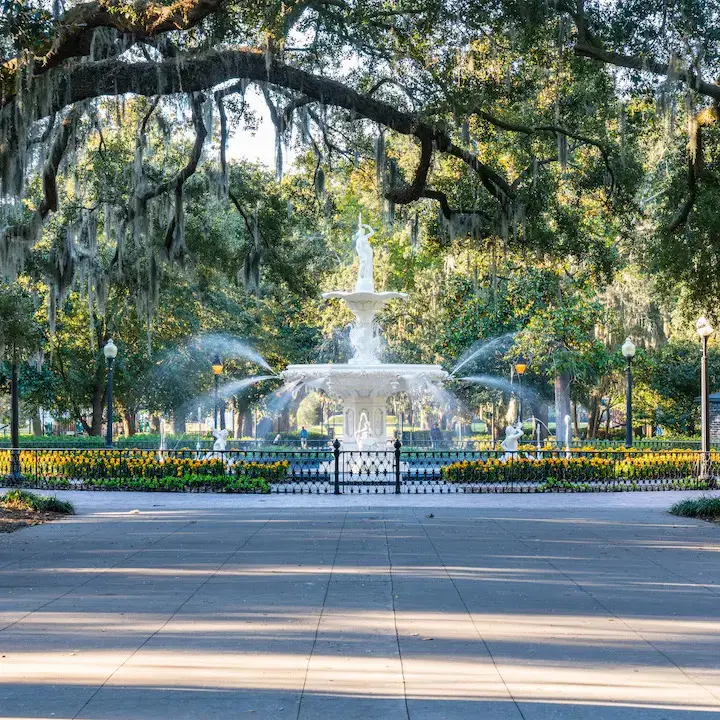
From cobblestone streets to coastal retreats, Savannah is the perfect place to sip, celebrate, and let loose. Open container laws make this one true party town.
Planning a bachelorette party in Scottsdale? Cabana Boys is the #1 rated activity in town – charismatic hosts, poolside vibes, and memories the bride won’t stop talking about.
With mid-century charm, desert sun, and iconic poolside vibes, Palm Springs is the ultimate escape for unforgettable weekends and inclusive celebrations.
Custom Party Game Ideas for Adults That Actually Work
Why custom party games make or break adult gatherings
The best custom party game ideas for adults share one trait: they feel like they were made for this group, not downloaded from a generic list. Generic prompts kill the energy fast. When a dare references a stranger’s embarrassing story from 2019, the whole room leans in. That specificity is the difference between a game people tolerate and one they talk about for years.
What makes a game truly custom comes down to three things:
Event type: A bachelorette party calls for a completely different tone than an office holiday party or a family reunion.
Group dynamics: Close friends who roast each other thrive in competitive bluffing formats. Mixed acquaintances need lower-pressure, collaborative entry points.
Personalized content: High engagement comes from specific, relatable prompts tied to guest stories, not generic questions anyone could Google.
AI tools now let hosts build fully personalized game decks in under a minute by feeding in group lore, inside jokes, and guest names. The result is a deck that feels handcrafted without the hours of prep.
1. Tailoring your game to the event type
Customizing party games by event type is the single most important decision a host makes. The tone, content, and stakes of a game should match why people gathered in the first place.
Bachelorette or bachelor parties: Lean into risqué content, celebratory dares, and questions centered on the couple. Reference the relationship timeline, embarrassing firsts, and predictions for the future.
Birthday parties: Make the guest of honor the star. Build prompts around their quirks, memorable moments, and the group’s shared history with them.
Office parties: Keep everything safe for work. Light icebreakers, trivia about the company, and team-based formats work well without crossing any lines.
Family reunions: Nostalgia wins here. Questions that bridge generations, funny family stories, and photo-based guessing games land better than anything edgy.
Casual friend gatherings: This is where inside jokes belong. Lean into shared history, running gags, and anything the group would never let each other forget.
Pro Tip:Write a short list of five to ten group-specific facts before you build any game. Those facts become your best prompts.
2. How to read your group’s social dynamics before picking a format
The golden rule for game selection is simple: use low-pressure collaborative games for strangers and competitive bluffing games for close friends. Getting this wrong is the fastest way to make half the room uncomfortable.
Strangers and new acquaintances: Start with drawing games, word association, or light trivia. These formats let people participate without revealing too much too soon.
Close friend groups: Social deduction games, personalized truth or dare, and roast-style card games thrive here because the group already has the trust to go there.
Mixed groups: Pair a low-stakes opener with a more competitive second game. Let the first round warm people up before raising the pressure.
Reserved guests: Build in opt-out moments. A game where someone can pass without penalty keeps everyone in the room and in the mood.
Competitive personalities: Give them a leaderboard. Even a casual point tally raises the energy for guests who need a reason to care.
Reading the room mid-game matters just as much as pre-party planning. Watch for crossed arms, distracted phones, or forced laughs. Those are signals to pivot fast.
3. Unique and engaging custom game ideas worth trying
These formats work because they put your group’s actual stories at the center, not a pre-printed card deck someone else wrote.
AI-generated card decks: Platforms like PartyDeck let you input guest names, inside jokes, and group lore, then generate a full personalized deck in roughly 30 seconds. The output reads like it was written by someone who knows your crew.
Personalized truth or dare: Skip “what’s your biggest fear” and write questions that invite stories. “What is the most ridiculous lie you told that someone actually believed?” gets a five-minute answer. “What’s your biggest fear?” gets a one-word answer.
Who Said It: Players write anonymous answers about a specific person in the group, then everyone guesses who wrote what. The more specific the question, the funnier the results.
Telephone Pictionary: Each person writes a phrase, passes it left, the next person draws it, the next person writes what they see, and so on. The phrase “Sarah’s infamous airport meltdown” will not survive three passes intact.
AI image party games: In Prompted, the host displays a prompt on a shared screen while players generate AI images on their phones to match it. The judge picks a winner each round. It plays well with groups of 4–12 and needs zero setup beyond a shared screen.
Themed trivia with a twist: Build a trivia round entirely around the guest of honor or a shared trip. Add a bluffing mechanic where players can submit fake answers for points if others fall for them.
Custom Never Have I Ever: Feed an AI tool your group’s specific history and let it generate statements. The results are far more specific and funny than any generic list.
4. How to execute custom games without losing momentum
Preparation is what separates a smooth game night from a chaotic one. Experienced hosts recommend keeping flexible rules and having quick pace-change options ready before the party starts.
Set up a central display: For digital games, a TV or laptop screen everyone can see plus mobile devices as controllers is the optimal technical setup. Guests who can’t see the screen disengage within minutes.
Have a backup game ready: Low-friction backup games prevent energy drops when the main game stalls. Something with zero setup, like a rapid-fire question round, works perfectly.
Simplify the rules on the fly: If a rule is slowing the game down, drop it. The goal is laughter, not compliance with a rulebook.
Prep personalized content in advance: Generic prompts are the enemy of a great game night. Write your custom questions and dares before the party, not during it.
Manage group size deliberately: Games with 5–8 players tend to run tightest. For larger groups, split into teams or run parallel rounds with a final showdown.
Build in accessibility: Offer a pass option, avoid prompts that require physical ability, and never make a dare that could genuinely embarrass someone in front of people they work with.
For planning interactive party activities across different guest personalities, having two or three game formats ready gives you flexibility without scrambling.
A quick note on pacing: top-rated party games balance accessibility with social interaction. The best adult games are easy to explain in under two minutes and reward personality over trivia knowledge.
Key takeaways
Custom party games for adults succeed when the content is specific to the group, the format matches the social dynamic, and the host prepares enough to stay flexible.
Point
Details
Match game to event type
Bachelorette parties need risqué content; office parties need safe-for-work formats.
Read group dynamics first
Use collaborative games for strangers, competitive bluffing for close friends.
Personalize every prompt
Specific questions tied to guest stories drive far more engagement than generic lists.
Prep a backup game
A low-friction fallback prevents energy drops when the main game stalls.
Cabana Boys and Cocktail CowBoys
Their hosts facilitate custom games, serve drinks, and manage party flow so you enjoy the night too.
The part most hosts get wrong about custom games
Most party planning advice focuses on which game to pick. The real question is what goes inside the game. A perfectly chosen format with generic prompts will always lose to a simple game loaded with content your specific group actually cares about.
The hosts who run the best adult game nights are not the ones with the most elaborate setups. They are the ones who spent 20 minutes before the party writing down the five things their group will never let each other forget, then built the whole game around those five things. That prep work is invisible to guests, but they feel it immediately.
There is also a tendency to over-engineer the rules. Adults do not need complexity. They need a reason to laugh at each other. Keep the mechanics simple and pour the effort into the content. A three-rule game with hyper-personalized prompts will outlast a twelve-rule game with generic ones every single time.
Let Party Host Boys run the games while you enjoy the party
Planning a great game is one thing. Running it while also hosting, managing drinks, and keeping the energy up is another challenge entirely. That is the gap Cabana Boys and Cocktail CowBoys fill.
Their hosts, recognized as the a leading bachelorette experience in top US party destinations and featured on Shark Tank and the New York Times, arrive with personalized game facilitation built into the experience. They engage guests, serve refreshments, and keep the party moving without you lifting a finger. Whether it is a bachelorette weekend, a birthday, or a ladies’ night, the Cabana Boys and Cocktail CowBoys approach means the games actually happen, instead of sitting in a bag by the door. Check availability for your date at partyhostboys.com and let them handle the fun.




 Austin
 Charleston
 Los Angeles & Orange County
 Miami
Miami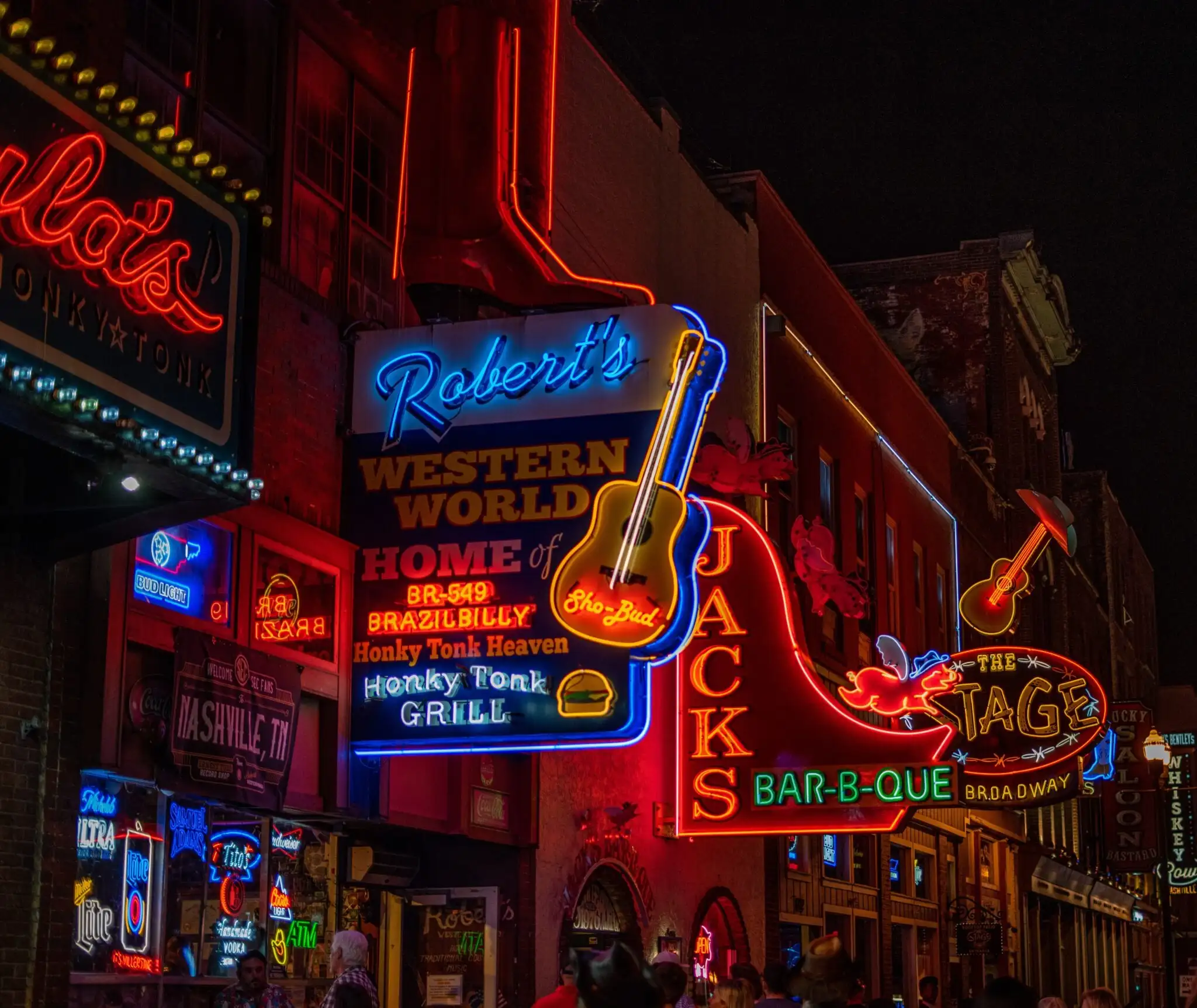 Nashville
 Palm Springs
 Savannah
 Scottsdale
 San Diego
 30A / Destin
 Cabana Boys
 Cocktail CowBoys
 Signature Party
 Brunch
 Game Night
 Cabana Glow
 Bagel Boys
 Party Bus
 Line Dancing
 Austin