🦈As Seen on Shark Tank 🦈 Book the Boys everyone is talking about • 🦈As Seen on Shark Tank 🦈 Book the Boys everyone is talking about • 🦈As Seen on Shark Tank 🦈 Book the Boys everyone is talking about • 🦈As Seen on Shark Tank 🦈 Book the Boys everyone is talking about • 🦈As Seen on Shark Tank 🦈 Book the Boys everyone is talking about • 🦈As Seen on Shark Tank 🦈 Book the Boys everyone is talking about • 🦈As Seen on Shark Tank 🦈 Book the Boys everyone is talking about • 🦈As Seen on Shark Tank 🦈 Book the Boys everyone is talking about • 🦈As Seen on Shark Tank 🦈 Book the Boys everyone is talking about • 🦈As Seen on Shark Tank 🦈 Book the Boys everyone is talking about • 🦈As Seen on Shark Tank 🦈 Book the Boys everyone is talking about • 🦈As Seen on Shark Tank 🦈 Book the Boys everyone is talking about • 🦈As Seen on Shark Tank 🦈 Book the Boys everyone is talking about • 🦈As Seen on Shark Tank 🦈 Book the Boys everyone is talking about • 🦈As Seen on Shark Tank 🦈 Book the Boys everyone is talking about • 🦈As Seen on Shark Tank 🦈 Book the Boys everyone is talking about •
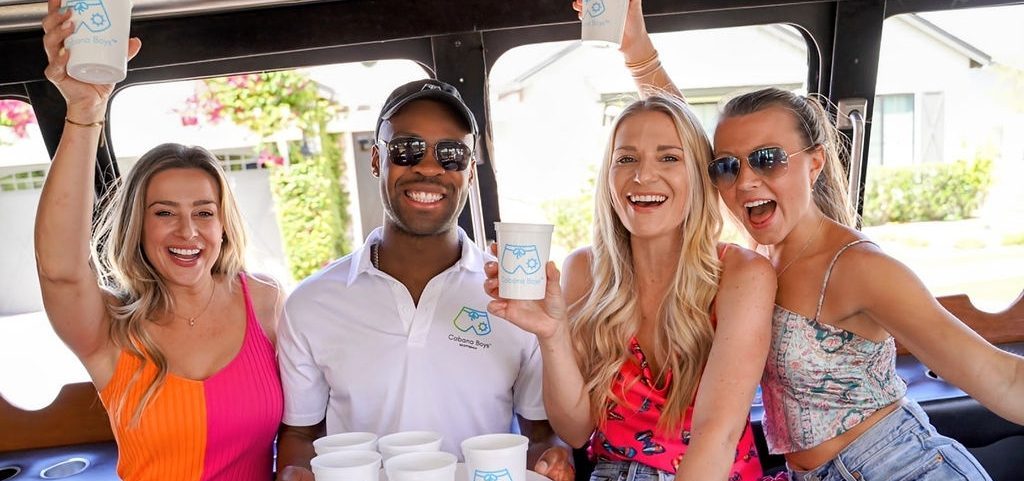
Hire the Cabana Boys to elevate your event with personalized party hosting and bartending services for 2-4 hours. These charming, vetted gentlemen will serve drinks, entertain, keep the area tidy, and make your event unforgettable, whether it’s a pool party, bachelorette, or themed event.
Gourmet brunch from local favorites, bottomless mimosas, music, and party games — hosted poolside by the Cabana Boys. The easiest, most-talked-about morning of the weekend.
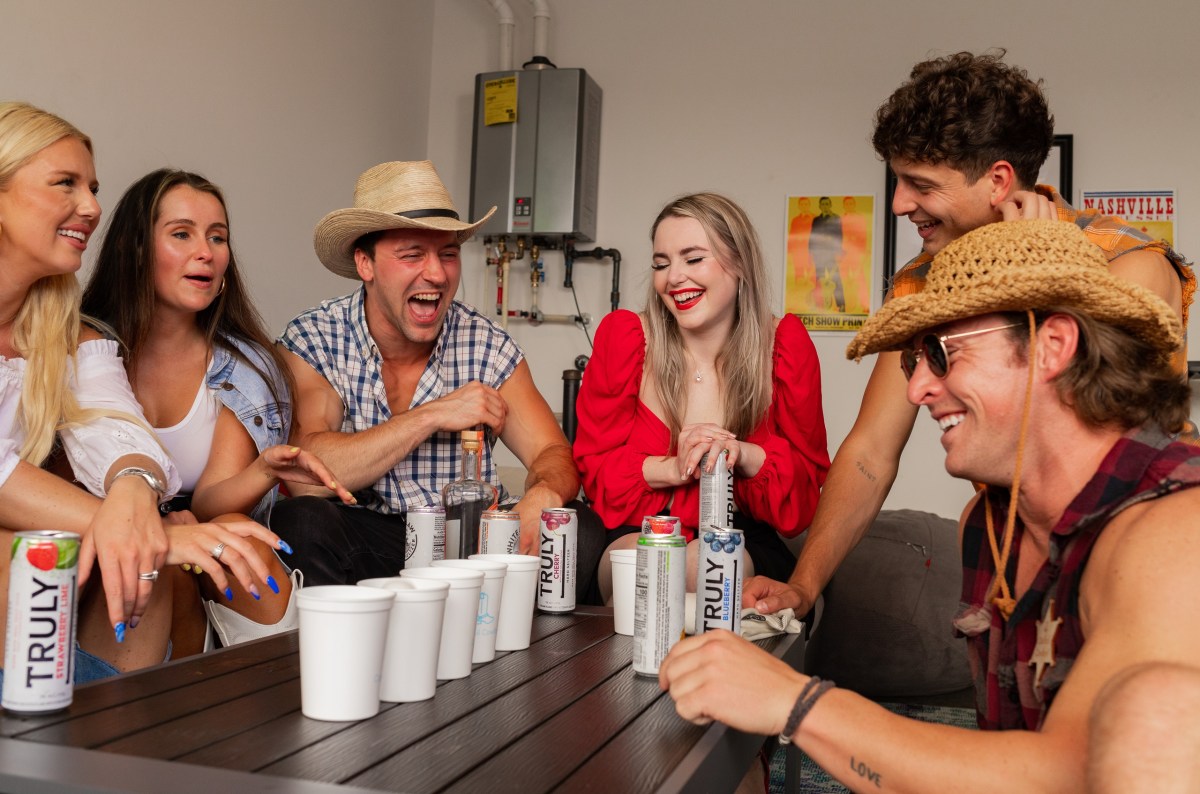
We bring tons of game ideas and supplies – bachelorette games, drinking games, signature games, fun icebreakers, music games, and more – that we will host at your Airbnb. We can also help facilitate any games that you have in mind. Think of us as game show hosts, but in a sexy pool boy kind of way.
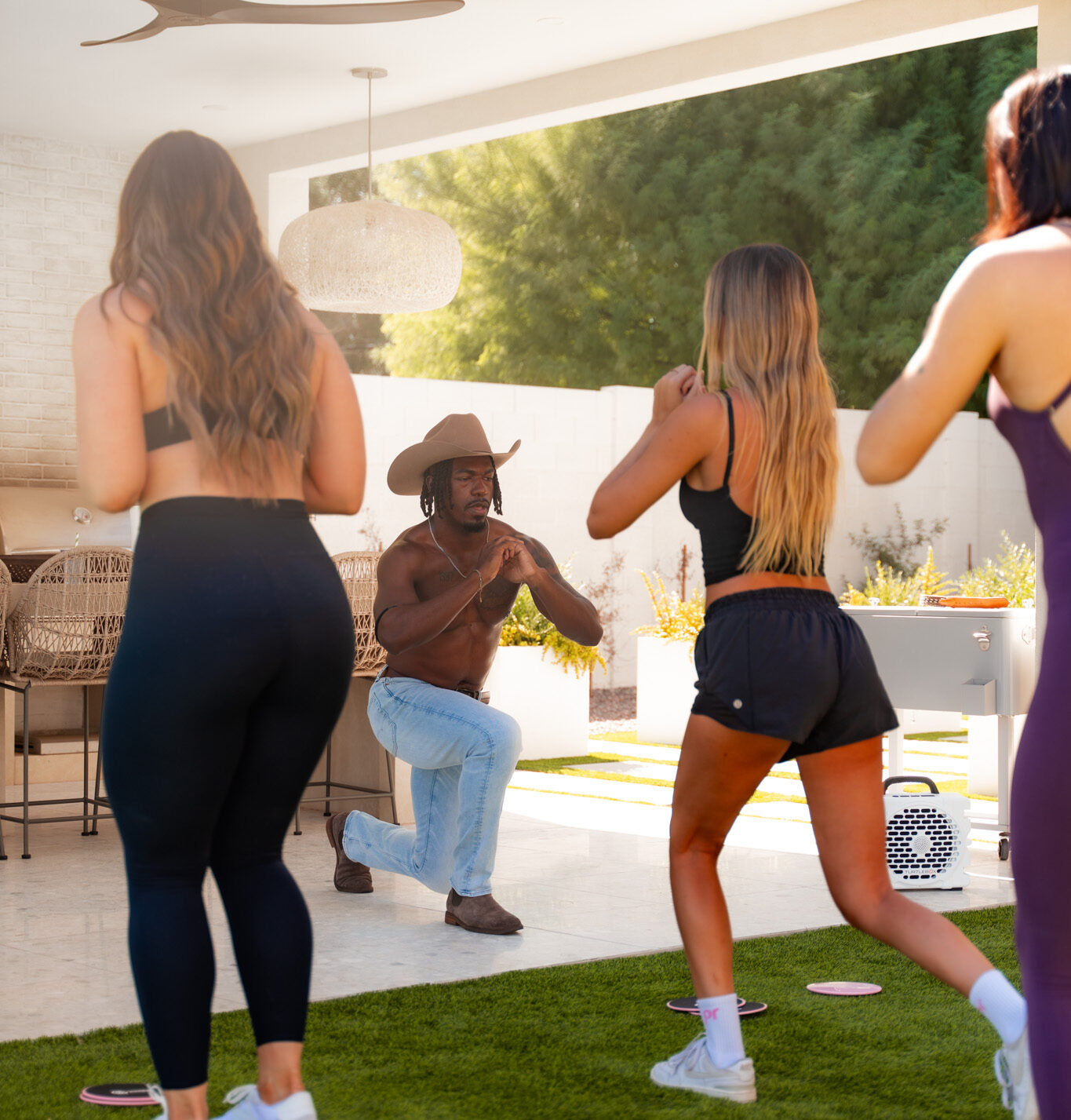
We’ll lead you through a fun, high-energy 45-minute workout with mats, bands, and sliders – then flip straight into party mode. Think of it as a fitness class that ends with your own private pool boy hosts keeping the vibe alive.
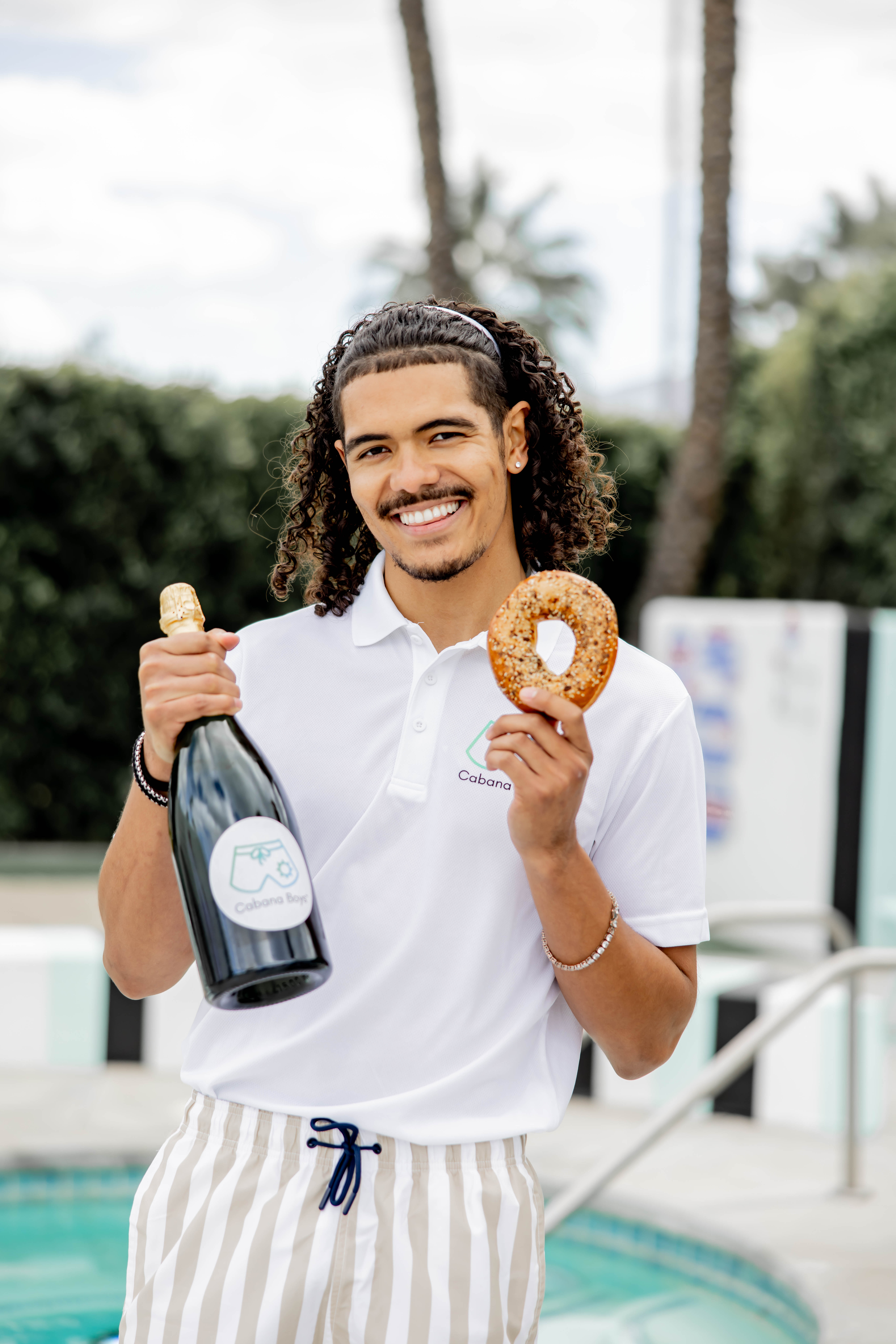
Kick off your morning with a visit from one of our hand-picked gentlemen who will set up a delicious spread with a dozen of gourmet assorted bagels, two tubs of delicious cream cheese, a large container of hot coffee, and a carafe of fresh orange juice.
Hop on the luxurious, air conditioned party bus and we’ll cruise around Old Town, bumping music, dancing, drinking, and playing some signature games. We’ll make stops at our partner bars, where you’ll access some exclusive drink specials.
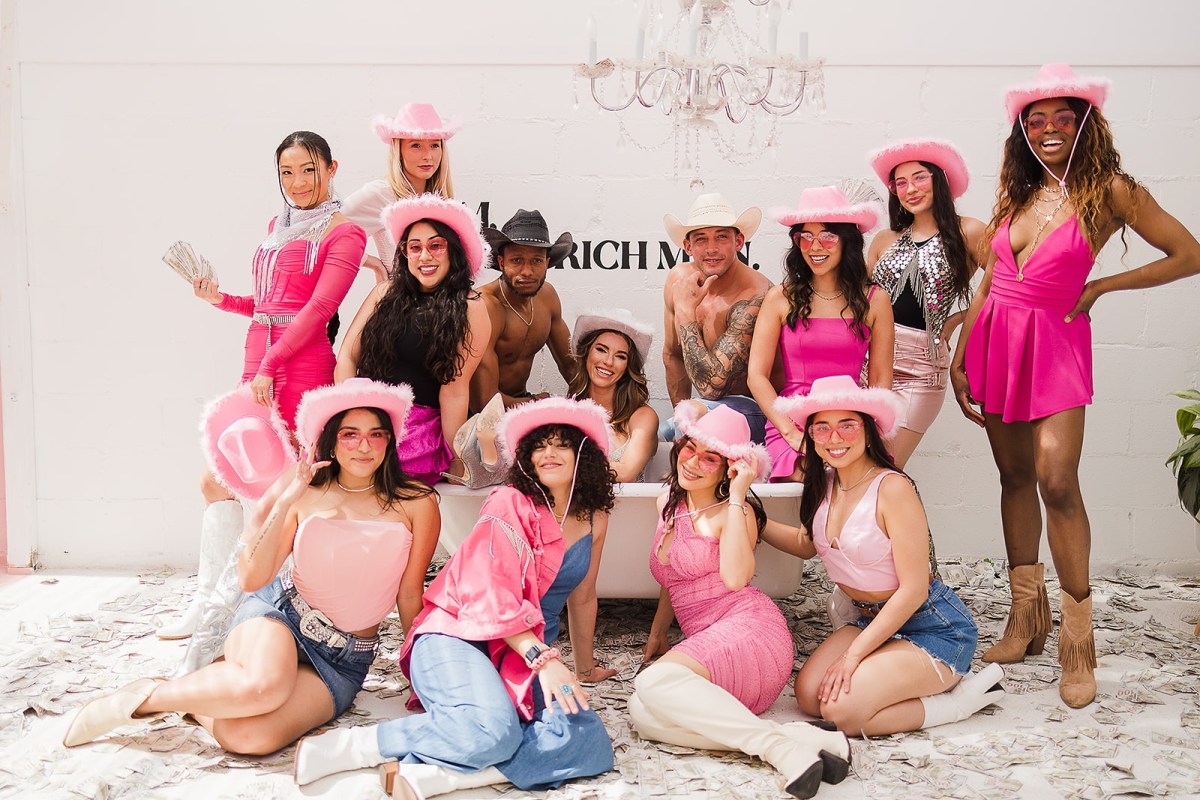
Our Cocktail CowBoys are at your service — we’ll serve you drinks and refreshments, take pictures (or pose with you), be Spotify DJs, help with party/drinking games, keep the party area tidy, keep you company and take out the trash when we leave.
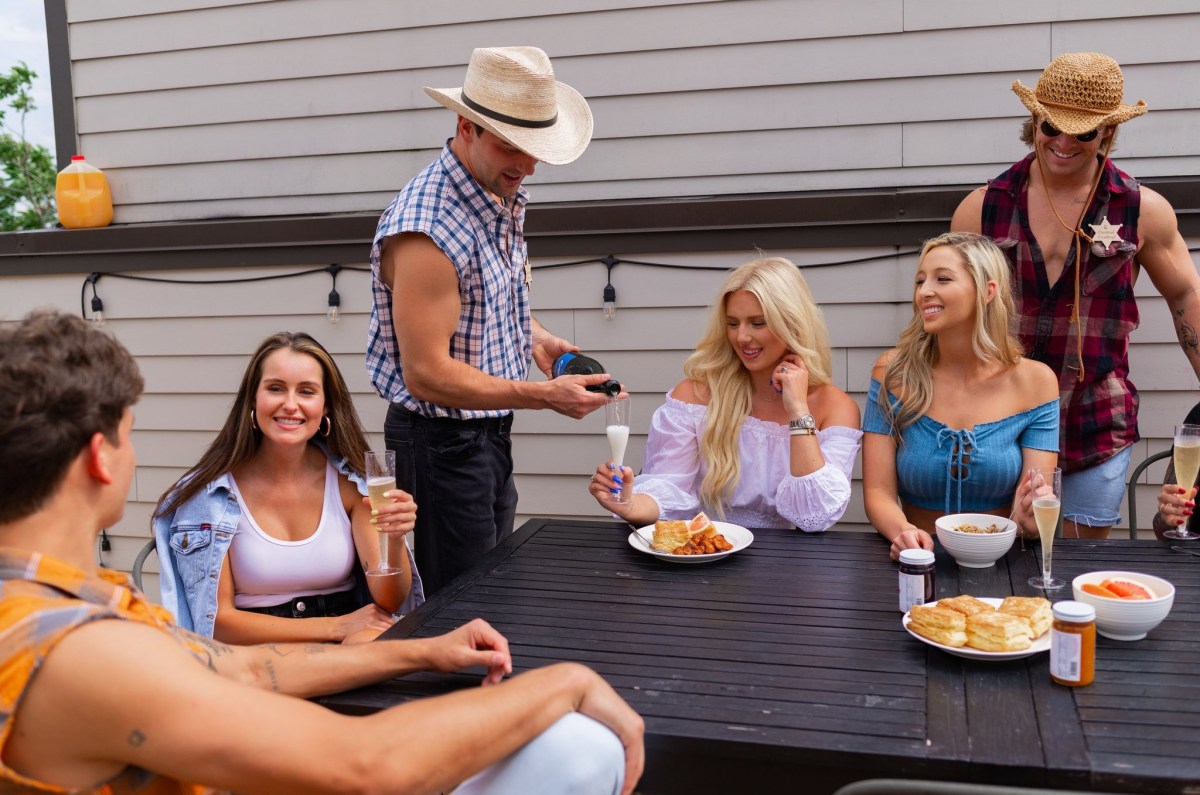
Two Cocktail CowBoys will deliver brunch for you and your crew and get you back into celebration mode. They’ll set up breakfast for you, pour mimosas, turn on some tunes, host some party games, help you nurse your hangover, and keep the party area clean.
Take a break from the bars and get ready for the perfect night in with your gals… a Cocktail CowBoys game night! We bring tons of game ideas and supplies – bachelorette games, drinking games, signature games, fun icebreakers, music games, and more!
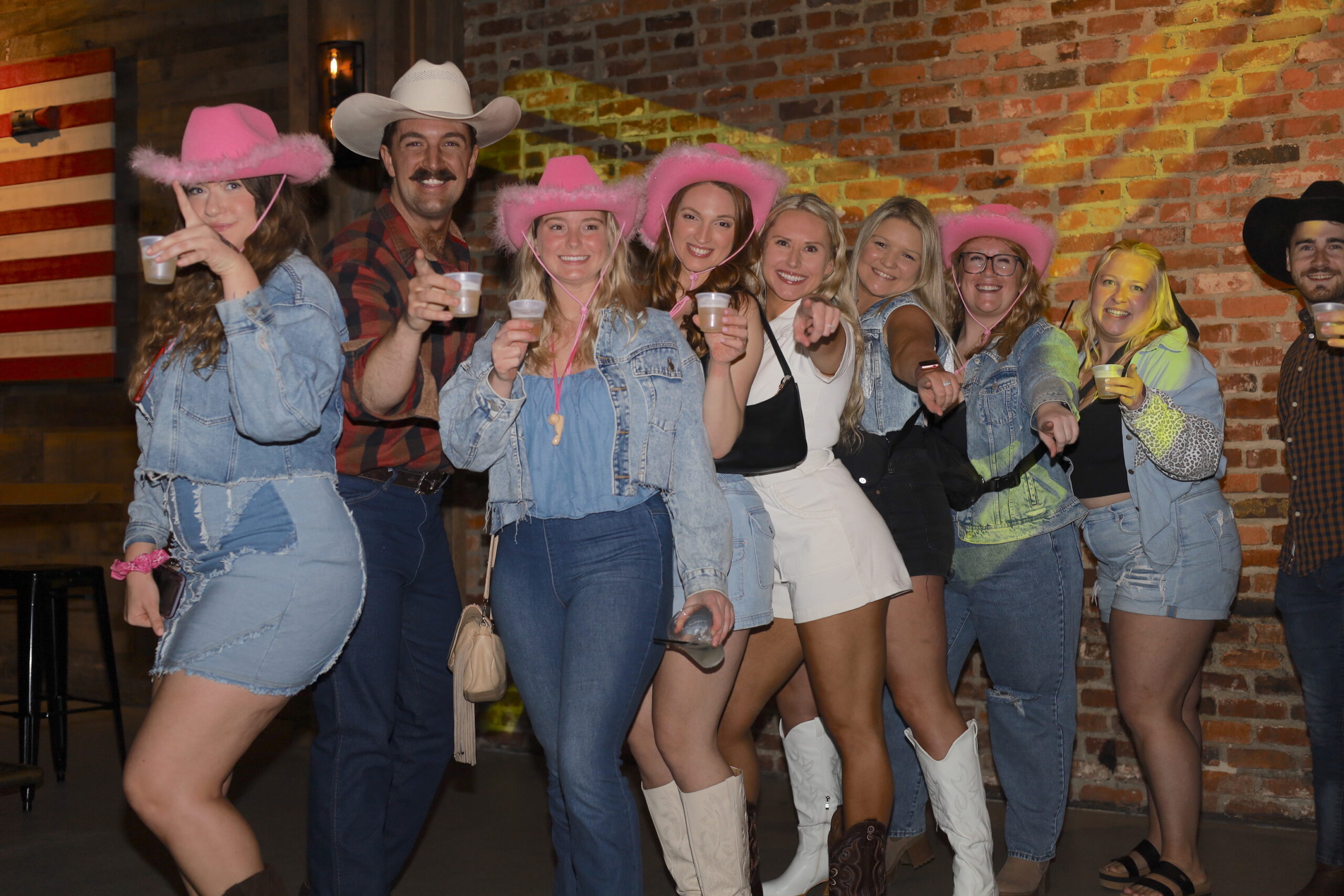
A honky-tonk adventure with cowboy charm, dancing, and unforgettable memories. Your personal party crew for a wild night of bars, boots, and Broadway debauchery.
Kick off your day with a 45-minute cowboy-led workout, then roll right into an hour of games, drinks, and hosting. Think of it as fitness meets Western hospitality — charming, playful, and unforgettable.
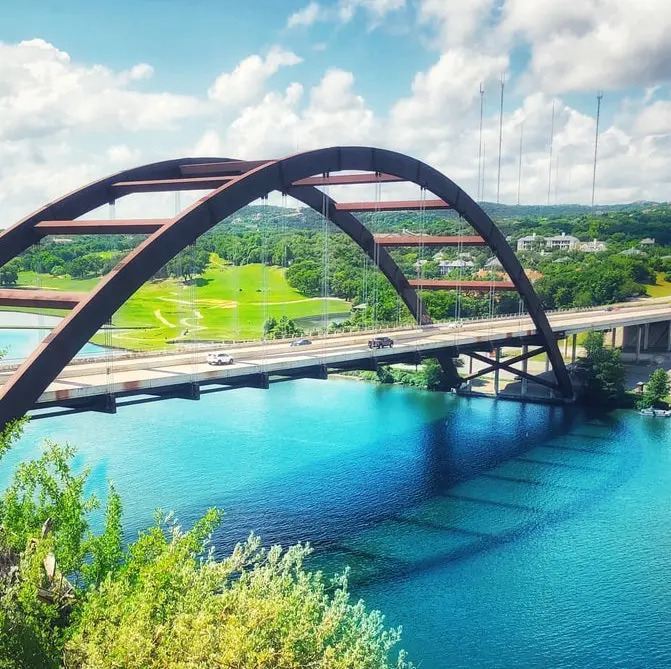
Grab your boots and head to the ultimate spot for unforgettable parties, legendary food, and live music that never stops. Saddle up for an epic Austin weekend!
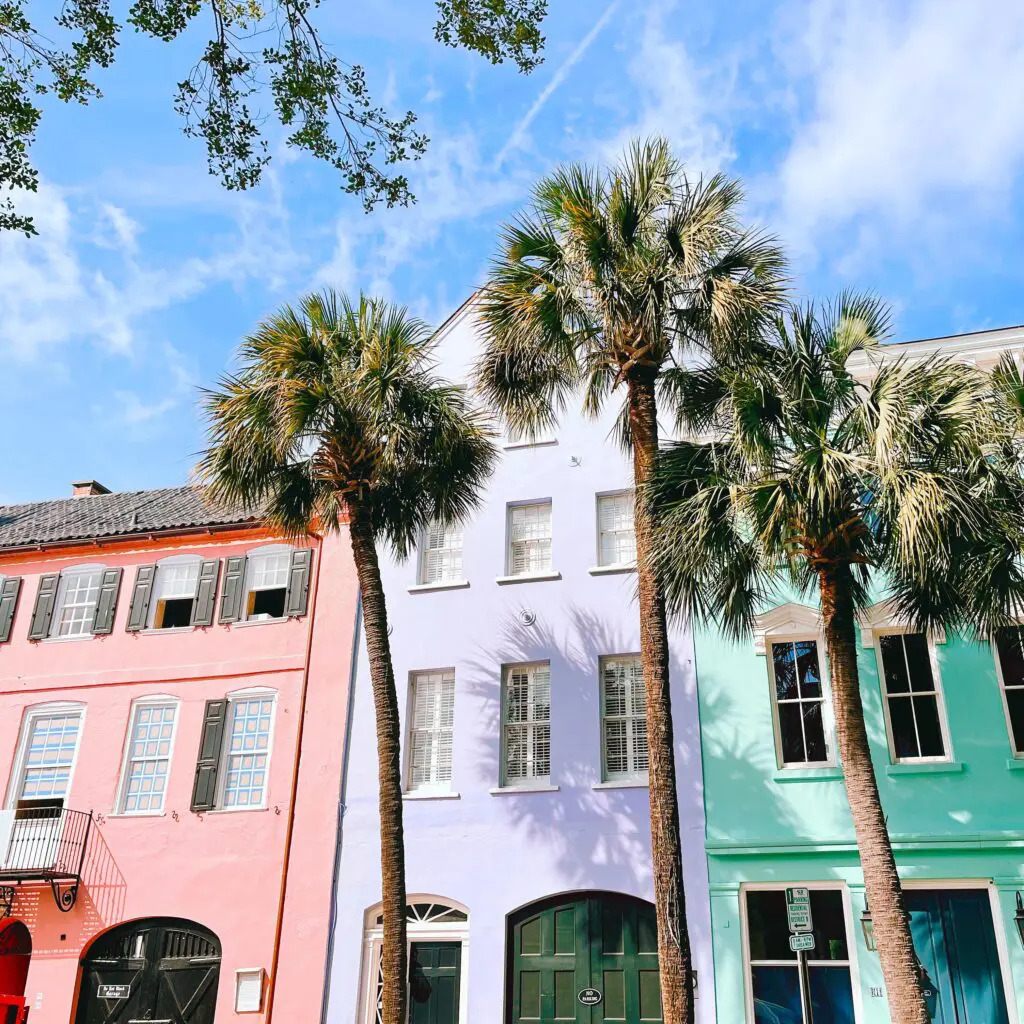
With cobblestone streets, pastel sunsets, and rooftop bars, Charleston has hospitality around every corner. Charm, style, and just the right amount of mischief.
Sun, skin, and serious vibes—Miami and Fort Lauderdale are built for bold, unforgettable weekends. From pool parties to rooftop hangs, South Florida brings the heat.
With mid-century charm, desert sun, and iconic poolside vibes, Palm Springs is the ultimate escape for unforgettable weekends and inclusive celebrations.
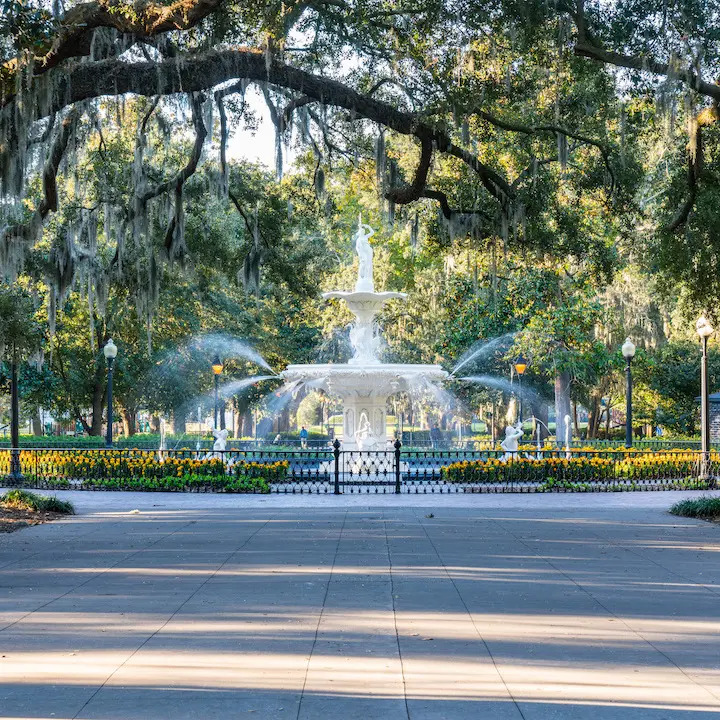
From cobblestone streets to coastal retreats, Savannah is the perfect place to sip, celebrate, and let loose. Open container laws make this one true party town.
Planning a bachelorette party in Scottsdale? Cabana Boys is the #1 rated activity in town – charismatic hosts, poolside vibes, and memories the bride won’t stop talking about.
With mid-century charm, desert sun, and iconic poolside vibes, Palm Springs is the ultimate escape for unforgettable weekends and inclusive celebrations.
Client consultation in party planning is the foundational step where planners capture a client’s vision, needs, and constraints to build a customized, successful event. Known in professional event management as the client discovery process, this intake phase sets the entire project in motion. Without it, planners guess at priorities, budgets drift, and guests feel the difference. The role of client consultation in party planning extends far beyond a friendly first chat. It is a structured, professional process that aligns expectations, prevents scope creep, and gives every party a clear direction from day one.
What are the essential steps in an effective client consultation process?
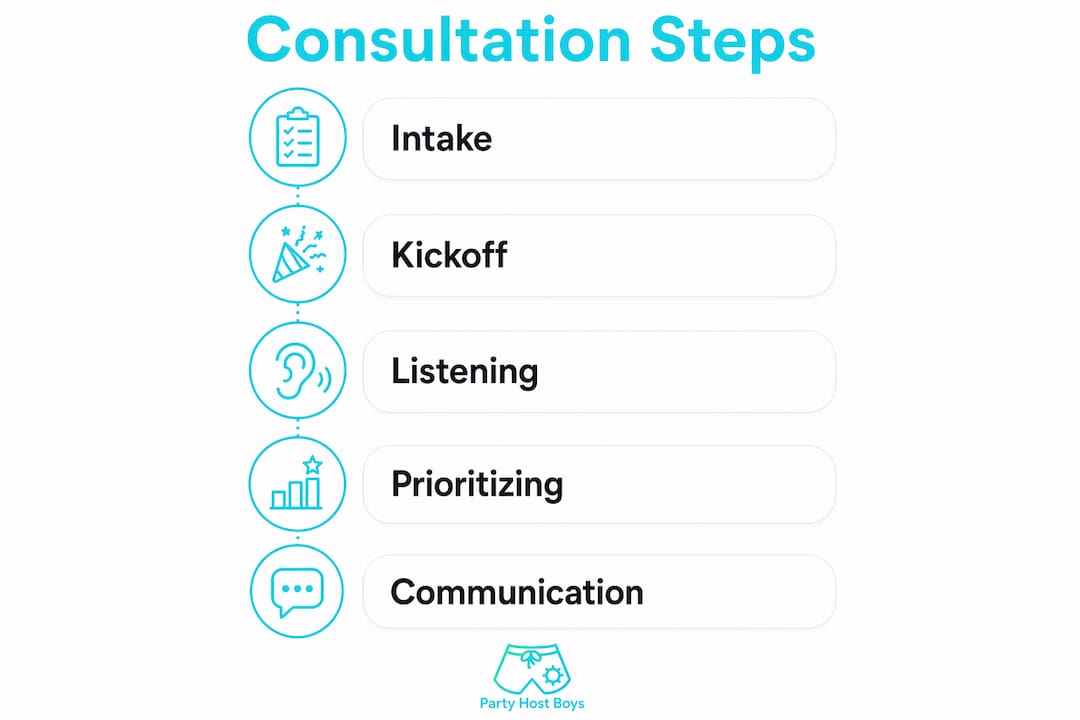
A repeatable consultation process starts before the first conversation. Sending a client intake form before any meeting collects the basics: event type, guest count, date, location, and initial budget range. A well-designed intake form takes 20–35 minutes to complete and gives the planner enough context to make the kickoff meeting productive rather than exploratory.
The kickoff meeting itself runs best at 45–60 minutes. Use that time to confirm scope, set communication rules, identify decision-makers, and surface any early conflicts between vision and budget. Keep the conversation focused. A kickoff that runs two hours without a clear agenda usually signals a client who has not yet defined their own priorities.
After the meeting, the synthesis phase begins. This is where most planners lose ground. Converting discovery notes into a shared, signed-off document within 48 hours prevents misunderstandings before they harden into disputes. That document becomes the project’s single source of truth.
The full discovery process, from intake form to finalized onboarding, typically spans 4–8 hours of provider preparation and synthesis spread across multiple days. That investment pays off in fewer revision cycles and cleaner execution.
Send the intake form at least 48 hours before the kickoff meeting.
Run the kickoff meeting with a fixed agenda covering scope, budget, timeline, and communication rules.
Synthesize notes into a shared document and get client sign-off within 48 hours.
Confirm the onboarding package with a welcome guide that outlines next steps and contact protocols.
Schedule a follow-up check-in two weeks out to catch early questions before they become problems.
Pro Tip:Customize your intake form by event type. A bachelorette party intake should ask about group dynamics, activity preferences, and alcohol preferences. A corporate birthday event needs different fields entirely. Generic forms produce generic answers.
How do consultations help planners capture and prioritize client needs?
The consultation is not just data collection. Alignment between client and planner on values, working style, and expectations improves project success rates and reduces friction throughout the planning process. A planner who skips this alignment step often ends up managing a client relationship that was never a good fit.
Active listening is the core skill here. Ask open-ended questions and resist the urge to fill silence with suggestions. “What does success look like for this event?” produces richer answers than “Do you want a DJ?” Let the client describe their vision before you introduce constraints.
Structuring the consultation around a clear decision flow produces better information. Design intake forms to follow the natural order: vision first, budget second, vendor preferences third. This sequence surfaces conflicts early, before any vendor commitments are made.
Key areas to probe during every consultation:
Vision and theme: What feeling should guests walk away with?
Budget reality: Is the stated budget firm, or is there flexibility for priority items?
Decision-makers: Who has final approval on vendors, decor, and timeline changes?
Non-negotiables: What one or two things absolutely must happen at this event?
Balancing client wishes with realistic constraints is where planner expertise earns its value. A client who wants a rooftop venue, a live band, and a five-course dinner on a $3,000 budget needs honest guidance, not agreement. The consultation is the right moment to have that conversation.
Pro Tip:Ask clients to rank their top three priorities before the meeting ends. When budget pressure hits later, that ranked list becomes the decision-making framework that keeps everyone aligned.
What are best practices for managing communication and scope during consultations?
Clear communication protocols reduce client anxiety and establish professionalism from the first interaction. Set response time expectations at the kickoff meeting. Tell clients which channel to use for urgent questions, which for routine updates, and who the designated contact is on both sides. Ambiguity here creates late-night texts and frustrated clients.
Formalizing feedback loops matters just as much. Client satisfaction above 80% correlates with 20–30% greater retention and 1.5x success in cross-selling services among professional service providers. That number reflects a simple truth: clients who feel heard come back and refer others.
Scope management starts at the consultation and never stops. Treating the consultation as the initial phase of project management sets boundaries and prevents scope creep before it starts. Every change request after sign-off should go through a documented approval process, not a casual text conversation.
Communication element
Best practice
Response time
Commit to a 24-hour reply window for non-urgent questions
Designated contact
Name one point of contact on each side at the kickoff meeting
Change requests
Require written approval for any scope change after sign-off
Feedback timing
Schedule structured check-ins at 30%, 60%, and 90% of the planning timeline
Welcome package
Deliver a written guide covering protocols, timelines, and escalation steps
A structured client feedback program creates opportunities for proactive business development and prevents revenue loss. Senior-level engagement and structured questions yield the highest quality insights. For party planners, this means checking in with the actual decision-maker, not just whoever is easiest to reach.
How can consultations lead to more memorable, personalized events?
Consultation findings translate directly into event design. When a planner knows a client’s color palette, entertainment preferences, and the three moments that matter most, every vendor decision becomes easier and more targeted. The guest experience in event planning improves when the planner has real information rather than assumptions.
Clients remember how planners made them feel during the consultation more than the technical details discussed. A client who felt rushed or dismissed in the first meeting carries that feeling into every subsequent interaction. A client who felt genuinely heard becomes a loyal advocate.
Personalization at the event level flows from specificity at the consultation level. Knowing that the guest of honor loves 1990s hip-hop, hates balloon arches, and wants a photo moment near the bar produces a very different event than a generic “fun party” brief. The consultation is where that specificity lives.
Key ways consultation insights shape the final event:
Themed packages: Consultation notes on aesthetic preferences guide decor, lighting, and signage choices.
Entertainment alignment: Activity selections reflect the energy level and group dynamic the client described.
Vendor matching: Knowing budget priorities helps planners match clients to vendors who fit, rather than overselling.
Host preparation: When Cabana Boys, Cocktail CowBoys, and Cocktail Boys know the group’s vibe in advance, they can calibrate their energy and engagement style to match.
Surprise moments: Clients who mention a meaningful detail during consultation often find that detail woven into the event, creating the kind of memory that generates referrals.
Building client trust through a structured process is not just good practice. It is the mechanism that turns a one-time booking into a long-term relationship. The role of budget in customized party planning becomes much clearer when the planner has a full picture of what the client values most.
Key Takeaways
Effective client consultation is the single most important factor in delivering a personalized, on-budget party that meets client expectations and prevents scope creep.
Point
Details
Start with a structured intake form
Collect vision, budget, and vendor preferences before the kickoff meeting to save time.
Document within 48 hours
Convert discovery notes into a signed-off document quickly to prevent misunderstandings.
Set communication rules early
Name contacts, response times, and change-request protocols at the first meeting.
Prioritize emotional experience
Clients remember how they felt during consultation, so active listening builds lasting trust.
Translate notes into event design
Use consultation specifics to guide decor, entertainment, and vendor choices directly.
What I’ve learned about consultations that most planners skip
Most planners treat the consultation as a formality. They show up, ask a few questions, nod a lot, and leave thinking they have what they need. They rarely do.
The consultation is the actual start of project management, not a prelude to it. Every scope decision, every vendor conversation, and every budget trade-off traces back to what was or was not established in that first structured meeting. Planners who skip the intake form and go straight to a casual call spend the rest of the project managing confusion they created themselves.
The part that surprises most people: clients do not always know what they want when they walk in. They know how they want to feel. A good consultation helps them articulate that feeling in concrete terms. That is a skill, not a checklist. It takes practice, patience, and genuine curiosity about the person across the table.
The biggest pitfall I see in 2026 is planners who over-automate the intake process. Digital forms and CRM tools are genuinely useful for tracking engagement and managing follow-ups. But a form cannot pick up on the hesitation in a client’s voice when they mention their budget, or the excitement that spikes when they describe their favorite party memory. Those signals live in the conversation, not the spreadsheet.
The planners who consistently deliver standout events are the ones who treat the consultation as a relationship moment, not an administrative task. Structure matters. Empathy matters more.
— Nelson
Party Host Boys: where consultation meets celebration
Planning a party that actually reflects who you are starts with being heard. Cabana Boys, Cocktail CowBoys, and Cocktail Boys bring a client-centered approach to every booking, starting with understanding exactly what you want before a single detail is confirmed.
From bachelorette parties to birthday celebrations and group trips, the team at Party Host Boys builds each experience around your vision, your group’s energy, and the moments that matter most to you. Their hosts, recognized as the #1 bachelorette experience in top US party destinations and featured on Shark Tank and the New York Times, know how to translate a great consultation into an unforgettable event. Book your experience and see what a truly personalized party feels like from the very first conversation.
FAQ
What is the role of client consultation in party planning?
Client consultation in party planning is the structured process of capturing a client’s vision, budget, and expectations before any planning begins. It aligns the planner and client on scope, priorities, and communication rules to prevent misunderstandings.
How long should a party planning consultation take?
An effective kickoff meeting runs 45–60 minutes, following a client intake form that takes 20–35 minutes to complete. The full discovery process, including synthesis and documentation, typically spans 4–8 hours across multiple days.
How do you prevent scope creep after a client consultation?
Convert your discovery notes into a shared, signed-off document within 48 hours of the meeting. Require written approval for any change requests made after that document is confirmed.
Why does client feedback matter in event planning?
Client satisfaction above 80% correlates with 20–30% greater retention and 1.5x success in cross-selling services. Structured feedback turns client opinions into concrete improvements that strengthen future events.
What questions should you ask during a party planning consultation?
Ask about the client’s vision and desired guest experience, their firm budget versus flexible budget, key decision-makers, vendor preferences, and the two or three non-negotiable elements the event must include.





 Austin
 Charleston
 Los Angeles & Orange County
 Miami
Miami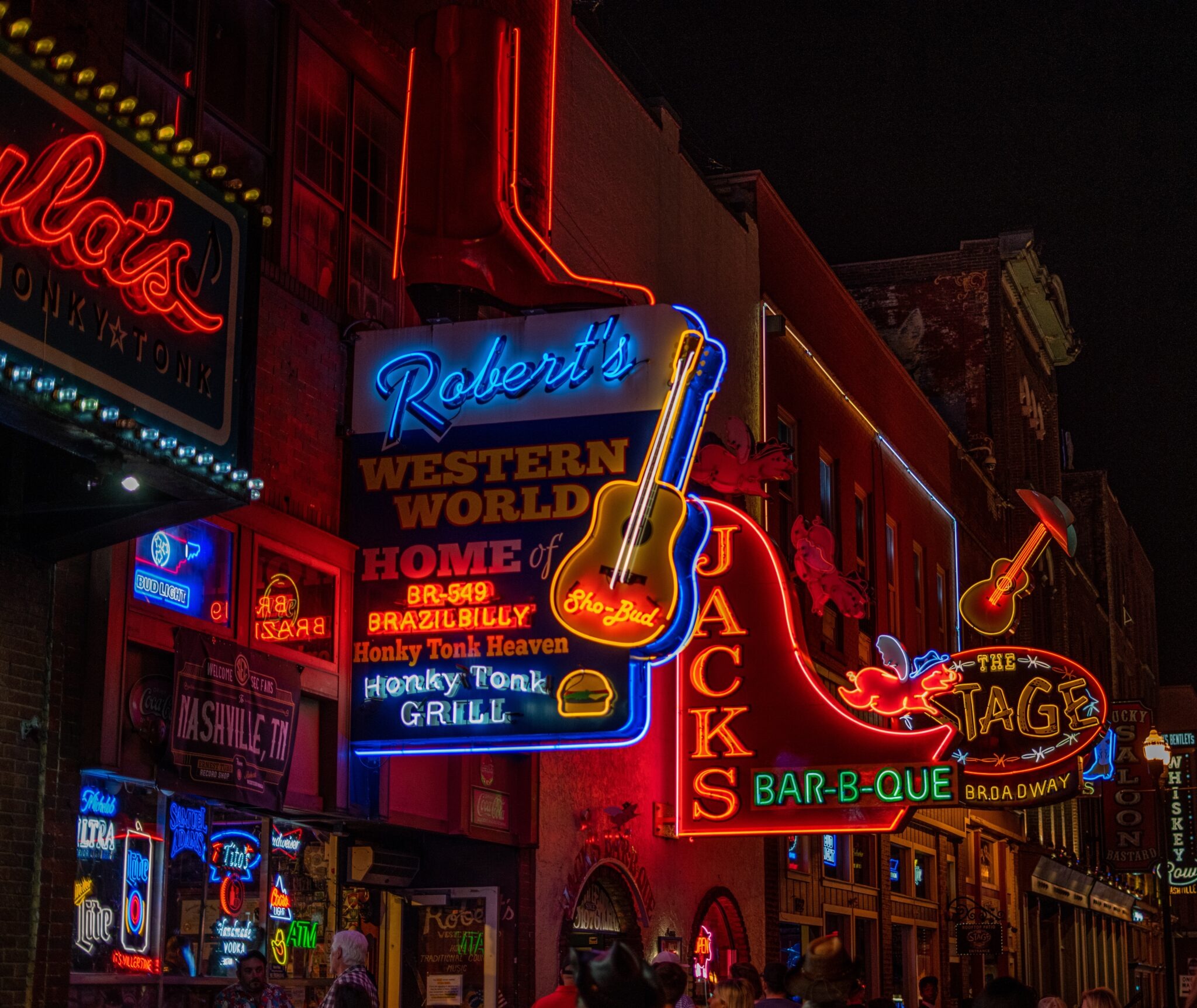 Nashville
 Palm Springs
 Savannah
 Scottsdale
 San Diego
 30A / Destin
 Cabana Boys
 Cocktail CowBoys
 Signature Party
 Brunch
 Game Night
 Cabana Glow
 Bagel Boys
 Party Bus
 Line Dancing
 Austin