🦈As Seen on Shark Tank 🦈 Book the Boys everyone is talking about • 🦈As Seen on Shark Tank 🦈 Book the Boys everyone is talking about • 🦈As Seen on Shark Tank 🦈 Book the Boys everyone is talking about • 🦈As Seen on Shark Tank 🦈 Book the Boys everyone is talking about • 🦈As Seen on Shark Tank 🦈 Book the Boys everyone is talking about • 🦈As Seen on Shark Tank 🦈 Book the Boys everyone is talking about • 🦈As Seen on Shark Tank 🦈 Book the Boys everyone is talking about • 🦈As Seen on Shark Tank 🦈 Book the Boys everyone is talking about • 🦈As Seen on Shark Tank 🦈 Book the Boys everyone is talking about • 🦈As Seen on Shark Tank 🦈 Book the Boys everyone is talking about • 🦈As Seen on Shark Tank 🦈 Book the Boys everyone is talking about • 🦈As Seen on Shark Tank 🦈 Book the Boys everyone is talking about • 🦈As Seen on Shark Tank 🦈 Book the Boys everyone is talking about • 🦈As Seen on Shark Tank 🦈 Book the Boys everyone is talking about • 🦈As Seen on Shark Tank 🦈 Book the Boys everyone is talking about • 🦈As Seen on Shark Tank 🦈 Book the Boys everyone is talking about •
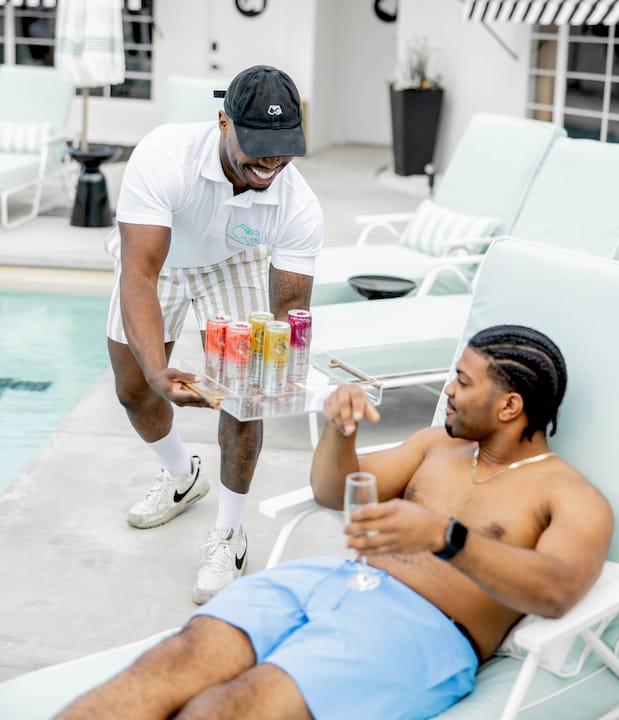
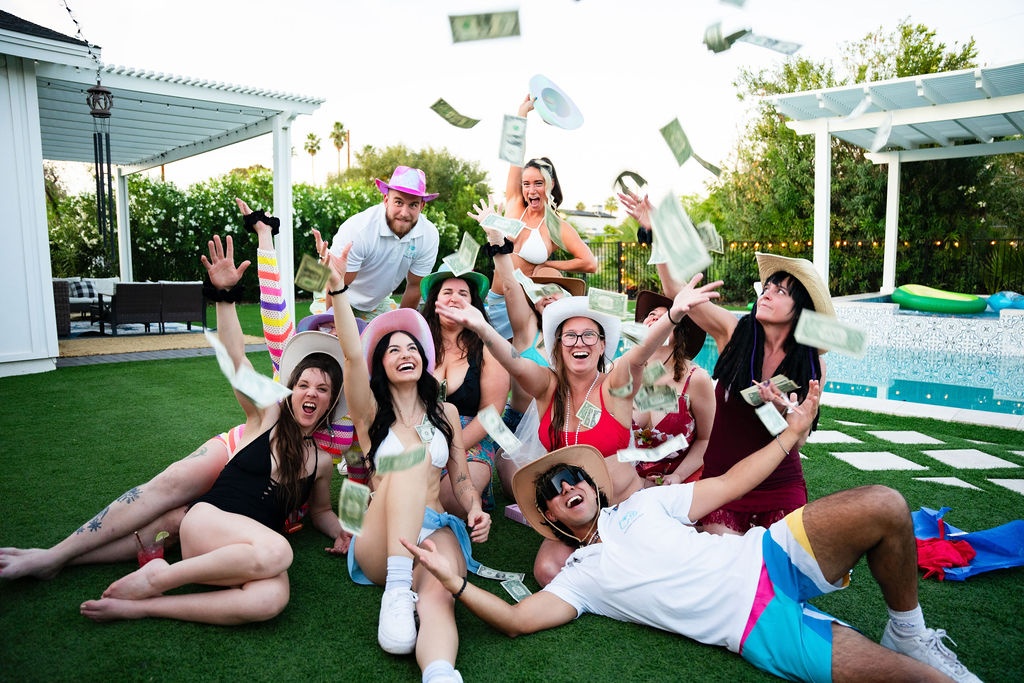
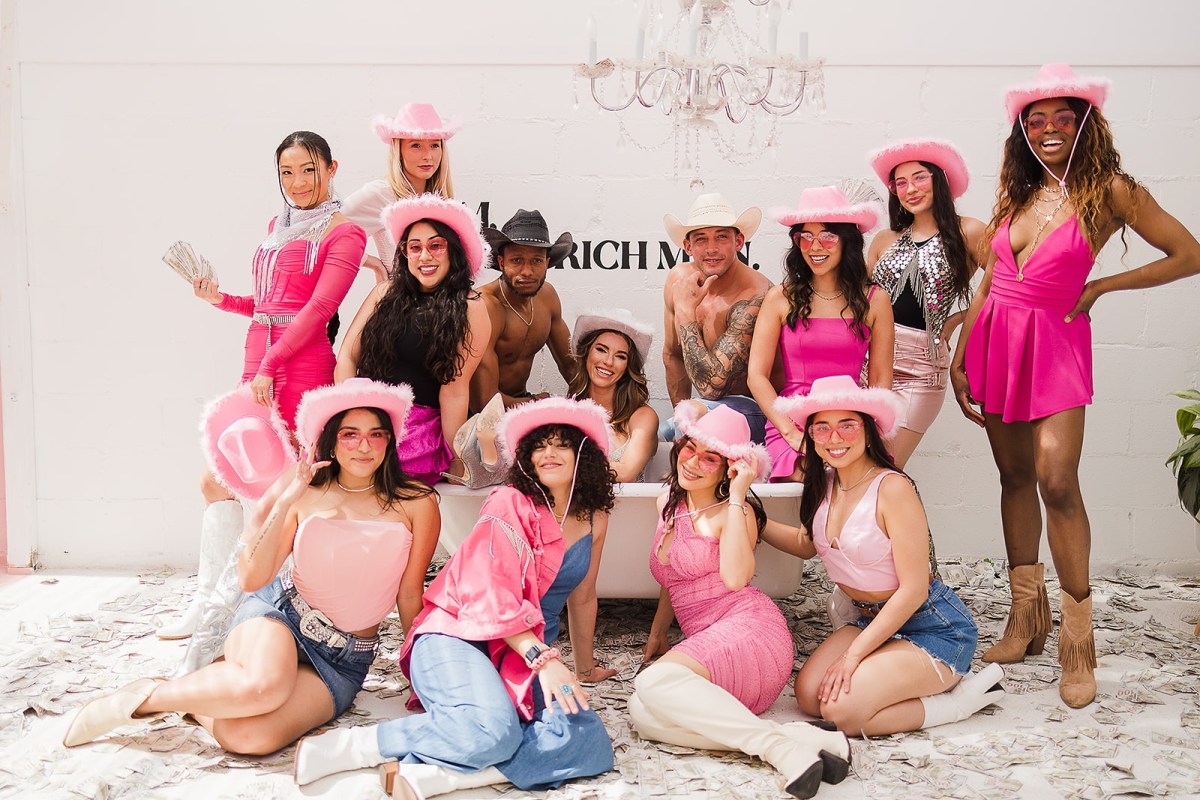
Hire the Cabana Boys to elevate your event with personalized party hosting and bartending services for 2-4 hours. These charming, vetted gentlemen will serve drinks, entertain, keep the area tidy, and make your event unforgettable, whether it’s a pool party, bachelorette, or themed event.
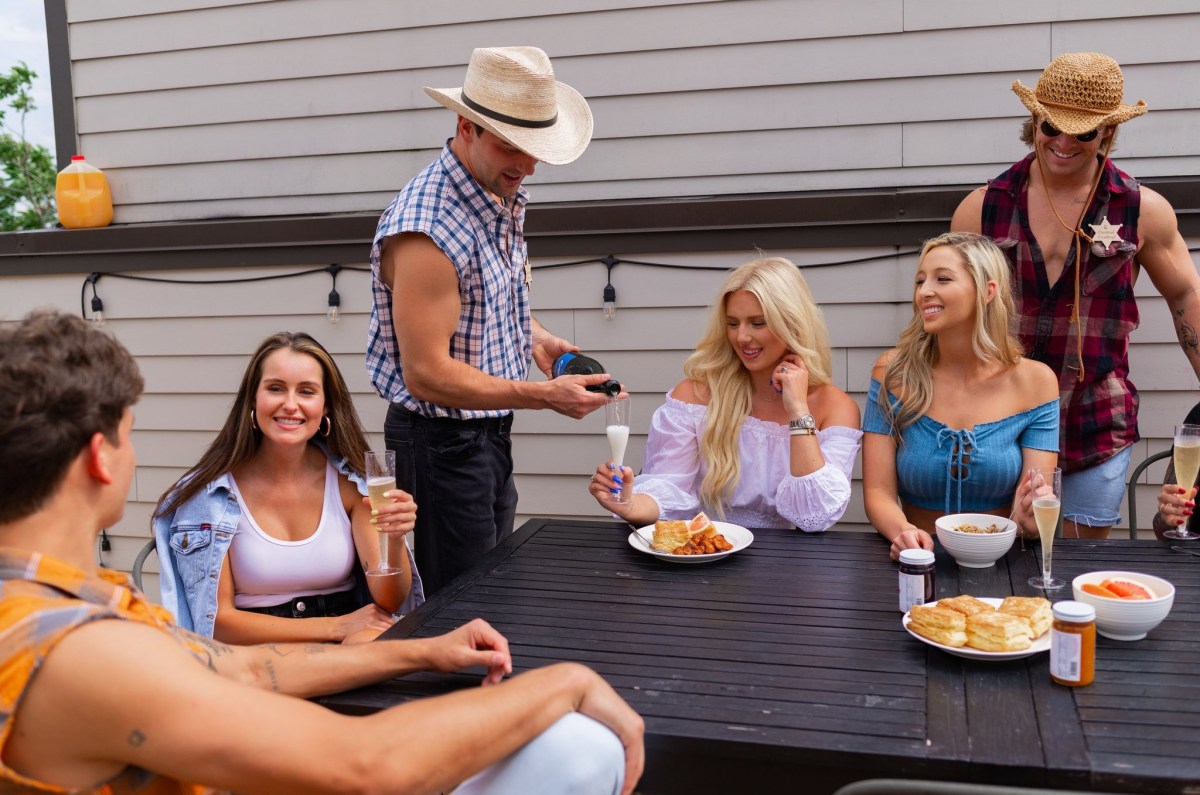
Gourmet brunch from local favorites, bottomless mimosas, music, and party games — hosted poolside by the Cabana Boys. The easiest, most-talked-about morning of the weekend.
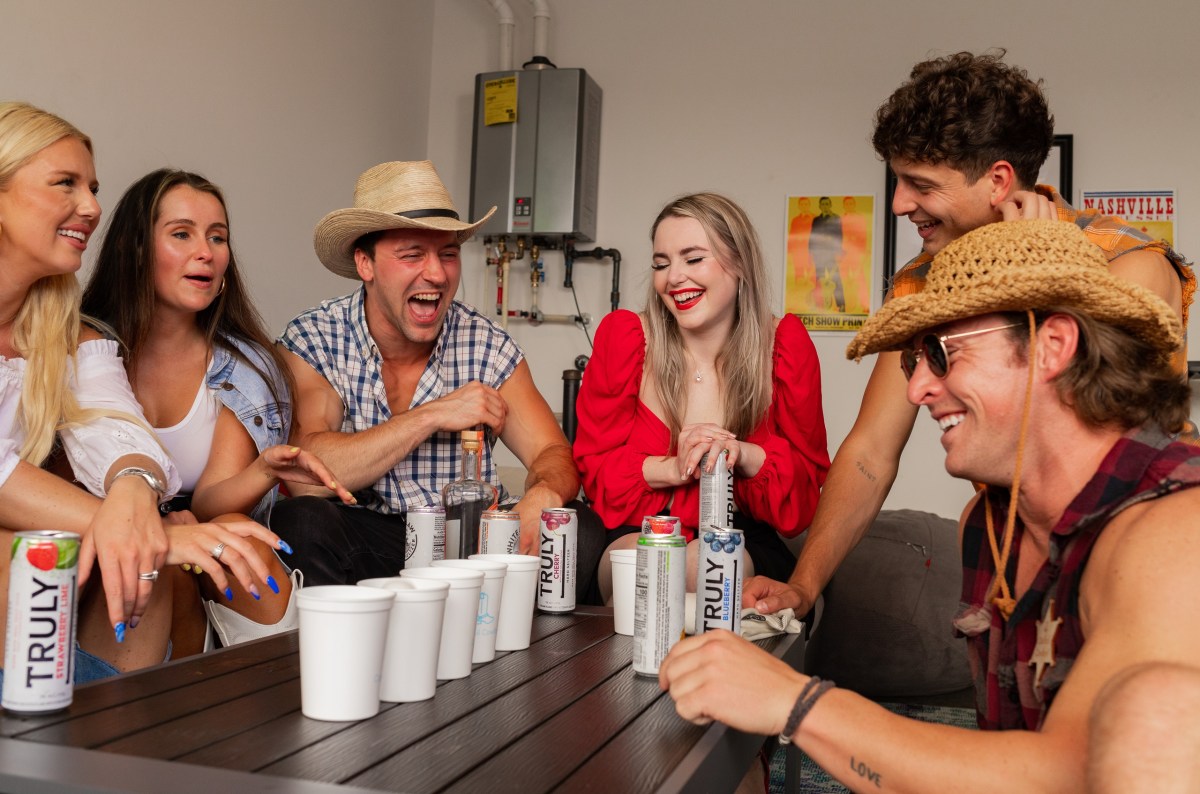
We bring tons of game ideas and supplies – bachelorette games, drinking games, signature games, fun icebreakers, music games, and more – that we will host at your Airbnb. We can also help facilitate any games that you have in mind. Think of us as game show hosts, but in a sexy pool boy kind of way.
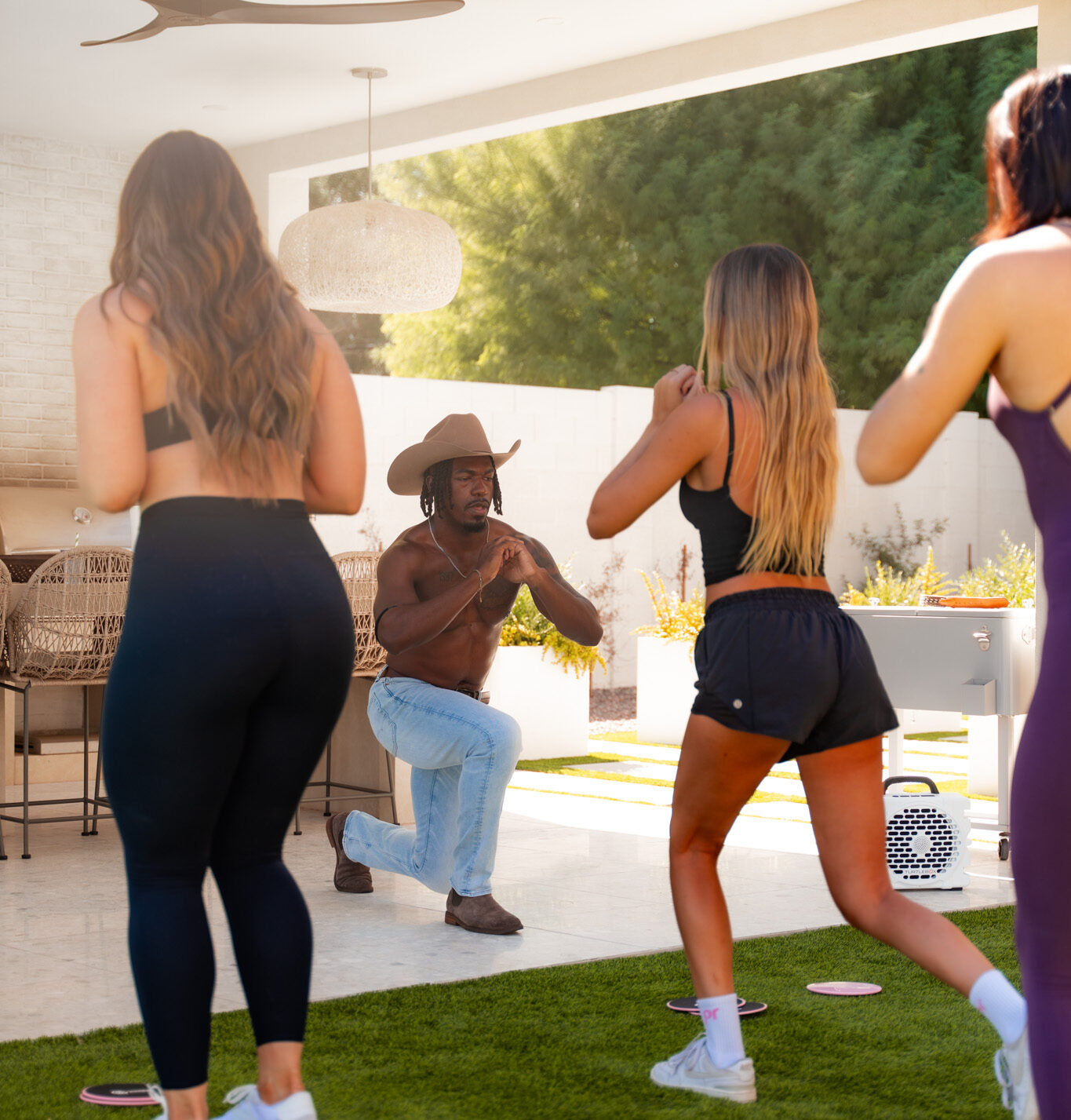
We’ll lead you through a fun, high-energy 45-minute workout with mats, bands, and sliders – then flip straight into party mode. Think of it as a fitness class that ends with your own private pool boy hosts keeping the vibe alive.
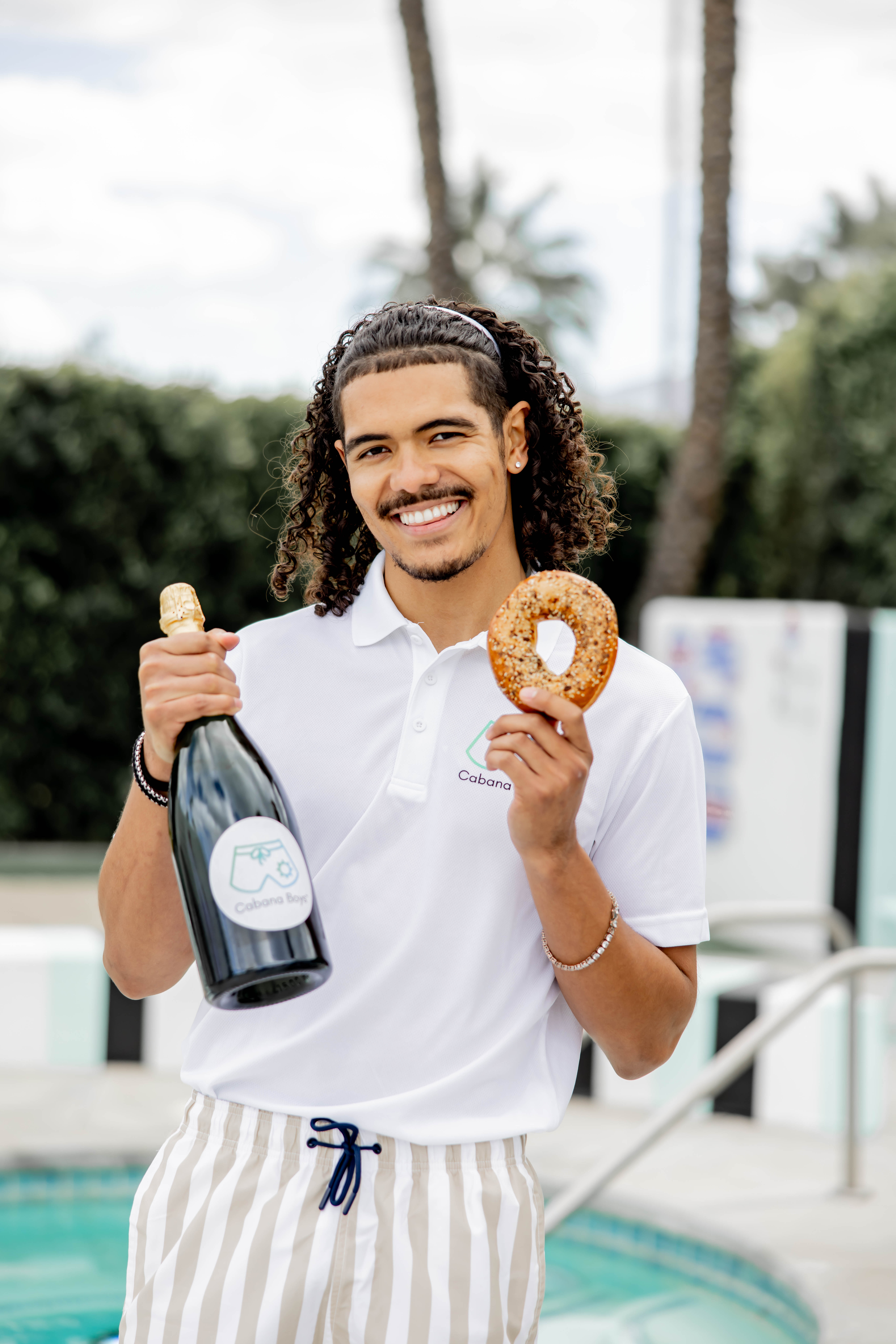
Kick off your morning with a visit from one of our hand-picked gentlemen who will set up a delicious spread with a dozen of gourmet assorted bagels, two tubs of delicious cream cheese, a large container of hot coffee, and a carafe of fresh orange juice.
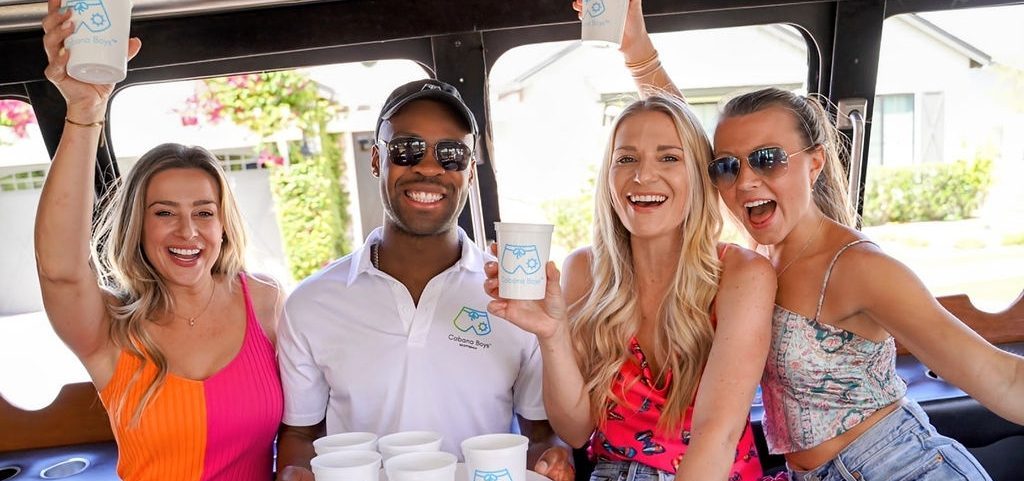
Hop on the luxurious, air conditioned party bus and we’ll cruise around Old Town, bumping music, dancing, drinking, and playing some signature games. We’ll make stops at our partner bars, where you’ll access some exclusive drink specials.
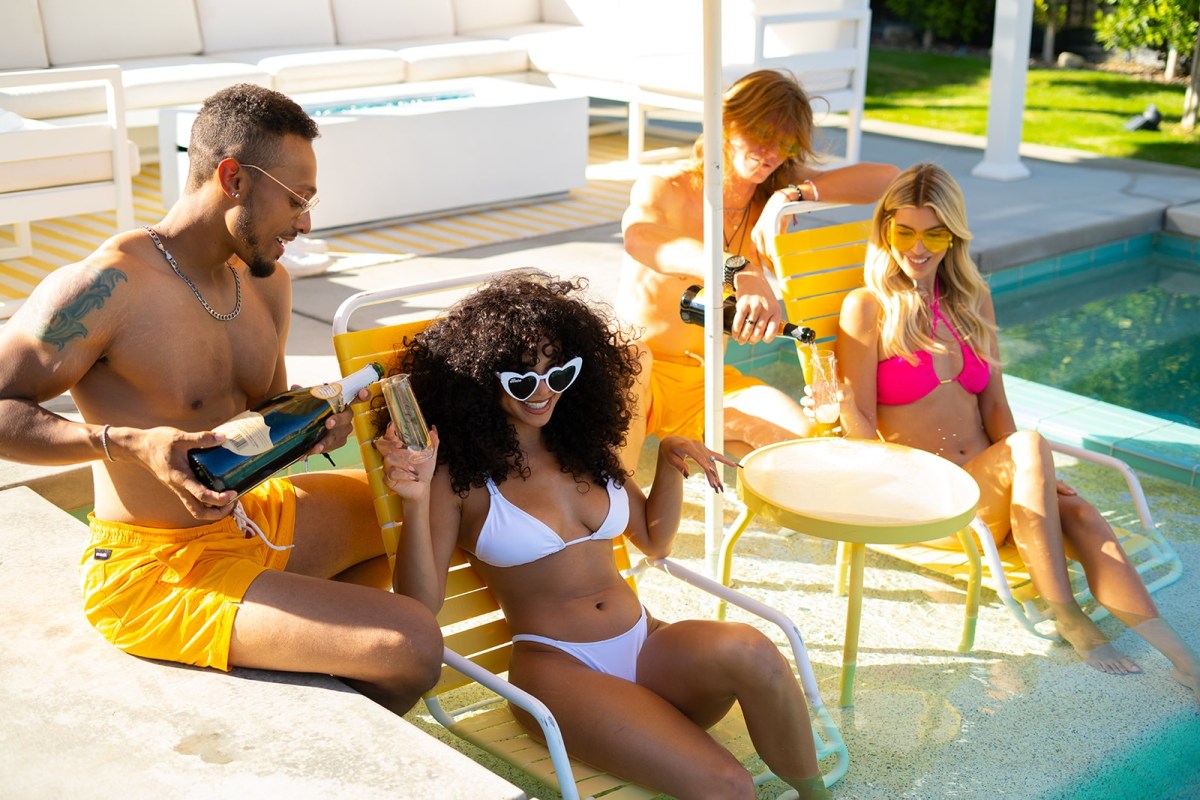
Our Cocktail CowBoys are at your service — we’ll serve you drinks and refreshments, take pictures (or pose with you), be Spotify DJs, help with party/drinking games, keep the party area tidy, keep you company and take out the trash when we leave.
Two Cocktail CowBoys will deliver brunch for you and your crew and get you back into celebration mode. They’ll set up breakfast for you, pour mimosas, turn on some tunes, host some party games, help you nurse your hangover, and keep the party area clean.
Take a break from the bars and get ready for the perfect night in with your gals… a Cocktail CowBoys game night! We bring tons of game ideas and supplies – bachelorette games, drinking games, signature games, fun icebreakers, music games, and more!
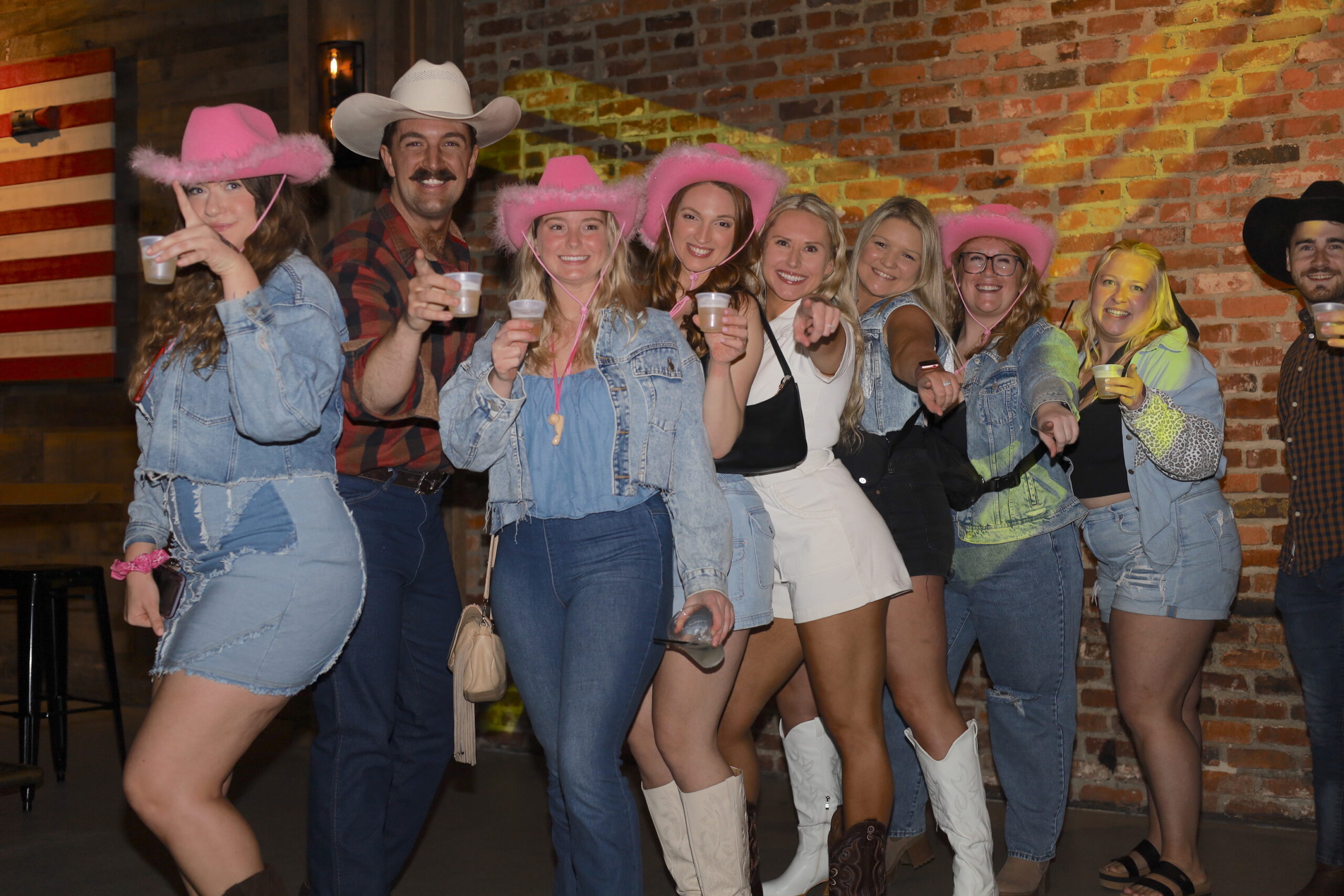
A honky-tonk adventure with cowboy charm, dancing, and unforgettable memories. Your personal party crew for a wild night of bars, boots, and Broadway debauchery.
Kick off your day with a 45-minute cowboy-led workout, then roll right into an hour of games, drinks, and hosting. Think of it as fitness meets Western hospitality — charming, playful, and unforgettable.
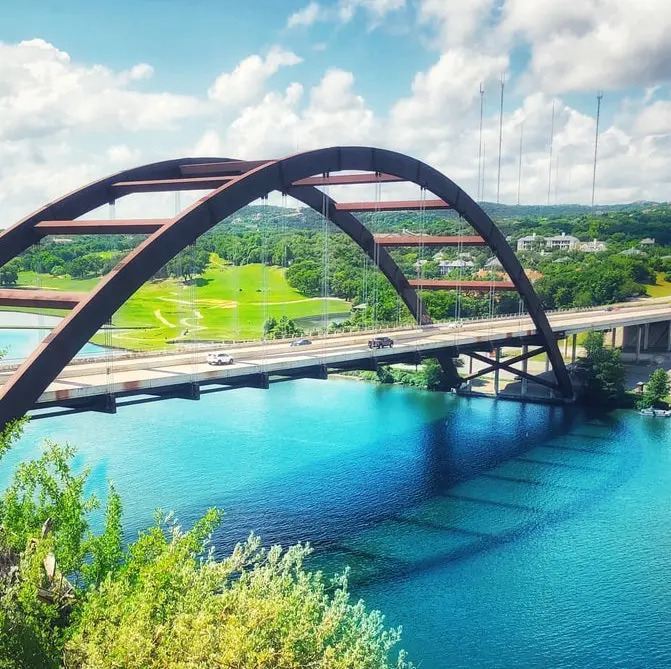
Grab your boots and head to the ultimate spot for unforgettable parties, legendary food, and live music that never stops. Saddle up for an epic Austin weekend!
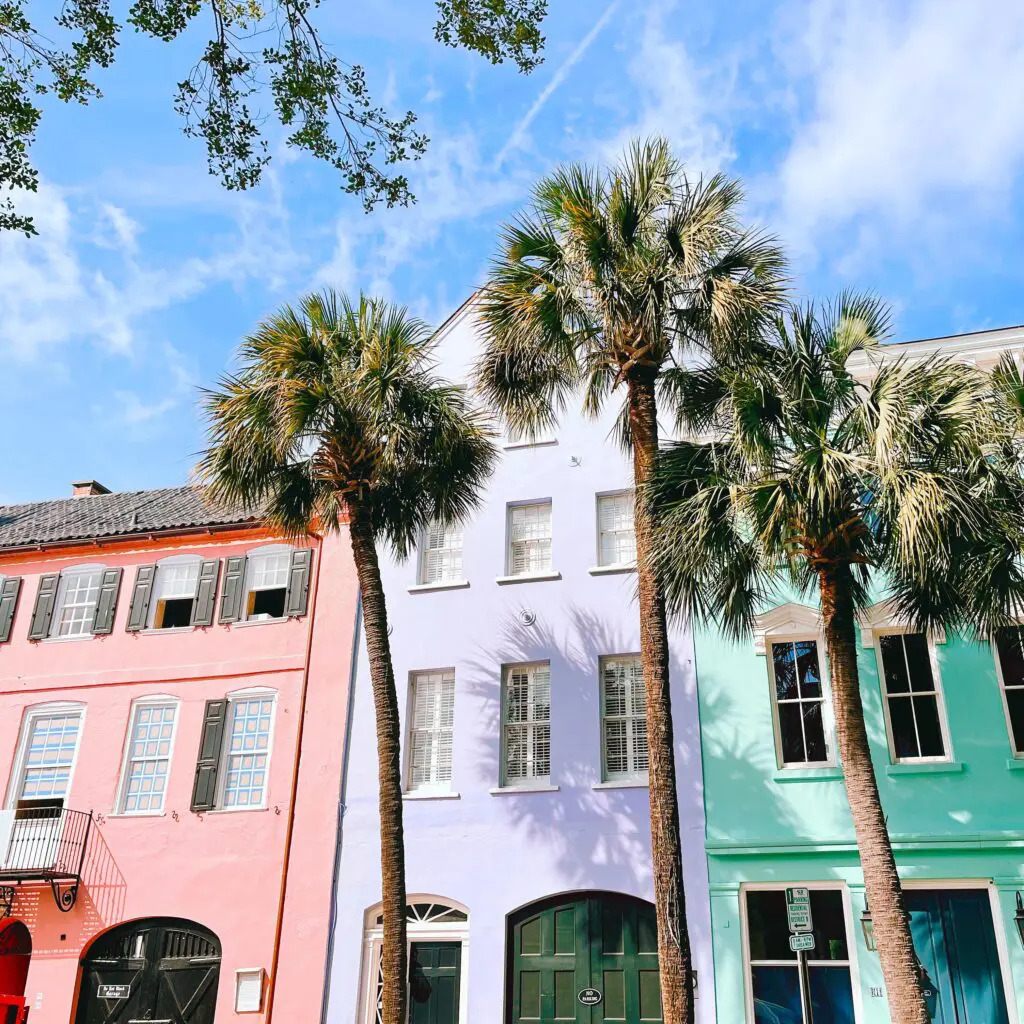
With cobblestone streets, pastel sunsets, and rooftop bars, Charleston has hospitality around every corner. Charm, style, and just the right amount of mischief.
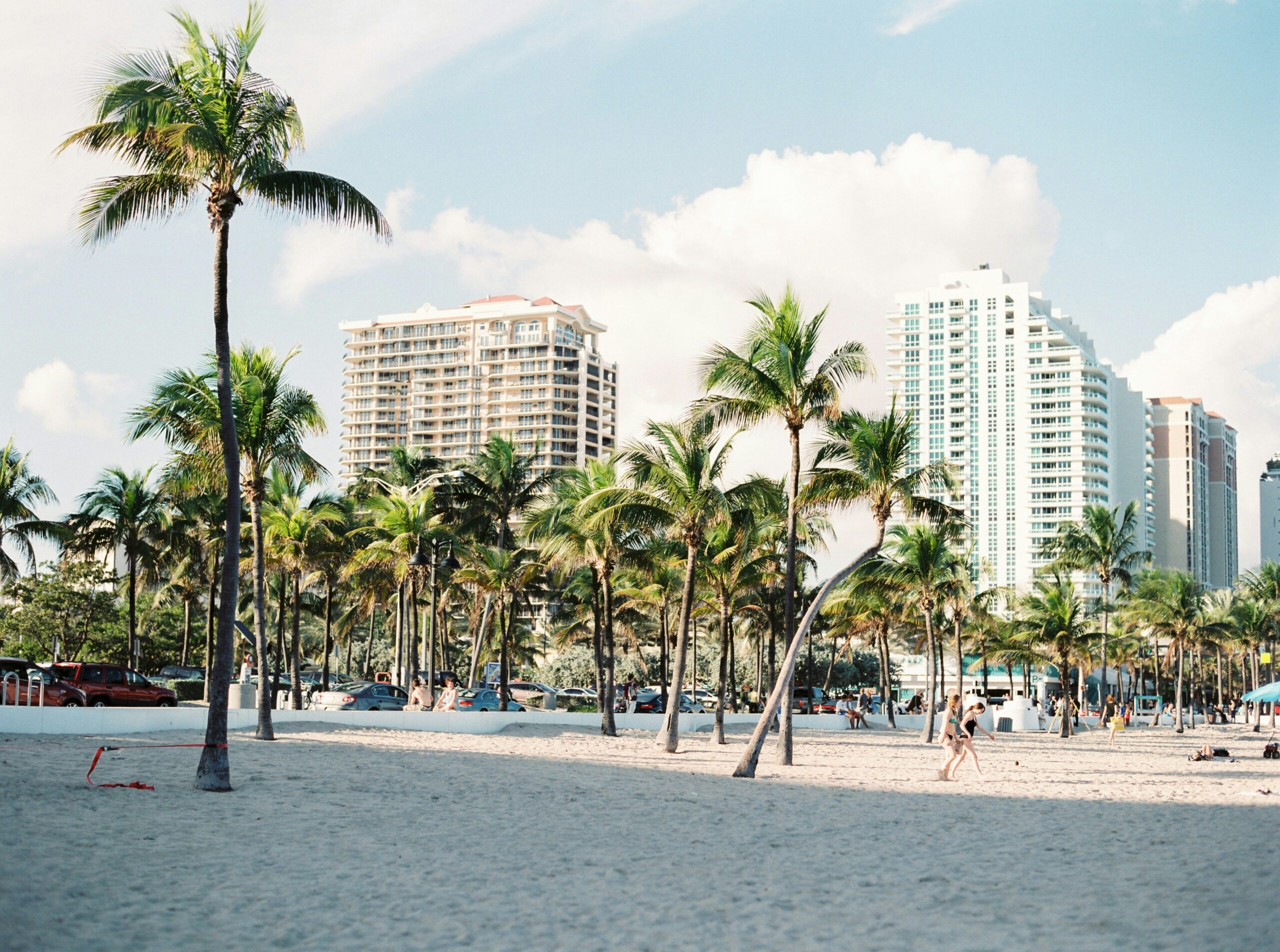
Sun, skin, and serious vibes—Miami and Fort Lauderdale are built for bold, unforgettable weekends. From pool parties to rooftop hangs, South Florida brings the heat.
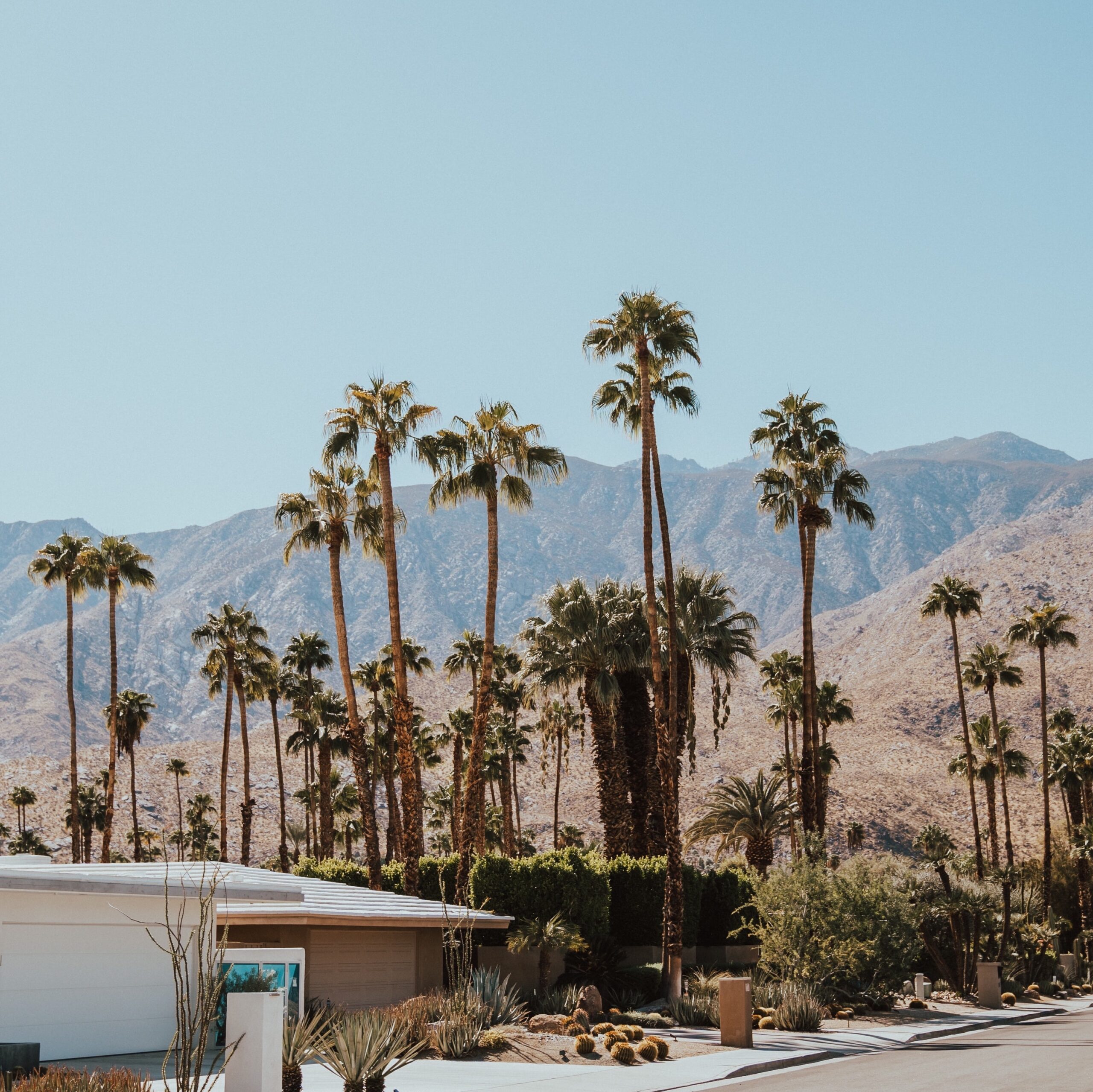
With mid-century charm, desert sun, and iconic poolside vibes, Palm Springs is the ultimate escape for unforgettable weekends and inclusive celebrations.
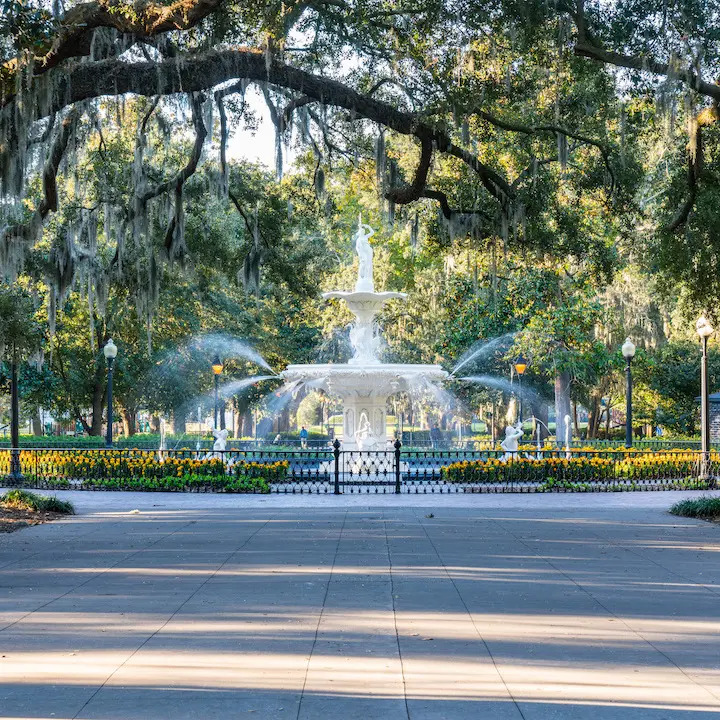
From cobblestone streets to coastal retreats, Savannah is the perfect place to sip, celebrate, and let loose. Open container laws make this one true party town.
Planning a bachelorette party in Scottsdale? Cabana Boys is the #1 rated activity in town – charismatic hosts, poolside vibes, and memories the bride won’t stop talking about.
With mid-century charm, desert sun, and iconic poolside vibes, Palm Springs is the ultimate escape for unforgettable weekends and inclusive celebrations.
Entertainers are defined as the primary architects of guest experience at any event, shaping atmosphere, emotional flow, and social energy far beyond what a playlist or décor ever could. The role of entertainers in guest experience goes well past filling time between dinner courses. Over 70% of hospitality guests report that sensory elements like music and live performance significantly influence their overall satisfaction. That number tells you something critical: entertainment is not decoration. It is the engine that drives how guests feel, how long they stay, and how much they spend. Cabana Boys, Cocktail CowBoys, and Cocktail Boys have built their entire model on this principle, treating every event as an experience to be designed, not just hosted.
How does the role of entertainers in guest experience actually work?
Entertainers shape guest experience through three direct mechanisms: sensory control, emotional pacing, and social activation. Each one operates differently, but all three work together to determine whether guests feel engaged or bored, connected or isolated.
Sensory control: music, energy, and atmosphere
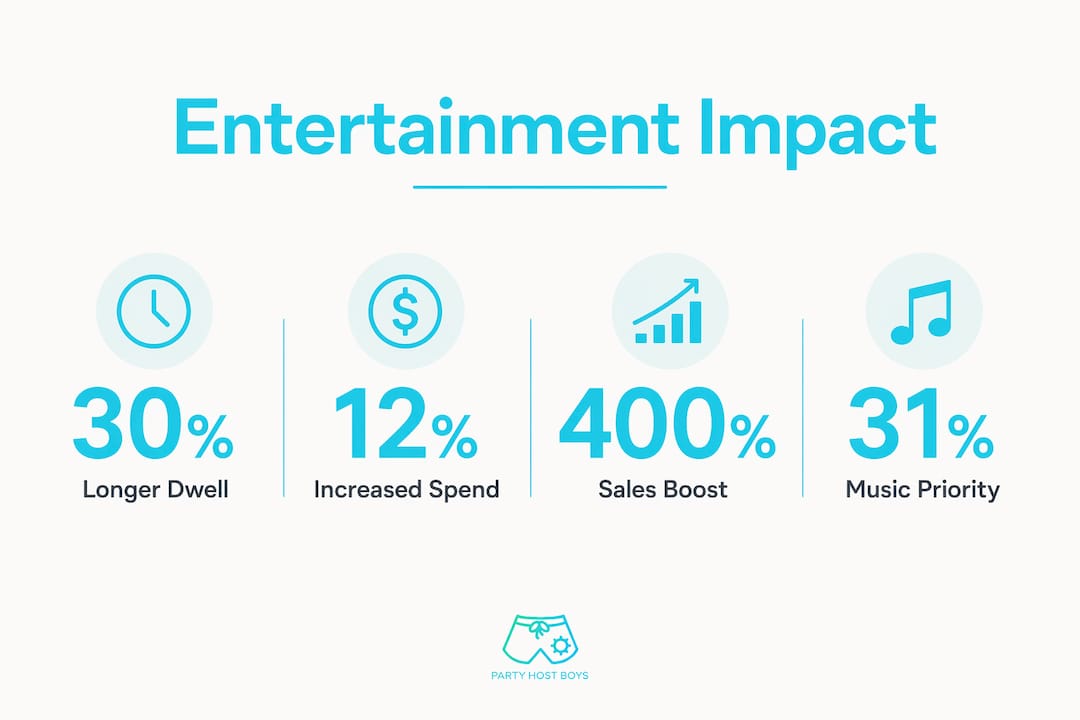
Sensory elements can increase guest dwell time by 30 minutes, which generates a 12% increase in food and beverage spending. That is not a coincidence. When a skilled entertainer controls the room’s energy through volume, tempo, and presence, guests naturally relax, open up, and stay longer. A DJ who reads the room and shifts from background lounge music to upbeat tracks at exactly the right moment does more for your event than any centerpiece arrangement.
Live performances bring presence and personality that recorded music simply cannot replicate. Guests feel more connected to the event and to each other when a real person is performing in the room. This applies across bachelorette parties, birthday celebrations, and group trips alike.
Emotional pacing: the arc of a great event
Expert event designers treat the emotional arc of an event with the same care as the agenda or seating chart. Experience design maps an event’s emotional arc, focusing on transitions and increasing guest participation rather than simply filling time. Think of it as a story with a beginning, a middle, and a peak. Arrival energy is different from dinner energy, which is different from the moment the dance floor opens. A skilled entertainer manages each phase deliberately.
High-end entertainers curate atmosphere dynamically, evolving their performance to match guest mood across event phases rather than delivering a static set. This real-time adjustment is what separates a memorable event from a forgettable one.
Impact of entertainment elements on guest metrics
Entertainment Element
Guest Impact
Live music or performance
Longer dwell time, stronger emotional connection
Curated sensory atmosphere
Up to 12% increase in food and beverage spending
Interactive entertainer presence
Higher guest participation and social engagement
Personalized entertainment programming
Greater guest satisfaction and positive word of mouth
Immersive experience design
Stronger event ROI and repeat attendance
Pro Tip:Brief your entertainer on the event timeline before the event starts. Share the guest list demographics, the emotional tone you want at each phase, and any key moments like toasts or reveals. Entertainers who know the plan deliver a far better arc.
Why does moving from passive entertainment to experience design matter?
The shift in modern event planning is from booking passive entertainment to partnering with entertainers who manage emotional flow and guest participation in real time. This distinction matters more than most planners realize.
Passive entertainment means a band plays in the corner while guests talk over them. Active experience design means the entertainer is woven into the event’s structure, responding to the room, facilitating moments, and driving the energy curve intentionally. Immersive experiences succeed by placing guests at the center and breaking down the barrier between audience and performer.
The commercial case is clear. Targeted performance design can produce a 400% sales boost on event day using punchy, visually impressive entertainment. One experience design approach attracted 171,000 attendees and set new venue records. These results come from treating entertainment as a strategic element, not an afterthought.
Entertainment encourages social interaction and breaks down barriers among guests by creating shared, memorable moments. Music and performance foster a sense of community that no seating arrangement can manufacture on its own.
Key shifts planners should adopt right now:
Move from time-filling to arc-building. Every entertainment segment should serve a purpose in the event’s emotional journey.
Prioritize audience needs over performer preference. The best entertainers set aside ego and design for the actual audience present.
Choose short, high-impact moments over long narrative sets. Shows with extended warm-ups lose audience attention fast.
Treat entertainers as collaborators. Brief them on guest demographics, event goals, and key moments before the event begins.
Measure guest engagement, not just applause. Dwell time, participation rates, and post-event feedback all reflect entertainment quality.
Pro Tip:31% of millennials cite music as the single biggest factor in their hospitality experience. If your guest list skews millennial, your entertainment programming needs to reflect that with personalized, brand-aligned music choices from the first moment guests arrive.
How to integrate entertainers strategically into your event
Strategic integration means entertainment is planned with the same rigor as catering or venue logistics. Here is a practical sequence that works for bachelorette parties, birthdays, and group celebrations alike.
Set your emotional goals first. Define how you want guests to feel at arrival, during the main event, and at the close. Write these down. Share them with your entertainer before any other briefing happens.
Map your entertainment to the event timeline. Identify the three to four key energy moments in your event. Assign an entertainment element to each one. Arrival calls for welcoming, upbeat energy. The main celebration needs a peak moment. The close should feel warm and memorable, not abrupt.
Customize performances to your guest profile. A bachelorette group of 25-year-olds wants something different from a milestone birthday crowd of 50-year-olds. Share guest demographics with your entertainer. The best performers adjust their style, humor, and energy accordingly.
Design transitions deliberately. The gaps between entertainment segments are where events lose momentum. Plan what happens between the cocktail hour and dinner, between dinner and dancing. A skilled entertainer can carry guests through those transitions without dead air.
Coordinate in real time during the event. Assign one point of contact who can communicate with the entertainer during the event. If the energy drops or a key moment is approaching, that person signals the entertainer to adjust. This is how event entertainment coordination actually works in practice.
Debrief after the event. Ask your entertainer what they observed about guest energy and participation. Their perspective often reveals what worked and what to adjust for next time.
For a deeper look at what is working in 2026, the latest entertainment trends for hosts covers immersive and participatory formats that are driving the strongest guest satisfaction scores right now.
Common pitfalls that weaken guest engagement
Most entertainment failures share the same root cause: the entertainer was treated as a vendor rather than a partner. Here are the most common mistakes and how to fix each one.
Overlooking the emotional arc. Booking entertainment without mapping it to the event’s energy curve produces flat, forgettable events. Fix: build the arc before you book anyone.
Prioritizing performer complexity over audience fit. A technically impressive act that does not connect with your specific crowd wastes everyone’s time. Fix: match the entertainer’s style to your guest demographics, not your personal taste.
Treating entertainment as background. Background music fills silence. Strategic entertainment shapes behavior. Fix: brief performers with clear emotional objectives and energy targets so they function as experience partners, not wallpaper.
Poor coordination between planners and entertainers. When entertainers do not know the timeline, they cannot support key moments. Fix: share the full event schedule, including speeches, reveals, and transitions, at least 48 hours before the event.
Ignoring guest participation. Passive audiences disengage quickly. Fix: choose entertainers who actively involve guests through games, interaction, and facilitated moments. For practical ideas, interactive party activities are a strong starting point for any planner.
Entertainers who function as experience designers, not passive performers, produce measurably better guest satisfaction, longer dwell times, and stronger event ROI.
Point
Details
Entertainers drive atmosphere
Sensory elements controlled by live performers directly increase guest dwell time and spending.
Emotional arc is non-negotiable
Map entertainment to arrival, peak, and close phases to sustain guest energy throughout.
Audience fit beats performer prestige
Match entertainer style and energy to your specific guest demographics every time.
Coordination is the difference
Brief entertainers on the full timeline and emotional goals at least 48 hours before the event.
Passive entertainment underperforms
Entertainers who actively engage guests produce stronger participation and more memorable events.
What I have learned after years of watching events succeed and fail
The single biggest mistake I see planners make is treating entertainment as the last item on the checklist. Venue, catering, florals, and then, almost as an afterthought, entertainment. That sequence produces events where the food is excellent and the energy is flat.
The events I have seen genuinely transform a guest’s night share one quality: the entertainer knew the room before they walked into it. They knew the guest demographics, the emotional tone the host wanted, and the key moments they needed to support. That preparation is what separates a performer from a partner.
What surprises most planners is how much entertainers can read and respond to a live room. A great entertainer does not just execute a set list. They watch body language, adjust volume, pull reluctant guests in, and give the crowd permission to let go. That is a skill set that no amount of décor budget can replicate.
The importance of performance for guests is not just emotional. It is commercial. Events with strong entertainment programming see guests stay longer, spend more, and talk about the experience afterward. That word of mouth is worth more than any paid promotion.
My advice to any planner reading this: give your entertainer a real briefing, not just a start time and a sound check window. Treat them as a collaborator from the planning stage. The return on that investment shows up in every guest’s face by the end of the night.
— Nelson
Party Host Boys: professional entertainment that shapes every moment
Cabana Boys, Cocktail CowBoys, and Cocktail Boys are built on the principle that great entertainment is designed, not just booked. Every host brings high energy, personalization, and real crowd-reading skill to bachelorette parties, birthdays, and group celebrations across the country. They serve drinks, run games, engage guests, and keep the energy exactly where it needs to be at every phase of your event. Recognized as the #1 bachelorette experience in top US party destinations and featured on Shark Tank and in the New York Times, the team delivers the kind of guest experience that guests talk about long after the night ends. Visit Party Host Boys to book your experience.
FAQ
What is the role of entertainers in guest experience?
Entertainers shape the atmosphere, emotional flow, and social energy of an event. They move beyond passive performance to actively manage guest engagement, dwell time, and the overall mood from arrival through closing.
How do entertainers improve guest satisfaction at events?
Live performers create shared, memorable moments that recorded music and passive entertainment cannot replicate. Research shows sensory elements controlled by live entertainers increase guest dwell time and drive measurable increases in spending.
What is experience design in event entertainment?
Experience design is the practice of mapping entertainment to an event’s emotional arc, planning deliberate transitions and energy peaks rather than simply filling time with performances.
How should planners brief entertainers before an event?
Share the full event timeline, guest demographics, emotional goals for each phase, and any key moments like toasts or reveals at least 48 hours before the event. Entertainers briefed this way function as strategic partners, not just performers.
Why does short, high-impact entertainment outperform long sets?
Short, visually impressive entertainment captures and holds distracted audience attention more effectively than extended narrative shows. Performers who open with long warm-ups risk losing a significant portion of the audience before the set gains momentum.



 Austin
 Charleston
 Los Angeles & Orange County
 Miami
Miami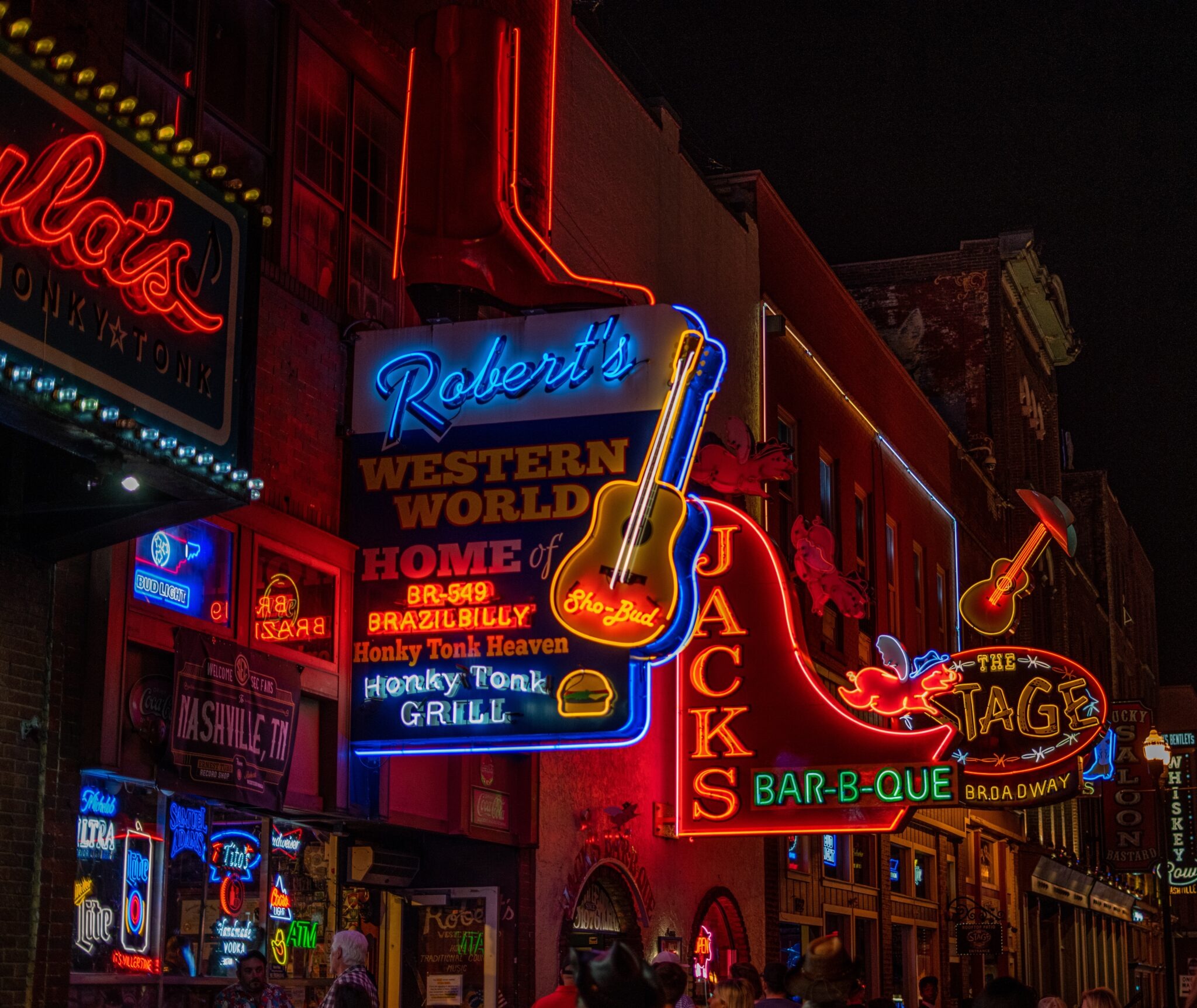 Nashville
 Palm Springs
 Savannah
 Scottsdale
 San Diego
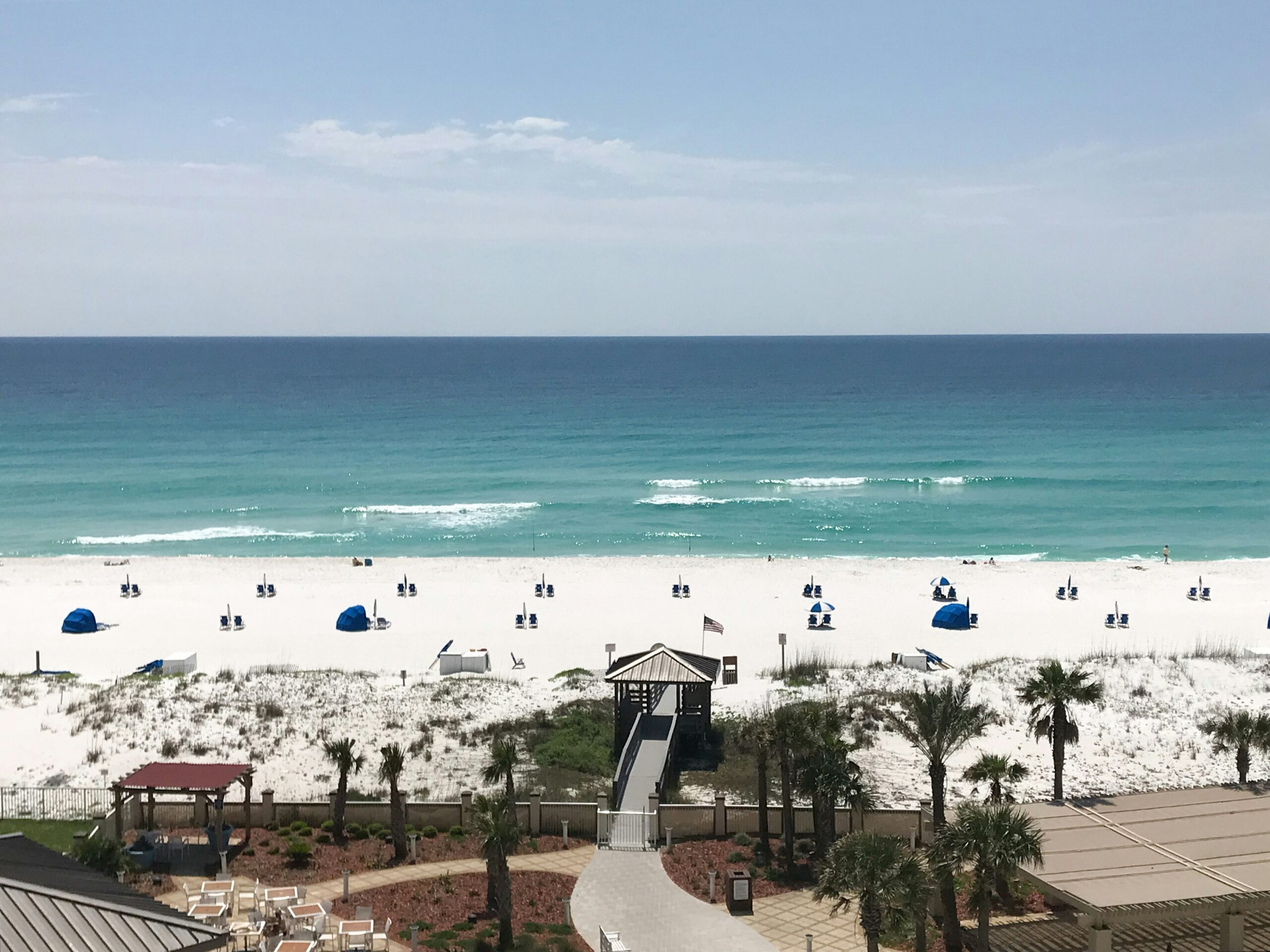 30A / Destin
 Cabana Boys
 Cocktail CowBoys
 Signature Party
 Brunch
 Game Night
 Cabana Glow
 Bagel Boys
 Party Bus
 Line Dancing
 Austin