🦈As Seen on Shark Tank 🦈 Book the Boys everyone is talking about • 🦈As Seen on Shark Tank 🦈 Book the Boys everyone is talking about • 🦈As Seen on Shark Tank 🦈 Book the Boys everyone is talking about • 🦈As Seen on Shark Tank 🦈 Book the Boys everyone is talking about • 🦈As Seen on Shark Tank 🦈 Book the Boys everyone is talking about • 🦈As Seen on Shark Tank 🦈 Book the Boys everyone is talking about • 🦈As Seen on Shark Tank 🦈 Book the Boys everyone is talking about • 🦈As Seen on Shark Tank 🦈 Book the Boys everyone is talking about • 🦈As Seen on Shark Tank 🦈 Book the Boys everyone is talking about • 🦈As Seen on Shark Tank 🦈 Book the Boys everyone is talking about • 🦈As Seen on Shark Tank 🦈 Book the Boys everyone is talking about • 🦈As Seen on Shark Tank 🦈 Book the Boys everyone is talking about • 🦈As Seen on Shark Tank 🦈 Book the Boys everyone is talking about • 🦈As Seen on Shark Tank 🦈 Book the Boys everyone is talking about • 🦈As Seen on Shark Tank 🦈 Book the Boys everyone is talking about • 🦈As Seen on Shark Tank 🦈 Book the Boys everyone is talking about •
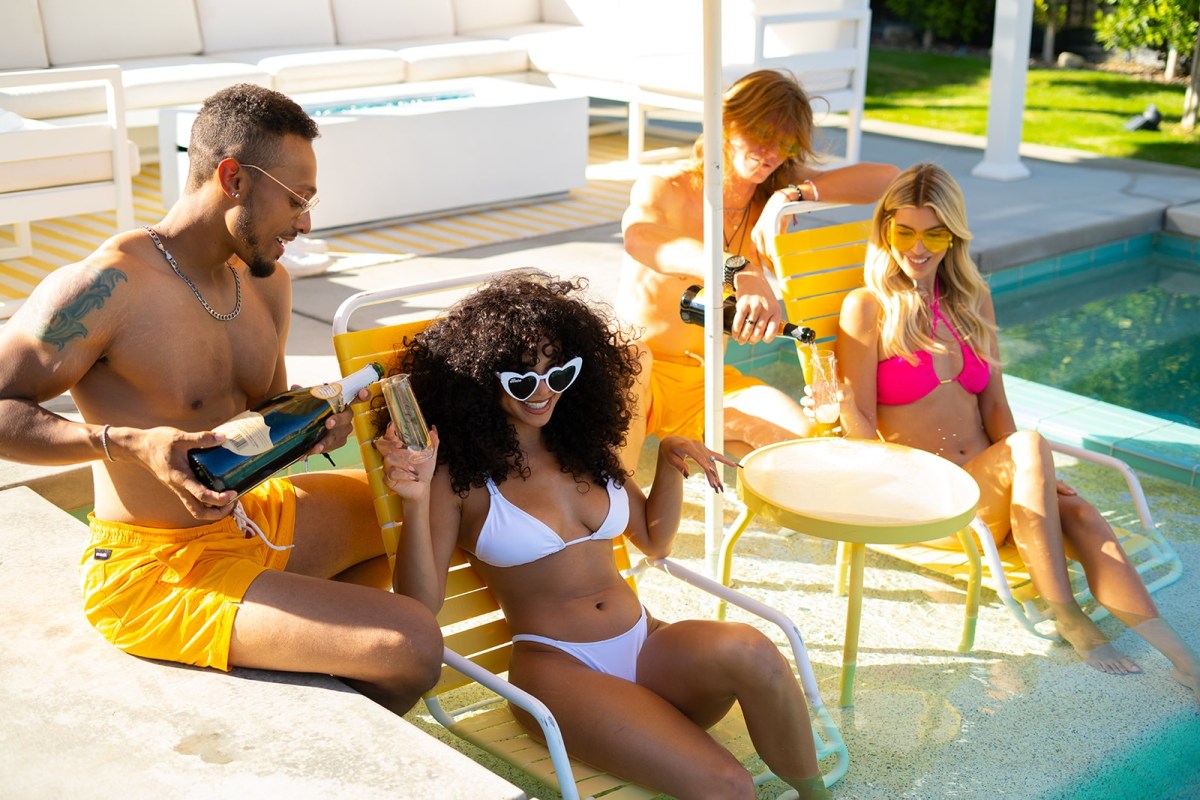
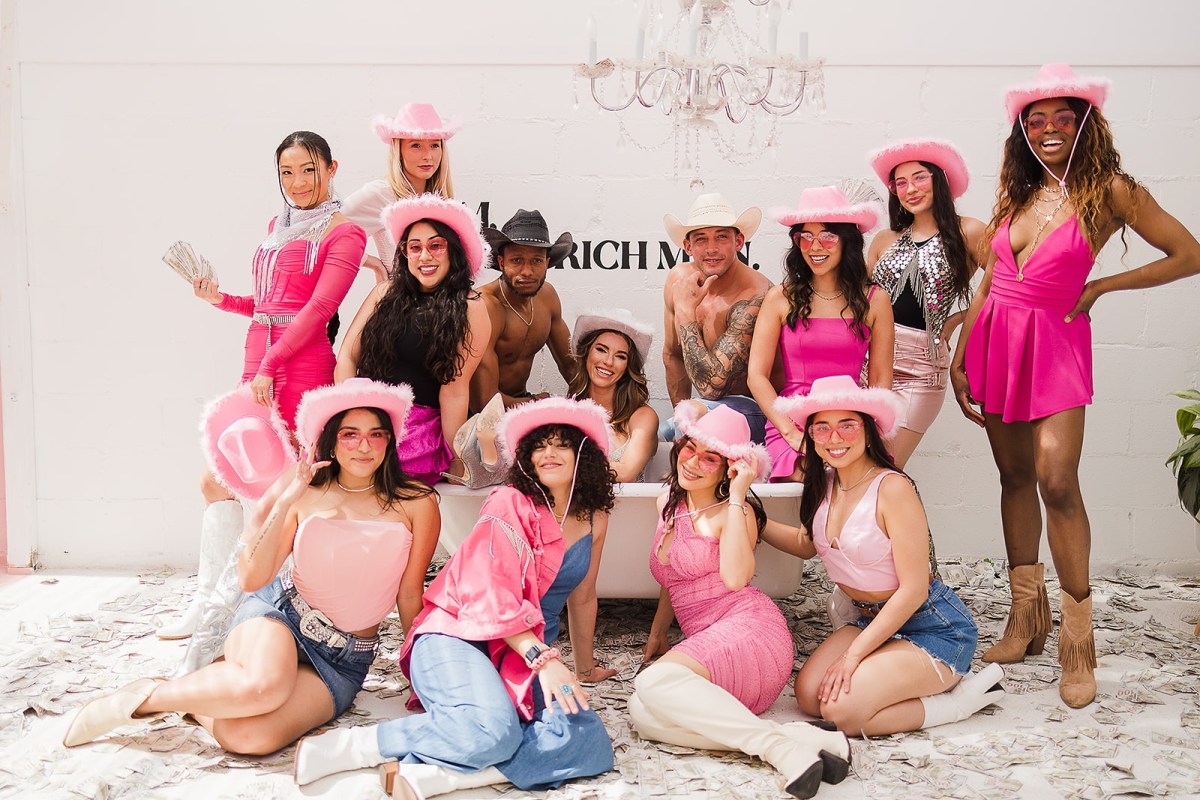
Hire the Cabana Boys to elevate your event with personalized party hosting and bartending services for 2-4 hours. These charming, vetted gentlemen will serve drinks, entertain, keep the area tidy, and make your event unforgettable, whether it’s a pool party, bachelorette, or themed event.
Gourmet brunch from local favorites, bottomless mimosas, music, and party games — hosted poolside by the Cabana Boys. The easiest, most-talked-about morning of the weekend.
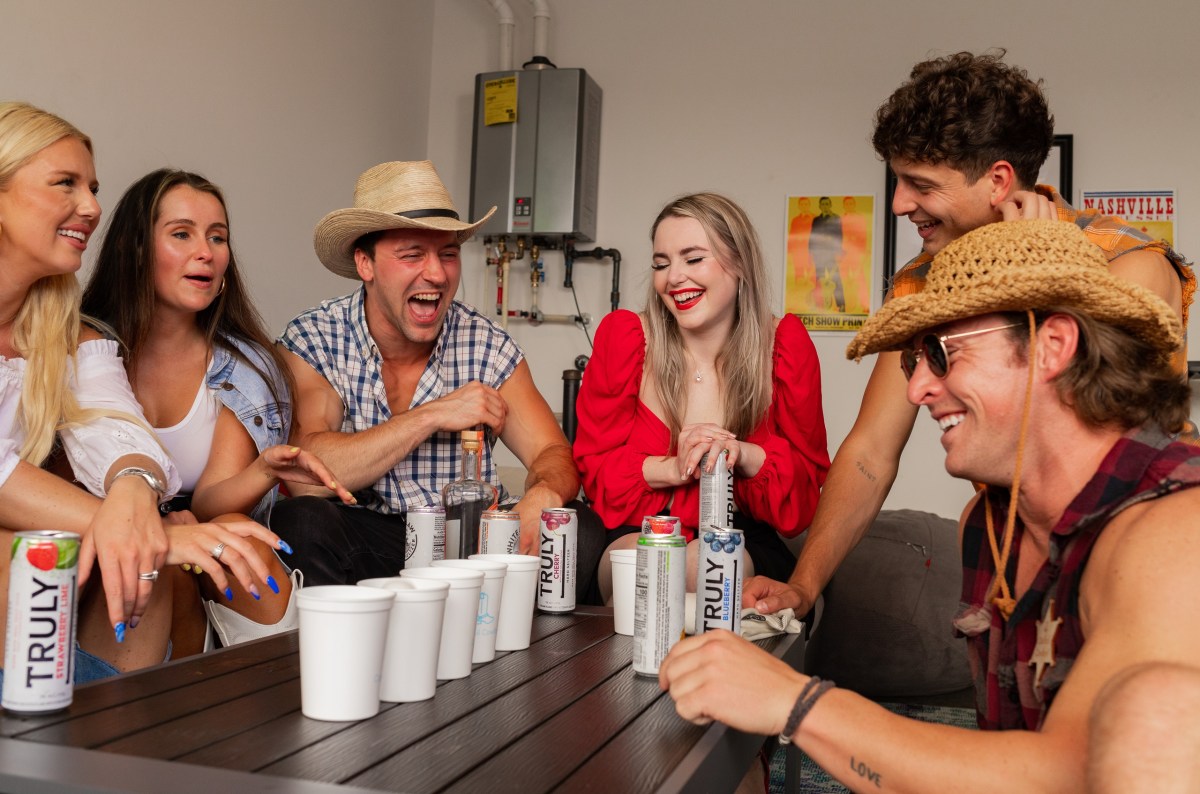
We bring tons of game ideas and supplies – bachelorette games, drinking games, signature games, fun icebreakers, music games, and more – that we will host at your Airbnb. We can also help facilitate any games that you have in mind. Think of us as game show hosts, but in a sexy pool boy kind of way.
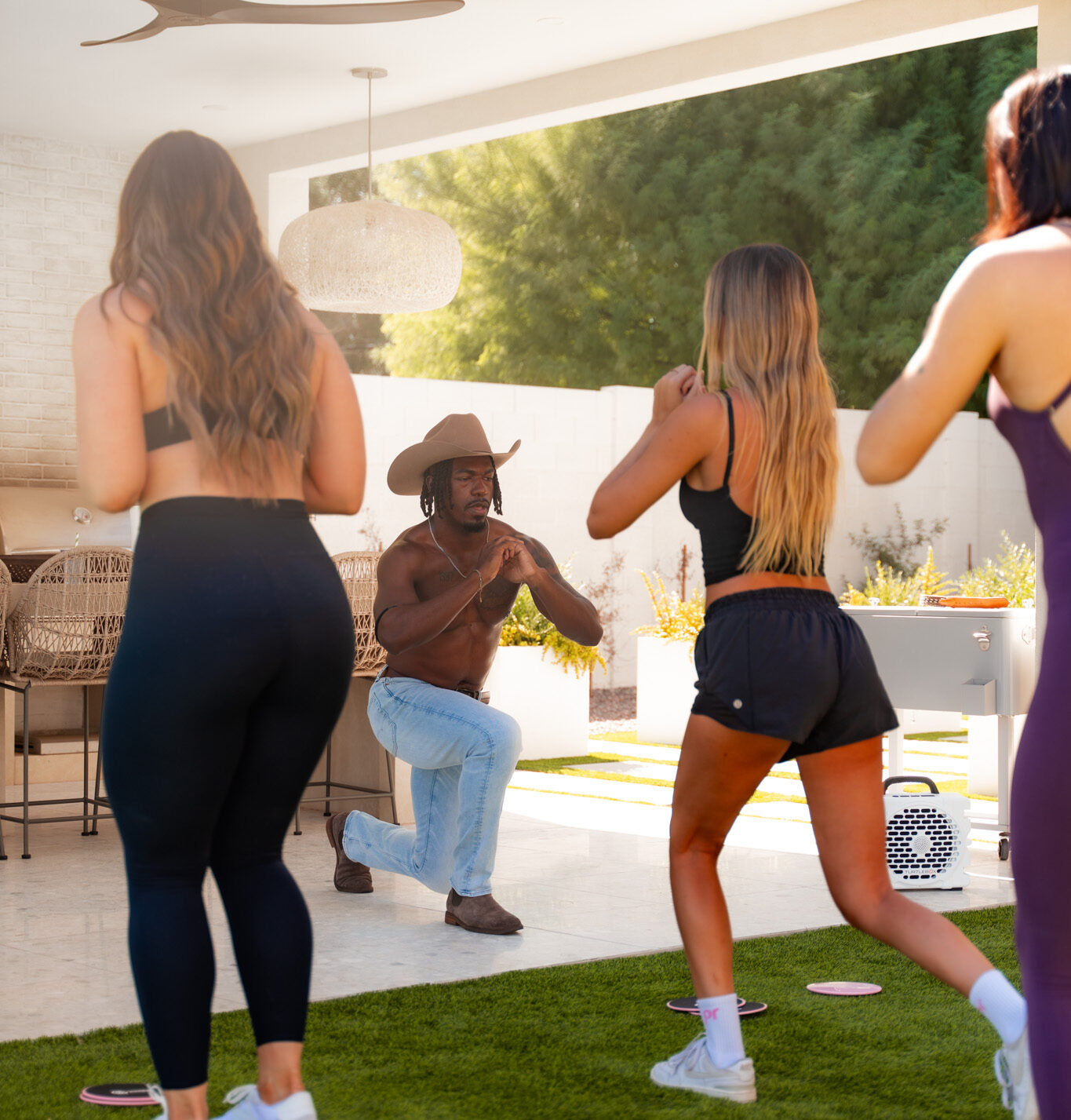
We’ll lead you through a fun, high-energy 45-minute workout with mats, bands, and sliders – then flip straight into party mode. Think of it as a fitness class that ends with your own private pool boy hosts keeping the vibe alive.
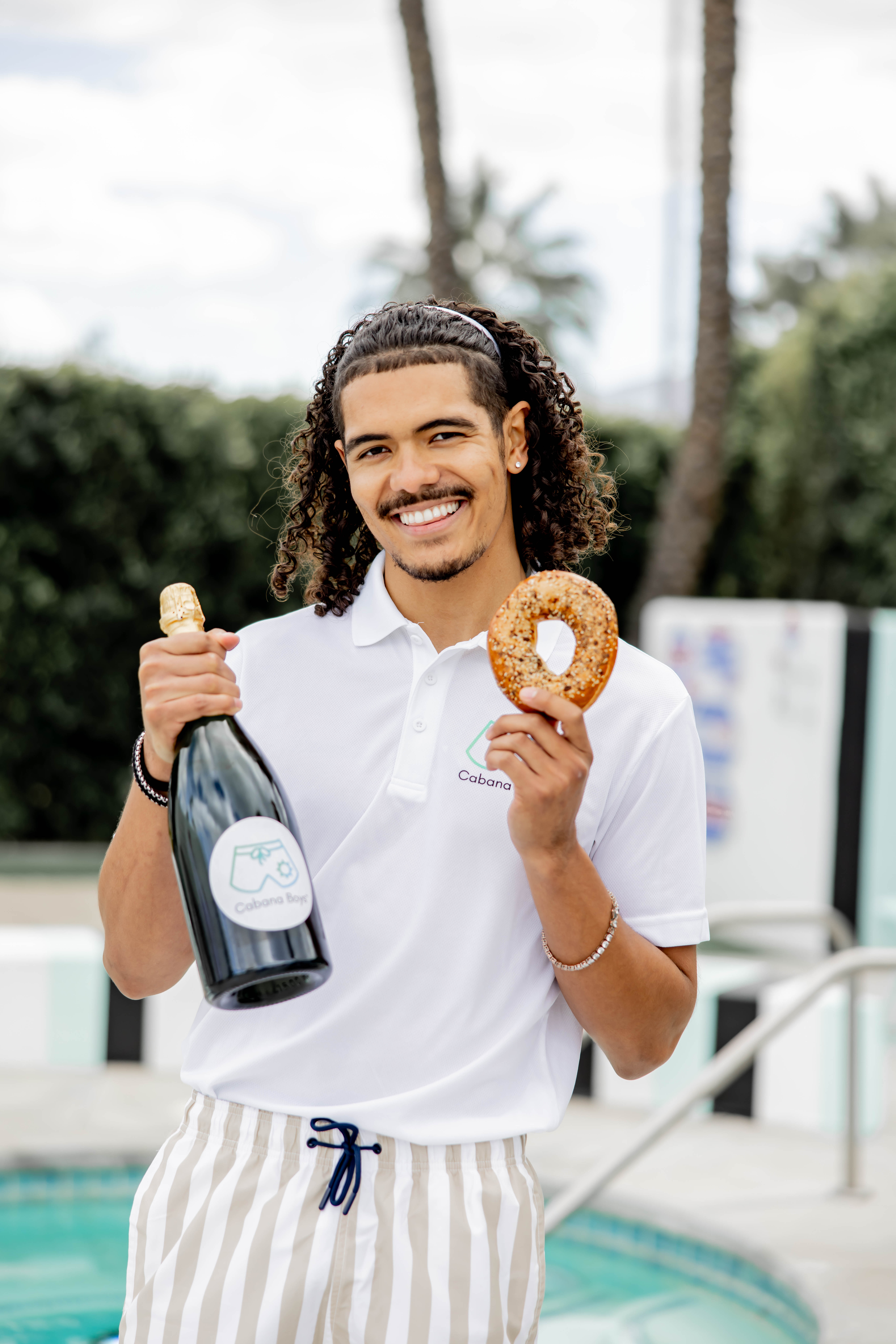
Kick off your morning with a visit from one of our hand-picked gentlemen who will set up a delicious spread with a dozen of gourmet assorted bagels, two tubs of delicious cream cheese, a large container of hot coffee, and a carafe of fresh orange juice.
Hop on the luxurious, air conditioned party bus and we’ll cruise around Old Town, bumping music, dancing, drinking, and playing some signature games. We’ll make stops at our partner bars, where you’ll access some exclusive drink specials.
Our Cocktail CowBoys are at your service — we’ll serve you drinks and refreshments, take pictures (or pose with you), be Spotify DJs, help with party/drinking games, keep the party area tidy, keep you company and take out the trash when we leave.
Two Cocktail CowBoys will deliver brunch for you and your crew and get you back into celebration mode. They’ll set up breakfast for you, pour mimosas, turn on some tunes, host some party games, help you nurse your hangover, and keep the party area clean.
Take a break from the bars and get ready for the perfect night in with your gals… a Cocktail CowBoys game night! We bring tons of game ideas and supplies – bachelorette games, drinking games, signature games, fun icebreakers, music games, and more!
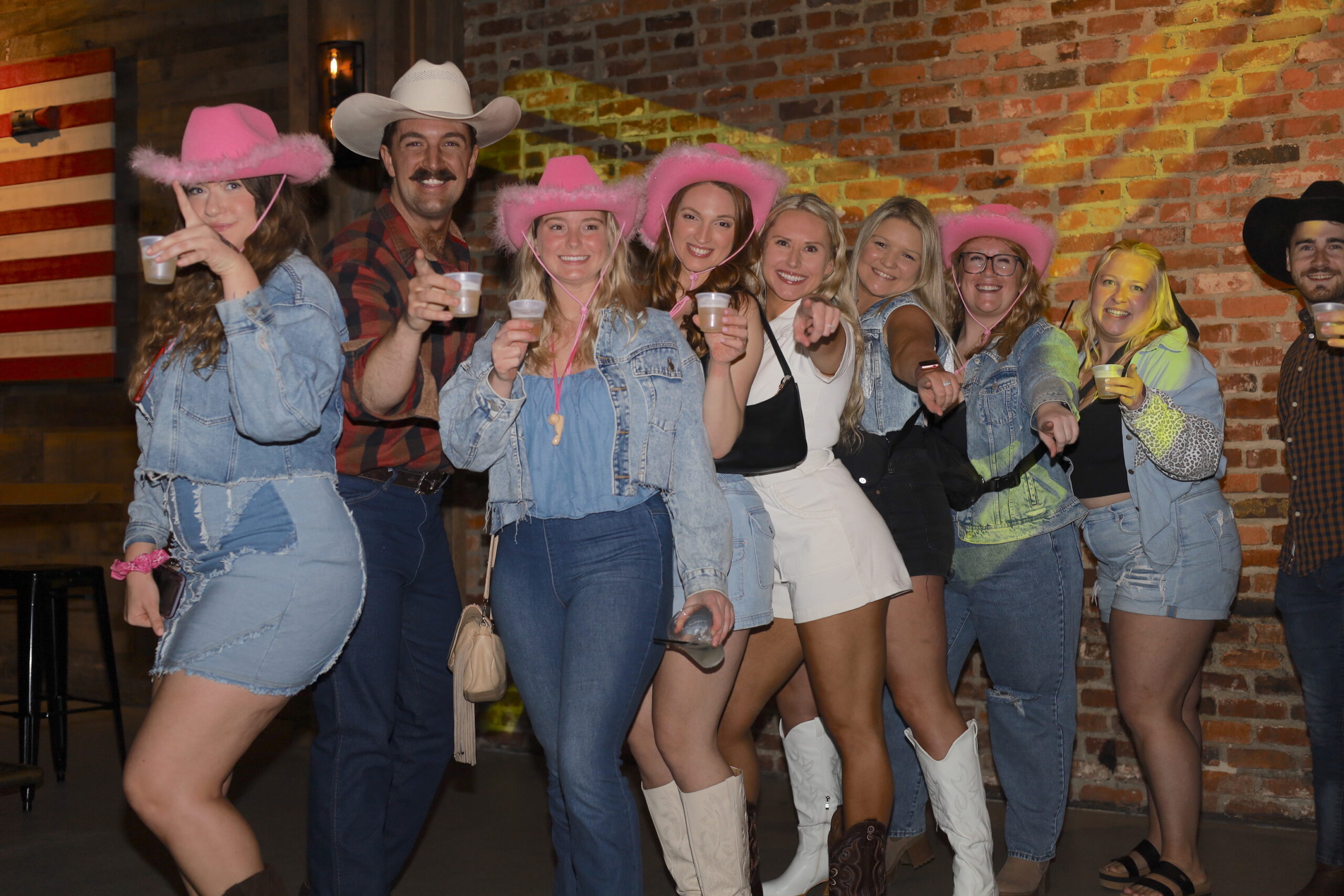
A honky-tonk adventure with cowboy charm, dancing, and unforgettable memories. Your personal party crew for a wild night of bars, boots, and Broadway debauchery.
Kick off your day with a 45-minute cowboy-led workout, then roll right into an hour of games, drinks, and hosting. Think of it as fitness meets Western hospitality — charming, playful, and unforgettable.
Grab your boots and head to the ultimate spot for unforgettable parties, legendary food, and live music that never stops. Saddle up for an epic Austin weekend!
With cobblestone streets, pastel sunsets, and rooftop bars, Charleston has hospitality around every corner. Charm, style, and just the right amount of mischief.
Sun, skin, and serious vibes—Miami and Fort Lauderdale are built for bold, unforgettable weekends. From pool parties to rooftop hangs, South Florida brings the heat.
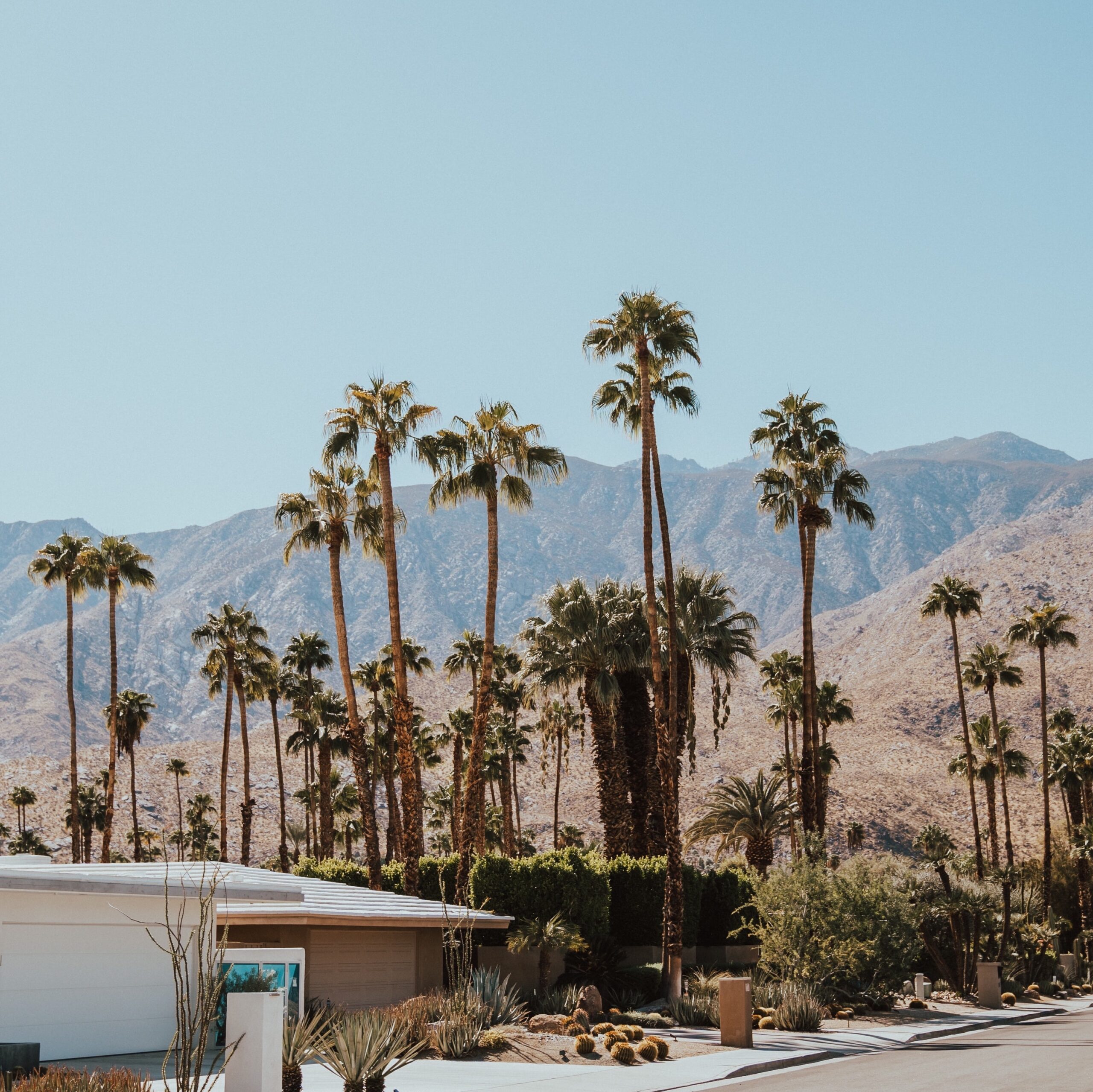
With mid-century charm, desert sun, and iconic poolside vibes, Palm Springs is the ultimate escape for unforgettable weekends and inclusive celebrations.
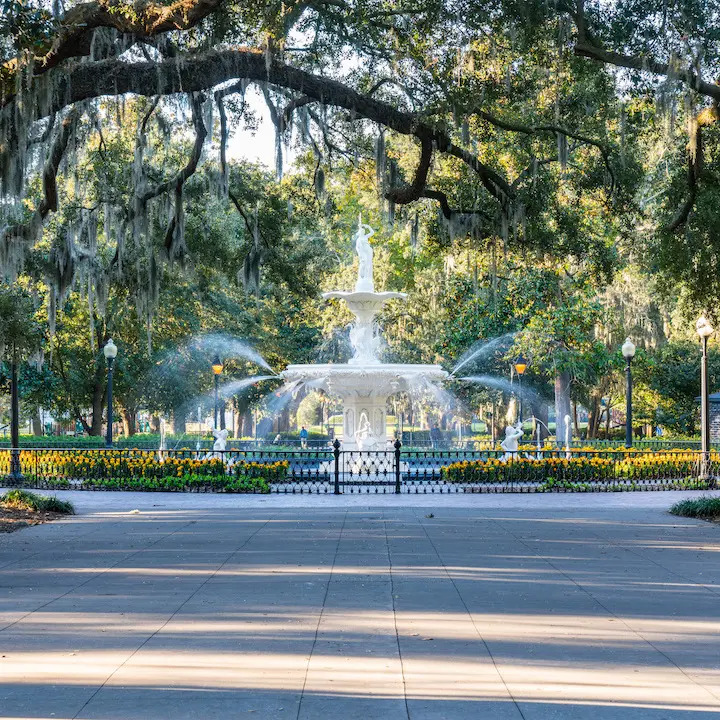
From cobblestone streets to coastal retreats, Savannah is the perfect place to sip, celebrate, and let loose. Open container laws make this one true party town.
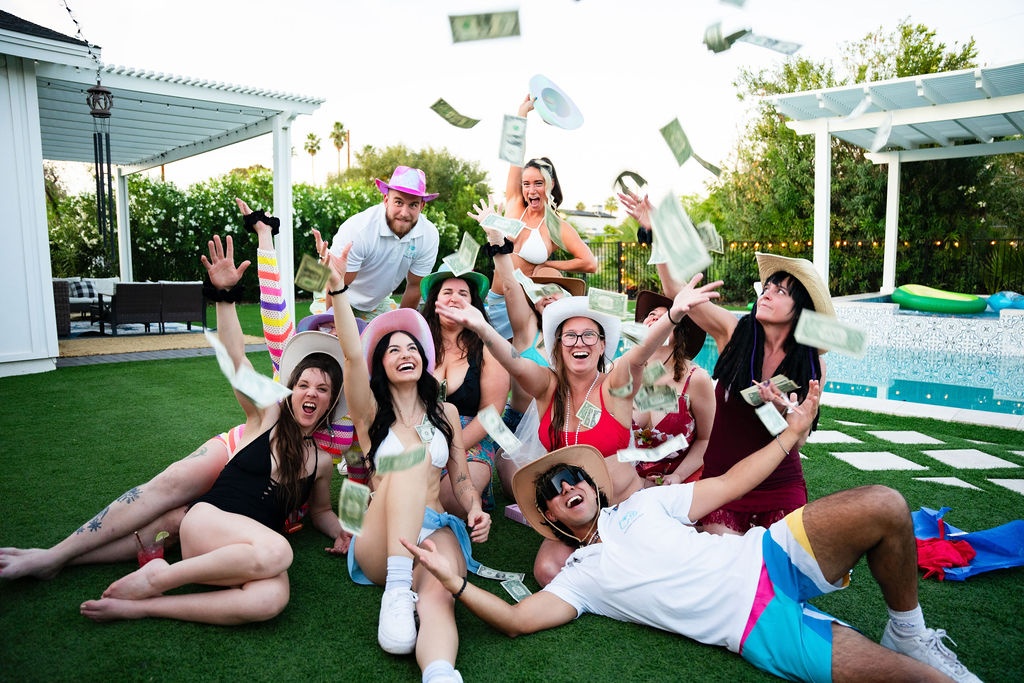
Planning a bachelorette party in Scottsdale? Cabana Boys is the #1 rated activity in town – charismatic hosts, poolside vibes, and memories the bride won’t stop talking about.
With mid-century charm, desert sun, and iconic poolside vibes, Palm Springs is the ultimate escape for unforgettable weekends and inclusive celebrations.
Why Themed Entertainment Elevates Corporate Events
Themed entertainment is defined as the deliberate design of a cohesive, immersive experience where every event element, from lighting and food to live performance, serves a single unifying concept. This approach is the leading reason why themed entertainment elevates corporate events above standard gatherings. A well-executed theme does not just decorate a room. It creates emotional engagement, drives audience participation, and produces shared memories that outlast the event itself. The impact of entertainment on corporate events is measurable in attendee energy, post-event feedback, and team cohesion. Cabana Boys, Cocktail CowBoys, and Cocktail Boys have built their reputation on exactly this principle: that personalized, high-energy hosting transforms any event into something people talk about for months.
Why themed entertainment elevates corporate events beyond basic decor
Themed entertainment fails when it stops at decoration. A balloon arch and a color scheme do not create an experience. True themed entertainment requires consistent theme implementation across every touchpoint, including thematic menus, drinks, lighting design, music, and live entertainment, all working together to reinforce one central idea.
The difference between a “wowing” event and a merely decorative one comes down to coherence. When a guest walks in and the cocktail menu, the performer’s costume, the table centerpieces, and the DJ’s playlist all speak the same visual and emotional language, the theme stops being a backdrop. It becomes the event itself. For a corporate gathering, that coherence signals intentionality. It tells attendees that their experience was planned, not assembled.
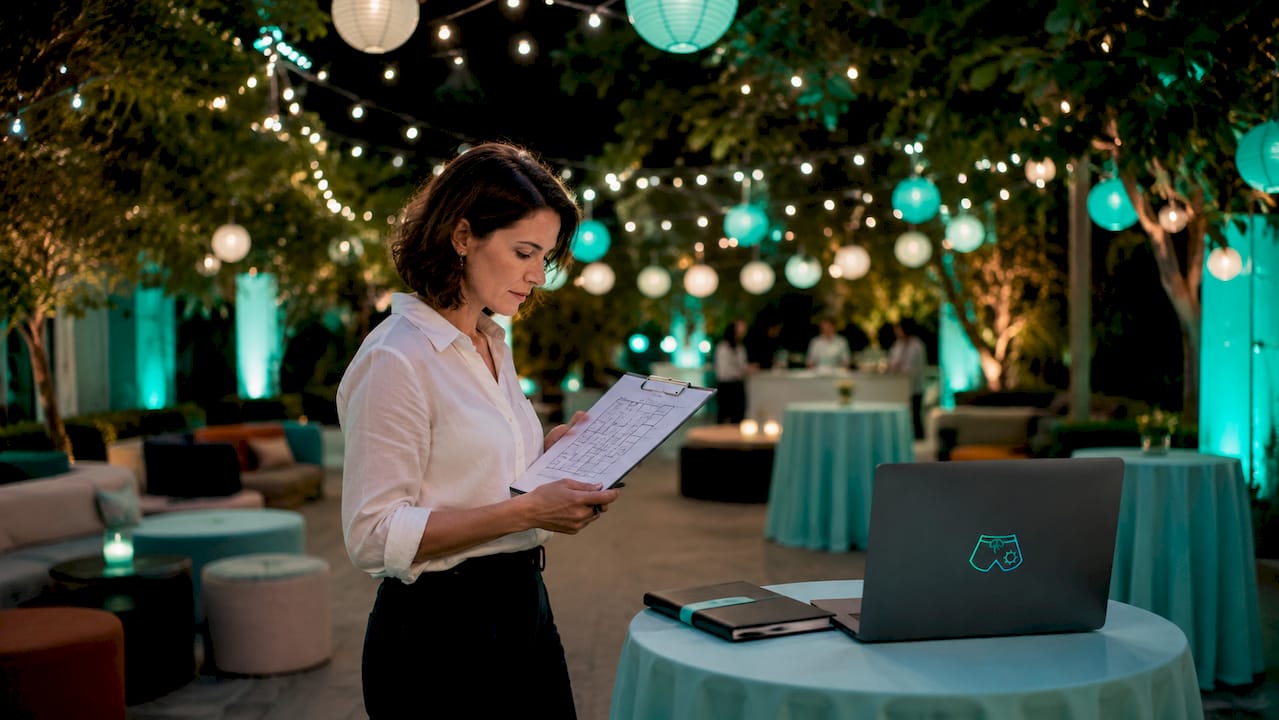
Venue selection plays a larger role in theme success than most planners budget for. A converted warehouse supports an industrial-chic theme in ways a hotel ballroom simply cannot. Architecture either amplifies or fights your concept. Choosing a venue whose bones align with your theme removes the need for expensive cosmetic overrides and lets the entertainment do its job without visual contradiction.
Pro Tip:Before finalizing any venue, walk the space and ask: “Does this room already tell part of our story?” If the answer is no, factor in the cost of transforming it before committing.
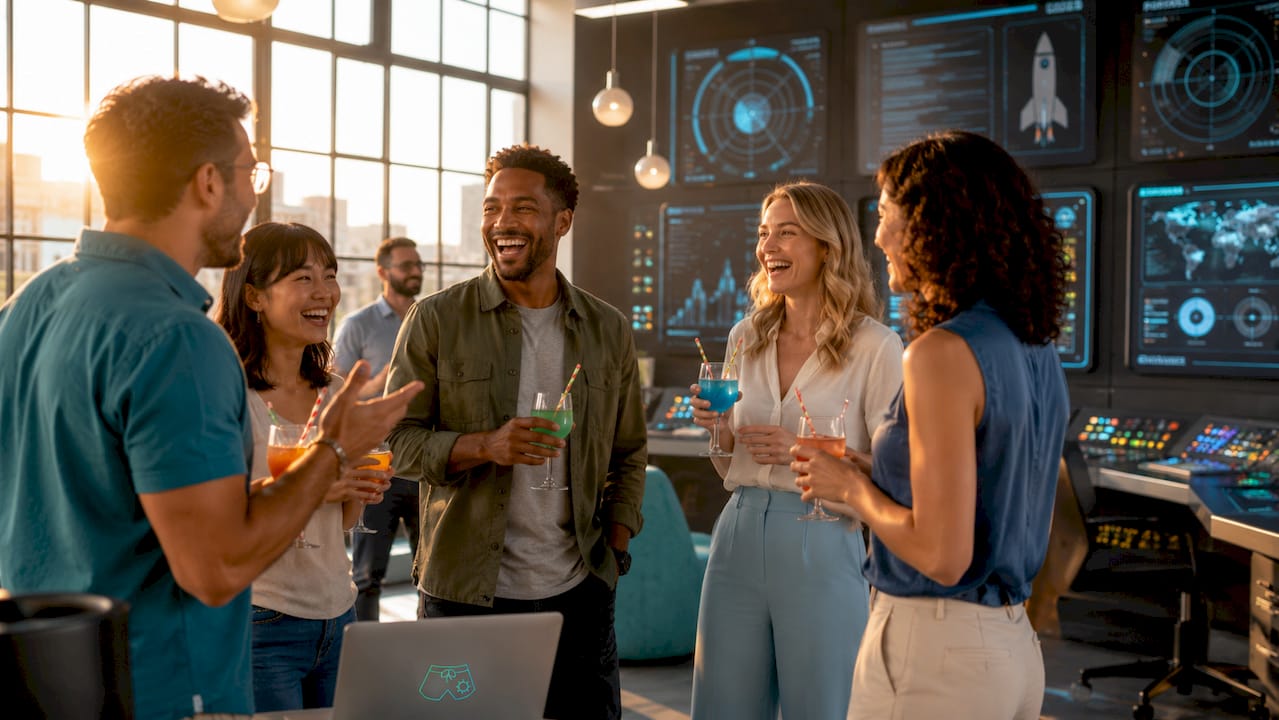
Consider a tech company hosting an annual kickoff with a “Mission Control” theme. The thematic menus and drinks feature names like “Launch Fuel” and “Orbit Punch.” Performers dressed as astronauts circulate the room. The lighting shifts from deep blue to gold as the keynote ends. Every element reinforces the same message: this team is going somewhere. That is the power of full-spectrum theme consistency.
How do you design a guest journey that keeps energy high all night?
The single biggest mistake corporate event planners make is booking entertainment as a filler slot rather than designing a guest journey. Experience architecting treats the entire event as a narrative arc with a deliberate emotional shape. Hiring a band to play during dinner is filler. Designing a sequence where guests arrive to ambient acoustic music, transition into an interactive cocktail challenge, and peak with a high-energy live performance is experience design.
A well-structured energy curve follows three phases:
Slow build. Guests arrive, orient themselves, and begin connecting. Entertainment at this stage should be ambient and approachable. Think roaming performers, a themed photo activation, or a cocktail crafting station where Cabana Boys, Cocktail CowBoys, and Cocktail Boys engage guests one-on-one.
Peak. The event reaches its highest energy point. This is where audience participation matters most. Live games, group challenges, or a themed performance that pulls attendees in create the shared emotional high that defines the event in memory.
Cool down. Energy softens intentionally. Guests reflect, reconnect in smaller groups, and the event closes on a warm, satisfied note rather than an abrupt stop.
This arc prevents two common failures: the flat event where energy never builds, and the prematurely peaked event where the best moment happens at 7:00 PM and guests drift by 8:30 PM. Strong themed events deliver this progression deliberately, not by accident.
Audience participation creates stronger memory than passive watching. When a guest helps mix a themed cocktail, wins a trivia round tied to the company’s history, or gets pulled into a skit by a performer, they become part of the story. That personal involvement is what converts an event from something they attended into something they experienced.
Pro Tip:Map your energy curve on paper before you book a single vendor. Write down the emotional state you want guests to feel at arrival, at the midpoint, and at departure. Every entertainment decision should serve that map.
How does themed entertainment build team bonds and reinforce company culture?
Themes function as invisible architecture in corporate events. They create a narrative throughline that connects the company’s message to the attendee’s emotional experience without requiring a PowerPoint slide to explain the connection. A well-chosen theme communicates values, celebrates milestones, and gives people a shared reference point they carry back to the office.
The key is alignment between the theme and the company’s actual culture. A conservative financial firm forcing employees through an improv comedy challenge will generate discomfort, not bonding. A creative agency doing the same thing will generate energy and laughter. Themes must authentically bridge corporate culture with playful elements to resonate. When the fit is right, the theme does the team-building work without anyone feeling like they are being team-built.
“Effective themed events prevent forced immersion by aligning entertainment with company culture authentically. The theme should feel like a natural extension of who the company is, not a costume it is wearing for one night.”
The benefits of themed events for team cohesion show up in specific behaviors. Consider these outcomes when a theme is well-executed:
Employees from different departments interact around shared activities rather than defaulting to their usual groups.
The theme gives introverted attendees a structured way to participate without requiring them to perform socially on their own.
Shared references from the event, a game won, a cocktail name, a performer’s bit, become internal shorthand that strengthens team identity long after the event ends.
Company messaging embedded in the theme lands more naturally than a formal presentation because it arrives through experience, not instruction.
Sailing-based corporate team building illustrates this principle well. The environment itself becomes the theme, requiring collaboration, communication, and shared problem-solving in a way no conference room can replicate. The activity and the message are inseparable.
Over 375,000 events have used interactive themed gaming since 2006 to foster authentic team bonding. That scale confirms what event professionals already know: participation-based themed entertainment consistently outperforms passive formats for building genuine connection.
What are the practical steps for planning themed entertainment well?
Most planners start with decor. The successful approach starts with the guest journey. Before you choose a color palette or book a performer, define the emotional experience you want attendees to have at each stage of the event. Every vendor decision flows from that foundation.
Pro Tip:Brief your entertainment vendors on the event’s emotional goals, not just the logistics. A performer who knows the energy arc will calibrate their set accordingly. One who only knows their start time will not.
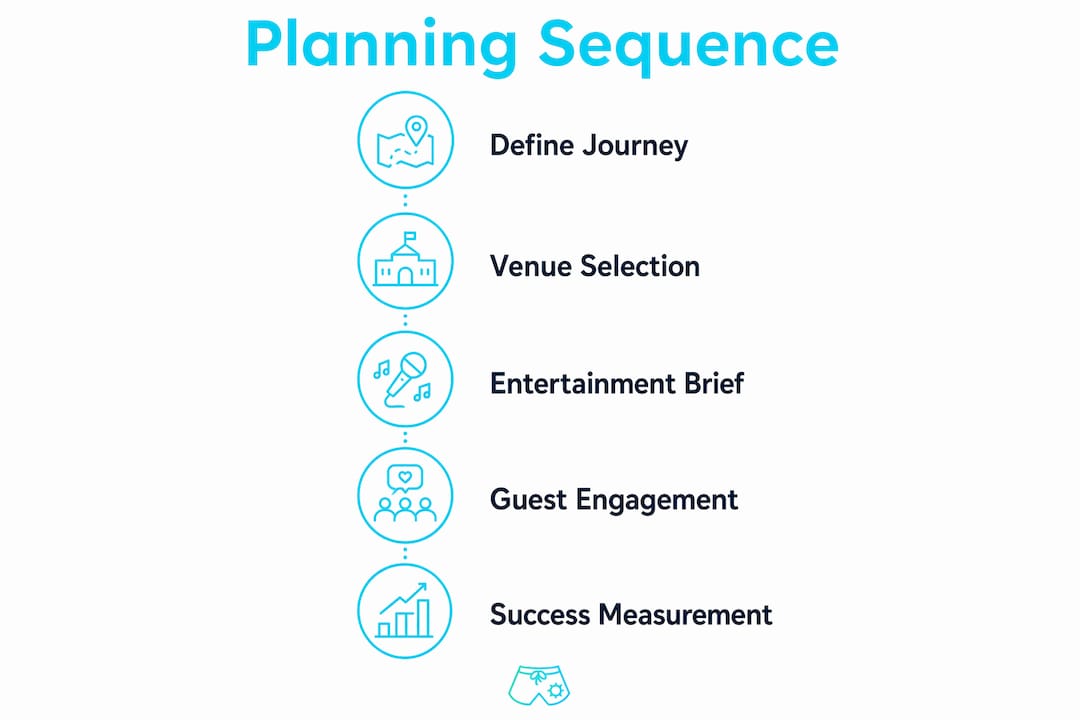
The table below outlines the core planning sequence and the most common failure point at each stage.
Planning stage
Goal
Common failure
Define guest journey
Map emotional arc from arrival to departure
Skipping this and jumping to decor
Select venue
Find architecture that supports the theme
Choosing venue before theme is set
Integrate entertainment
Embed performers into the experience flow
Booking entertainment as a standalone slot
Align all vendors
Ensure catering, AV, and decor speak the same theme
Siloed vendor briefings with no shared concept
Measure success
Collect post-event feedback on engagement
Measuring only logistics, not attendee experience
Seamless entertainment integration removes the barrier between guests and performers. Musicians roaming within the space, interactive performers circulating through dinner, and DJs whose set builds with the event’s energy curve all create immersion that a stage-bound act cannot. The goal is for guests to feel inside the entertainment, not in front of it.
Measuring success requires asking the right questions after the event. Net Promoter Score surveys, open-ended feedback on specific moments, and informal observation of energy levels during the event all give planners data to refine future experiences. The 2026 event entertainment trends confirm that the shift from passive to participatory formats is accelerating. Planners who measure participation rates alongside attendance numbers will build better events year over year.
Key Takeaways
Themed entertainment elevates corporate events because it replaces passive attendance with immersive, emotionally structured experiences that build team cohesion, reinforce company culture, and create lasting shared memories.
Point
Details
Theme coherence drives impact
Align decor, food, music, and entertainment to one concept for a memorable experience.
Guest journey comes first
Map the emotional arc before booking vendors or choosing a color palette.
Participation beats passive watching
Interactive entertainment creates stronger memories than stage-bound performances.
Culture fit prevents alienation
Choose themes that reflect your company’s actual personality, not an aspirational costume.
Measure engagement, not just logistics
Post-event feedback on specific moments gives planners data to improve future events.
The part of themed events most planners underestimate
I have watched corporate events with six-figure budgets fall flat because the planner treated entertainment as a line item rather than the spine of the experience. The decor was beautiful. The food was excellent. But the entertainment sat on a stage at one end of the room while guests clustered at the bar and talked to the same three people they always talk to. Nothing connected.
The events I have seen genuinely move people share one quality: the entertainment was embedded in the room, not performed at it. A Cocktail CowBoy working the crowd with a themed drink challenge does more for team bonding in 20 minutes than a keynote speaker does in an hour. That is not a knock on speakers. It is a recognition that participation creates ownership, and ownership creates memory.
The guest experience design conversation in corporate events is finally catching up to what hospitality professionals have known for years. People do not remember what they watched. They remember what they did, who they did it with, and how it made them feel. Build your event around that truth and the theme will take care of itself.
The other thing planners underestimate is the 80% participation rule. If your theme requires most attendees to step outside their comfort zone just to engage, you have already lost half the room. The best themes create multiple entry points. Some guests go all-in. Others participate at the edges. Everyone feels included. That range of engagement is what makes a theme work for a diverse corporate audience.
— Nelson
How Cabana Boys, Cocktail CowBoys, and Cocktail Boys bring themed events to life
Corporate event planners who want to move beyond standard entertainment formats have a direct path to immersive, participation-driven experiences.
Cabana Boys, Cocktail CowBoys, and Cocktail Boys specialize in exactly the kind of embedded, high-energy hosting that transforms a corporate gathering into a shared experience. Their hosts engage guests directly, serve themed drinks, facilitate games, and keep the energy arc moving from arrival to close. Every interaction is personalized to the event’s concept and the group’s personality. Featured on Shark Tank and the New York Times and recognized as the #1 bachelorette experience in top US destinations, their approach translates powerfully to corporate formats. Explore their full services and see how themed hosting can reshape your next event.
FAQ
What is themed entertainment in corporate events?
Themed entertainment is the design of a cohesive event experience where every element, including decor, food, music, and live performance, serves one unifying concept. It goes beyond decoration to create an immersive narrative that engages attendees emotionally.
Why does theme consistency matter so much?
Consistent theme implementation across all touchpoints, from the cocktail menu to the lighting design, is what separates a memorable event from a merely decorated one. When every element speaks the same language, the theme becomes the experience rather than a backdrop.
How does the 80% participation rule apply to corporate themes?
If a theme requires more than 80% attendee participation effort, it risks feeling forced and alienating. Themes should offer multiple entry points so every attendee, regardless of personality type, can engage comfortably.
What is an energy curve and why does it matter?
An energy curve is the deliberate progression of a corporate event from a relaxed arrival through a high-energy peak and into a warm close. Strong themed events design this arc intentionally to prevent flat or prematurely peaked experiences.
How do you measure the success of themed entertainment?
Measure success through post-event feedback surveys, open-ended questions about specific moments, and observation of participation levels during the event. Tracking engagement quality alongside attendance numbers gives planners the data to build better experiences each year.





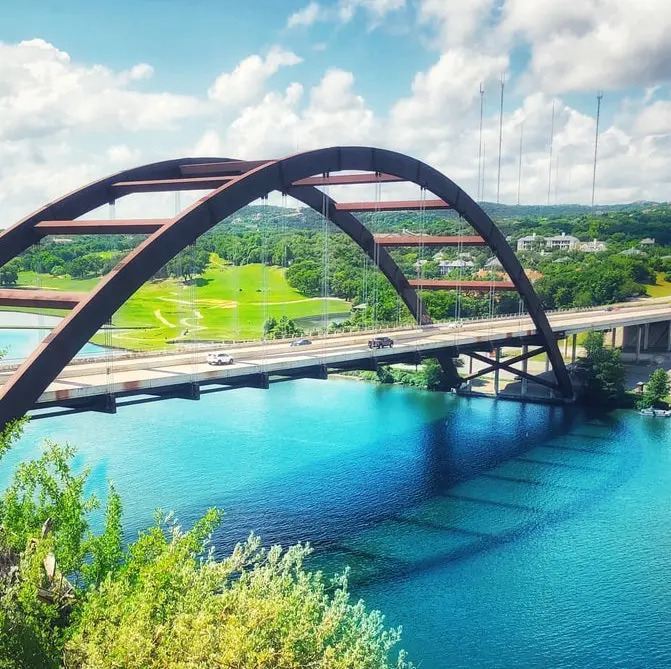 Austin
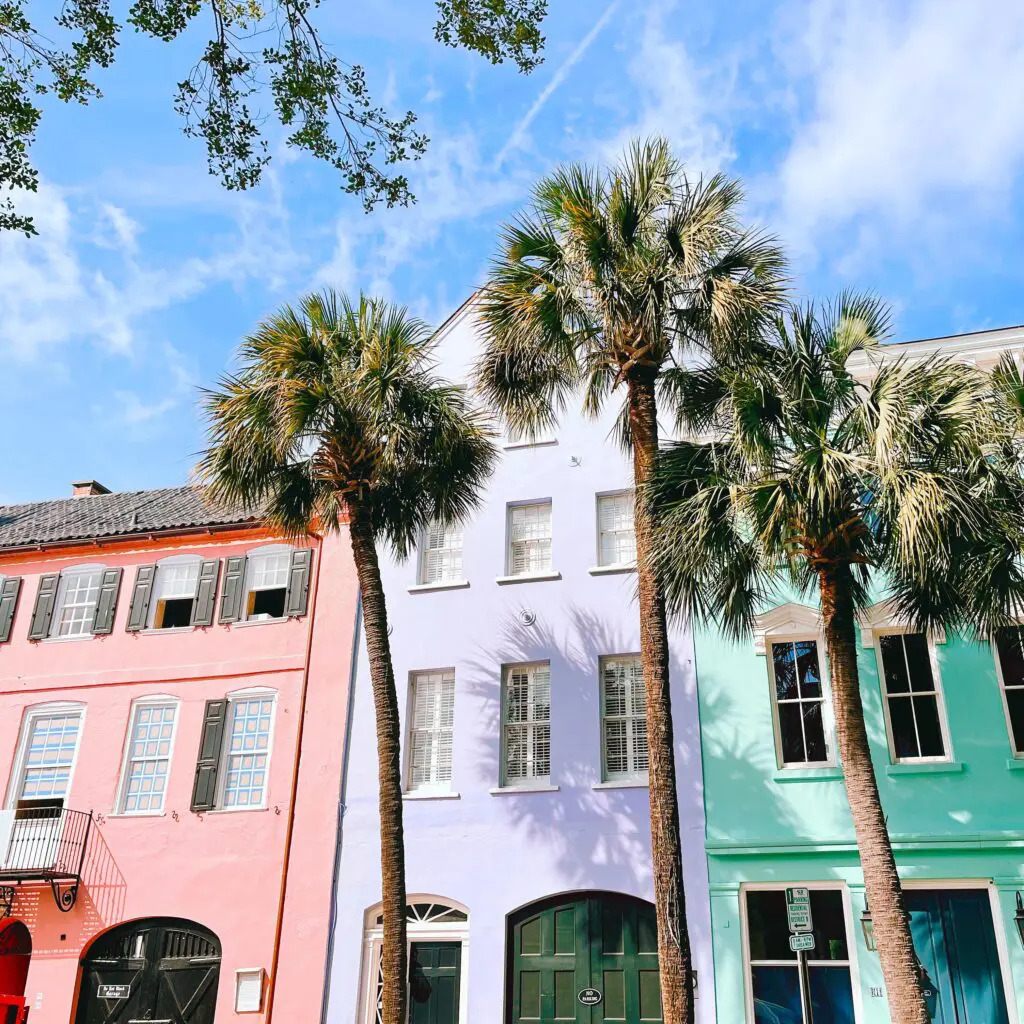 Charleston
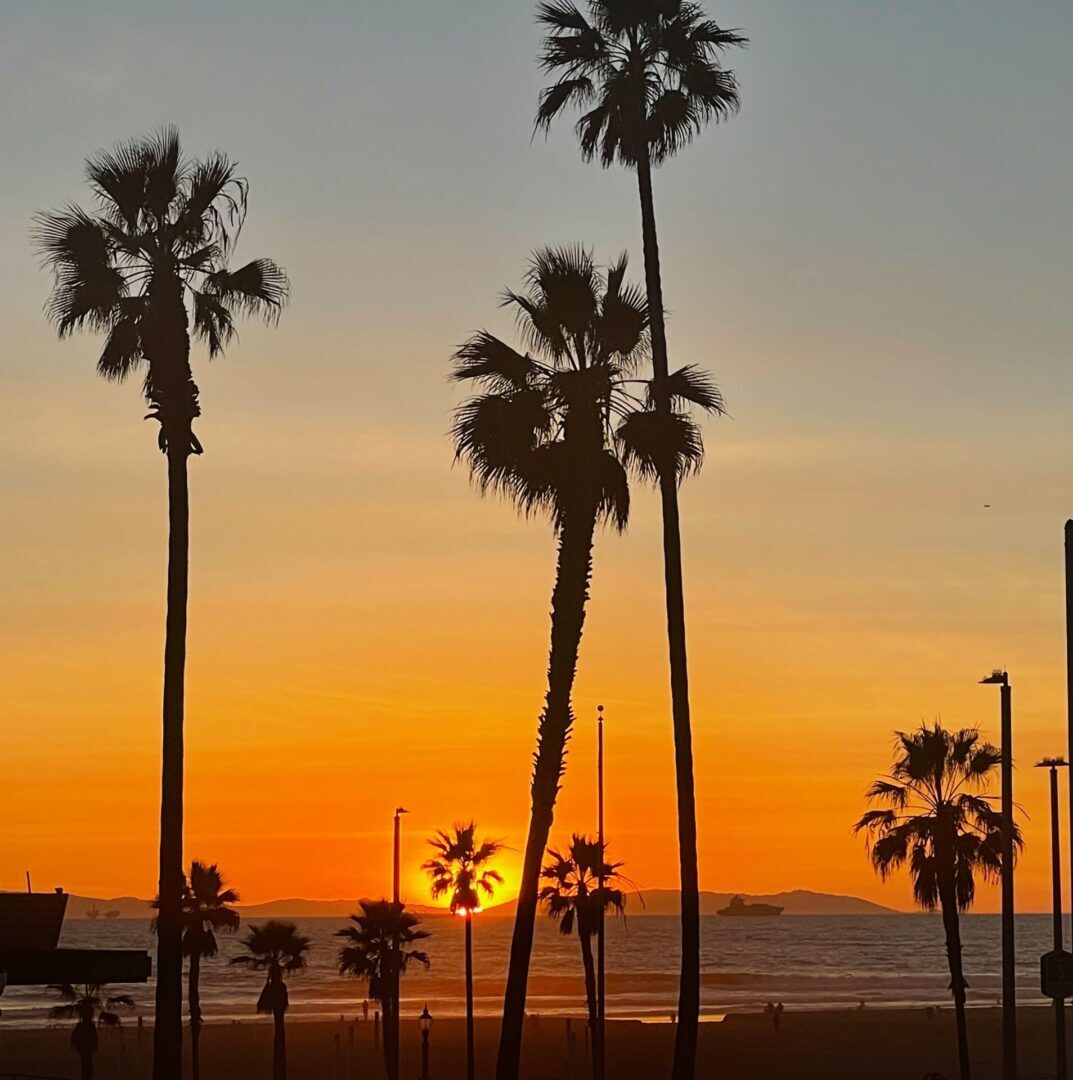 Los Angeles & Orange County
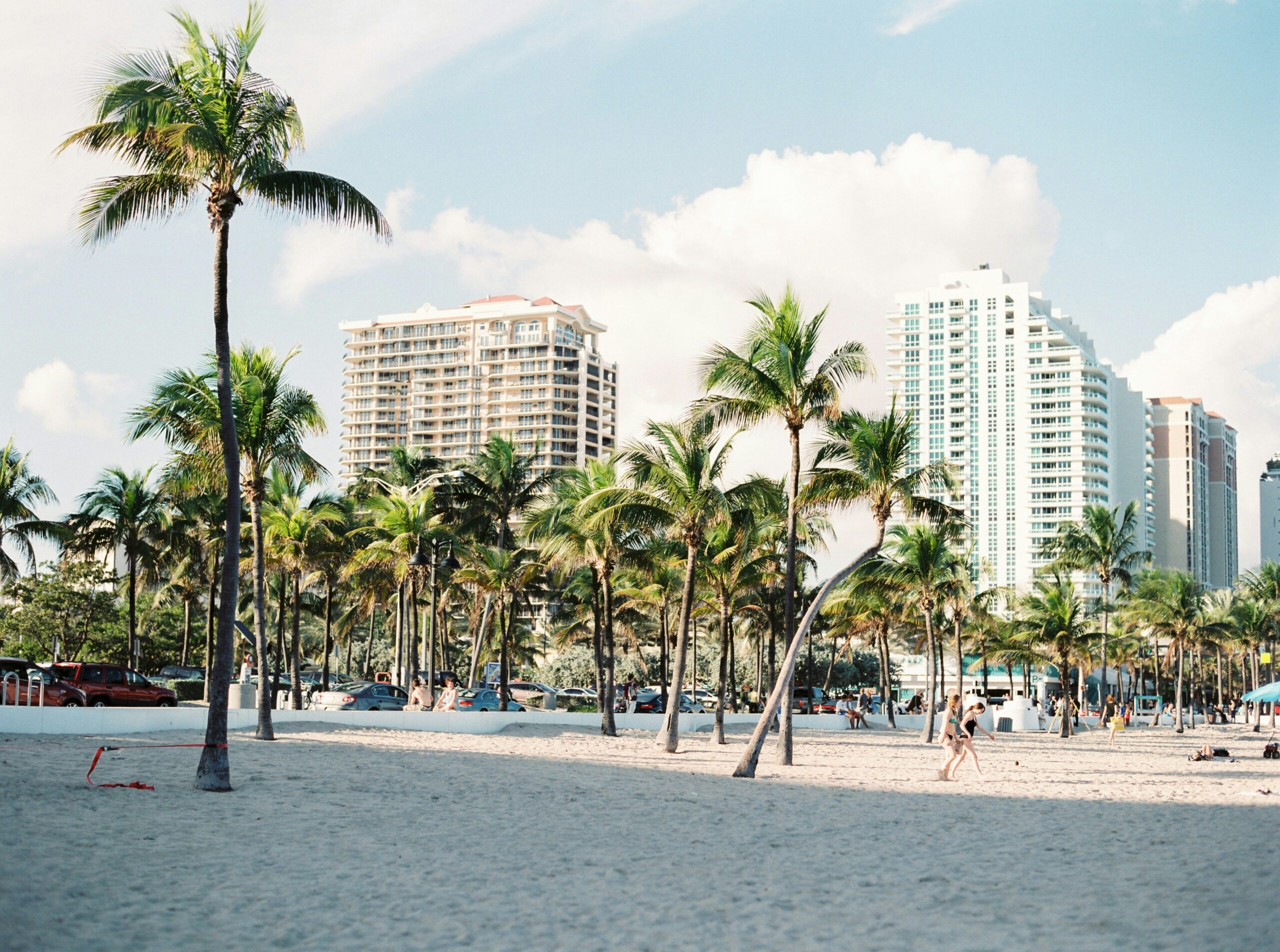 Miami
Miami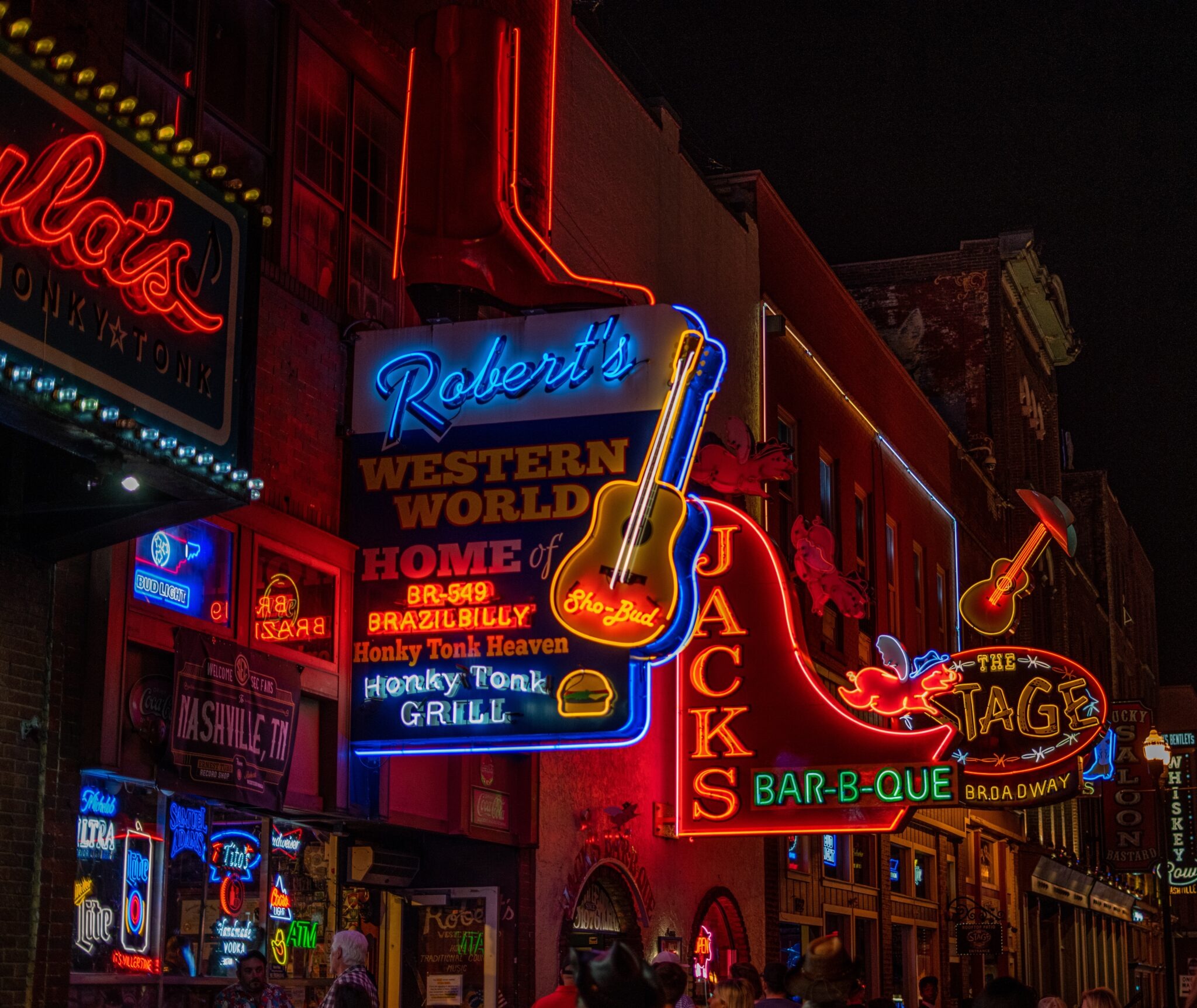 Nashville
 Palm Springs
 Savannah
 Scottsdale
 San Diego
 30A / Destin
 Cabana Boys
 Cocktail CowBoys
 Signature Party
 Brunch
 Game Night
 Cabana Glow
 Bagel Boys
 Party Bus
 Line Dancing
 Austin