🦈As Seen on Shark Tank 🦈 Book the Boys everyone is talking about • 🦈As Seen on Shark Tank 🦈 Book the Boys everyone is talking about • 🦈As Seen on Shark Tank 🦈 Book the Boys everyone is talking about • 🦈As Seen on Shark Tank 🦈 Book the Boys everyone is talking about • 🦈As Seen on Shark Tank 🦈 Book the Boys everyone is talking about • 🦈As Seen on Shark Tank 🦈 Book the Boys everyone is talking about • 🦈As Seen on Shark Tank 🦈 Book the Boys everyone is talking about • 🦈As Seen on Shark Tank 🦈 Book the Boys everyone is talking about • 🦈As Seen on Shark Tank 🦈 Book the Boys everyone is talking about • 🦈As Seen on Shark Tank 🦈 Book the Boys everyone is talking about • 🦈As Seen on Shark Tank 🦈 Book the Boys everyone is talking about • 🦈As Seen on Shark Tank 🦈 Book the Boys everyone is talking about • 🦈As Seen on Shark Tank 🦈 Book the Boys everyone is talking about • 🦈As Seen on Shark Tank 🦈 Book the Boys everyone is talking about • 🦈As Seen on Shark Tank 🦈 Book the Boys everyone is talking about • 🦈As Seen on Shark Tank 🦈 Book the Boys everyone is talking about •
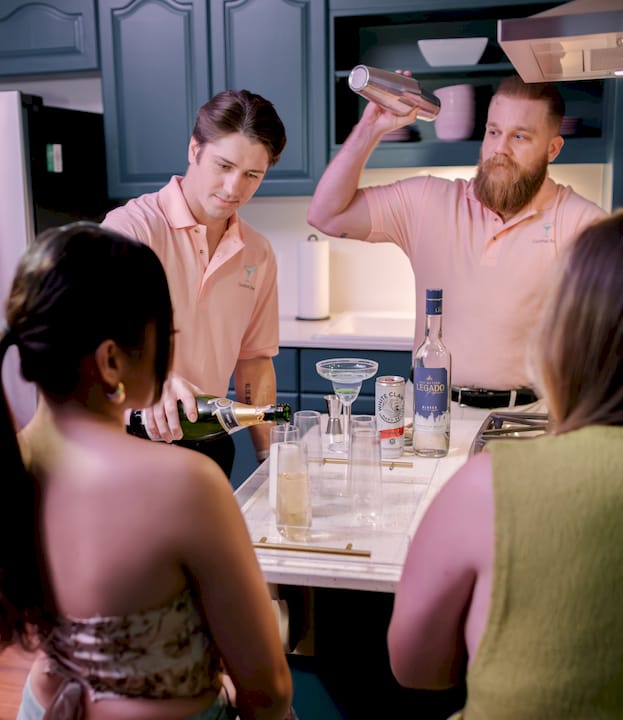
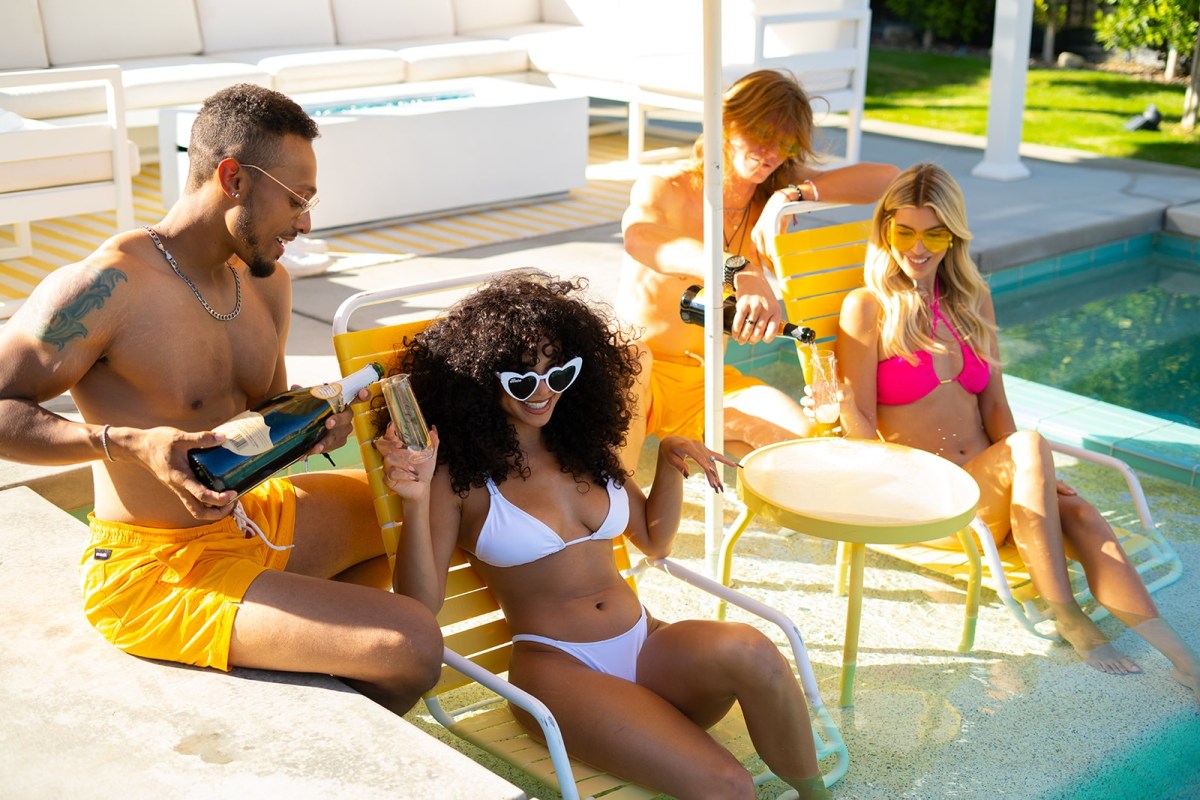
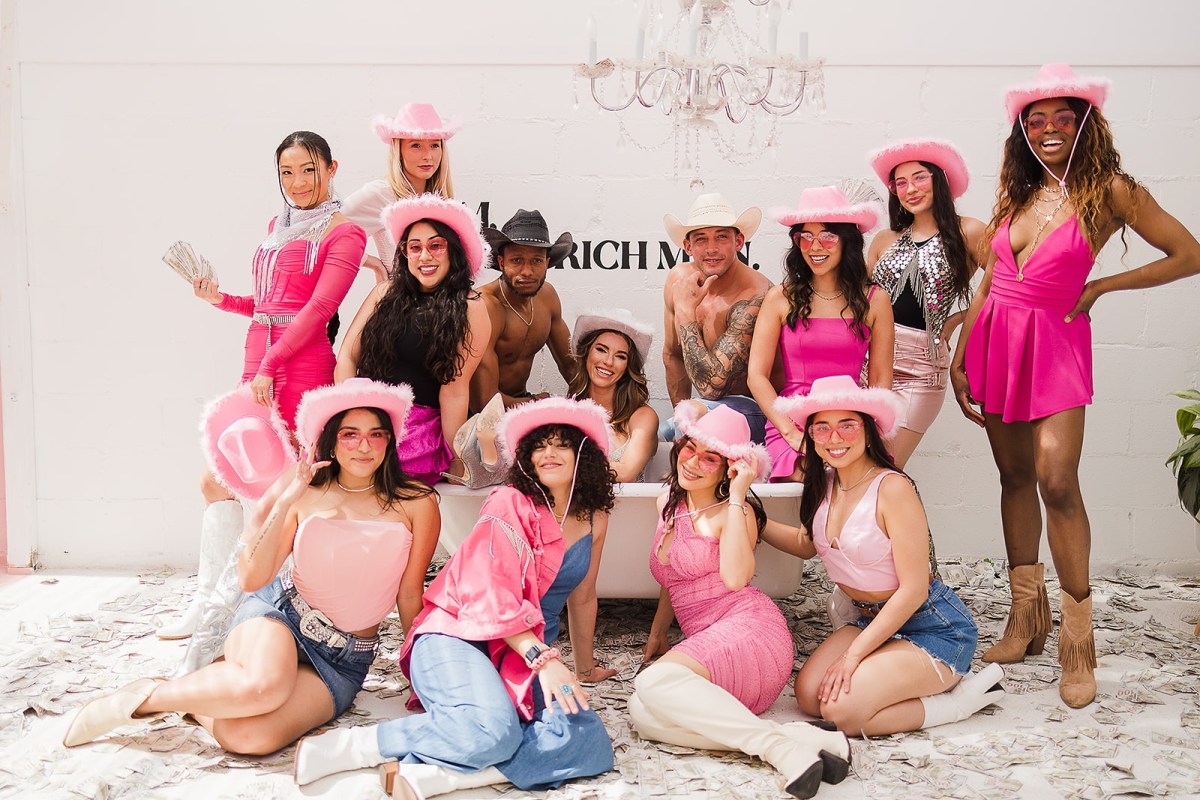
Hire the Cabana Boys to elevate your event with personalized party hosting and bartending services for 2-4 hours. These charming, vetted gentlemen will serve drinks, entertain, keep the area tidy, and make your event unforgettable, whether it’s a pool party, bachelorette, or themed event.
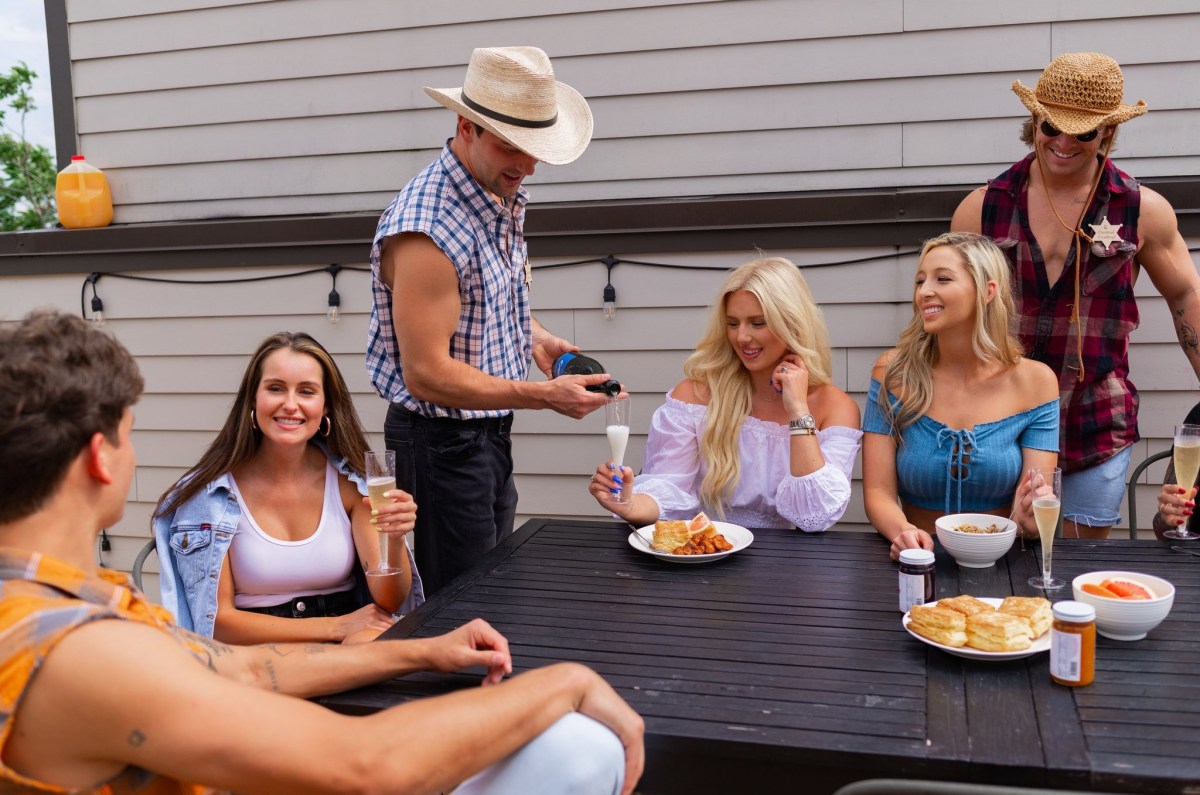
Gourmet brunch from local favorites, bottomless mimosas, music, and party games — hosted poolside by the Cabana Boys. The easiest, most-talked-about morning of the weekend.
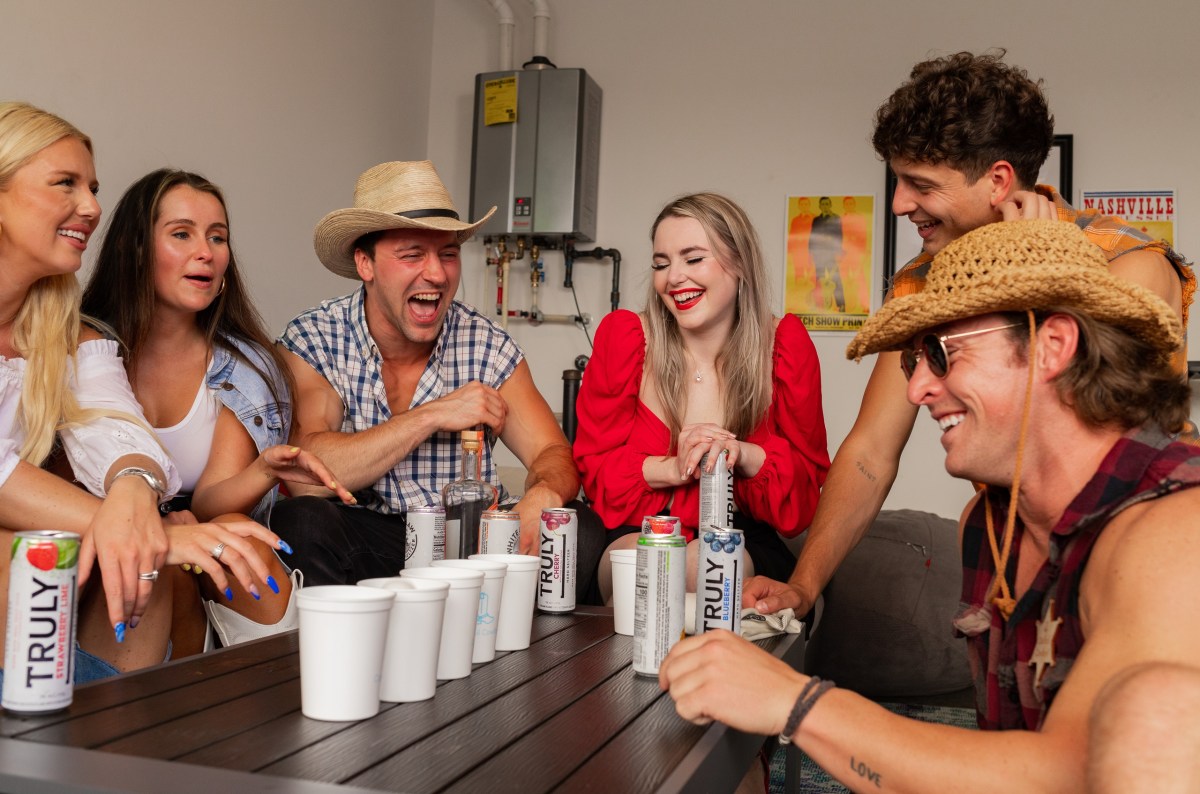
We bring tons of game ideas and supplies – bachelorette games, drinking games, signature games, fun icebreakers, music games, and more – that we will host at your Airbnb. We can also help facilitate any games that you have in mind. Think of us as game show hosts, but in a sexy pool boy kind of way.
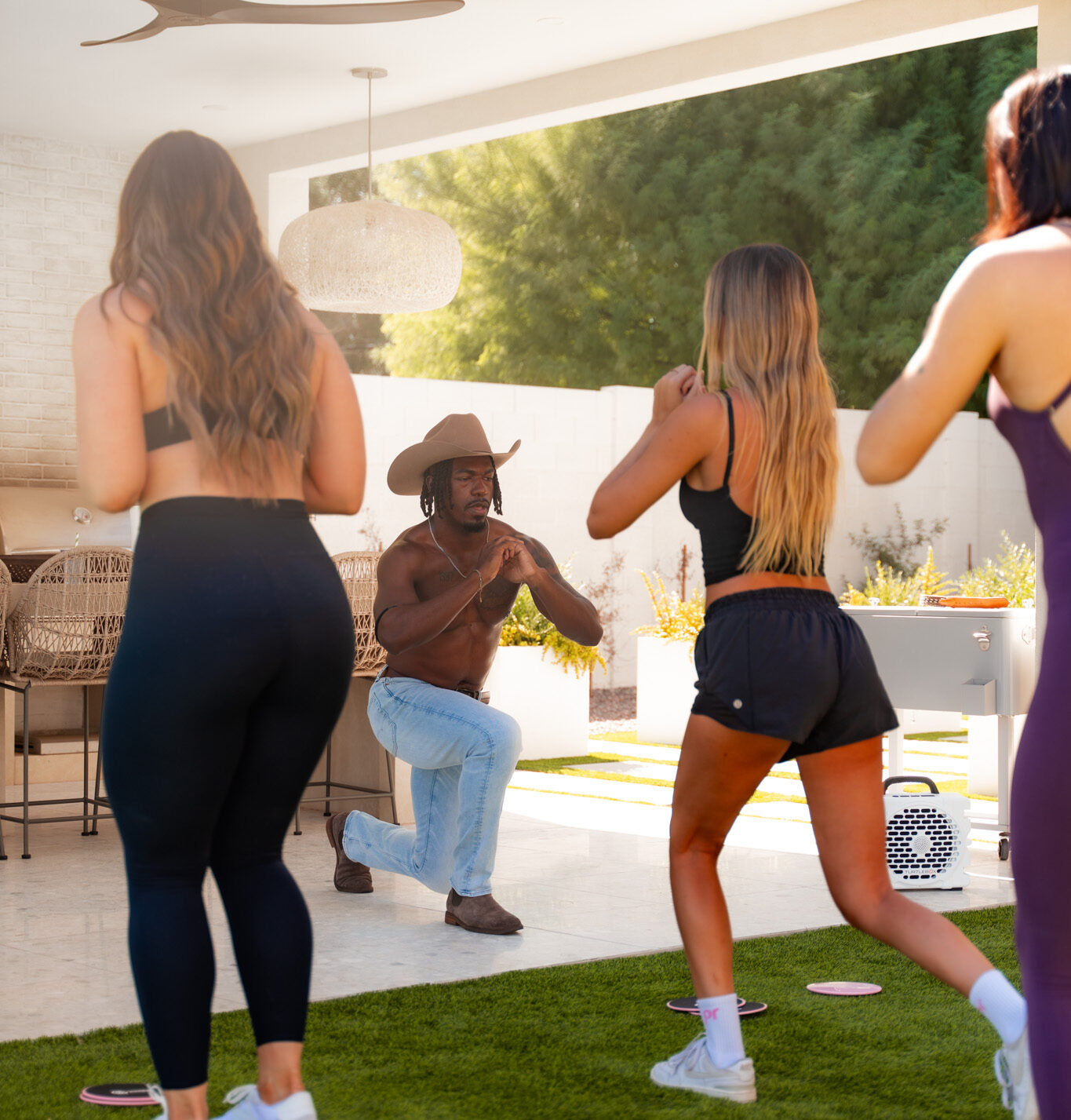
We’ll lead you through a fun, high-energy 45-minute workout with mats, bands, and sliders – then flip straight into party mode. Think of it as a fitness class that ends with your own private pool boy hosts keeping the vibe alive.
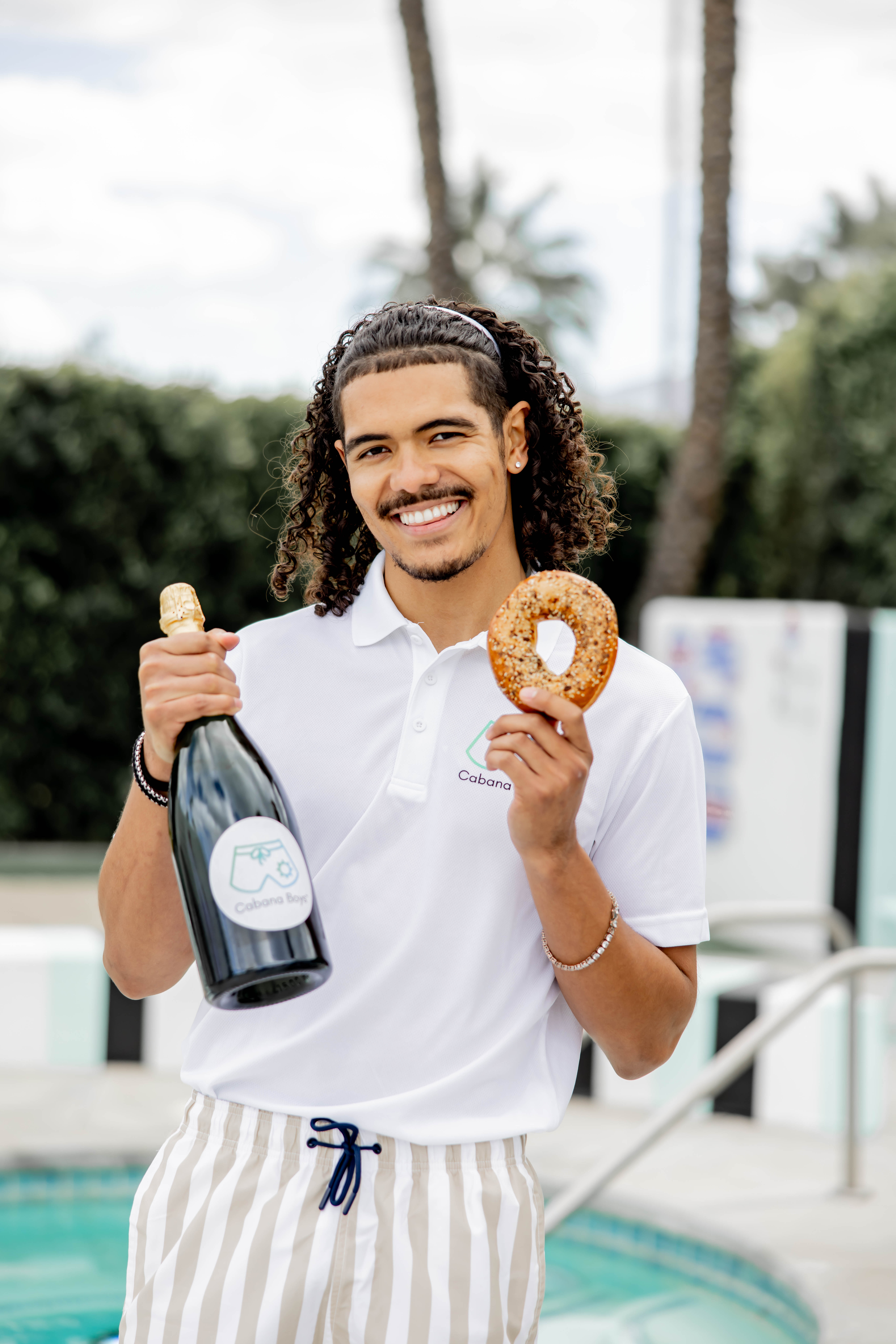
Kick off your morning with a visit from one of our hand-picked gentlemen who will set up a delicious spread with a dozen of gourmet assorted bagels, two tubs of delicious cream cheese, a large container of hot coffee, and a carafe of fresh orange juice.
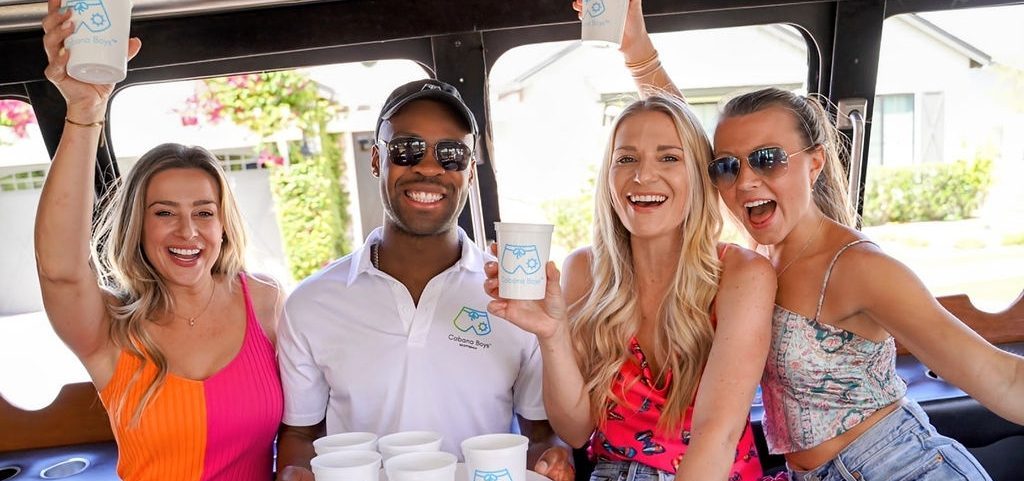
Hop on the luxurious, air conditioned party bus and we’ll cruise around Old Town, bumping music, dancing, drinking, and playing some signature games. We’ll make stops at our partner bars, where you’ll access some exclusive drink specials.
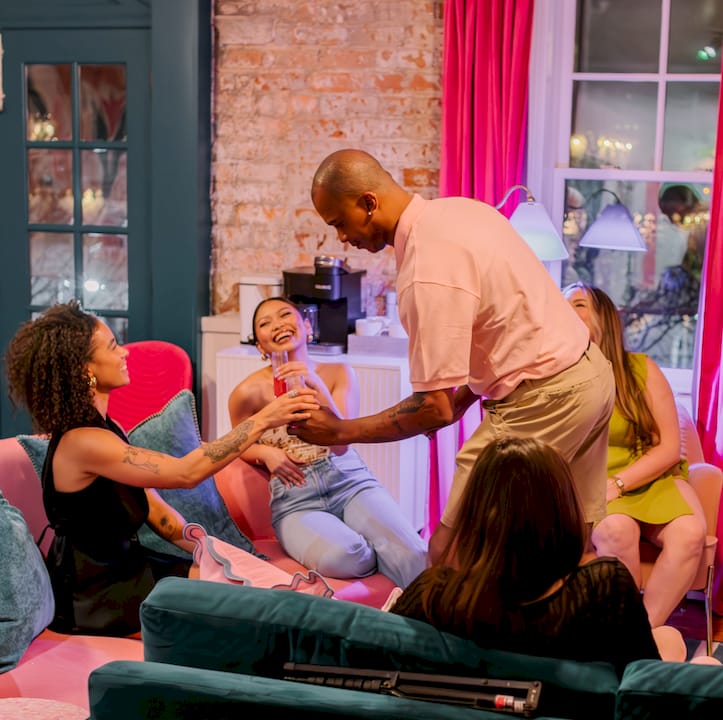
Our Cocktail CowBoys are at your service — we’ll serve you drinks and refreshments, take pictures (or pose with you), be Spotify DJs, help with party/drinking games, keep the party area tidy, keep you company and take out the trash when we leave.
Two Cocktail CowBoys will deliver brunch for you and your crew and get you back into celebration mode. They’ll set up breakfast for you, pour mimosas, turn on some tunes, host some party games, help you nurse your hangover, and keep the party area clean.
Take a break from the bars and get ready for the perfect night in with your gals… a Cocktail CowBoys game night! We bring tons of game ideas and supplies – bachelorette games, drinking games, signature games, fun icebreakers, music games, and more!
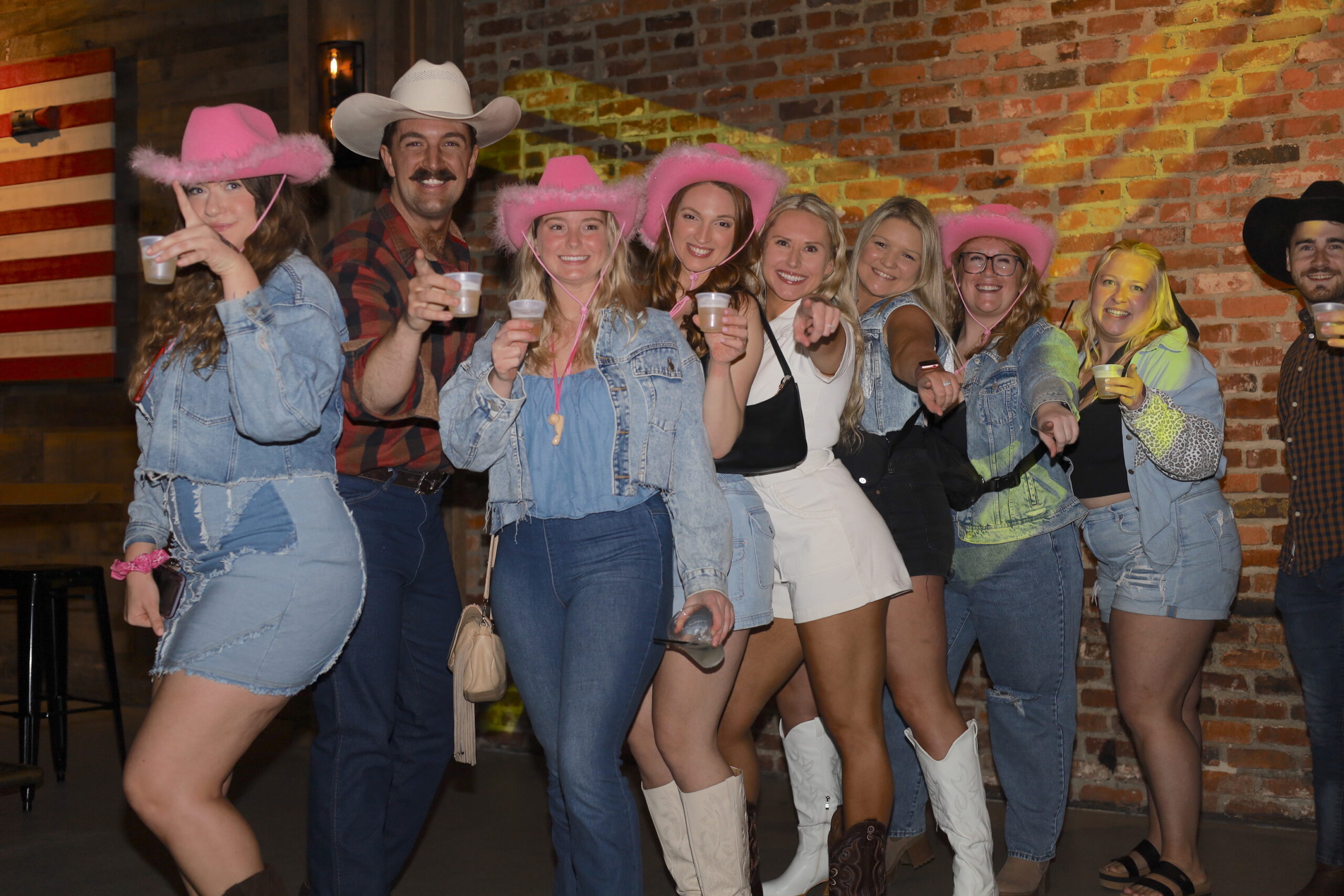
A honky-tonk adventure with cowboy charm, dancing, and unforgettable memories. Your personal party crew for a wild night of bars, boots, and Broadway debauchery.
Kick off your day with a 45-minute cowboy-led workout, then roll right into an hour of games, drinks, and hosting. Think of it as fitness meets Western hospitality — charming, playful, and unforgettable.
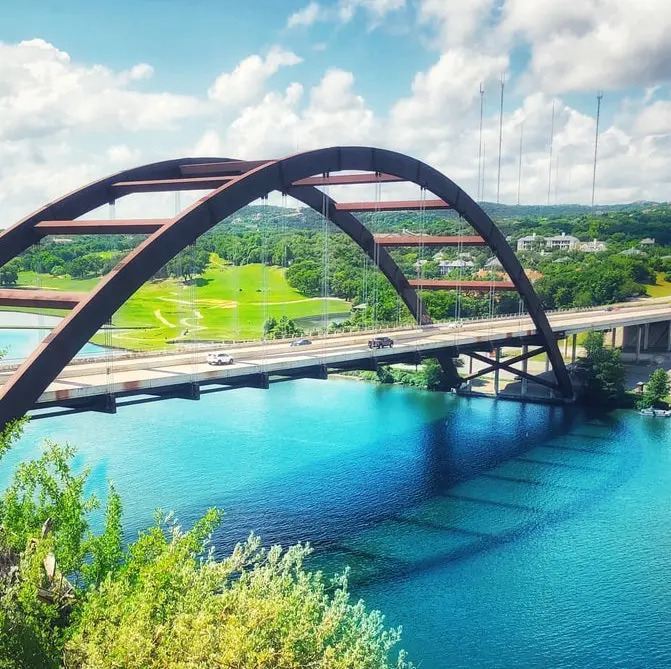
Grab your boots and head to the ultimate spot for unforgettable parties, legendary food, and live music that never stops. Saddle up for an epic Austin weekend!
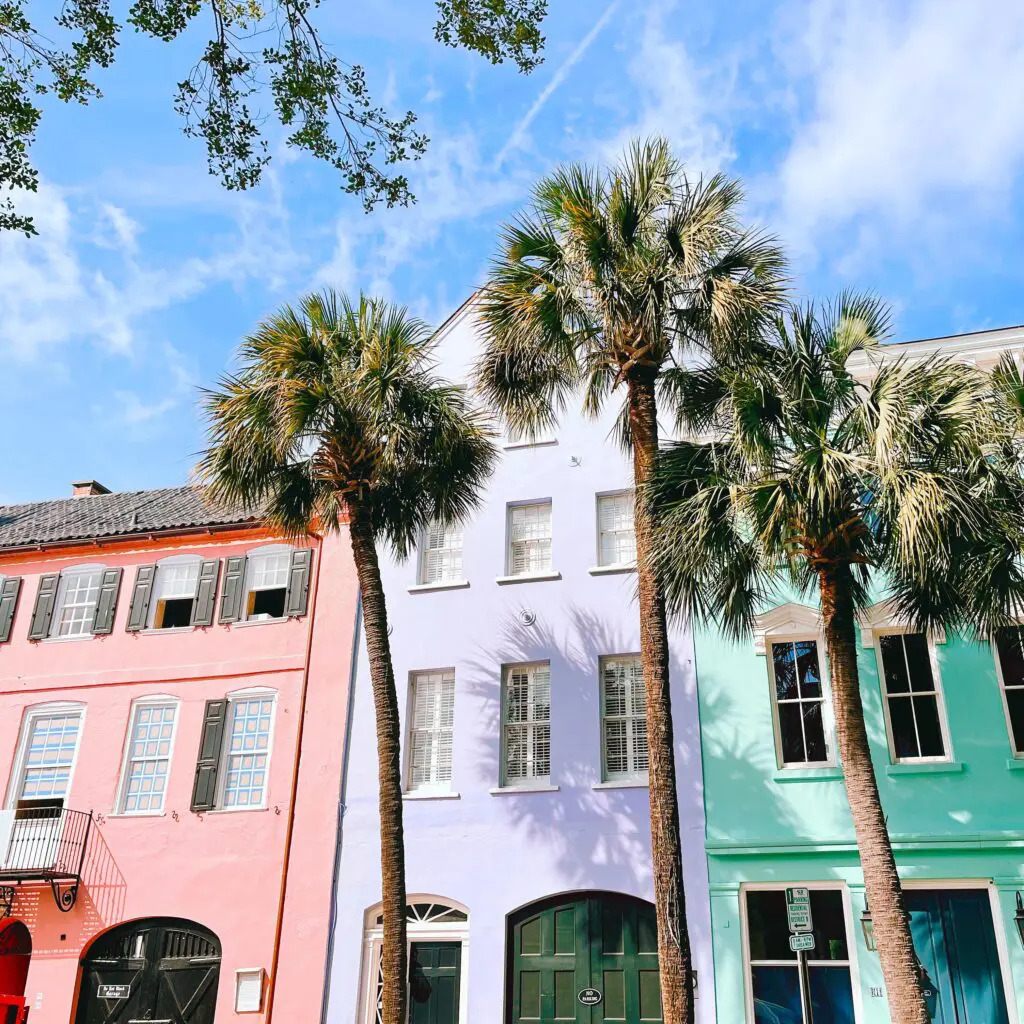
With cobblestone streets, pastel sunsets, and rooftop bars, Charleston has hospitality around every corner. Charm, style, and just the right amount of mischief.
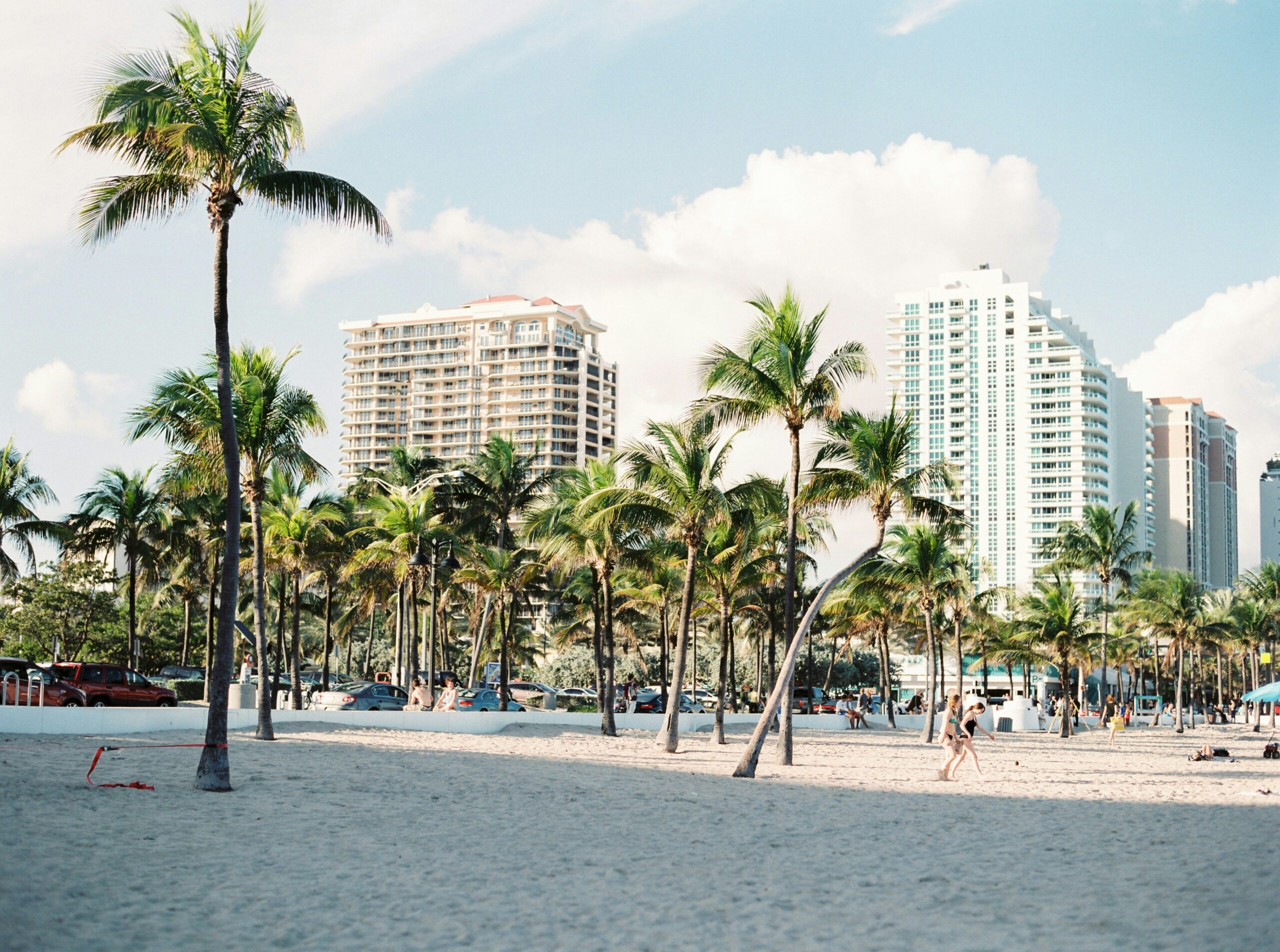
Sun, skin, and serious vibes—Miami and Fort Lauderdale are built for bold, unforgettable weekends. From pool parties to rooftop hangs, South Florida brings the heat.
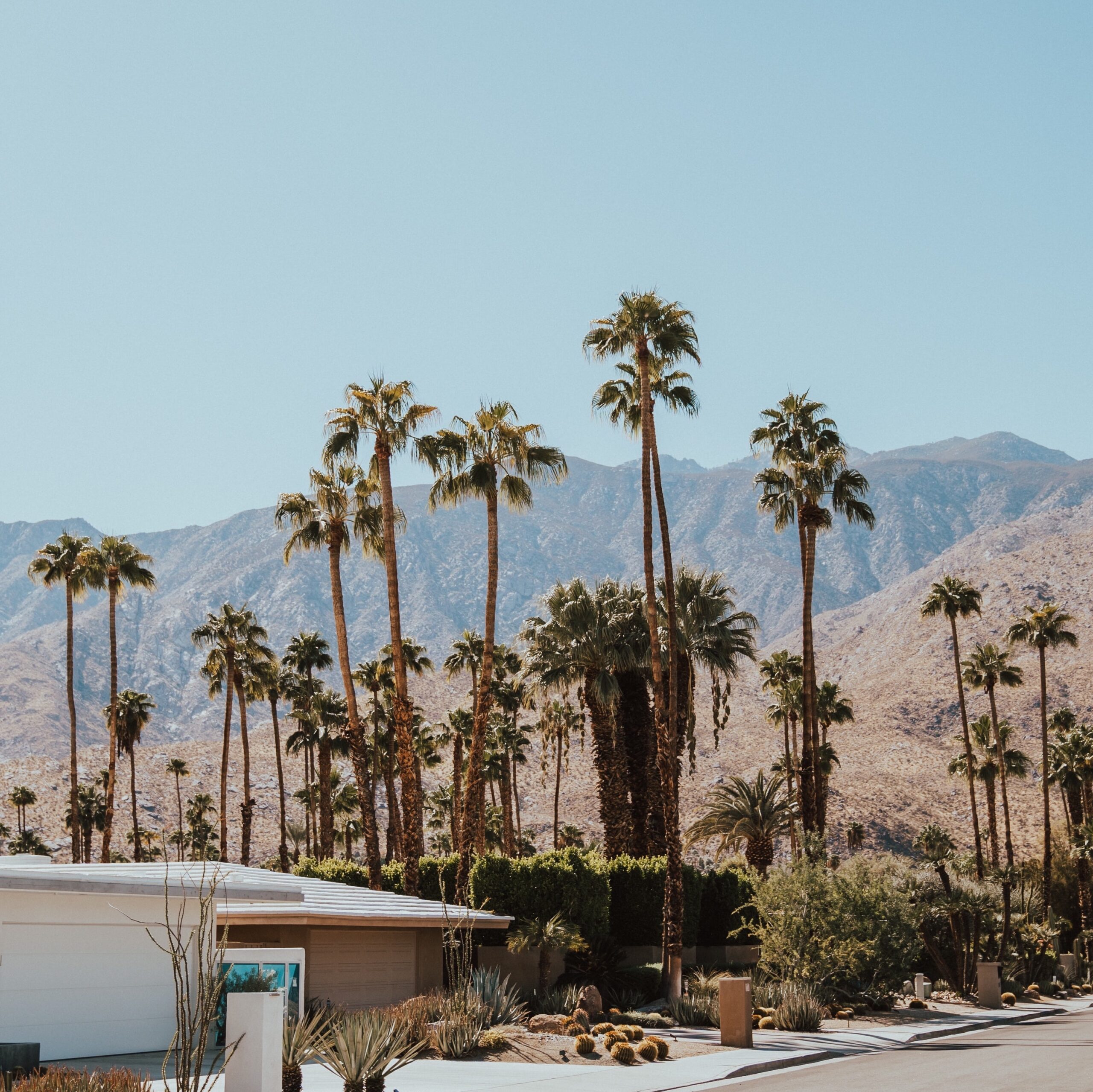
With mid-century charm, desert sun, and iconic poolside vibes, Palm Springs is the ultimate escape for unforgettable weekends and inclusive celebrations.
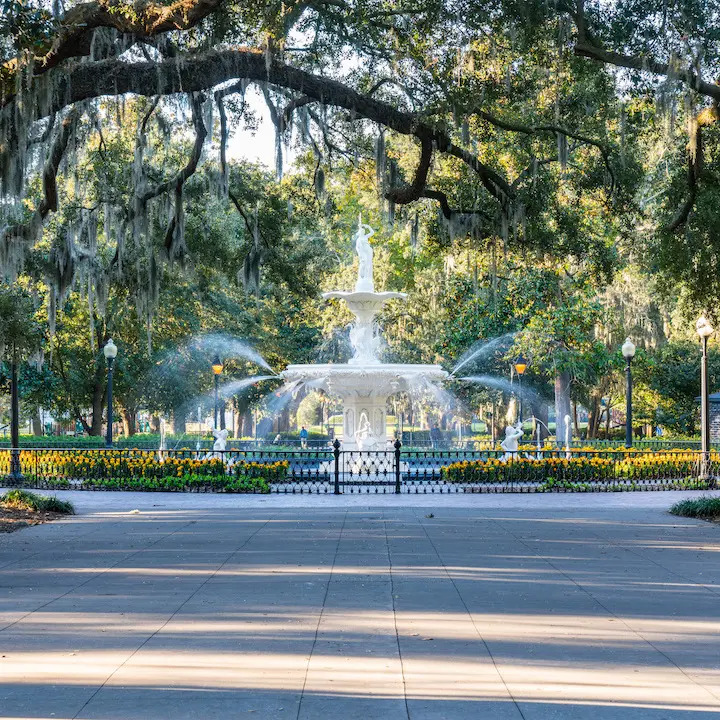
From cobblestone streets to coastal retreats, Savannah is the perfect place to sip, celebrate, and let loose. Open container laws make this one true party town.
Planning a bachelorette party in Scottsdale? Cabana Boys is the #1 rated activity in town – charismatic hosts, poolside vibes, and memories the bride won’t stop talking about.
With mid-century charm, desert sun, and iconic poolside vibes, Palm Springs is the ultimate escape for unforgettable weekends and inclusive celebrations.
Why Entertainment Partners Elevate Events That Wow
Entertainment partners are defined as specialized collaborators who design, deliver, and manage guest experiences that transform events from passive gatherings into active, memorable occasions. Understanding why entertainment partners elevate events is the single most important insight any event organizer can apply in 2026. The best partners do far more than fill a time slot. They shape emotional energy, reflect brand values, and turn strangers into a connected group. Cabana Boys, Cocktail CowBoys, and Cocktail Boys represent exactly this model, combining high-energy hosting, interactive service, and personalized engagement to create experiences guests talk about long after the event ends.
Why entertainment partners elevate events beyond traditional formats
The core difference between hiring entertainment and partnering with it is participation. Interactive entertainment activations increase guest participation and improve event survey scores and brand recall for up to 6 months post-event. That is not a marginal improvement. It means your event stays in a guest’s memory through an entire business quarter.
Traditional entertainment formats, such as background music or a passive stage performance, position guests as spectators. Spectators disengage. They check their phones, drift to the edges of the room, and leave early. Interactive models flip that dynamic entirely.
Here is what shifts when you move from passive to active entertainment:
Guests become participants, not observers, which raises their emotional investment in the event
Shared activities create common references that make networking feel natural rather than awkward
Energy levels stay consistent because guests are doing something, not just watching
Post-event recall improves because participation creates stronger memory encoding than observation
Effective partners design experiences that make socializing feel natural rather than forced. That distinction matters enormously for corporate events, bachelorette parties, and milestone celebrations where the social dynamic is the entire point.
Pro Tip:Ask any entertainment partner you are evaluating to describe their last three events in terms of guest behavior, not just what they performed. Partners who think in terms of participation will answer differently than those who think in terms of their own act.
What frameworks guide smart entertainment partner selection?
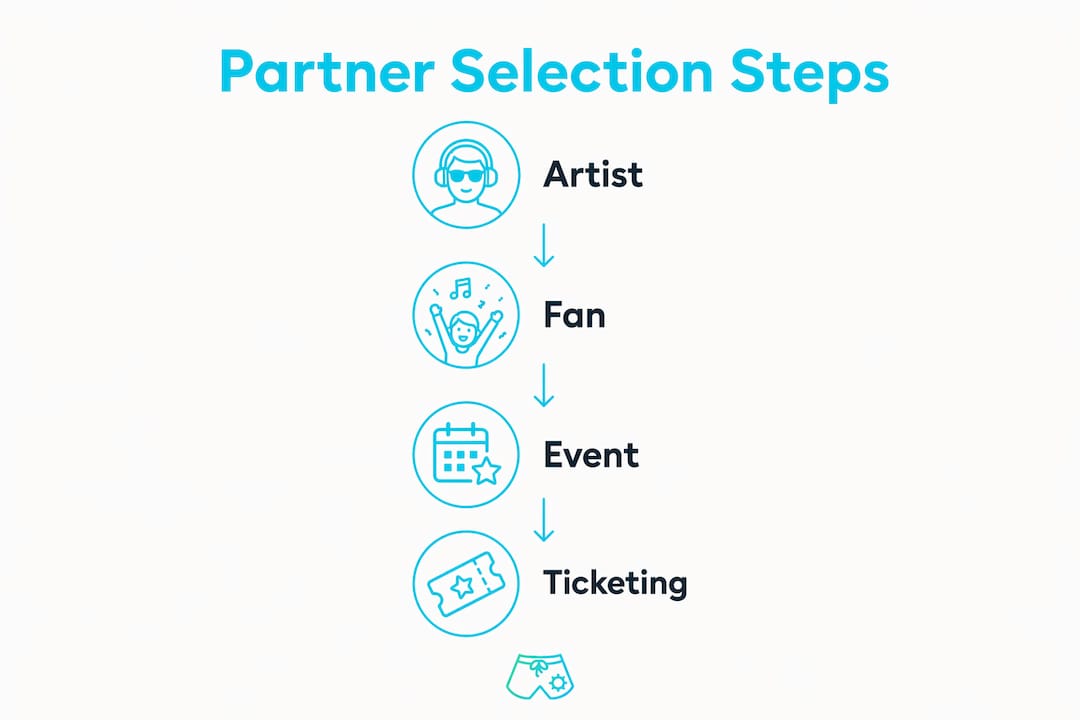
Choosing an entertainment partner based on gut feel is the fastest way to misalign your event. Global brands now use the four-layer intelligence framework covering artist, fan, event, and ticketing intelligence to evaluate partnerships before committing budget. This approach reduces the failure rates that come with intuition-based decisions.
The four layers work sequentially. Artist intelligence examines the performer’s audience demographics and engagement history. Fan intelligence maps the behavioral patterns and purchase intent of that audience. Event intelligence assesses how well the entertainment style fits the specific occasion type. Ticketing intelligence forecasts demand and attendance response. Together, these layers give organizers an empirical picture before a single dollar is spent.
Fandom Intelligence research developed by Dentsu helps brands identify high-return partnerships by matching brand values with fan communities’ behavior and purchase intent. The practical takeaway for event organizers is that data-driven selection increases authenticity and commercial return simultaneously.
Evaluation layer
What it measures
Why it matters
Artist intelligence
Performer demographics and engagement history
Confirms audience fit before booking
Fan intelligence
Behavioral patterns and purchase intent
Reveals whether the audience aligns with your guests
Event intelligence
Entertainment style versus occasion type
Prevents tone mismatches that kill atmosphere
Ticketing intelligence
Demand forecasting and attendance signals
Protects budget from low-return bookings
Pro Tip:Before signing any entertainment contract, run a quick fan-behavior check. Look at who actually attends or follows this act, not just who the act claims to reach. The gap between claimed reach and actual audience is where most partnership mistakes live.
You can also vet entertainment professionals using a structured checklist that covers references, past event types, and guest feedback scores. That process reduces risk and surfaces partners who genuinely fit your event’s goals.
How does strategic entertainment design shape atmosphere and brand perception?
Entertainment choices function as a proxy for brand values. Innovative entertainment signals resourcefulness while generic acts can negatively impact brand perception. Every entertainment decision you make tells your guests something about who you are as an organization or host.
The concept that top event designers use is emotional architecture. Treating entertainment as emotional architecture means mapping the energy curve of your event deliberately, from arrival through peak engagement to a satisfying close. Strategic design consistently outperforms simply booking talent for fixed time slots.
The energy curve has three critical zones:
Arrival zone: Entertainment should lower social friction and help guests settle in quickly. High-energy hosts who circulate and introduce guests accomplish this better than a stage act that demands attention before the room is ready.
Peak zone: This is where the most memorable moments should happen. Interactive games, group activities, or signature experiences create shared references that guests carry out of the room.
Wind-down zone: Skilled partners guide the energy down without letting it collapse. The transition from peak to close is where most events lose momentum, and good partners manage it without a rigid schedule.
Intentional nudging through entertainment influences guest mood and event flow more effectively than decor or rigid scheduling alone. A well-timed game, a shift in music energy, or a host who reads the room and adjusts the pace can rescue a flagging event in real time.
Understanding how to design a unique party atmosphere is the practical skill that separates memorable events from forgettable ones. Entertainment partners who think in terms of atmosphere design rather than performance delivery are the ones worth hiring.
How can event organizers maximize impact through entertainment partnerships?
Maximizing the impact of entertainment partnerships requires treating the partner as a co-designer, not a vendor. The event narrative, the guest journey, and the emotional peaks all benefit from partner input during the planning phase, not just on the day.
Here is a practical sequence for integrating entertainment partners effectively:
Define the event narrative first. Before you brief any partner, write one sentence that describes how you want guests to feel when they leave. That sentence becomes the filter for every entertainment decision.
Share guest data with your partner. Tell them the age range, group dynamics, relationship to each other, and any sensitivities. Partners who receive this information design better experiences than those who show up cold.
Co-design the energy curve. Walk through the event timeline together and identify where energy will naturally dip. Plan specific entertainment moments to prevent those lulls before they happen.
Build in interactive moments at multiple points. One big activation is not enough. Guests need repeated touchpoints that pull them back into participation throughout the event.
Assign the partner a networking facilitation role. Entertainment partners create connective tissue that moves guests from passive viewers to active participants, making organic networking feel natural. Brief your partner explicitly on this goal.
Debrief after the event. Collect guest feedback and share it with your partner. The best partnerships improve with each event because both sides learn from real data.
The guest experience in event planning is not a single moment. It is a sequence of touchpoints, and entertainment partners are responsible for the most emotionally charged ones. Treat that responsibility seriously in your planning process.
Cabana Boys, Cocktail CowBoys, and Cocktail Boys apply exactly this model. Their hosts circulate, facilitate games, serve drinks, and read the room continuously. The result is an event that feels curated without feeling scripted, which is the hardest balance to achieve and the one guests remember most.
Understanding why event planners outsource entertainment comes down to this: specialist partners bring both the skills and the systems that most in-house teams simply do not have time to develop.
Key Takeaways
Entertainment partners elevate events by combining interactive design, data-driven selection, and emotional architecture to turn passive guests into active participants who remember the experience for months.
Point
Details
Participation beats observation
Interactive entertainment improves survey scores and brand recall far beyond passive formats.
Use data to select partners
The four-layer intelligence framework reduces partnership failures by grounding decisions in evidence.
Design the energy curve
Map arrival, peak, and wind-down zones deliberately to prevent momentum loss.
Entertainment signals brand values
Generic acts hurt perception; distinctive, well-matched entertainment signals ambition and culture.
Partner early, not just on the day
Co-designing the event narrative with your partner produces better outcomes than a last-minute brief.
What I have learned from watching events succeed and fail
The single biggest mistake I see event organizers make is treating entertainment as the last item on the planning checklist. They lock in the venue, the catering, and the guest list, and then they call an entertainment partner two weeks out and expect magic. That is not how it works.
The events that genuinely land, the ones where guests linger, exchange contacts, and send messages the next day saying they had a great time, are the ones where the entertainment partner was in the room during the planning conversation. Not just briefed on the outcome, but involved in designing how to get there.
I have also noticed that the organizers who get the best results are the ones who give their partners real information. They share who the guests are, what the tensions in the room might be, and what they are actually trying to accomplish beyond “have fun.” That level of honesty lets a skilled partner do something genuinely useful rather than just performing a set.
The role of entertainment in events has shifted permanently toward experience design. The organizers who recognize that shift and find partners who think the same way will consistently produce better events than those who are still booking acts.
— Nelson
Ready to work with an entertainment partner who gets it?
Cabana Boys, Cocktail CowBoys, and Cocktail Boys have built their reputation on exactly the model this article describes: high-energy, interactive, personalized hosting that turns any event into a shared experience guests remember. Featured on Shark Tank and the New York Times, and recognized as the #1 bachelorette experience in top US party destinations, they bring both the energy and the expertise that elevate events from good to genuinely unforgettable.
Whether you are planning a bachelorette party, a birthday celebration, or a group trip, their Cabana Boys, Cocktail Boys, and Cocktail CowBoys engage guests, facilitate games, serve drinks, and keep the energy exactly where it needs to be throughout the event. See the full range of curated event experiences and find the right fit for your next occasion.
FAQ
What makes entertainment partners different from regular entertainment?
Entertainment partners co-design the guest experience rather than simply performing a set. They align with your event goals, manage energy flow, and facilitate guest interaction throughout the event.
How does interactive entertainment improve event outcomes?
Interactive entertainment activations increase guest participation and improve event survey scores and brand recall for up to 6 months post-event, outperforming passive formats significantly.
What is the four-layer intelligence framework for partner selection?
The four-layer framework evaluates artist, fan, event, and ticketing intelligence sequentially to forecast event success and reduce the risk of poor partnership decisions.
How does entertainment affect brand perception at corporate events?
Entertainment choices signal brand values directly. Distinctive, well-matched entertainment conveys ambition and culture, while generic acts can negatively affect how guests perceive the organizing brand.
When should I involve an entertainment partner in event planning?
Involve your entertainment partner during the initial planning phase, not just before the event. Early collaboration on the event narrative and energy curve produces measurably better guest experiences.




 Austin
 Charleston
 Los Angeles & Orange County
 Miami
Miami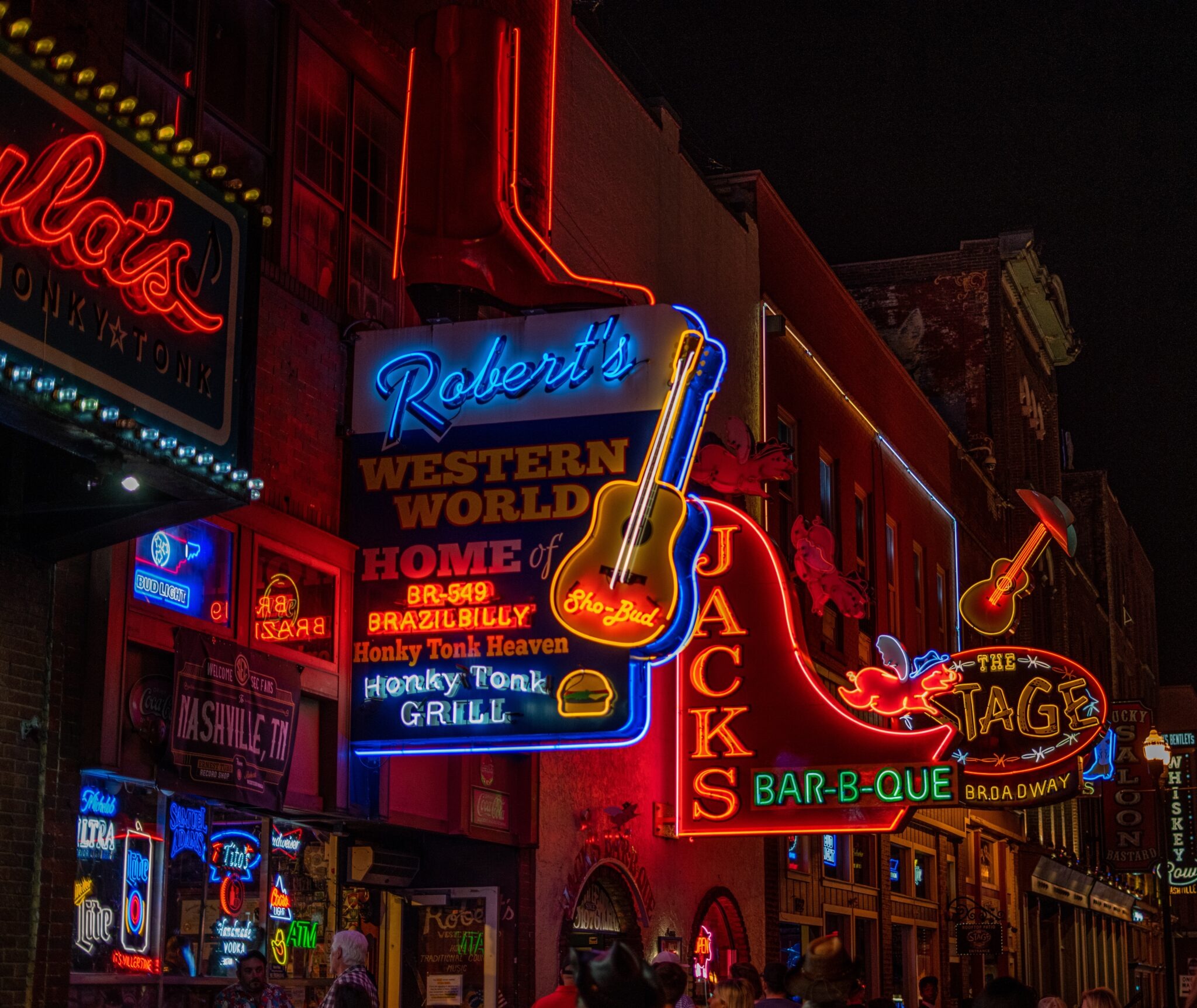 Nashville
 Palm Springs
 Savannah
 Scottsdale
 San Diego
 30A / Destin
 Cabana Boys
 Cocktail CowBoys
 Signature Party
 Brunch
 Game Night
 Cabana Glow
 Bagel Boys
 Party Bus
 Line Dancing
 Austin