🦈As Seen on Shark Tank 🦈 Book the Boys everyone is talking about • 🦈As Seen on Shark Tank 🦈 Book the Boys everyone is talking about • 🦈As Seen on Shark Tank 🦈 Book the Boys everyone is talking about • 🦈As Seen on Shark Tank 🦈 Book the Boys everyone is talking about • 🦈As Seen on Shark Tank 🦈 Book the Boys everyone is talking about • 🦈As Seen on Shark Tank 🦈 Book the Boys everyone is talking about • 🦈As Seen on Shark Tank 🦈 Book the Boys everyone is talking about • 🦈As Seen on Shark Tank 🦈 Book the Boys everyone is talking about • 🦈As Seen on Shark Tank 🦈 Book the Boys everyone is talking about • 🦈As Seen on Shark Tank 🦈 Book the Boys everyone is talking about • 🦈As Seen on Shark Tank 🦈 Book the Boys everyone is talking about • 🦈As Seen on Shark Tank 🦈 Book the Boys everyone is talking about • 🦈As Seen on Shark Tank 🦈 Book the Boys everyone is talking about • 🦈As Seen on Shark Tank 🦈 Book the Boys everyone is talking about • 🦈As Seen on Shark Tank 🦈 Book the Boys everyone is talking about • 🦈As Seen on Shark Tank 🦈 Book the Boys everyone is talking about •
Hire the Cabana Boys to elevate your event with personalized party hosting and bartending services for 2-4 hours. These charming, vetted gentlemen will serve drinks, entertain, keep the area tidy, and make your event unforgettable, whether it’s a pool party, bachelorette, or themed event.
Gourmet brunch from local favorites, bottomless mimosas, music, and party games — hosted poolside by the Cabana Boys. The easiest, most-talked-about morning of the weekend.
We bring tons of game ideas and supplies – bachelorette games, drinking games, signature games, fun icebreakers, music games, and more – that we will host at your Airbnb. We can also help facilitate any games that you have in mind. Think of us as game show hosts, but in a sexy pool boy kind of way.
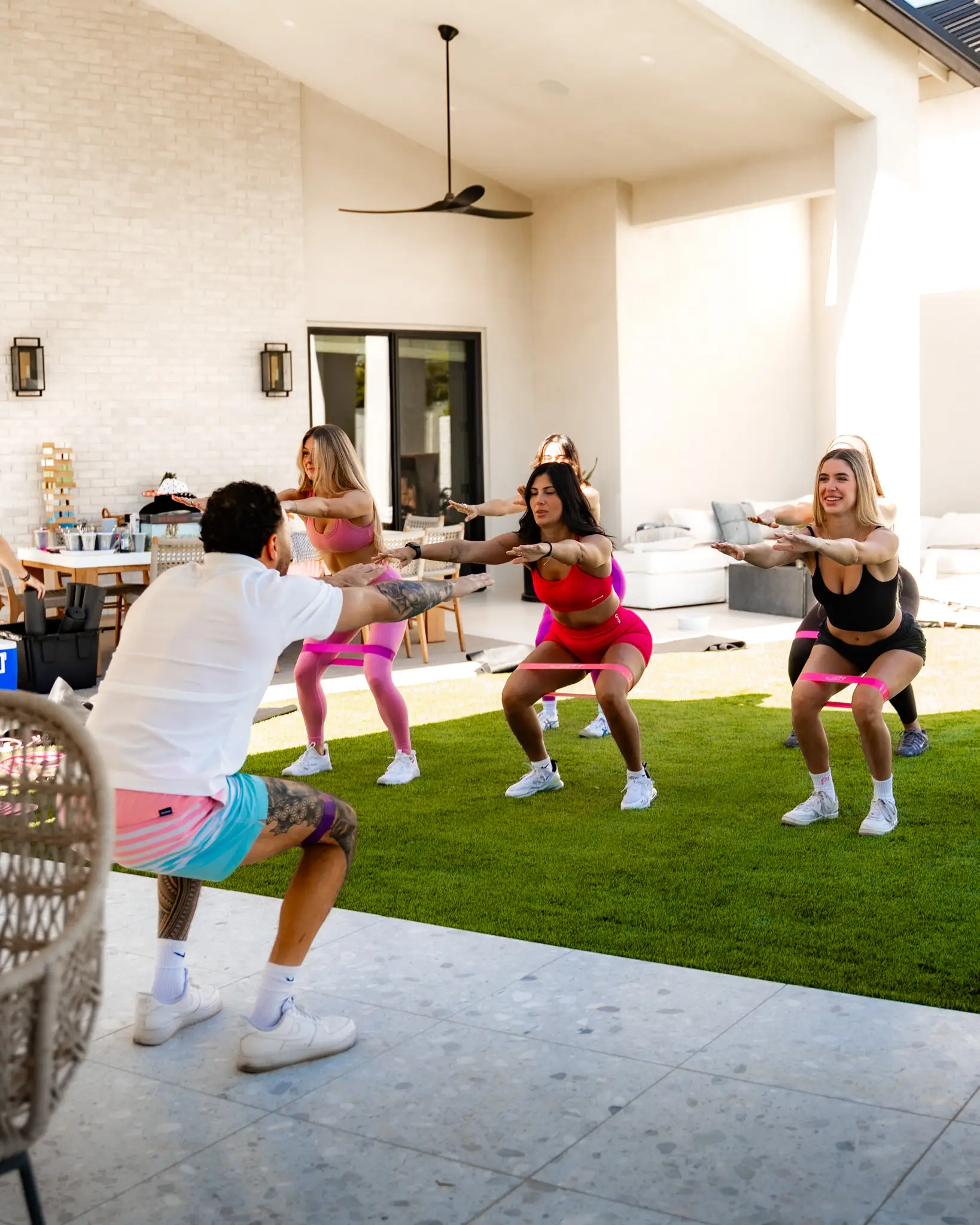
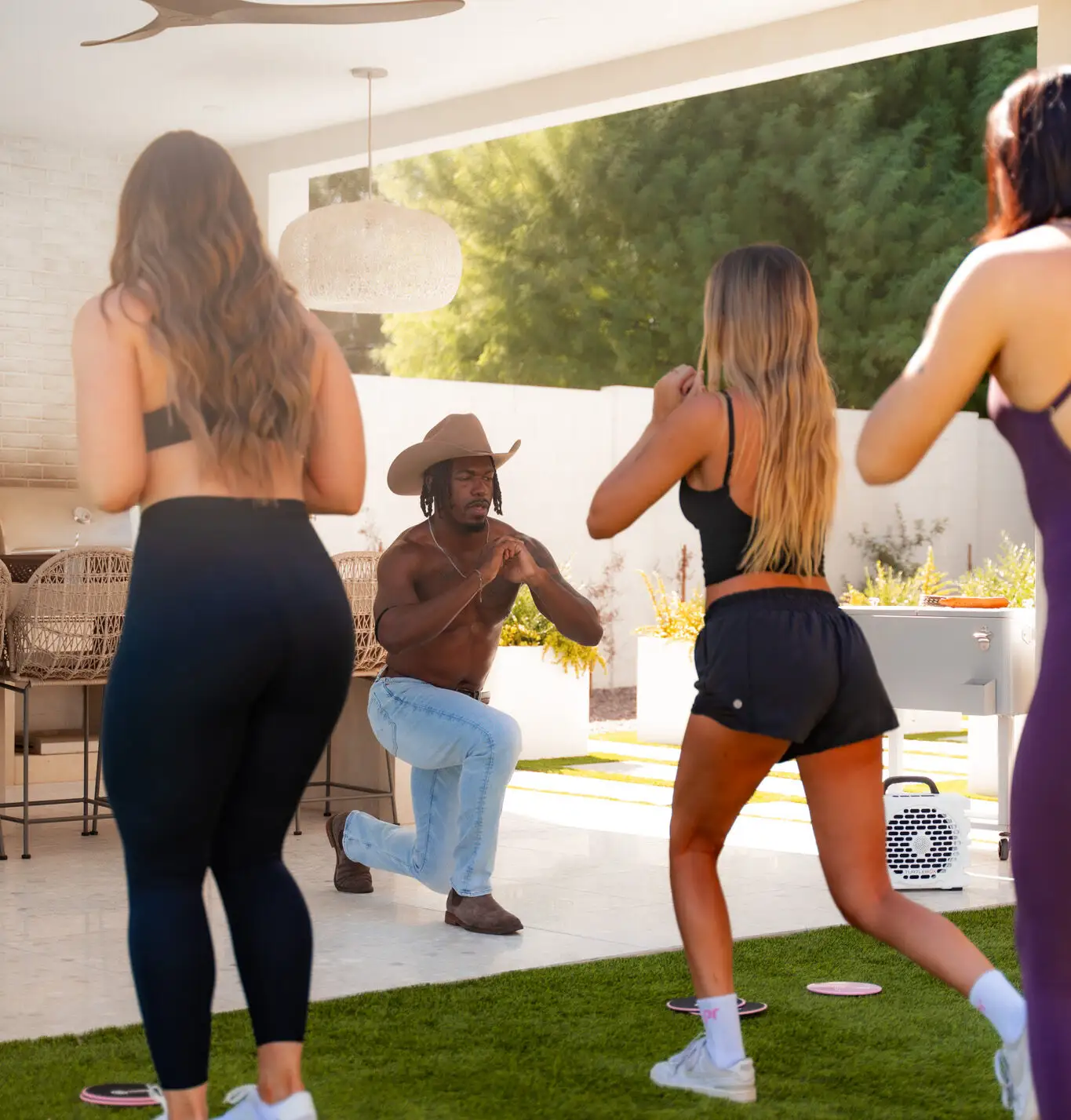
We’ll lead you through a fun, high-energy 45-minute workout with mats, bands, and sliders – then flip straight into party mode. Think of it as a fitness class that ends with your own private pool boy hosts keeping the vibe alive.
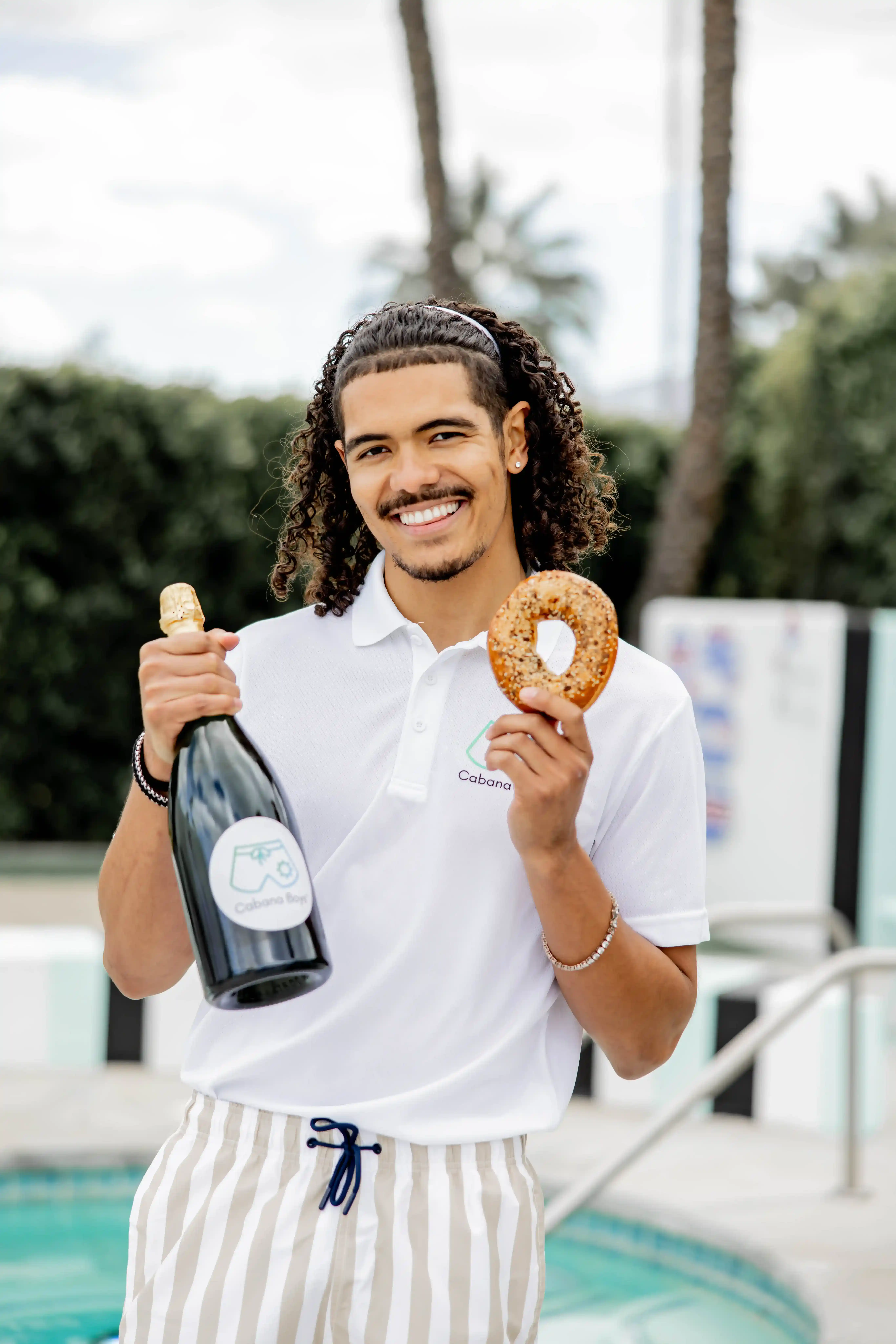
Kick off your morning with a visit from one of our hand-picked gentlemen who will set up a delicious spread with a dozen of gourmet assorted bagels, two tubs of delicious cream cheese, a large container of hot coffee, and a carafe of fresh orange juice.
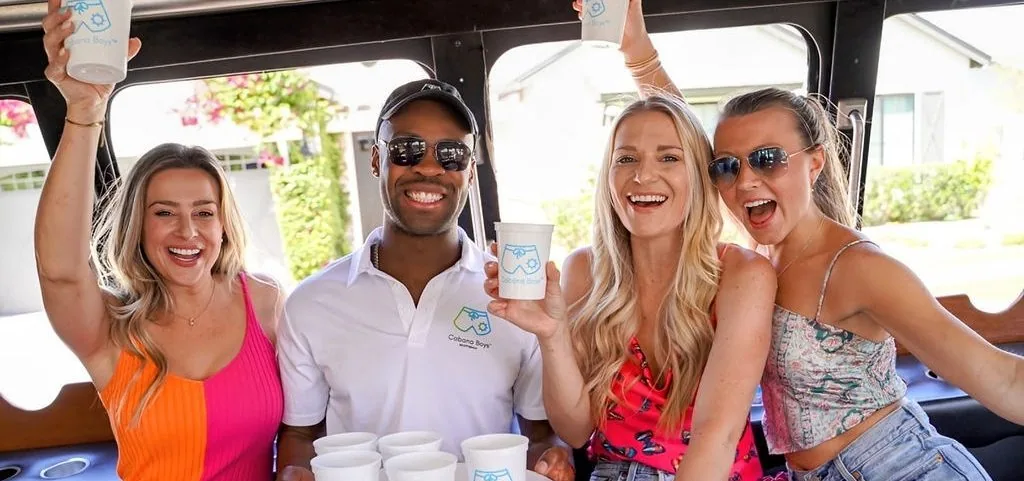
Hop on the luxurious, air conditioned party bus and we’ll cruise around Old Town, bumping music, dancing, drinking, and playing some signature games. We’ll make stops at our partner bars, where you’ll access some exclusive drink specials.
Our Cocktail CowBoys are at your service — we’ll serve you drinks and refreshments, take pictures (or pose with you), be Spotify DJs, help with party/drinking games, keep the party area tidy, keep you company and take out the trash when we leave.
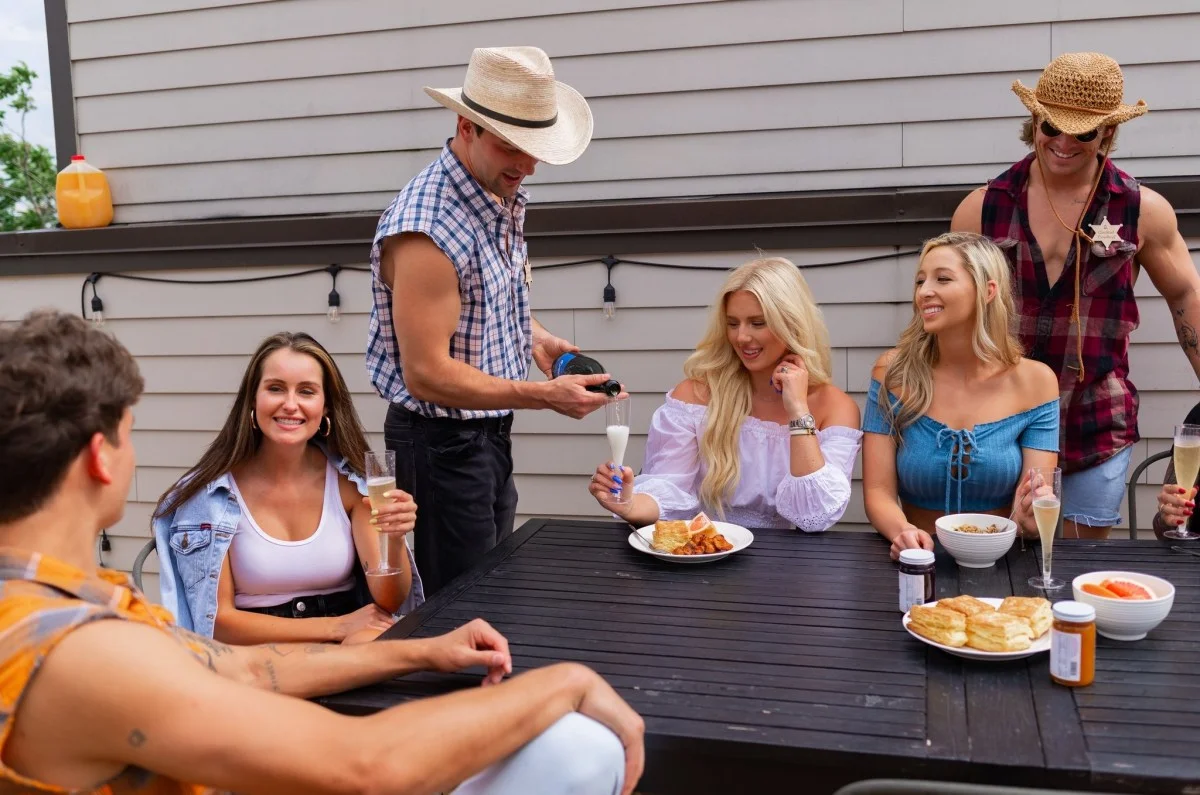
Two Cocktail CowBoys will deliver brunch for you and your crew and get you back into celebration mode. They’ll set up breakfast for you, pour mimosas, turn on some tunes, host some party games, help you nurse your hangover, and keep the party area clean.
Take a break from the bars and get ready for the perfect night in with your gals… a Cocktail CowBoys game night! We bring tons of game ideas and supplies – bachelorette games, drinking games, signature games, fun icebreakers, music games, and more!
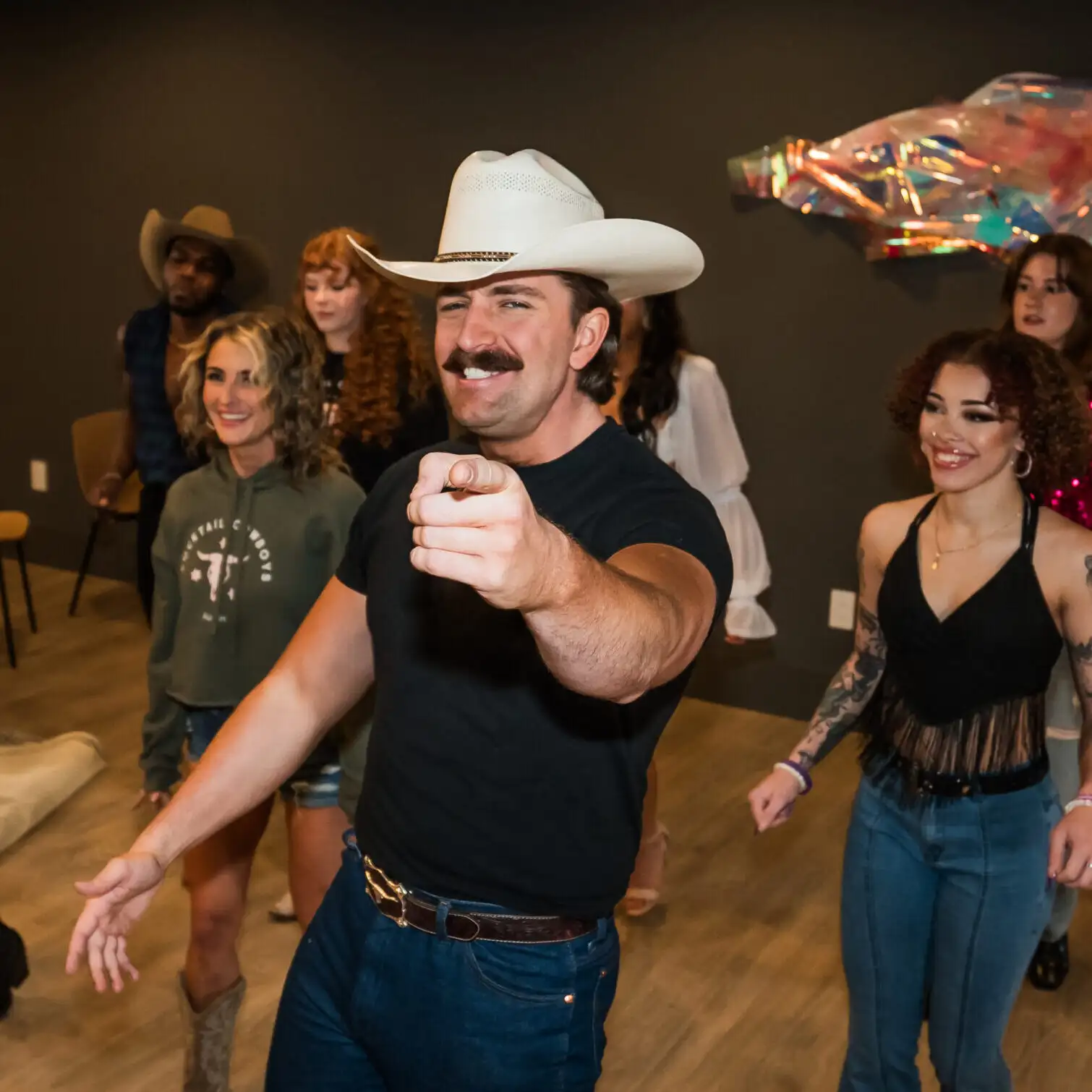
A honky-tonk adventure with cowboy charm, dancing, and unforgettable memories. Your personal party crew for a wild night of bars, boots, and Broadway debauchery.
Kick off your day with a 45-minute cowboy-led workout, then roll right into an hour of games, drinks, and hosting. Think of it as fitness meets Western hospitality — charming, playful, and unforgettable.
Grab your boots and head to the ultimate spot for unforgettable parties, legendary food, and live music that never stops. Saddle up for an epic Austin weekend!
With cobblestone streets, pastel sunsets, and rooftop bars, Charleston has hospitality around every corner. Charm, style, and just the right amount of mischief.
Sun, skin, and serious vibes—Miami and Fort Lauderdale are built for bold, unforgettable weekends. From pool parties to rooftop hangs, South Florida brings the heat.
With mid-century charm, desert sun, and iconic poolside vibes, Palm Springs is the ultimate escape for unforgettable weekends and inclusive celebrations.
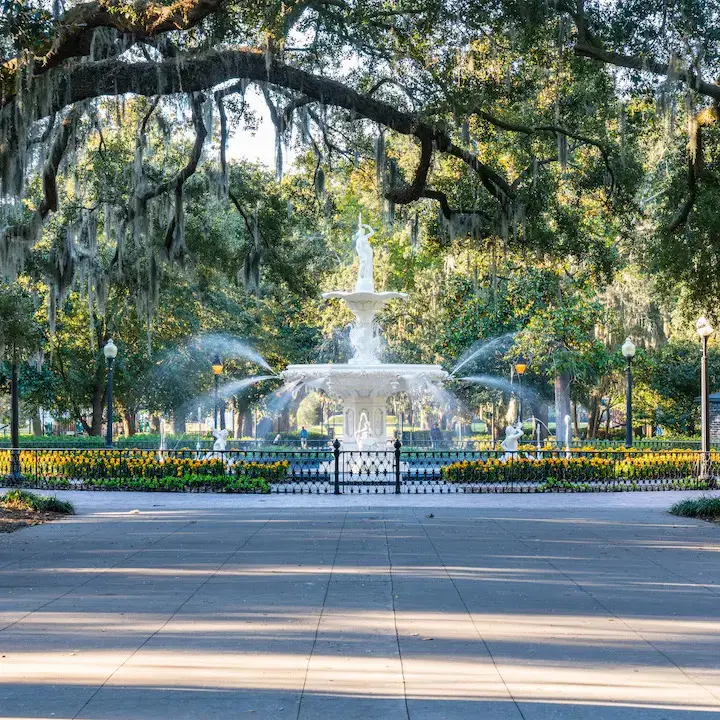
From cobblestone streets to coastal retreats, Savannah is the perfect place to sip, celebrate, and let loose. Open container laws make this one true party town.
Planning a bachelorette party in Scottsdale? Cabana Boys is the #1 rated activity in town – charismatic hosts, poolside vibes, and memories the bride won’t stop talking about.
With mid-century charm, desert sun, and iconic poolside vibes, Palm Springs is the ultimate escape for unforgettable weekends and inclusive celebrations.
Guest Engagement in Professional Hosting: A Host’s Guide
Guest engagement professional hosting is the practice of actively managing guest interactions throughout an event to maximize involvement, emotional connection, and satisfaction from arrival to departure. The industry term for this practice is guest experience management, and the two concepts work together: engagement is the method, experience is the outcome. Professional hosts who master this discipline rely on three core pillars: timed communication, personalized interaction, and the 70/30 rule that balances automation with human presence. Get these right, and guests leave not just satisfied but genuinely excited to come back.
What is guest engagement in professional hosting?
Guest engagement in professional hosting is defined as the structured, intentional effort to make every guest feel recognized, valued, and connected throughout an event. This goes well beyond greeting people at the door. It covers every touchpoint: the message sent before the event, the check-in moment, the mid-event interaction, and the follow-up afterward.
The importance of guest engagement lies in its direct link to emotional connection. Engagement is not merely providing service. It fosters a bond that leads to satisfaction, positive feedback, and repeat attendance. Guests who feel genuinely seen and heard are far more likely to recommend your event to others.
Professional hosts treat engagement as a system, not a series of random gestures. That system includes pre-event outreach, real-time responsiveness during the gathering, and post-event follow-up. Each phase serves a specific purpose in shaping how guests remember the experience. When you treat engagement as a discipline rather than an afterthought, the results show in every review and every referral you receive.
What are the core guest engagement strategies used by professional hosts?
The most effective guest engagement strategies share one quality: they are proactive, not reactive. Professional hosts do not wait for guests to complain or ask questions. They anticipate needs and address them before friction builds.
Timed communication across three phases
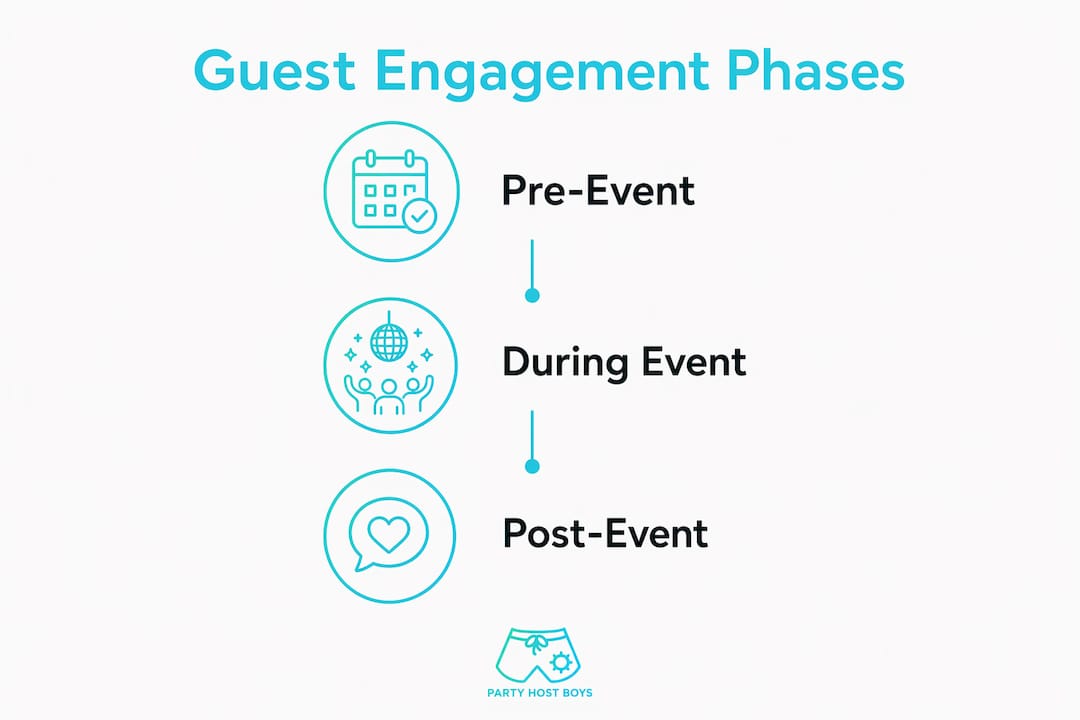
Professional hosting teams implement a structured messaging strategy built around three phases: pre-event, during the event, and post-event. Pre-event messages go out 2–3 days before arrival to set expectations and build excitement. During the event, brief check-in messages on day one or two catch problems early. Post-event follow-up within 24–48 hours closes the loop and collects feedback.
This timing is not arbitrary. Each message lands when guests are most receptive and most likely to act on the information. A pre-event message about the schedule reduces confusion on the day. A mid-event check-in shows guests that someone is paying attention.
Personalization as a guest engagement strategy
76% of consumers expect personalization, and 71% report frustration when it is missing. That statistic applies directly to event hosting. Guests notice when a host remembers a birthday, uses their name, or tailors an activity to the group’s preferences. These small acts of recognition create outsized emotional impact.
Practical personalization does not require a massive budget. It requires attention. Note dietary preferences in advance. Acknowledge special occasions during the event. Assign a specific host to a VIP guest so that person always has a familiar face to turn to.
Send personalized welcome messages that reference the guest’s occasion or group
Recognize birthdays, anniversaries, or milestones with a small gesture during the event
Assign dedicated hosts to VIP guests or large group organizers
Use guest names in all direct communication, not just the primary booker’s name
Collect preferences before the event and act on them visibly during it
Pro Tip:Keep a simple guest profile sheet for each event. Note names, preferences, and any special occasions. Share it with every host on your team before the event starts.
How do technology tools enhance professional hosting for guest engagement?
Technology does not replace the human element in professional hosting. It protects it. When automated systems handle repetitive questions, human hosts stay free to focus on the moments that actually matter to guests.
Automation for routine communication
Automated AI messaging handles repetitive guest questions efficiently, such as Wi-Fi details, schedules, and venue logistics. This frees human hosts to respond rapidly to complex or emotional requests. Delayed responses over 40 minutes significantly reduce guest satisfaction scores. That number alone makes the case for automation as a guest engagement tool, not a shortcut.
The key distinction is knowing which questions belong to automation and which require a human. Logistics belong to automation. Complaints, special requests, and VIP moments belong to humans.
Accessible communication for all guests
Centralized guest communication hubs increase accessibility and engagement, especially for group events. When only the primary booker receives event information, the rest of the group feels excluded. Providing every guest with direct access to a communication channel changes the dynamic entirely. Guests feel autonomous and informed rather than dependent on one person to relay details.
This matters most at large gatherings like bachelorette parties, birthday weekends, and group trips where the organizer is already managing a dozen moving parts.
Use a shared event portal or group messaging thread accessible to all guests
Automate logistics answers so no guest waits more than a few minutes for basic information
Reserve human host availability for emotional or complex requests
Avoid sending too many messages. Over-engagement disrupts the guest experience just as much as silence does
Pro Tip:Set a clear communication window for your event, such as 9:00 AM to 9:00 PM, and communicate it to guests in advance. This sets expectations and prevents late-night message anxiety for your hosting team.
For a broader look at how guest experience principles apply across hospitality settings, the fundamentals translate directly to event hosting.
What operational frameworks do professional hosts use for immersive events?
Frameworks give professional hosting its structure. Without them, even well-intentioned hosts default to reactive behavior when the event gets busy.
The 70/30 rule in practice
The 70/30 rule is the operational backbone of concierge-style hosting. Seventy percent of routine, data-layer communication gets automated. The remaining 30% is reserved for human-led experience moments: personalized greetings, VIP check-ins, and real-time problem solving. This ratio protects your team’s energy and directs it where it creates the most value.
Applying this framework requires an honest audit of your current hosting workflow. List every guest touchpoint. Categorize each one as routine or experiential. Automate the routine. Invest human time in the experiential.
Pulse checks and VIP triggers
Send a brief, friendly pulse check message on day one or two of a multi-day event to catch dissatisfaction early
Set VIP triggers for guests celebrating milestones so your team knows to make proactive contact
Designate one human host as the point of contact for group organizers at large events
Review guest feedback in real time during the event, not just afterward
Use post-event NPS (Net Promoter Score) and CSAT (Customer Satisfaction Score) scores to measure engagement success and identify gaps
In-stay pulse checks create helpful, non-intrusive communication moments that allow hosts to resolve issues before they become complaints. The timing is critical. A pulse check on day one gives you time to fix a problem. A pulse check on the last day gives you nothing but a negative review.
Framework
Purpose
When to apply
70/30 rule
Balance automation and human interaction
Across all event phases
Pulse check
Early issue detection
Day 1–2 of multi-day events
VIP trigger
Proactive outreach for special guests
Pre-event and during event
Centralized hub
Group-wide communication access
Group events with 6+ guests
Post-event follow-up
Feedback collection and loyalty building
Within 24–48 hours post-event
How can event hosts implement guest engagement strategies at gatherings?
Practical implementation starts with a timeline. Map every guest touchpoint before the event begins, and assign a responsible host to each one.
Pre-event, during-event, and post-event touchpoints
The pre-event phase sets the tone. Send a personalized welcome message 2–3 days out. Include the schedule, key contacts, and any personalized details you have collected. This message reduces day-of confusion and signals to guests that someone is already thinking about their experience.
During the event, interactive activities are one of the most direct ways to boost guest interaction. Games, group challenges, and facilitated social moments pull guests out of passive attendance and into active participation. The difference between a guest who watches and a guest who plays is the difference between a forgettable event and a memorable one.
Post-event, follow up within 24–48 hours. A short message thanking guests and inviting feedback closes the experience on a high note. Tracking NPS and CSAT scores over multiple events reveals patterns that help you improve each time.
Assign a dedicated host to manage group communication for events with 10 or more guests
Build a simple feedback form and send it within 24 hours of the event ending
Use guest feedback to adjust your engagement approach for the next event
For diverse groups, offer multiple activity formats so every guest finds something that fits
Specialty hosts bring a level of guest engagement skill that generalist staff rarely match, particularly for high-energy celebrations where the atmosphere itself is part of the product.
Key Takeaways
Effective guest engagement in professional hosting requires timed communication, the 70/30 automation framework, and proactive personalization to create experiences guests remember and recommend.
Point
Details
Define engagement as a system
Structure every touchpoint from pre-event messaging to post-event follow-up.
Apply the 70/30 rule
Automate 70% of routine communication so human hosts focus on high-value moments.
Personalize every interaction
Use guest names, recognize occasions, and act on preferences collected before the event.
Use pulse checks early
Send a brief check-in on day one of multi-day events to catch and fix issues fast.
Measure and adapt
Track NPS and CSAT scores after each event to identify gaps and improve your approach.
What I’ve learned about guest engagement that most hosting guides get wrong
Most articles on guest engagement treat it as a communication problem. Send the right message at the right time, and you are done. That framing misses the point entirely.
The real challenge in professional hosting is a mindset problem. Hosts default to reactive mode because reactive mode feels manageable. A guest complains, you fix it. A question comes in, you answer it. That loop feels productive, but it keeps you one step behind the guest’s experience at all times.
The shift to proactive, concierge-style hosting is uncomfortable at first. It requires you to anticipate problems that have not happened yet and invest time in guests who have not asked for anything. That feels inefficient until you see the results. Guests who receive a proactive check-in before they have a complaint become advocates. Guests who only hear from you when something goes wrong become critics.
The other mistake I see constantly is over-automation. Hosts discover that automation saves time, and then they automate everything. The result is a guest experience that feels like a customer service portal, not a celebration. Technology should protect your human hosting capacity, not replace it. The role of entertainers in live events is a perfect example of where no automation can substitute for a real human presence that reads the room and responds in real time.
The hosts who consistently get the best feedback are the ones who treat every event as a live performance. They prepare obsessively, automate the boring parts, and then show up fully present for the moments that guests will actually remember.
— Nelson
How Cabana Boys and Cocktail CowBoys bring guest engagement to life
Guest engagement strategies work best when the people executing them are genuinely skilled at reading a room and making guests feel like the main character of their own celebration.
Cabana Boys and Cocktail CowBoys specialize in exactly that. Recognized as the #1 bachelorette experience in top US party destinations and featured on Shark Tank and the New York Times, their hosts combine charm, high energy, and real personalization to make every event feel tailored. They serve refreshments, facilitate games, and keep the atmosphere alive, all while maintaining a clean and organized space. For groups planning bachelorette pool parties in 30A and Destin, their hosting team delivers the kind of guest engagement that turns a good trip into a story guests tell for years.
FAQ
What is guest engagement in professional hosting?
Guest engagement in professional hosting is the structured practice of managing guest interactions throughout an event to maximize involvement, emotional connection, and satisfaction. It covers pre-event communication, real-time responsiveness, and post-event follow-up.
What is the 70/30 rule in event hosting?
The 70/30 rule means automating 70% of routine guest communications, such as schedules and logistics, while reserving 30% of host effort for personalized, human-led moments like VIP greetings and real-time problem solving.
How do pulse checks improve guest satisfaction?
Pulse checks are brief, automated messages sent on day one or two of an event that invite guests to share any concerns early. They allow hosts to resolve issues before they escalate into negative feedback.
Why does personalization matter in guest engagement?
76% of consumers expect personalization, and 71% feel frustrated when it is absent. Recognizing a guest’s name, occasion, or preferences creates an emotional connection that drives loyalty and positive word-of-mouth.
How do you measure the success of guest engagement strategies?
Professional hosts track NPS (Net Promoter Score), CSAT (Customer Satisfaction Score), and repeat attendance rates to evaluate engagement effectiveness and identify areas for improvement after each event.





 Austin
 Charleston
 Los Angeles & Orange County
 Miami
Miami Nashville
 Palm Springs
 Savannah
 Scottsdale
 San Diego
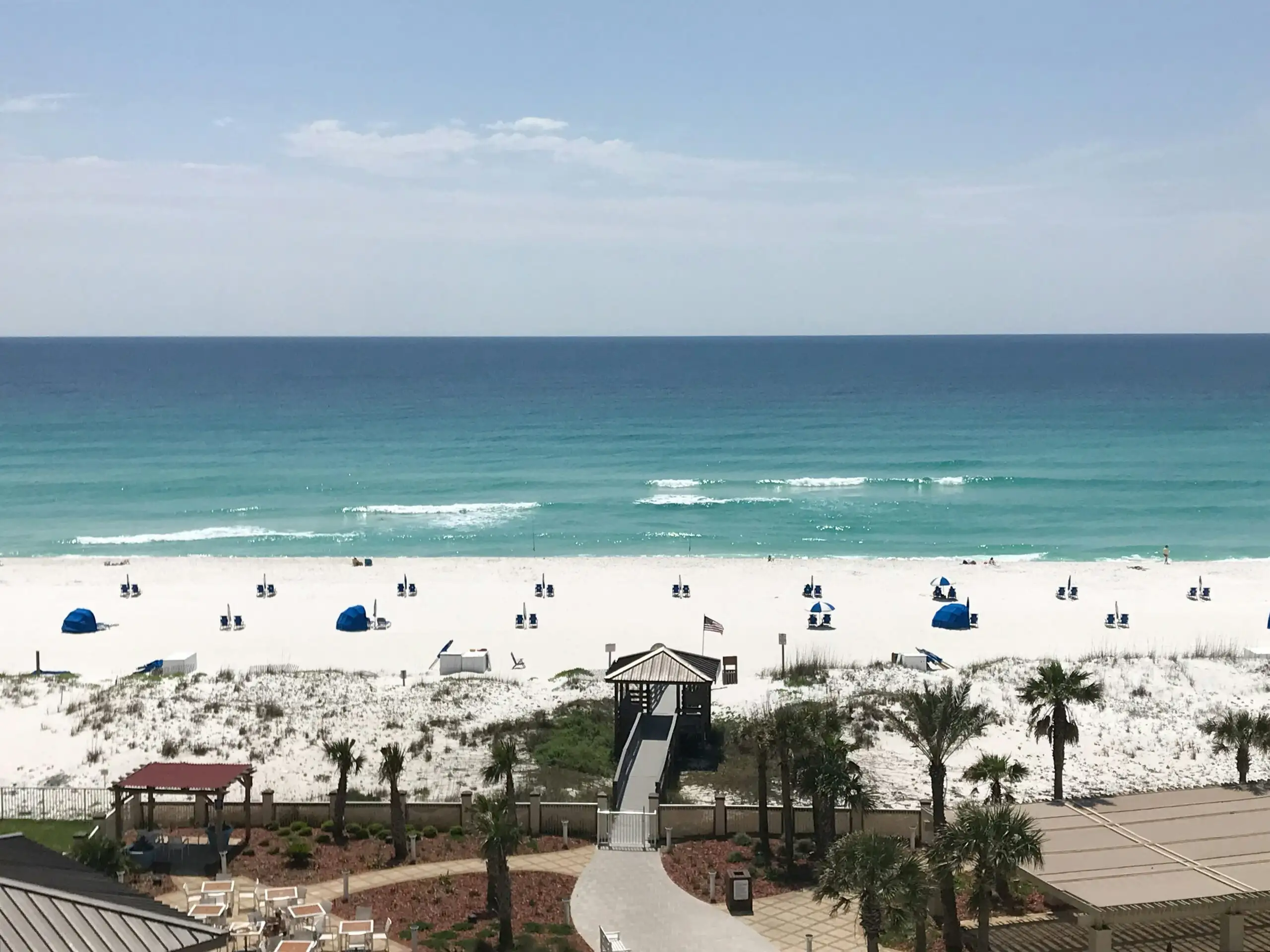 30A / Destin
 Cabana Boys
 Cocktail CowBoys
 Signature Party
 Brunch
 Game Night
 Cabana Glow
 Bagel Boys
 Party Bus
 Line Dancing
 Austin