🦈As Seen on Shark Tank 🦈 Book the Boys everyone is talking about • 🦈As Seen on Shark Tank 🦈 Book the Boys everyone is talking about • 🦈As Seen on Shark Tank 🦈 Book the Boys everyone is talking about • 🦈As Seen on Shark Tank 🦈 Book the Boys everyone is talking about • 🦈As Seen on Shark Tank 🦈 Book the Boys everyone is talking about • 🦈As Seen on Shark Tank 🦈 Book the Boys everyone is talking about • 🦈As Seen on Shark Tank 🦈 Book the Boys everyone is talking about • 🦈As Seen on Shark Tank 🦈 Book the Boys everyone is talking about • 🦈As Seen on Shark Tank 🦈 Book the Boys everyone is talking about • 🦈As Seen on Shark Tank 🦈 Book the Boys everyone is talking about • 🦈As Seen on Shark Tank 🦈 Book the Boys everyone is talking about • 🦈As Seen on Shark Tank 🦈 Book the Boys everyone is talking about • 🦈As Seen on Shark Tank 🦈 Book the Boys everyone is talking about • 🦈As Seen on Shark Tank 🦈 Book the Boys everyone is talking about • 🦈As Seen on Shark Tank 🦈 Book the Boys everyone is talking about • 🦈As Seen on Shark Tank 🦈 Book the Boys everyone is talking about •
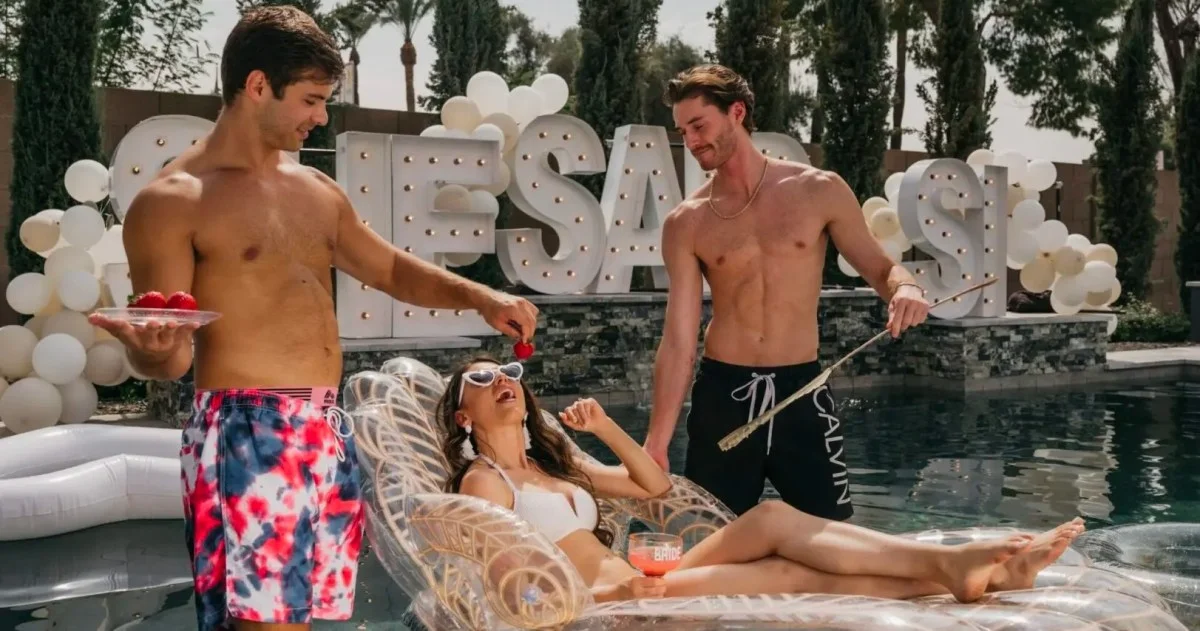
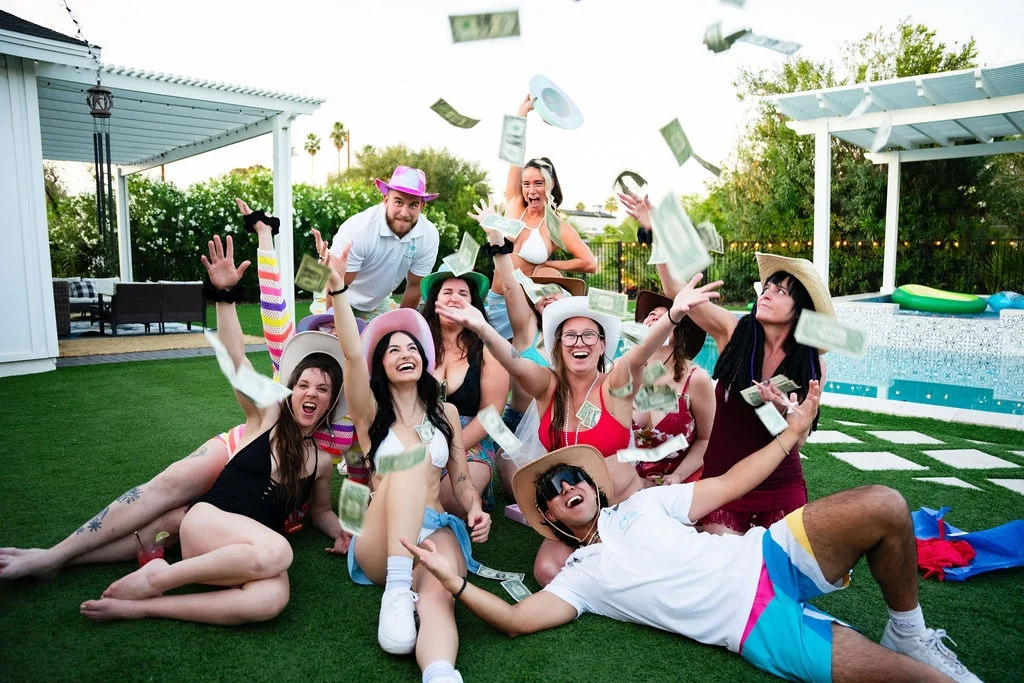
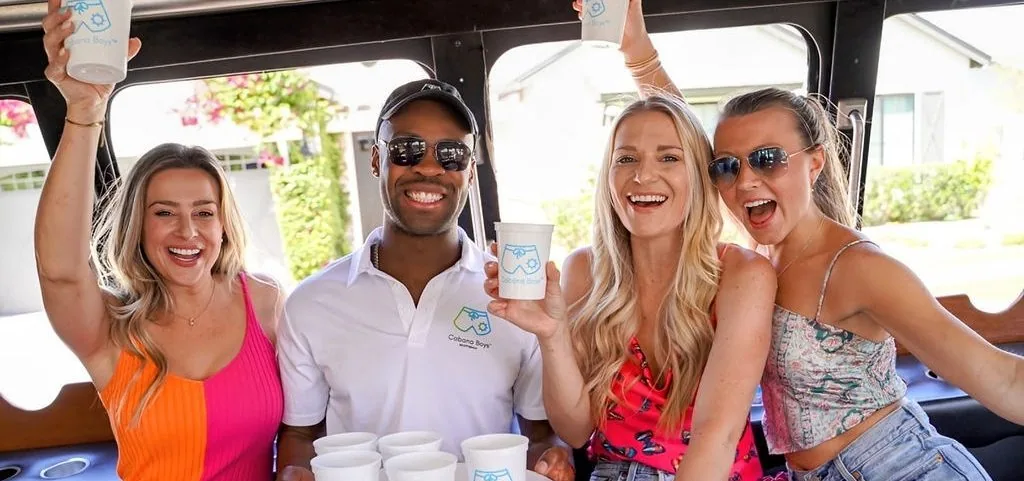
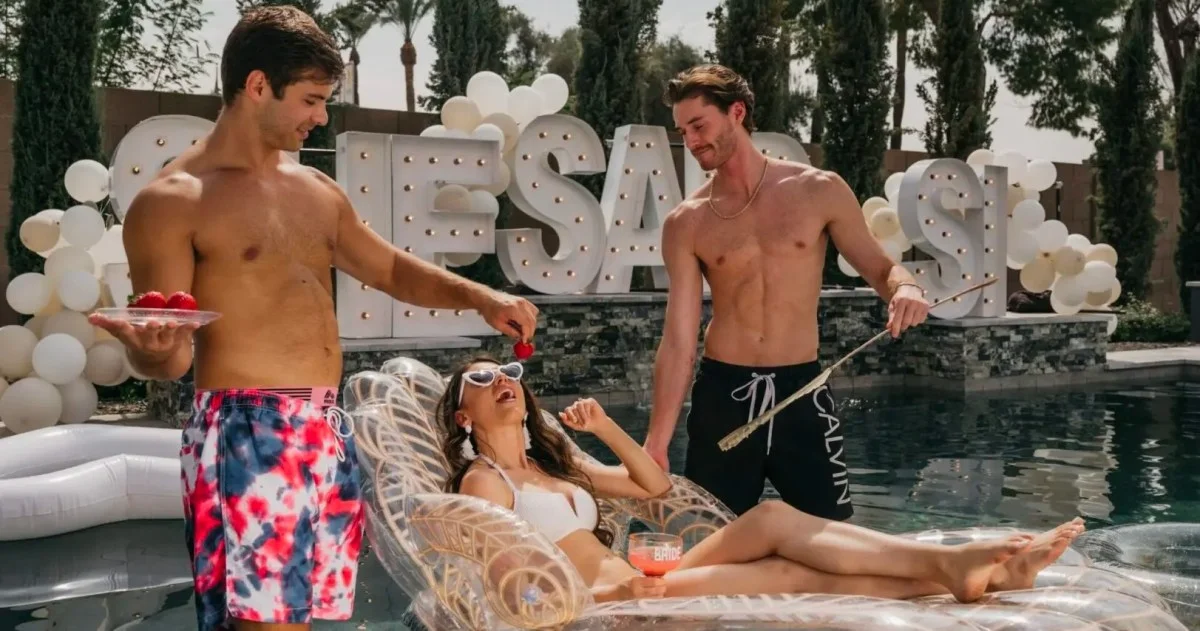
Hire the Cabana Boys to elevate your event with personalized party hosting and bartending services for 2-4 hours. These charming, vetted gentlemen will serve drinks, entertain, keep the area tidy, and make your event unforgettable, whether it’s a pool party, bachelorette, or themed event.
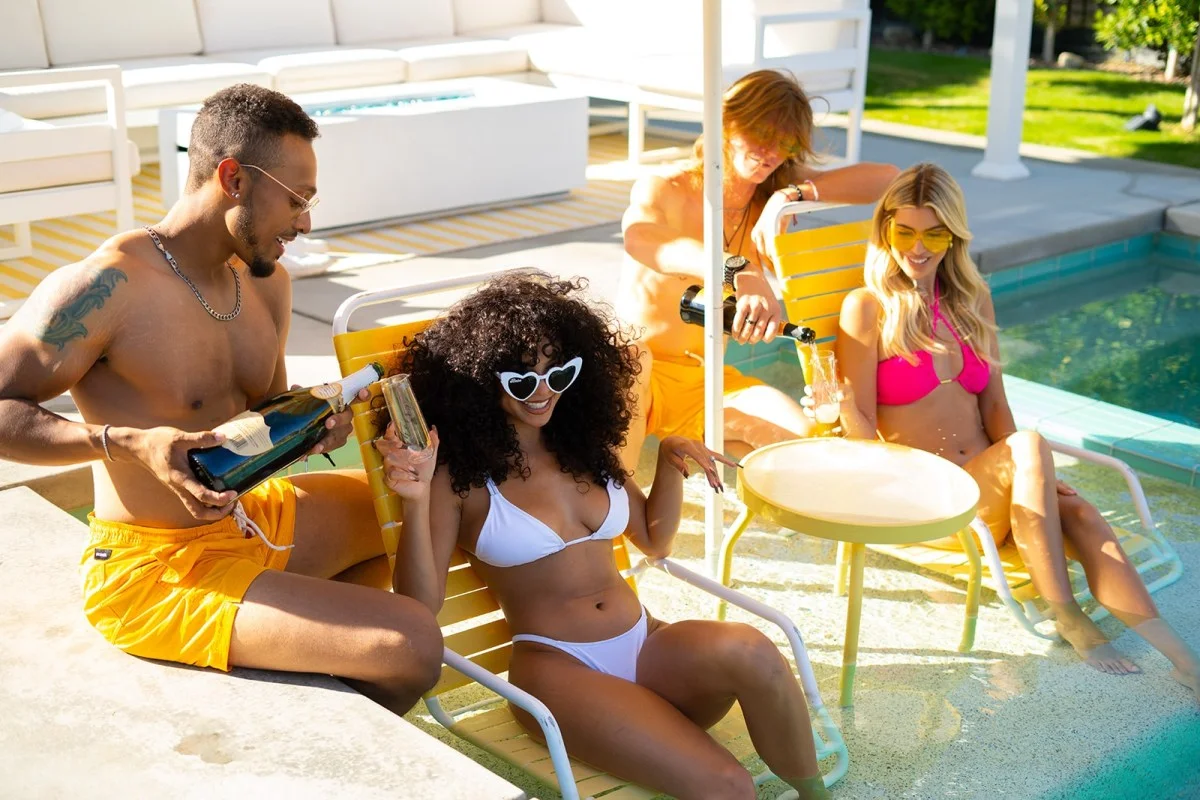
Gourmet brunch from local favorites, bottomless mimosas, music, and party games — hosted poolside by the Cabana Boys. The easiest, most-talked-about morning of the weekend.
We bring tons of game ideas and supplies – bachelorette games, drinking games, signature games, fun icebreakers, music games, and more – that we will host at your Airbnb. We can also help facilitate any games that you have in mind. Think of us as game show hosts, but in a sexy pool boy kind of way.
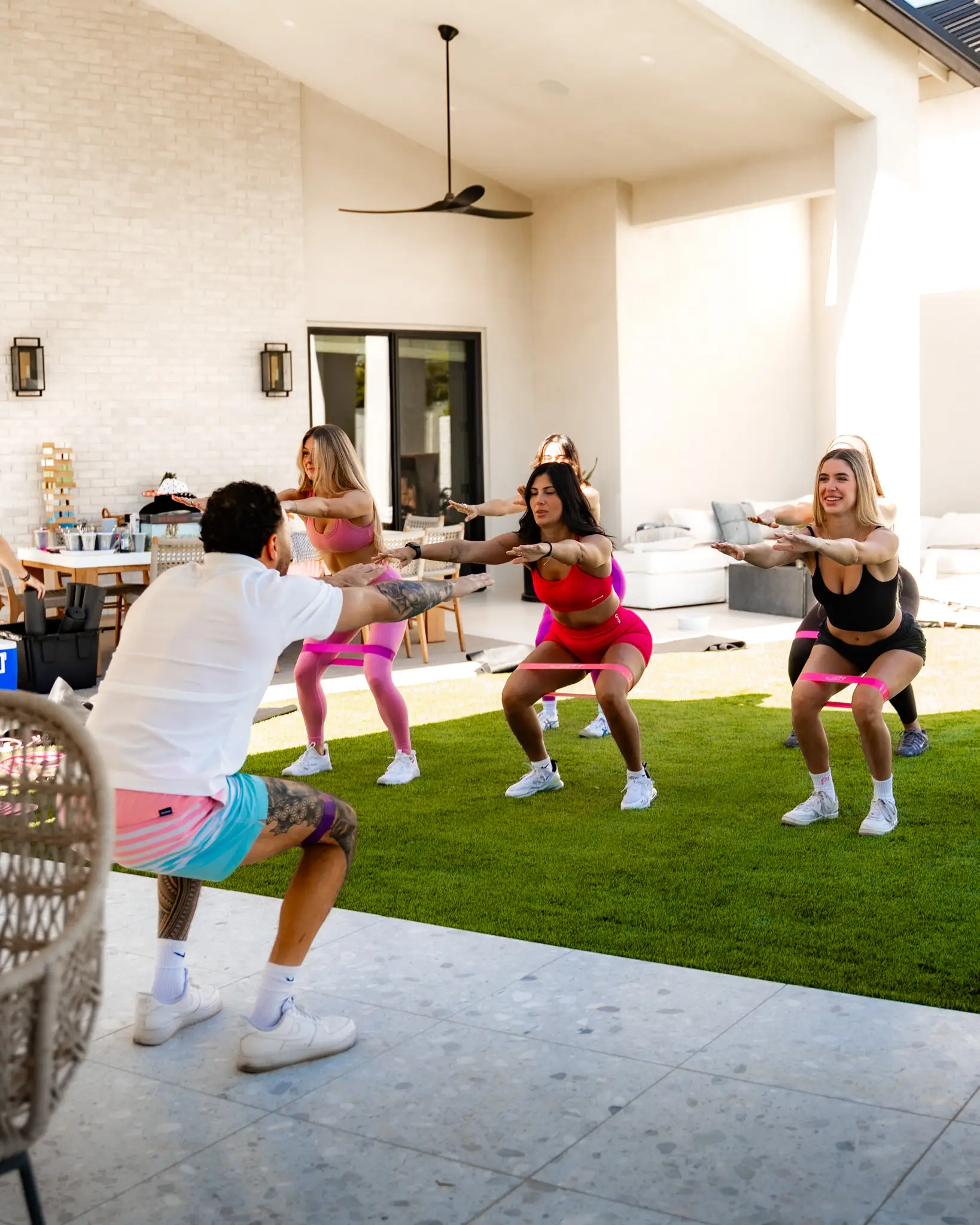
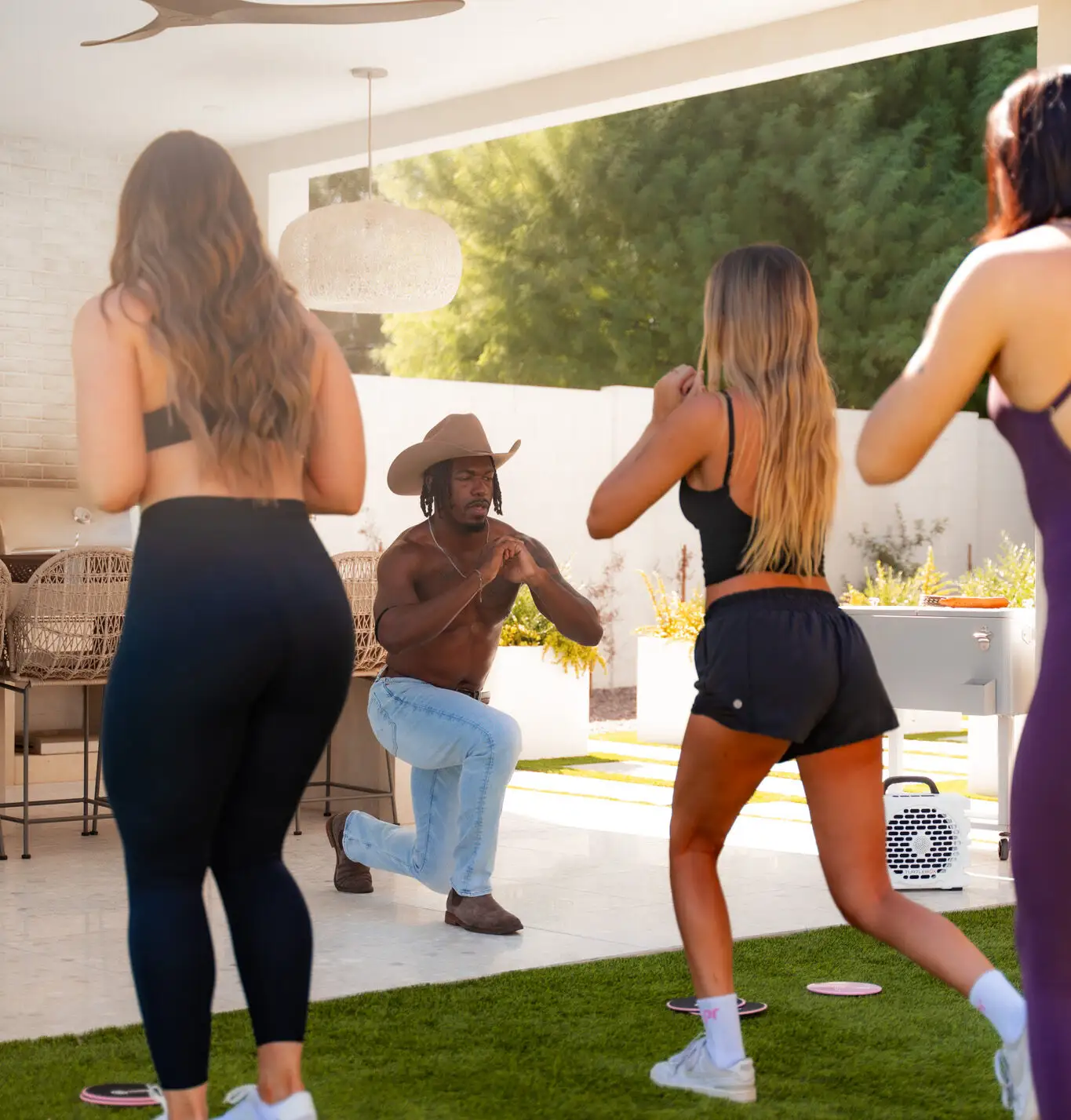
We’ll lead you through a fun, high-energy 45-minute workout with mats, bands, and sliders – then flip straight into party mode. Think of it as a fitness class that ends with your own private pool boy hosts keeping the vibe alive.
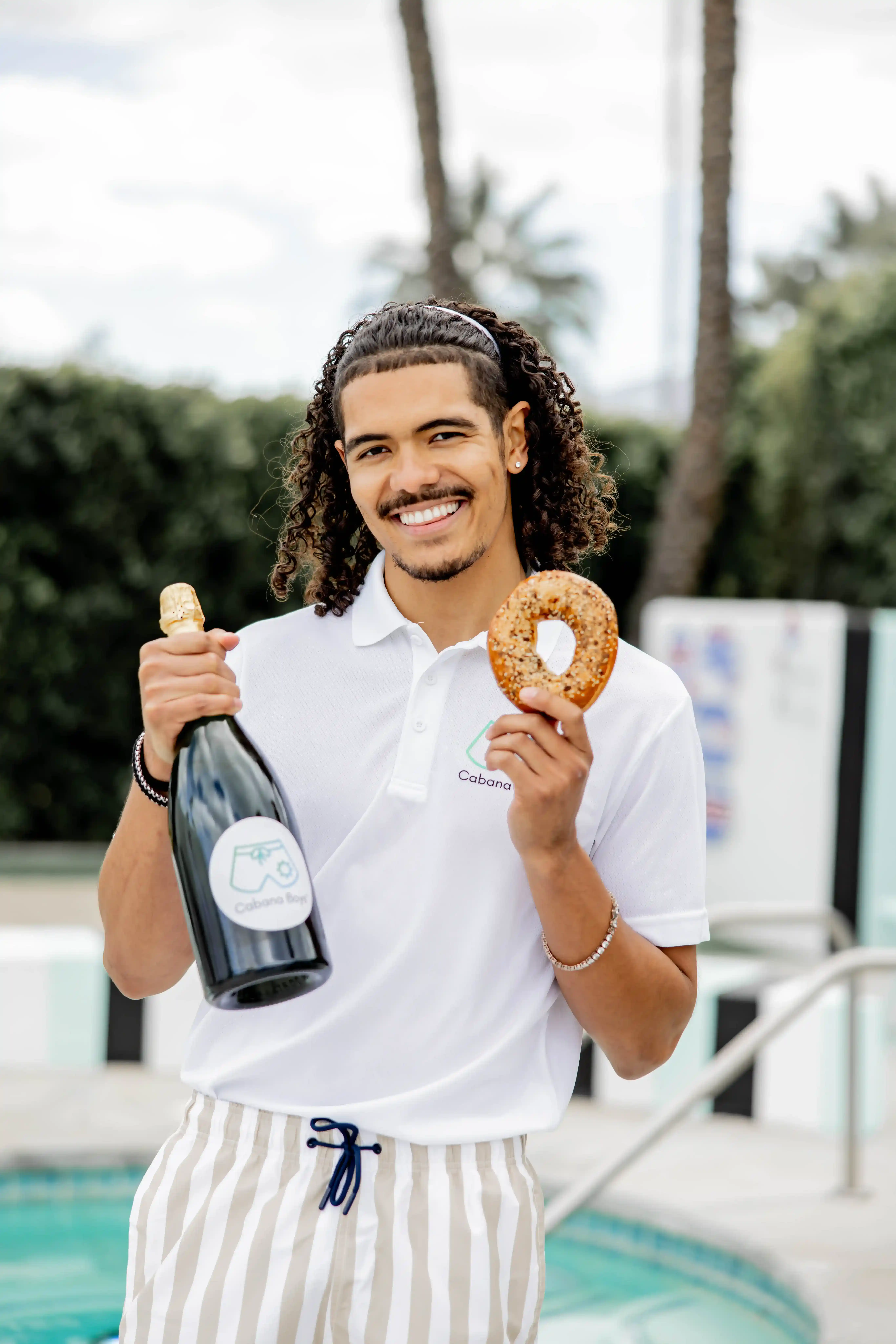
Kick off your morning with a visit from one of our hand-picked gentlemen who will set up a delicious spread with a dozen of gourmet assorted bagels, two tubs of delicious cream cheese, a large container of hot coffee, and a carafe of fresh orange juice.
Hop on the luxurious, air conditioned party bus and we’ll cruise around Old Town, bumping music, dancing, drinking, and playing some signature games. We’ll make stops at our partner bars, where you’ll access some exclusive drink specials.
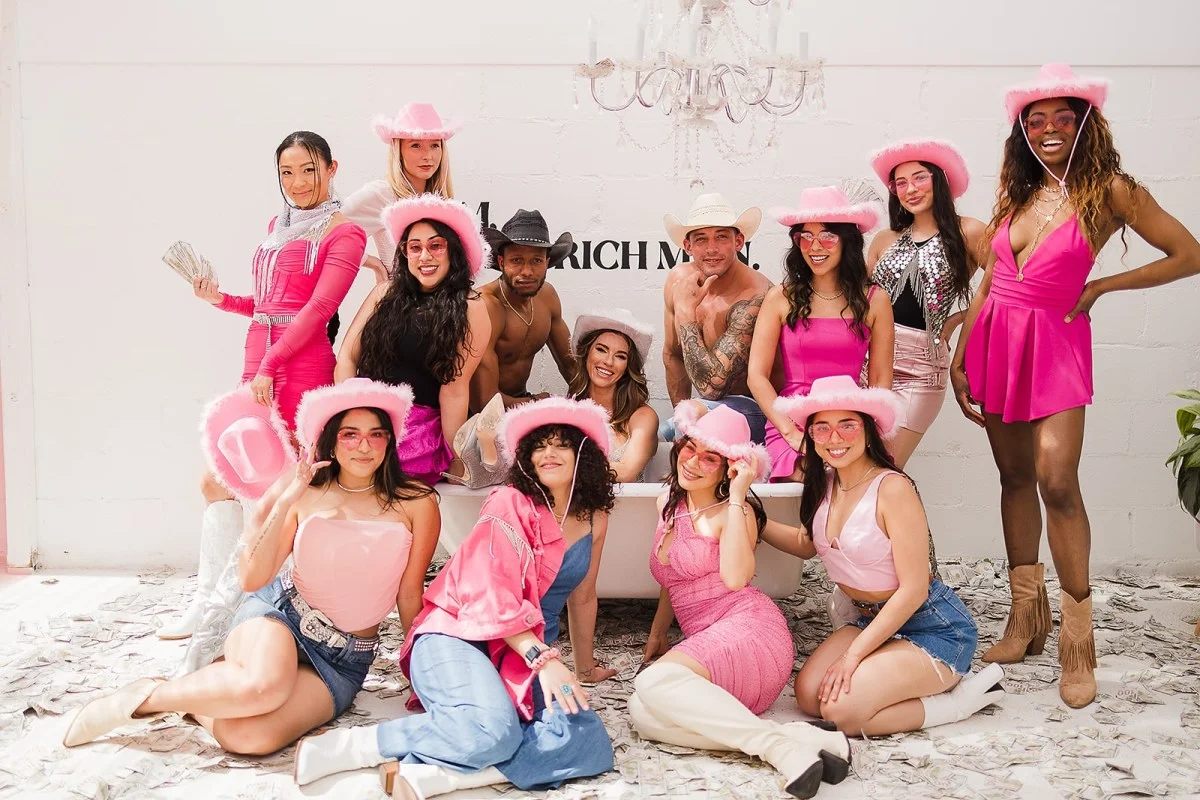
Our Cocktail CowBoys are at your service — we’ll serve you drinks and refreshments, take pictures (or pose with you), be Spotify DJs, help with party/drinking games, keep the party area tidy, keep you company and take out the trash when we leave.
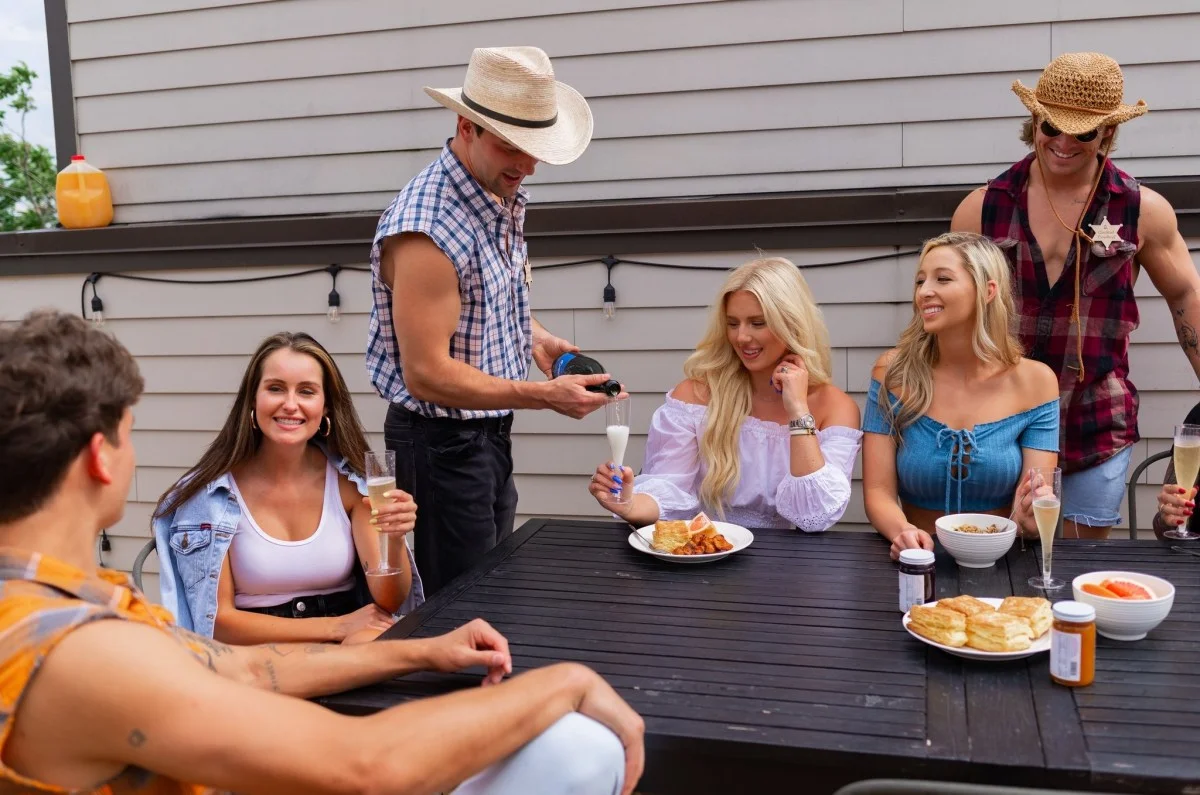
Two Cocktail CowBoys will deliver brunch for you and your crew and get you back into celebration mode. They’ll set up breakfast for you, pour mimosas, turn on some tunes, host some party games, help you nurse your hangover, and keep the party area clean.
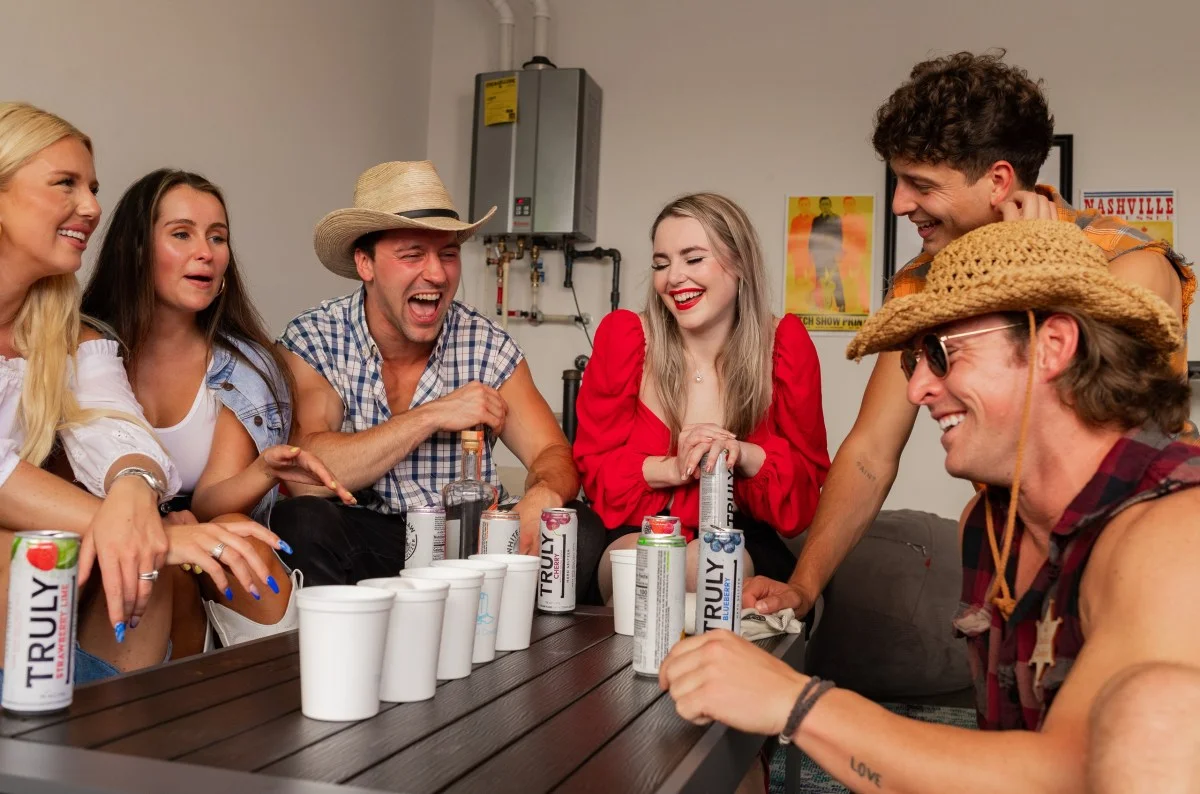
Take a break from the bars and get ready for the perfect night in with your gals… a Cocktail CowBoys game night! We bring tons of game ideas and supplies – bachelorette games, drinking games, signature games, fun icebreakers, music games, and more!
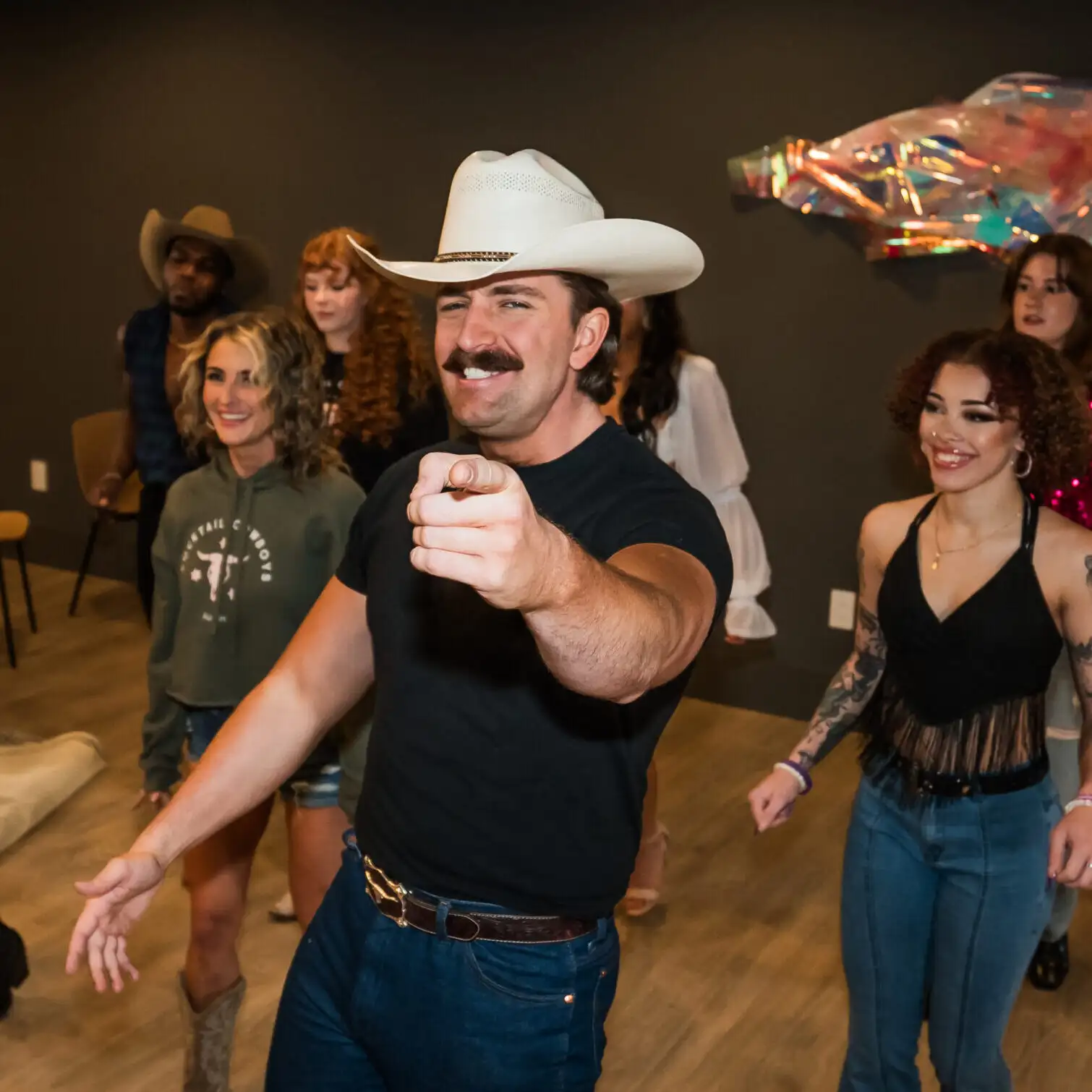
A honky-tonk adventure with cowboy charm, dancing, and unforgettable memories. Your personal party crew for a wild night of bars, boots, and Broadway debauchery.
Kick off your day with a 45-minute cowboy-led workout, then roll right into an hour of games, drinks, and hosting. Think of it as fitness meets Western hospitality — charming, playful, and unforgettable.
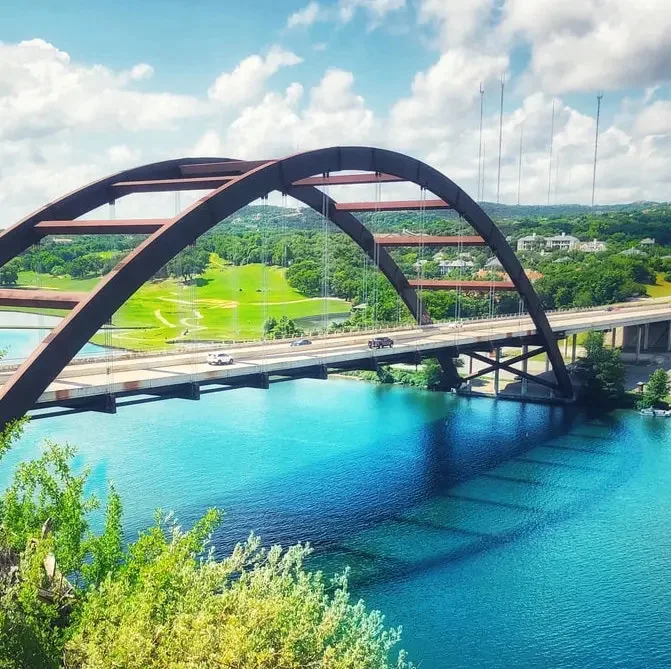
Grab your boots and head to the ultimate spot for unforgettable parties, legendary food, and live music that never stops. Saddle up for an epic Austin weekend!
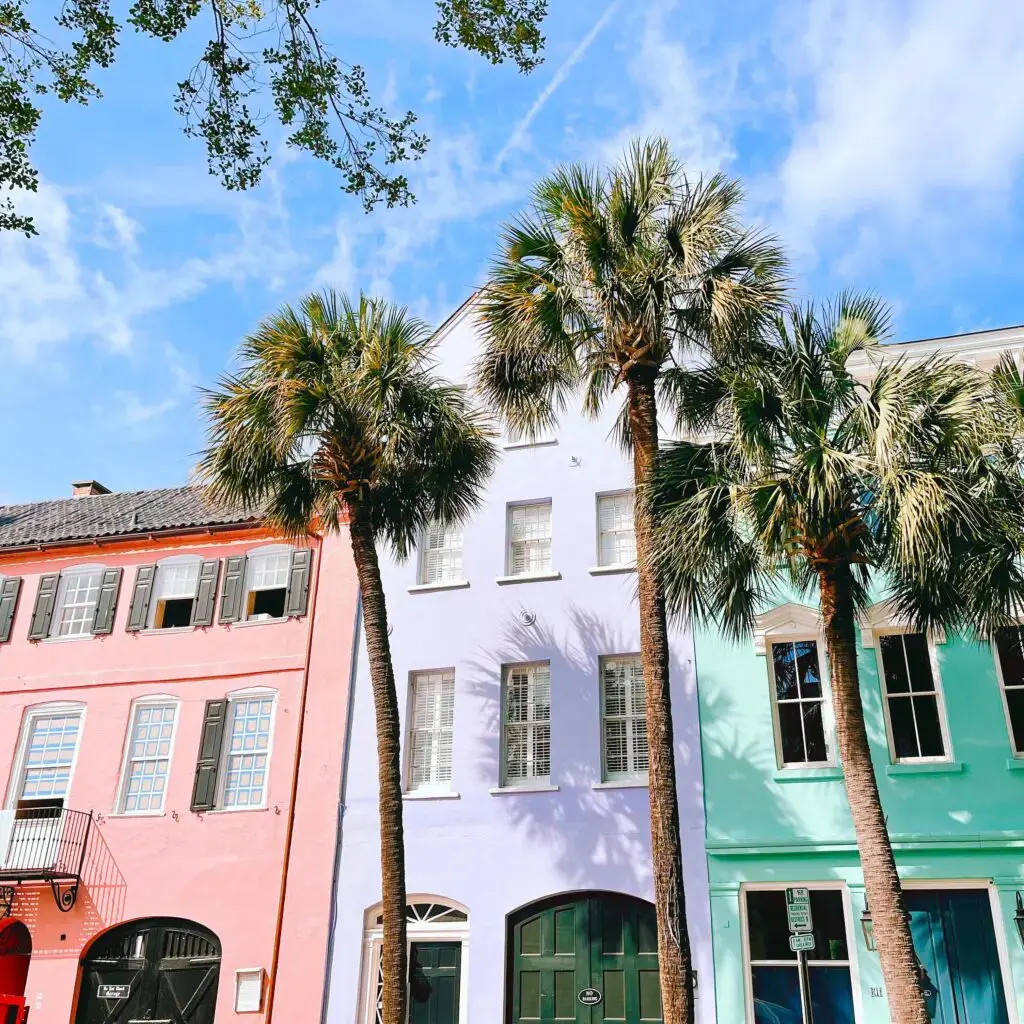
With cobblestone streets, pastel sunsets, and rooftop bars, Charleston has hospitality around every corner. Charm, style, and just the right amount of mischief.
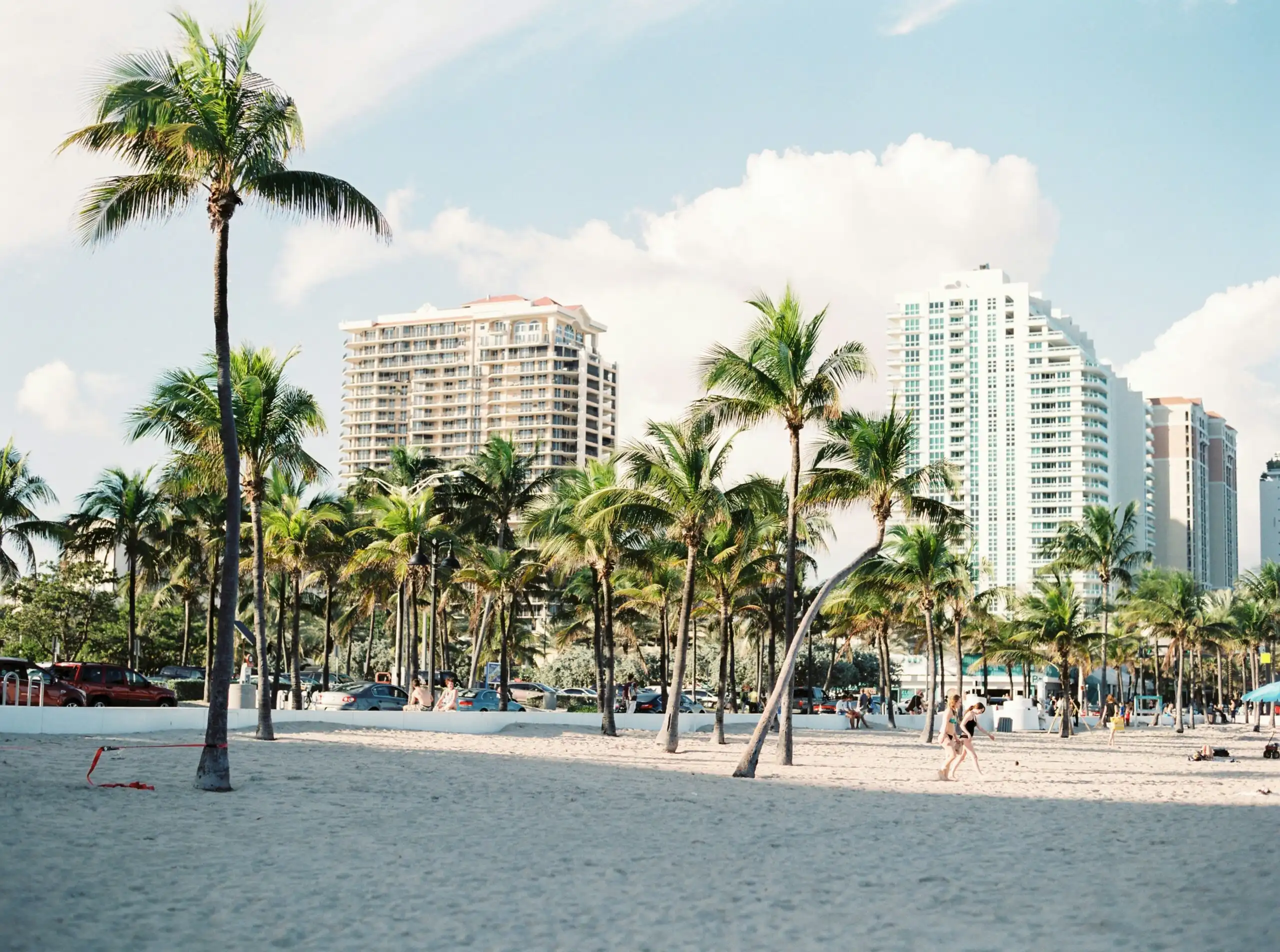
Sun, skin, and serious vibes—Miami and Fort Lauderdale are built for bold, unforgettable weekends. From pool parties to rooftop hangs, South Florida brings the heat.
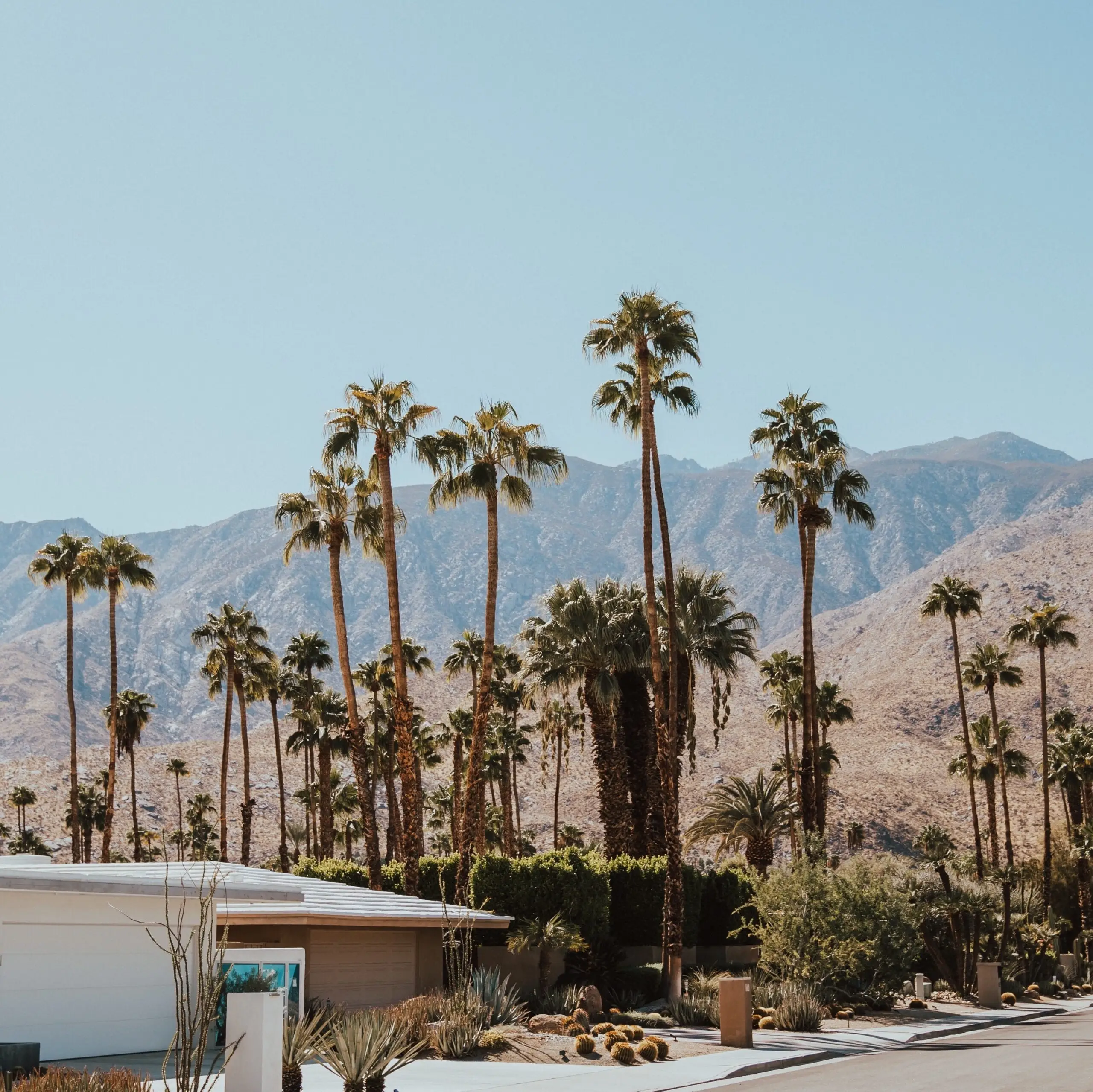
With mid-century charm, desert sun, and iconic poolside vibes, Palm Springs is the ultimate escape for unforgettable weekends and inclusive celebrations.
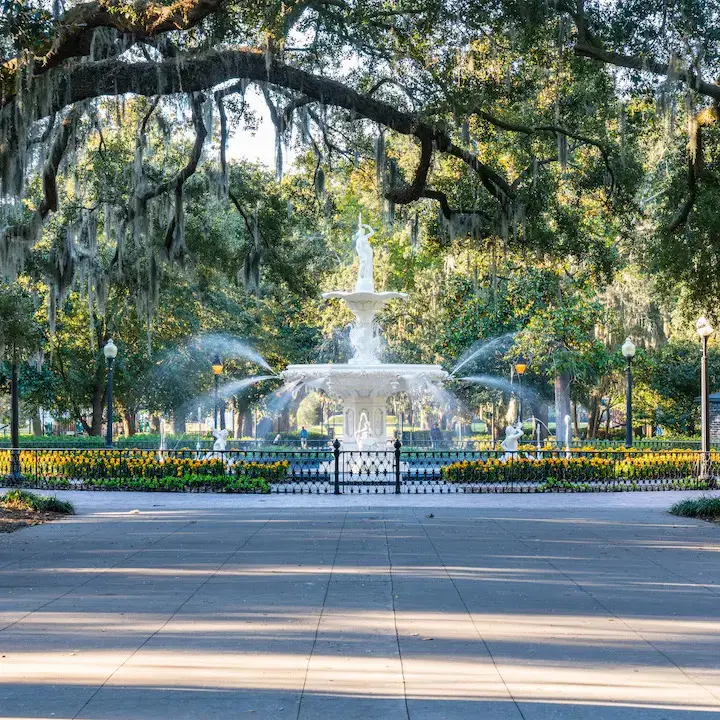
From cobblestone streets to coastal retreats, Savannah is the perfect place to sip, celebrate, and let loose. Open container laws make this one true party town.
Planning a bachelorette party in Scottsdale? Cabana Boys is the #1 rated activity in town – charismatic hosts, poolside vibes, and memories the bride won’t stop talking about.
With mid-century charm, desert sun, and iconic poolside vibes, Palm Springs is the ultimate escape for unforgettable weekends and inclusive celebrations.
Tailor Entertainment to Guest Preferences: Party Playbook
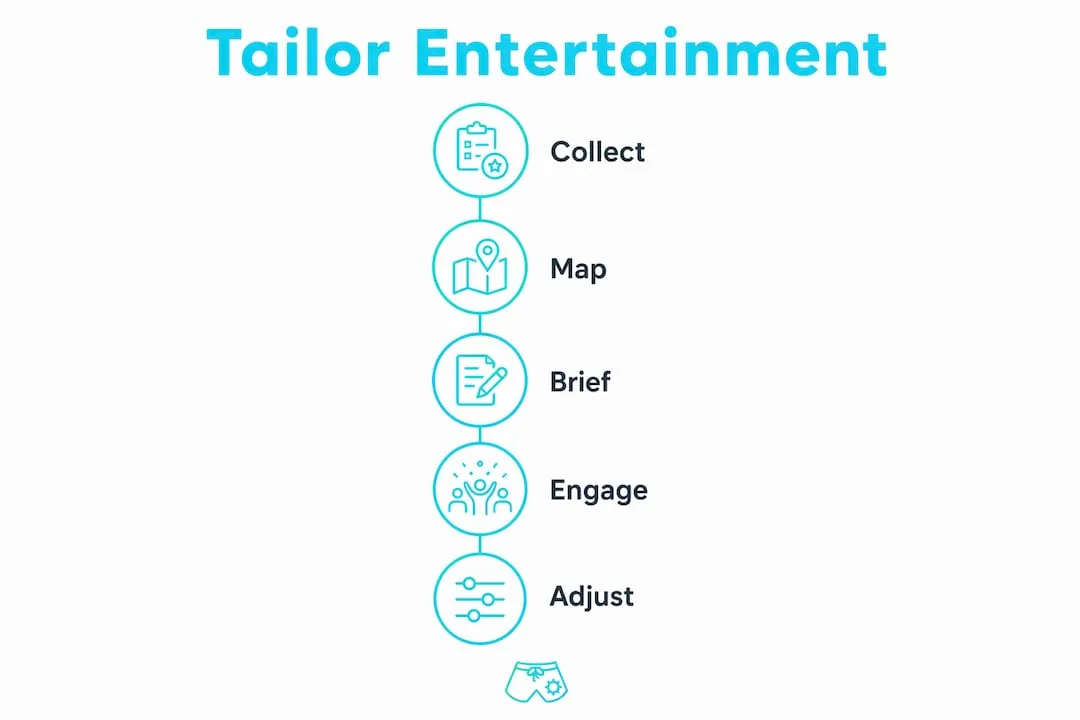
Collect preferences before the party, map those answers to specific entertainment formats, brief your host or bartender on the results, and stay ready to adjust in real time. That four-step loop is how you tailor entertainment to guest preferences without guesswork. Party Host Boys — whose Cabana Boys and Cocktail CowBoys have earned recognition as the #1 bachelorette experience in top US party destinations — build every booking around exactly this process. The bespoke entertainment principle is simple: design every element for the specific audience and environment rather than plugging in a generic show.
Quick-start checklist: Add one preference question to your RSVP (“What’s your party vibe — chill, hype, or somewhere in between?”), drop answers into a simple spreadsheet, and text that summary to your host 48 hours before the event.
How do you tailor entertainment to guest preferences before the party?
The goal is useful data, not a dissertation. Ask too much and guests ignore it; ask too little and you’re guessing all night.
When and what to ask
At RSVP: One question only. “Pick your vibe: chill, hype, or mix it up.” This sets the macro energy level without friction.
One to two weeks out: Send a short five-question digital form (Google Forms works fine). Sample questions:
What music genre gets you on the dance floor?
Any drinks you love or absolutely avoid?
Food restrictions or allergies?
How do you feel about group games: love them, tolerate them, or hard pass?
Anything the host should know to make tonight perfect for you?
Day-of confirmation: A quick text or DM to the guest of honor confirming the final headcount and any last-minute changes.
What to avoid
Sending more than two pre-event touchpoints (survey fatigue is real)
Leading questions like “You like dancing, right?” that push guests toward a default answer
Collecting responses so late that your host has no time to prep
A central guest data record — even a simple shared doc — lets you spot patterns fast and hand your host a clean brief instead of a wall of text.
How do you map guest answers to the right entertainment format?
Once you have the responses, plot them on a two-axis grid: energy level (low to high) versus social comfort (introvert-leaning to extrovert-leaning). Where the group clusters tells you the format.
Guest Signal
Entertainment Format
Host Style
High energy + extrovert
DJ set, dance floor, group cocktail games
Charismatic MC — loud intros, crowd calls
High energy + mixed comfort
Interactive bartender, themed trivia
Energetic facilitator — draws people in without forcing it
Chill + extrovert
Live acoustic set, cocktail storytelling
Conversational host — moves table to table
Chill + introvert
Curated playlist, craft cocktail demo
Subtle bartender — lets the drinks do the talking
Mixed group
Zoned space: dance area + lounge corner
Floater host — reads the room and shifts zones
The host persona matters as much as the format. A charismatic MC running a chill playlist feels off; a subtle bartender trying to lead a dance-floor countdown falls flat. Match both.
Handling mixed groups: Schedule two or three energy peaks across the night rather than holding one constant level. Gradual energy builds — starting with melodic live elements, layering in electronic beats, then hitting the party peak — keep transitions smooth and avoid jarring mood breaks. Anchor moments (a signature cocktail launch, a group toast) give every guest a shared beat regardless of their personal vibe.
What logistics do you need to lock in before the party?
Sample event flow
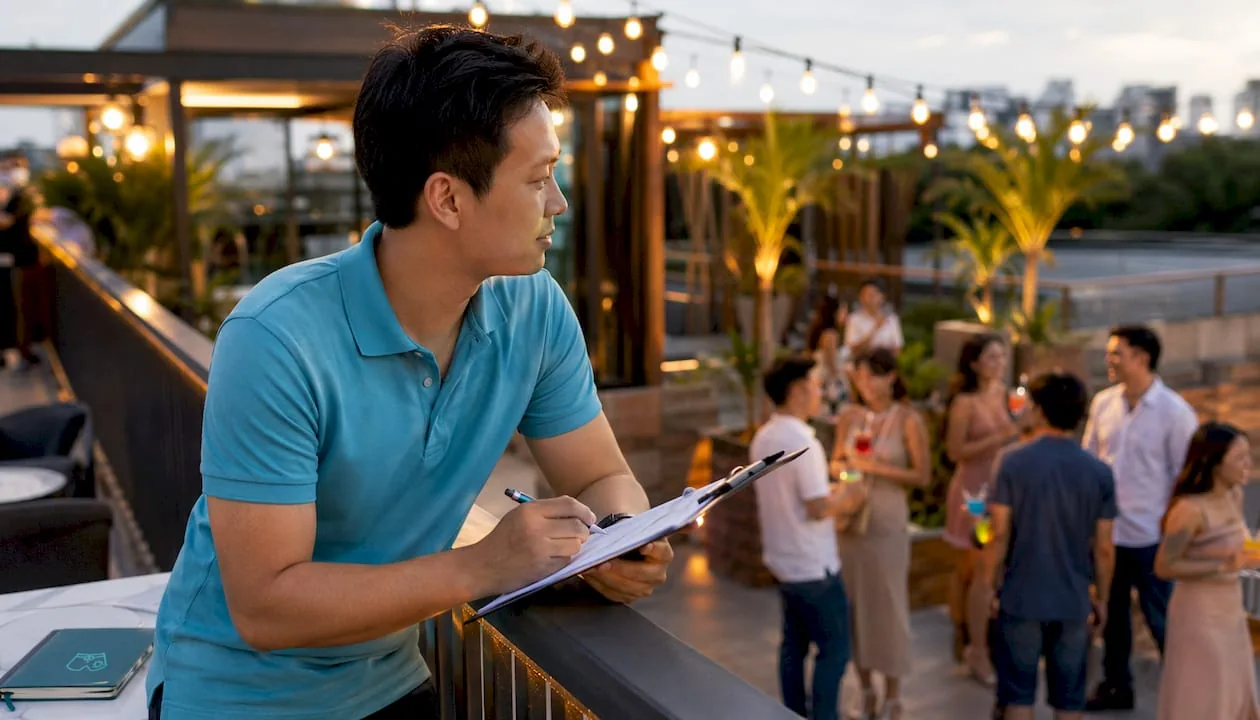
Pre-arrival (T-30 min): Host sets up, confirms playlist or bartender station, does a safety walkthrough.
Peak (45–120 min): Energy builds — games, signature cocktail moment, dance set. Host most active here.
Wind-down (120–180 min): Music drops a notch, water and snacks out, guests start natural conversations.
Staffing guidance
Up to 15 guests: One host or one bartender handles it.
16–30 guests: One host plus one bartender is the standard setup.
30+ guests: Add a floater — a second host who circulates and handles requests so the primary host stays on the main flow.
Budget trade-offs
DIY playlist vs. pro audio: a curated Spotify playlist costs nothing but needs someone monitoring it; a pro DJ or live musician runs a few hundred dollars for a three-hour set.
One vs. two bartenders: a second bartender at a 25-person party cuts wait times and keeps energy up during peak.
Specialty cocktails add $8–$15 per person over well drinks but create a shareable moment guests remember.
Safety basics
Know your venue’s alcohol service rules and whether a licensed bartender is required.
Set a noise cutoff time and communicate it to guests before the event.
Keep water and non-alcoholic options visible and accessible throughout.
Have an emergency contact list and a plan for guests who need a safe ride home.
How do you keep guests engaged before, during, and after the party?
Guest engagement is not a single moment — it runs across three phases.
Pre-event: Send a confirmation message 48 hours out. Tease one or two curated moments (“There’s a surprise cocktail on the menu — you’ll know it when you taste it”). Include logistics: parking, dress code, start time. This builds anticipation and cuts day-of questions.
In-event: Watch three signals — dance-floor fill, drink reorder pace, and conversation cluster size. If the floor empties, the energy peak came too early or the music missed. If guests are clustered in one corner talking, that’s a cue to bring a game or activity to them rather than calling everyone to the center. Response speed matters: a guest who waits 40 minutes for a drink or an answer to a question remembers it. Hosts should be scanning and moving, not stationary.
Post-event: Send a short three-question survey within 24 hours and include a social-share prompt (“Tag us in your photos — we want to see the best moments”). This captures testimonials and content while the memory is fresh.
Pro Tip:Use automated pre-event messages (a simple scheduled text or email) to handle logistics questions, so your host’s attention stays on guests who need a real human response during the party itself.
What small touches make guests feel genuinely seen?
Personalization at scale doesn’t require a big budget. It requires paying attention.
Have a guest’s preferred drink ready before they ask for it.
Use names during natural moments — a toast, a game intro, a quick check-in — not in a forced, roll-call way.
Build micro-rituals that fit the vibe: a signature pour with a short story behind it, a recurring inside joke the host picks up from the group early in the night.
The most effective technique is participation by attraction: put something genuinely compelling in the room — a charismatic bartender doing a flair pour, a live musician playing a request — and guests move toward it naturally. Forced announcements (“Everyone gather around!”) create resistance; high-quality draws create curiosity.
When personalization time is limited, prioritize the guest of honor and two or three guests who seem on the fence. Winning over the hesitant ones lifts the whole room’s energy.
Pro Tip:Brief your host on two or three specific guest details from the preference form — a favorite song, a drink they mentioned, a birthday milestone. Those three details, used at the right moment, do more than a dozen generic gestures.
Ready-to-use 3-hour bachelorette party blueprint
Time Block
Host Action
Bartender Action
Energy Level
0:00–0:20
Welcome guests by name, set the vibe with a quick intro
Serve welcome cocktail, learn two or three guest names
Low — warm and welcoming
0:20–0:45
Facilitate light icebreaker (optional, based on group signals)
Circulate with drink refills, note preferences
Building
0:45–1:15
Launch signature cocktail moment with a short story or toast
Demonstrate the cocktail, invite guests to participate
Peak 1
1:15–1:45
Run a group activity (trivia, game, or dance challenge)
Keep drinks flowing, watch for guests who need a break
Peak 2
1:45–2:15
DJ or playlist hits high-energy set; host on the floor
Specialty round or shot service
Peak 3
2:15–2:45
Transition music down, prompt group photo moment
Water, snacks, and wind-down drinks out
Falling
2:45–3:00
Closing toast from host, thank guests by name
Final round, begin quiet cleanup
Low — warm close
If the group is running hot earlier than expected, compress the icebreaker and move Peak 1 forward. If energy is slow to build, extend the warm-up and delay the signature cocktail moment by 15 minutes.
How do you choose and brief the right host or bartender?
Interview questions that reveal fit
Walk me through how you read a room when energy drops.
How do you handle a guest who’s had too much to drink?
Give me an example of a moment you improvised during an event.
What’s your approach when two guests have completely different vibes?
How do you prefer to receive a brief — written, verbal, or both?
Red flags to watch for
Rigid scripts with no mention of reading the room
Vague or dismissive answers about alcohol safety
No questions about the guest of honor or the group dynamic
Copy-paste briefing template
Event Brief
Date/Time: [X]
Venue: [X]
Guest count: [X]
Guest of honor: [Name, key detail]
Group vibe: [Energy level + social comfort from your mapping]
Signature moment: [Cocktail launch / game / toast — time and cue]
Music direction: [Genre, tempo, any hard nos]
Dietary/drink restrictions: [List]
Pacing notes: [When to push energy, when to pull back]
Emergency contact: [Name + number]
Run a 10-minute pre-shift walkthrough with your host: confirm the space layout, agree on the signal for “slow down the energy” (a simple hand gesture works), and verify the emergency plan.
Key Takeaways
Tailoring entertainment to guest preferences comes down to one repeatable loop: collect fast, map clearly, brief precisely, staff appropriately, watch engagement signals, and follow up.
Point
Details
Collect preferences early
One RSVP question plus a short five-question form gives you enough data to plan without overwhelming guests.
Map answers to formats
Plot energy vs. social comfort to choose the right entertainment format and match the host persona to it.
Staff for your headcount
One host handles up to 15 guests; add a bartender at 16–30 and a floater above 30.
Watch in-event signals
Dance-floor fill, drink reorder pace, and conversation clusters tell you when to push or pull back energy.
Cabana Boys and Cocktail CowBoys
Party Host Boys hosts arrive briefed, trained, and ready to execute a personalized flow from welcome to wind-down.
The detail that actually changes the night
Most party planning advice focuses on the big stuff: the venue, the playlist, the theme. What actually shifts the energy in a room is something smaller. A host who catches a guest’s name in the first five minutes and uses it during the cocktail toast. A bartender who remembers that one person asked for something non-alcoholic and has it ready without being asked again. Those moments aren’t expensive or complicated. They just require someone paying attention.
The “participation by attraction” idea is the one I’d push hardest. Hosts who try to herd guests into activities lose them. Hosts who put something genuinely interesting in the center of the room — a flair pour, a story behind a cocktail, a game that looks fun from across the room — watch guests walk toward it on their own. That’s the difference between a party people endure and one they talk about Monday morning.
Party Host Boys brings the personalized experience to you
Hiring a host and a bartender separately, briefing them both, and hoping they sync up on the night is a lot to manage. Party Host Boys bundles the whole thing: a trained, charismatic host (your choice of Cabana Boys and Cocktail CowBoys), a briefed bartender, a safety walkthrough, and a personalized event flow built around your guest list. The brand has been featured on Shark Tank and in the New York Times, and guests consistently describe their events as the most memorable night of the trip.
If you want a done-for-you personalized party experience without the coordination headache, browse the Party Host Boys experiences page to check availability for your date and destination. Booking takes minutes; the memories last longer.
Sources and further reading
Bespoke Entertainment Experiences: The Definitive Guide to Luxury Event Curation — Syne Art Production; backs the multi-sensory design framework, gradual energy builds, and participation by attraction.
The new rules of guest engagement for hotels — LS Retail; supports the pre/in/post engagement model and central guest data approach.
Hotel guest engagement & retention: strategies that keep guests coming back — Viqal; backs response speed as a satisfaction driver and small-acknowledgement personalization tactics.
10 guest engagement strategies for hotels and vacation rentals — Chekin; supports digital pre-event materials and streamlined messaging.
Mastering Guest Engagement: Four Essential Strategies For Meaningful Interactions — Forbes Business Council; broader engagement strategy framework.
 Austin
 Charleston
 Los Angeles & Orange County
 Miami
Miami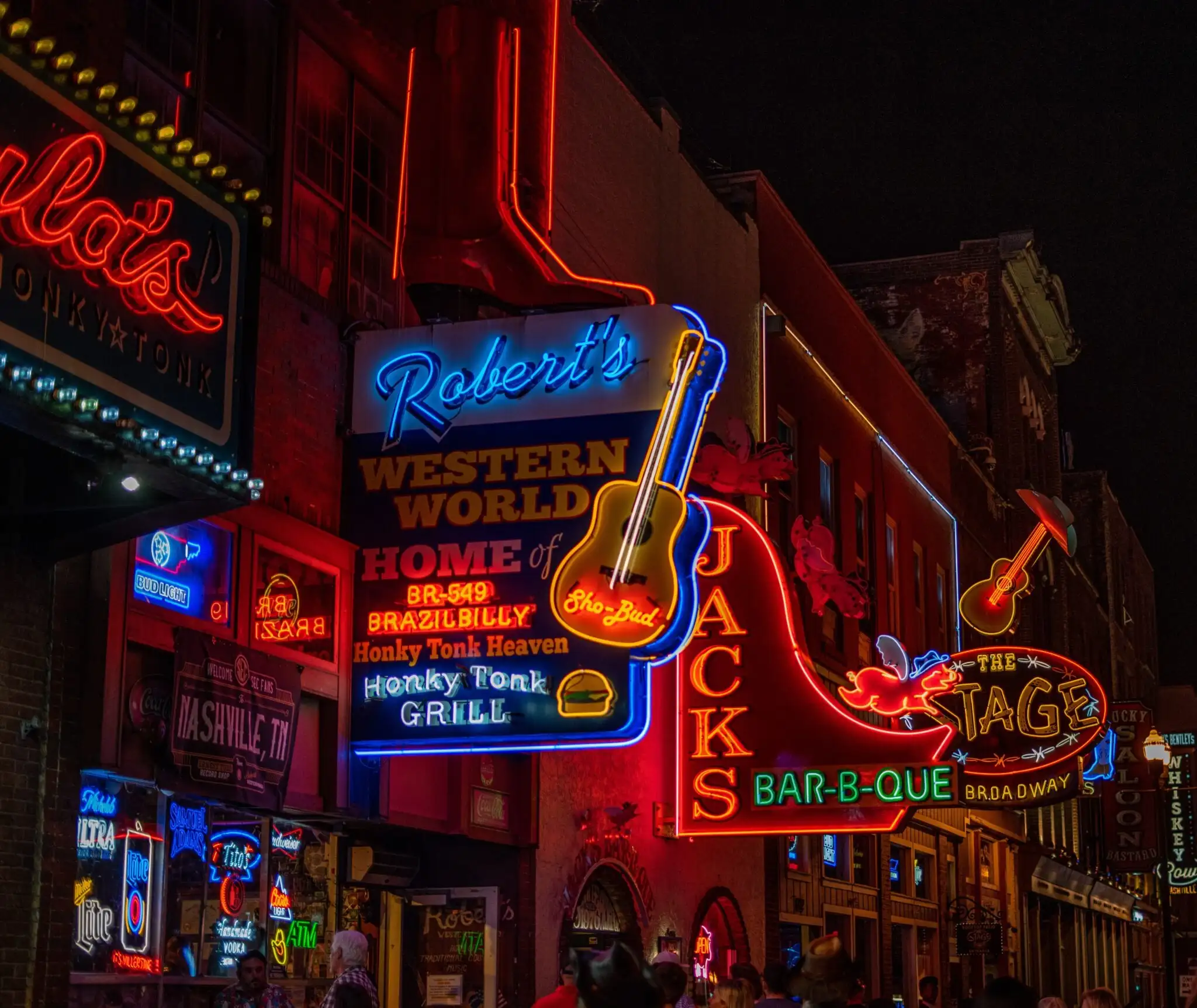 Nashville
 Palm Springs
 Savannah
 Scottsdale
 San Diego
 30A / Destin
 Cabana Boys
 Cocktail CowBoys
 Signature Party
 Brunch
 Game Night
 Cabana Glow
 Bagel Boys
 Party Bus
 Line Dancing
 Austin