🦈As Seen on Shark Tank 🦈 Book the Boys everyone is talking about • 🦈As Seen on Shark Tank 🦈 Book the Boys everyone is talking about • 🦈As Seen on Shark Tank 🦈 Book the Boys everyone is talking about • 🦈As Seen on Shark Tank 🦈 Book the Boys everyone is talking about • 🦈As Seen on Shark Tank 🦈 Book the Boys everyone is talking about • 🦈As Seen on Shark Tank 🦈 Book the Boys everyone is talking about • 🦈As Seen on Shark Tank 🦈 Book the Boys everyone is talking about • 🦈As Seen on Shark Tank 🦈 Book the Boys everyone is talking about • 🦈As Seen on Shark Tank 🦈 Book the Boys everyone is talking about • 🦈As Seen on Shark Tank 🦈 Book the Boys everyone is talking about • 🦈As Seen on Shark Tank 🦈 Book the Boys everyone is talking about • 🦈As Seen on Shark Tank 🦈 Book the Boys everyone is talking about • 🦈As Seen on Shark Tank 🦈 Book the Boys everyone is talking about • 🦈As Seen on Shark Tank 🦈 Book the Boys everyone is talking about • 🦈As Seen on Shark Tank 🦈 Book the Boys everyone is talking about • 🦈As Seen on Shark Tank 🦈 Book the Boys everyone is talking about •
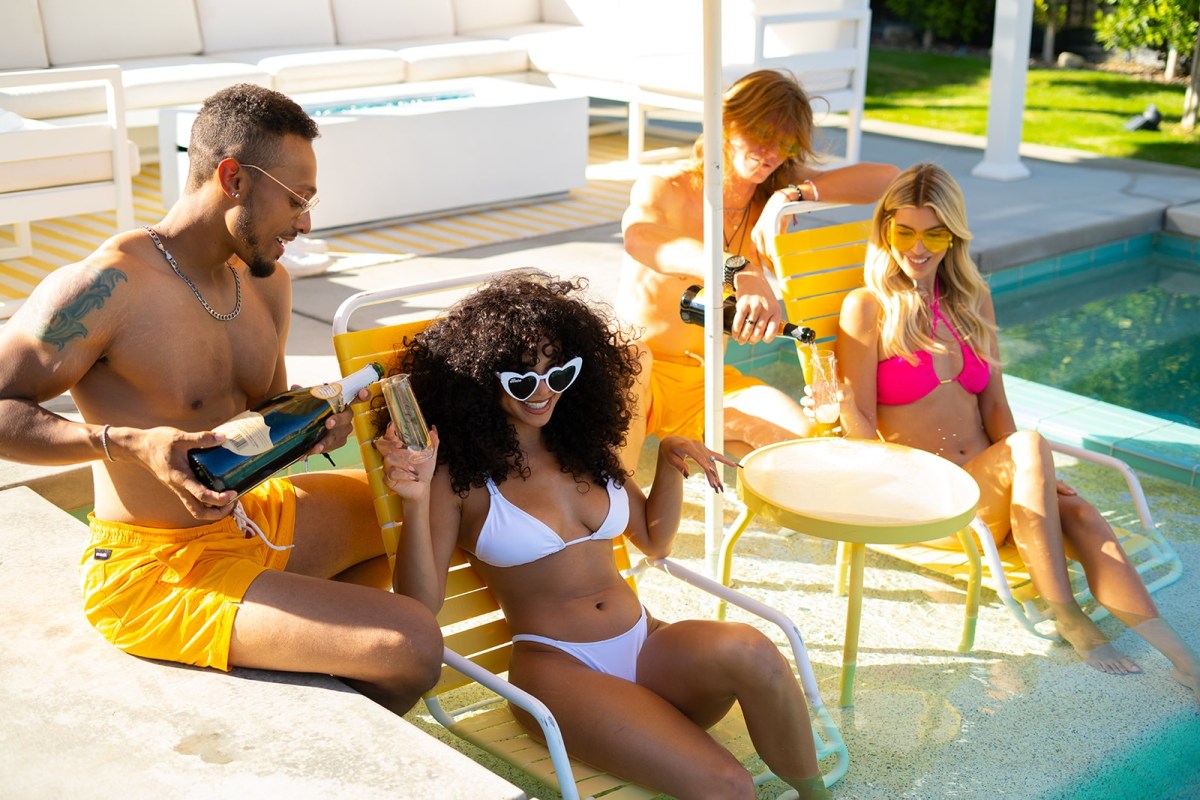
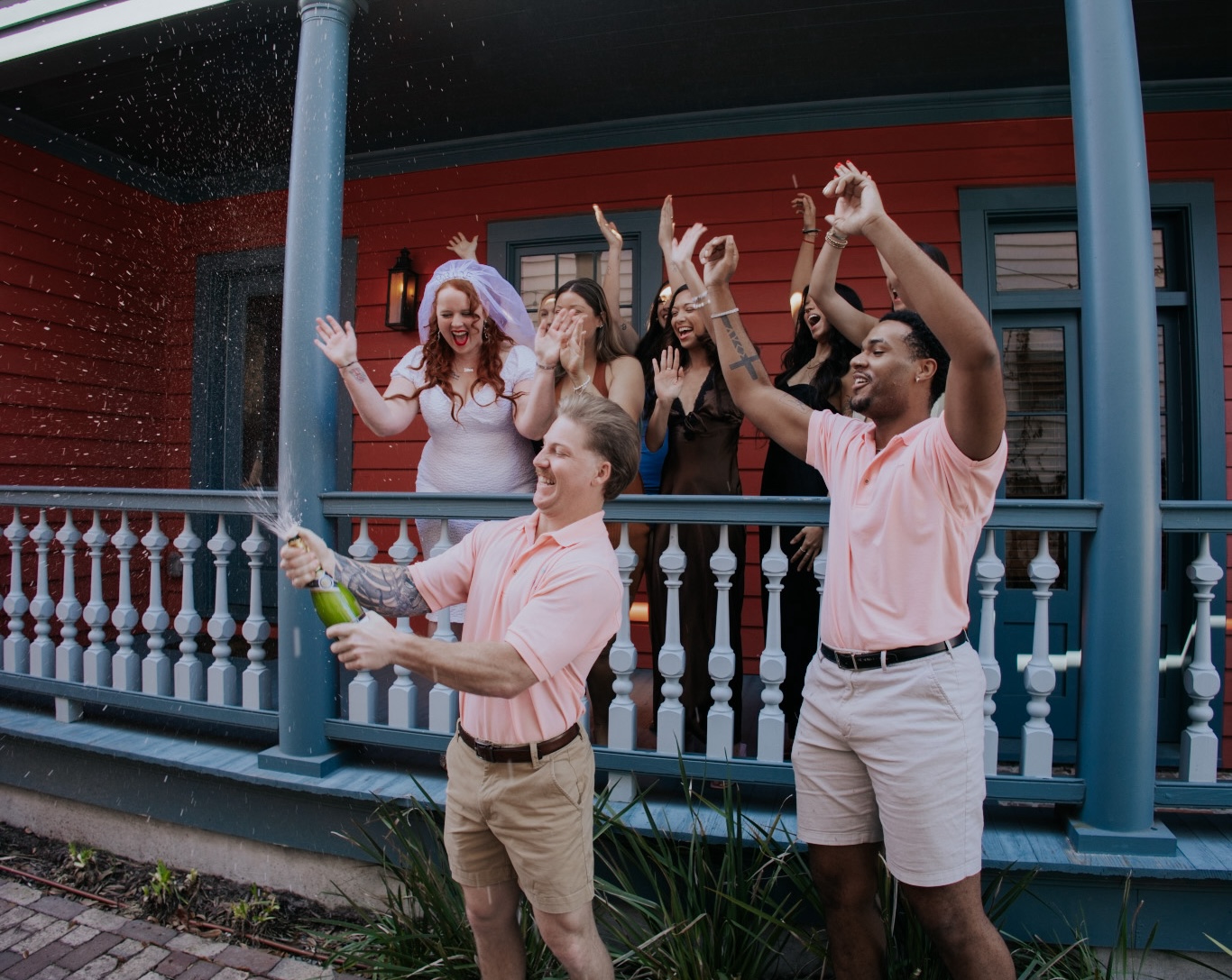
Hire the Cabana Boys to elevate your event with personalized party hosting and bartending services for 2-4 hours. These charming, vetted gentlemen will serve drinks, entertain, keep the area tidy, and make your event unforgettable, whether it’s a pool party, bachelorette, or themed event.
Gourmet brunch from local favorites, bottomless mimosas, music, and party games — hosted poolside by the Cabana Boys. The easiest, most-talked-about morning of the weekend.
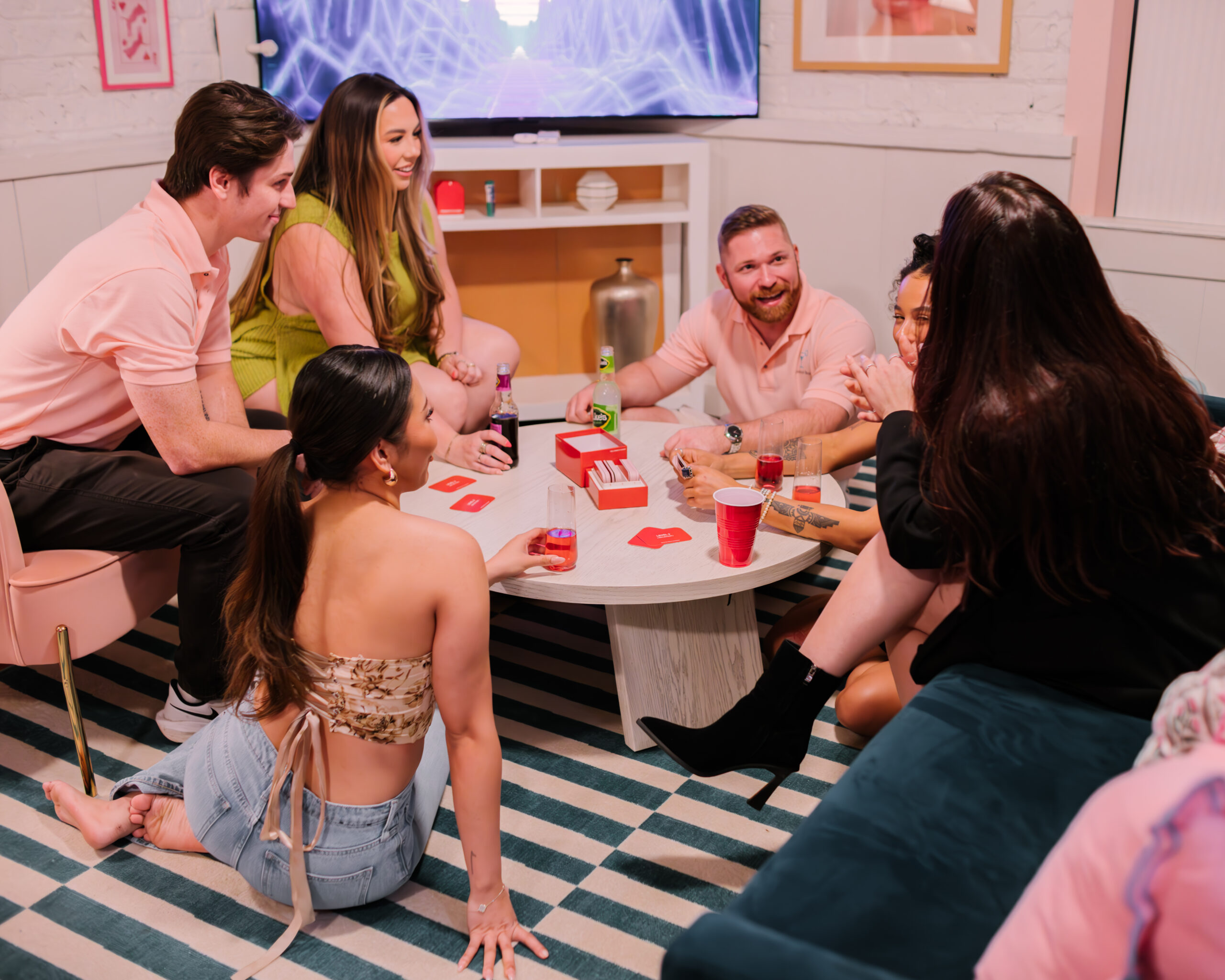
We bring tons of game ideas and supplies – bachelorette games, drinking games, signature games, fun icebreakers, music games, and more – that we will host at your Airbnb. We can also help facilitate any games that you have in mind. Think of us as game show hosts, but in a sexy pool boy kind of way.
We’ll lead you through a fun, high-energy 45-minute workout with mats, bands, and sliders – then flip straight into party mode. Think of it as a fitness class that ends with your own private pool boy hosts keeping the vibe alive.
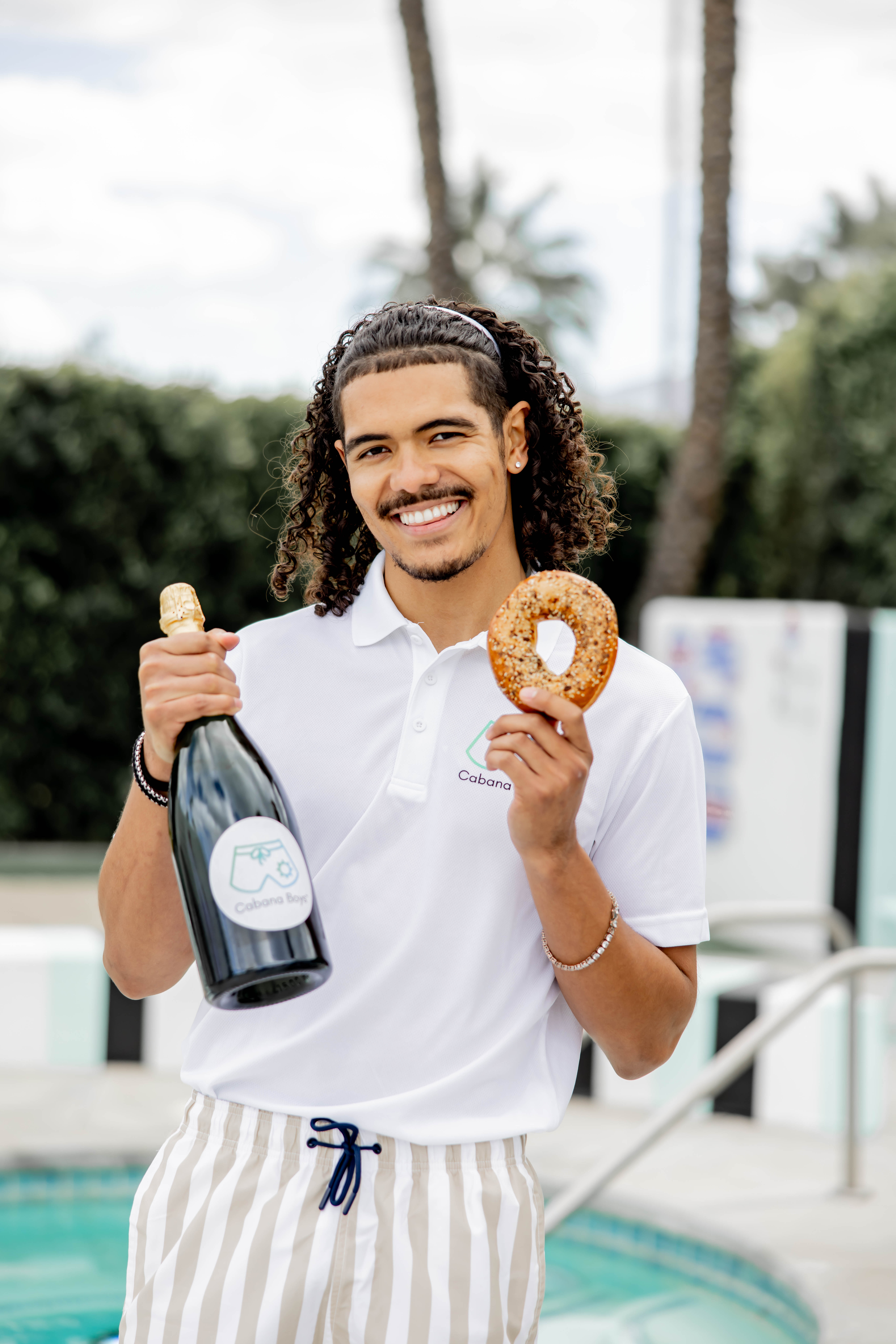
Kick off your morning with a visit from one of our hand-picked gentlemen who will set up a delicious spread with a dozen of gourmet assorted bagels, two tubs of delicious cream cheese, a large container of hot coffee, and a carafe of fresh orange juice.
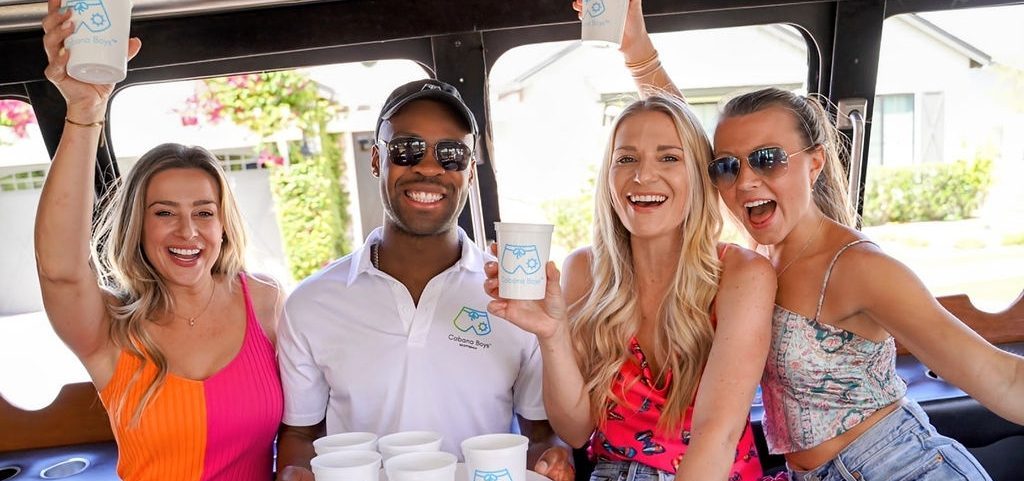
Hop on the luxurious, air conditioned party bus and we’ll cruise around Old Town, bumping music, dancing, drinking, and playing some signature games. We’ll make stops at our partner bars, where you’ll access some exclusive drink specials.
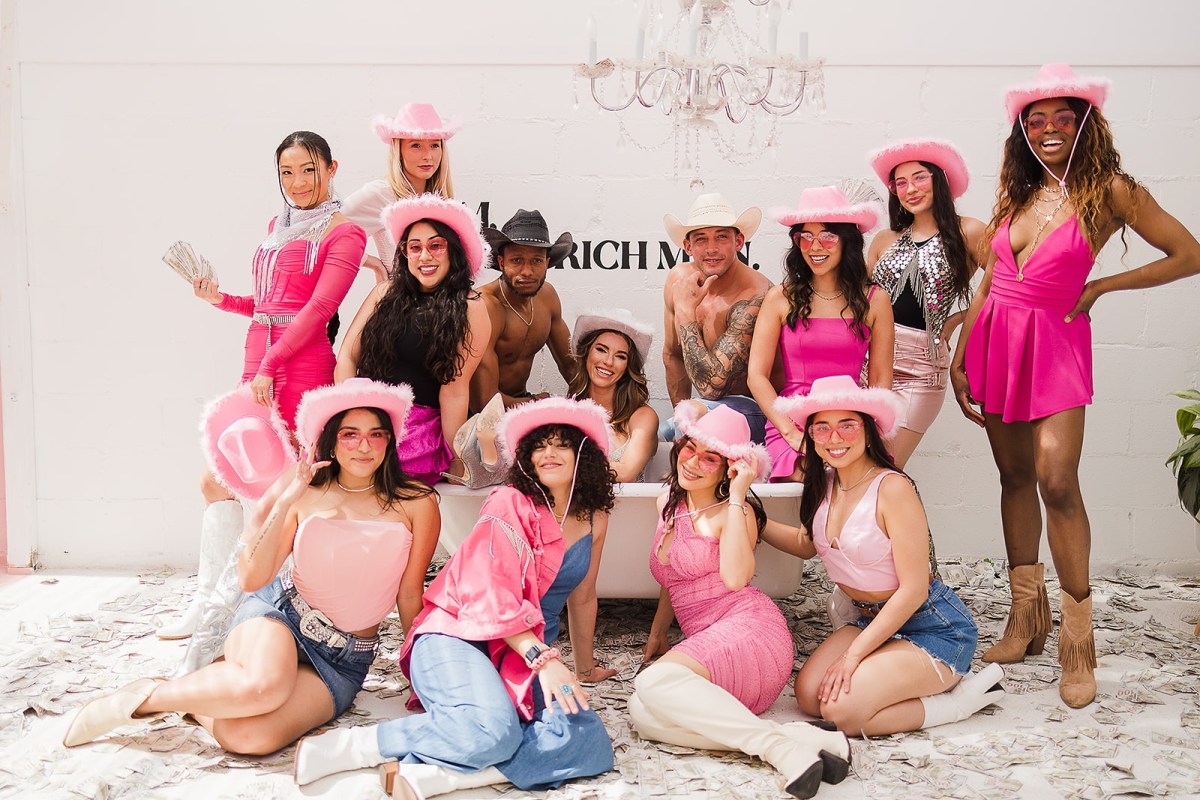
Our Cocktail CowBoys are at your service — we’ll serve you drinks and refreshments, take pictures (or pose with you), be Spotify DJs, help with party/drinking games, keep the party area tidy, keep you company and take out the trash when we leave.
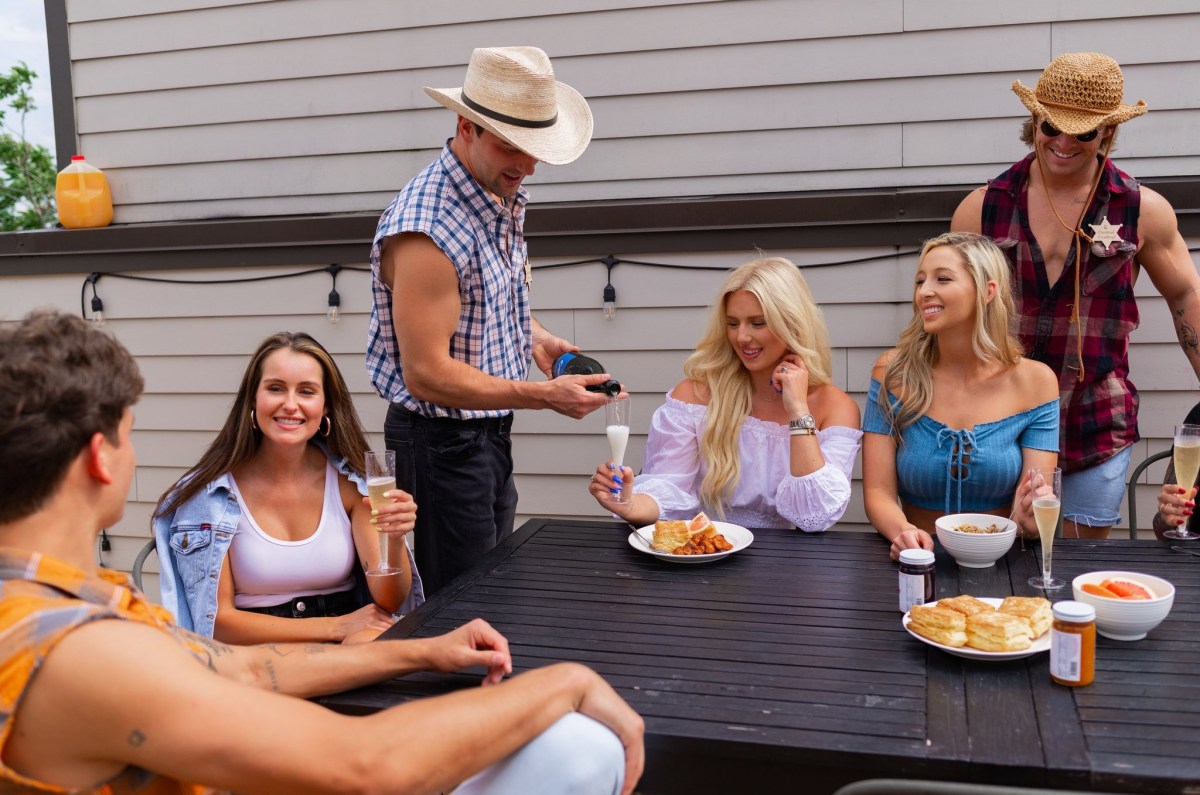
Two Cocktail CowBoys will deliver brunch for you and your crew and get you back into celebration mode. They’ll set up breakfast for you, pour mimosas, turn on some tunes, host some party games, help you nurse your hangover, and keep the party area clean.
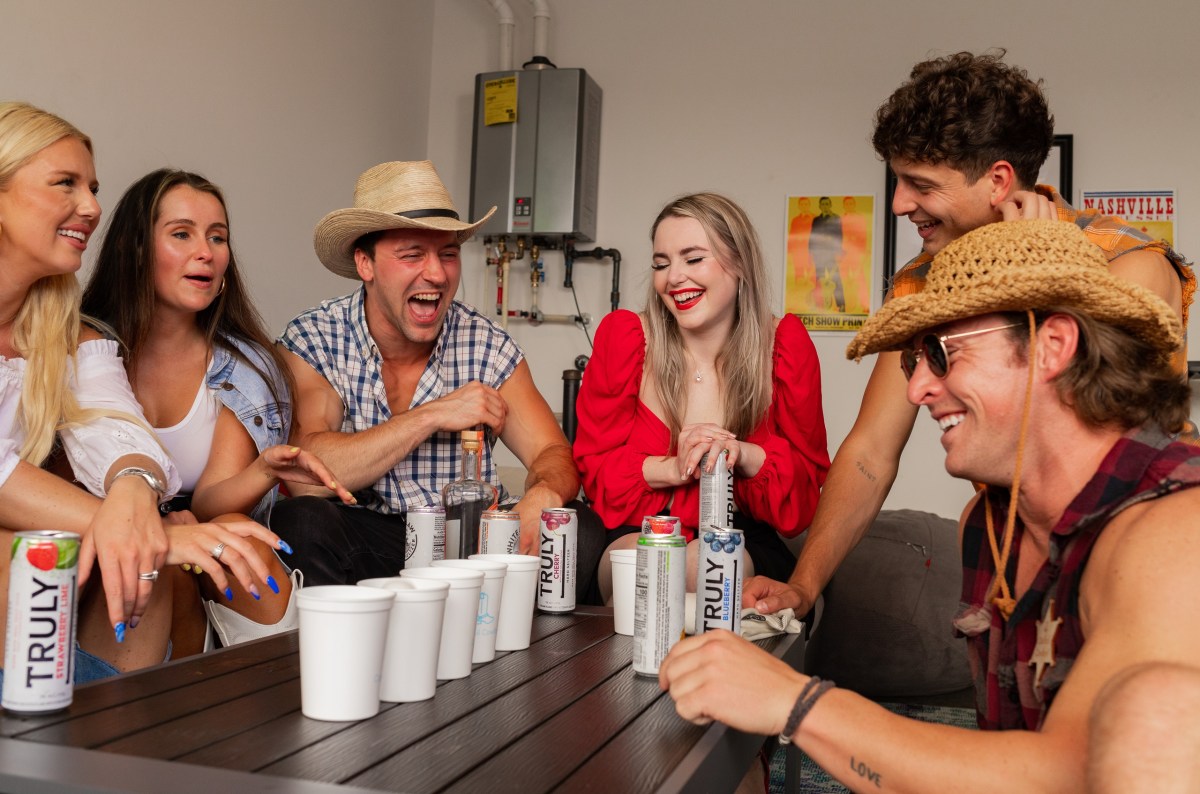
Take a break from the bars and get ready for the perfect night in with your gals… a Cocktail CowBoys game night! We bring tons of game ideas and supplies – bachelorette games, drinking games, signature games, fun icebreakers, music games, and more!
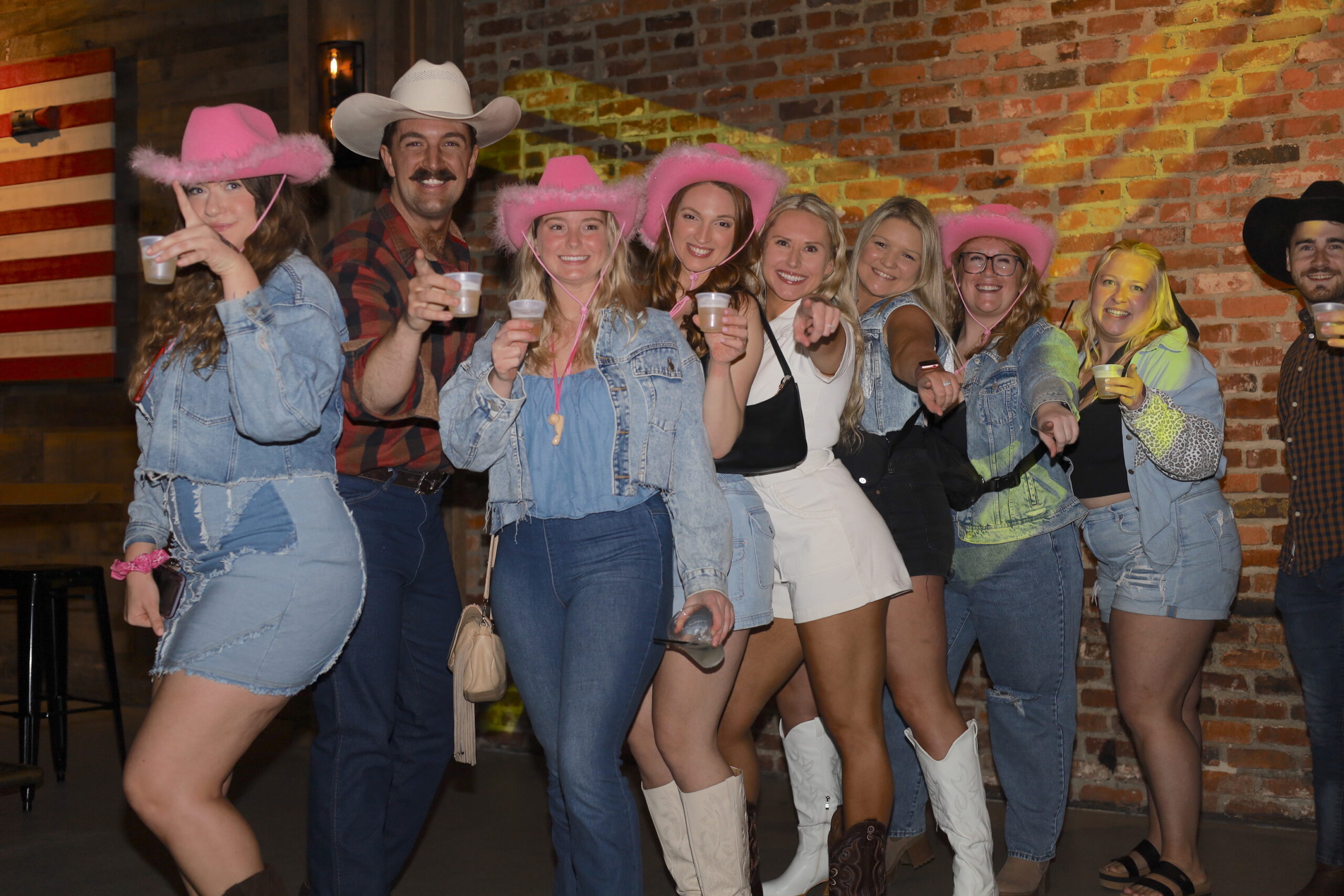
A honky-tonk adventure with cowboy charm, dancing, and unforgettable memories. Your personal party crew for a wild night of bars, boots, and Broadway debauchery.
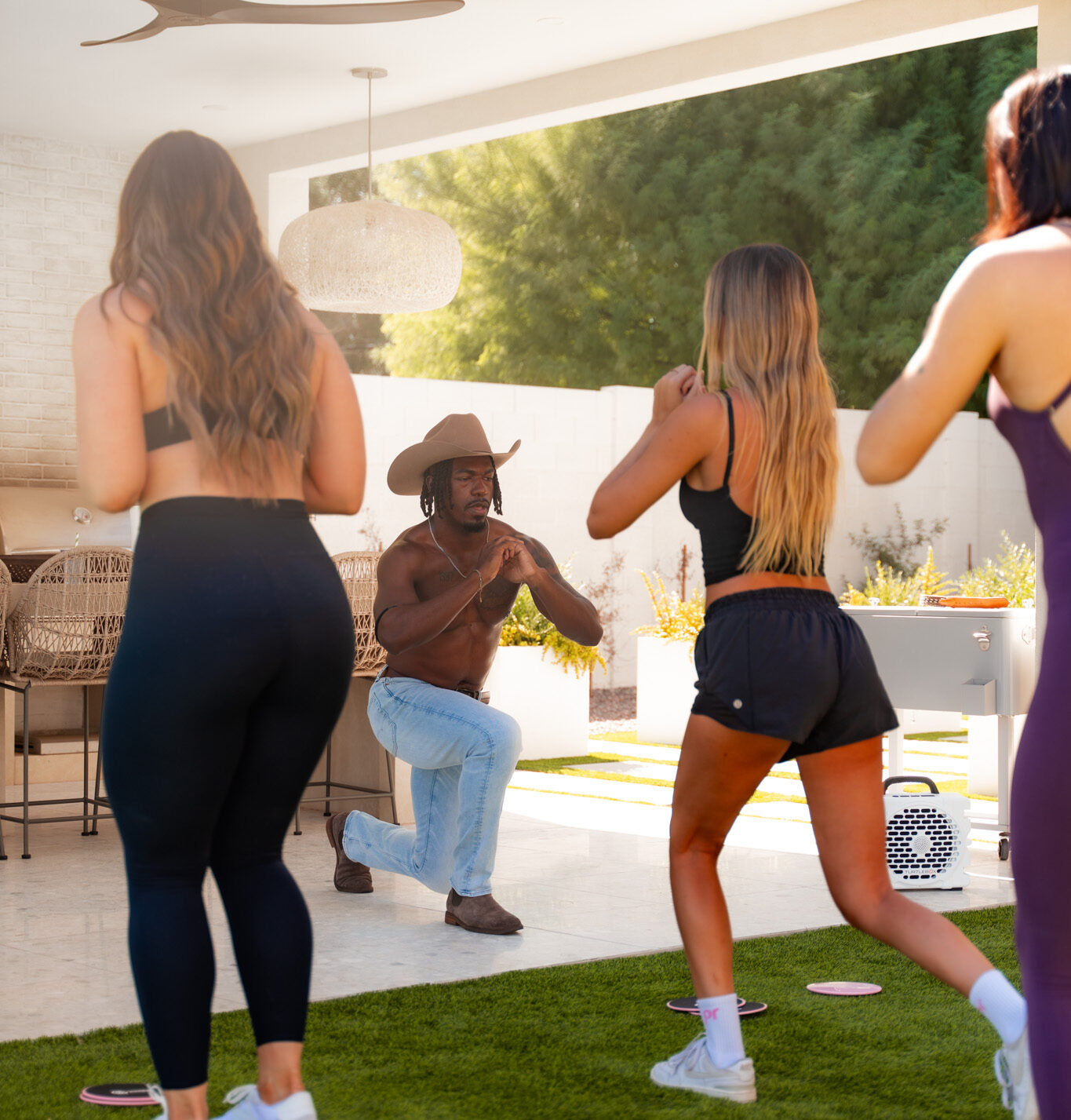
Kick off your day with a 45-minute cowboy-led workout, then roll right into an hour of games, drinks, and hosting. Think of it as fitness meets Western hospitality — charming, playful, and unforgettable.
The Cocktail Boys will serve you, pamper you, and entertain you by serving up drinks, helping with party games, being a Spotify DJ, taking and posing in pictures, keeping the party area tidy, and taking out the trash when we leave.
Two Boys will arrive at your front door with a gourmet spread from a local restaurant favorite, will set up breakfast for you, get your day started with food and drinks, turn on some tunes, host a party game or two, help you nurse your hangover, and keep the party area clean.
We bring tons of game ideas and supplies – bachelorette games, drinking games, icebreakers, music games, and more – that we will host at your rental house or private venue. The Boys are there to serve, pamper, and entertain.
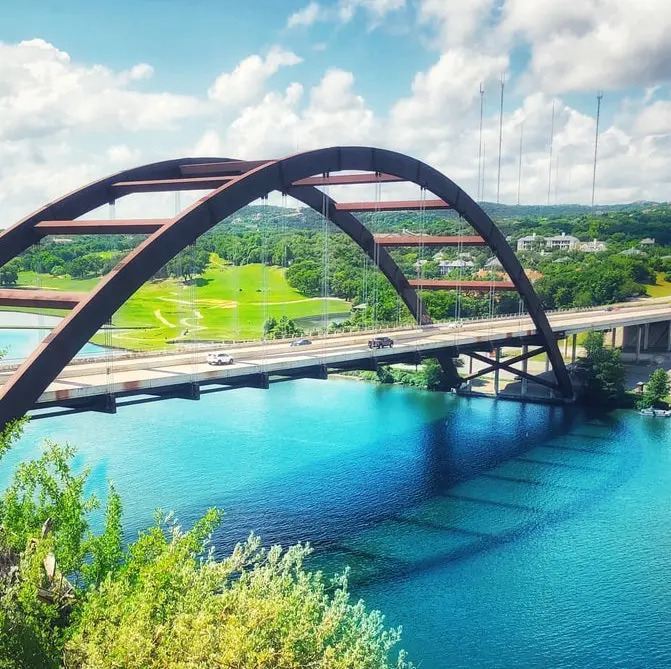
Grab your boots and head to the ultimate spot for unforgettable parties, legendary food, and live music that never stops. Saddle up for an epic Austin weekend!
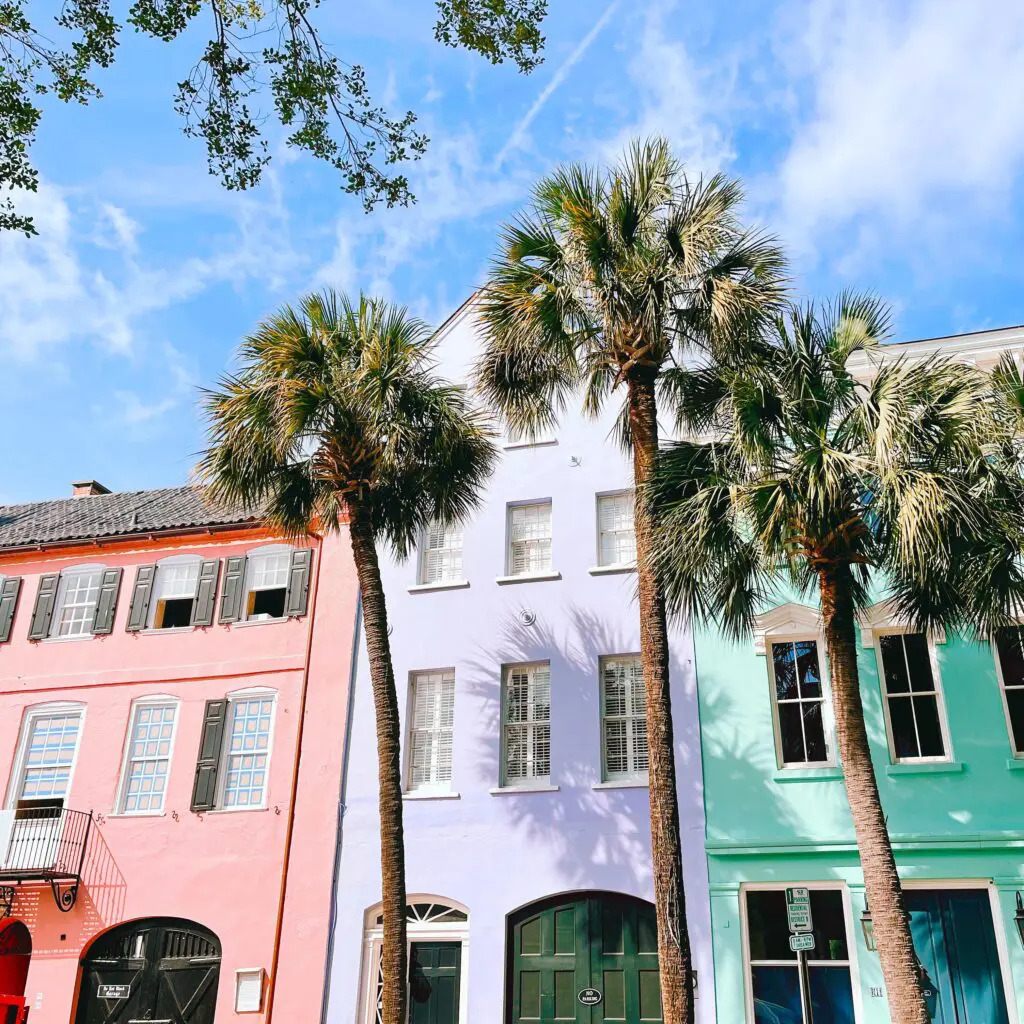
With cobblestone streets, pastel sunsets, and rooftop bars, Charleston has hospitality around every corner. Charm, style, and just the right amount of mischief.
Sun, skin, and serious vibes—Miami and Fort Lauderdale are built for bold, unforgettable weekends. From pool parties to rooftop hangs, South Florida brings the heat.
With mid-century charm, desert sun, and iconic poolside vibes, Palm Springs is the ultimate escape for unforgettable weekends and inclusive celebrations.
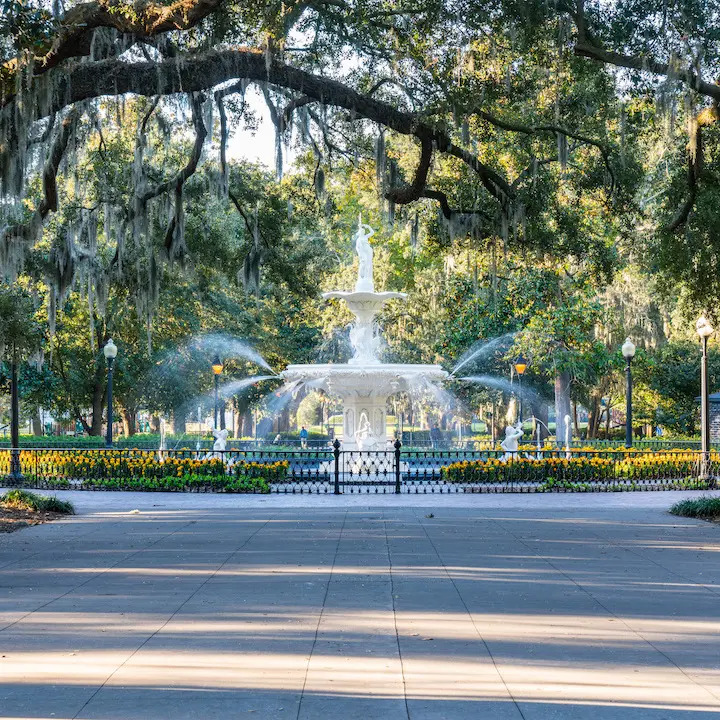
From cobblestone streets to coastal retreats, Savannah is the perfect place to sip, celebrate, and let loose. Open container laws make this one true party town.
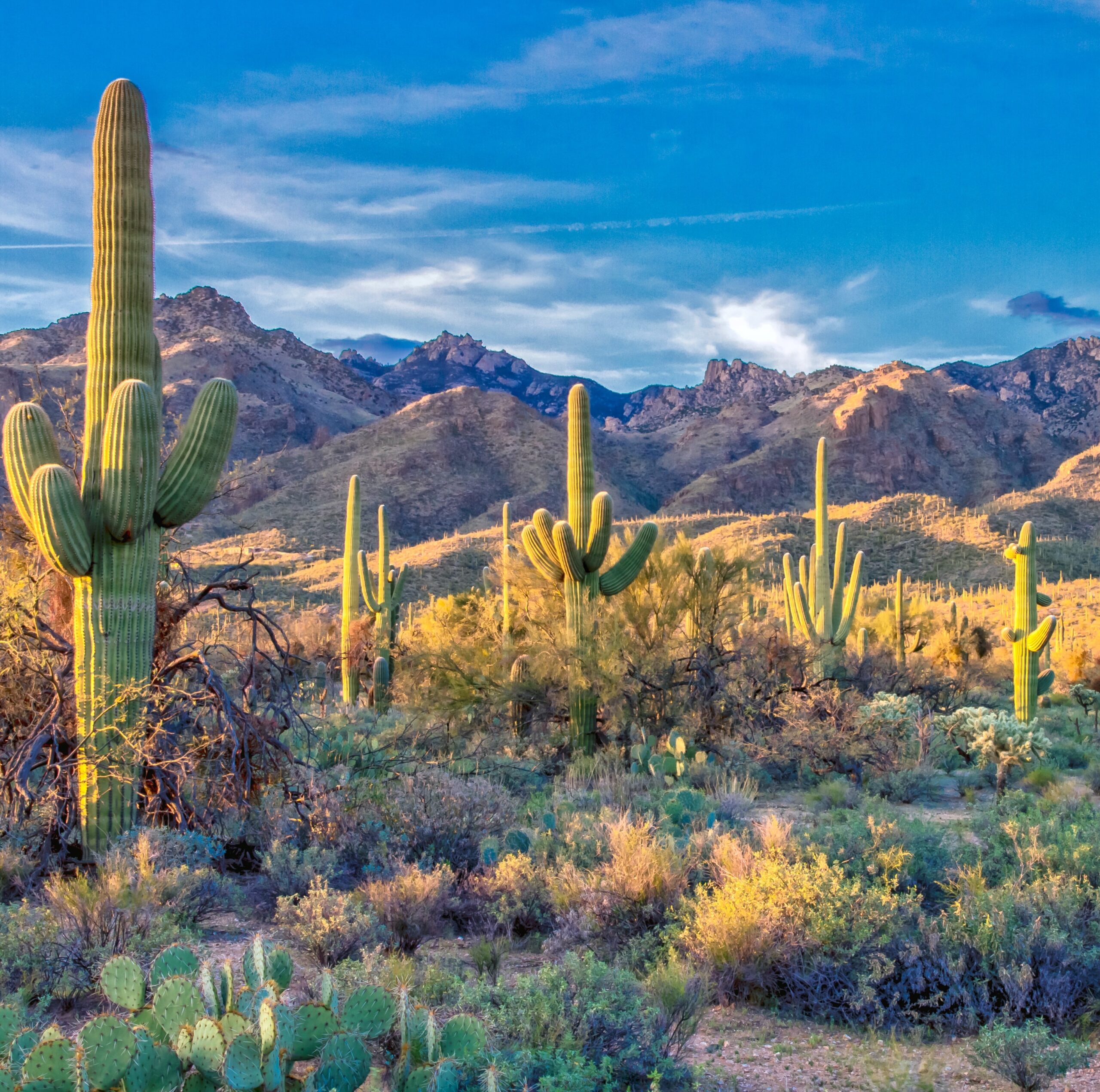
Planning a bachelorette party in Scottsdale? Cabana Boys is the #1 rated activity in town – charismatic hosts, poolside vibes, and memories the bride won’t stop talking about.
With mid-century charm, desert sun, and iconic poolside vibes, Palm Springs is the ultimate escape for unforgettable weekends and inclusive celebrations.
10 Types of Themed Cocktail Experiences for Any Party
What are the main types of themed cocktail experiences?
Themed cocktail experiences fall into three core formats, and knowing which one fits your event makes planning dramatically easier.
Immersive character-driven experiences center on narrative, set design, and live characters. Guests step into a world, not just a party. Think secret speakeasies with password entry, or cocktail theatre where performers weave through the crowd while you sip. The drinks support the story.
Theme-driven visual concept parties build cohesion through décor, dress code, and a curated drink menu. The Roaring Twenties, Tropical Luau, and Aperitivo Hour all fall here. The theme is the frame; the cocktails are the picture.
Interactive cocktail formats put guests in the driver’s seat. Mixology classes, build-your-own stations, and blind taste competitions shift the energy from passive to participatory. No set design required, just good ingredients and curious people.
Most memorable parties borrow from at least two of these formats. A Garden Party can be purely visual, or you can add a botanical cocktail-making station and suddenly guests are muddling herbs and comparing results. The role of personalized themes in how guests remember an event is hard to overstate.
10 popular themed cocktail party ideas worth stealing
1. Roaring Twenties speakeasy
The Roaring Twenties speakeasy is one of the most consistently requested themes for a reason: it delivers atmosphere before a single drink is poured. Gold and black art deco schemes, feathered centerpieces, and a jazz playlist do most of the heavy lifting. The secret password entry is the detail guests talk about for weeks.
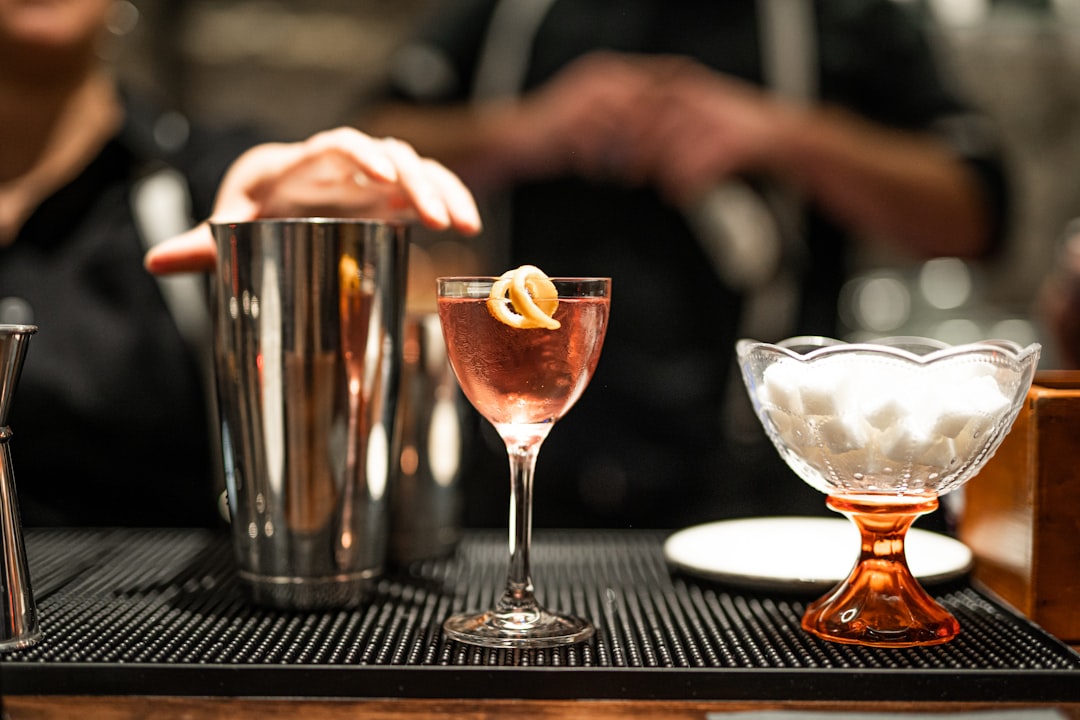
Cocktail anchors: Old Fashioned, Sidecar, and a Bee’s Knees. Keep glassware period-appropriate: coupes and nick-and-nora glasses over highballs. This theme works especially well for smaller groups where the intimacy amplifies the speakeasy feel.
2. Tropical Paradise Luau
Tiki torches, leis, and a bar stacked with Mai Tais and Piña Coladas signal one thing: everyone is here to relax. Encourage Hawaiian shirts and grass skirts, set up a tiki bar with exotic garnishes and colorful drink umbrellas, and let the vibe do the rest.
This theme scales beautifully. A backyard of 15 or a rented venue of 60 both work. For a deeper dive into styling and menu specifics, the ultimate Hawaiian Luau guide covers everything from drink ratios to décor sourcing.
3. Aperitivo Hour
Aperitivo Hour is the sharpest move in modern party hosting. Scheduled between 5 PM and 8 PM, it replaces the labor of a full dinner with high-quality grazeable bites and low-ABV cocktails. Spritz variations, Cynar-based drinks, and a non-alcoholic Crodino over ice cover every guest preference without complexity.
The styling does the work here. Pantry staples served directly from their tins, mismatched stemware, and a single candle cluster read as intentional and chic. No cooking required.
4. Garden Party with botanical cocktails
An outdoor Garden Party leans on fresh, seasonal ingredients to make the drinks feel alive. Herb-infused syrups, edible flower garnishes, and garden-to-glass presentations like cucumber gin smashes or lavender lemonade cocktails give guests something to look at before they sip.
Décor stays simple: flowers, fairy lights, and elegant table settings. The cocktail program carries the theme. This format suits outdoor venues and works particularly well in late spring and early summer when fresh herbs are easy to source.
5. Cinco de Mayo Fiesta
A Cinco de Mayo Fiesta is loud, food-forward, and built for a crowd that wants to move. Margaritas in classic lime, watermelon, and spicy jalapeño variations anchor the drink menu. Papel picado banners, sombreros, and a salsa bar with multiple heat levels give guests something to do between pours.
The energy here is different from a speakeasy or garden party. Expect noise, dancing, and competitive piñata swings. Lean into it.
6. Murder Mystery cocktail party
A Murder Mystery party turns guests into characters before the first drink arrives. Each person receives a role, a motive, and a cocktail named after their character. The drinks become props. A character named “The Countess” sips a dark, rose-tinged gin cocktail; the “Corrupt Detective” gets a smoky mezcal pour.
This format works best with 8–20 guests, where everyone can track the plot without the story fragmenting. Themed party packages that bundle character kits with drink menus make execution far simpler for first-time hosts.
7. Around the World tasting
An Around the World tasting takes guests through a curated flight of internationally inspired cocktails, each paired with a small bite from the same region. A French 75 with a cheese bite, a Brazilian Caipirinha with grilled pão de queijo, a Spanish Sangria with jamón. International flags and travel-themed décor fill the visual gaps.
The educational angle is a genuine differentiator. Guests leave knowing something they did not know before, making the event feel more substantial than a standard cocktail party.
8. Groovy ’70s Disco
A disco ball, lava lamps, and a funk playlist are the bones of a ’70s Disco party. Psychedelic patterns on tablecloths, neon lighting, and a Harvey Wallbanger or Tequila Sunrise on the menu complete the picture. The dress code writes itself: bell-bottoms, platform shoes, and anything with fringe.
This theme rewards commitment. Guests who dress up fully tend to stay longer and engage more. A photo booth with period-appropriate props keeps the energy high through the second hour.
9. Masquerade Ball
A Masquerade Ball trades on mystery. Elaborate masks, candlelight, and a cocktail menu built around dark, complex flavors create an atmosphere that feels genuinely theatrical without requiring a full set build. Negronis, dark rum punches, and a champagne tower work well here.
The mask-wearing element creates natural conversation starters and a sense of anonymity that loosens up even reserved guests. Schedule a “mask reveal” moment midway through the evening to shift the energy.
10. Black-and-White Glamour
Every element of a Black-and-White Glamour party commits to the palette: white linen, black glassware, monochrome cocktails like a classic Espresso Martini or a White Lady, and a dress code that enforces the visual. The result photographs beautifully, which matters for bachelorette parties and milestone birthdays where guests want shareable moments.
The constraint of a single color scheme actually simplifies planning. Every décor decision has a clear filter.
How do you design a themed cocktail menu that actually holds together?
The most common mistake hosts make is choosing a theme and then picking cocktails they personally like, with no real connection between the two. A cohesive menu starts with deconstruction.
Break your theme into its core elements: colors, feelings, flavors, and iconic symbols. A Noir Movie Night deconstructs into dark colors, mystery, and bitter or smoky flavors. That maps directly to aged rum, black walnut bitters, and a single large ice cube. A Friendsgiving theme maps to warmth, spice, and fall fruit, which points toward apple brandy, maple syrup, and cinnamon garnishes. The framework is repeatable for any theme.
Colors point to liqueur choices, garnishes, and glassware (a violet crème de violette for a purple-themed party, a blood orange slice for a Halloween menu).
Feelings guide the cocktail structure (warming and spirit-forward for cozy themes, bright and effervescent for celebratory ones).
Iconic symbols suggest specific ingredients (a rose symbol leads to rosewater or rose liqueur; a tropical setting leads to rum and fresh pineapple).
Limiting your menu to 2–3 signature cocktails plus one zero-proof option improves perceived quality and cuts operational complexity, especially at self-serve stations. Guests make faster decisions, and you spend less time restocking obscure ingredients.
Venue and group size shape the format. A Roaring 20s theme works beautifully for a small indoor group; a Garden Party needs outdoor space and cooperative weather. A cocktail class suits curious guests who want to participate rather than just observe, and it requires no dress code at all. Matching the theme to your actual constraints, not just your aesthetic preferences, is what separates a smooth event from a stressful one.
Pro Tip:Treat your zero-proof option as a first-class menu item, not an afterthought. Give it a name, a garnish, and the same styling as the alcoholic drinks. Guests who don’t drink alcohol notice immediately when the mocktail is just sparkling water with fruit, and guests who do drink often choose it anyway when it looks compelling.Zero-proof cocktailshave moved well past trend status into a genuine hosting standard.
Interactive cocktail experiences: how do you get guests genuinely involved?
Passive drinking is fine. Active participation is what guests remember six months later.
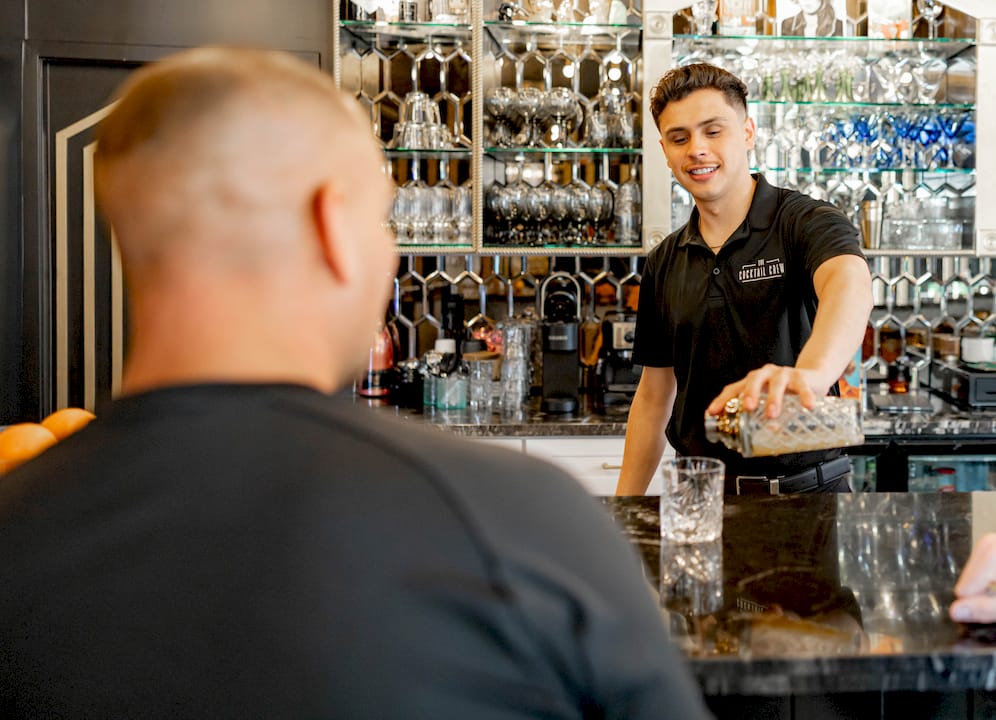
The most accessible interactive format is the build-your-own cocktail station. Set out a base spirit, two or three mixers, fresh garnishes, and a simple instruction card. Guests assemble their own drinks, experiment, and compare results. The station becomes a social hub without any facilitation required. Professional bartenders from Cabana Boys, Cocktail CowBoys, and Cocktail Boys can run these stations with the kind of energy and personalization that turns a simple setup into the highlight of the night.
Hands-on mixology classes go a step further. A host or bartender walks guests through one or two cocktails, explaining technique, ingredient rationale, and the small tricks that separate a good drink from a great one. The class format works especially well for bachelorette parties and birthday groups where guests want a shared activity, not just a shared space.
Mixology competitions give guests a brief, a set of ingredients, and a time limit. A blind taste test determines the winner. The competitive element raises energy fast.
Tasting flights organize drinks by spirit, region, or flavor profile and invite guests to compare and discuss. This works particularly well for whiskey, gin, or tequila-focused themes.
Participatory cocktail theatre blends performance with drinking. Experiences like Oddyssey Manor in Las Vegas run on timed 80-minute cycles that include craft cocktail tastings, interactive characters, and a narrative that guests can engage with at whatever level they choose. Some guests lean into the story; others prefer to sip and watch. Both leave satisfied.
The key insight from immersive experience design is that combining set design, narrative, and interactivity creates memories that a standard party simply cannot match. Guests feel inside the experience rather than adjacent to it. Timed cycles, as used in cocktail theatre formats, keep energy consistent rather than letting the event drift into open-ended wandering.
Incorporating at least one hands-on moment, even something as brief as a five-minute garnish-making demo, shifts the guest from observer to participant. That shift is the difference between “we had a nice time” and “that was the best party I’ve been to all year.”
What do expert party hosts say about themed cocktail events?
Cabana Boys, Cocktail CowBoys, and Cocktail Boys have built their reputation as the #1 bachelorette experience in top US party destinations by doing one thing consistently: making every event feel personal. Their Cabana Boys, Cocktail Boys, and Cocktail CowBoys hosts engage guests directly, facilitate games, serve drinks, and keep the energy moving, all while maintaining the kind of organized, tidy environment that lets hosts actually enjoy their own party.
The feedback from guests reflects what the research on immersive experiences confirms: personalization and participation are what guests cite when they describe an event as unforgettable. A generic cocktail party with good drinks is pleasant. A themed event where the drinks, décor, dress code, and host energy all point in the same direction is something guests reconstruct in conversation for months.
Experiences like Alcotraz demonstrate that the most successful themed cocktail formats accommodate the full range of guest comfort levels. Guests who want to actively participate in the story can jump in; those who prefer to observe and sip can do exactly that. Building that flexibility into your event design, whether you’re hosting 8 people in your living room or 80 at a venue, is what makes a themed cocktail experience work for everyone in the room.
Understanding what shapes guest experience in hospitality settings makes clear why themed cocktail events outperform standard gatherings on every memorability metric. The theme gives guests a shared frame of reference. The cocktails give them something to talk about. The interaction gives them something to do. Put all three together, and you have a party worth remembering.
Ready to take your event from a standard gathering to something guests actually talk about? Cabana Boys, Cocktail CowBoys, and Cocktail Boys bring the energy, the expertise, and the personalization that turns any themed cocktail concept into a night nobody forgets. Book your experience and let the hosts handle everything while you enjoy your own party.
Key Takeaways
Themed cocktail experiences succeed when theme, drinks, and guest interaction all point in the same direction rather than operating as separate elements.
Point
Details
Three core formats
Immersive character-driven, visual concept parties, and interactive cocktail formats cover every event style.
Limit your drink menu
Limiting the menu to 2–3 signature cocktails plus a zero-proof option enhances perceived quality and simplifies hosting logistics at any event size.
Match theme to venue and group
Small indoor groups suit speakeasy formats; outdoor space opens up garden and tropical themes; curious guests thrive in cocktail class formats.
Zero-proof is non-negotiable
Styling a mocktail with the same care as alcoholic drinks broadens appeal and signals thoughtful hosting.
Interaction drives memory
Adding at least one hands-on moment, whether a build-your-own station or a brief mixology demo, shifts guests from observers to participants.





 Austin
 Charleston
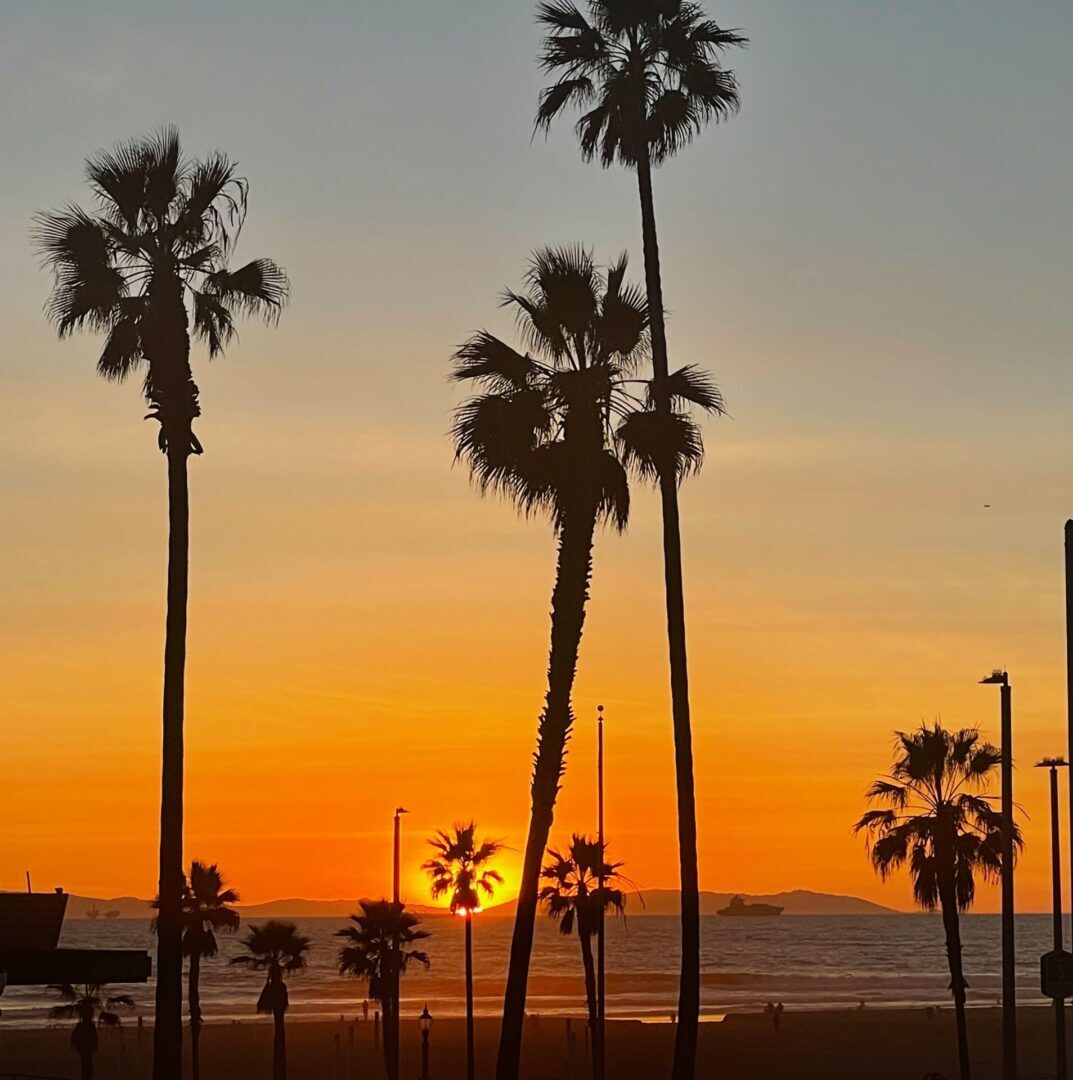 Los Angeles & Orange County
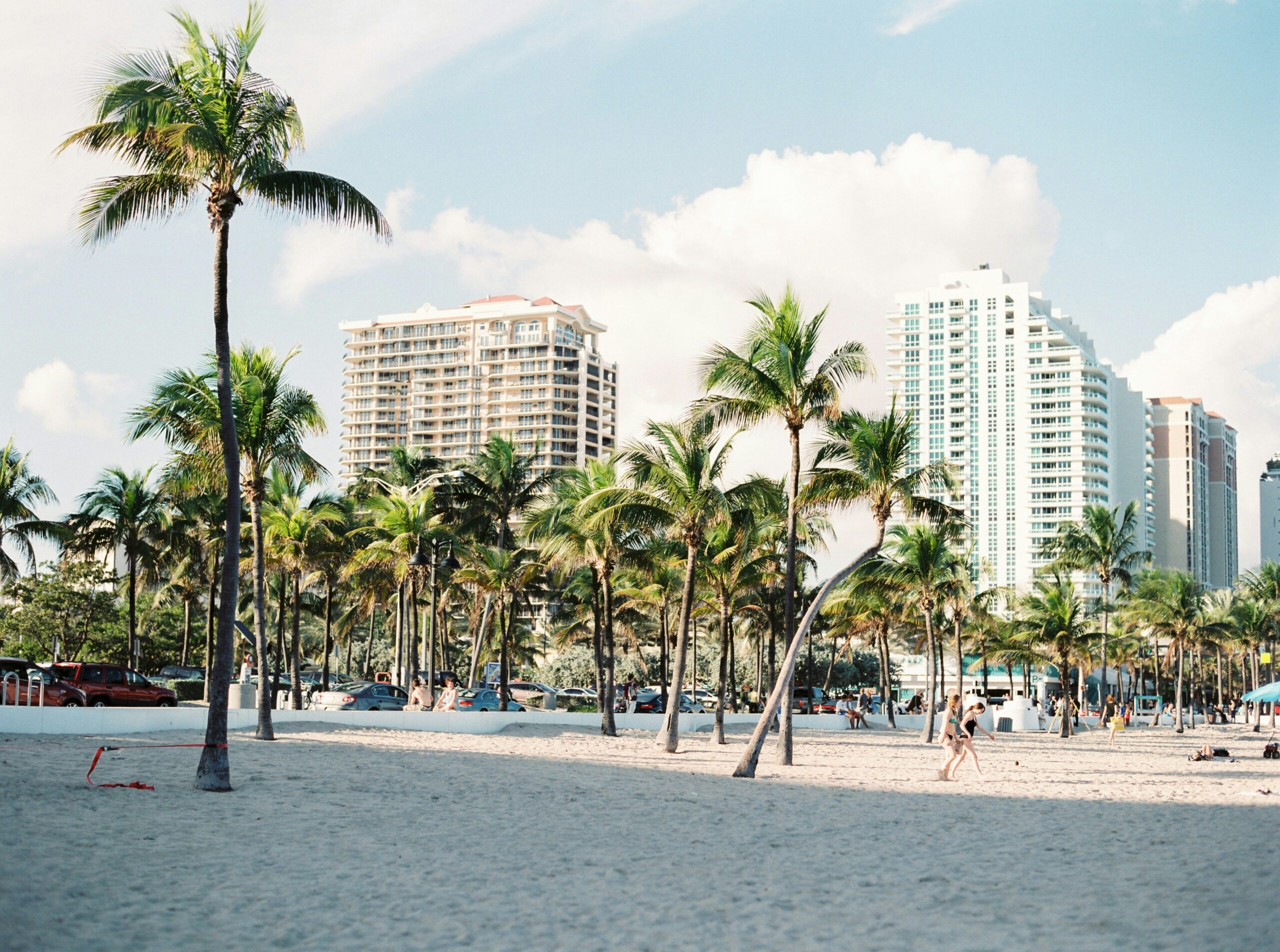 Miami
Miami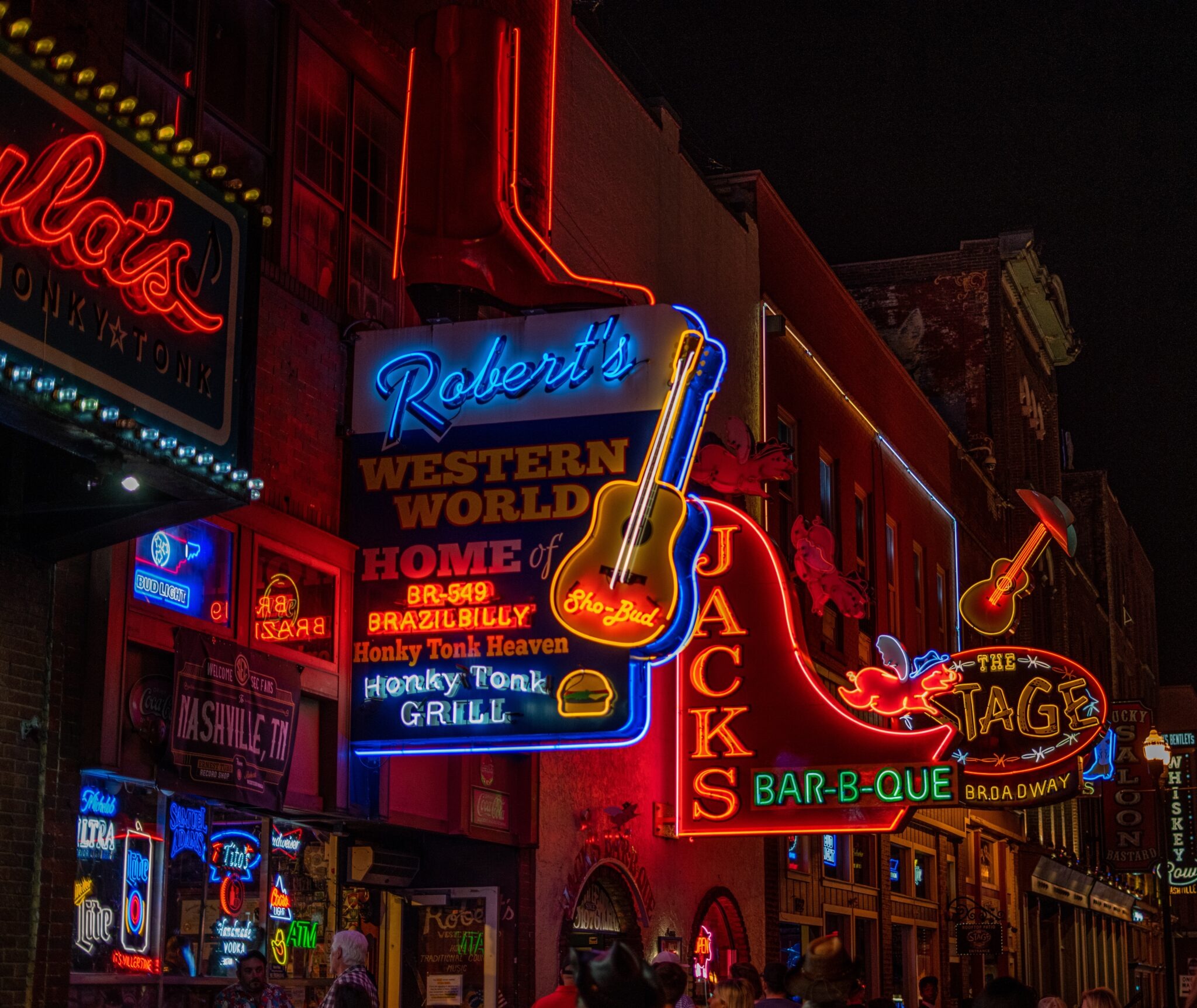 Nashville
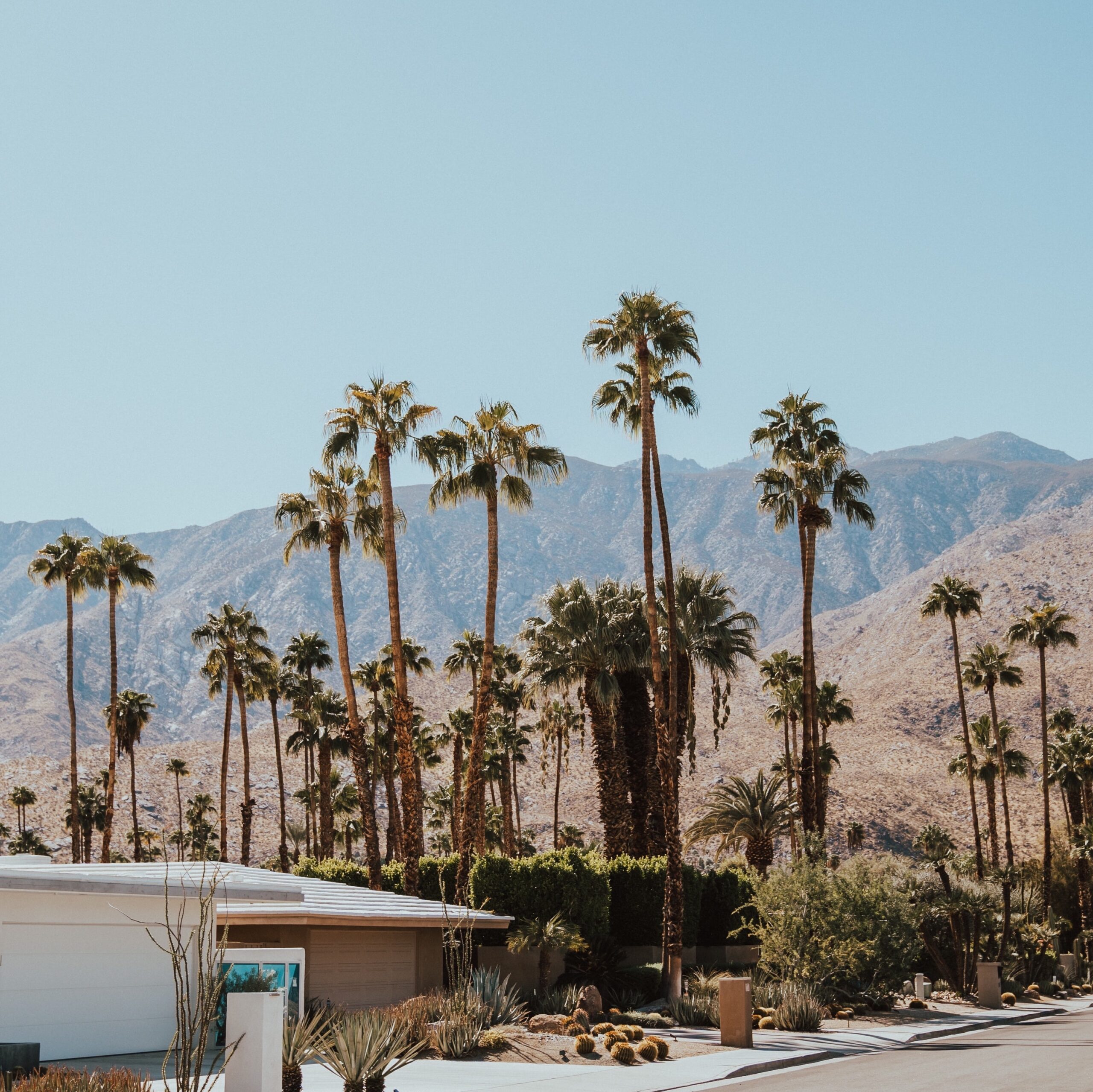 Palm Springs
 Savannah
 Scottsdale
 San Diego
 30A / Destin
 Cabana Boys
 Cocktail CowBoys
 Cocktail Boys
 Signature Party
 Brunch
 Game Night
 Cabana Glow
 Bagel Boys
 Party Bus
 Line Dancing
 Game Night
 Austin