🦈As Seen on Shark Tank 🦈 Book the Boys everyone is talking about • 🦈As Seen on Shark Tank 🦈 Book the Boys everyone is talking about • 🦈As Seen on Shark Tank 🦈 Book the Boys everyone is talking about • 🦈As Seen on Shark Tank 🦈 Book the Boys everyone is talking about • 🦈As Seen on Shark Tank 🦈 Book the Boys everyone is talking about • 🦈As Seen on Shark Tank 🦈 Book the Boys everyone is talking about • 🦈As Seen on Shark Tank 🦈 Book the Boys everyone is talking about • 🦈As Seen on Shark Tank 🦈 Book the Boys everyone is talking about • 🦈As Seen on Shark Tank 🦈 Book the Boys everyone is talking about • 🦈As Seen on Shark Tank 🦈 Book the Boys everyone is talking about • 🦈As Seen on Shark Tank 🦈 Book the Boys everyone is talking about • 🦈As Seen on Shark Tank 🦈 Book the Boys everyone is talking about • 🦈As Seen on Shark Tank 🦈 Book the Boys everyone is talking about • 🦈As Seen on Shark Tank 🦈 Book the Boys everyone is talking about • 🦈As Seen on Shark Tank 🦈 Book the Boys everyone is talking about • 🦈As Seen on Shark Tank 🦈 Book the Boys everyone is talking about •
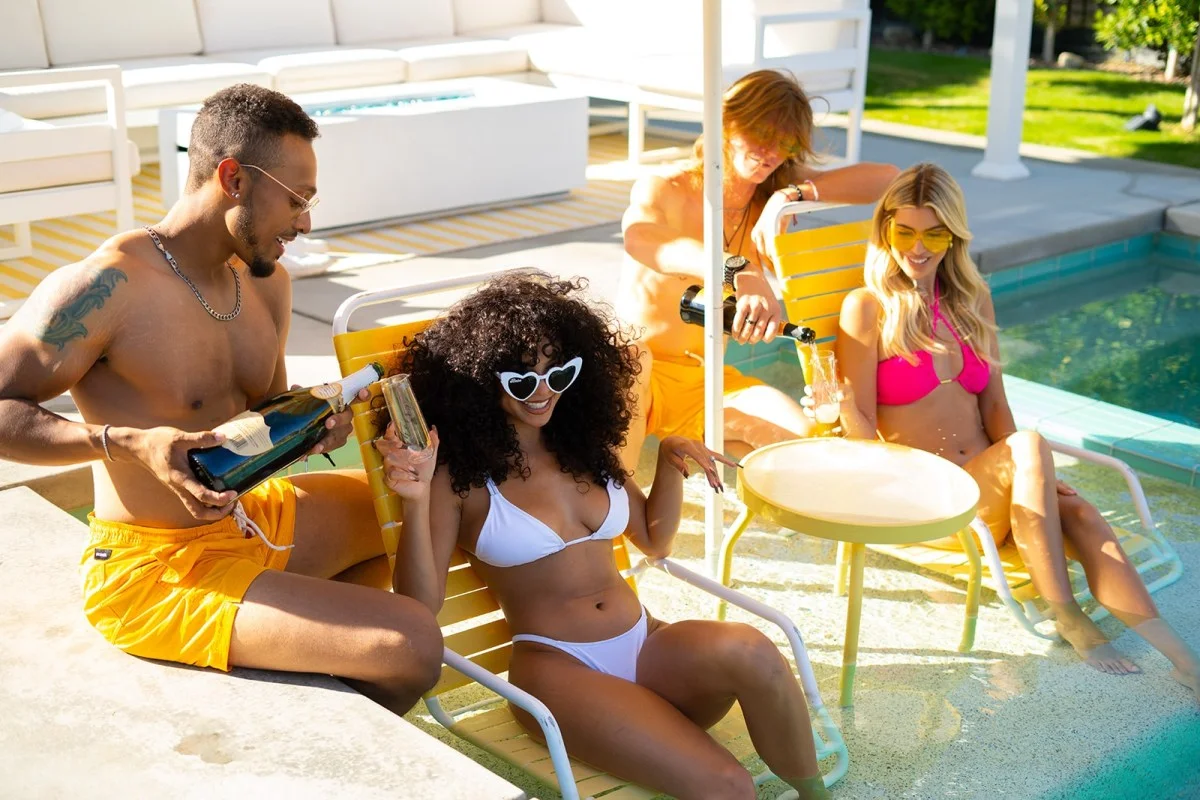
Hire the Cabana Boys to elevate your event with personalized party hosting and bartending services for 2-4 hours. These charming, vetted gentlemen will serve drinks, entertain, keep the area tidy, and make your event unforgettable, whether it’s a pool party, bachelorette, or themed event.
Gourmet brunch from local favorites, bottomless mimosas, music, and party games — hosted poolside by the Cabana Boys. The easiest, most-talked-about morning of the weekend.
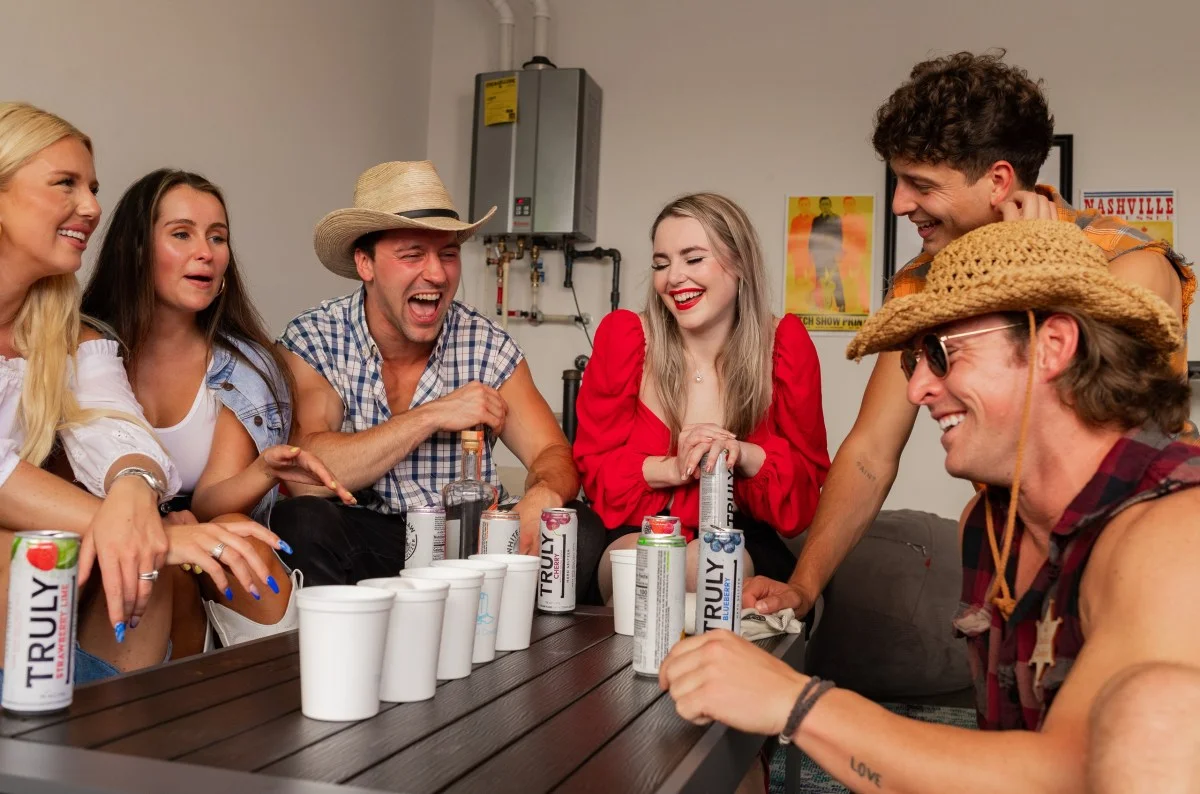
We bring tons of game ideas and supplies – bachelorette games, drinking games, signature games, fun icebreakers, music games, and more – that we will host at your Airbnb. We can also help facilitate any games that you have in mind. Think of us as game show hosts, but in a sexy pool boy kind of way.
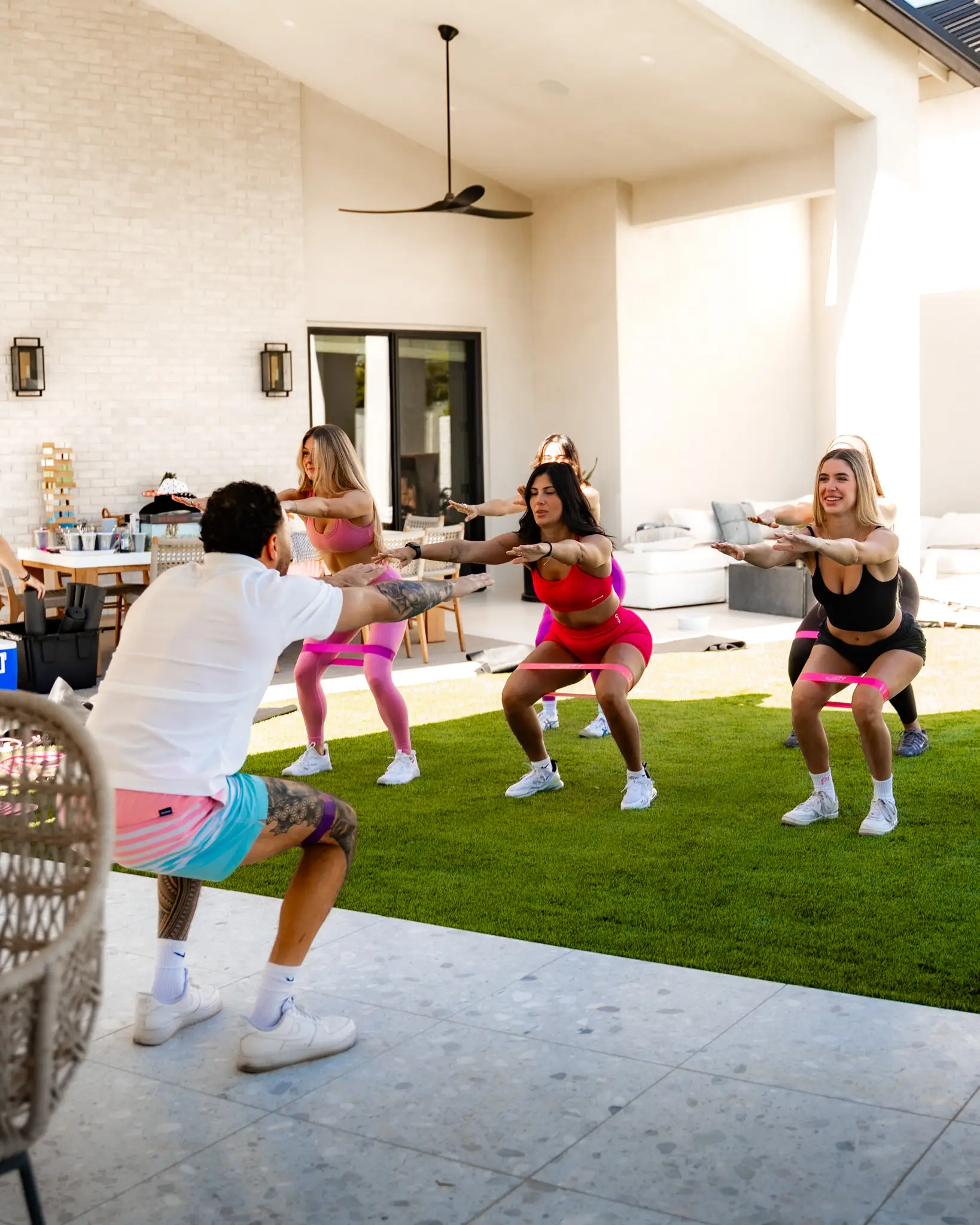
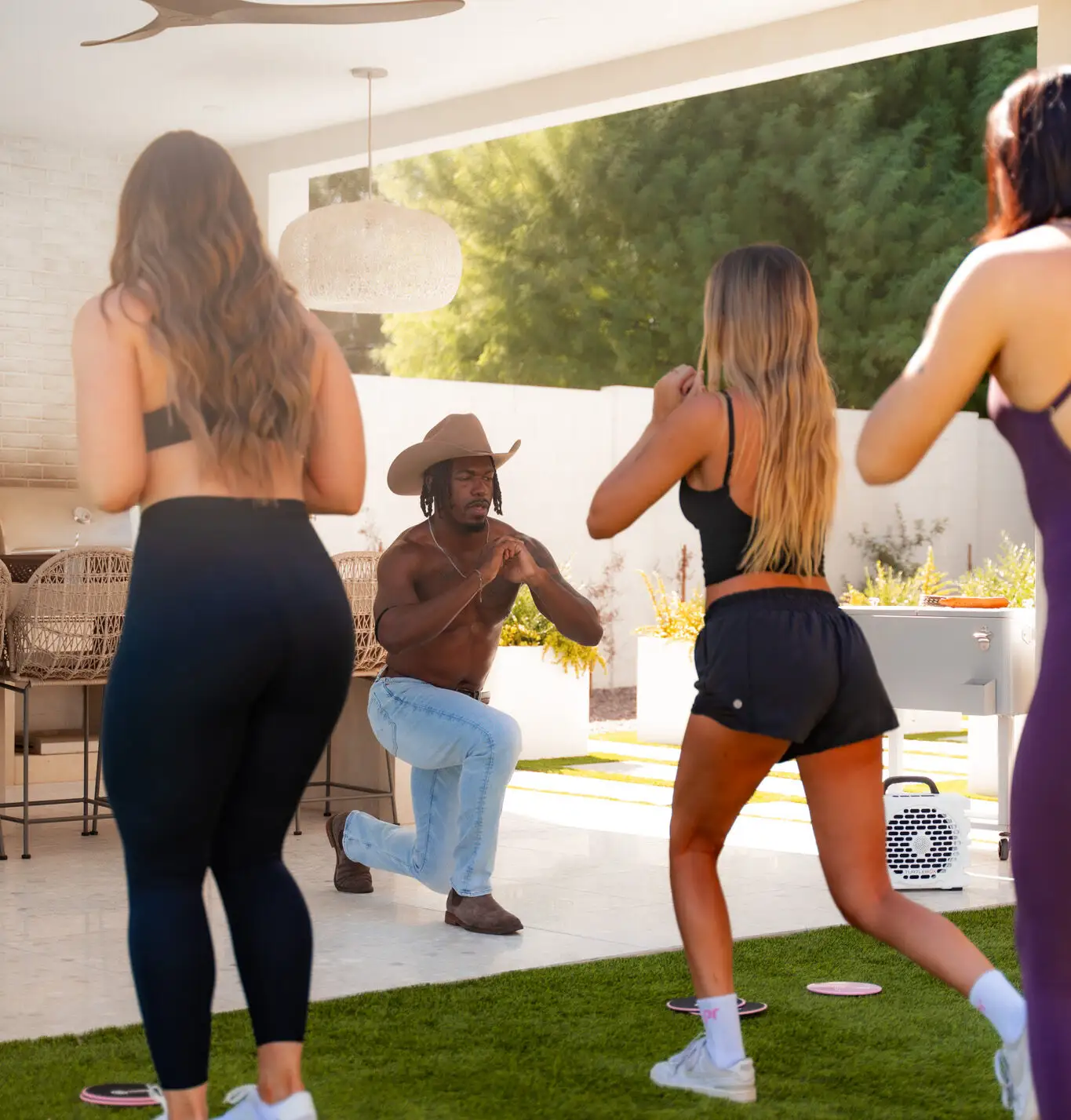
We’ll lead you through a fun, high-energy 45-minute workout with mats, bands, and sliders – then flip straight into party mode. Think of it as a fitness class that ends with your own private pool boy hosts keeping the vibe alive.
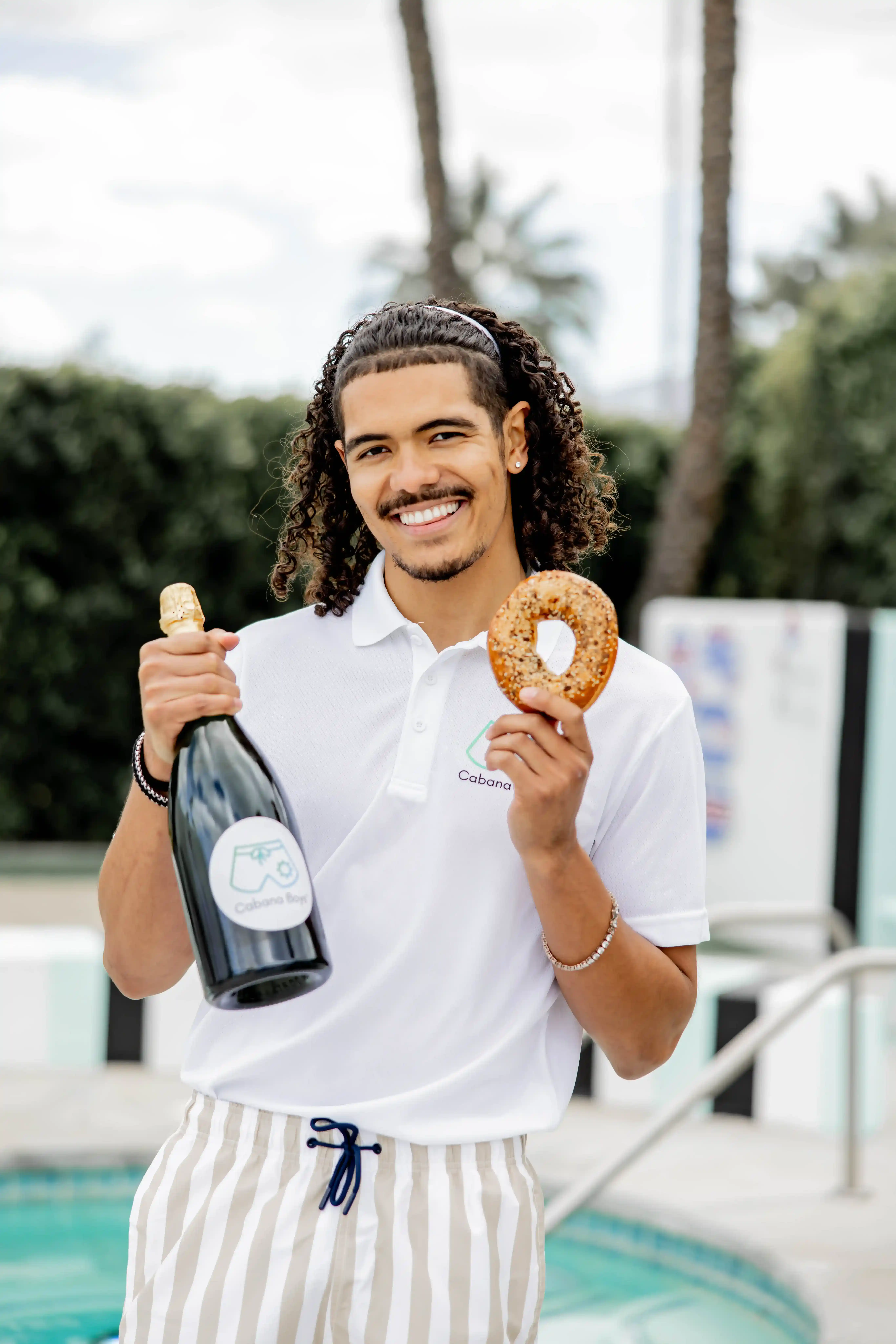
Kick off your morning with a visit from one of our hand-picked gentlemen who will set up a delicious spread with a dozen of gourmet assorted bagels, two tubs of delicious cream cheese, a large container of hot coffee, and a carafe of fresh orange juice.
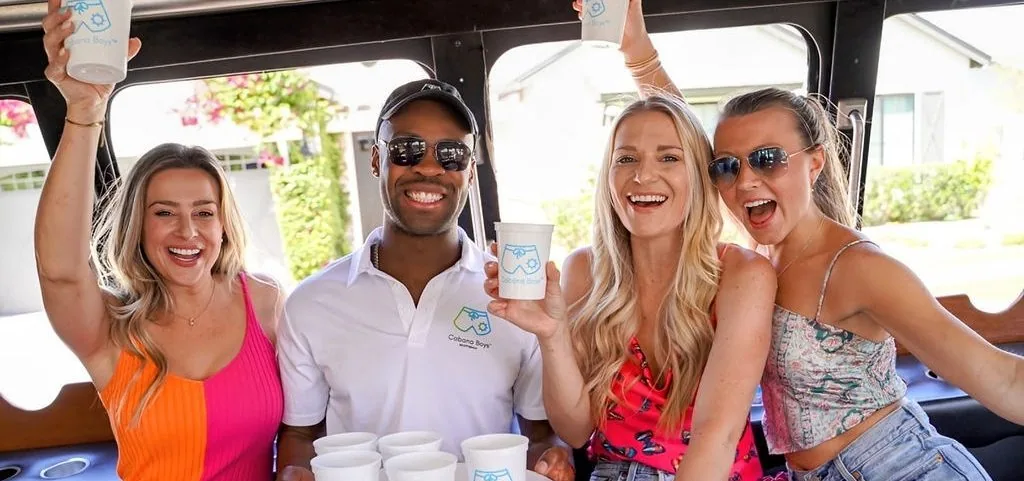
Hop on the luxurious, air conditioned party bus and we’ll cruise around Old Town, bumping music, dancing, drinking, and playing some signature games. We’ll make stops at our partner bars, where you’ll access some exclusive drink specials.
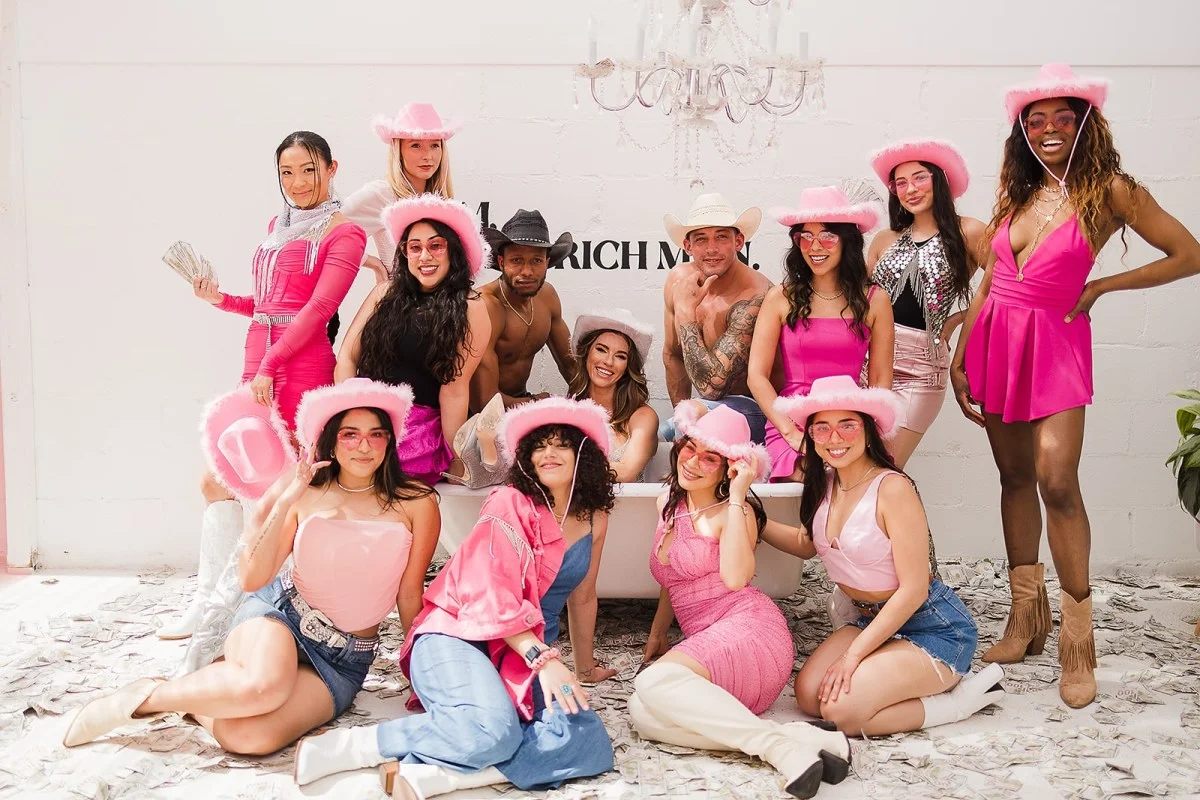
Our Cocktail CowBoys are at your service — we’ll serve you drinks and refreshments, take pictures (or pose with you), be Spotify DJs, help with party/drinking games, keep the party area tidy, keep you company and take out the trash when we leave.
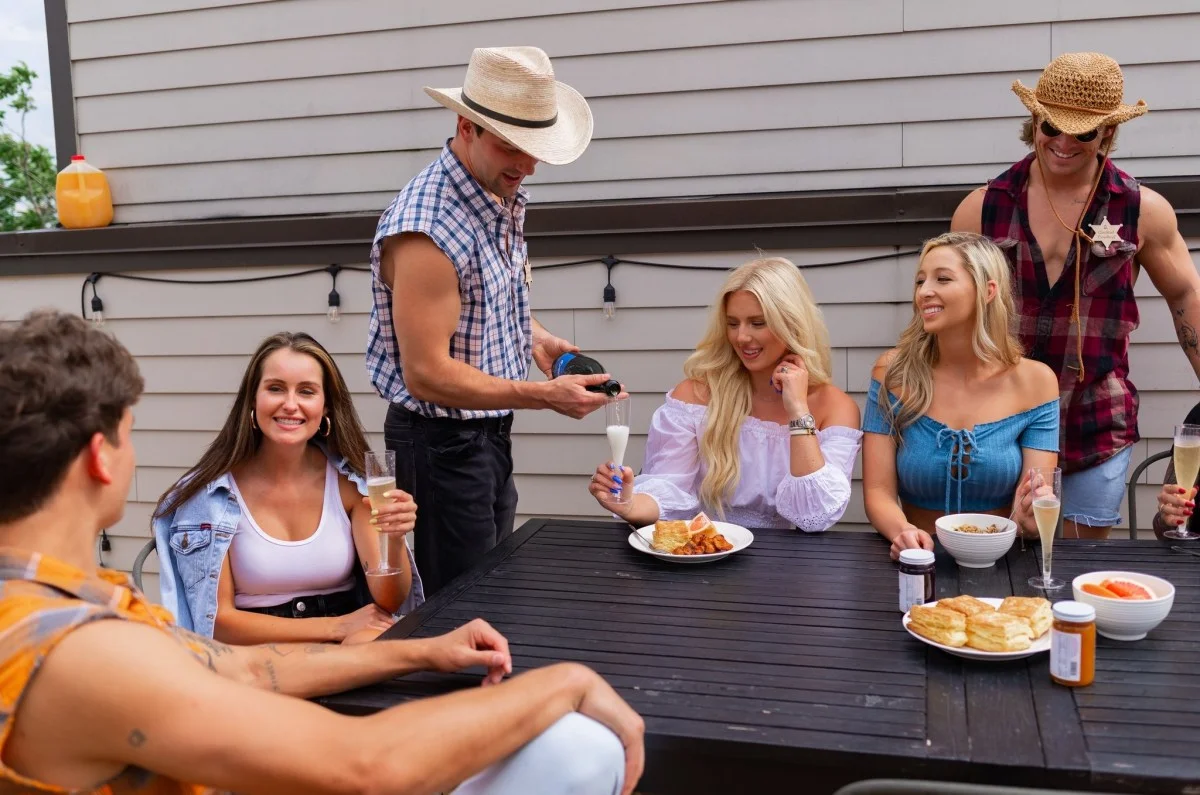
Two Cocktail CowBoys will deliver brunch for you and your crew and get you back into celebration mode. They’ll set up breakfast for you, pour mimosas, turn on some tunes, host some party games, help you nurse your hangover, and keep the party area clean.
Take a break from the bars and get ready for the perfect night in with your gals… a Cocktail CowBoys game night! We bring tons of game ideas and supplies – bachelorette games, drinking games, signature games, fun icebreakers, music games, and more!
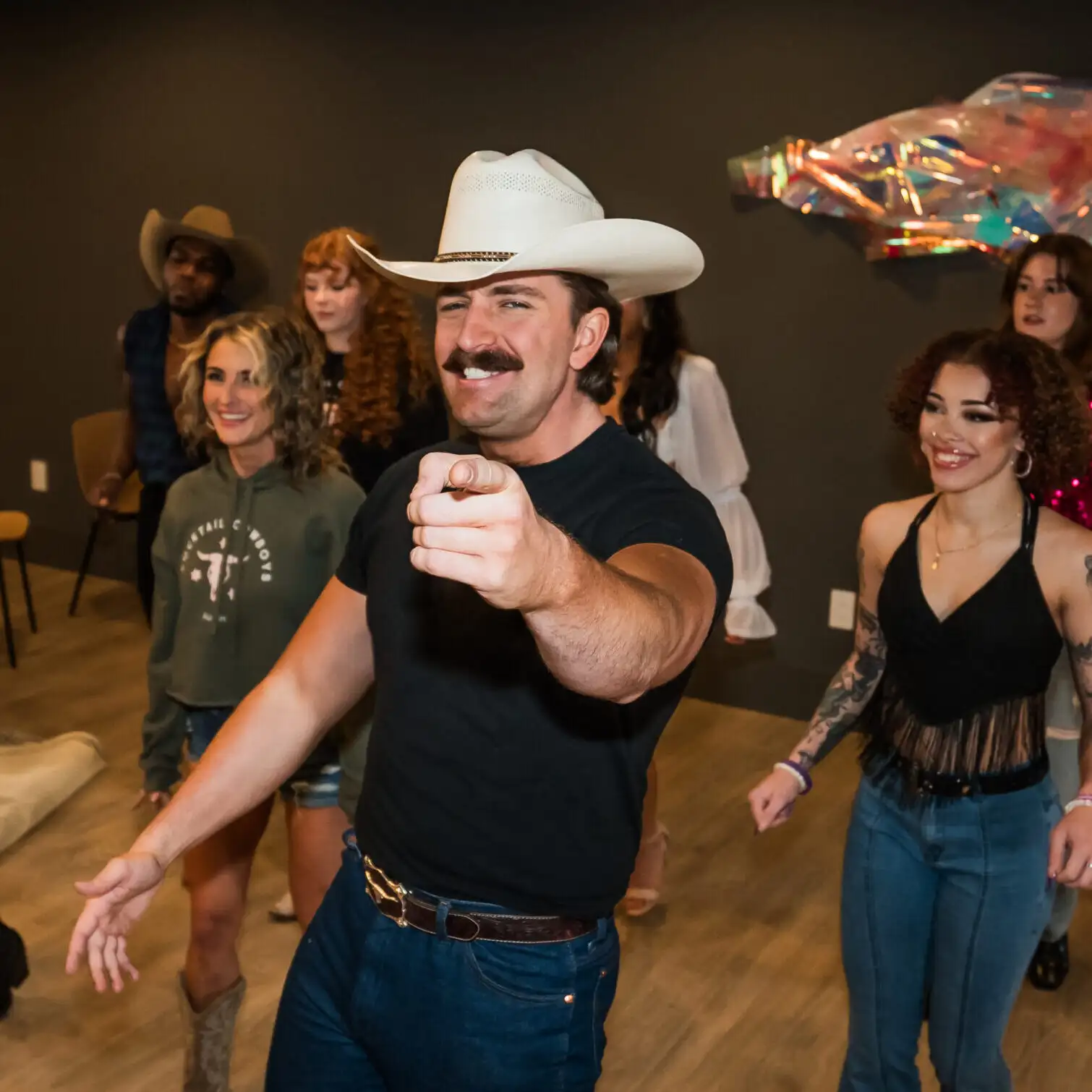
A honky-tonk adventure with cowboy charm, dancing, and unforgettable memories. Your personal party crew for a wild night of bars, boots, and Broadway debauchery.
Kick off your day with a 45-minute cowboy-led workout, then roll right into an hour of games, drinks, and hosting. Think of it as fitness meets Western hospitality — charming, playful, and unforgettable.
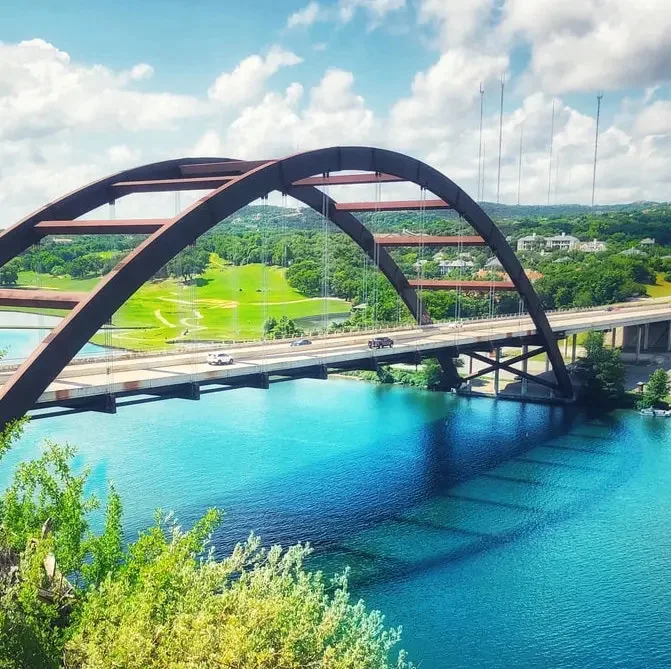
Grab your boots and head to the ultimate spot for unforgettable parties, legendary food, and live music that never stops. Saddle up for an epic Austin weekend!
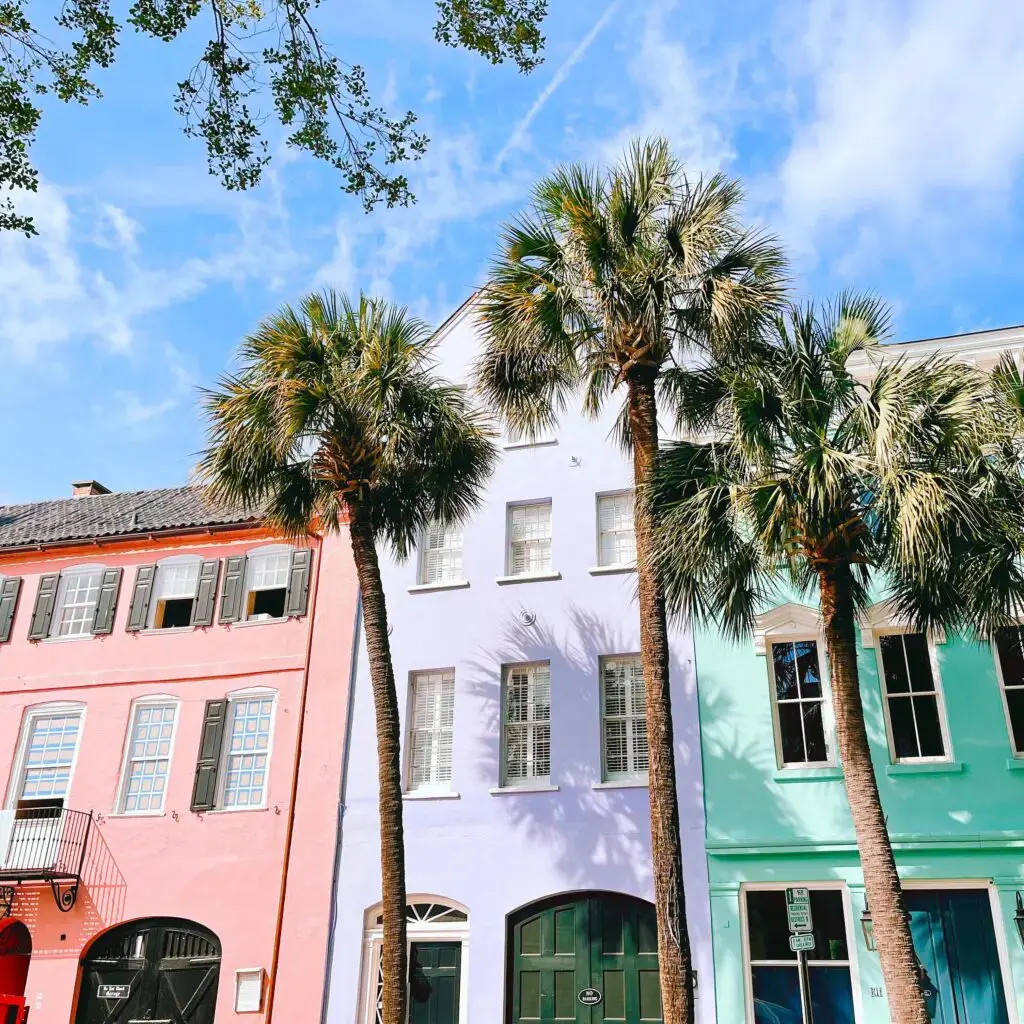
With cobblestone streets, pastel sunsets, and rooftop bars, Charleston has hospitality around every corner. Charm, style, and just the right amount of mischief.
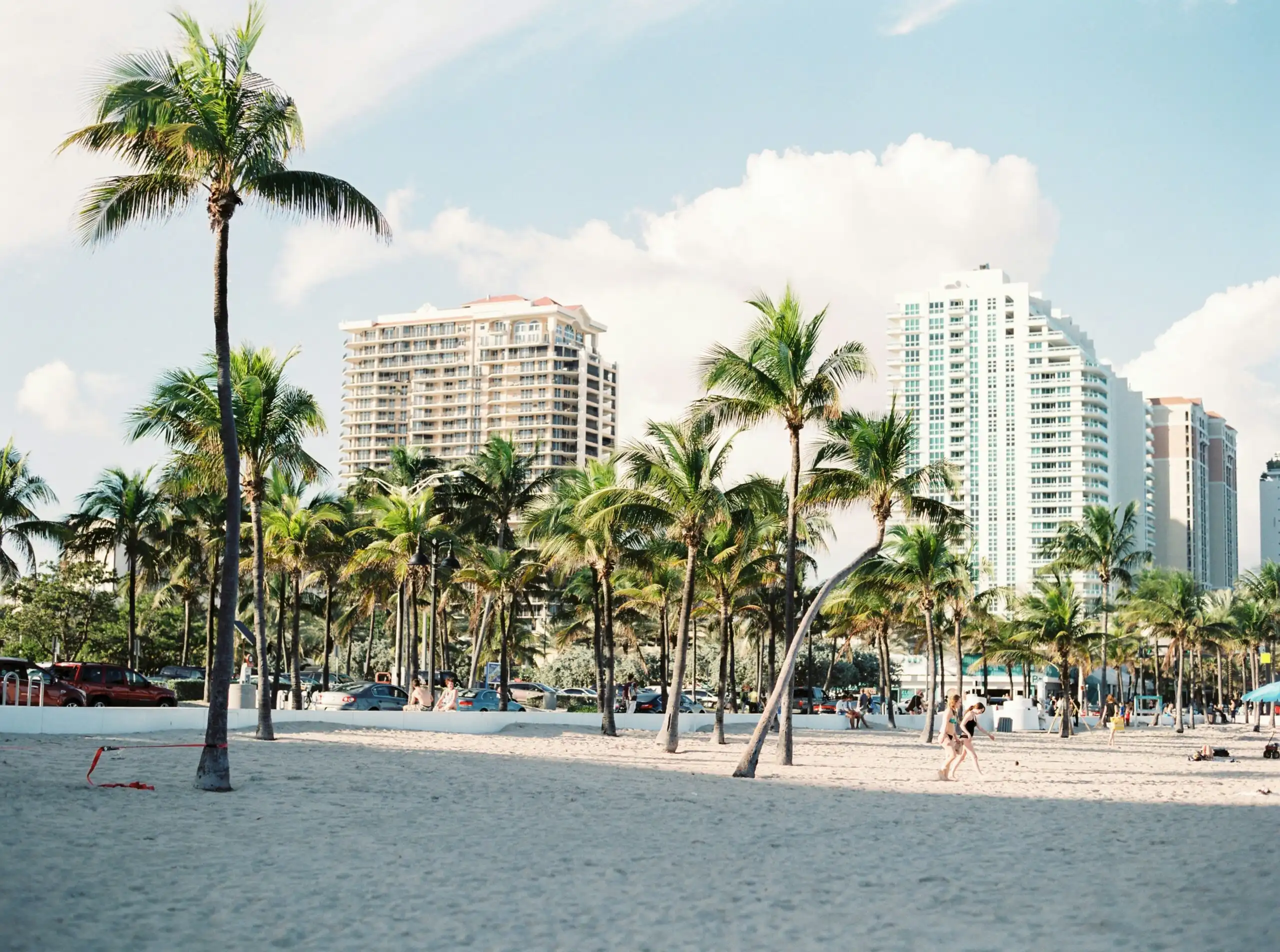
Sun, skin, and serious vibes—Miami and Fort Lauderdale are built for bold, unforgettable weekends. From pool parties to rooftop hangs, South Florida brings the heat.
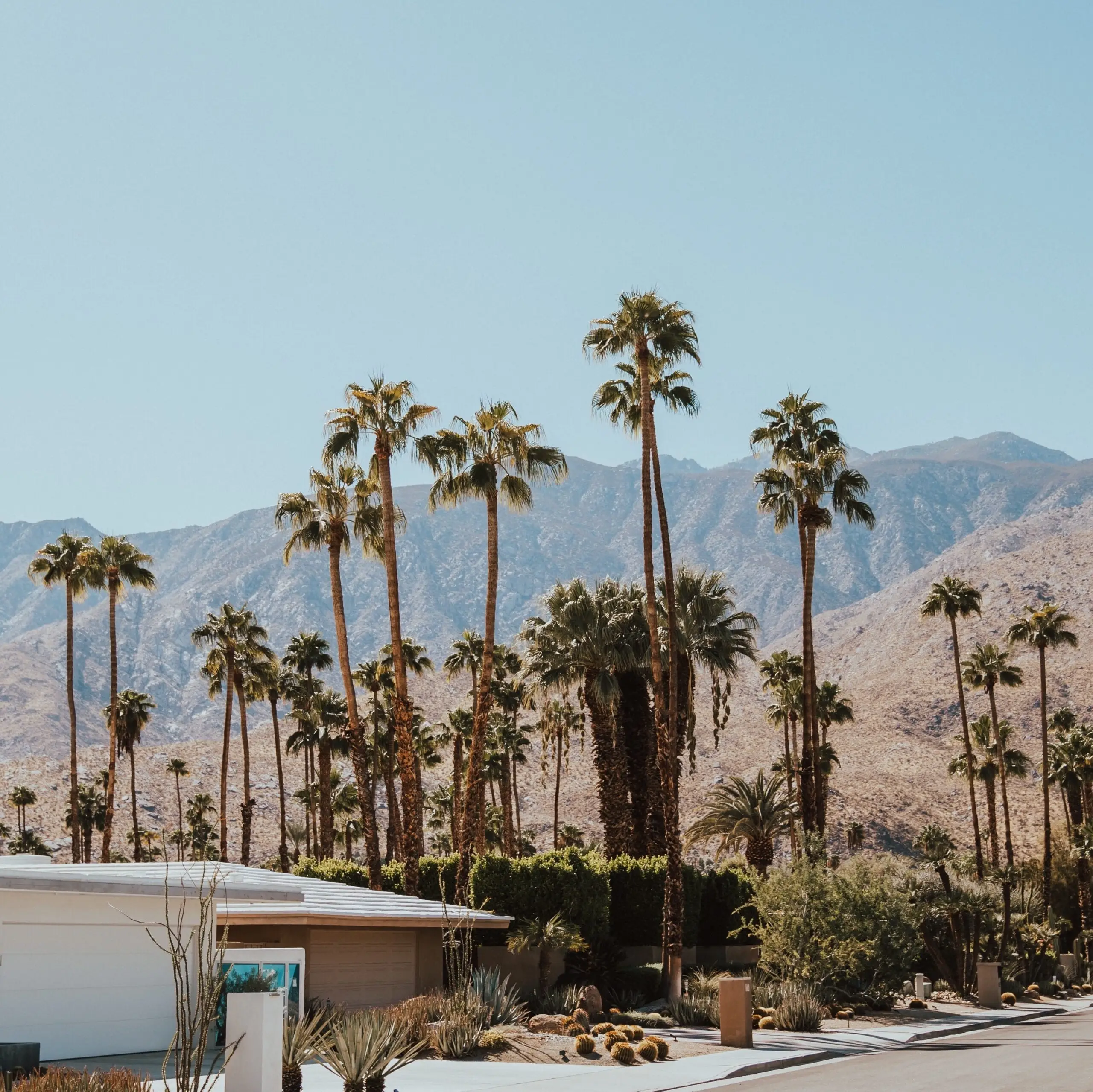
With mid-century charm, desert sun, and iconic poolside vibes, Palm Springs is the ultimate escape for unforgettable weekends and inclusive celebrations.
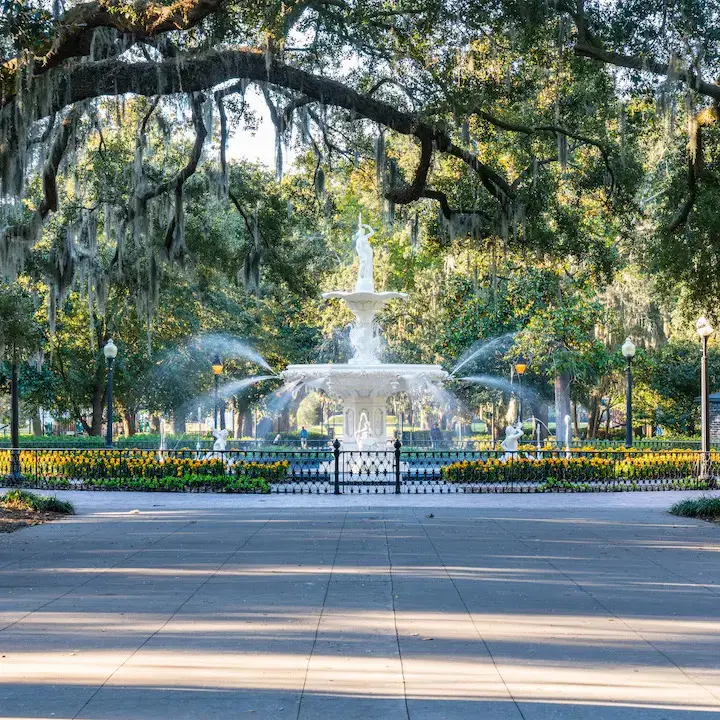
From cobblestone streets to coastal retreats, Savannah is the perfect place to sip, celebrate, and let loose. Open container laws make this one true party town.
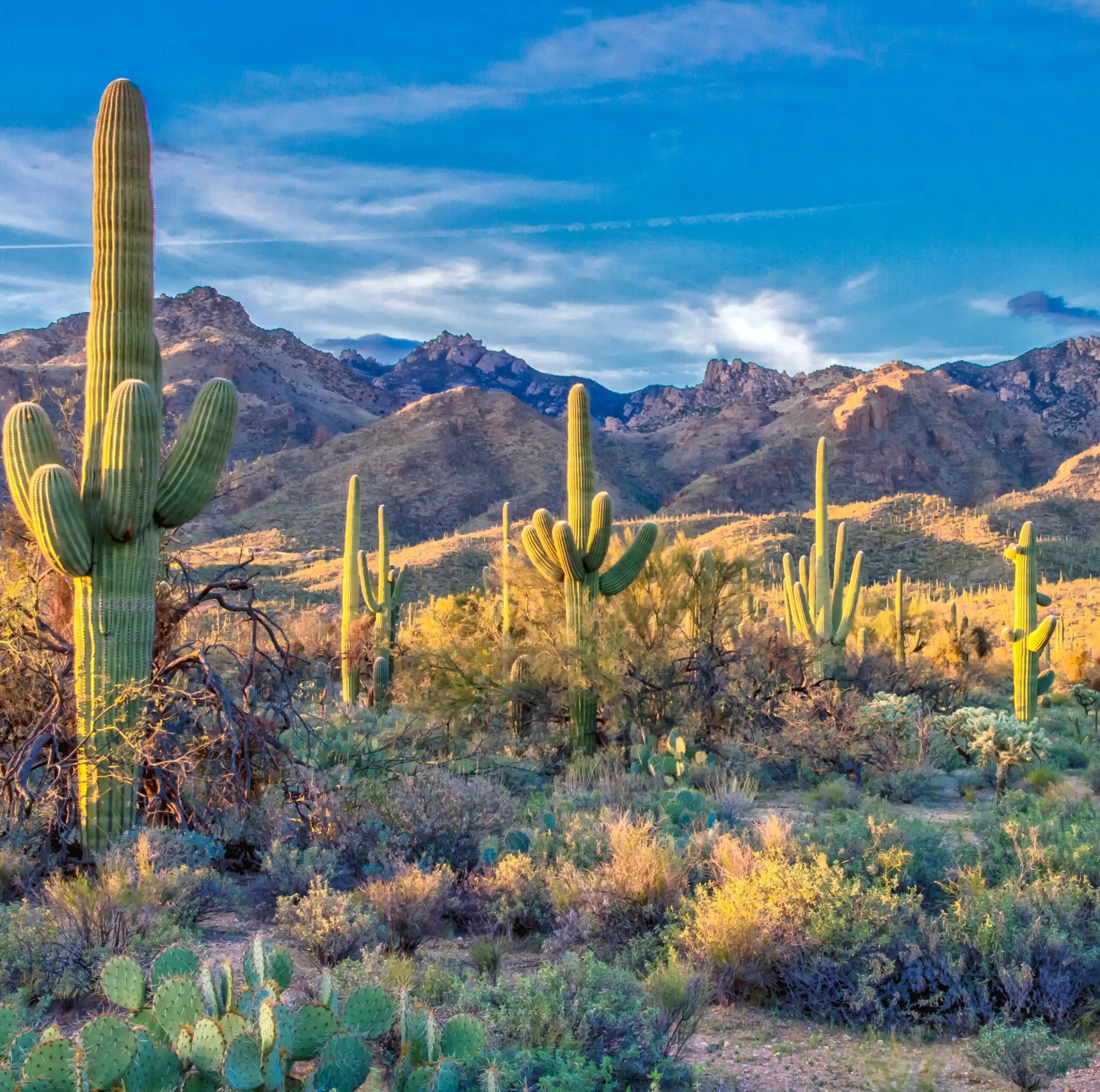
Planning a bachelorette party in Scottsdale? Cabana Boys is the #1 rated activity in town – charismatic hosts, poolside vibes, and memories the bride won’t stop talking about.
With mid-century charm, desert sun, and iconic poolside vibes, Palm Springs is the ultimate escape for unforgettable weekends and inclusive celebrations.
How to Plan Group Activities for Large Parties in 2026
The best large-group activity ideas you can use right now
The fastest way to plan group activities for large parties is to lead with formats that keep everyone moving at the same time. Waiting-your-turn kills energy faster than anything else. When fifteen people are watching one person think, the room deflates. The activities below are built around simultaneous play, team formats, and low setup time so nobody ends up on the sidelines.
Team scavenger hunts. Split guests into squads and send them after clues, photo challenges, or location-based tasks. Every team moves at once, which means no dead air and natural conversation within each group.
Group trivia with custom categories. Build rounds around inside jokes, shared TV shows, or fun facts about the guests. Teams collaborate on answers, so quieter participants stay involved without any spotlight pressure.
Minute to Win It Olympics. Run everyone through the same quick challenge simultaneously, tally points after each round, and crown a champion at the end. All you need is a stopwatch and a few household items, and the Olympics-style format keeps energy high across groups of five to fifty.
Station rotations (3–5 zones). Set up parallel activity stations and let guests rotate at their own pace. A craft bench, a trivia corner, a photo booth, and a lawn game zone can run simultaneously without a single bottleneck.
Photo challenge walk. Give teams a list of visual themes instead of physical items (“something that makes you laugh,” “the color red”) and let them loose with their phones. Sharing results at the end becomes its own event.
Storytelling circle with prompts. Use a hat-draw system so only volunteers speak when their name is drawn. It removes the “everyone stares at you” pressure while still generating genuine connection.
Social deduction games with apps. Apps like Plato automate game mastering for large-group deduction games, removing the need for a dedicated moderator and cutting setup time dramatically.
Outdoor movie night with crowd voting. Let guests vote on the film beforehand, set up a projector, and supply popcorn and blankets. Passive but social, and it scales to any crowd size.
Group cooking challenge. Assign teams a shared ingredient or theme, keep the dishes simple (tacos, pizzas, sandwiches), and let the competition drive the fun. The focus stays on collaboration, not culinary skill.
Live music jam or open stage. Invite participation without requiring it. Guests who want to perform can; everyone else enjoys the show. Optional involvement is a feature, not a flaw.
Axe throwing or arcade mixer. Venues like axe-throwing facilities and multi-game arcades let guests engage at their own intensity level. Some compete hard; others watch and cheer. Inclusive participation like this is what separates a good group activity from a great one.
Pro Tip:For groups above 30, always pair a high-energy activity with a low-key one running simultaneously. Not everyone peaks at the same time, and giving guests a choice keeps the whole room happy.
Why structured activities make large-group events work better
Unstructured time at a large party sounds freeing, but it usually produces clusters of people who already know each other and a lot of awkward hovering near the snack table. Planned activities solve that by giving everyone a shared task and a reason to talk to strangers.
Group cohesion builds faster when people work toward a common goal. Team formats create an instant “us,” which breaks down social barriers without anyone having to force small talk.
Energy stays consistent. A well-timed activity schedule prevents the mid-party lull that hits when guests run out of things to say. Structured engagement keeps the room moving.
Diverse personalities find their footing. Competitive guests can lean into the rivalry; introverts can contribute through writing, voting, or cheering. Good activity design accommodates both without singling anyone out.
Timing becomes predictable. When you know an activity runs 45 minutes, you can build a realistic schedule around it. Unstructured events drag or end abruptly; structured ones flow.
Mixed age groups participate comfortably. Team trivia, photo challenges, and station rotations work across generations because they don’t require physical ability or niche knowledge to enjoy.
Guest satisfaction goes up. People leave remembering what they did together, not just what they ate. Shared experiences create the stories guests retell for years.
How to plan and coordinate activities for large parties without losing your mind
The single biggest mistake hosts make is treating a large-party activity like a scaled-up version of a small one. Thirty people are not twelve people with extra chairs. The coordination layer is completely different, and it requires deliberate systems.
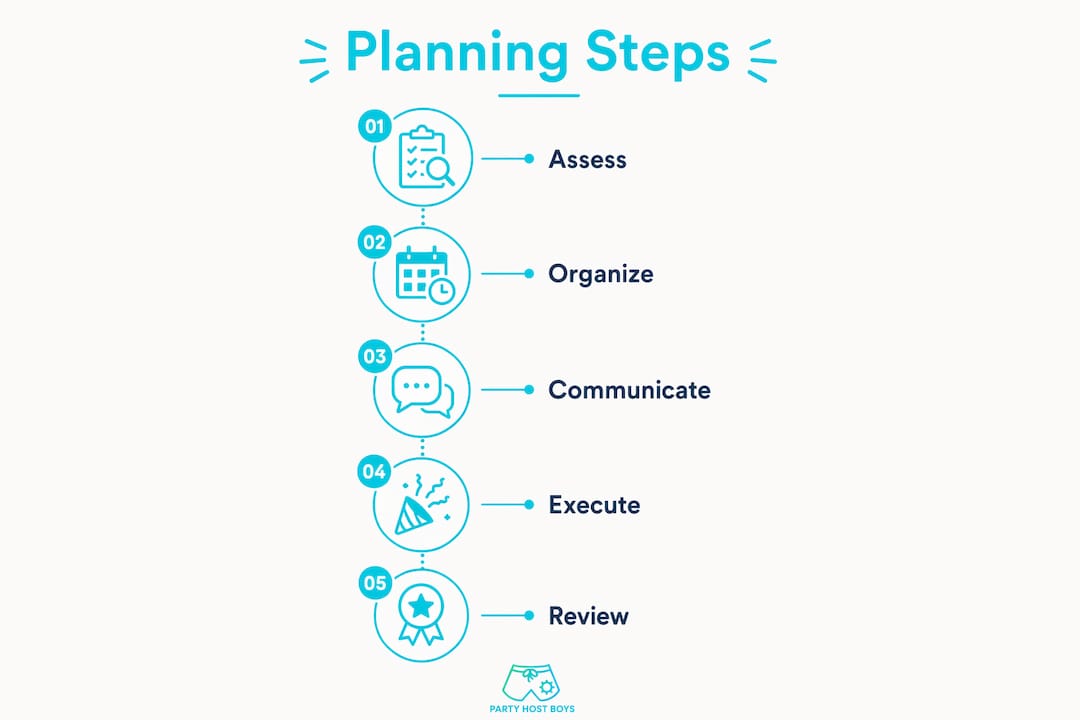
Start at least two weeks out. Advance planning gives you time to confirm vendors, gather RSVPs, and build contingency options. Weekend events at popular venues book fast; waiting until the week before is a gamble.
Centralize communication. Use a single group messaging thread, email list, or event app for all updates. Fragmented communication across texts, DMs, and calls is where logistics fall apart.
Assign specific roles. Designate one person to manage arrivals, one to troubleshoot activity flow, and one to handle vendor or venue contact. A clear role structure prevents everyone from doing the same thing while critical tasks go unhandled.
Use station-based or micro-experience formats. Instead of one monolithic activity, run 3–5 parallel stations that guests rotate through. This approach reduces wait anxiety and lets people engage at their own pace, which matters especially for groups above 20.
Build in buffer time. Flexible itineraries with transition windows outperform strict minute-by-minute schedules every time. Arrivals stagger, transitions take longer than expected, and rigid timelines create stress instead of fun.
Offer tiered participation. Not everyone wants to compete. Give guests the option to play, observe, or help facilitate. Transparent communication about costs and activity levels upfront prevents anyone from feeling excluded or blindsided.
Adapt rules on the fly. If a particular rule is slowing things down or confusing guests, change it. House rules exist for exactly this reason. The goal is maximum fun, not strict adherence to a rulebook.
Plan for no-shows and late arrivals. Confirm your headcount 48 hours before the event and build team structures that can absorb a few missing players without collapsing.
Pro Tip:Keep your activity rules explanation under two minutes. Lead with the goal (“the team with the most points wins”), do a quick demo round, then get people playing. They’ll figure out the finer points as they go.
Outdoor activity ideas that work for large groups
Outdoor settings give large groups room to breathe, and the best outdoor activities take advantage of that space by keeping everyone moving at once. Physical motion naturally encourages mingling in a way that standing around a venue never does.
Team scavenger hunt around town. Break guests into teams, hand out clue lists or photo challenge prompts, and set a clear finish point with refreshments waiting. Walkable areas with interesting stops (murals, historic spots, local shops) add texture without extra planning.
Nature walk or easy hike. Pick a scenic route accessible to varied fitness levels. Groups naturally break into smaller clusters as they walk, which creates organic conversation without any structured icebreaker.
Photo challenge walk. Give teams visual themes and let them loose. Sharing results at the end doubles as a second activity and generates genuine laughs.
Outdoor Olympics. Run simultaneous lawn games (cornhole, bocce, spikeball, ladder toss) in a bracket format. Multiple games running at once means no one waits, and the point tally builds excitement through the afternoon.
Group cooking or grilling challenge. Set up portable grills or cooking stations outdoors, assign teams a theme ingredient, and keep the dishes simple. Fresh air and friendly competition make even basic food taste better.
Outdoor movie night. A projector, a white sheet or inflatable screen, and a grassy area are all you need. Crowd-vote the film in advance so guests feel invested before the first frame.
Potluck picnic with a purpose. Assign food categories to small clusters and ask each to bring something tied to a personal story. Food creates natural conversation without any performance pressure, and it scales easily from 20 to 100 guests.
Weather contingency is non-negotiable for outdoor events. Identify a backup indoor space or tent option before the day arrives, not during it.
Indoor activity ideas that keep large groups engaged
Indoor events have a different challenge: managing flow and visibility in a contained space. The fix is almost always the same. Break the room into zones, give each zone a purpose, and let guests move between them freely.
Group trivia with custom rounds. Set up a slideshow, hand out numbered answer sheets to teams, and run 4–6 rounds on topics your specific crowd will recognize. Familiar categories lower hesitation; teamwork keeps quieter guests involved.
Interactive cooking challenge. Portable cooking stations, a shared theme ingredient, and simple dishes (tacos, flatbreads, sliders) turn a kitchen or catering space into a competition floor. The collaboration is the activity, not the cooking skill.
Arcade or game zone mixer. Multi-game venues with pool tables, darts, cornhole lanes, and retro games let guests drift between activities based on their energy. Nobody feels put on stage, and the variety keeps the room from going flat.
Live music jam or open stage. Optional participation is the key feature here. Guests who want to perform sign up; everyone else enjoys the atmosphere. It works especially well when the music matches the crowd’s taste.
Storytelling circle with hat-draw prompts. Interesting prompts (“a time you got completely lost,” “your most unexpected travel moment”) combined with a volunteer-only draw system create genuine connection without forcing anyone into the spotlight.
Social deduction games. For groups that enjoy strategy and bluffing, large-format deduction games run through apps handle the game mastering automatically, removing the need for a dedicated moderator and keeping setup fast.
Party game tournament. Games built around simultaneous play, like Telestrations, Codenames, or Jackbox Games, work because everyone is drawing, writing, or voting at the same time. Nobody waits; nobody checks their phone.
For indoor spaces, arrange seating in a circle or U-shape so guests at the edges don’t feel cut off from the action. A long, narrow setup where people at the ends can’t hear or see is one of the fastest ways to fragment a large group.
What Party Host Boys know about scaling large-group entertainment
Scaling entertainment for a large party is less about finding the right activity and more about designing the right conditions for connection. That’s the core insight behind how Cabana Boys and Cocktail CowBoys approach every event they host.
This mirrors what event design research consistently shows: curated micro-events improve engagement and personalization for large mixed groups far more effectively than a single unified activity. Cabana Boys and Cocktail CowBoys build this principle into every event by running parallel activity stations while their hosts circulate to facilitate games, serve refreshments, and keep energy high across the whole room.
The tactical details matter as much as the concept. Their hosts manage guest flow by identifying natural gathering points and redirecting traffic before bottlenecks form. They personalize interactions by reading the room, adjusting their energy to match the crowd, and knowing when to dial up the competition and when to let the atmosphere breathe. That kind of real-time calibration is what separates a specialty host from a generic event staffer.
Party Host Boys’ recognition as the #1 bachelorette experience in top US party destinations, including features on Shark Tank and in the New York Times, reflects a consistent track record of making large groups feel like intimate, personalized parties. The guest experience they deliver comes from treating every event as its own design problem, not a template to repeat.
Pro Tip:Assign one host per roughly a dozen to two dozen guests as a general benchmark. Below that ratio, guests in the far corners of the room start to feel forgotten, and energy in those areas drops noticeably.
How to handle unexpected challenges during large group activities
Something will go sideways. A vendor runs late, a key activity falls flat, half the group arrives 45 minutes after the start time. The hosts who manage large events well are the ones who plan for disruption, not just for the ideal scenario.
When turnout is lower than expected, restructure teams on the spot rather than running an activity designed for a larger group with gaps. Smaller teams with the same format almost always work fine. If an activity genuinely requires a minimum headcount, have a backup option ready that scales down cleanly.
When an activity loses the room, cut it short and pivot. Announcing “we’re going to switch things up” lands far better than grinding through something that isn’t working. Guests respect a host who reads the room; they resent one who doesn’t.
When arrivals stagger, use a low-stakes warm-up activity (a photo challenge, a trivia icebreaker, a casual game zone) that latecomers can join mid-stream without disrupting the group. This is exactly why buffer time in the schedule matters so much.
When a technical setup fails (projector, sound system, app), have an analog backup. A trivia game that runs off a slideshow can run off printed cards. A playlist that needs a speaker can run off a phone propped against a bowl. Redundancy at the setup level prevents a single point of failure from derailing the whole event.
When group dynamics get uneven (one team dominating, one person monopolizing), house rules are your best tool. Rotate team compositions mid-event, introduce a handicap round, or shift to a format where the whole group votes rather than a single judge decides. Keeping the competition friendly is the host’s job, not the rulebook’s.
Safety and risk management for large group activities
Safety planning for large group events is mostly about anticipating the predictable: crowding, physical activity injuries, dietary needs, and weather. None of these are surprises if you plan for them in advance.
Venue capacity and flow come first. Confirm that your venue can comfortably hold your guest count with room to move, not just room to stand. Overcrowded spaces raise stress levels and create genuine hazards near exits and activity zones. Map out where bottlenecks are likely to form and address them in the setup before guests arrive.
Physical activities need clear safety briefings. For anything involving equipment (axe throwing, obstacle courses, outdoor sports), give a short safety explanation before the activity starts and designate a point person to monitor participation. Guests should know what the boundaries are and feel comfortable opting out without social pressure. Inclusive design means some guests compete, some observe, and both are equally valid choices.
Dietary restrictions and allergies require advance communication. Collect this information during the RSVP process, not on the day of the event. If food is part of the activity (cooking challenges, potluck formats), label dishes clearly and have safe alternatives available.
Weather contingency for outdoor events is non-negotiable. Identify a backup indoor space before the event date and communicate the contingency plan to guests in advance. A last-minute venue scramble in a rainstorm is avoidable with one extra planning step.
Emergency contacts and first aid should be established before the event starts. Know where the nearest urgent care facility is, have a basic first aid kit on site, and make sure at least two people in your organizing team have the venue’s emergency contact information. For events above 50 guests, a designated safety coordinator is worth assigning explicitly.
Reviewing guest experience feedback after each event is one of the most practical ways to catch safety gaps you didn’t notice in the moment. Patterns in guest comments often surface issues that organizers miss because they were too busy running the event to observe it.
Key Takeaways
The most effective way to plan group activities for large parties combines simultaneous-play formats, station-based setups, and flexible itineraries that absorb the unpredictability every large event brings.
Point
Details
Lead with simultaneous play
Activities where everyone acts at once prevent the energy drain of waiting-your-turn formats.
Use 3–5 parallel stations
Station rotations reduce bottlenecks and let guests engage at their own pace for groups above 20.
Start planning two weeks out
Advance booking, centralized communication, and role assignment prevent the most common coordination failures.
Build in buffer time
Flexible itineraries with transition windows outperform rigid minute-by-minute schedules for large groups.
Plan for disruption
Backup activities, analog fallbacks, and house-rule flexibility keep the event on track when something goes sideways.
Make your next large party unforgettable with Cabana Boys and Cocktail CowBoys
Planning a large party is one thing. Delivering an experience guests actually talk about afterward is another. Cabana Boys and Cocktail CowBoys specialize in exactly that gap, bringing high-energy, personalized hosting to bachelorette parties, birthdays, and group trips across the country’s top party destinations.
Their hosts don’t just serve drinks. They facilitate games, manage group energy, keep the space tidy, and make every guest feel like the event was designed specifically for them. That’s the difference between a party that runs and a party that lands.
If you’re ready to hand off the coordination and focus on actually enjoying your event, explore the Cabana Boys party experience and see why Party Host Boys has been recognized as the #1 bachelorette experience in the US. For a broader look at scaling party entertainment for large events, their 2026 guide covers the full picture.



 Austin
 Charleston
 Los Angeles & Orange County
 Miami
Miami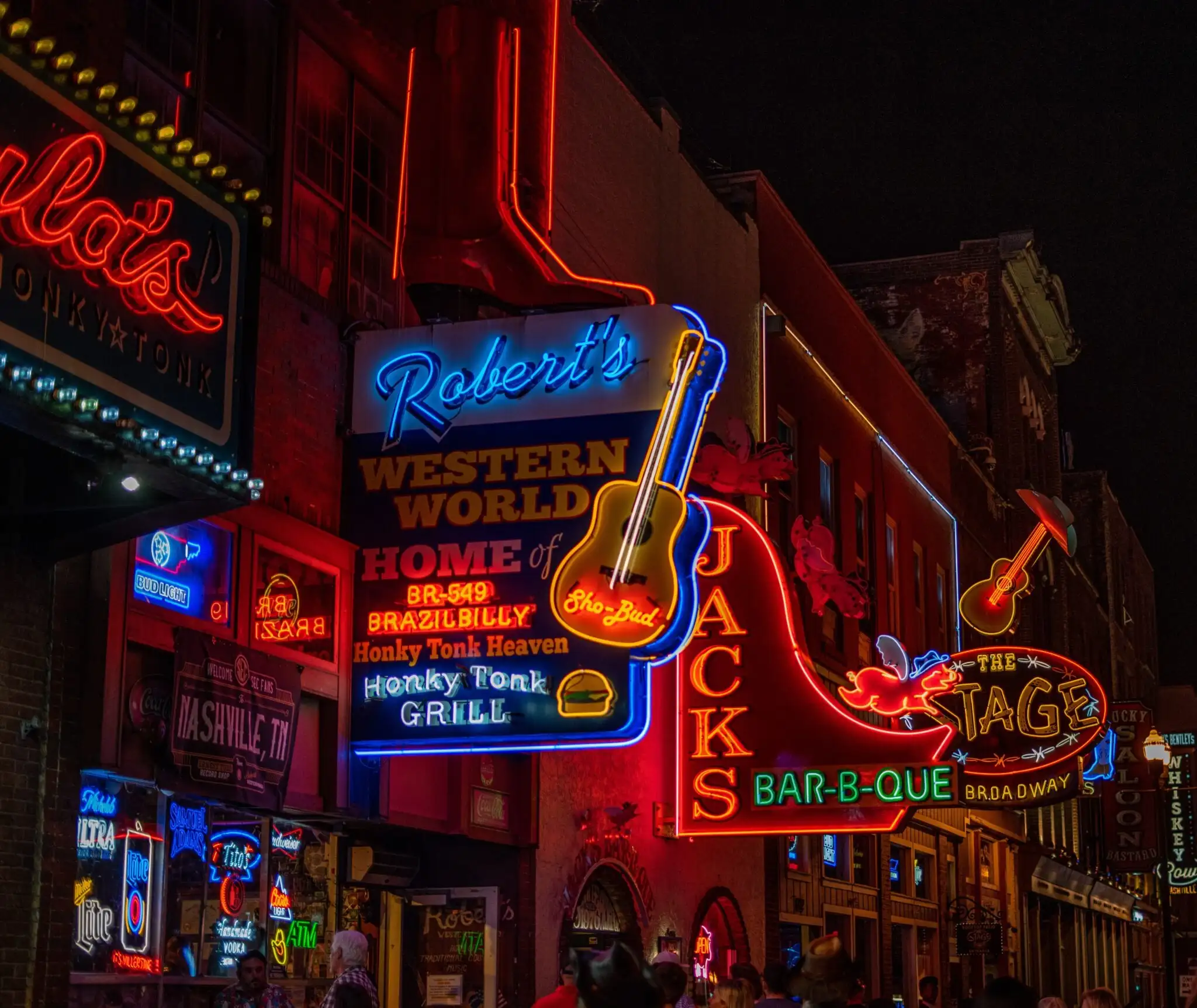 Nashville
 Palm Springs
 Savannah
 Scottsdale
 San Diego
 30A / Destin
 Cabana Boys
 Cocktail CowBoys
 Signature Party
 Brunch
 Game Night
 Cabana Glow
 Bagel Boys
 Party Bus
 Line Dancing
 Austin