🦈As Seen on Shark Tank 🦈 Book the Boys everyone is talking about • 🦈As Seen on Shark Tank 🦈 Book the Boys everyone is talking about • 🦈As Seen on Shark Tank 🦈 Book the Boys everyone is talking about • 🦈As Seen on Shark Tank 🦈 Book the Boys everyone is talking about • 🦈As Seen on Shark Tank 🦈 Book the Boys everyone is talking about • 🦈As Seen on Shark Tank 🦈 Book the Boys everyone is talking about • 🦈As Seen on Shark Tank 🦈 Book the Boys everyone is talking about • 🦈As Seen on Shark Tank 🦈 Book the Boys everyone is talking about • 🦈As Seen on Shark Tank 🦈 Book the Boys everyone is talking about • 🦈As Seen on Shark Tank 🦈 Book the Boys everyone is talking about • 🦈As Seen on Shark Tank 🦈 Book the Boys everyone is talking about • 🦈As Seen on Shark Tank 🦈 Book the Boys everyone is talking about • 🦈As Seen on Shark Tank 🦈 Book the Boys everyone is talking about • 🦈As Seen on Shark Tank 🦈 Book the Boys everyone is talking about • 🦈As Seen on Shark Tank 🦈 Book the Boys everyone is talking about • 🦈As Seen on Shark Tank 🦈 Book the Boys everyone is talking about •
Hire the Cabana Boys to elevate your event with personalized party hosting and bartending services for 2-4 hours. These charming, vetted gentlemen will serve drinks, entertain, keep the area tidy, and make your event unforgettable, whether it’s a pool party, bachelorette, or themed event.
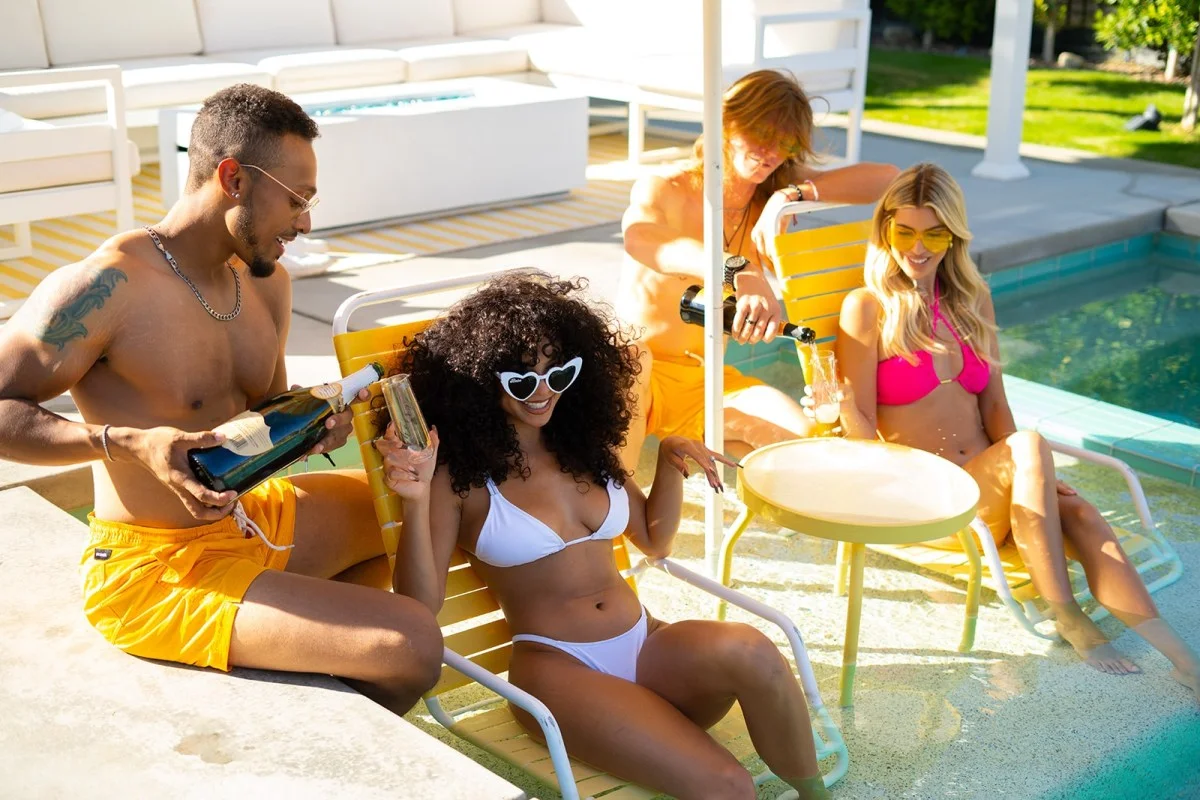
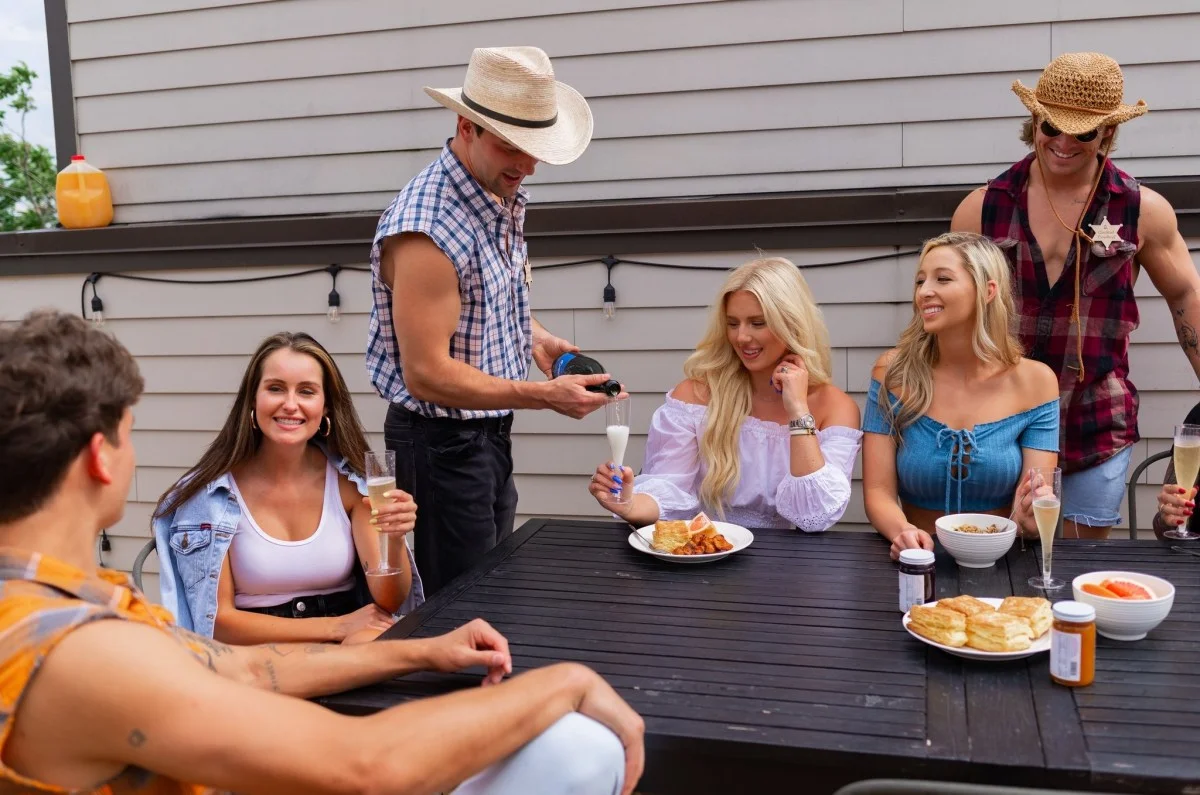
Gourmet brunch from local favorites, bottomless mimosas, music, and party games — hosted poolside by the Cabana Boys. The easiest, most-talked-about morning of the weekend.
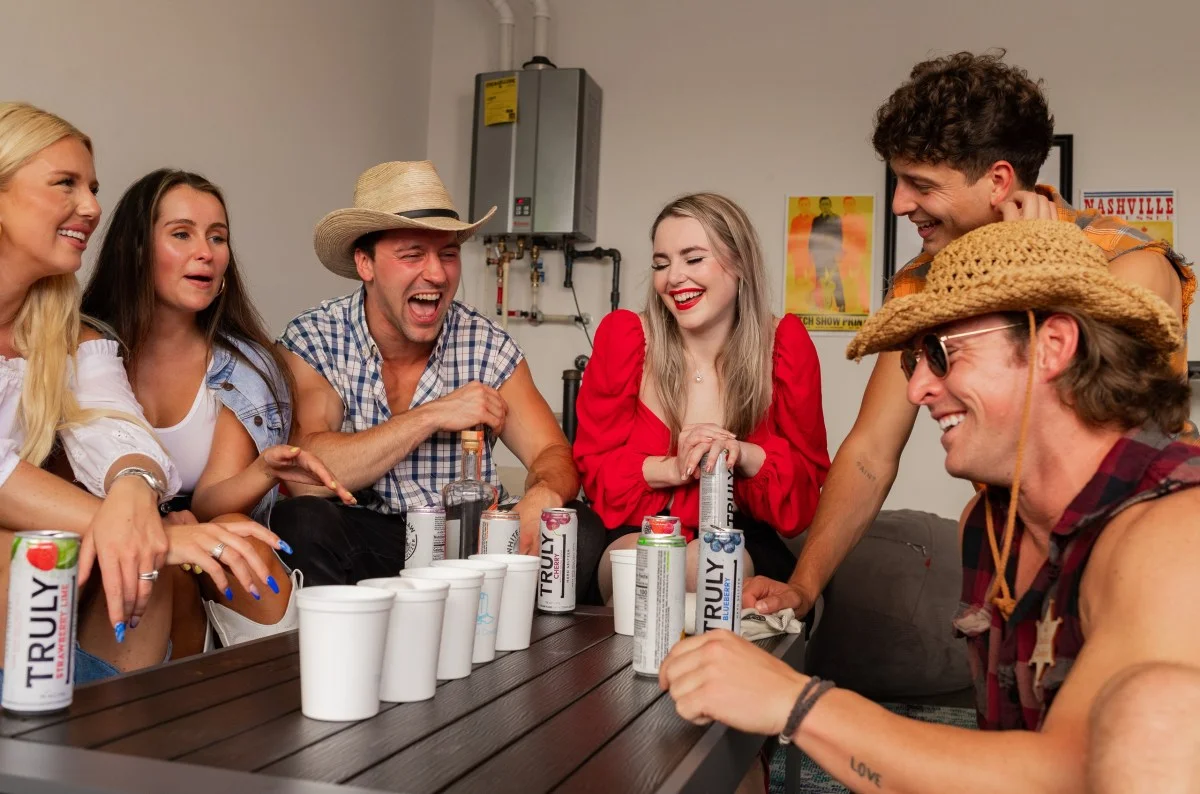
We bring tons of game ideas and supplies – bachelorette games, drinking games, signature games, fun icebreakers, music games, and more – that we will host at your Airbnb. We can also help facilitate any games that you have in mind. Think of us as game show hosts, but in a sexy pool boy kind of way.
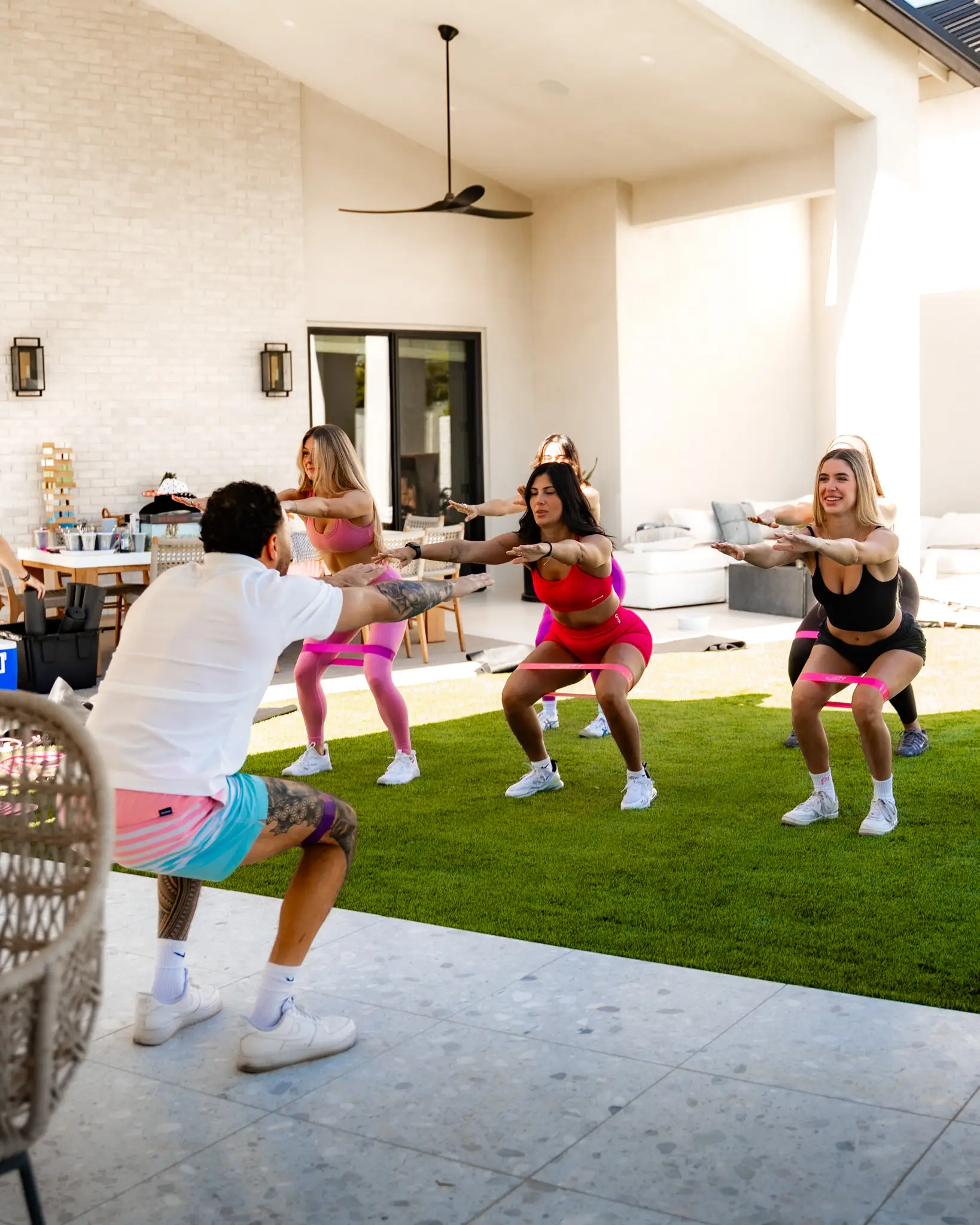
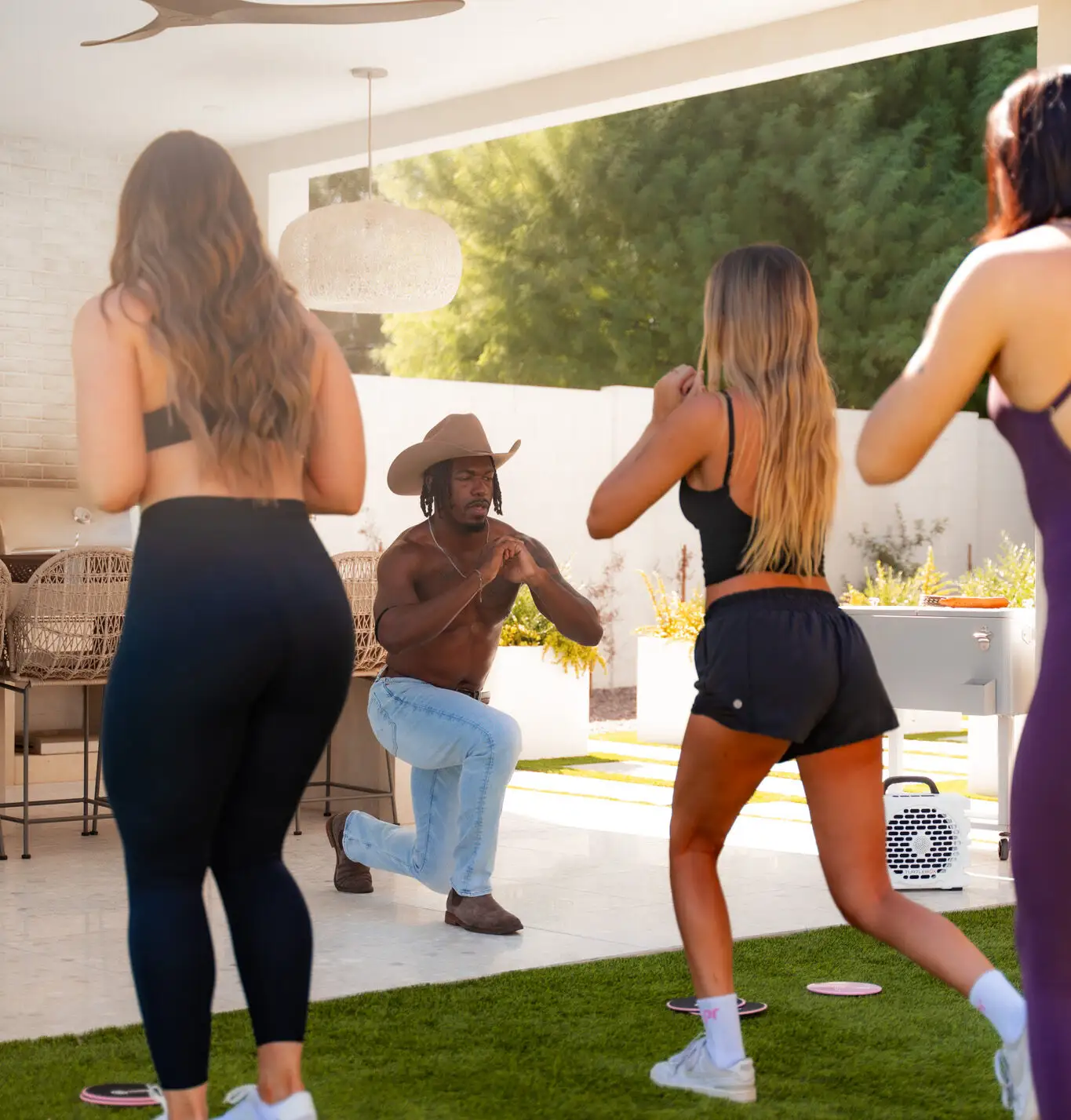
We’ll lead you through a fun, high-energy 45-minute workout with mats, bands, and sliders – then flip straight into party mode. Think of it as a fitness class that ends with your own private pool boy hosts keeping the vibe alive.
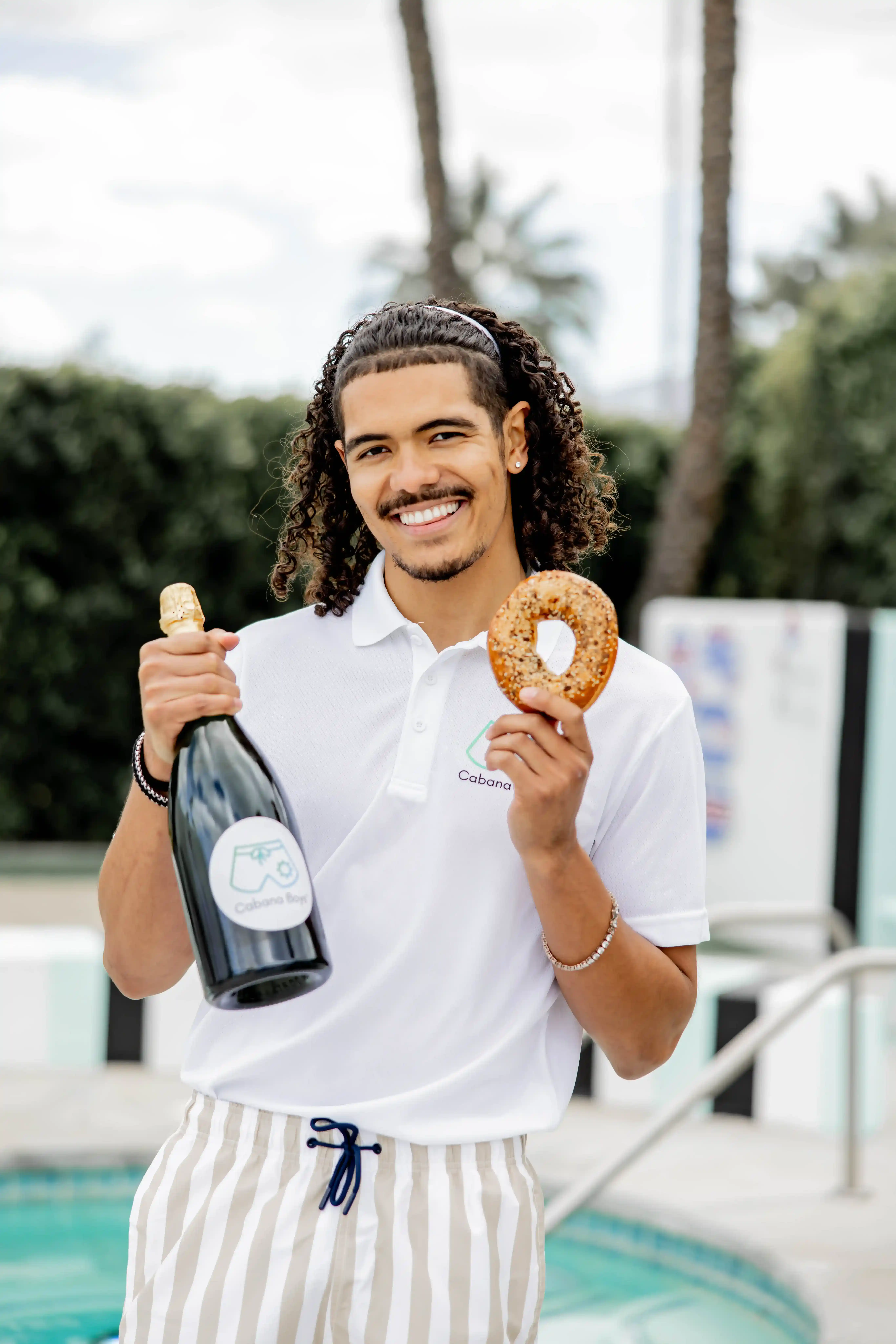
Kick off your morning with a visit from one of our hand-picked gentlemen who will set up a delicious spread with a dozen of gourmet assorted bagels, two tubs of delicious cream cheese, a large container of hot coffee, and a carafe of fresh orange juice.
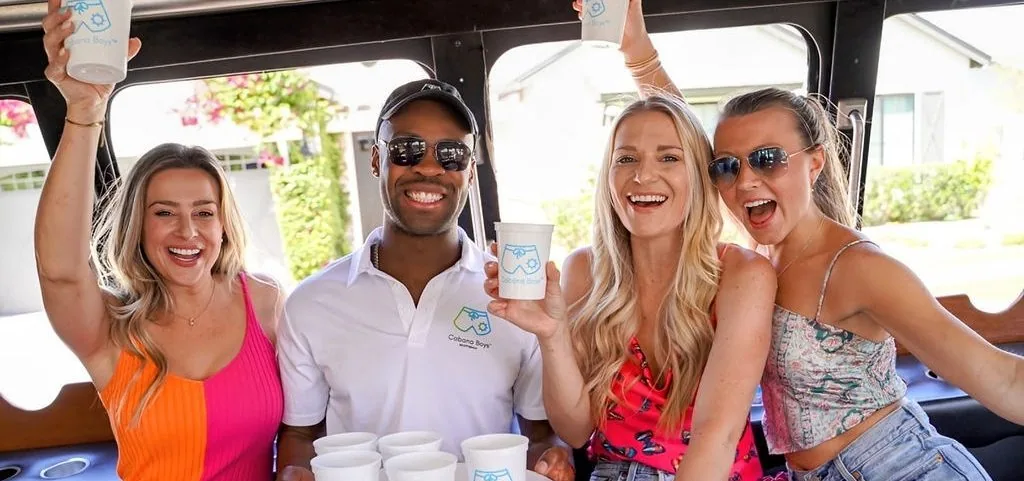
Hop on the luxurious, air conditioned party bus and we’ll cruise around Old Town, bumping music, dancing, drinking, and playing some signature games. We’ll make stops at our partner bars, where you’ll access some exclusive drink specials.
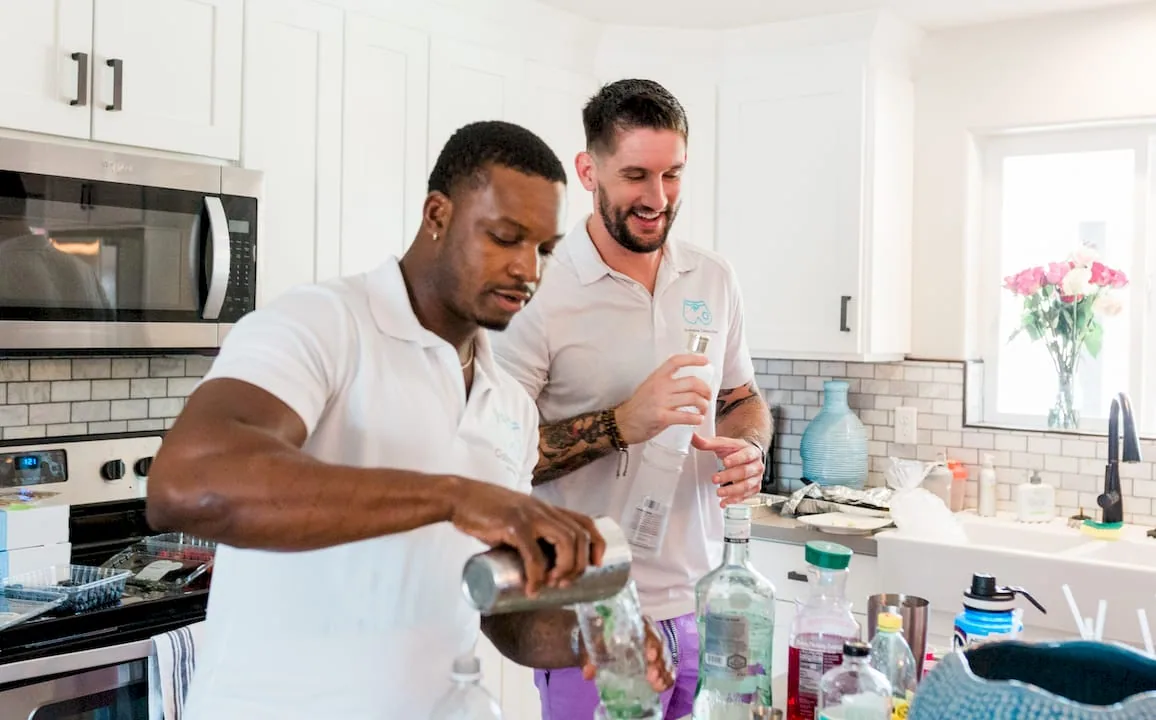
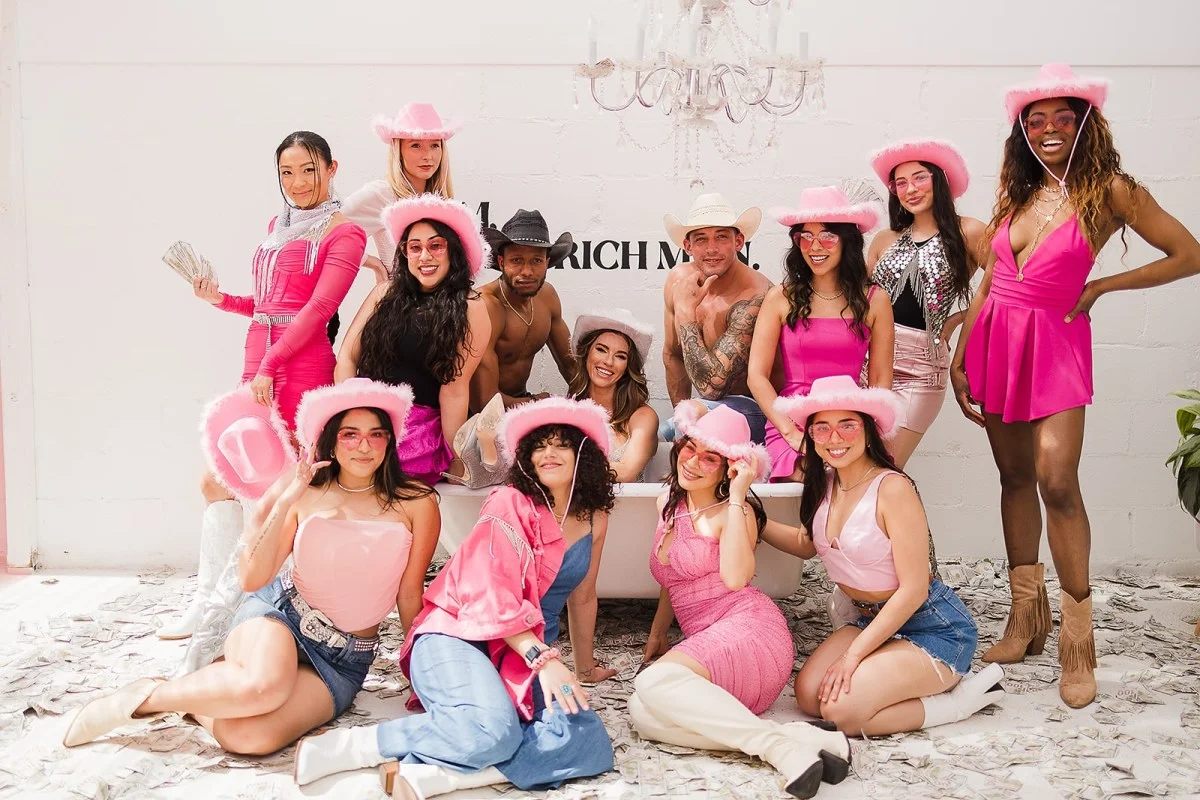
Our Cocktail CowBoys are at your service — we’ll serve you drinks and refreshments, take pictures (or pose with you), be Spotify DJs, help with party/drinking games, keep the party area tidy, keep you company and take out the trash when we leave.
Two Cocktail CowBoys will deliver brunch for you and your crew and get you back into celebration mode. They’ll set up breakfast for you, pour mimosas, turn on some tunes, host some party games, help you nurse your hangover, and keep the party area clean.
Take a break from the bars and get ready for the perfect night in with your gals… a Cocktail CowBoys game night! We bring tons of game ideas and supplies – bachelorette games, drinking games, signature games, fun icebreakers, music games, and more!
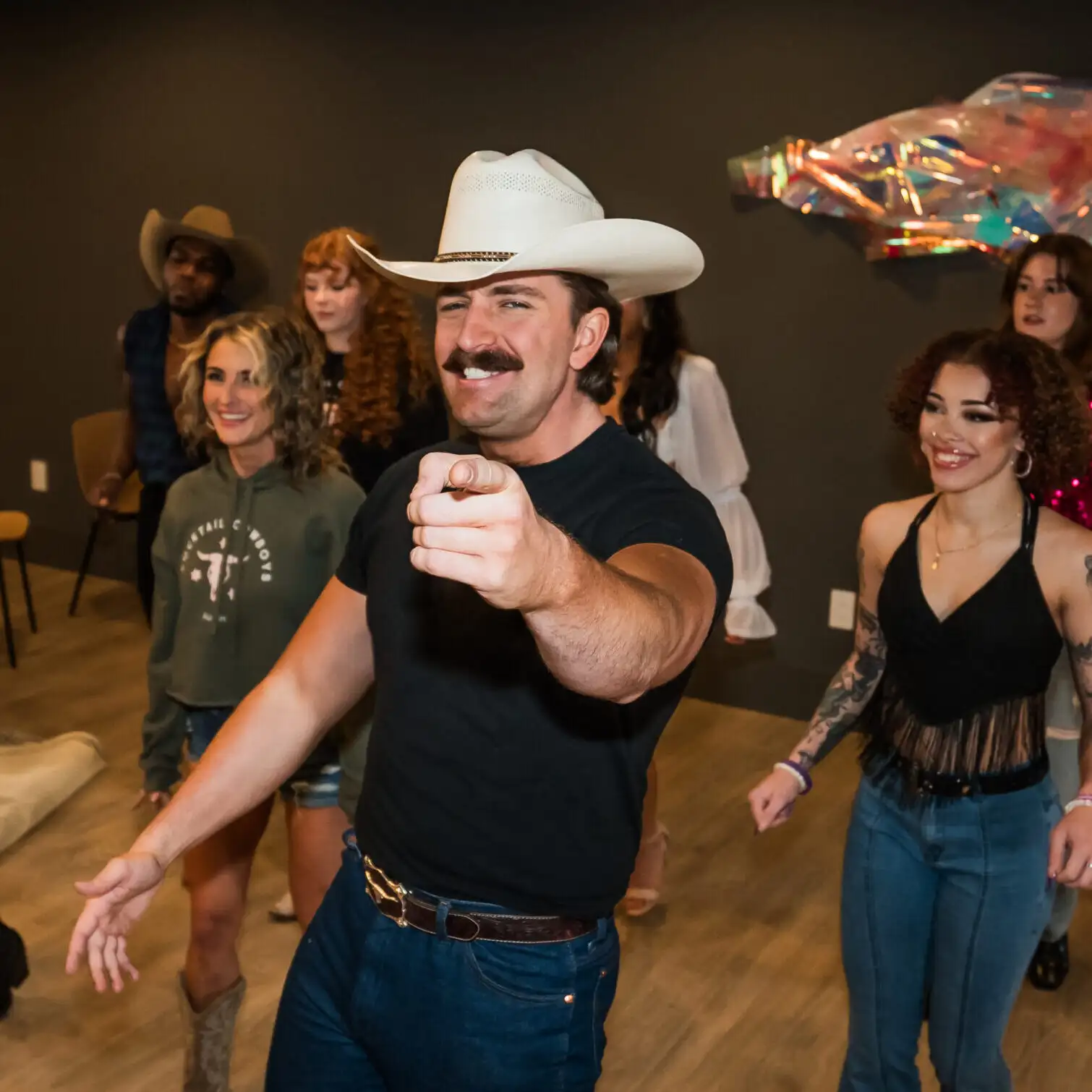
A honky-tonk adventure with cowboy charm, dancing, and unforgettable memories. Your personal party crew for a wild night of bars, boots, and Broadway debauchery.
Kick off your day with a 45-minute cowboy-led workout, then roll right into an hour of games, drinks, and hosting. Think of it as fitness meets Western hospitality — charming, playful, and unforgettable.
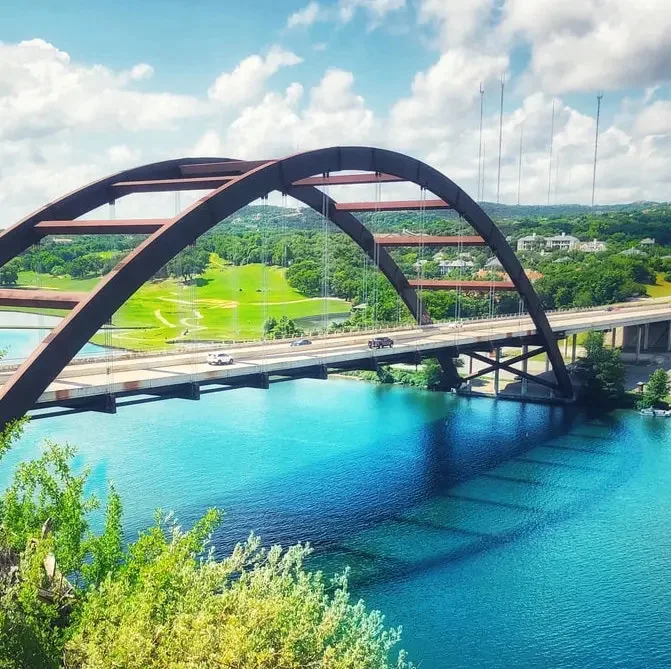
Grab your boots and head to the ultimate spot for unforgettable parties, legendary food, and live music that never stops. Saddle up for an epic Austin weekend!
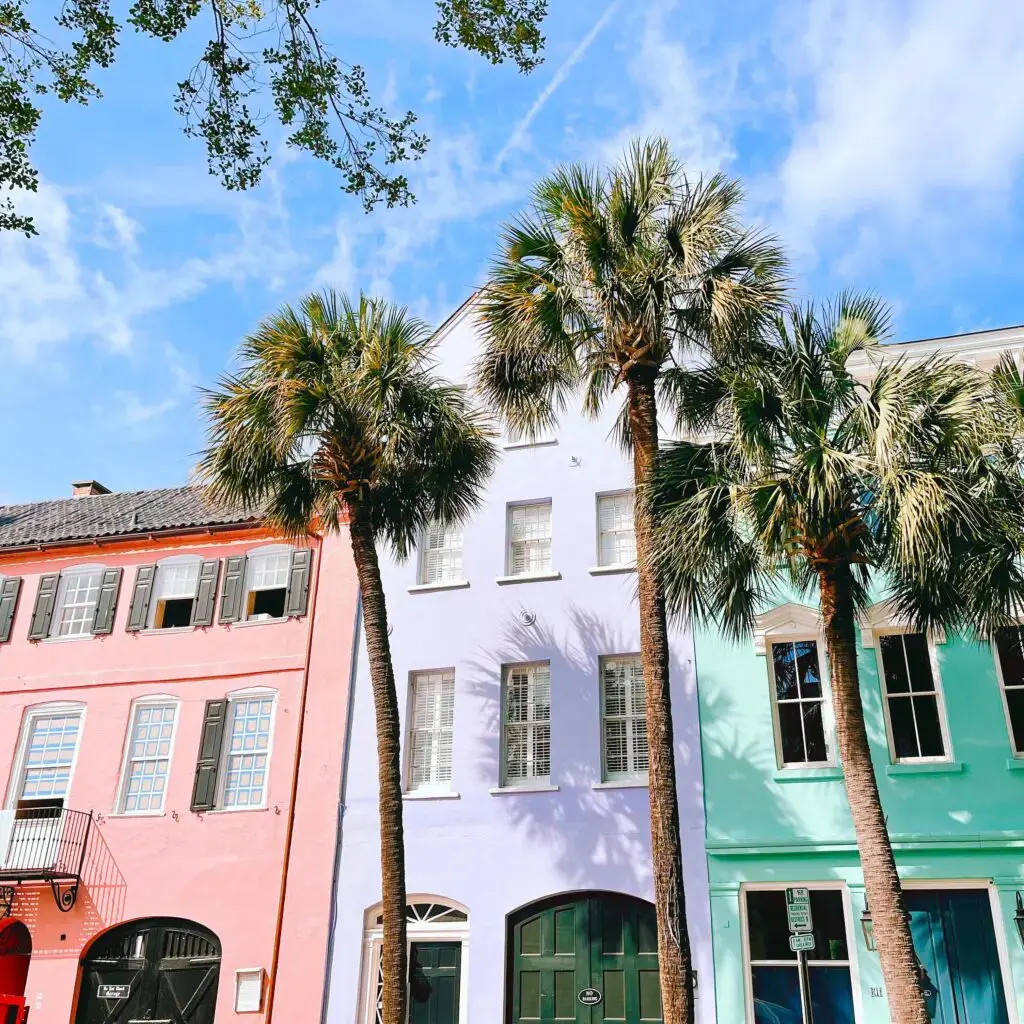
With cobblestone streets, pastel sunsets, and rooftop bars, Charleston has hospitality around every corner. Charm, style, and just the right amount of mischief.
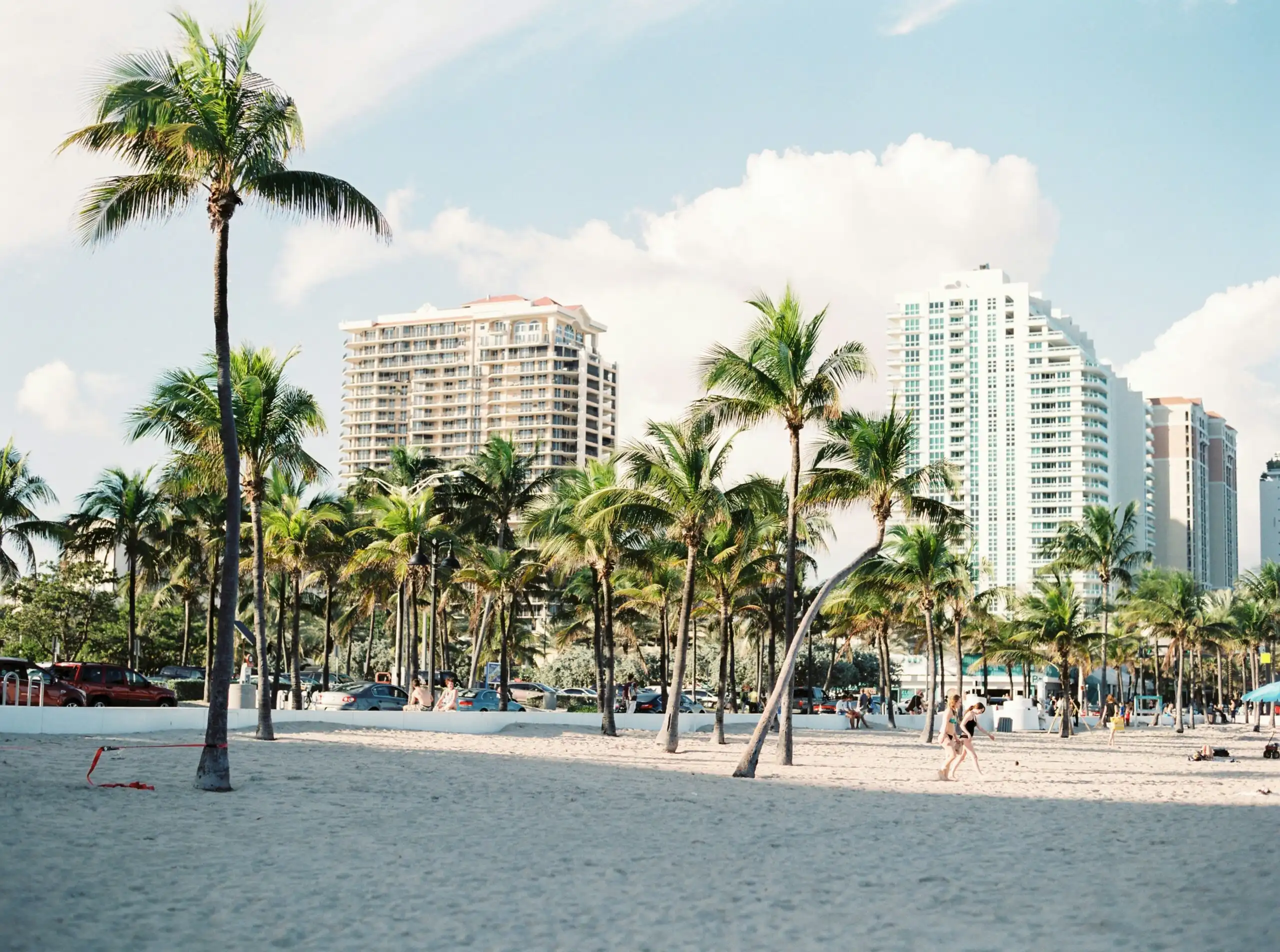
Sun, skin, and serious vibes—Miami and Fort Lauderdale are built for bold, unforgettable weekends. From pool parties to rooftop hangs, South Florida brings the heat.
With mid-century charm, desert sun, and iconic poolside vibes, Palm Springs is the ultimate escape for unforgettable weekends and inclusive celebrations.
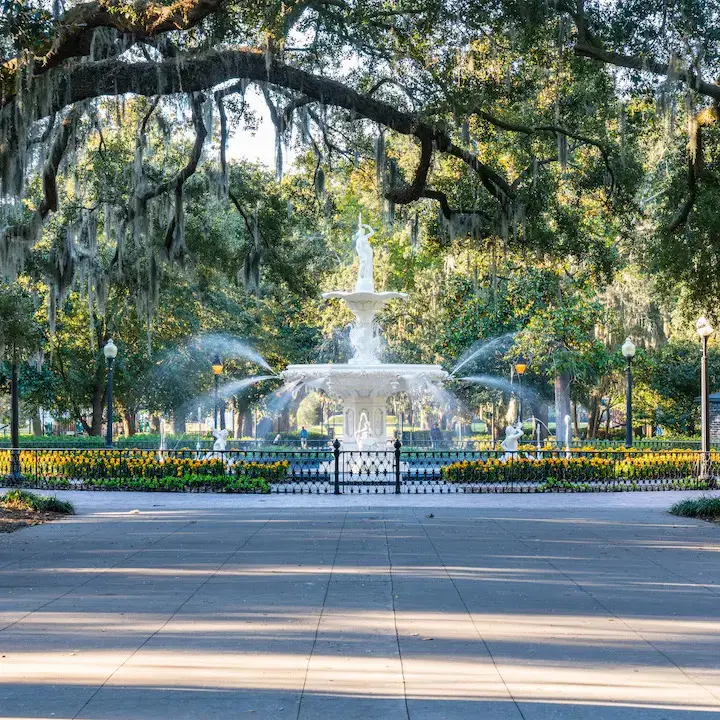
From cobblestone streets to coastal retreats, Savannah is the perfect place to sip, celebrate, and let loose. Open container laws make this one true party town.
Planning a bachelorette party in Scottsdale? Cabana Boys is the #1 rated activity in town – charismatic hosts, poolside vibes, and memories the bride won’t stop talking about.
With mid-century charm, desert sun, and iconic poolside vibes, Palm Springs is the ultimate escape for unforgettable weekends and inclusive celebrations.
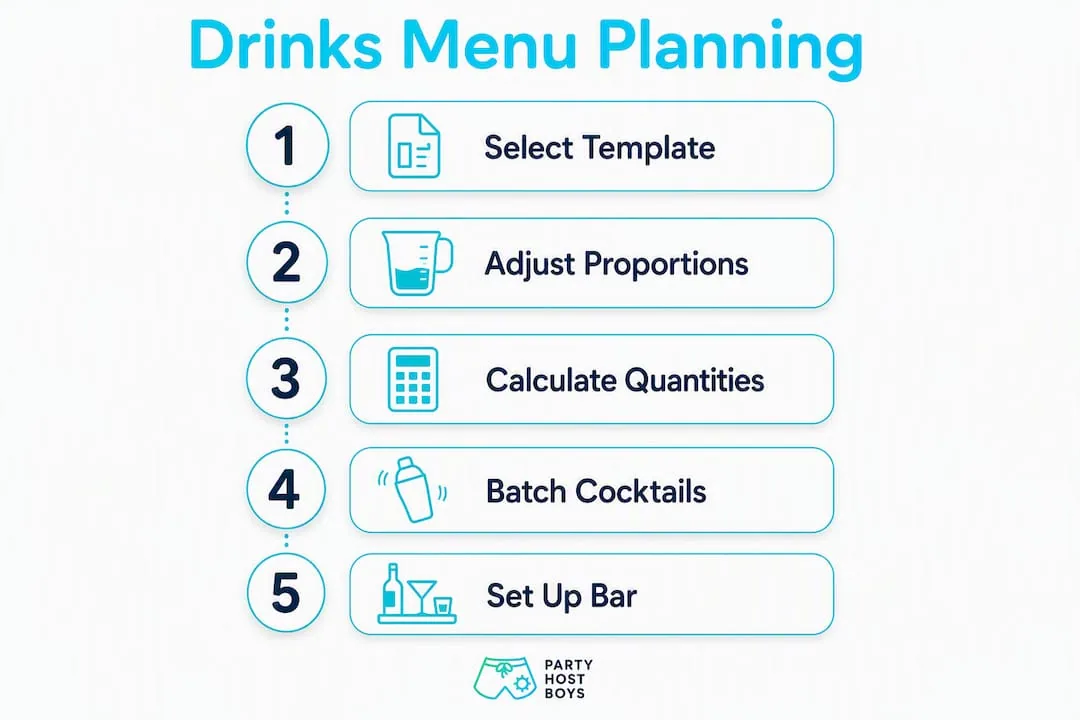
Plan a Drinks Menu for a Large Gathering: Templates & Math
A well-executed drinks menu for a large gathering centers on a few signature cocktails, a small wine selection (one red, one white), some beer options, a house spritz or sparkling option, and a portion of nonalcoholic volume. Batching with professional-grade syrups and pre-mixed components can significantly reduce bar service time for groups of 12 or more — which is exactly why every hired host should receive the plan before they arrive.
Quick-start checklist for your hired bartender:
Menu with measurements: a written recipe card for each signature cocktail, including batch volumes or single-serving specs
Batch volumes or bottle counts: total finished ounces per drink category, converted to bottles or cases
Staffing and bar layout brief: number of hosts, station positions, and service start time
Cabana Boys and Cocktail CowBoys are built to run this kind of menu. Hand them this plan, and they handle the rest.
What does a scalable drinks menu look like for different crowd sizes?
Templates cover most events. Choose one that matches your format, then adjust beverage category proportions accordingly.
For a party with multiple guests over several hours, plan estimated servings according to consumption patterns and cocktail share; convert to volume and bottle counts accordingly.
Glassware and garnish notes by template:
Casual backyard: pint cups or cans, citrus wedges prepped in bulk, no stemware required
Seated dinner: wine glasses (2 per guest minimum), coupe or rocks glass for cocktails, herb sprigs added per pour
High-energy party: plastic stemless wine glasses, highballs, garnish trays prepped 30 minutes before service
Choose a theme-aligned signature cocktail based on season or destination. A summer Nashville bachelorette calls for something citrus-forward or tequila-based; a fall birthday dinner leans toward a spiced bourbon or apple spritz. The garnish follows the spirit: citrus wheels for bright cocktails, cinnamon sticks or dehydrated fruit for warm-spiced ones. Keeping garnish prep consistent across all three cocktails (e.g., all citrus-based) cuts prep time significantly.
How do you calculate drink quantities and convert them to bottles?
The 2-1-1 rule is the industry standard: 2 drinks per person in the first hour, then 1 per person per subsequent hour. Add a 10–15% buffer for spills and late arrivals.
Worked example: 50 guests, 4-hour event
First hour: 50 × 2 = 100 drinks
Remaining 3 hours: 50 × 3 = 150 drinks
Subtotal: 250 drinks
Add 15% buffer: 250 × 1.15 = 288 drinks total
Converting to bottles:
Assign each drink category its percentage share (use the template table above)
Multiply total drinks by that share to get servings per category
Multiply servings by finished ounces per serving (typically 4–5 oz for cocktails, 5 oz for wine, 12 oz for beer)
Divide total ounces by the yield per bottle (750 ml = ~25 oz for spirits; standard wine bottle = ~5 glasses; case of 24 cans for beer)
Round up to the nearest full case or 6-pack
Simple cost estimate: multiply expected servings by your average per-drink cost, then add 15% for mixers, ice, and garnishes. Plan for sufficient ice per guest to keep drinks chilled and maintain quality throughout the event.
Contingency planning: if guest count rises 10–20%, keep one backup case of each spirit and a pre-batched backup container in the cooler. Confirm with your supplier that same-day or next-morning reorders are possible before the event date.
What are the professional rules for batching cocktails at scale?
Batch signature cocktails in advance but add fresh and carbonated ingredients shortly before service to maintain quality. Spirits, liqueurs, and syrups are shelf-stable and actually improve with resting time — flavors marry and round out overnight in the refrigerator.
Batching can reduce bar service time by up to 80% at gatherings of 12 or more when using professional-grade syrups or pre-mixed components. That frees your hired hosts to focus on guests, not glassware.
A reliable starting ratio for syrup-based cocktails: 2 oz spirit : 1 oz citrus : 0.75 oz syrup, then add 20–25% cold water to replicate ice dilution for shaken or stirred drinks. Before scaling, test a single-sample jar at your planned dilution, chill it for an hour, and taste it. Adjust before you multiply.
Carbonated mixers (tonic, soda, sparkling water) go in at the bar, not the batch. Set a pour-and-top ratio card at the station so any host can finish drinks consistently without measuring every pour.
Pro Tip:Label every sealed batch container with the recipe name, syrup Brix if applicable, and the time it was made. Any Cabana Boys and Cocktail CowBoys host can pick up service mid-event without hunting for notes.
How many bartenders do you need, and how should the bar be set up?
Staffing needs vary by service format; ratios depend on complexity of drink preparation and service style.
A significant portion of drinks are consumed in the first hour, so staff accordingly to manage that peak. Pre-pour the first round of signature cocktails before guests arrive.
Bar setup essentials:
Separate ice, mixer, and glassware stations to prevent bottlenecks
Position the bar away from the entrance so arriving guests don’t immediately crowd it
Keep trash and recycling bins within arm’s reach of the bar
Stage backup ice in a cooler behind the bar, not across the room
Dispensers, jiggers, service trays, and a backup bottle opener at every station
Cabana Boys and Cocktail CowBoys hosts are trained to work the room between pours. Position a secondary engagement zone (games, music, conversation) adjacent to but not blocking the bar so the guest experience stays high even during service rushes.
How do you build an inclusive nonalcoholic beverage lineup?
Allocate a reasonable portion of your total beverage volume to crafted nonalcoholic options, ensuring visibility and thoughtfulness.
Three mocktail concepts that scale and any hired host can run:
Shrub-based fizz: fruit-and-vinegar shrub concentrate topped with sparkling water, served over ice with a citrus wheel
Ginger-citrus mule: ginger beer, fresh lime juice, and a splash of orange juice in a copper cup
Infused iced tea or sparkling flavored water station: cold-brew hibiscus or mint tea in a dispenser, garnished with fresh herbs
Label every drink with simple shorthand: V (vegan), GF (gluten-free), SF (sugar-free). Keep mocktail ingredients physically separate from alcoholic components to avoid cross-contact. For special dietary requests, the special requests planning guide covers how to communicate these to your hired team at booking.
Pro Tip:Set up a dedicated mocktail station with its own signage and chilled glasses. Non-drinkers and designated drivers notice when they’re actually served, not just accommodated.
What responsible service basics should you confirm with your hired team?
Require a written responsible-service plan and proof of insurance from any hired bartending team before the event date. Verify that your hosts are prepared to check IDs and handle over-service situations.
Day-of responsible service checklist:
ID station at bar entry with a designated checker
Drink limits communicated to hosts for surge periods (typically the first 90 minutes)
Water and nonalcoholic options visible and accessible at all times
One named staffer with authority to refuse service
Copies of host credentials and any temporary permits kept at the bar
State alcohol laws vary. Direct your hired team to confirm compliance with your state’s alcohol service regulations before the event. Keep a printed copy of all permits and host credentials on-site.
What does the day-of timeline look like for a hired bartender?
Last 30 minutes: slow production, begin consolidating open bottles
Post-event: seal and label remaining batch, bag recyclables, wipe down stations
Supplies checklist: 1.5 lbs ice per guest (order extra for frozen cocktails), backup mixers, extra glassware (2–3 per guest), disposables, trash and recycling bins, cleaning cloths, and a first-aid kit.
Day-of brief template (1 paragraph):“Event at [location], [date], [start time]. Guest count: [X]. Signature cocktails: [names]. Batch containers labeled and in [cooler/fridge location]. Emergency contact: [name/phone]. Late guest-count additions: add from backup case in [location]. Lead host: [name].”
Contingency quick-fixes: identify the nearest restaurant supply store or grocery for emergency ice. Confirm a same-day delivery option with your spirits supplier before the event. Keep a backup mixer (soda water, juice) for every signature cocktail.
How should you store large quantities of beverages before and during the event?
Refrigerator space runs out fast at scale. Batch containers and white wine go in the fridge; red wine and spirits stay at cool room temperature (ideally 60–65°F). For events over 30 guests, rent or borrow a dedicated beverage cooler or use large insulated coolers packed with ice.
Store ice in sealed bags inside coolers, not loose in a bin where it melts faster. Fresh ice from a store or ice delivery service chills more efficiently than freezer-stored ice that has absorbed odors. Keep coolers out of direct sunlight and away from heat sources. During the event, assign one host to monitor ice levels and restock every 30 minutes.
For beer and canned beverages, a rolling cooler or dedicated drink tub near the bar keeps service fast without requiring the bartender to leave the station. Batch containers should sit in an ice bath or dedicated cooler within arm’s reach of the pour station.
How do you handle waste and cleanup after drink service?
Set up trash and recycling bins before guests arrive, one pair per bar station. Label them clearly. Assign cleanup responsibility to a specific host so it doesn’t fall to the event organizer at the end of the night.
Consolidate open bottles immediately after service ends. Seal batch containers and refrigerate anything with citrus or dairy within two hours. Recycle glass and aluminum separately. Wipe down bar surfaces with a food-safe cleaner, bag used garnishes, and dispose of ice melt water before it pools.
For large events, a simple cleanup kit at each station (trash bags, a spray bottle, and a stack of bar towels) keeps the process fast. Cabana Boys and Cocktail CowBoys hosts include light event cleanup as part of their service, so the bar area stays tidy throughout the event and closes cleanly.
Party Host Boys handles the whole drinks plan for you
Hiring a professional team means you hand over this guide and show up to your own party.
Cabana Boys and Cocktail CowBoys bring the menu expertise, the batching know-how, and the energy to run a full bar for any size gathering. Party Host Boys is recognized as the #1 bachelorette experience in top US destinations, has been featured on Shark Tank and in the New York Times, and author Nelson brings hands-on expertise to every booking. When you inquire, share your guest count, event format, preferred spirits, any dietary needs, and your timing. The team handles menu curation, batch prep, staffing, and day-of execution.
Ready to book? Start your inquiry and get a team that already knows this plan by heart.
Key Takeaways
A well-planned drinks menu for a large gathering requires the right menu mix, accurate quantity math, professional batching, and a staffed bar that can handle the first-hour consumption spike.
Point
Details
Menu composition
Build around 2–3 signature cocktails, wine, beer, a spritz, and 20–30% nonalcoholic volume.
Quantity math
Use the 2-1-1 rule (2 drinks/person hour one, 1 per hour after) and add a 10–15% buffer to all totals.
Batching rules
Batch spirits, liqueurs, and syrups up to 24 hours ahead; add citrus and carbonation within 30 minutes of service.
Staffing ratio
Book 1 bartender per 50 guests for a pre-batched bar; 1 per 30 for full cocktail service.
Cabana Boys and Cocktail CowBoys
Hand the day-of brief to your Party Host Boys team at booking for seamless bar execution.
What actually changes when you scale from 25 to 100 guests
Most hosts scaling up for the first time make the same mistake: they expand the menu instead of the batch. More cocktail options feel generous, but they create longer lines, more prep, and more room for error. The single most effective operational shift at scale is the opposite: cut the menu to 2–3 signatures and batch everything that can be batched.
The guest experience doesn’t suffer. It improves. Guests get a faster pour, a more consistent drink, and a host who’s actually present with them rather than buried behind a shaker. The role of the bartender at a large private event is as much about energy and engagement as it is about mixing. Batching makes that possible.
The other thing planners underestimate is the day-of brief. A one-paragraph handoff note with location, guest count, batch locations, and an emergency contact takes five minutes to write and saves 30 minutes of confusion on the day. Give it to your lead host 48 hours out, not the morning of.



 Austin
 Charleston
 Los Angeles & Orange County
 Miami
Miami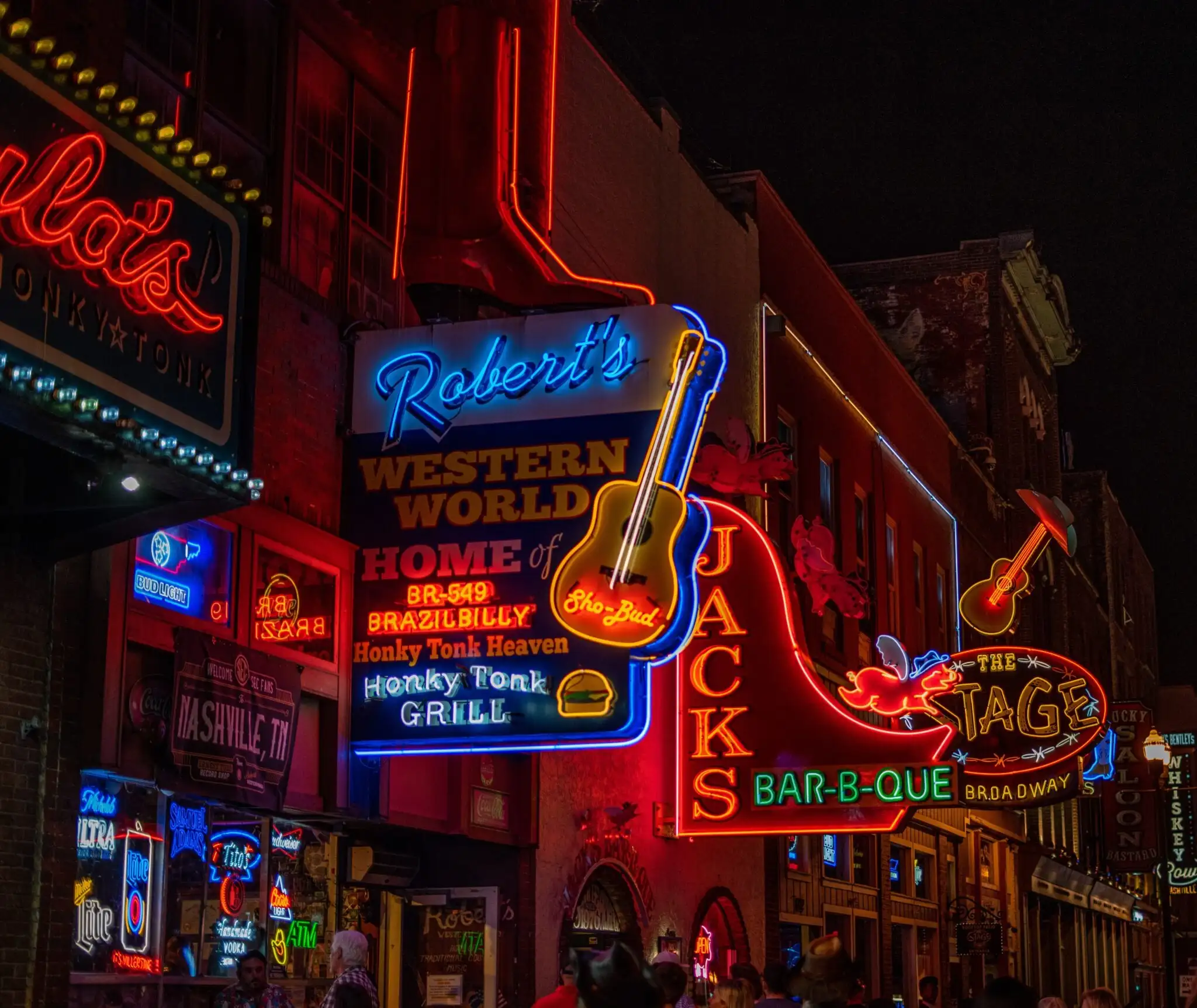 Nashville
 Palm Springs
 Savannah
 Scottsdale
 San Diego
 30A / Destin
 Cabana Boys
 Cocktail CowBoys
 Signature Party
 Brunch
 Game Night
 Cabana Glow
 Bagel Boys
 Party Bus
 Line Dancing
 Austin