🦈As Seen on Shark Tank 🦈 Book the Boys everyone is talking about • 🦈As Seen on Shark Tank 🦈 Book the Boys everyone is talking about • 🦈As Seen on Shark Tank 🦈 Book the Boys everyone is talking about • 🦈As Seen on Shark Tank 🦈 Book the Boys everyone is talking about • 🦈As Seen on Shark Tank 🦈 Book the Boys everyone is talking about • 🦈As Seen on Shark Tank 🦈 Book the Boys everyone is talking about • 🦈As Seen on Shark Tank 🦈 Book the Boys everyone is talking about • 🦈As Seen on Shark Tank 🦈 Book the Boys everyone is talking about • 🦈As Seen on Shark Tank 🦈 Book the Boys everyone is talking about • 🦈As Seen on Shark Tank 🦈 Book the Boys everyone is talking about • 🦈As Seen on Shark Tank 🦈 Book the Boys everyone is talking about • 🦈As Seen on Shark Tank 🦈 Book the Boys everyone is talking about • 🦈As Seen on Shark Tank 🦈 Book the Boys everyone is talking about • 🦈As Seen on Shark Tank 🦈 Book the Boys everyone is talking about • 🦈As Seen on Shark Tank 🦈 Book the Boys everyone is talking about • 🦈As Seen on Shark Tank 🦈 Book the Boys everyone is talking about •
Hire the Cabana Boys to elevate your event with personalized party hosting and bartending services for 2-4 hours. These charming, vetted gentlemen will serve drinks, entertain, keep the area tidy, and make your event unforgettable, whether it’s a pool party, bachelorette, or themed event.
Gourmet brunch from local favorites, bottomless mimosas, music, and party games — hosted poolside by the Cabana Boys. The easiest, most-talked-about morning of the weekend.
We bring tons of game ideas and supplies – bachelorette games, drinking games, signature games, fun icebreakers, music games, and more – that we will host at your Airbnb. We can also help facilitate any games that you have in mind. Think of us as game show hosts, but in a sexy pool boy kind of way.
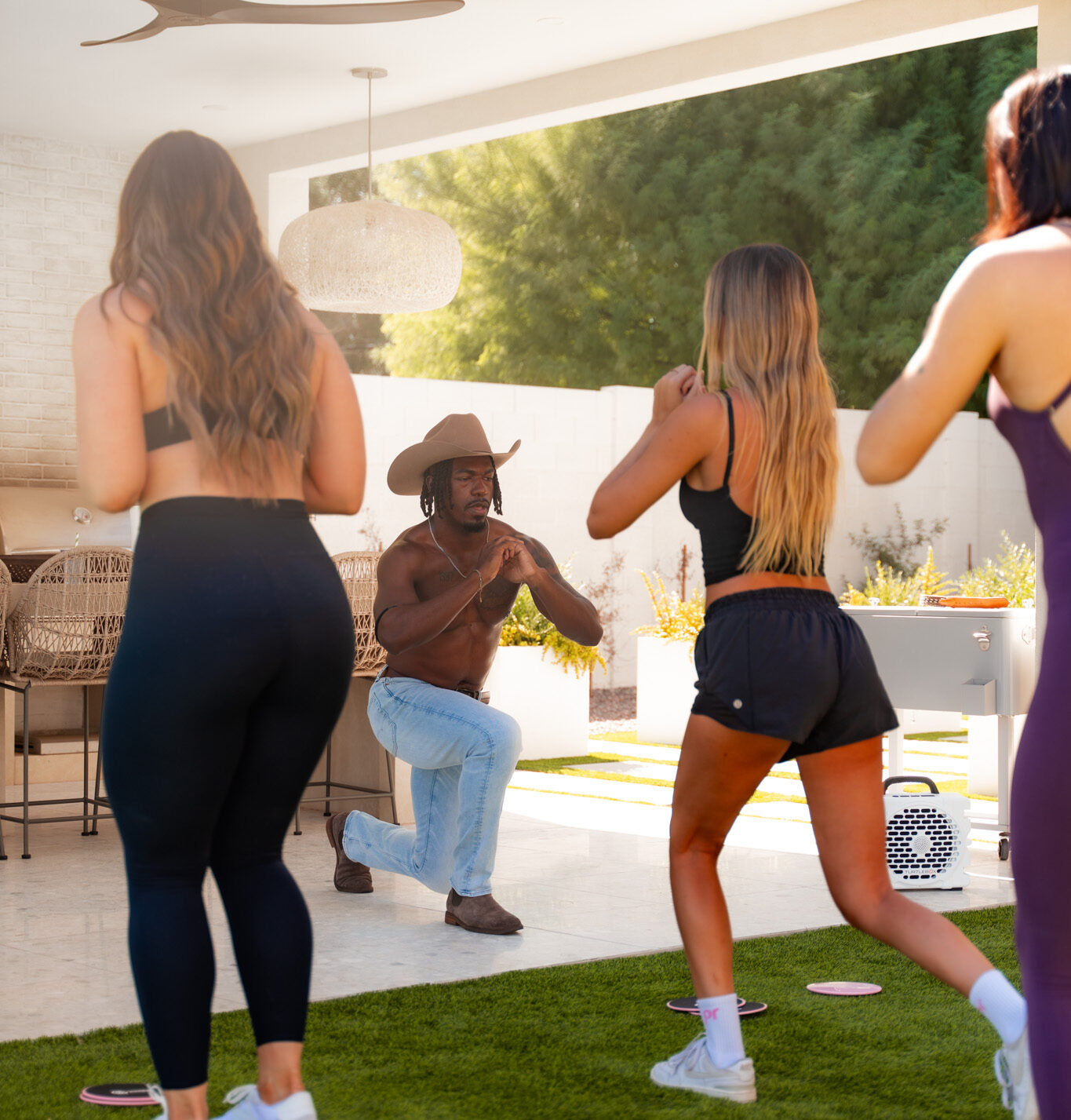
We’ll lead you through a fun, high-energy 45-minute workout with mats, bands, and sliders – then flip straight into party mode. Think of it as a fitness class that ends with your own private pool boy hosts keeping the vibe alive.
Kick off your morning with a visit from one of our hand-picked gentlemen who will set up a delicious spread with a dozen of gourmet assorted bagels, two tubs of delicious cream cheese, a large container of hot coffee, and a carafe of fresh orange juice.
Hop on the luxurious, air conditioned party bus and we’ll cruise around Old Town, bumping music, dancing, drinking, and playing some signature games. We’ll make stops at our partner bars, where you’ll access some exclusive drink specials.
Our Cocktail CowBoys are at your service — we’ll serve you drinks and refreshments, take pictures (or pose with you), be Spotify DJs, help with party/drinking games, keep the party area tidy, keep you company and take out the trash when we leave.
Two Cocktail CowBoys will deliver brunch for you and your crew and get you back into celebration mode. They’ll set up breakfast for you, pour mimosas, turn on some tunes, host some party games, help you nurse your hangover, and keep the party area clean.
Take a break from the bars and get ready for the perfect night in with your gals… a Cocktail CowBoys game night! We bring tons of game ideas and supplies – bachelorette games, drinking games, signature games, fun icebreakers, music games, and more!
A honky-tonk adventure with cowboy charm, dancing, and unforgettable memories. Your personal party crew for a wild night of bars, boots, and Broadway debauchery.
Kick off your day with a 45-minute cowboy-led workout, then roll right into an hour of games, drinks, and hosting. Think of it as fitness meets Western hospitality — charming, playful, and unforgettable.
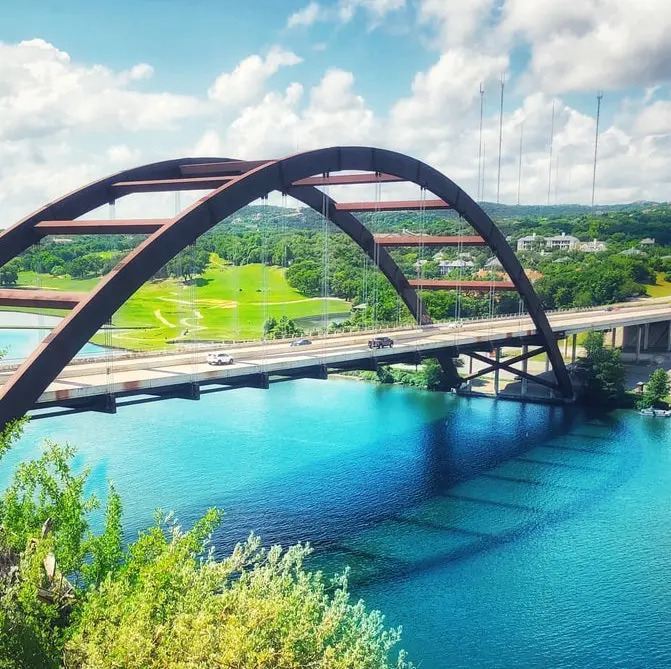
Grab your boots and head to the ultimate spot for unforgettable parties, legendary food, and live music that never stops. Saddle up for an epic Austin weekend!
With cobblestone streets, pastel sunsets, and rooftop bars, Charleston has hospitality around every corner. Charm, style, and just the right amount of mischief.
Sun, skin, and serious vibes—Miami and Fort Lauderdale are built for bold, unforgettable weekends. From pool parties to rooftop hangs, South Florida brings the heat.
With mid-century charm, desert sun, and iconic poolside vibes, Palm Springs is the ultimate escape for unforgettable weekends and inclusive celebrations.
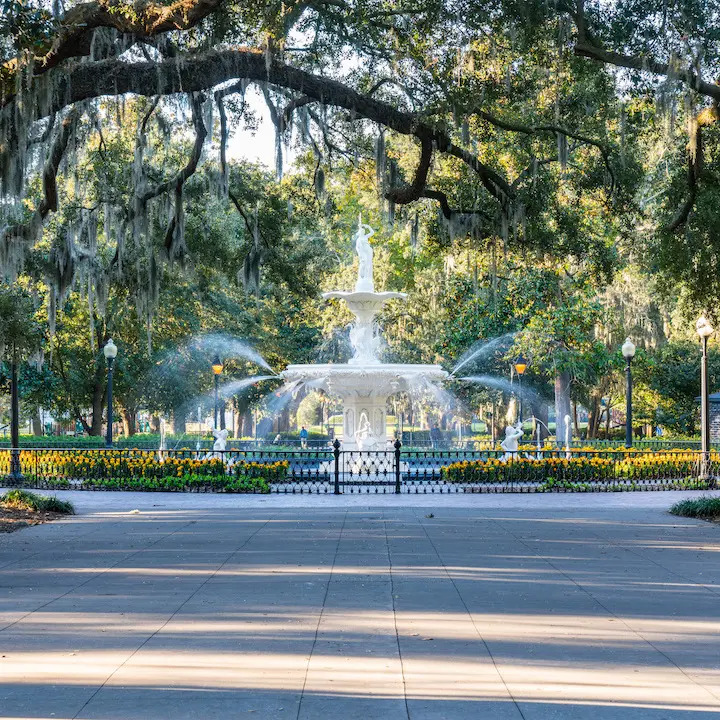
From cobblestone streets to coastal retreats, Savannah is the perfect place to sip, celebrate, and let loose. Open container laws make this one true party town.
Planning a bachelorette party in Scottsdale? Cabana Boys is the #1 rated activity in town – charismatic hosts, poolside vibes, and memories the bride won’t stop talking about.
With mid-century charm, desert sun, and iconic poolside vibes, Palm Springs is the ultimate escape for unforgettable weekends and inclusive celebrations.
What Does Full-Service Event Entertainment Include?
Full-service event entertainment is a turnkey solution that bundles talent booking, production management, logistics, and on-site execution under one provider. Rather than hiring a DJ here, a lighting company there, and a separate MC somewhere else, you get a single team that manages every moving part from concept to cleanup. Full-service packages cover AV, lighting, staging, run-of-show planning, permits, and insurance, all coordinated internally. The result is a cohesive event with no communication gaps between vendors and no one falling through the cracks on show day.
What does full-service event entertainment include?
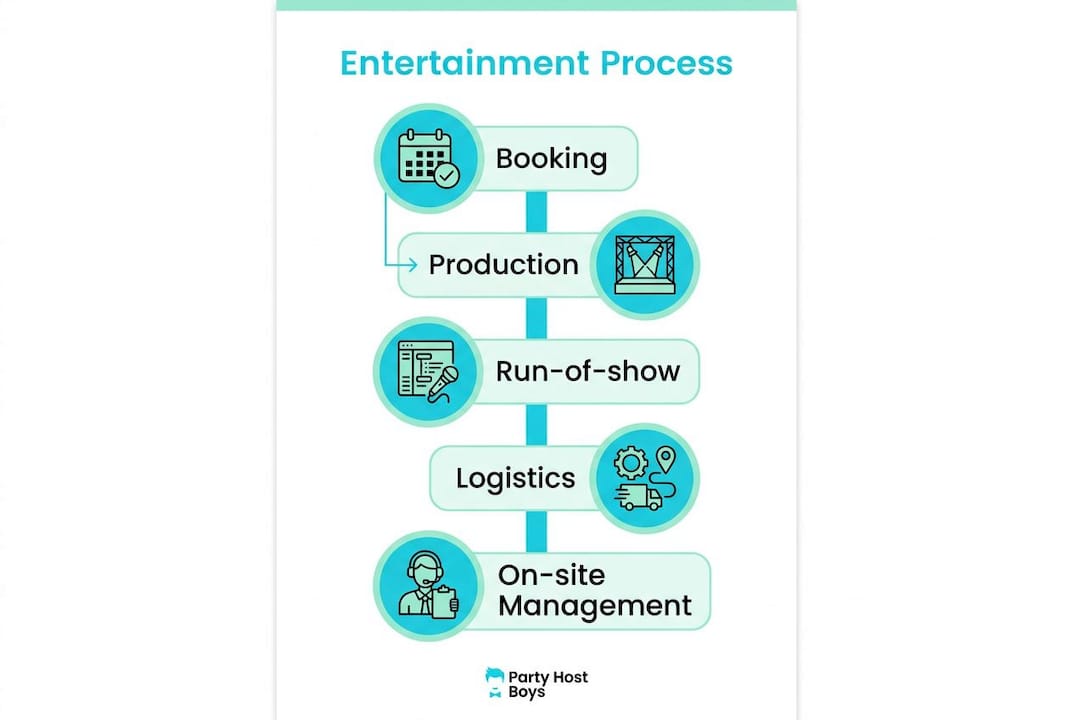
Full-service event entertainment is defined by five core service layers that work together as one system. Each layer depends on the others, which is why splitting them across separate vendors creates friction.
Talent booking and management is the most visible layer. This covers DJs, live bands, MCs, specialty performers, and interactive hosts. A full-service provider handles contracts, rider requirements, scheduling, and day-of coordination so you never have to chase a performer for their tech specs.
Audio, visual, and lighting production is the technical backbone. This includes sound systems with backup units, stage lighting, LED walls, projection mapping, and microphone management. Production teams align with entertainers from day one, not the morning of the event, because technical support must match performance needs exactly.
Run-of-show planning and stage management is where the event gets its structure. A run-of-show document maps every cue, transition, and timing beat across the entire program. Stage managers call cues live, coordinate with performers backstage, and keep the event on schedule.
Logistics coordination covers the operational details most planners overlook until something goes wrong. This includes venue permits, liability insurance, crew scheduling, load-in timelines, and vendor access windows.
On-site management and troubleshooting is the layer that separates full-service providers from equipment rental companies. A dedicated technical director monitors audio levels, lighting cues, and microphone transitions in real time. Success relies less on talent alone and more on this technical lead thinking ahead.
Talent booking: DJs, bands, MCs, specialty performers, and interactive hosts
Production: sound systems, backup units, stage lighting, LED walls, and projection
Run-of-show: cue documents, stage management, and live show calling
Logistics: permits, insurance, crew scheduling, and load-in coordination
On-site management: real-time technical oversight and contingency response
Pro Tip:Ask any provider for a sample run-of-show document before you sign. If they cannot produce one, they are not offering true full-service management.
How does full-service differ from partial or a la carte services?
The clearest difference is accountability. With a la carte bookings, you are the project manager. You coordinate between the DJ, the lighting company, the AV rental house, and the venue. When something goes wrong on show day, everyone points at someone else.
Full-service providers own the entire outcome. Consolidating services under one partner reduces coordination time, improves budget predictability, and eliminates the communication gaps that fragment the guest experience. One contract, one point of contact, one team responsible for everything.
Partial or day-of coordination services fill a narrower role. A day-of coordinator manages your existing vendor relationships but does not control production, talent, or technical execution. They can keep a timeline moving but cannot call a lighting cue or troubleshoot a failed sound system.
Service type
What it covers
What it misses
Full-service entertainment
Talent, production, logistics, on-site management
Nothing, by design
Day-of coordination
Vendor communication, timeline management
Technical production, talent booking
A la carte bookings
Individual services (DJ only, lighting only)
Integrated management and accountability
Equipment rental
Gear delivery and basic setup
Show calling, staffing, contingency plans
Pro Tip:When comparing quotes, check whether the provider includes on-site staffing and show calling. A quote without those line items is not a full-service quote.
What are typical pricing ranges for full-service event packages?
Wedding packages range from $1,800 to $11,000, and corporate activations run $10,000 to $50,000 or more depending on complexity. Those ranges reflect real differences in scope, not just markup.
Several variables drive cost up or down:
Event size: More guests require more speakers, more lighting rigs, and more crew.
Technology integration: LED walls, projection mapping, and custom lighting programming add significant cost.
Customization: Branded content, themed production design, and specialty performers all carry premium pricing.
Venue complexity: Outdoor events, multi-room venues, and unusual load-in situations require more labor and equipment.
Duration: A four-hour reception costs less than a full-day corporate conference with multiple breakout sessions.
Bundled pricing saves $500–$800 compared to booking the same services a la carte in typical wedding packages. That savings comes from the provider’s internal efficiencies, not from cutting corners on quality.
Mid-range packages typically include a professional DJ and MC, a sound system with backup, basic event lighting, a photo booth with an attendant, setup and teardown, and staff support with backup guarantees. That combination covers most private events and smaller corporate gatherings without requiring a custom build.
When reviewing quotes, confirm that insurance, permits, and crew labor are included. Providers who exclude those line items often add them back as surprises after you have committed.
How do full-service providers manage the event lifecycle?
Concept development and goal alignment. The provider meets with you to understand the event’s purpose, audience, tone, and desired outcomes. This shapes every production decision that follows.
Technical mapping and logistics planning. The production team surveys the venue, maps speaker placement and lighting positions, confirms power requirements, and builds the load-in schedule.
Run-of-show documentation. Every cue, performer entrance, speech, and transition gets written into a master document. This document becomes the operating manual for show day.
Pre-event rehearsal and soundcheck. Performers and technical staff run through critical moments together. Problems get solved before guests arrive, not during the program.
On-site execution with live show management. A technical director calls cues in real time, monitors audio and lighting levels, and coordinates with performers and venue staff throughout the event.
Post-event teardown and breakdown. The crew strikes all equipment, restores the venue to its original condition, and handles any post-event logistics like gear return and permit closeout.
Contingency planning is built into every step. Providers who cannot present backup plans for technical failures do not offer comprehensive service, regardless of what their marketing materials say.
Pro Tip:Request a written contingency plan along with the run-of-show document. Ask specifically what happens if the primary sound system fails during the program.
What are the main benefits of choosing full-service event entertainment?
The benefits of full-service entertainment go beyond convenience. They directly affect the quality of the guest experience and your peace of mind as a planner.
Reduced coordination time. You manage one relationship instead of five or six. That alone saves hours of back-and-forth in the weeks before your event.
Budget predictability. A single consolidated contract makes it easier to track spending and avoid surprise invoices from multiple vendors.
Clearer accountability. When one team owns everything, there is no ambiguity about who is responsible when something needs fixing.
Better guest experience. Synchronized entertainment and production create energy and momentum. Guests feel the difference between a well-called show and a disjointed one, even if they cannot explain why.
The role of entertainers in guest experience is amplified when production supports them properly. A great performer with poor sound is a missed opportunity. A great performer with a full technical team behind them creates a moment guests remember.
Understanding why entertainment partners elevate events comes down to this: the operational layer, the people managing cues, transitions, and technical flow, determines the audience experience more than any single performer does.
Key Takeaways
Full-service event entertainment succeeds because it unifies talent, production, logistics, and on-site management under one accountable team, eliminating the coordination failures that fragment guest experience.
Point
Details
Single-provider accountability
One team owns talent, production, logistics, and show calling, removing vendor finger-pointing.
Pricing scales with complexity
Wedding packages start at $1,800; corporate activations reach $50,000+ based on size and tech.
Bundled savings are real
Packages typically save $500–$800 versus booking the same services individually.
Run-of-show documents are non-negotiable
Providers without written cue documents and contingency plans are not offering full-service management.
Technical direction drives guest experience
The technical director’s real-time oversight shapes audience energy more than individual performers do.
Why the operational layer is the part most planners underestimate
Most planners focus on talent when evaluating entertainment providers. They ask about the DJ’s playlist, the band’s setlist, or the MC’s experience. Those are reasonable questions. They are also the wrong starting point.
The operational layer is what separates a memorable event from a frustrating one. I have seen technically impressive performers deliver flat experiences because no one was managing cues, monitoring audio levels, or coordinating transitions in real time. The technical director’s proactive control dictates audience experience more than individual performers, and that is not an exaggeration.
When I evaluate a provider, I ask three questions before anything else. First, who calls the show on event day and what is their title? Second, can I see a sample run-of-show document from a comparable event? Third, what is the contingency plan if the primary sound system fails mid-program? Providers who answer those questions confidently and specifically are the ones worth hiring. Providers who pivot back to their talent roster are telling you something important about where their attention actually lives.
Fragmented vendor management is the single most common reason events underperform. Not bad talent. Not poor venues. Coordination failures between vendors who were never aligned in the first place. Full-service entertainment solves that problem structurally, not just operationally. When you understand how event entertainment coordination works, you stop treating the operational layer as a nice-to-have and start treating it as the foundation.
— Nelson
Planning your event with professional entertainment support
Knowing what full-service event entertainment includes is the first step. Finding a team that actually delivers every layer of it is the next one.
Cabana Boys, Cocktail CowBoys, and Cocktail Boys bring high-energy, personalized hosting to bachelorette parties, birthdays, and group gatherings across top US destinations. Their hosts engage guests, serve refreshments, facilitate games, and keep the energy moving, all while managing the details that make an event feel effortless. Recognized as the #1 bachelorette experience in their markets and featured on Shark Tank and in the New York Times, they handle the entertainment so you can actually enjoy your own party. Explore their full range of party hosting services and see what a professionally managed experience looks like from start to finish.
FAQ
What does full-service event entertainment include?
Full-service event entertainment includes talent booking, audio and visual production, run-of-show planning, logistics coordination, and on-site management under one provider. Wedding packages typically range from $1,800 to $11,000 depending on scope.
How is full-service entertainment different from day-of coordination?
Day-of coordination manages existing vendor relationships and timelines but does not control technical production or talent. Full-service entertainment owns every layer, including show calling, equipment, and contingency planning.
What should I ask a full-service entertainment provider before booking?
Ask for a sample run-of-show document, a written contingency plan for technical failures, and confirmation of who calls the show on event day. Providers who cannot answer those questions specifically are not offering true full-service management.
Does full-service entertainment cost more than booking vendors separately?
Bundled full-service packages typically save $500–$800 compared to booking equivalent services a la carte, because providers absorb internal coordination costs rather than passing them to the client.
What is the most important factor in full-service entertainment quality?
The operational layer, specifically the technical director managing real-time cues, audio levels, and transitions, determines guest experience more than any individual performer. Talent matters, but technical direction is what makes an event feel cohesive.











 Austin
 Charleston
 Los Angeles & Orange County
 Miami
Miami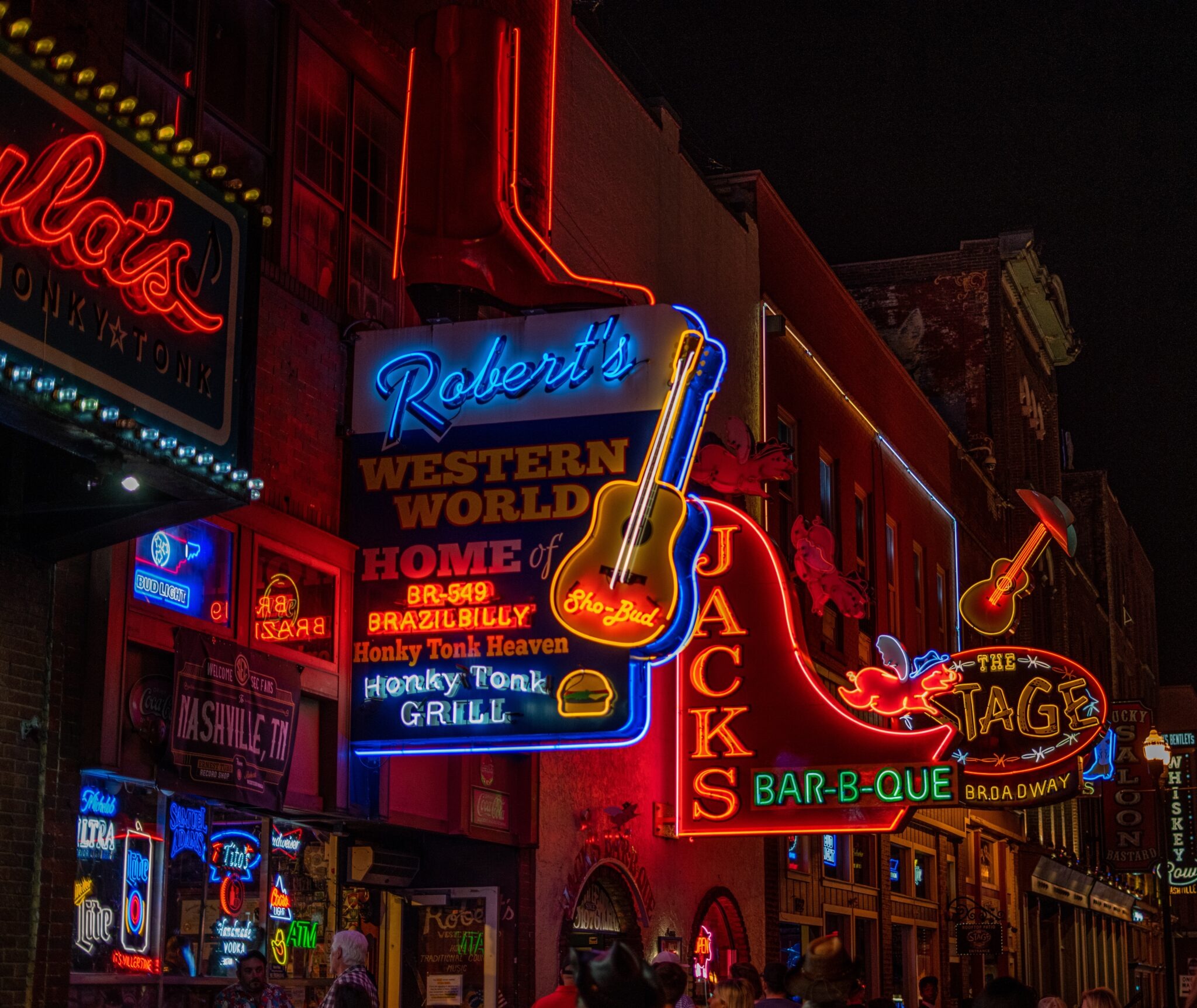 Nashville
 Palm Springs
 Savannah
 Scottsdale
 San Diego
 30A / Destin
 Cabana Boys
 Cocktail CowBoys
 Signature Party
 Brunch
 Game Night
 Cabana Glow
 Bagel Boys
 Party Bus
 Line Dancing
 Austin