🦈As Seen on Shark Tank 🦈 Book the Boys everyone is talking about • 🦈As Seen on Shark Tank 🦈 Book the Boys everyone is talking about • 🦈As Seen on Shark Tank 🦈 Book the Boys everyone is talking about • 🦈As Seen on Shark Tank 🦈 Book the Boys everyone is talking about • 🦈As Seen on Shark Tank 🦈 Book the Boys everyone is talking about • 🦈As Seen on Shark Tank 🦈 Book the Boys everyone is talking about • 🦈As Seen on Shark Tank 🦈 Book the Boys everyone is talking about • 🦈As Seen on Shark Tank 🦈 Book the Boys everyone is talking about • 🦈As Seen on Shark Tank 🦈 Book the Boys everyone is talking about • 🦈As Seen on Shark Tank 🦈 Book the Boys everyone is talking about • 🦈As Seen on Shark Tank 🦈 Book the Boys everyone is talking about • 🦈As Seen on Shark Tank 🦈 Book the Boys everyone is talking about • 🦈As Seen on Shark Tank 🦈 Book the Boys everyone is talking about • 🦈As Seen on Shark Tank 🦈 Book the Boys everyone is talking about • 🦈As Seen on Shark Tank 🦈 Book the Boys everyone is talking about • 🦈As Seen on Shark Tank 🦈 Book the Boys everyone is talking about •
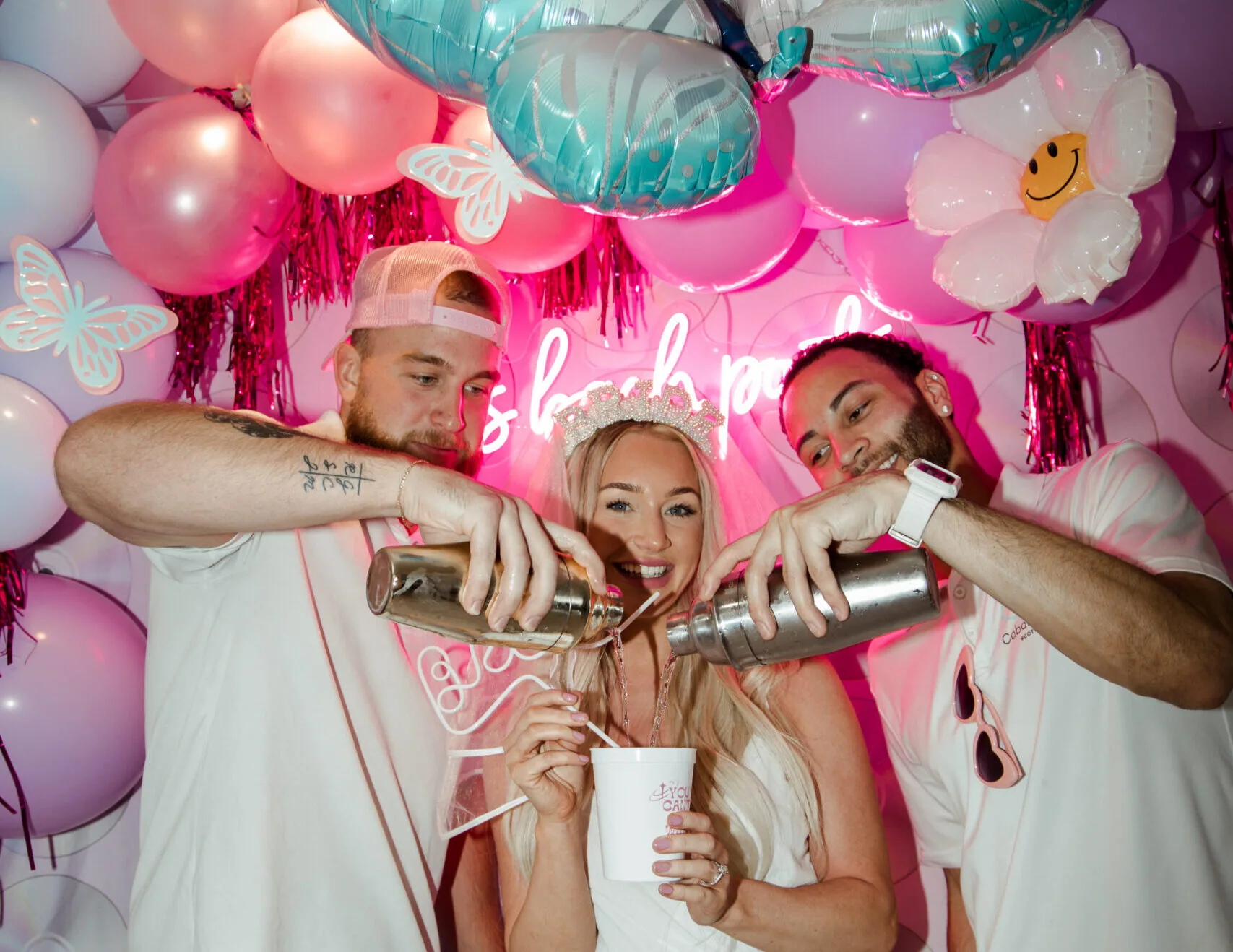
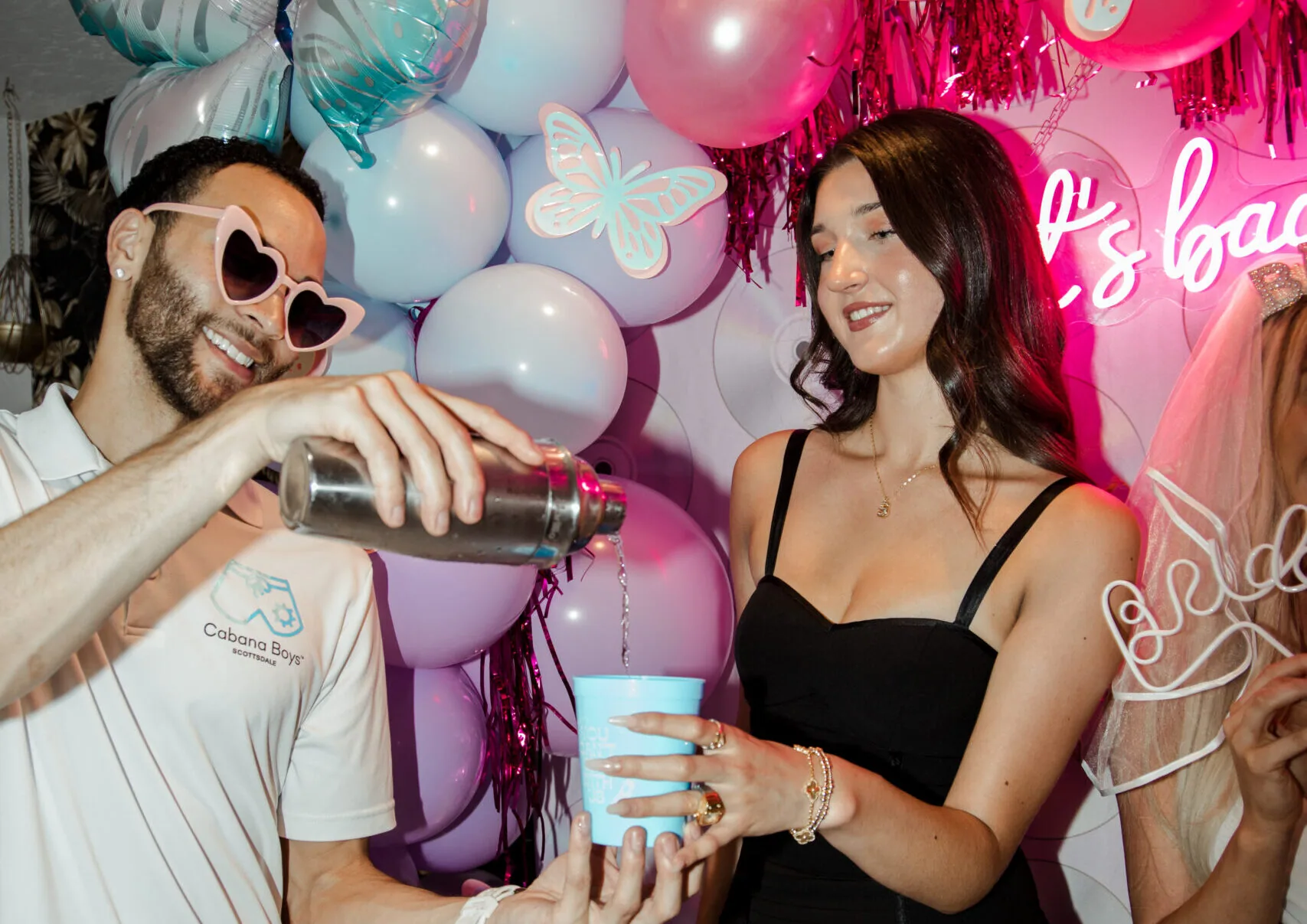
Hire the Cabana Boys to elevate your event with personalized party hosting and bartending services for 2-4 hours. These charming, vetted gentlemen will serve drinks, entertain, keep the area tidy, and make your event unforgettable, whether it’s a pool party, bachelorette, or themed event.
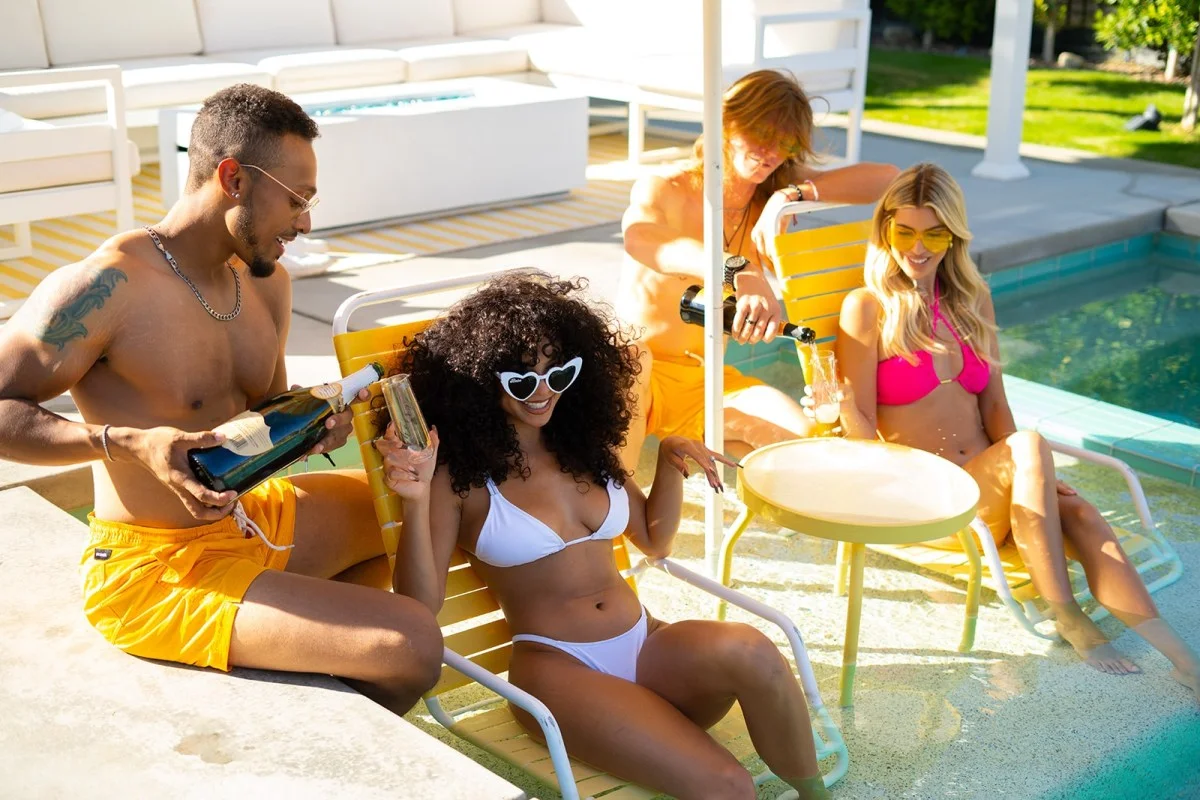
Gourmet brunch from local favorites, bottomless mimosas, music, and party games — hosted poolside by the Cabana Boys. The easiest, most-talked-about morning of the weekend.
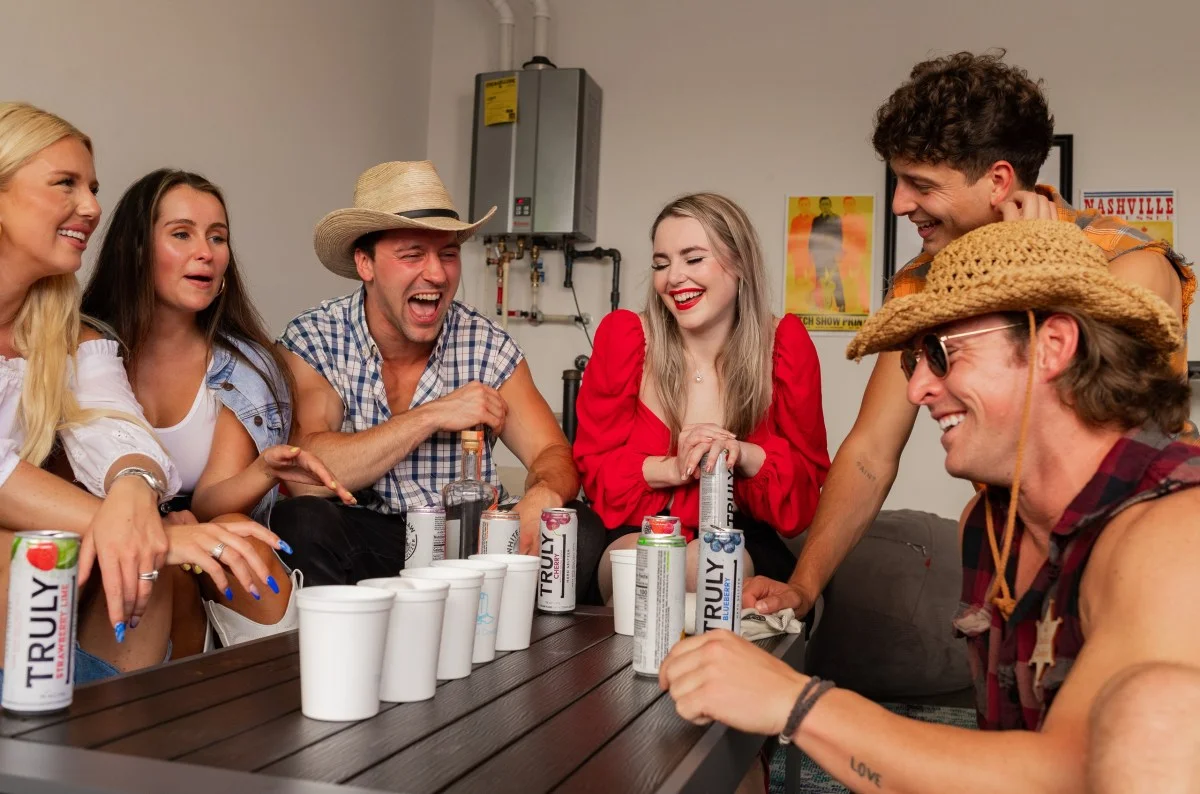
We bring tons of game ideas and supplies – bachelorette games, drinking games, signature games, fun icebreakers, music games, and more – that we will host at your Airbnb. We can also help facilitate any games that you have in mind. Think of us as game show hosts, but in a sexy pool boy kind of way.
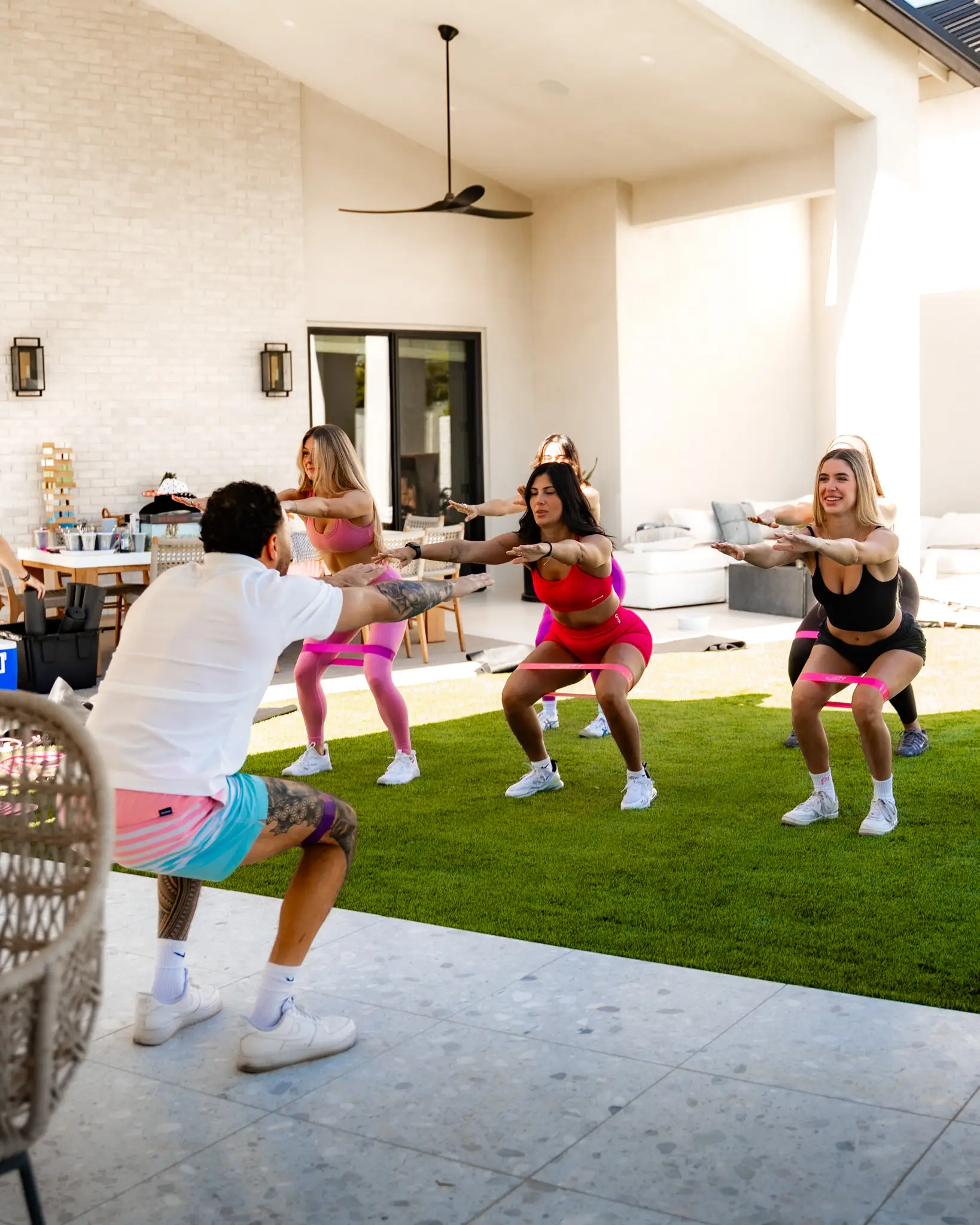
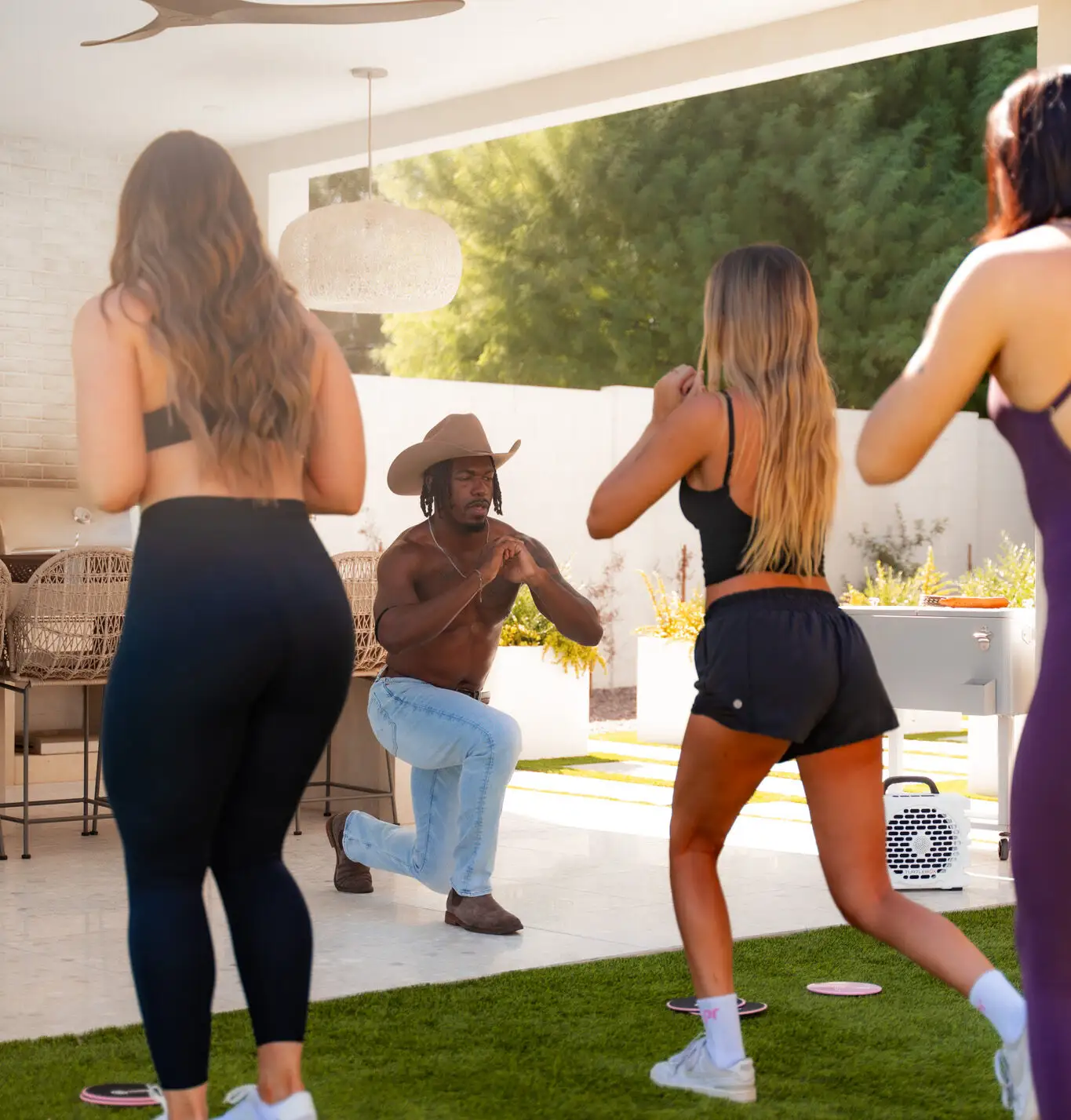
We’ll lead you through a fun, high-energy 45-minute workout with mats, bands, and sliders – then flip straight into party mode. Think of it as a fitness class that ends with your own private pool boy hosts keeping the vibe alive.
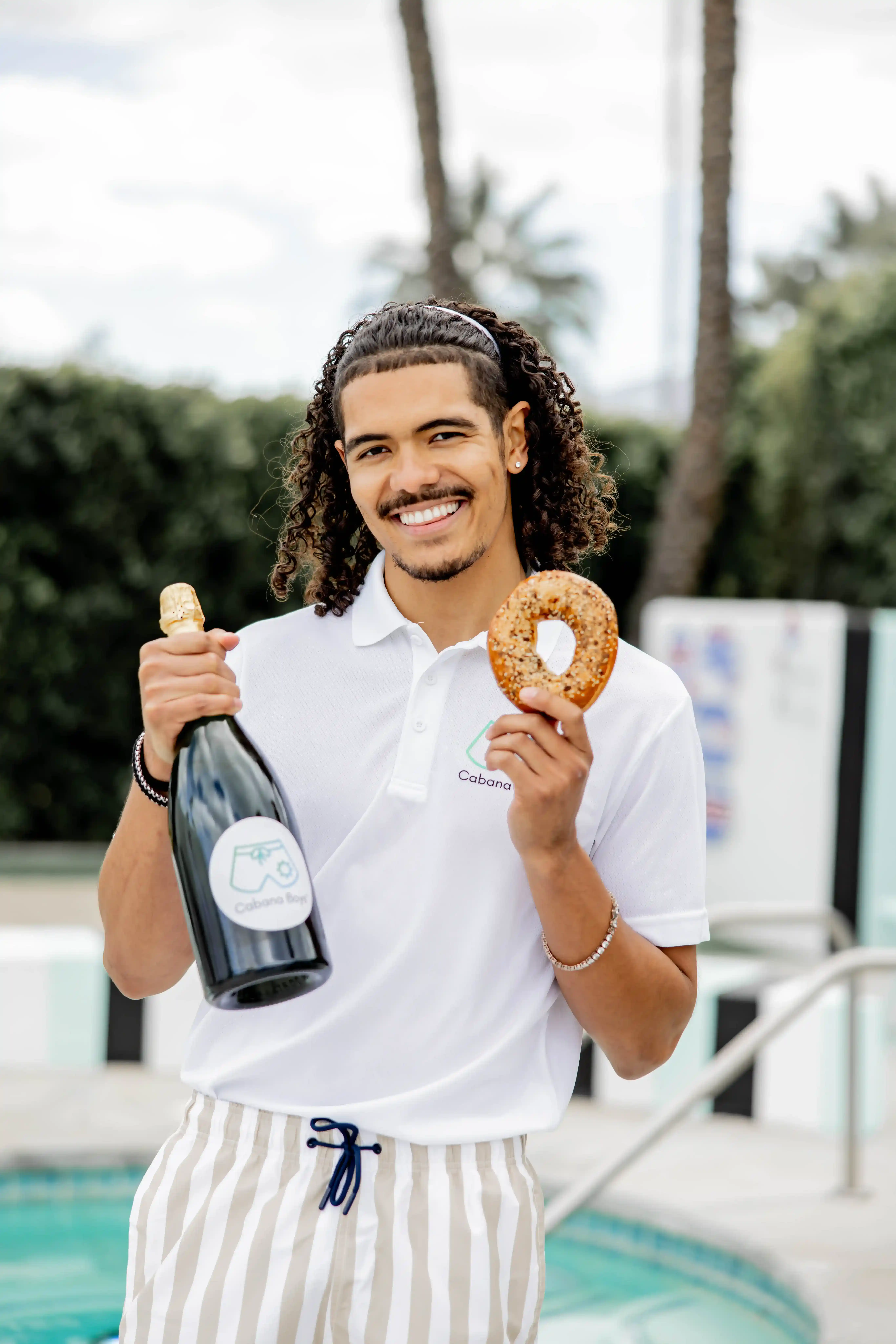
Kick off your morning with a visit from one of our hand-picked gentlemen who will set up a delicious spread with a dozen of gourmet assorted bagels, two tubs of delicious cream cheese, a large container of hot coffee, and a carafe of fresh orange juice.
Hop on the luxurious, air conditioned party bus and we’ll cruise around Old Town, bumping music, dancing, drinking, and playing some signature games. We’ll make stops at our partner bars, where you’ll access some exclusive drink specials.
Our Cocktail CowBoys are at your service — we’ll serve you drinks and refreshments, take pictures (or pose with you), be Spotify DJs, help with party/drinking games, keep the party area tidy, keep you company and take out the trash when we leave.
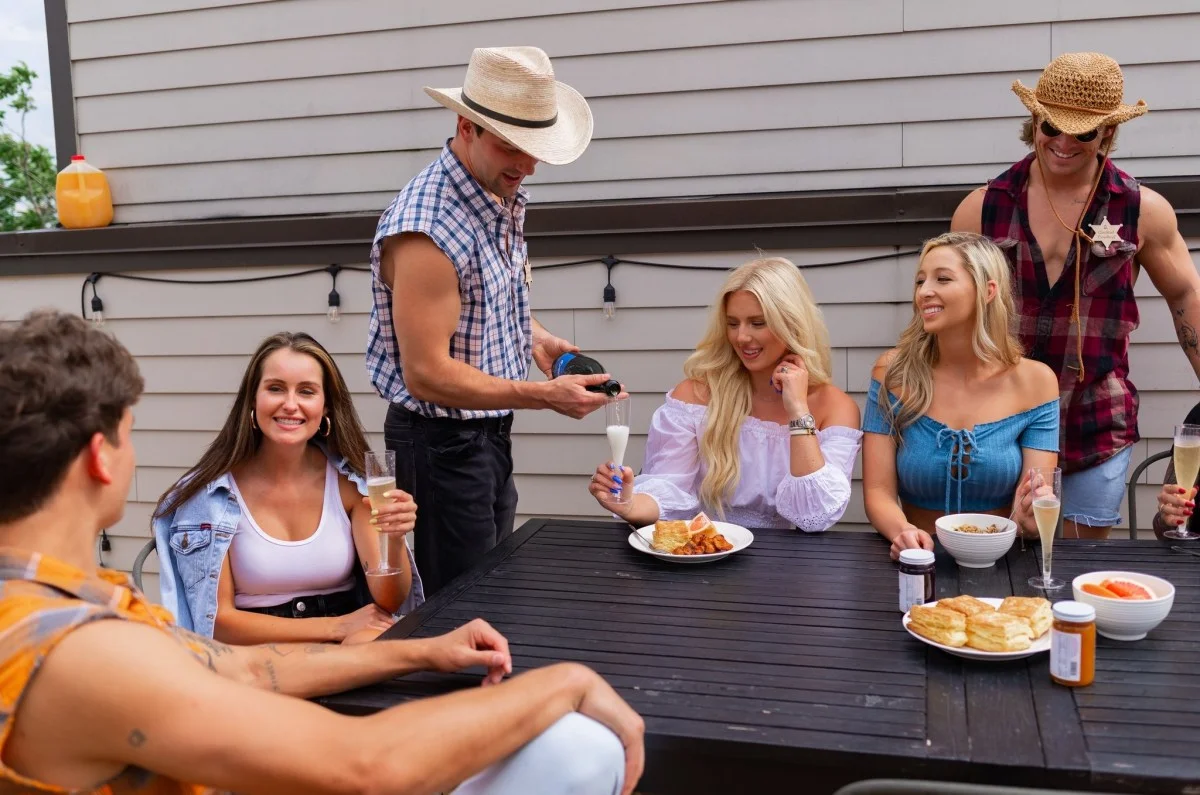
Two Cocktail CowBoys will deliver brunch for you and your crew and get you back into celebration mode. They’ll set up breakfast for you, pour mimosas, turn on some tunes, host some party games, help you nurse your hangover, and keep the party area clean.
Take a break from the bars and get ready for the perfect night in with your gals… a Cocktail CowBoys game night! We bring tons of game ideas and supplies – bachelorette games, drinking games, signature games, fun icebreakers, music games, and more!
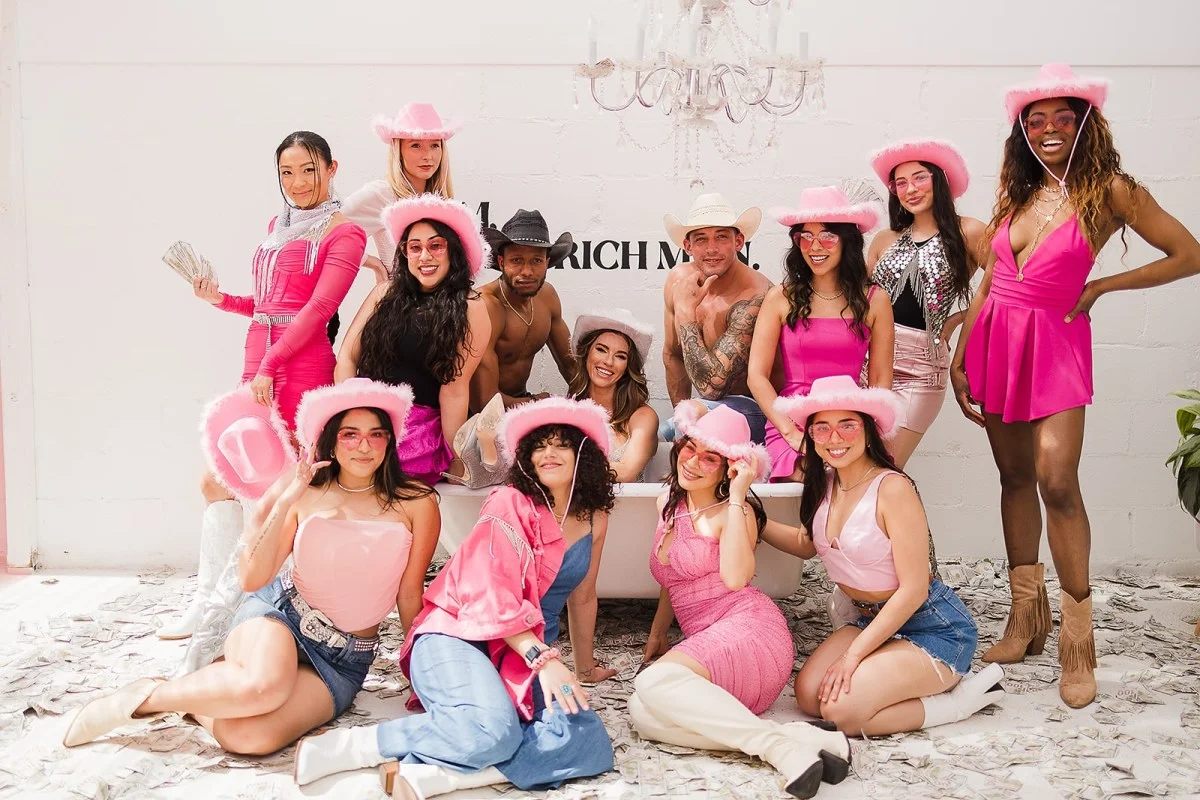
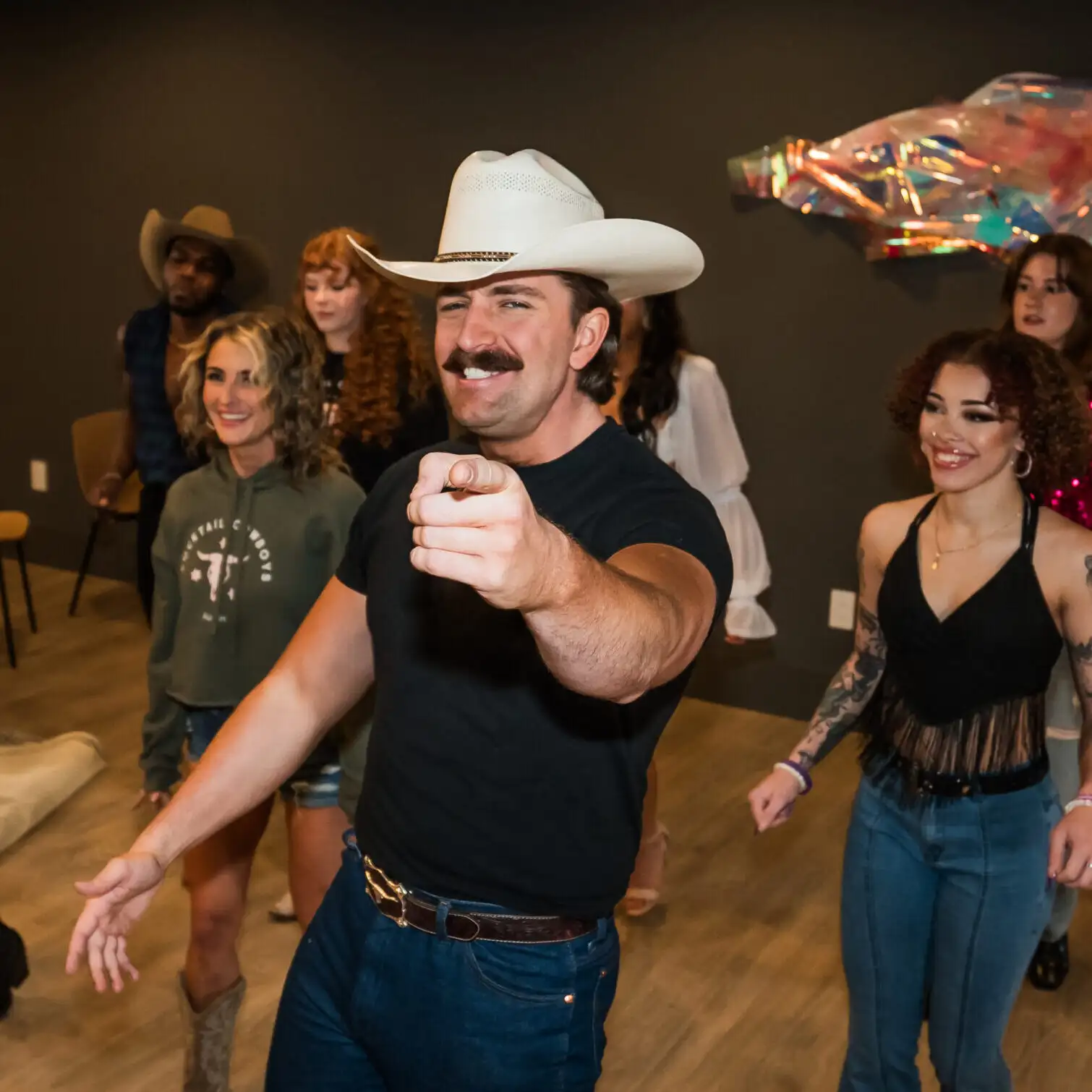
A honky-tonk adventure with cowboy charm, dancing, and unforgettable memories. Your personal party crew for a wild night of bars, boots, and Broadway debauchery.
Kick off your day with a 45-minute cowboy-led workout, then roll right into an hour of games, drinks, and hosting. Think of it as fitness meets Western hospitality — charming, playful, and unforgettable.
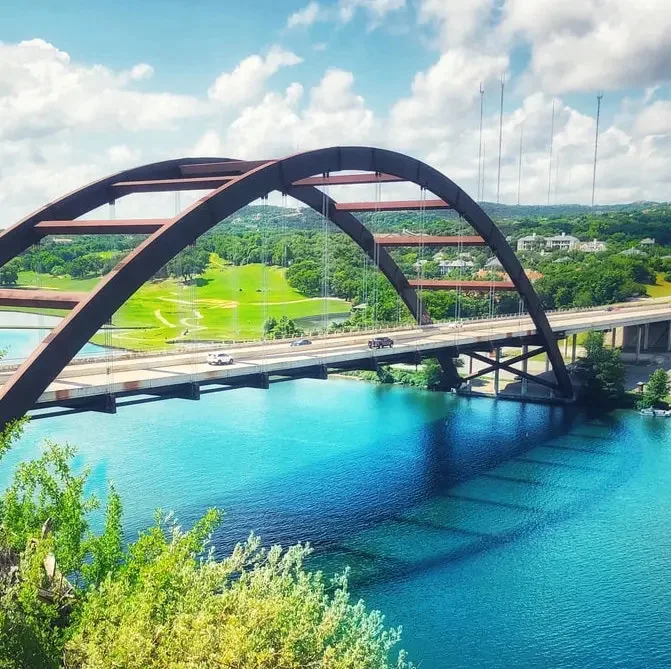
Grab your boots and head to the ultimate spot for unforgettable parties, legendary food, and live music that never stops. Saddle up for an epic Austin weekend!
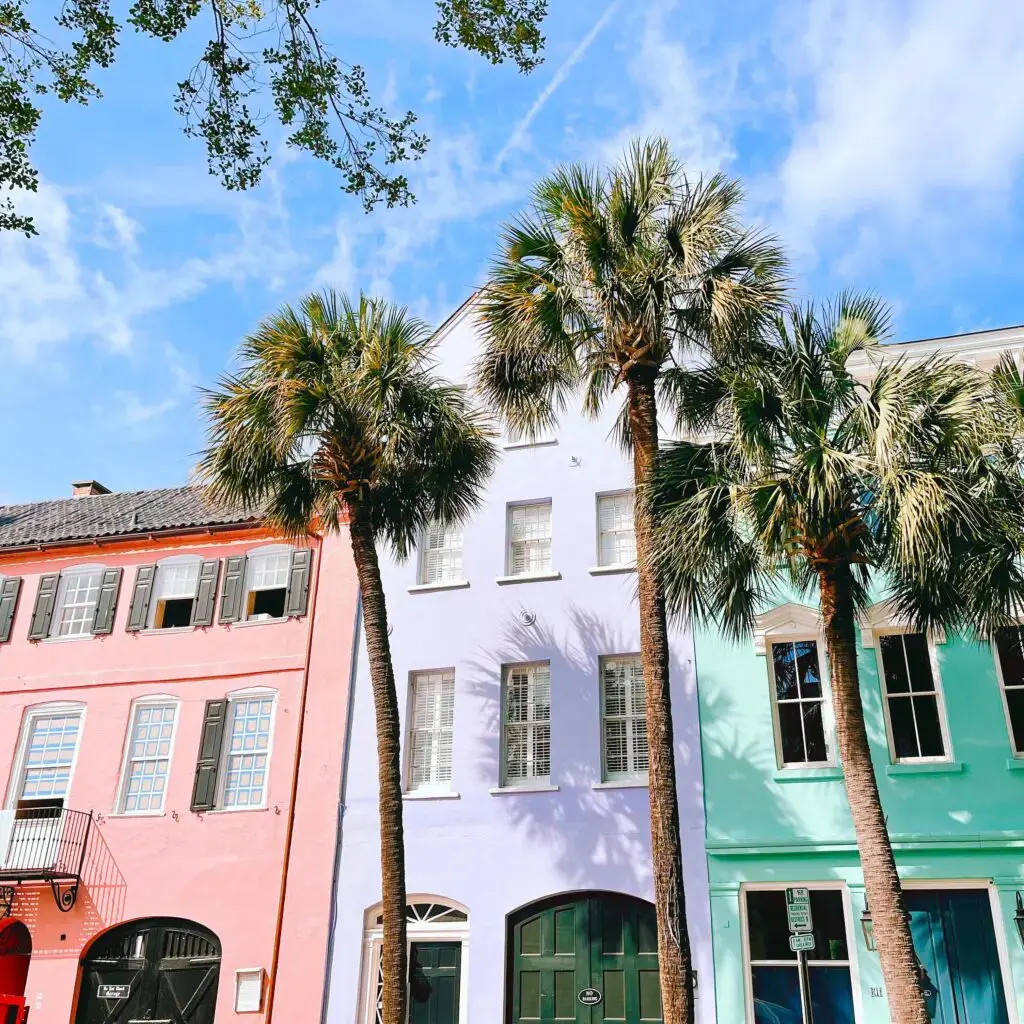
With cobblestone streets, pastel sunsets, and rooftop bars, Charleston has hospitality around every corner. Charm, style, and just the right amount of mischief.
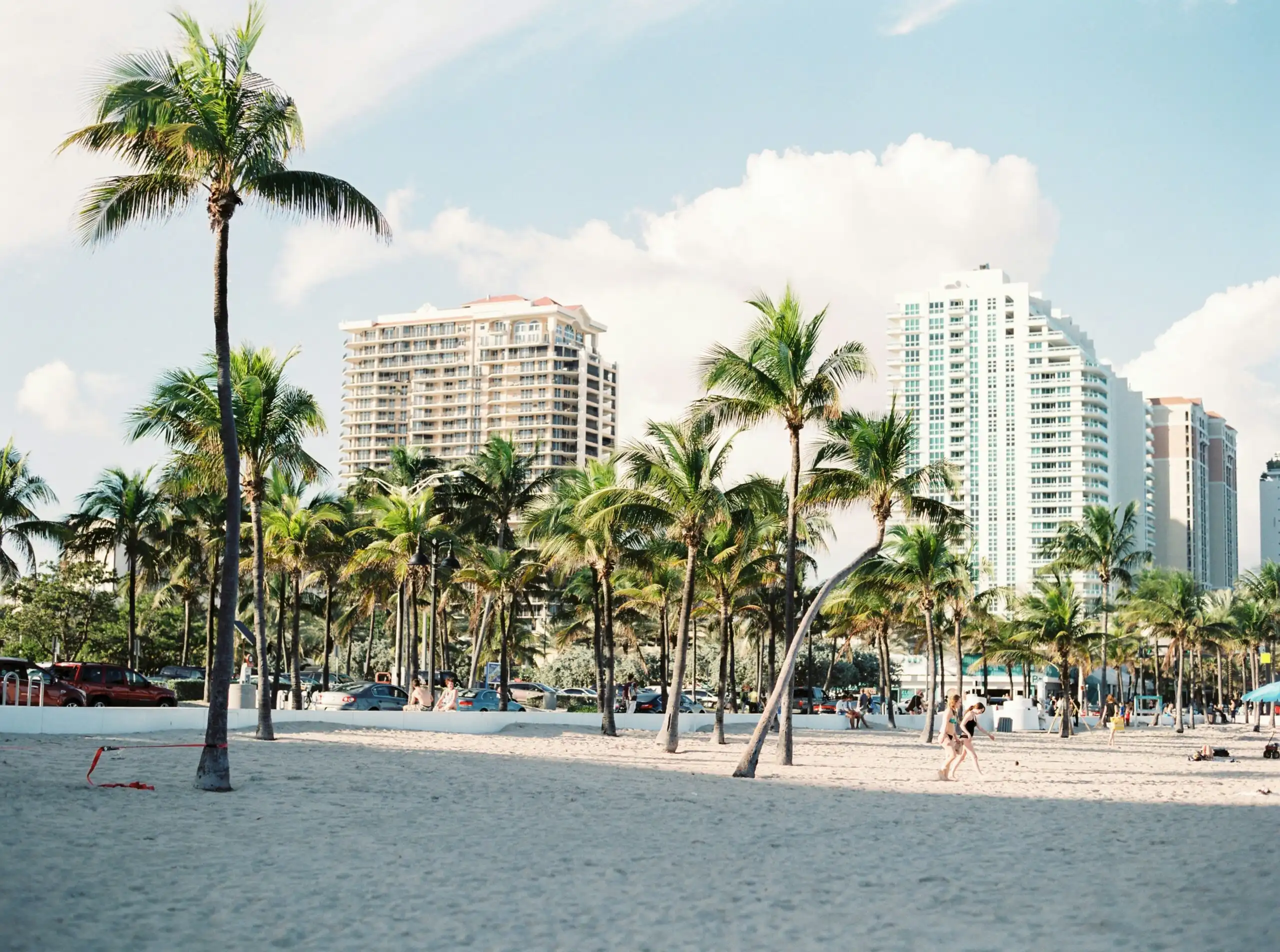
Sun, skin, and serious vibes—Miami and Fort Lauderdale are built for bold, unforgettable weekends. From pool parties to rooftop hangs, South Florida brings the heat.
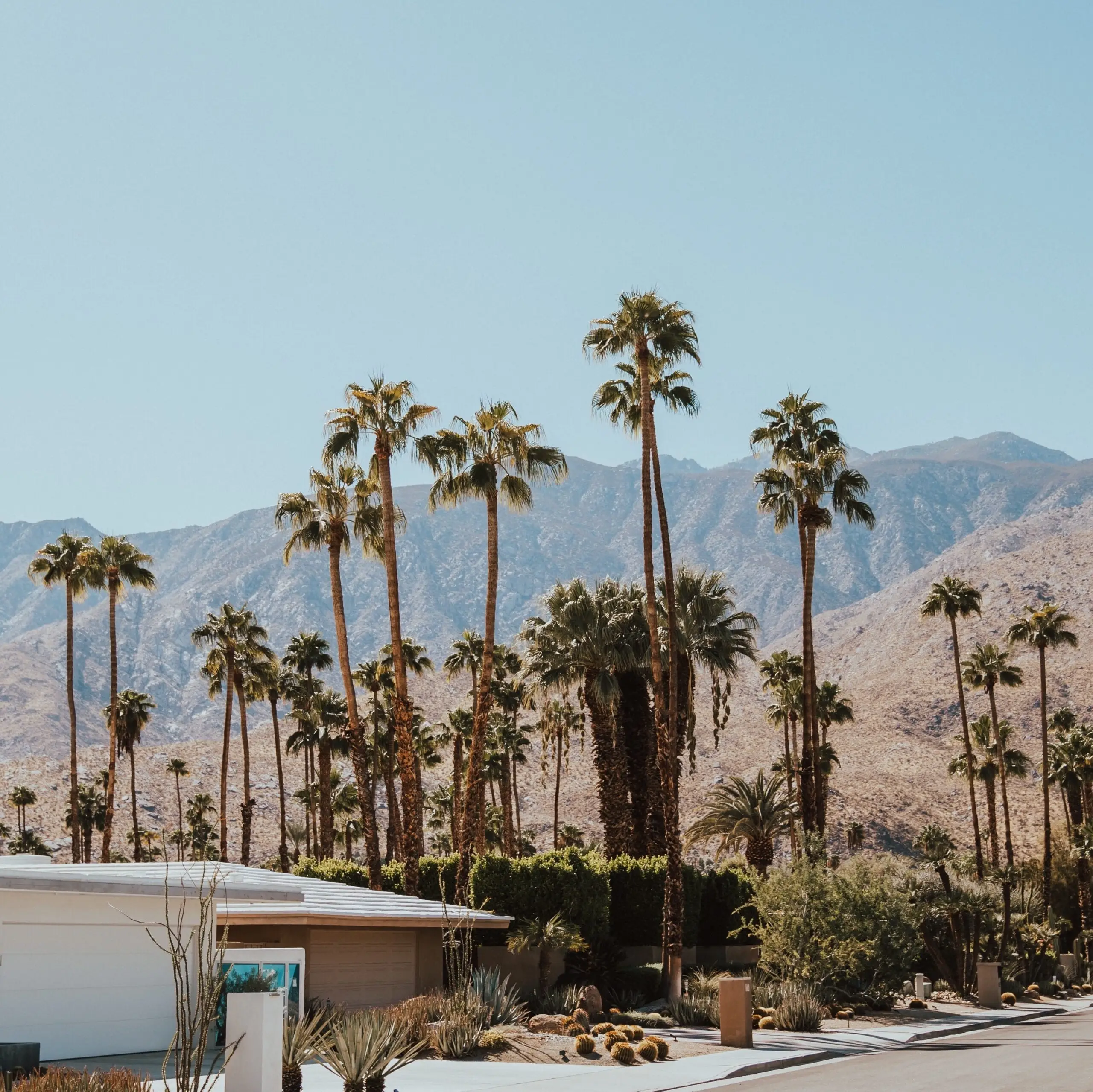
With mid-century charm, desert sun, and iconic poolside vibes, Palm Springs is the ultimate escape for unforgettable weekends and inclusive celebrations.
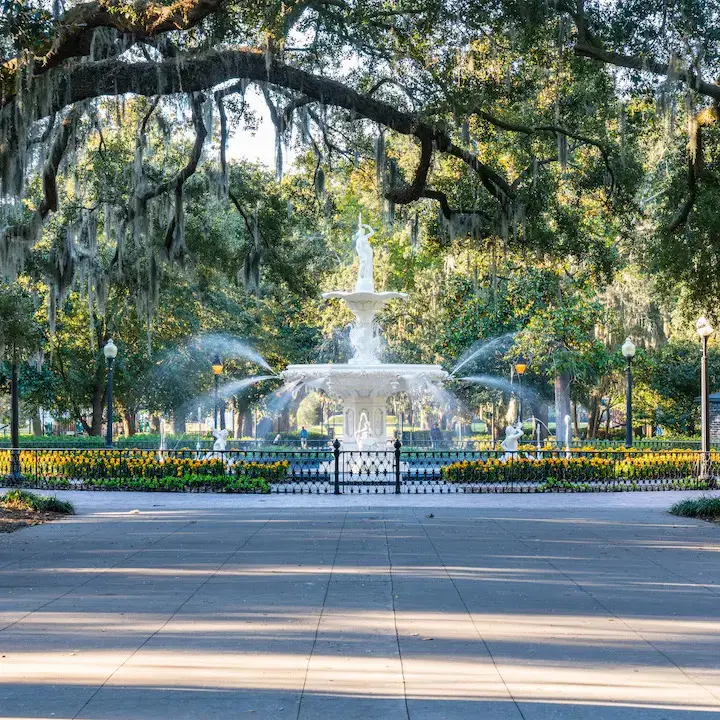
From cobblestone streets to coastal retreats, Savannah is the perfect place to sip, celebrate, and let loose. Open container laws make this one true party town.
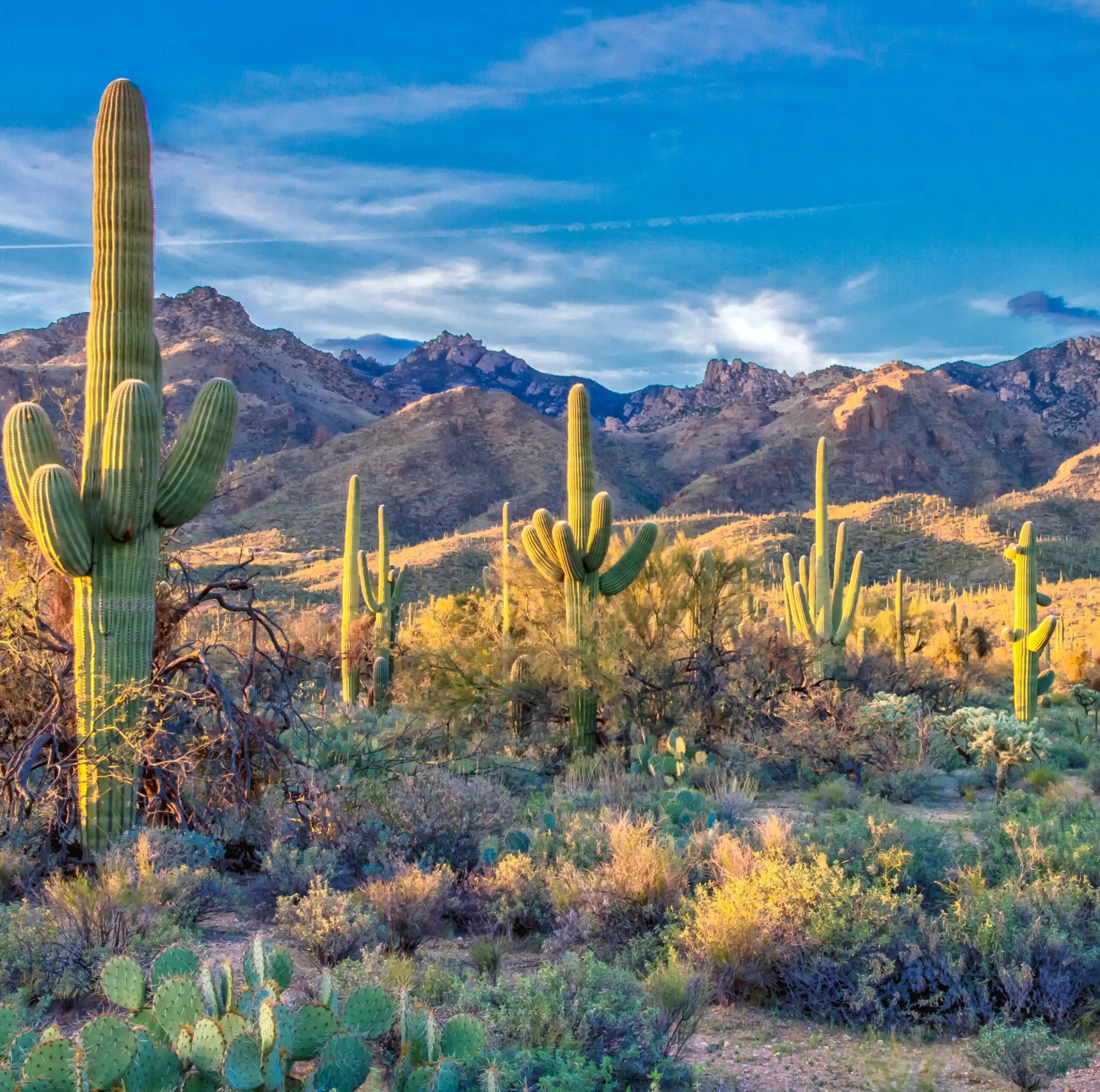
Planning a bachelorette party in Scottsdale? Cabana Boys is the #1 rated activity in town – charismatic hosts, poolside vibes, and memories the bride won’t stop talking about.
With mid-century charm, desert sun, and iconic poolside vibes, Palm Springs is the ultimate escape for unforgettable weekends and inclusive celebrations.
Creative event theme categories are the six primary organizing groups that event planners use to classify and select themes for parties, gatherings, and special occasions. Those six groups are Decades/Nostalgia, Immersive/Experiential, Cultural/World, Visual/Aesthetic, Seasonal/Nature, and Activity-Based. Over 170 specific themes fall across these categories, covering everything from Movies and Music to Food/Drink and Sports. Platforms like Eventbrite and Tagvenue have shaped how planners approach theme selection, and understanding these groups is the fastest way to move from a blank page to a party your guests will talk about for years.
1. What are the main creative event theme categories?
Creative event theme categories organize over 170 specific theme ideas into six clear groups. Each group has a distinct purpose, a different emotional tone, and works best for specific event types and guest profiles.
Decades/Nostalgia themes
Nostalgia themes tap into shared cultural memory to create instant emotional connection. The Roaring 20s, 50s Sock Hop, 70s Disco, and 80s Neon are the most requested options for birthday parties and bachelorette celebrations. Guests already know the references, so participation comes naturally. The costume barrier is low, and the music and decor choices are obvious, which reduces planning friction significantly.
Immersive/Experiential themes
Immersive themes turn guests into active participants rather than passive attendees. Murder Mystery dinners, Escape Room parties, and interactive game shows fall into this group. These themes work especially well for groups who know each other well and want something beyond dinner and dancing. The experience itself becomes the entertainment, which reduces the pressure on decor and venue.
Cultural/World themes
Cultural themes celebrate global traditions, cuisines, and aesthetics. Día de los Muertos, Moroccan Nights, Japanese Cherry Blossom, and Carnival Rio are popular choices. These themes work best when the host has a genuine connection to the culture or commits fully to authentic food and music. Surface-level execution reads as generic; depth and specificity are what make cultural themes memorable.
Visual/Aesthetic themes
Visual themes are built around a color palette, texture, or design movement rather than a narrative. Monochrome Black and White, All-White Garden Party, Neon Glow, and Art Deco Glam fall into this group. Formal corporate events and milestone celebrations favor monochrome or elegant styles at high rates. These themes photograph exceptionally well, which matters for events where social sharing is part of the goal.
Seasonal/Nature themes
Seasonal themes align the event with the time of year and the natural environment. Winter Wonderland, Enchanted Forest, Tropical Beach, and Harvest Festival are the most popular examples. These themes reduce decor costs because the season itself does much of the visual work. A well-executed Enchanted Forest theme in october, for example, benefits from natural foliage and ambient lighting that costs a fraction of manufactured decor.
Activity-Based themes
Activity-Based themes center the entire event around a shared activity or interest. Wine Tasting, Trivia Night, Casino Royale, and Gaming Tournaments are strong examples. These themes work well for mixed groups where guests may not know each other, because the activity creates natural conversation and connection. The activity replaces the need for elaborate decor and gives every guest a clear role.
Pro Tip:Pick your theme category before you pick a specific theme. The category tells you what kind of experience you are creating. The specific theme is just the costume it wears.
2. How to choose the right event theme for your event
Choosing a theme follows a four-step process: identify your audience, assess your venue, consider your timing, and set your budget. Skipping any step is the most common reason a theme falls flat on the night.
Know your audience first. Ask what your guests have in common and what they find fun. A Murder Mystery works for a group of close friends but can feel awkward for a corporate team that has never socialized outside the office. Match the theme category to the social dynamic, not just your personal preference.
Assess your venue honestly. A Tropical Beach theme in a windowless basement requires significant investment to feel convincing. A venue with exposed brick and dim lighting already supports a Speakeasy or Art Deco theme with minimal additions. Let the space guide the category before you commit to a specific concept.
Factor in timing and season. Early theme selection, ideally 4–8 weeks before the event, gives guests enough time to prepare costumes and mentally commit. Themes announced a week out produce lower participation rates. Seasonal themes announced in advance also allow guests to shop sales and thrift stores, which increases costume quality across the board.
Allocate budget toward experience, not just decor. The recommended split is 30–40% of your event budget toward experiential elements like live entertainment, interactive games, or workshops. Guests remember what they did far longer than what the centerpieces looked like.
Pro Tip:Send a one-page “theme cheat sheet” with your invitation. List three costume ideas at different price points, a playlist suggestion, and one food or drink idea guests can bring. Participation rates climb sharply when guests feel prepared rather than confused.
For practical guidance on matching themes to venues, the venue selection process matters as much as the theme itself.
3. What are the most trending immersive theme ideas for 2026?
2026 party themes are moving away from costume-only concepts toward full environments that shape the entire guest journey from arrival to departure. The most talked-about concepts blend nostalgia with futuristic aesthetics to create something guests have never experienced before.
Digital Dreamscapes: Projection-mapped walls, LED tunnels, and interactive light installations create an environment that feels like stepping inside a video game. This theme works best in warehouse or loft venues with large flat surfaces.
Luxe Galactic Noir: Deep space aesthetics combined with 1940s detective glamour. Think black and gold with star projections, jazz music, and cocktails named after constellations. The contrast between eras is what makes it feel fresh.
Time Traveler’s Ball: Guests dress from any decade they choose, and the decor mixes era-specific elements deliberately. This theme removes the costume pressure entirely because there is no wrong answer.
Retro-Future 80s: Neon colors and synthesizer music meet holographic decor and AI-generated art displays. This blend of the familiar and the futuristic is the clearest example of the nostalgia-plus-future trend dominating 2026 planning.
Enchanted Apothecary: Dark academia meets botanical garden. Candlelight, dried flowers, potion-style cocktails, and handwritten labels on everything. This theme works at almost any budget because the aesthetic rewards DIY execution.
Successful themes integrate all five senses to create a complete environment rather than a decorated room. Scent is the most underused tool. A single signature fragrance diffused at the entrance creates a memory anchor that guests associate with the event for years.
“Themes should be specific enough to be exciting but accessible enough that every guest can participate without feeling lost.” This is the line most planners fail to walk, and it is where the best events separate themselves from the average ones.
Pro Tip:Avoid themes that require guests to have niche knowledge to participate. A “Specific 1987 Film Characters Only” theme sounds fun in theory but leaves half your guest list scrambling. Broaden the concept one level: “80s Movies” gives everyone a door to walk through.
4. How do themed party categories enhance guest experience?
Themes are strategic frameworks that guide the entire guest journey, not just the visual backdrop. Research shows that interactive experiences generate twice the engagement of static decor alone. That gap explains why two events with identical budgets can produce completely different guest satisfaction levels.
The most effective themes design for social friction. They create moments where guests must interact to complete an activity, solve a puzzle, or compete in a game. This is why Murder Mystery and Casino Royale themes consistently outperform purely decorative concepts on guest satisfaction measures. The activity forces connection, and connection is what guests remember.
Immersive sensory integration across lighting, sound, and scent creates multi-dimensional environments that deepen the event’s impact. Lighting is the highest-leverage tool because it changes the perceived size, temperature, and mood of any space at relatively low cost. Sound is the second most powerful lever. A curated playlist that shifts energy across the night keeps guests engaged without any additional programming.
Theme element
Impact on guest experience
Interactive activities
Doubles engagement vs. static decor
Sensory integration (light, sound, scent)
Creates lasting memory anchors
Early guest communication
Increases participation and costume quality
Focused decor in three key areas
Maximizes visual impact within budget
Experiential budget allocation (30–40%)
Produces higher guest satisfaction scores
Detailed guidance in invitations significantly increases guest comfort and participation. Guests who arrive prepared contribute more energy to the event. Guests who arrive confused spend the first hour catching up instead of engaging.
Pro Tip:Apply the Rule of Three to your decor: pick three focal areas in the venue and execute them fully rather than spreading thin decorations across every surface. A fully committed entrance, bar area, and photo backdrop beat a lightly decorated entire room every time.
For a deeper look at building guest engagement from the ground up, the principles behind immersive themes apply directly to every event format.
Key takeaways
The most effective event themes belong to one of six clear categories, and choosing the right category before selecting a specific theme is the single decision that most determines event success.
Point
Details
Six primary categories exist
Decades, Immersive, Cultural, Visual, Seasonal, and Activity-Based cover 170+ specific themes.
Choose category before theme
Match the category to your audience’s social dynamic and your venue’s natural strengths.
Budget toward experience
Allocate 30–40% of your event budget to interactive elements, not just decor.
Communicate early
Send theme details 4–8 weeks out with a costume guide to maximize guest participation.
Use the Rule of Three
Focus decor on three key areas to create a photogenic, high-impact environment.
Themed events made effortless with Cabana Boys and Cocktail CowBoys
Planning a themed event is one thing. Executing it while also being a guest is another challenge entirely.
Cabana Boys and Cocktail CowBoys specialize in exactly that gap. Recognized as the #1 bachelorette experience in top US party destinations and featured on Shark Tank and the New York Times, their hosts bring the energy, the bartending, and the guest engagement that turns a good theme into a great night. Whether you are planning a decades party, an immersive experience, or an activity-based celebration, their Cabana Boys and Cocktail CowBoys handle the hosting so you can actually enjoy the party you planned. For themed party tips and full service options, their team is ready to help you build something memorable.
FAQ
What are the six creative event theme categories?
The six categories are Decades/Nostalgia, Immersive/Experiential, Cultural/World, Visual/Aesthetic, Seasonal/Nature, and Activity-Based. These groups organize over 170 specific theme ideas for adult parties and gatherings.
How far in advance should I choose an event theme?
Select your theme 4–8 weeks before the event. Early selection gives guests enough time to prepare costumes and mentally commit, which directly increases participation rates on the night.
Which theme category works best for corporate events?
Visual/Aesthetic themes, particularly monochrome and elegant styles, dominate formal corporate and milestone events. They photograph well, require no costume commitment, and work across a wide range of guest comfort levels.
How do I keep guests engaged throughout a themed party?
Design activities that require guest interaction rather than passive observation. Interactive experiences generate twice the engagement of static decor, so games, competitions, and participatory elements are the highest-return investment in any theme.
What is the Rule of Three in event theme design?
The Rule of Three limits themed decor to three focal areas in the venue, such as the entrance, bar, and photo backdrop. Concentrating decor in three spots creates a more polished, photogenic environment than spreading thin decorations across every surface.




 Austin
 Charleston
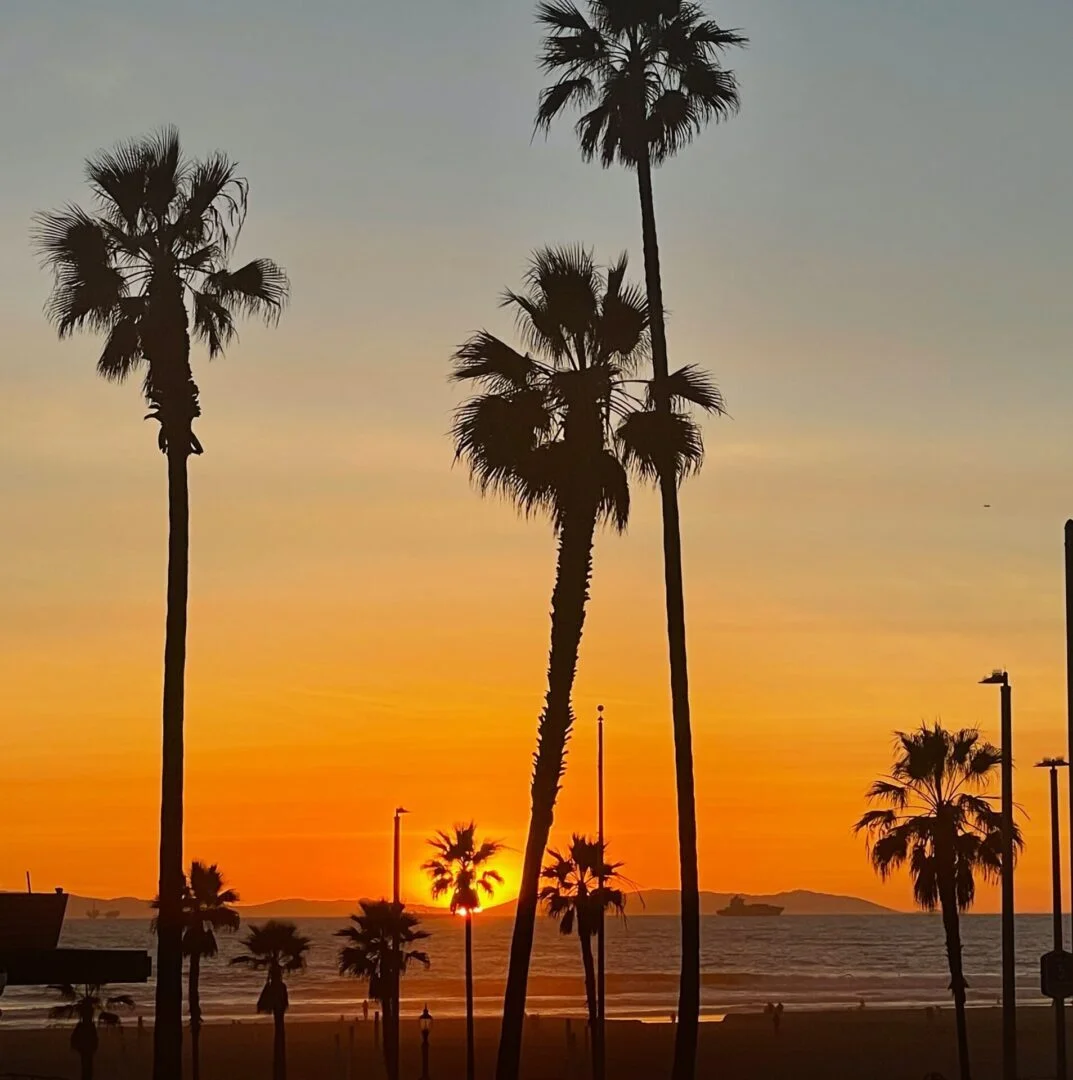 Los Angeles & Orange County
 Miami
Miami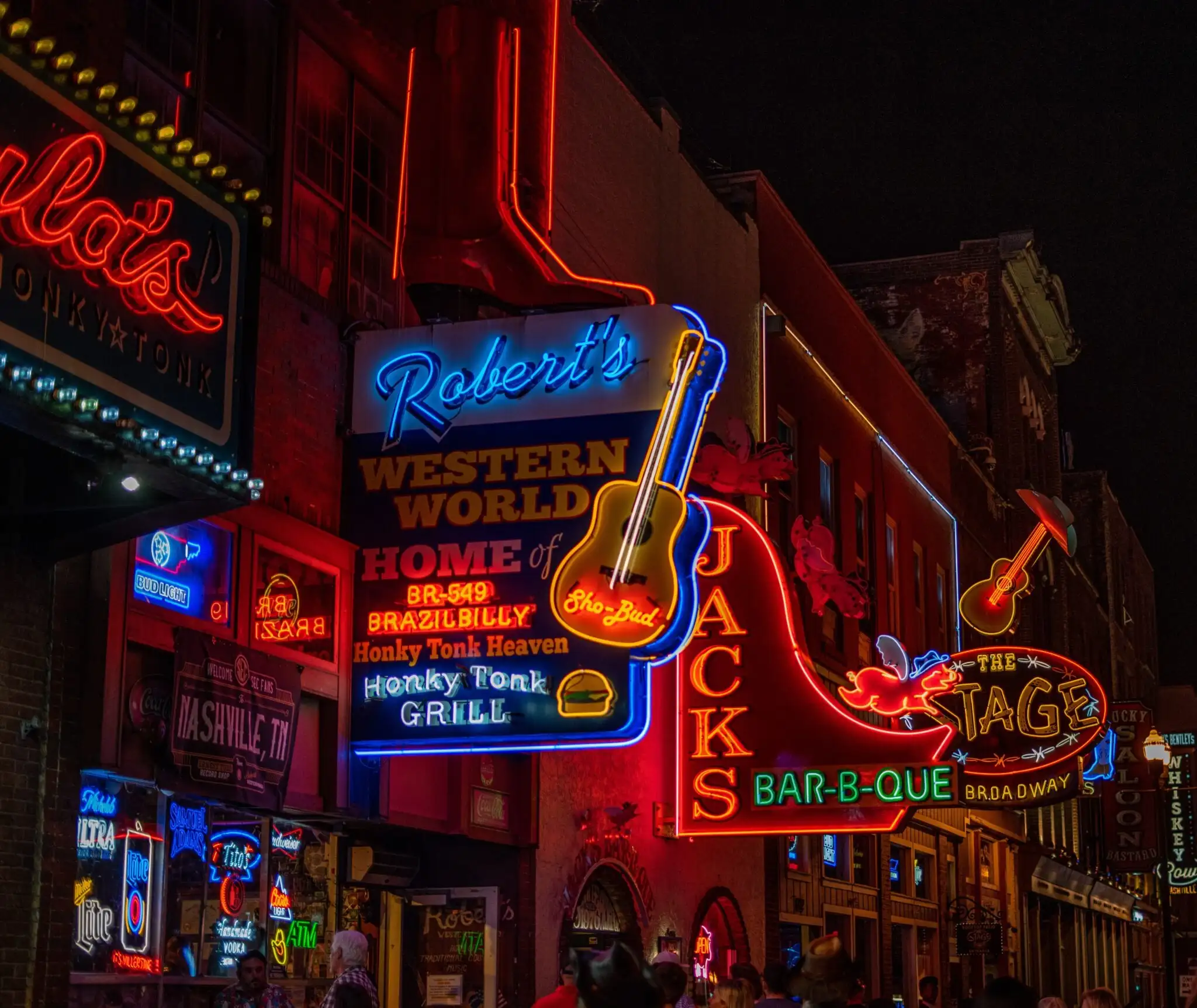 Nashville
 Palm Springs
 Savannah
 Scottsdale
 San Diego
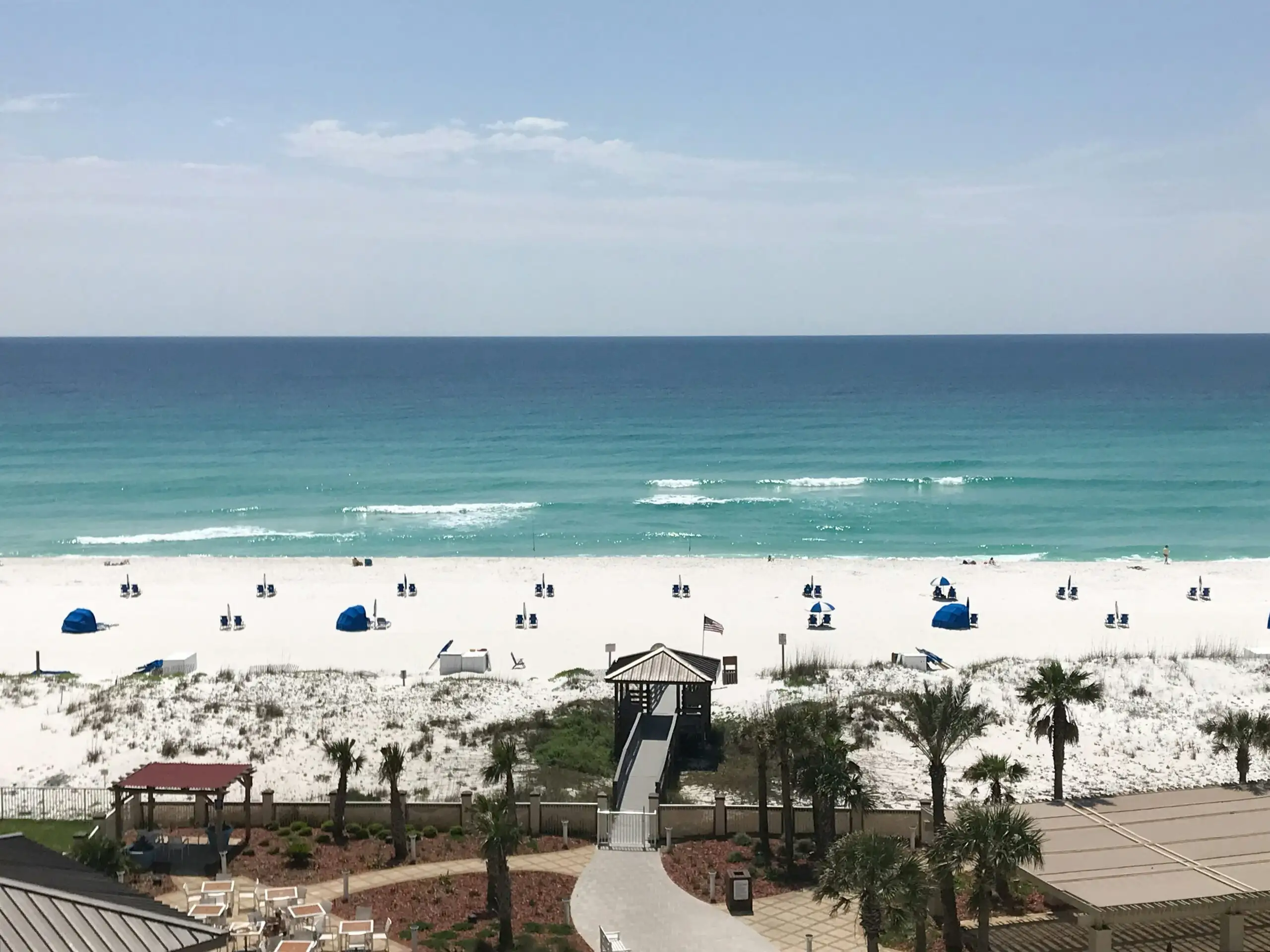 30A / Destin
 Cabana Boys
 Cocktail CowBoys
 Signature Party
 Brunch
 Game Night
 Cabana Glow
 Bagel Boys
 Party Bus
 Line Dancing
 Austin