🦈As Seen on Shark Tank 🦈 Book the Boys everyone is talking about • 🦈As Seen on Shark Tank 🦈 Book the Boys everyone is talking about • 🦈As Seen on Shark Tank 🦈 Book the Boys everyone is talking about • 🦈As Seen on Shark Tank 🦈 Book the Boys everyone is talking about • 🦈As Seen on Shark Tank 🦈 Book the Boys everyone is talking about • 🦈As Seen on Shark Tank 🦈 Book the Boys everyone is talking about • 🦈As Seen on Shark Tank 🦈 Book the Boys everyone is talking about • 🦈As Seen on Shark Tank 🦈 Book the Boys everyone is talking about • 🦈As Seen on Shark Tank 🦈 Book the Boys everyone is talking about • 🦈As Seen on Shark Tank 🦈 Book the Boys everyone is talking about • 🦈As Seen on Shark Tank 🦈 Book the Boys everyone is talking about • 🦈As Seen on Shark Tank 🦈 Book the Boys everyone is talking about • 🦈As Seen on Shark Tank 🦈 Book the Boys everyone is talking about • 🦈As Seen on Shark Tank 🦈 Book the Boys everyone is talking about • 🦈As Seen on Shark Tank 🦈 Book the Boys everyone is talking about • 🦈As Seen on Shark Tank 🦈 Book the Boys everyone is talking about •
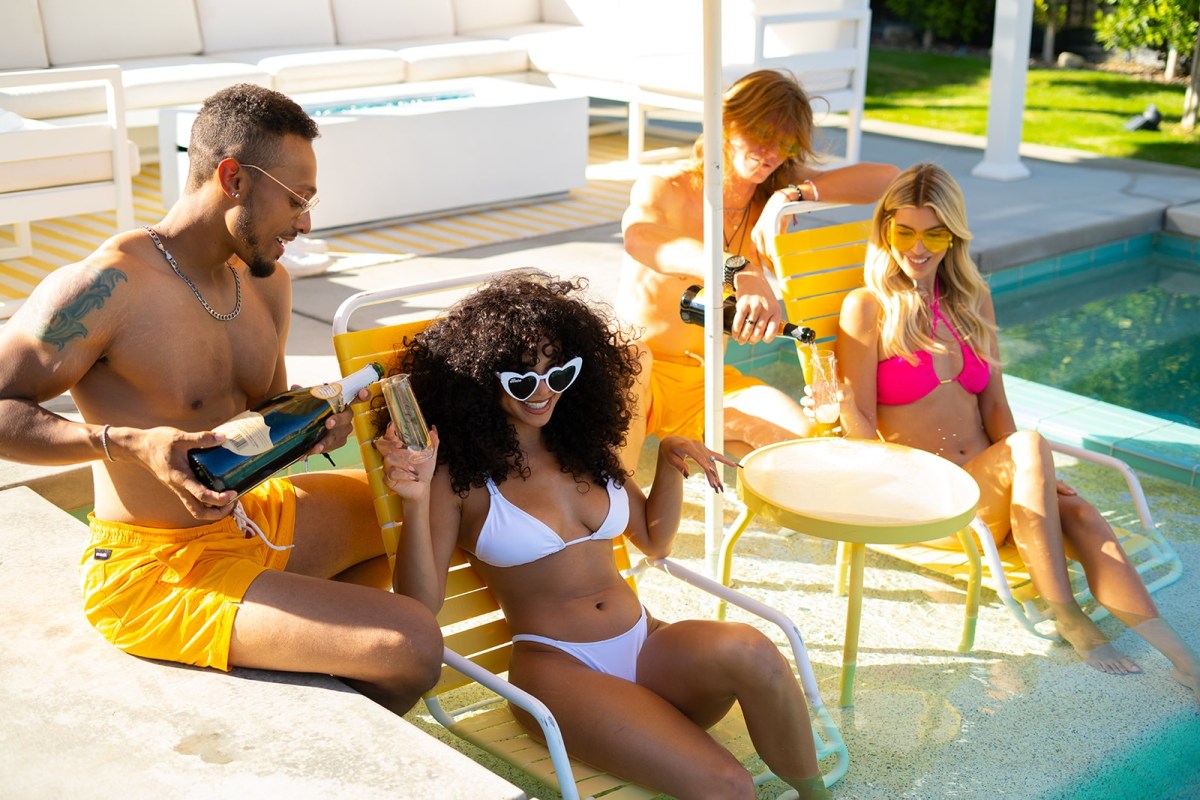
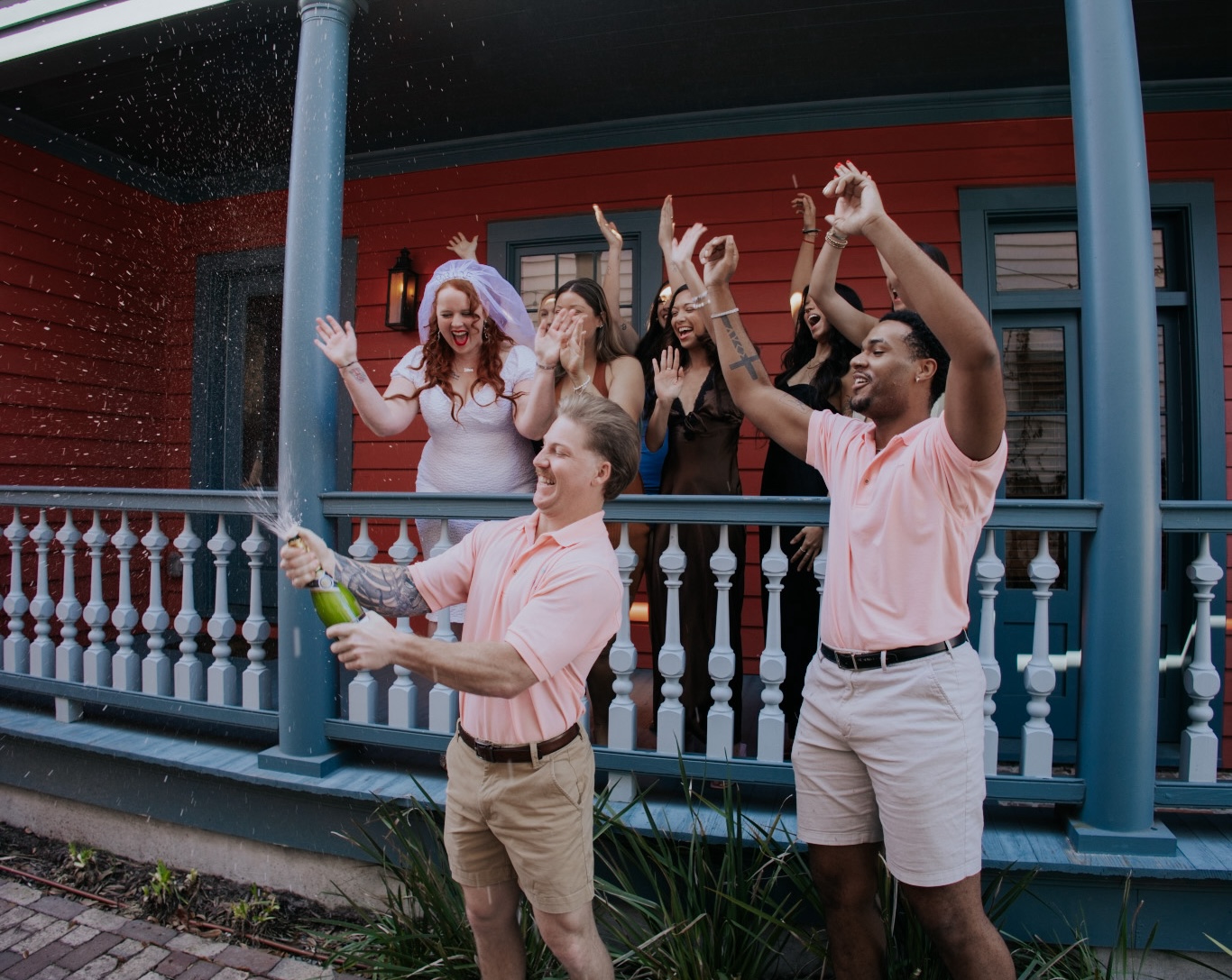
Hire the Cabana Boys to elevate your event with personalized party hosting and bartending services for 2-4 hours. These charming, vetted gentlemen will serve drinks, entertain, keep the area tidy, and make your event unforgettable, whether it’s a pool party, bachelorette, or themed event.
Gourmet brunch from local favorites, bottomless mimosas, music, and party games — hosted poolside by the Cabana Boys. The easiest, most-talked-about morning of the weekend.
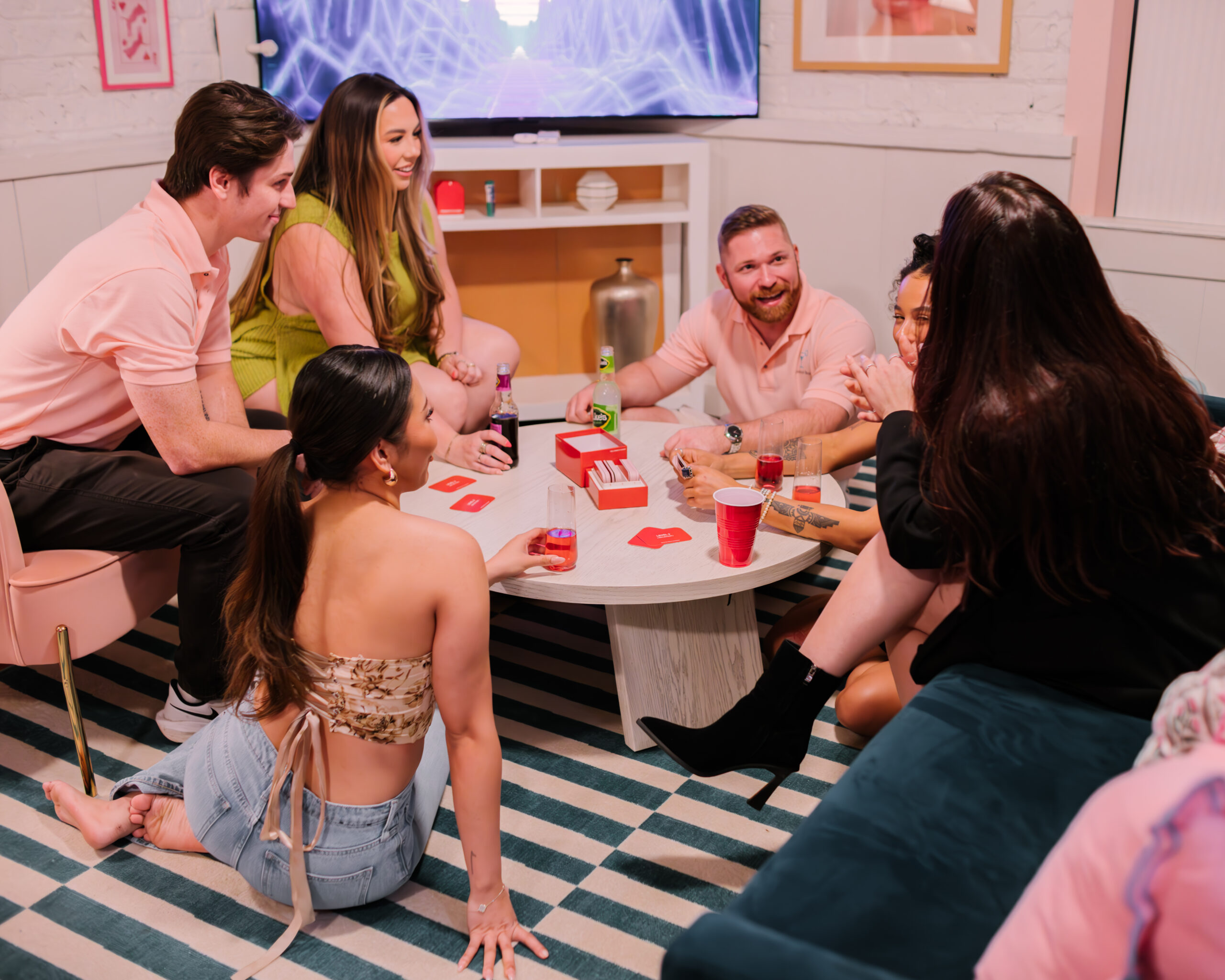
We bring tons of game ideas and supplies – bachelorette games, drinking games, signature games, fun icebreakers, music games, and more – that we will host at your Airbnb. We can also help facilitate any games that you have in mind. Think of us as game show hosts, but in a sexy pool boy kind of way.
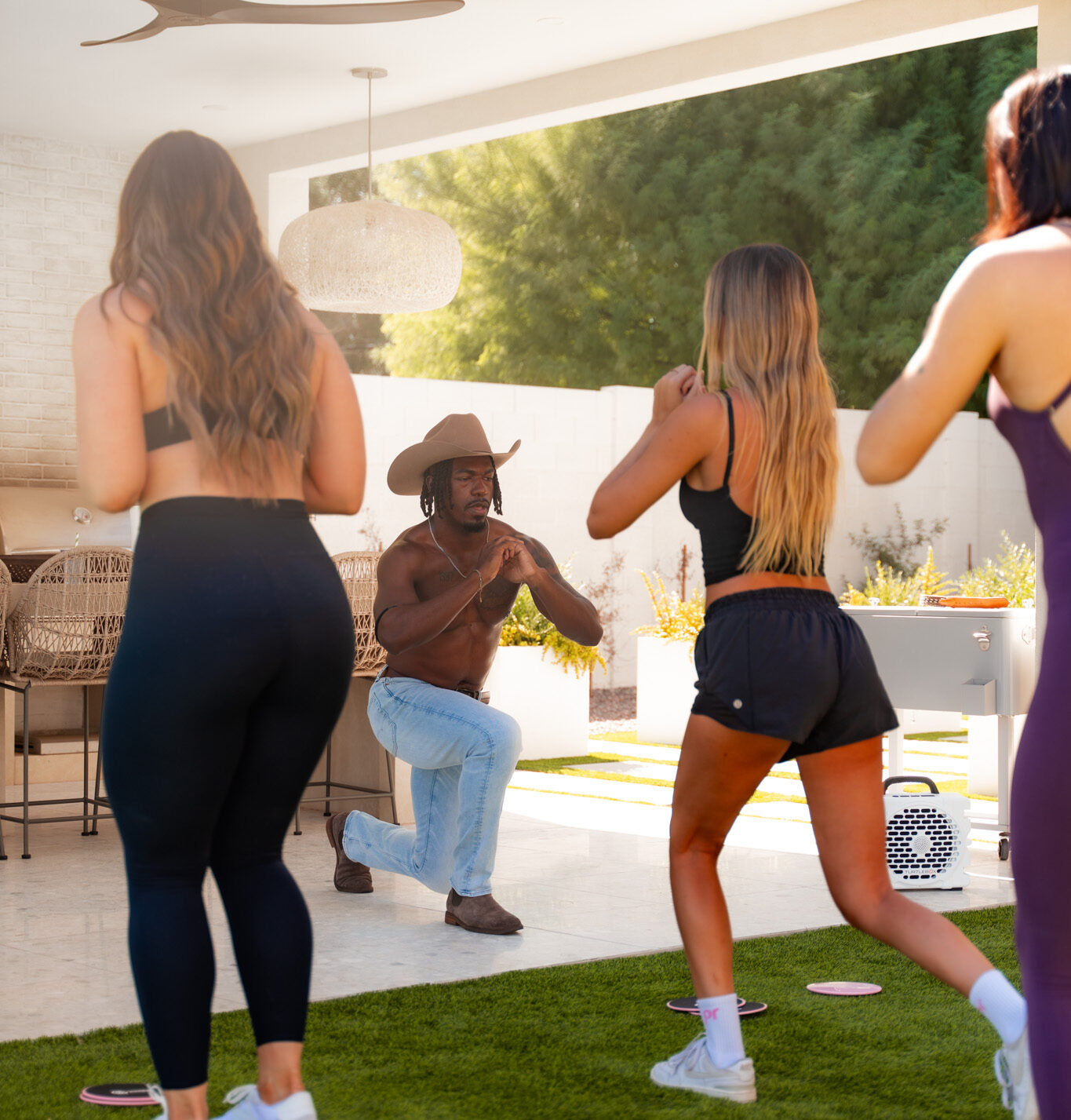
We’ll lead you through a fun, high-energy 45-minute workout with mats, bands, and sliders – then flip straight into party mode. Think of it as a fitness class that ends with your own private pool boy hosts keeping the vibe alive.
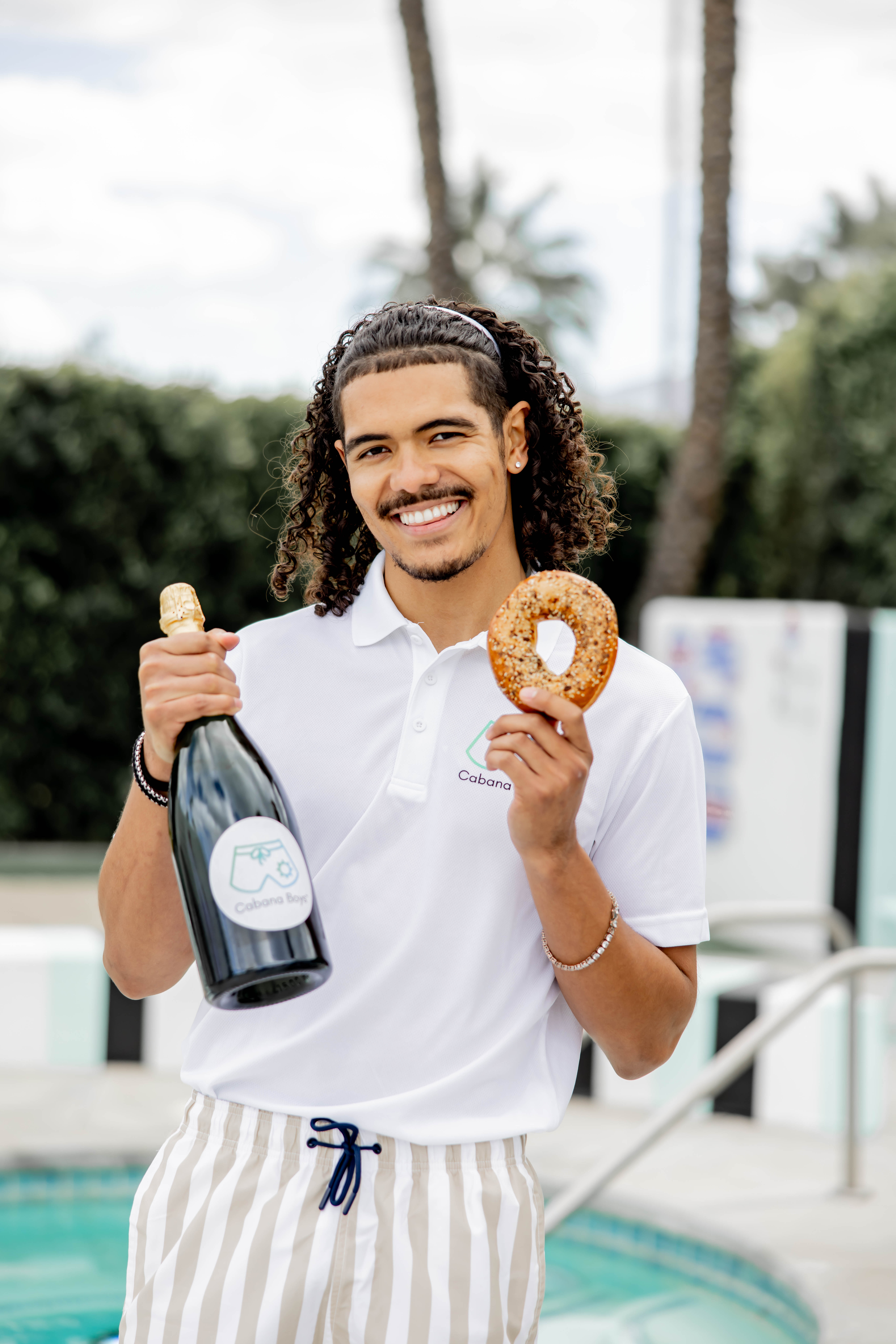
Kick off your morning with a visit from one of our hand-picked gentlemen who will set up a delicious spread with a dozen of gourmet assorted bagels, two tubs of delicious cream cheese, a large container of hot coffee, and a carafe of fresh orange juice.
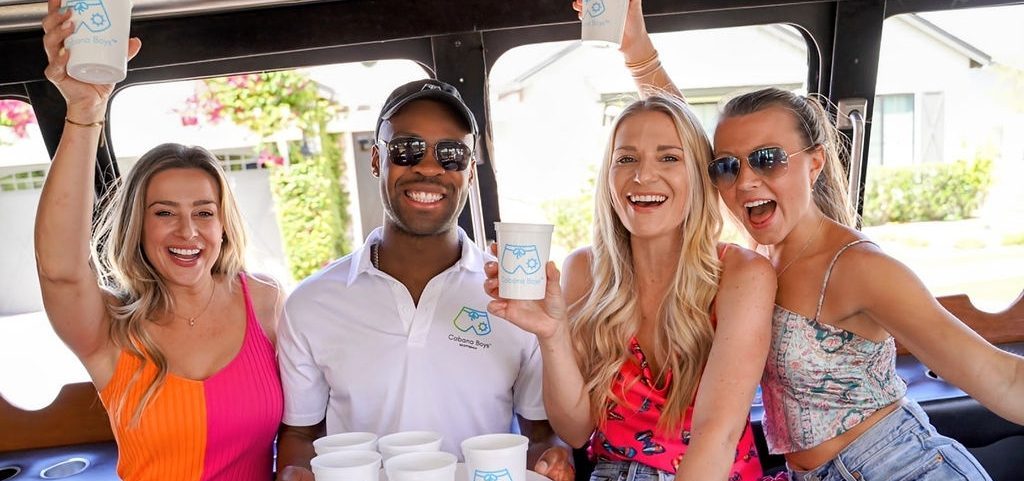
Hop on the luxurious, air conditioned party bus and we’ll cruise around Old Town, bumping music, dancing, drinking, and playing some signature games. We’ll make stops at our partner bars, where you’ll access some exclusive drink specials.
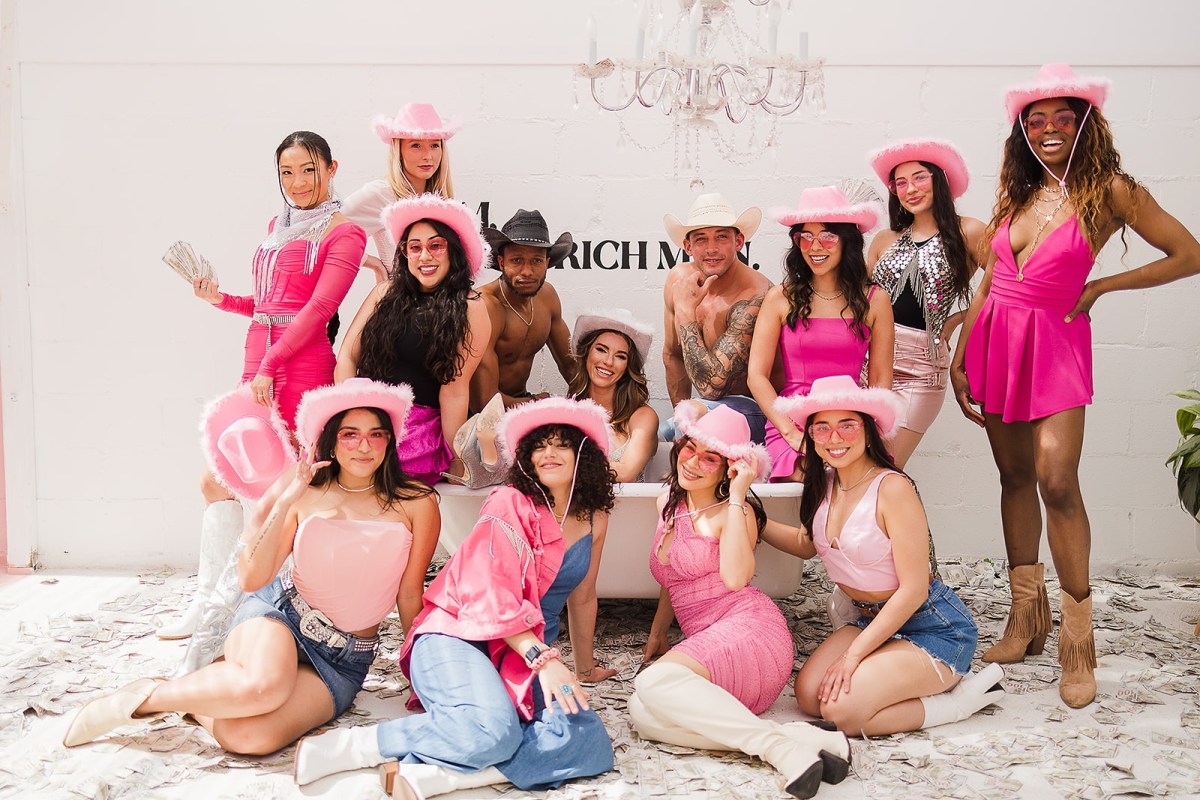
Our Cocktail CowBoys are at your service — we’ll serve you drinks and refreshments, take pictures (or pose with you), be Spotify DJs, help with party/drinking games, keep the party area tidy, keep you company and take out the trash when we leave.
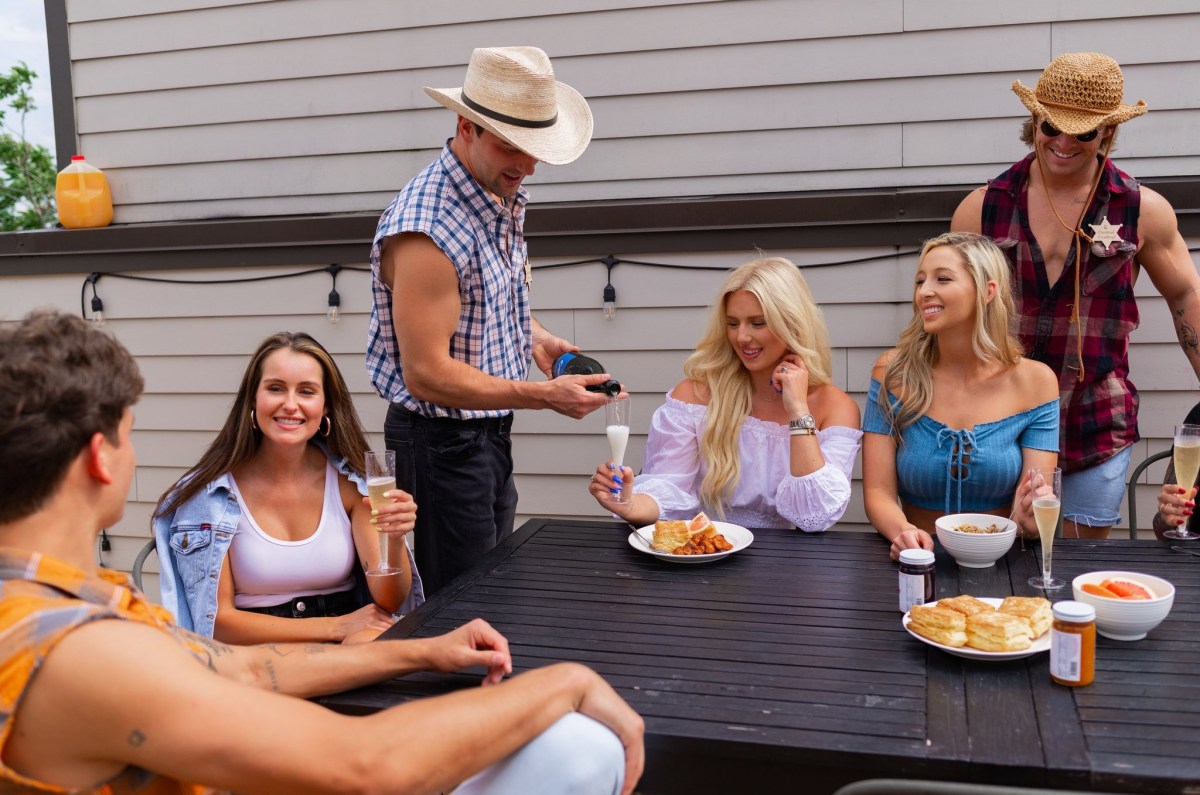
Two Cocktail CowBoys will deliver brunch for you and your crew and get you back into celebration mode. They’ll set up breakfast for you, pour mimosas, turn on some tunes, host some party games, help you nurse your hangover, and keep the party area clean.
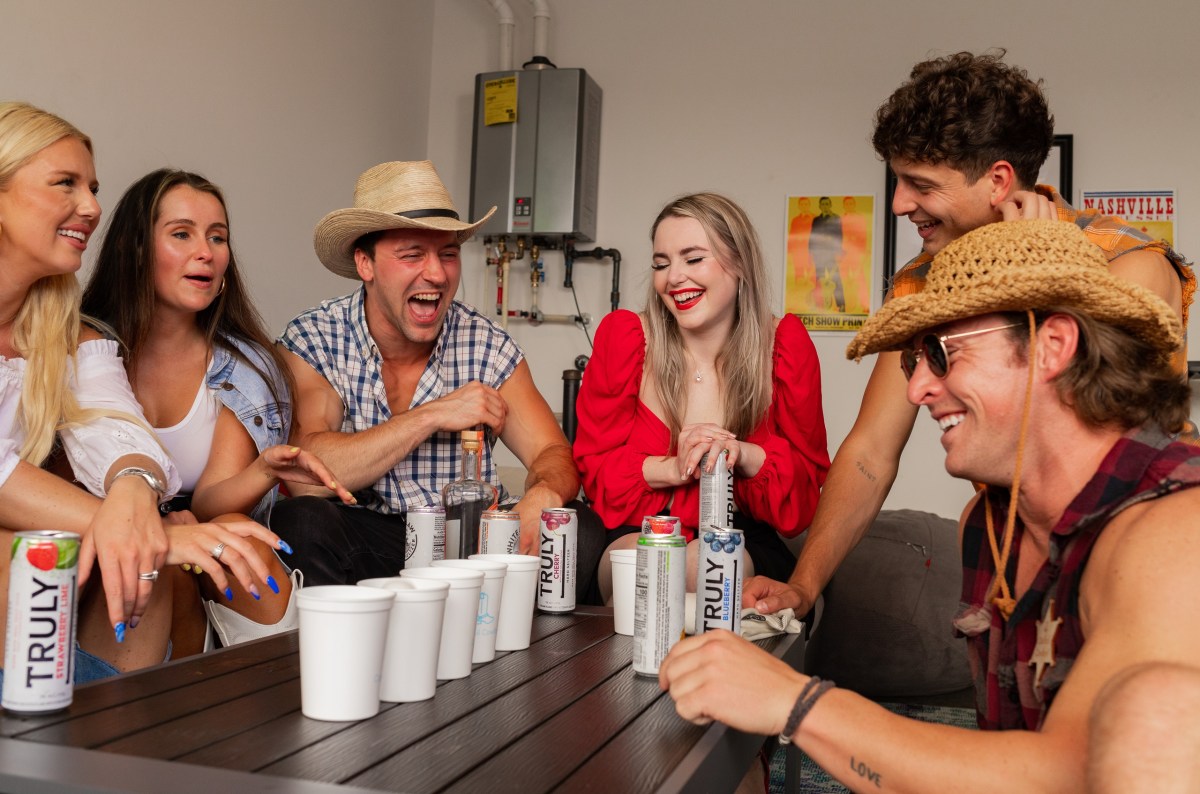
Take a break from the bars and get ready for the perfect night in with your gals… a Cocktail CowBoys game night! We bring tons of game ideas and supplies – bachelorette games, drinking games, signature games, fun icebreakers, music games, and more!
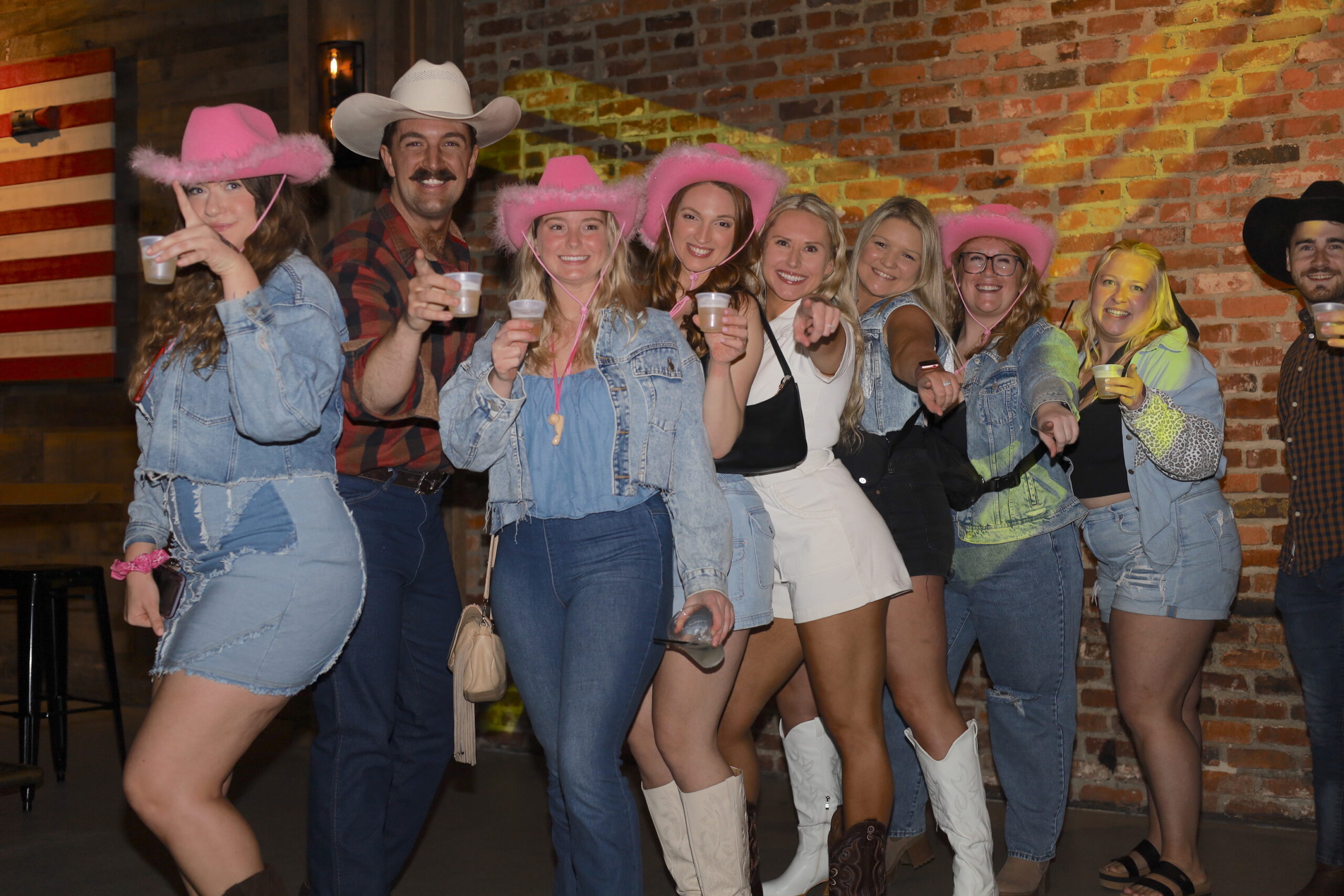
A honky-tonk adventure with cowboy charm, dancing, and unforgettable memories. Your personal party crew for a wild night of bars, boots, and Broadway debauchery.
Kick off your day with a 45-minute cowboy-led workout, then roll right into an hour of games, drinks, and hosting. Think of it as fitness meets Western hospitality — charming, playful, and unforgettable.
The Cocktail Boys will serve you, pamper you, and entertain you by serving up drinks, helping with party games, being a Spotify DJ, taking and posing in pictures, keeping the party area tidy, and taking out the trash when we leave.
Two Boys will arrive at your front door with a gourmet spread from a local restaurant favorite, will set up breakfast for you, get your day started with food and drinks, turn on some tunes, host a party game or two, help you nurse your hangover, and keep the party area clean.
We bring tons of game ideas and supplies – bachelorette games, drinking games, icebreakers, music games, and more – that we will host at your rental house or private venue. The Boys are there to serve, pamper, and entertain.
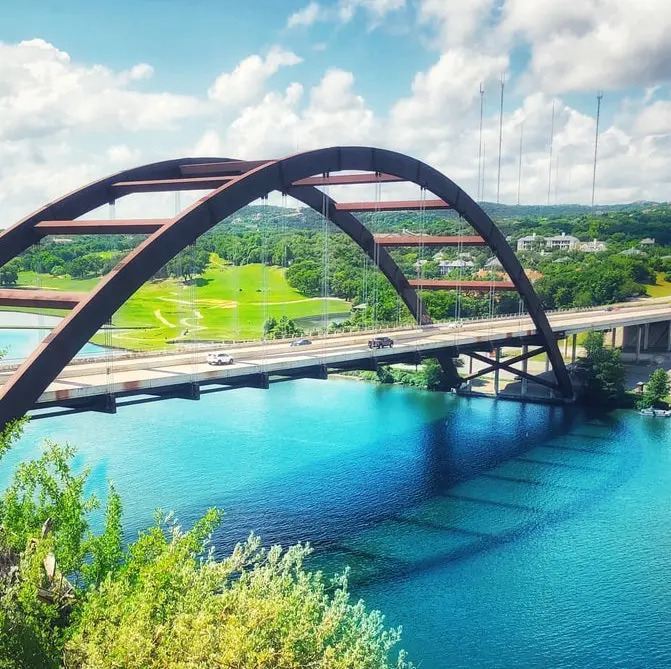
Grab your boots and head to the ultimate spot for unforgettable parties, legendary food, and live music that never stops. Saddle up for an epic Austin weekend!
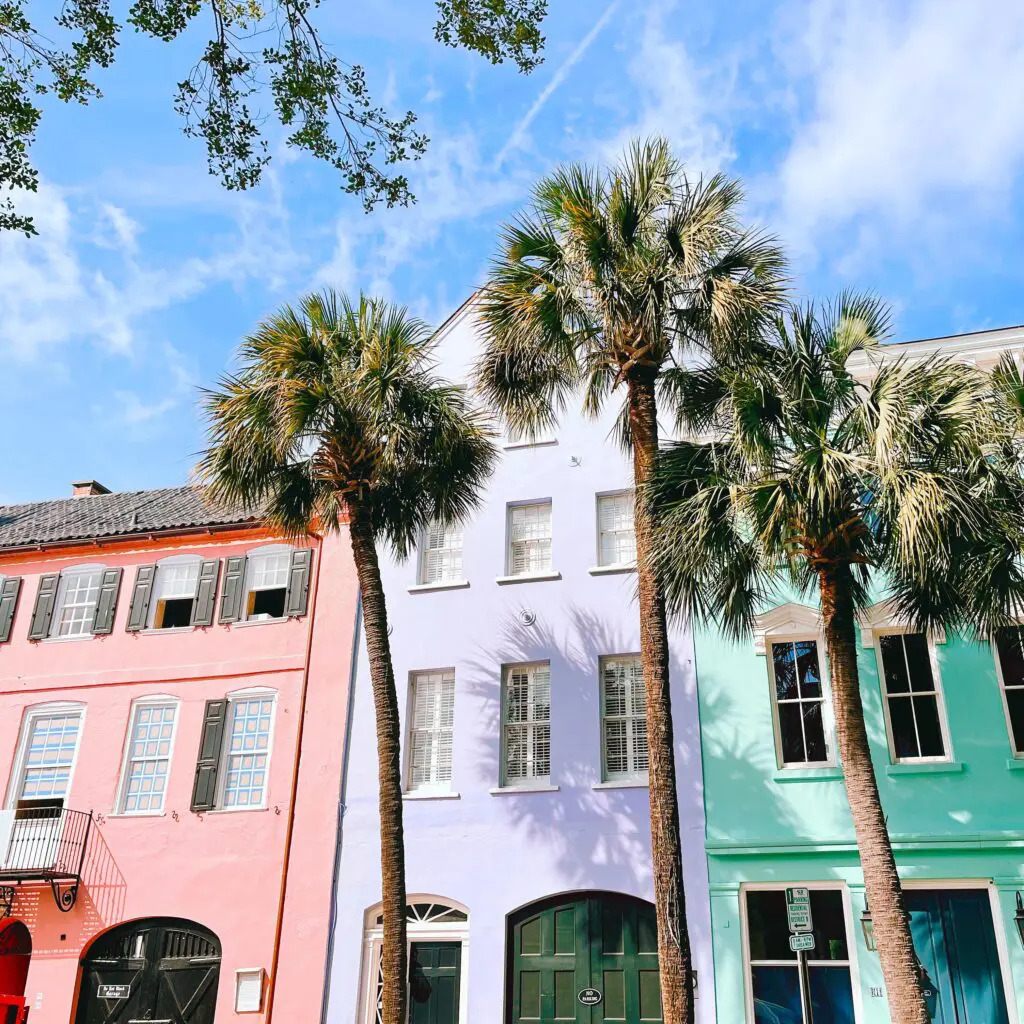
With cobblestone streets, pastel sunsets, and rooftop bars, Charleston has hospitality around every corner. Charm, style, and just the right amount of mischief.
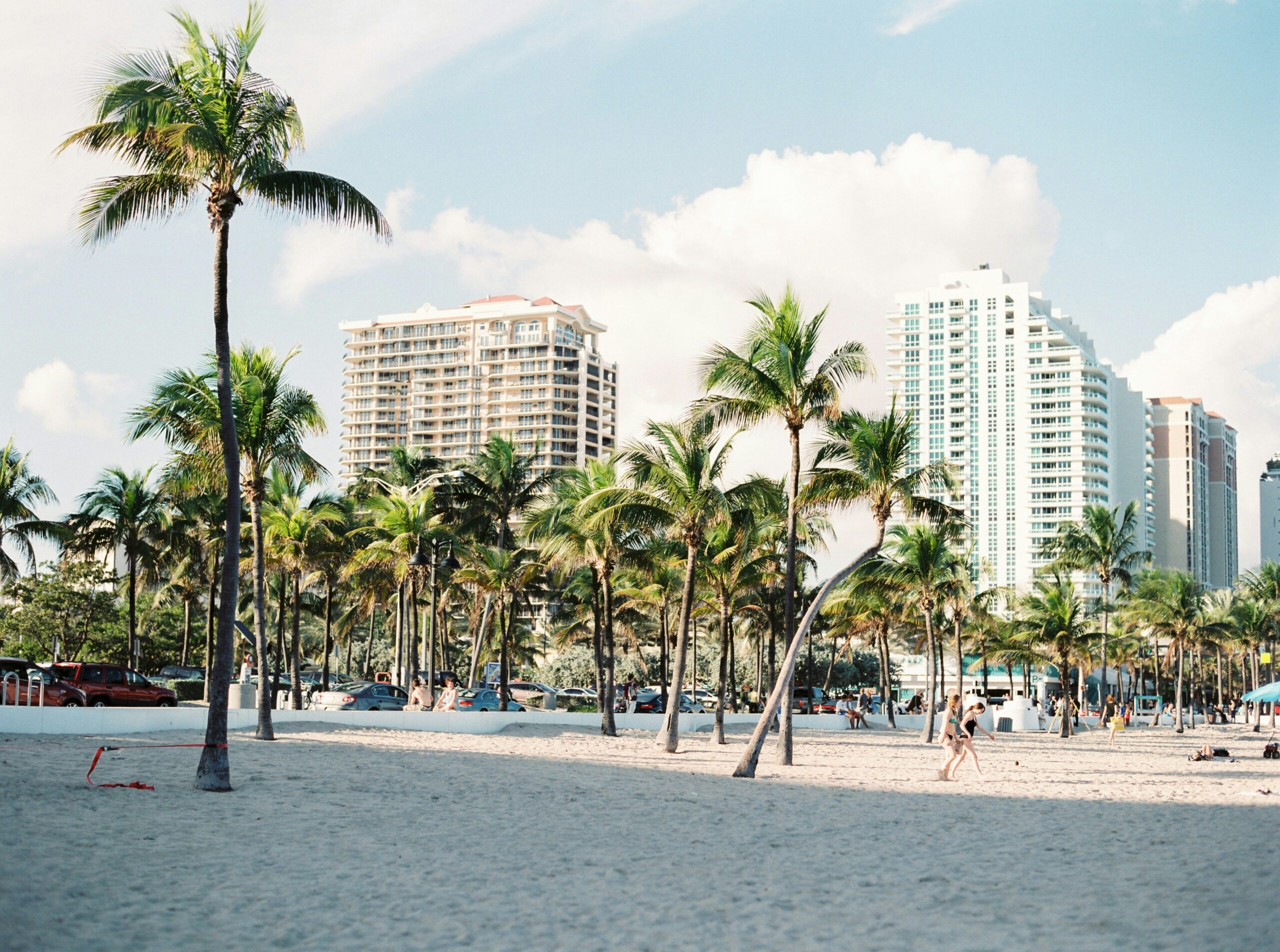
Sun, skin, and serious vibes—Miami and Fort Lauderdale are built for bold, unforgettable weekends. From pool parties to rooftop hangs, South Florida brings the heat.
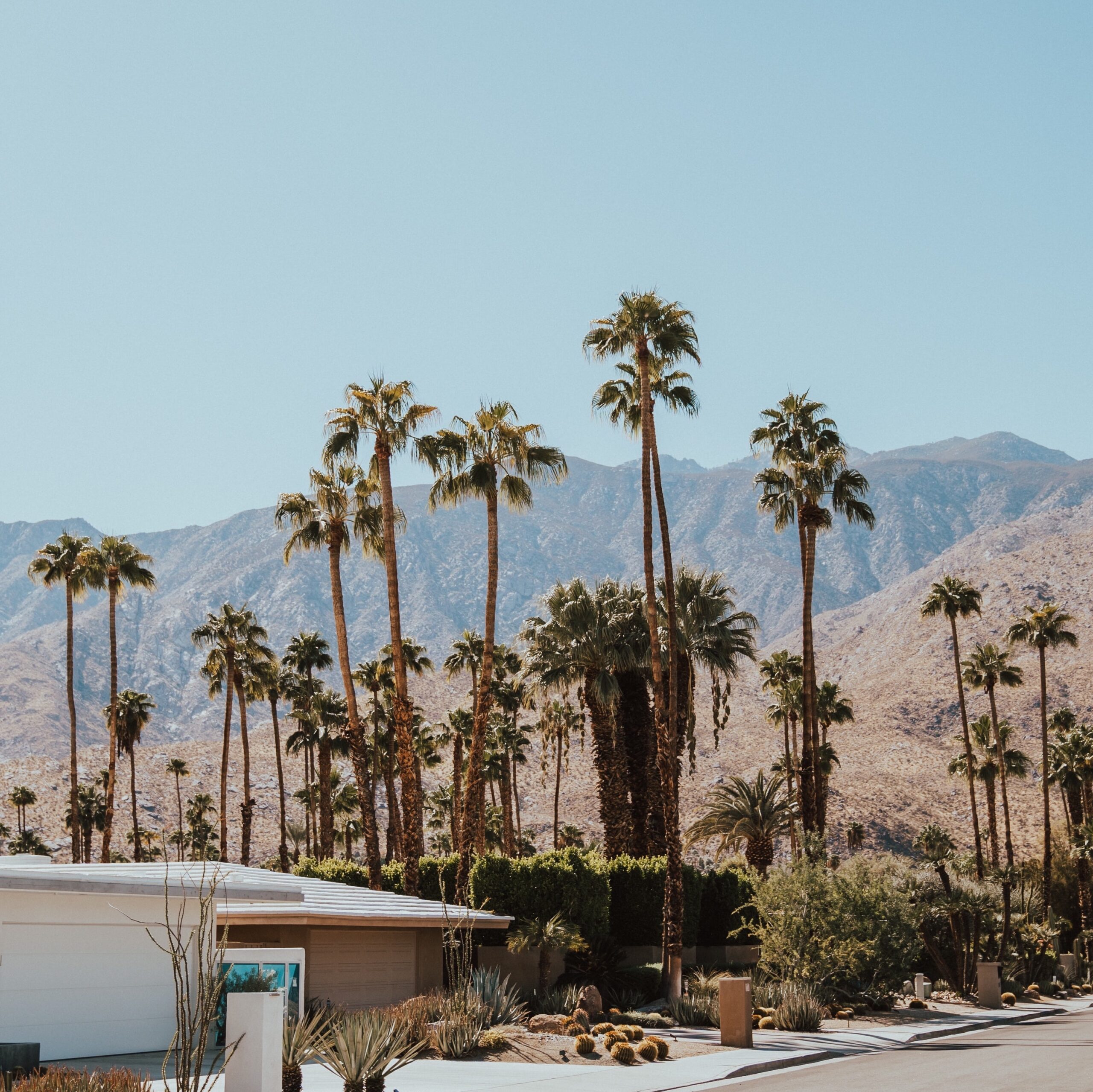
With mid-century charm, desert sun, and iconic poolside vibes, Palm Springs is the ultimate escape for unforgettable weekends and inclusive celebrations.
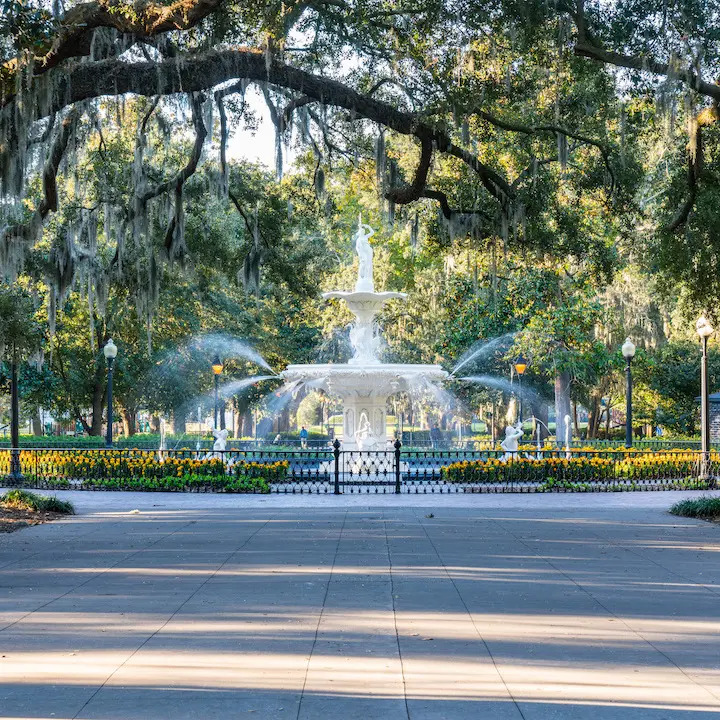
From cobblestone streets to coastal retreats, Savannah is the perfect place to sip, celebrate, and let loose. Open container laws make this one true party town.
Planning a bachelorette party in Scottsdale? Cabana Boys is the #1 rated activity in town – charismatic hosts, poolside vibes, and memories the bride won’t stop talking about.
With mid-century charm, desert sun, and iconic poolside vibes, Palm Springs is the ultimate escape for unforgettable weekends and inclusive celebrations.
Guest Experience in Event Planning: Your 2026 Guide
Guest experience in event planning is defined as the deliberate design of every interaction, emotion, and environment that shapes how attendees feel from the moment they register to the moment they leave. The role of guest experience event planning plays in determining event success is not cosmetic. It is structural. Planners who treat guest experience as a core discipline, measured through tools like Net Promoter Score (NPS), Customer Satisfaction Score (CSAT), and the Guest Satisfaction Index (GSI), consistently produce events that guests remember, recommend, and return to. This guide gives event planners and hosts the frameworks, metrics, and practical techniques to build that kind of experience in 2026.
How does guest experience shape event outcomes?
Guest experience is the single strongest predictor of repeat attendance and word-of-mouth referrals. High NPS promoters show 22% higher direct booking shares compared to detractors. That gap represents real revenue, not just goodwill.
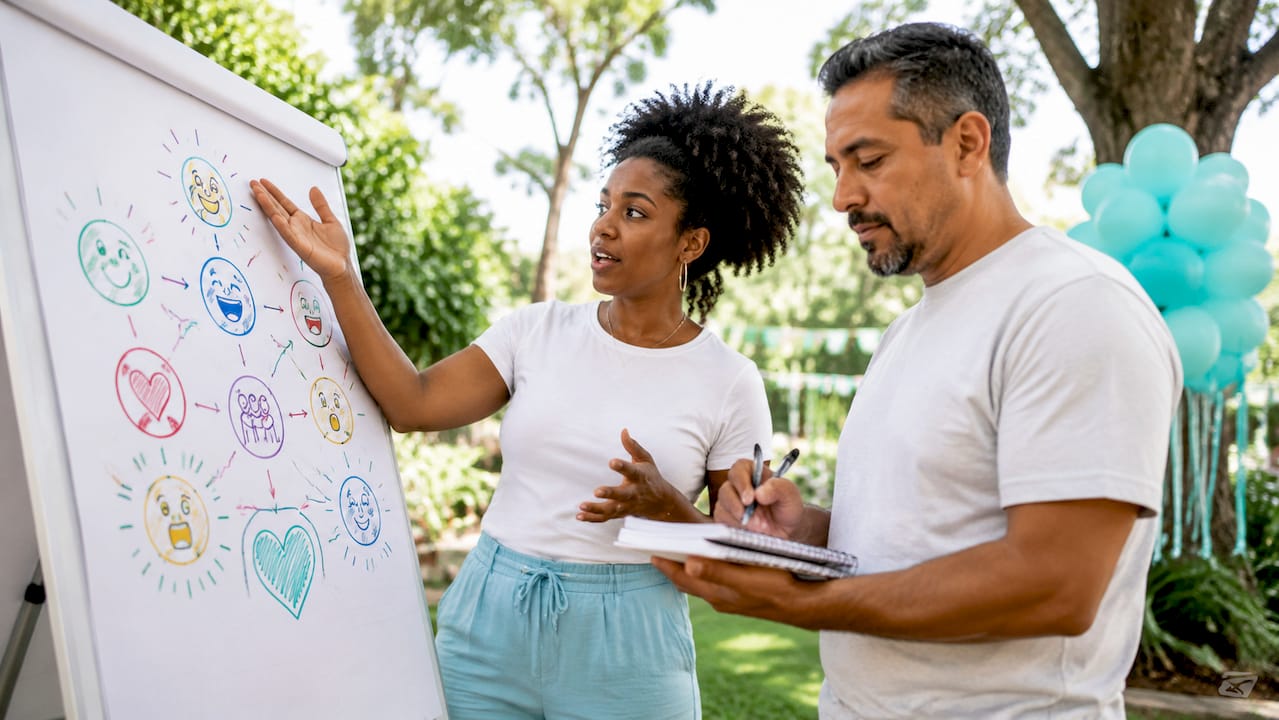
The emotional infrastructure model explains why this happens. When guests feel welcomed, stimulated, and socially connected, their brain encodes those moments as meaningful. That encoding drives the stories they tell afterward. Atmosphere and engagement are not byproducts of good logistics. They are the product.
Speed and responsiveness also drive satisfaction in ways most planners underestimate. Check-in waits over 5 minutes reduce satisfaction scores by 30%, and website load times over 3 seconds cause 53% of guests to abandon the process entirely. These are not minor friction points. They are Moments of Truth that set the emotional tone before the event even begins.
Communication compounds the effect. Proactive, context-aware messaging reduces guest cognitive load and improves overall perception of the event. Guests who feel informed feel cared for. That perception carries through every subsequent interaction.
What are the most effective guest experience strategies for event planners?
The strongest guest experience strategies operate on emotion first and logistics second. Events must evoke emotion at every phase. Planning should prioritize how guests should feel, not just what they will do on a schedule.
Use the 5 Es framework to map the guest journey
The 5 Es framework structures the full emotional arc of any event: Engage, Enter, Experience, Exit, and Extend. Each phase requires deliberate design.
Engage: Build anticipation before the event through personalized invitations, teaser content, and pre-event communication that signals the experience ahead.
Enter: Design the arrival moment to deliver an immediate emotional payoff. Greeting guests by name, offering a welcome drink, or creating a visually distinct entry point all work.
Experience: Alternate high-energy programming with quieter moments for connection. Avoid packing every minute with scheduled content.
Exit: Close with a moment guests will talk about. A parting gift, a group photo opportunity, or a heartfelt send-off creates a strong final memory.
Extend: Follow up within 24 hours with a personalized message, photo recap, or feedback request to extend the emotional connection beyond the event itself.
Build in unscheduled time
Over-scheduling destroys the organic social moments guests value most. Experienced hosts block out empty agenda time specifically to let conversations develop naturally. A 20-minute unstructured window between sessions often produces more guest satisfaction than a polished keynote.
Pro Tip:Label unscheduled blocks on your run-of-show as “Connection Time” rather than leaving them blank. This signals to your team that the pause is intentional, not a gap to fill.
Create micro-environments that invite interaction
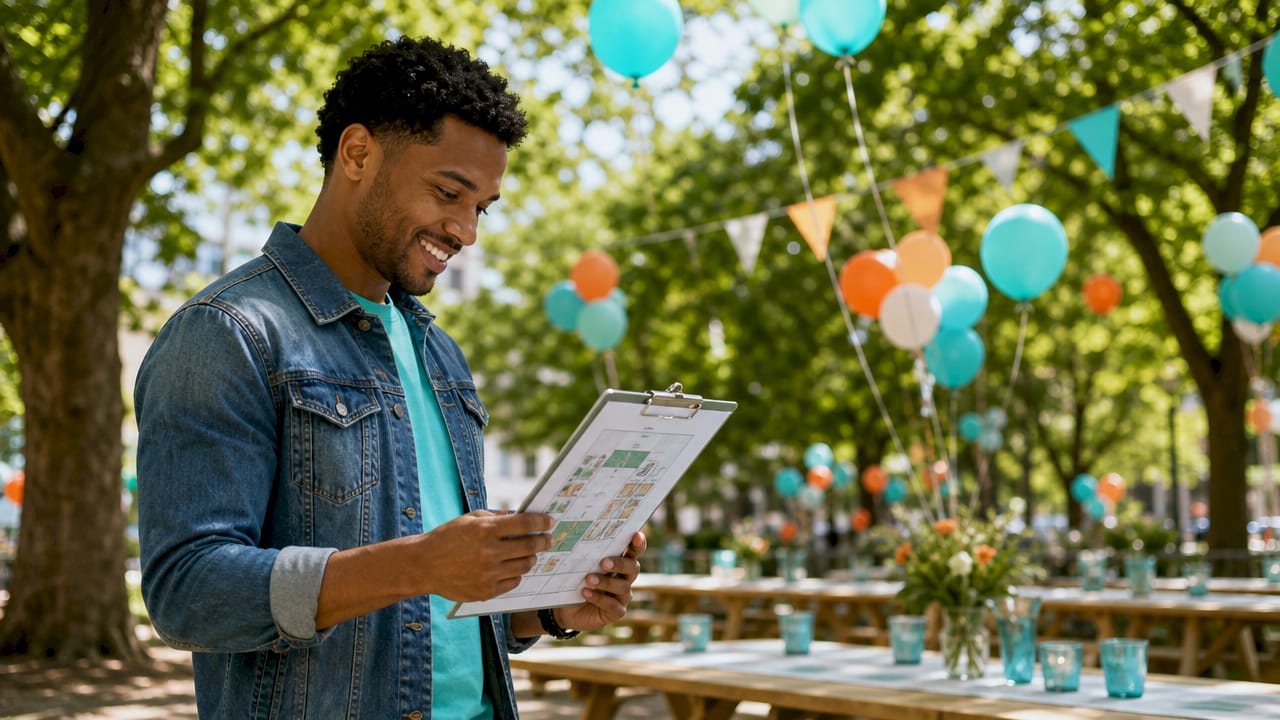
Large open spaces intimidate guests and suppress conversation. Dividing your venue into smaller, themed zones gives guests a reason to move, explore, and interact. A cocktail station, a lounge corner, and a game area each attract different social dynamics. Professional bartenders at a dedicated bar station do more than serve drinks. They anchor a social hub where guests naturally gather and talk.
Multi-sensory design reinforces emotional engagement. Scent, lighting temperature, music tempo, and tactile elements like textured table settings all contribute to how guests feel in a space. None of these require a large budget. They require intentional choices.
How do you measure guest experience success at events?
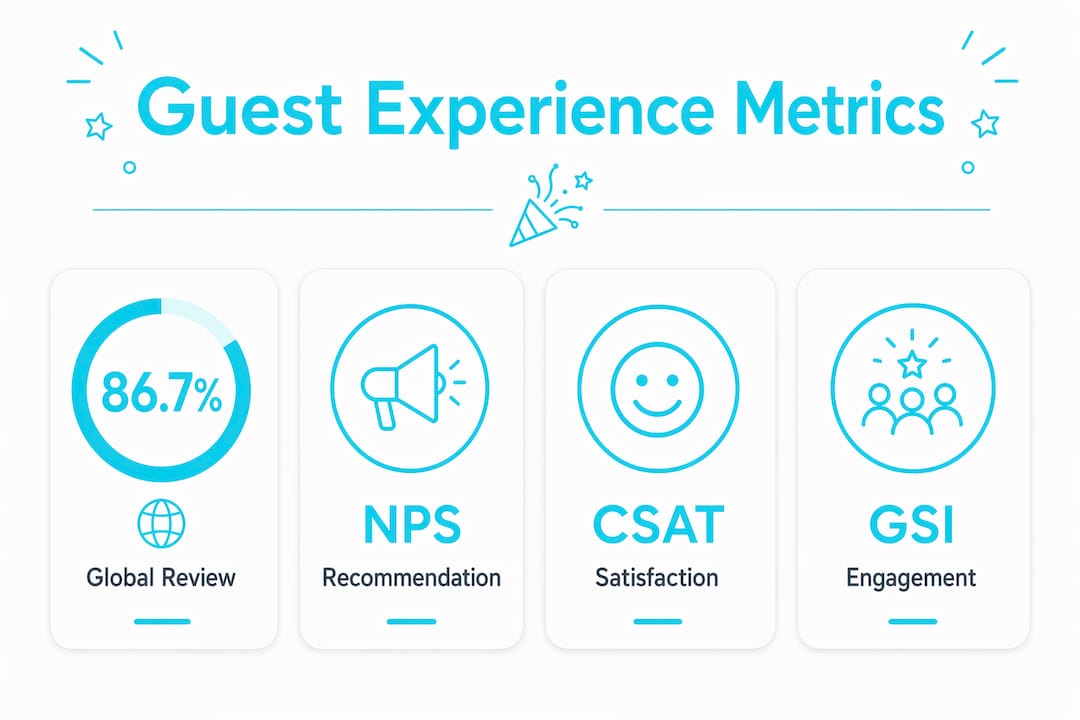
Measurement turns gut instinct into repeatable results. The three metrics every event planner should track are NPS, CSAT, and GSI. Each captures a different dimension of the guest experience.
Metric
What it measures
Business impact
NPS (Net Promoter Score)
Likelihood to recommend the event
Predicts repeat attendance and referral growth
CSAT (Customer Satisfaction Score)
Satisfaction with specific touchpoints
Identifies friction in check-in, F&B, or programming
GSI (Guest Satisfaction Index)
Composite score across all experience dimensions
Tracks overall experience quality over time
The Global Review Index reached 86.7% in Q1 2026, up from 84.7% in Q1 2022, with gastronomy improving satisfaction impact by 2.7 points. That upward trend confirms that guests are raising their expectations, and planners must raise their measurement standards to match.
Guest journey maps are the most practical tool for turning metrics into action. Journey maps involving multiple departments improve satisfaction scores by 20–30% and repeat visits by 15%. The key is assigning departmental ownership to each touchpoint so accountability is clear.
Planners should also apply a prioritization matrix when deciding which improvements to tackle first. Score each issue by its impact on guest satisfaction and its ease of implementation. High-impact, low-effort fixes go first. This prevents teams from spending resources on visible but low-value changes.
Vanity metrics that don’t link to revenue or retention should be cut from reporting entirely. Tracking social media impressions without connecting them to attendance or rebooking rates tells you nothing useful. Every metric on your dashboard should drive a decision.
What pitfalls do event planners face with guest experience?
The most common mistakes in guest experience planning share one root cause: confusing activity with impact.
Overloading the agenda. A packed schedule signals effort but removes the breathing room guests need to connect. Serendipitous conversations are often the most memorable part of any event, but they require space to happen.
Prioritizing decor over communication. A beautifully styled venue with poor wayfinding, late notifications, or confusing check-in creates frustration that no floral arrangement can fix.
Tracking too many metrics. Planners who monitor 15 satisfaction indicators often act on none of them. Three well-chosen metrics with clear owners outperform a sprawling dashboard every time.
Skipping the post-event consolidation phase. Memory of an event solidifies in the 24–48 hours after it ends. Planners who send nothing during this window miss the moment when emotional impressions are still forming.
Treating hospitality as service delivery. Hospitality is not about executing tasks. Hospitality acts as an emotional infrastructure that shapes atmosphere and networking ease far more than high-end decor or generic service ever could.
Pro Tip:After every event, conduct a 30-minute debrief with your team focused on one question: “What did guests feel at each phase?” Not what happened, but what was felt. That shift in framing surfaces insights that post-event surveys often miss.
Knowing how to plan memorable events means resisting the urge to fill every moment. The planners who produce the most talked-about events are often the ones who scheduled the least.
Key takeaways
Guest experience is the emotional infrastructure of every successful event, and planners who measure it with NPS, CSAT, and GSI consistently outperform those who rely on instinct alone.
Point
Details
Define the emotional arc first
Use the 5 Es framework to map how guests should feel at each phase, not just what they will do.
Speed and responsiveness matter
Check-in waits over 5 minutes reduce satisfaction by 30%, making operational timing a guest experience issue.
Measure what drives decisions
Track NPS, CSAT, and GSI only. Cut any metric that doesn’t connect to retention or revenue.
Block unscheduled time intentionally
Empty agenda windows create the organic social moments guests remember and value most.
Follow up within 24 hours
Post-event communication during the memory consolidation window strengthens emotional impressions and drives repeat attendance.
What I’ve learned about treating events as emotional design
Nelson here. After years of working with event planners across dozens of formats, the single biggest shift I’ve seen in high-performing hosts is this: they stopped thinking about events as schedules and started thinking about them as emotional sequences.
The planners who produce the most memorable gatherings are not the ones with the biggest budgets. They are the ones who ask “how will this moment feel?” before they ask “what time does this start?” That question changes every decision downstream, from the music tempo at arrival to the lighting shift during dinner.
I’ve also seen how badly the hospitality-as-service misconception hurts events. A host who checks tasks off a list produces a functional event. A host who reads the room, adjusts the energy, and makes individual guests feel seen produces an experience. Those are not the same thing, and guests know the difference immediately.
The measurement piece is where most planners still leave value on the table. Collecting NPS scores after an event is useful. Connecting those scores to specific touchpoints, assigning ownership, and reviewing them quarterly is where real improvement happens. The 5 reasons to hire a professional host almost always come back to this: skilled hosts create accountability for the guest experience in real time, not just in post-event reports.
The industry is moving toward emotional design as a discipline, not a nice-to-have. Planners who build that capability now will have a significant advantage as guest expectations continue to rise.
— Nelson
How Partyhostboys elevates your event’s guest experience
Planning a bachelorette party, birthday celebration, or group trip means every detail of the guest experience falls on you. Partyhostboys takes the hardest part off your plate.
Partyhostboys’ Cabana Boys, Cocktail Boys, and Cocktail CowBoys do more than serve drinks. They engage guests, run games, manage the energy of the room, and keep the environment fun and tidy throughout the event. Every host is trained to read the room and personalize the experience in real time, which is exactly what the best guest experience strategies require. Explore the full range of curated event experiences Partyhostboys offers, or check out the Cocktail Boys service to see how professional bartending transforms guest satisfaction at your next event.
FAQ
What is guest experience in event planning?
Guest experience in event planning is the intentional design of every interaction, environment, and emotional moment that shapes how attendees feel throughout an event. It covers pre-event communication, arrival, programming, and post-event follow-up.
Why does guest satisfaction matter for event success?
Guest satisfaction drives repeat attendance, referrals, and direct bookings. High NPS promoters show 22% higher direct booking shares, making satisfaction a measurable revenue driver, not just a soft metric.
What metrics should event planners track for guest experience?
Event planners should track NPS, CSAT, and GSI. These three metrics cover likelihood to recommend, satisfaction at specific touchpoints, and overall experience quality, and each one connects directly to operational decisions.
How does unscheduled time improve guest experience?
Unscheduled time creates space for organic social connections, which guests consistently rate as among the most valuable parts of any event. Experienced planners block these windows intentionally rather than treating them as gaps to fill.
What is the biggest mistake event planners make with guest experience?
The most common mistake is treating hospitality as task completion rather than emotional atmosphere. Guests remember how an event felt, not whether every item on the run-of-show was executed on time.





 Austin
 Charleston
 Los Angeles & Orange County
 Miami
Miami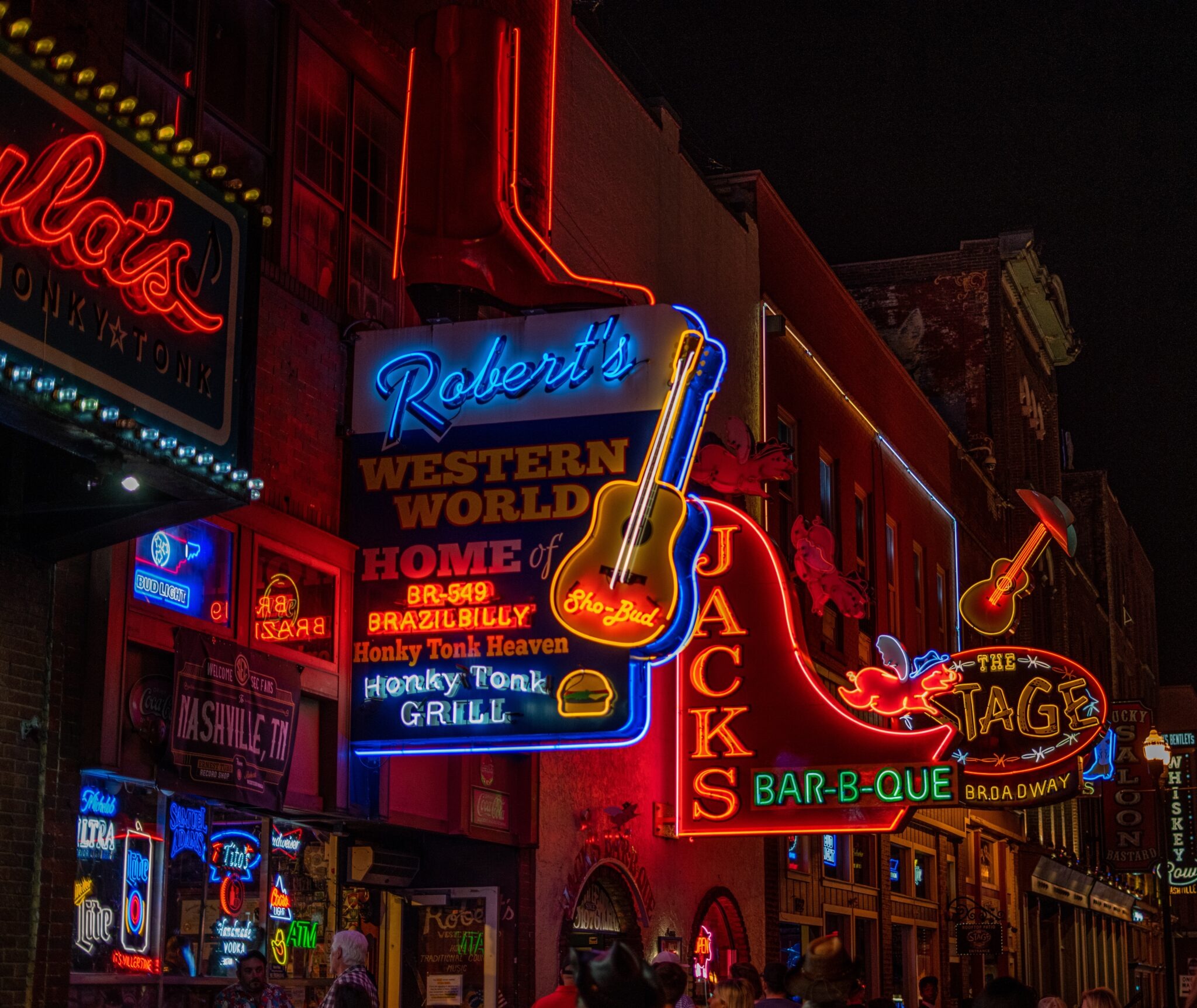 Nashville
 Palm Springs
 Savannah
 Scottsdale
 San Diego
 30A / Destin
 Cabana Boys
 Cocktail CowBoys
 Cocktail Boys
 Signature Party
 Brunch
 Game Night
 Cabana Glow
 Bagel Boys
 Party Bus
 Line Dancing
 Game Night
 Austin